

How Alaric Therapy Supports Stress Relief and Relaxation

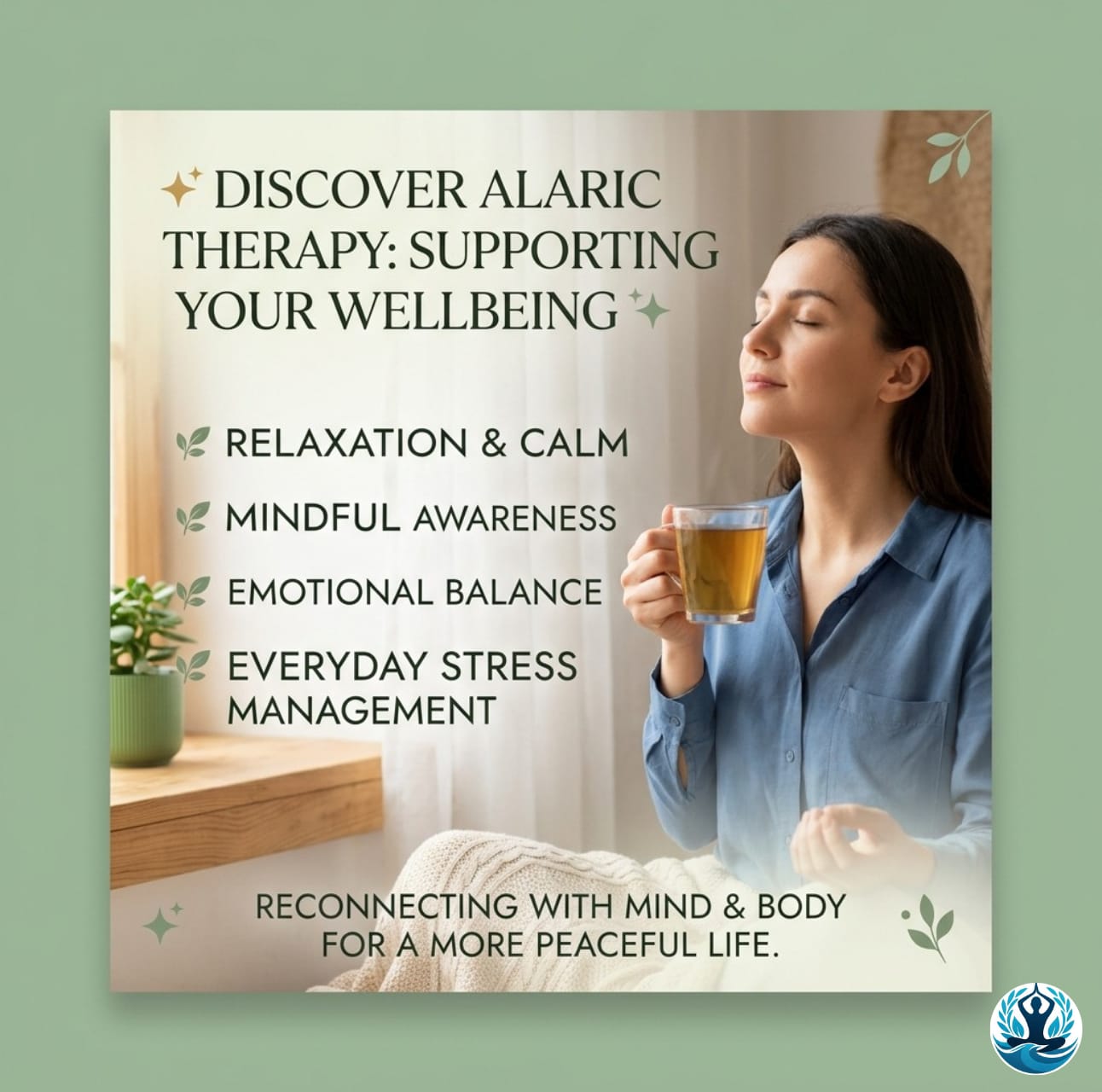
Stress has become a common part of modern life. Work responsibilities, personal relationships, financial concerns, digital distractions, lack of sleep, and constant demands can leave the mind and body feeling overwhelmed. While occasional stress is a normal response to challenging situations, ongoing stress can make it difficult to relax, sleep well, concentrate, or enjoy everyday experiences.
Finding healthy ways to manage stress is therefore an important part of maintaining overall wellbeing. Alongside lifestyle habits such as regular movement, healthy nutrition, adequate sleep, and social connection, many people explore complementary wellness approaches that encourage relaxation and self-awareness.
Alaric Therapy can be approached as a supportive wellness practice focused on creating a calmer internal experience, developing awareness, and encouraging relaxation. By helping individuals slow down and become more attentive to their physical and emotional state, therapeutic practices may provide an opportunity to step away from everyday pressure and reconnect with a sense of balance.
This article explores how Alaric Therapy supports stress relief and relaxation, the potential benefits of calming practices, and ways these approaches can be incorporated into a mindful wellness routine.
Understanding Stress and Its Effects
Stress is the body’s natural response to situations that feel demanding or threatening. When a person experiences stress, the body can become more alert and prepared to respond. This response can be useful in short-term situations, but persistent stress may leave a person feeling physically and mentally exhausted.
Common experiences associated with stress can include:
- Difficulty relaxing
- Racing or repetitive thoughts
- Muscle tension
- Irritability
- Mental fatigue
- Reduced concentration
- Feeling emotionally overwhelmed
- Changes in sleep
- Low motivation
- Difficulty being present
Modern lifestyles can make it particularly difficult to switch off. Notifications, emails, work commitments, social media, and household responsibilities can keep the mind occupied even when the body needs rest.
Stress management therefore involves more than simply taking a break. It can involve learning how to recognize tension, create moments of stillness, regulate daily routines, and develop healthier responses to pressure.
What Is Alaric Therapy?
Alaric Therapy can be described as a wellness-oriented approach that may emphasize relaxation, awareness, emotional balance, and connection between the mind and body.
The exact structure and techniques used in Alaric Therapy can vary depending on the practitioner and the context in which it is offered. For this reason, people should understand what a specific practitioner means by “Alaric Therapy” before beginning a program.
A calming therapeutic session may encourage an individual to slow down, focus attention inward, notice bodily sensations, and become aware of thoughts and emotions without immediately reacting to them.
This type of mindful awareness can be valuable for people who spend much of their day in a highly stimulated or demanding environment.
How Alaric Therapy Supports Stress Relief
One of the central ideas behind Alaric Therapy for stress relief is creating space for relaxation and self-awareness.
When life becomes busy, people may move quickly from one responsibility to another without noticing how much tension they are carrying. A dedicated therapeutic practice can create a pause.
1. Encourages Deep Relaxation
Relaxation is an important part of healthy stress management. When people intentionally create quiet periods during the day, they may find it easier to release some of the physical and mental tension associated with constant activity.
Alaric Therapy may incorporate calming practices that encourage slower breathing, comfortable body awareness, stillness, or mindful attention.
A relaxation session can provide an opportunity to step away from external demands and focus on the present experience.
Over time, regularly practicing relaxation may help individuals become more familiar with the difference between tension and ease.
2. Promotes Mindful Awareness
Stress can sometimes make people operate automatically. They may react to situations before fully understanding what they are feeling.
Mindfulness encourages people to notice their thoughts, emotions, breathing, and physical sensations with greater awareness.
Alaric Therapy may support this process by creating a structured environment in which individuals can pay attention to their internal experience.
Instead of immediately judging a stressful thought, a person can learn to observe it.
For example, rather than thinking, “I cannot handle everything,” someone might recognize:
“I am feeling overwhelmed right now, and I need a moment to slow down.”
That small shift in awareness can encourage a more thoughtful response.
3. Helps Release Physical Tension
Stress is not only experienced mentally. It can also be reflected in the body.
People often hold tension in areas such as:
- The shoulders
- Neck
- Jaw
- Back
- Hands
- Face
Relaxation-focused practices can encourage individuals to notice where tension is present and consciously soften those areas.
Developing body awareness can be especially useful for people who do not realize how much physical tension they carry throughout the day.
4. Supports Emotional Balance
Emotions are a natural part of life, but ongoing stress can make emotional responses feel stronger or more difficult to manage.
A therapeutic wellness practice may encourage individuals to acknowledge emotions rather than constantly suppressing or avoiding them.
This does not mean that every difficult emotion disappears. Instead, the goal can be to develop greater awareness of emotional experiences and respond to them with patience.
With regular self-awareness practices, people may become better at identifying early signs of frustration, anxiety, exhaustion, or overwhelm.
5. Encourages Slowing Down
Modern life often rewards speed and productivity. However, constantly rushing can make it difficult to recognize when the mind and body need rest.
Alaric Therapy can provide a reminder that slowing down is not necessarily unproductive.
Taking time to breathe, become aware of the body, and relax can be a valuable part of self-care.
Slowing down may also make it easier to appreciate simple experiences, such as drinking tea, walking outdoors, listening to music, or having a quiet conversation.
Alaric Therapy and the Mind-Body Connection
The mind and body influence each other continuously.
When the mind is under pressure, the body may respond with tension or restlessness. Similarly, physical discomfort can influence mood and concentration.
A mind-body approach to wellness recognizes this relationship.
Alaric Therapy may support relaxation by encouraging individuals to pay attention to both mental and physical experiences rather than treating them as completely separate.
For example, someone experiencing a stressful thought may also notice:
- Faster breathing
- Tight shoulders
- A clenched jaw
- Restlessness
- Increased muscle tension
Recognizing these signs can help a person identify stress earlier.
The Role of Breathing in Relaxation
Breathing is one of the simplest ways to bring attention back to the present moment.
When people are stressed, breathing may become faster or shallower. Intentionally slowing the breath can create a calming ritual and help direct attention away from repetitive thoughts.
A simple relaxation practice can involve sitting comfortably, relaxing the shoulders, and paying attention to the natural rhythm of breathing.
The purpose is not to force the breath but to observe it gently.
Breath awareness can become a practical tool that people use during stressful moments, before sleep, or during a quiet break.
Creating a Calm Environment
The environment in which relaxation takes place can also influence the experience.
A calming space may include:
- Soft lighting
- Comfortable seating
- Minimal distractions
- Quiet surroundings
- Relaxing music
- Natural elements
- Pleasant scents, when appropriate
A consistent relaxation environment can help create a mental association between the space and feelings of calm.
However, relaxation does not always require a special room. A few minutes of mindful breathing at a desk, in a garden, or beside a window can also create a useful pause.
Alaric Therapy for Everyday Stress
Stress management becomes more sustainable when relaxation is incorporated into everyday life rather than used only when stress becomes overwhelming.
Individuals can create small moments of calm throughout the day.
Morning
Begin the day without immediately checking messages or social media.
Spend a few minutes breathing slowly and noticing how the body feels.
During Work
Take short breaks between tasks.
Relax the shoulders, unclench the jaw, and take several comfortable breaths.
Afternoon
If energy begins to fall, step outside or move gently instead of immediately reaching for another source of stimulation.
Evening
Create a transition between work and personal time.
Turn down unnecessary notifications and spend a few minutes engaging in a calming activity.
Before Sleep
Use quiet breathing, gentle stretching, journaling, or another relaxing practice to prepare the mind for rest.
These small actions can complement a broader Alaric Therapy routine.
Benefits of Alaric Therapy for Relaxation
People exploring Alaric Therapy may be interested in several potential wellness benefits.
Greater Awareness
Regular awareness practices can help individuals recognize stress patterns earlier.
Improved Relaxation
Creating dedicated periods of calm can help make relaxation a more familiar part of daily life.
Better Emotional Awareness
Mindful attention may help people identify emotions before reacting automatically.
Reduced Mental Overload
Taking intentional pauses can create distance from repetitive thoughts and constant stimulation.
Greater Presence
Relaxation practices can encourage individuals to focus more fully on what is happening in the present moment.
Improved Self-Care
A regular therapeutic routine can reinforce the importance of making time for personal wellbeing.
Alaric Therapy and Sleep
Stress and sleep can influence one another.
A busy or worried mind can make it difficult to settle at night. Poor sleep can then make the following day feel more stressful.
A relaxation-focused routine before bedtime may help create a transition from daytime activity to nighttime rest.
People can combine calming practices with healthy sleep habits, such as:
- Maintaining a consistent sleep schedule
- Reducing excessive screen use before bed
- Keeping the bedroom comfortable
- Avoiding unnecessary stimulation late at night
- Practicing gentle relaxation
- Creating a predictable bedtime routine
Alaric Therapy may complement these habits by providing a structured opportunity to slow down before sleep.
It should not, however, be presented as a guaranteed treatment for insomnia or another sleep disorder.
Alaric Therapy for Emotional Wellbeing
Emotional wellbeing is not about feeling positive all the time.
A healthier goal is often to develop the ability to notice emotions, understand personal needs, and respond thoughtfully.
Stress can sometimes lead people to ignore emotions until they become overwhelming.
A reflective therapeutic practice can provide an opportunity to ask:
- What am I feeling?
- Where do I notice this feeling in my body?
- What may have triggered it?
- What do I need right now?
- Can I respond rather than react?
These questions encourage self-awareness and may support healthier emotional habits.
Making Alaric Therapy Part of a Wellness Routine
Consistency is often more useful than intensity.
Instead of practicing relaxation for a long period once every few weeks, individuals may benefit more from establishing short, manageable moments of calm throughout the week.
A simple routine might include:
5 minutes of breathing: Begin by focusing attention on natural breathing.
5 minutes of body awareness: Notice areas of tension without judgment.
5 minutes of quiet reflection: Observe thoughts and emotions.
5 minutes of gentle movement: Stretch or walk comfortably.
The exact routine can be adapted according to individual needs and practitioner guidance.
Combining Alaric Therapy With Healthy Lifestyle Habits
No single wellness practice needs to do everything.
Alaric Therapy can be considered alongside other healthy habits.
Physical Activity
Walking, yoga, stretching, swimming, or other enjoyable movement can support overall wellbeing.
Healthy Nutrition
Regular, balanced meals provide the body with essential nourishment.
Social Connection
Supportive relationships can provide emotional comfort and a sense of belonging.
Time in Nature
Spending time outdoors can provide a valuable break from screens and busy environments.
Digital Boundaries
Reducing unnecessary notifications and screen time can create more mental space.
Rest
Rest should be viewed as a necessary component of wellbeing rather than a reward for productivity.
Together, these habits can create a more comprehensive approach to stress management.
Who May Explore Alaric Therapy?
People interested in complementary wellness practices may explore Alaric Therapy if they want to:
- Create more relaxation in daily life
- Develop greater self-awareness
- Establish calming routines
- Become more aware of physical tension
- Support emotional balance
- Create intentional pauses during busy days
- Develop a stronger mind-body connection
The suitability of any therapy depends on the specific method, the practitioner, and the individual’s circumstances.
Anyone with significant psychological or physical symptoms should consult an appropriately qualified healthcare professional rather than relying solely on a complementary therapy.
What to Expect From a Relaxation-Focused Session
The experience can vary depending on the practitioner and approach.
A session may begin with a conversation about the person’s current concerns and goals.
The practitioner may then introduce relaxation, breathing, awareness, movement, or other wellness techniques.
A session can provide a structured environment where the individual is encouraged to slow down and notice their experience.
Afterward, people may reflect on how their body and mind felt before and after the session.
Keeping a simple journal can be useful for identifying patterns over time.
For example:
Before: “My shoulders feel tense and my thoughts are racing.”
After: “My breathing feels slower, and I feel more aware of my body.”
These observations can help individuals understand which practices are most supportive for them.
Tips for Getting the Most From Alaric Therapy
If you decide to explore Alaric Therapy, consider the following suggestions.
Choose a Qualified Practitioner
Ask about the practitioner’s training, experience, approach, and professional qualifications.
Communicate Clearly
Explain your goals and let the practitioner know about any concerns or discomfort.
Start Gradually
There is no need to rush into an intensive routine.
Practice Consistently
Short, regular practices may be easier to maintain than occasional long sessions.
Listen to Your Body
Relaxation should feel supportive rather than forced.
Track Your Experience
A simple journal can help you identify changes in stress, mood, relaxation, and daily habits.
Maintain Realistic Expectations
Wellness practices can support healthy habits, but they are not guaranteed cures for every physical or psychological problem.
Common Misconceptions About Stress Relief
Myth 1: Relaxation Means Doing Nothing
Relaxation can be an active skill. Breathing awareness, meditation, gentle movement, and body awareness all require attention.
Myth 2: You Need Hours to Relax
Even a few intentional minutes can create a useful pause during a busy day.
Myth 3: Stress Can Be Eliminated Completely
Stress is a normal part of life. The goal is generally not to eliminate every stressful experience but to develop healthier ways of responding to it.
Myth 4: One Technique Works for Everyone
Different people respond differently to relaxation practices. Finding an appropriate approach may require experimentation and professional guidance.
Myth 5: Wellness Therapy Replaces Healthcare
Complementary wellness practices should not automatically replace medical or mental healthcare when professional treatment is needed.
Simple Daily Practices for Stress Relief
You can support a calmer lifestyle by adding simple practices to your day.
Practice 1: One-Minute Breathing Pause
Stop what you are doing.
Relax your shoulders.
Notice your breathing.
Take several slow, comfortable breaths.
Return to your activity with greater awareness.
Practice 2: Body Scan
Bring your attention gradually from your head to your feet.
Notice areas of tension.
Allow your muscles to soften without forcing them.
Practice 3: Mindful Walking
Walk without constantly checking your phone.
Notice your feet touching the ground, your breathing, and your surroundings.
Practice 4: Evening Reflection
At the end of the day, ask yourself:
“What helped me feel calm today?”
“What created unnecessary stress?”
“What can I do differently tomorrow?”
This simple reflection can support greater self-awareness.
Long-Term Benefits of Building a Relaxation Practice
The value of relaxation often comes from consistency.
A person who regularly makes time for self-awareness may become more familiar with their stress patterns.
They may notice when they are becoming overwhelmed and take action earlier.
Over time, this can encourage a healthier relationship with work, rest, emotions, and personal boundaries.
The long-term objective is not to create a life without challenges. Instead, it is to develop greater awareness and resilience when challenges arise.
Frequently Asked Questions
What is Alaric Therapy for stress relief?
Alaric Therapy can refer to a wellness-oriented therapeutic approach focused on relaxation, awareness, and mind-body wellbeing. The specific techniques and methods may vary between practitioners.
Can Alaric Therapy help with relaxation?
A relaxation-focused Alaric Therapy session may provide dedicated time for slowing down, becoming aware of the body, and practicing calming techniques. Individual experiences can vary.
How often should someone practice relaxation?
The ideal frequency depends on the person and the specific practice. Short, consistent sessions can be a practical starting point.
Can Alaric Therapy reduce anxiety?
Relaxation and mindfulness practices may support stress management and emotional awareness, but they should not be considered a guaranteed treatment for an anxiety disorder. People experiencing significant anxiety should seek guidance from a qualified healthcare professional.
Can Alaric Therapy improve sleep?
A calming routine may support better preparation for sleep, particularly when combined with healthy sleep habits. Persistent sleep problems should be discussed with a healthcare professional.
Is Alaric Therapy suitable for everyone?
Suitability depends on the specific therapy, practitioner, and individual circumstances. It is important to discuss concerns with a qualified practitioner before beginning a new therapeutic program.
Final Thoughts
Stress is an unavoidable part of modern life, but the way we respond to stress can be developed and improved.
Alaric Therapy for stress relief may offer a supportive framework for slowing down, increasing self-awareness, encouraging relaxation, and reconnecting with the mind and body. By creating intentional moments of calm, individuals can begin to recognize physical tension, observe emotional responses, and develop healthier daily habits.
The most effective approach to wellbeing is usually holistic. Relaxation practices can work alongside adequate sleep, physical activity, healthy nutrition, meaningful relationships, time in nature, and appropriate professional healthcare.
Ultimately, stress relief is not about escaping every challenge. It is about learning to pause, breathe, become aware, and respond with greater balance.
With regular practice and realistic expectations, relaxation can become more than something we seek only when we feel overwhelmed. It can become a meaningful part of everyday self-care and a foundation for greater presence, balance, and wellbeing.