

How Daily Tantra Can Help You Feel More Present and Alive

In today’s fast-paced world, it is easy to move through life without truly experiencing it. Busy schedules, constant notifications, work pressure, social responsibilities, and mental distractions can make people feel disconnected from their bodies, emotions, and surroundings. Even when everything seems fine externally, there can be an internal sense of exhaustion or restlessness.
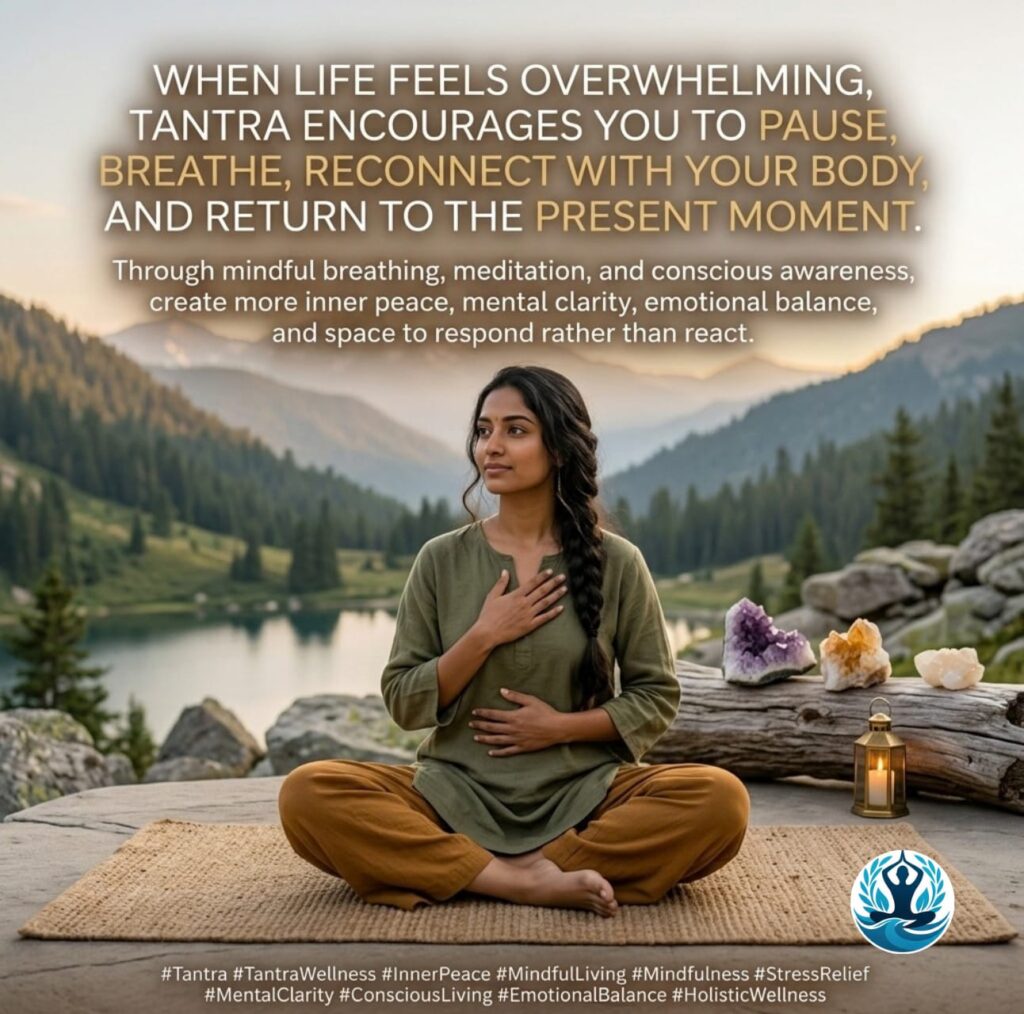
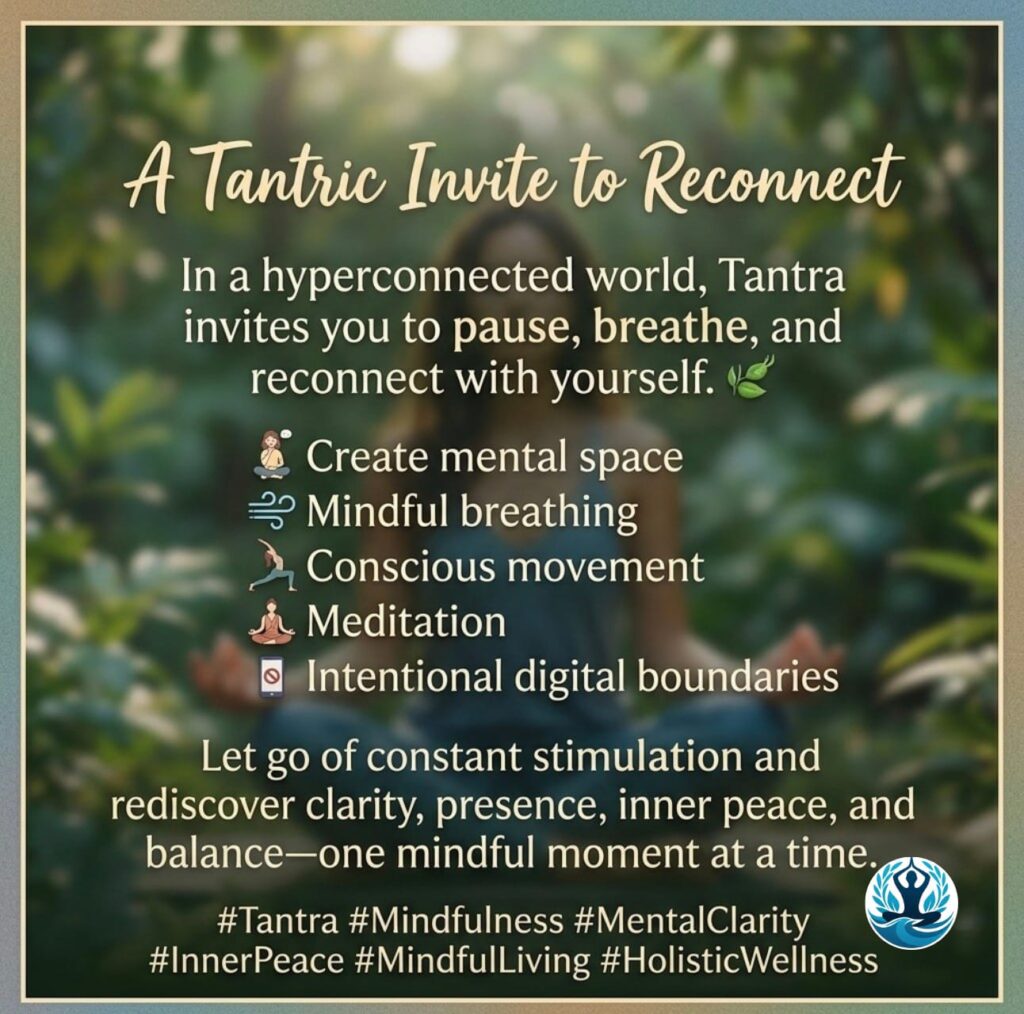
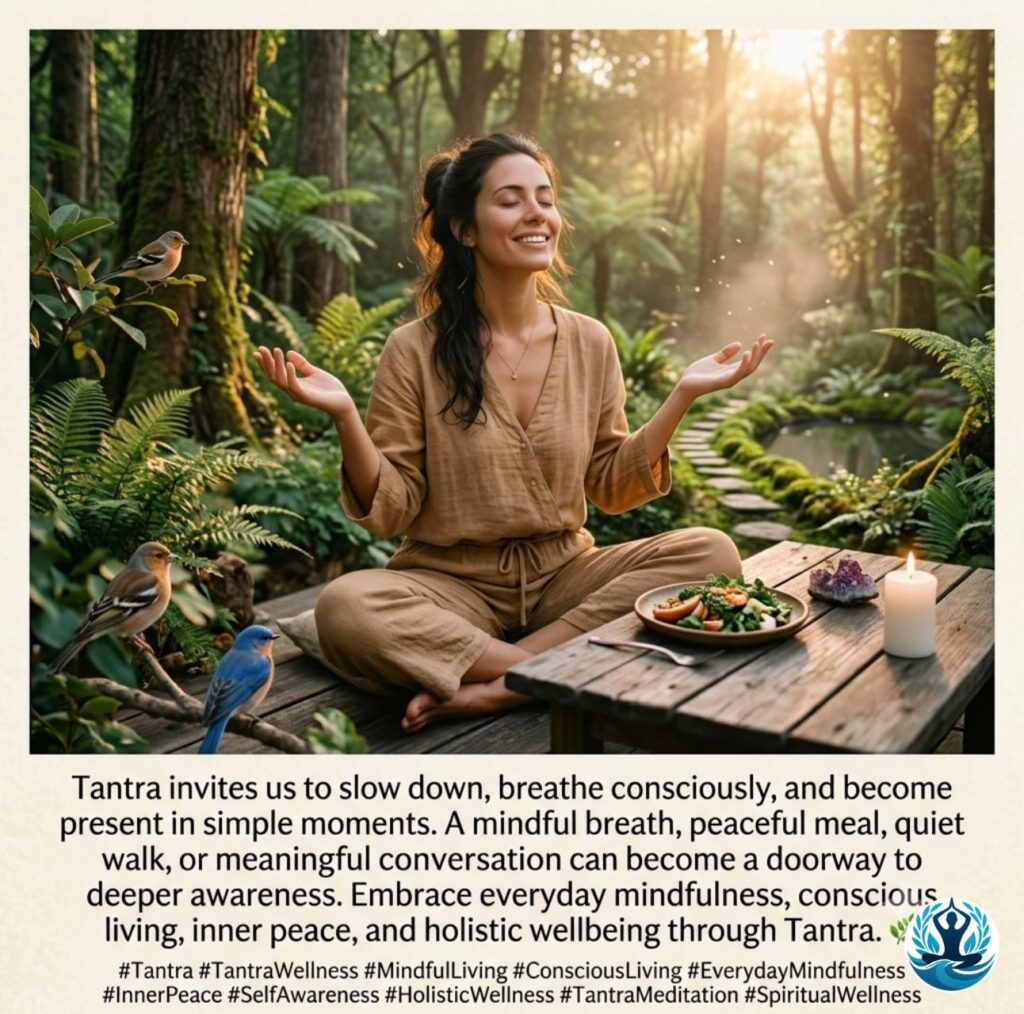
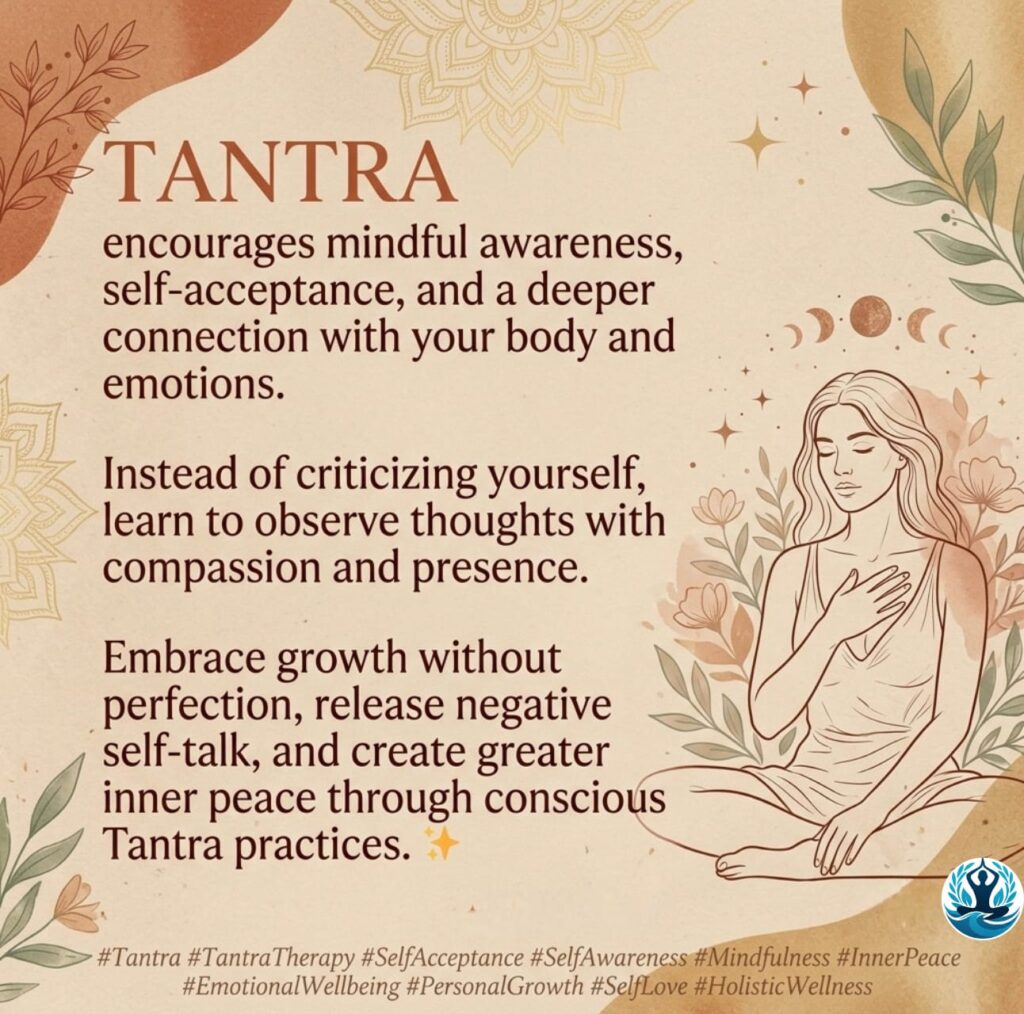
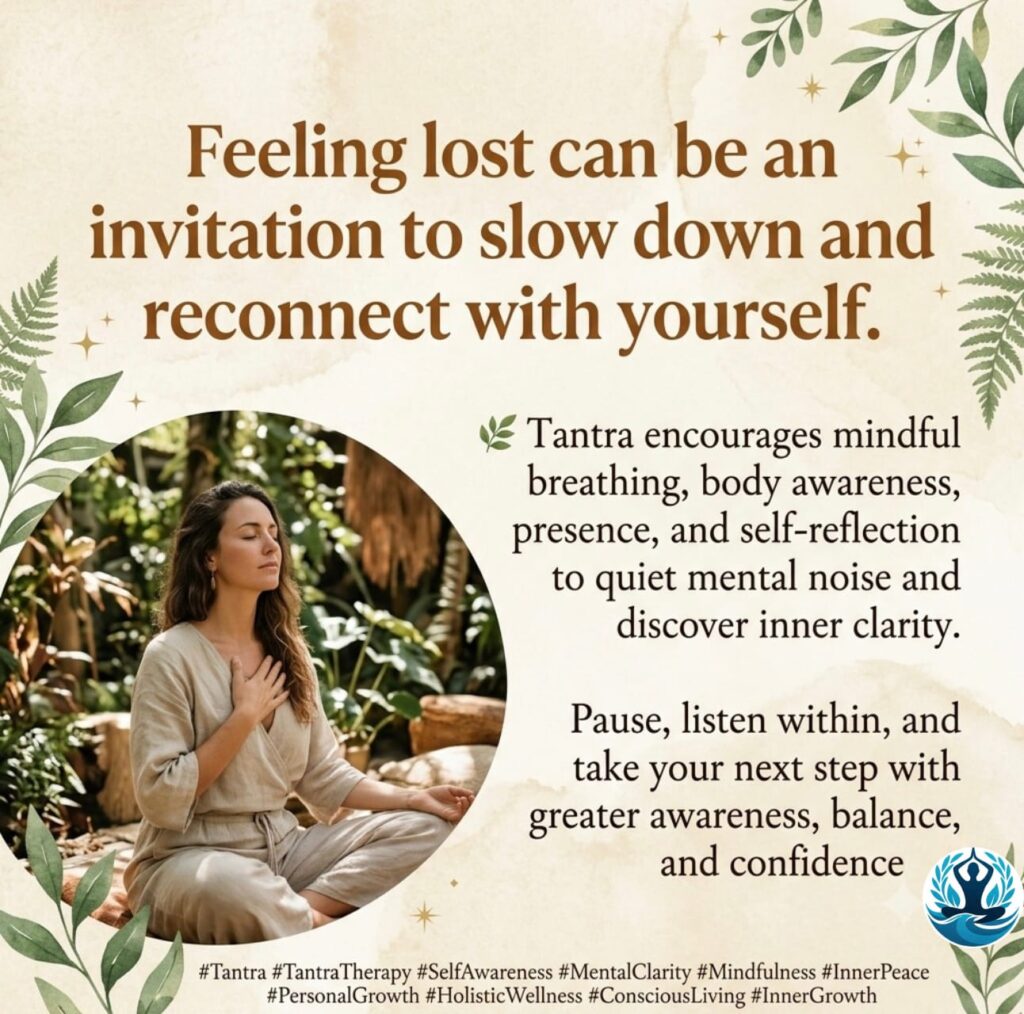
Daily Tantra offers a mindful approach to reconnecting with the present moment. Through conscious breathing, meditation, body awareness, mindful movement, relaxation, and intentional living, Tantra can encourage a deeper relationship with yourself and your everyday experiences.
Rather than being limited to ideas about intimacy or spirituality, Tantra can be understood as a broader philosophy of presence, awareness, energy, and mind-body connection. When practiced consistently and respectfully, simple Tantric-inspired rituals can become part of a balanced wellness routine.
This guide explores how daily Tantra can help you feel more present and alive, the potential benefits of regular practice, and simple ways to incorporate mindful Tantric practices into everyday life.
What Is Tantra?
Tantra is a diverse collection of spiritual and philosophical traditions that developed primarily within Hindu and Buddhist contexts. Its teachings and practices vary considerably across traditions.
At its core, many Tantric approaches emphasize awareness, embodiment, consciousness, and the integration of different aspects of human experience. Instead of constantly trying to escape ordinary life, Tantra often encourages practitioners to become more conscious of their experiences.
Modern wellness practices sometimes use the word “Tantra” to describe mindfulness-based approaches involving:
- Conscious breathing
- Meditation
- Body awareness
- Mindful movement
- Energy awareness
- Sensory awareness
- Self-reflection
- Relaxation
- Intentional living
For a modern daily wellness routine, these practices can be adapted in simple, non-religious ways.
What Does It Mean to Feel Present and Alive?
Feeling present means being consciously connected with what is happening right now rather than constantly living in memories or worrying about the future.
Being present can involve noticing:
- Your breathing
- Physical sensations
- Your emotions
- Your surroundings
- Your thoughts
- Your posture
- Your energy levels
- The sensations associated with ordinary activities
Feeling alive does not necessarily mean feeling excited all the time. It can mean experiencing greater awareness, appreciation, connection, and engagement with everyday life.
Daily Tantra can support this process by encouraging you to slow down and pay attention.
How Daily Tantra Encourages Presence
One of the most important principles behind many Tantric-inspired practices is conscious awareness.
Modern life often encourages multitasking. You may eat while looking at your phone, work while thinking about another task, or talk to someone while mentally planning what you need to do next.
Tantric mindfulness encourages the opposite approach: give your attention to the experience happening now.
For example, instead of drinking your morning tea while scrolling through social media, take a few minutes to notice its warmth, aroma, taste, and how your body feels while drinking it.
This simple change can transform an ordinary activity into a mindful experience.
1. Begin Your Morning With Conscious Breathing
Your morning routine can influence how you approach the rest of the day.
Instead of immediately checking emails or social media after waking, spend a few minutes practicing conscious breathing.
Sit comfortably and allow your breathing to become natural. Pay attention to the movement of your abdomen and chest.
You do not need to force your breath or attempt complicated techniques.
Simply observe.
Try this for five minutes:
- Sit comfortably.
- Relax your shoulders.
- Close your eyes if comfortable.
- Notice your natural breathing.
- Feel the movement of your body.
- When your mind wanders, gently return attention to your breath.
This simple ritual can create a calm transition between sleep and the demands of the day.
2. Practice a Daily Body Awareness Scan
Many people spend much of the day disconnected from physical sensations.
A body scan can help restore awareness.
Start at the top of your head and slowly bring your attention downward.
Notice:
- Your forehead
- Jaw
- Neck
- Shoulders
- Chest
- Abdomen
- Hands
- Legs
- Feet
Do not judge what you notice.
You may discover areas of tension that you were previously ignoring.
Body awareness can encourage you to recognize when you need to rest, stretch, breathe, or change your posture.
This is one way daily Tantra can help you feel more present in your body.
3. Use Mindful Movement
Movement does not have to be intense to be beneficial.
Gentle stretching, walking, yoga-inspired movement, or slow mobility exercises can become mindful practices when performed with attention.
Instead of focusing only on completing the movement, notice how your body feels.
Ask yourself:
How does this movement feel right now?
Move slowly enough to notice changes in balance, tension, breathing, and posture.
This can turn ordinary physical activity into a practice of presence.
4. Create a Tantric Morning Ritual
A simple morning ritual can help establish intentionality.
You could create a 10–15 minute routine that includes:
- Two minutes of stillness
- Five minutes of conscious breathing
- Five minutes of gentle movement
- A short intention for the day
Your intention could be:
“Today, I will slow down and pay attention.”
Or:
“Today, I will approach my experiences with awareness.”
The purpose is not perfection. The purpose is to begin your day consciously.
5. Practice Mindful Eating
Eating is an everyday activity that can become a powerful mindfulness practice.
Instead of eating quickly while working or watching videos, occasionally eat without distractions.
Notice the:
- Smell
- Texture
- Temperature
- Flavor
- Appearance
- Pace of eating
Take smaller bites and chew slowly.
Mindful eating can encourage appreciation for ordinary experiences and help you become more aware of your body’s signals.
6. Use Your Senses to Return to the Present
Your senses provide a direct connection to the current moment.
When your mind becomes overwhelmed, try a simple sensory practice.
Notice five things you can see.
Then notice sounds around you.
Pay attention to physical sensations such as your feet touching the floor or the air against your skin.
Notice a scent.
Finally, observe your breathing.
This type of sensory awareness can help redirect attention away from excessive thinking and toward immediate experience.
7. Make Conscious Breathing Part of Your Workday
You do not need a long meditation session to practice Tantra-inspired mindfulness.
You can take short awareness breaks during the day.
For example, every few hours:
- Stop what you are doing.
- Relax your shoulders.
- Take a few comfortable breaths.
- Notice your body.
- Observe your mental state.
- Return to your task with greater awareness.
These short pauses can create moments of calm within a busy schedule.
8. Practice Emotional Awareness
Being present does not mean feeling positive emotions all the time.
It also means being willing to notice difficult emotions without immediately reacting to them.
When an emotion appears, pause and ask:
What am I experiencing right now?
Perhaps you feel:
- Frustration
- Sadness
- Stress
- Excitement
- Fear
- Restlessness
- Joy
Instead of immediately judging the emotion, observe it.
This can create a small space between experiencing an emotion and reacting to it.
Over time, this awareness may support healthier emotional regulation.
9. Create an Evening Tantric Ritual
Evening is an ideal time to slow down and reconnect with yourself.
A simple evening ritual could include:
- Dim unnecessary stimulation.
- Put your phone away for a few minutes.
- Sit quietly.
- Take several comfortable breaths.
- Notice how your body feels.
- Reflect on the day.
- Identify one thing you appreciated.
- Allow yourself to rest.
This creates a psychological transition from activity to relaxation.
10. Practice Gratitude Through Awareness
Gratitude does not have to be complicated.
Instead of creating a long list of things you are grateful for, choose one ordinary experience.
It could be:
- A peaceful morning
- A conversation
- A meal
- A walk
- Sunshine
- Music
- Time with family
- A moment of quiet
Spend a few seconds fully appreciating it.
This practice can help train attention toward positive aspects of everyday life.
11. Reduce Automatic Living
One of the biggest obstacles to presence is automatic behavior.
You may follow the same routine every day without consciously experiencing it.
Daily Tantra encourages greater intentionality.
Try choosing one ordinary activity each day and performing it with complete attention.
For example:
While showering: notice the temperature and sensation of water.
While walking: notice your feet and surroundings.
While drinking tea: notice its aroma and taste.
While talking: listen without planning your response.
These small changes can make everyday life feel richer.
12. Tantra and the Mind-Body Connection
The mind and body constantly influence each other.
Stress can affect breathing, posture, muscle tension, sleep, and energy levels. Likewise, slowing the breath, relaxing the body, and becoming aware of physical sensations can influence how you experience stress.
Tantric practices often emphasize this connection.
Instead of treating the body as separate from mental or emotional wellbeing, they encourage greater awareness of the whole person.
This holistic perspective can make daily wellness practices feel more integrated.
13. Daily Tantra for Stress Awareness
Stress is a normal part of life, but constantly operating in a high-pressure state can make it difficult to feel present.
A daily mindfulness practice gives you an opportunity to pause.
When stress rises, try:
Pause → Breathe → Notice → Relax → Respond
Rather than immediately reacting, give yourself a moment of awareness.
Notice your breathing.
Notice your shoulders.
Notice your thoughts.
Then decide what response is appropriate.
This simple process can encourage more intentional reactions.
14. Tantra and Energy Awareness
In traditional Tantric systems, concepts of subtle energy are important, although interpretations differ among traditions.
In a modern wellness context, “energy awareness” can also be approached practically.
Ask yourself throughout the day:
- How energetic do I feel?
- Am I mentally tired?
- Am I physically tense?
- Have I taken enough breaks?
- What activities leave me feeling refreshed?
- What activities consistently drain my attention?
This type of self-awareness can help you make more conscious decisions about your daily routine.
15. Practice Digital Mindfulness
Technology can make presence difficult.
Constant notifications and endless scrolling can divide attention.
Consider creating small periods of digital silence.
For example:
- No phone during the first 15 minutes after waking
- No unnecessary notifications during meditation
- Screen-free meals when possible
- A short technology-free period before bed
The goal is not to reject technology.
It is to make sure technology does not control your attention.
16. Use Sound and Silence
Sound can also become an object of awareness.
Sit quietly for a few minutes and listen to your environment.
Instead of labeling every sound, simply notice it.
You may hear:
- Birds
- Traffic
- Wind
- People talking
- Household sounds
- Your own breathing
Then spend a few moments in silence.
This simple practice can help you notice how much sensory information you normally ignore.
17. Tantric Meditation for Greater Presence
Meditation is another valuable component of a daily Tantra-inspired wellness routine.
A simple meditation can involve observing the breath.
Sit comfortably and maintain relaxed awareness.
When thoughts arise, do not fight them.
Simply notice them and return your attention to the breath or body.
With regular practice, meditation may help develop greater awareness of thoughts and emotions.
The goal is not to eliminate thinking.
The goal is to become less controlled by every thought that appears.
18. Practice Conscious Relaxation
Relaxation is not laziness.
It is an important part of maintaining balance.
Try lying down or sitting comfortably for 5–10 minutes.
Relax different parts of the body.
Start with your face.
Then relax your shoulders, chest, abdomen, hands, legs, and feet.
Allow your breathing to remain natural.
This can become a simple daily ritual for transitioning from activity into rest.
19. Daily Tantra and Self-Connection
Modern life can make people highly focused on external responsibilities.
Work.
Family.
Finances.
Social expectations.
Digital communication.
Personal goals.
Amid all of this, it is easy to lose touch with your own needs.
Daily Tantric practices encourage moments of turning inward.
Ask yourself:
What do I need today?
The answer may be rest.
It may be movement.
It may be connection.
It may be quiet.
It may simply be a few minutes without stimulation.
Listening to yourself is an important part of mindful living.
20. How to Create a 20-Minute Daily Tantra Routine
You do not need hours of practice.
A simple 20-minute routine can be enough to begin.
Minutes 1–5: Breathing
Sit comfortably and observe your natural breath.
Minutes 6–10: Body Awareness
Slowly notice physical sensations throughout your body.
Minutes 11–15: Gentle Movement
Stretch or move slowly while maintaining awareness.
Minutes 16–18: Stillness
Sit quietly and observe your thoughts.
Minutes 19–20: Intention
Choose one quality you want to embody during the day.
For example:
- Patience
- Awareness
- Calmness
- Gratitude
- Compassion
- Presence
Consistency is generally more important than duration.
21. A Simple Daily Tantra Routine for Beginners
If you are completely new to Tantra, start small.
Morning
Spend five minutes breathing consciously.
Afternoon
Take a two-minute awareness break.
Evening
Practice five minutes of body awareness or meditation.
Before Bed
Reflect on one meaningful moment from your day.
This routine takes only a small amount of time but creates multiple opportunities to reconnect with yourself.
22. Benefits of Daily Tantra Practice
A consistent mindfulness-oriented practice may support several areas of wellbeing.
Potential benefits include:
Greater Present-Moment Awareness
You may become more aware of what you are doing rather than constantly operating on autopilot.
Improved Relaxation
Breathing and body-awareness practices can create opportunities to slow down.
Greater Emotional Awareness
You may become better at recognizing emotions before automatically reacting.
Stronger Mind-Body Connection
Regular attention to physical sensations can improve awareness of how your body feels.
Better Self-Care
Greater awareness may make it easier to recognize when you need rest, movement, nourishment, or quiet.
Greater Appreciation
Mindfulness can make ordinary moments feel more meaningful.
It is important to remember that individual experiences vary, and Tantra should complement—not replace—appropriate medical or mental-health care when needed.
23. Common Mistakes to Avoid
When beginning a daily Tantra practice, avoid turning it into another source of pressure.
Trying to Be Perfect
You do not need to meditate perfectly.
Simply return to awareness whenever you remember.
Expecting Immediate Results
Mindfulness is generally a gradual practice.
Give yourself time to develop consistency.
Doing Too Much
A simple five-minute routine can be more sustainable than an elaborate routine that you abandon after a week.
Judging Your Thoughts
Thoughts are normal.
The objective is not to stop thinking completely.
Confusing Tantra With Only Sexual Practices
Tantra encompasses diverse traditions and practices. Modern wellness interpretations may focus on mindfulness, embodiment, meditation, and self-awareness without involving sexuality.
24. How to Make Tantra a Lifestyle
Daily Tantra does not have to remain a formal meditation session.
You can bring awareness into ordinary activities.
Practice presence while:
- Walking
- Cooking
- Eating
- Working
- Listening
- Exercising
- Resting
- Spending time outdoors
- Talking with loved ones
The deeper goal is to transform ordinary moments into opportunities for awareness.
Instead of asking, “When will I have time to practice?”
You can begin asking:
“How can I practice awareness during what I am already doing?”
This shift can make mindfulness much easier to maintain.
25. Daily Tantra and a More Meaningful Life
Feeling alive is not necessarily about adding more experiences to your life.
Sometimes it is about experiencing existing moments more deeply.
A cup of tea can become an opportunity for presence.
A walk can become meditation.
A conversation can become an exercise in deep listening.
Rest can become an act of self-care.
Breathing can become a reminder to slow down.
This is one of the most valuable lessons of a mindful Tantric approach: life does not always need to become more complicated to become more meaningful.
Conclusion
Daily Tantra can help you feel more present and alive by encouraging conscious awareness of your body, breath, emotions, thoughts, senses, and everyday experiences.
You do not need an elaborate spiritual routine to begin. A few minutes of conscious breathing, mindful movement, body awareness, meditation, and intentional reflection can create meaningful pauses throughout your day.
The most important element is consistency.
Start with five minutes.
Breathe.
Slow down.
Notice your body.
Observe your thoughts.
Appreciate your surroundings.
Then gradually bring that awareness into ordinary activities.
Over time, these small moments can help you develop a deeper connection with yourself and the present moment.
The essence of daily Tantra is not escaping everyday life—it is learning to experience it with greater awareness.