

Tantra for Inner Peace: Simple Practices for a Calmer Body and Mind

Modern life can make it difficult to experience genuine inner peace. Busy schedules, constant notifications, work pressure, emotional responsibilities, and an endless flow of information can leave the mind overstimulated and the body tense. Even when everything seems fine externally, it can be challenging to feel calm internally.
This is where Tantra for inner peace can offer a mindful and holistic approach.
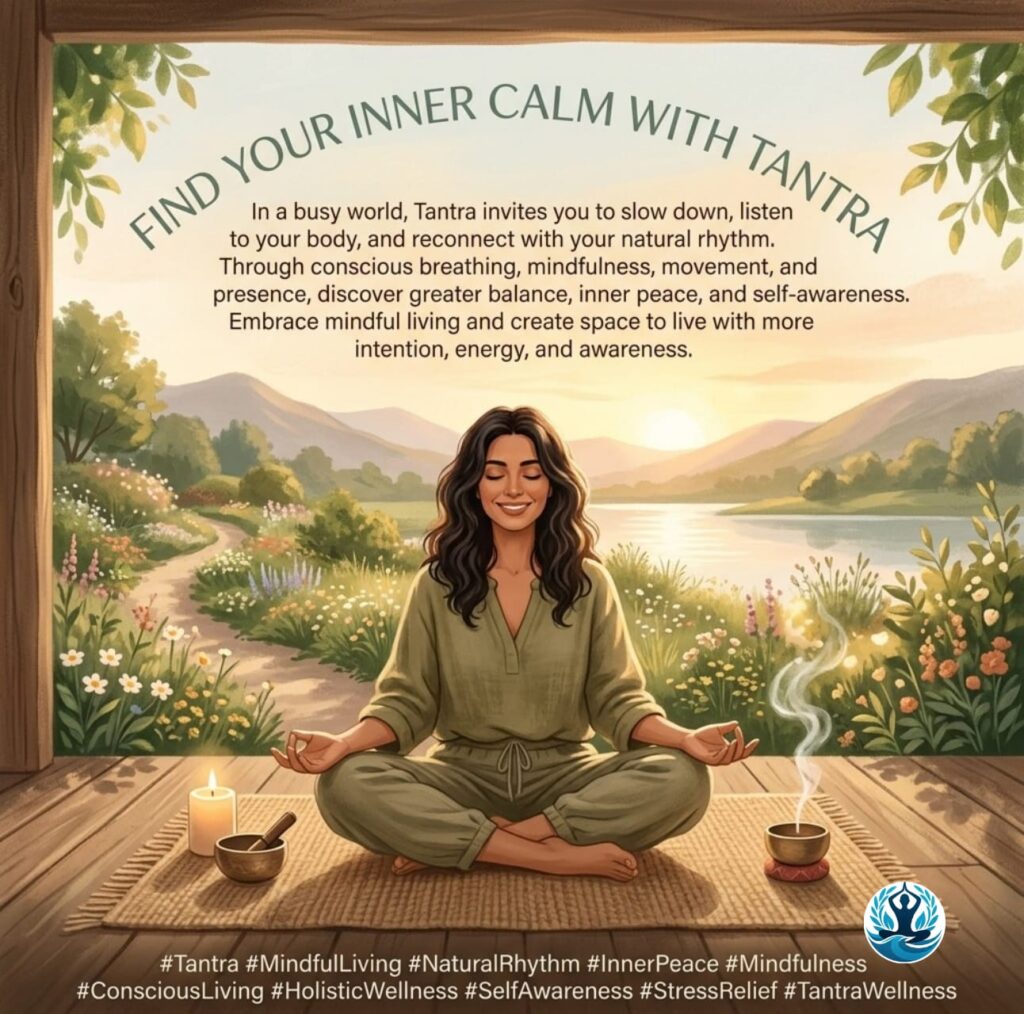
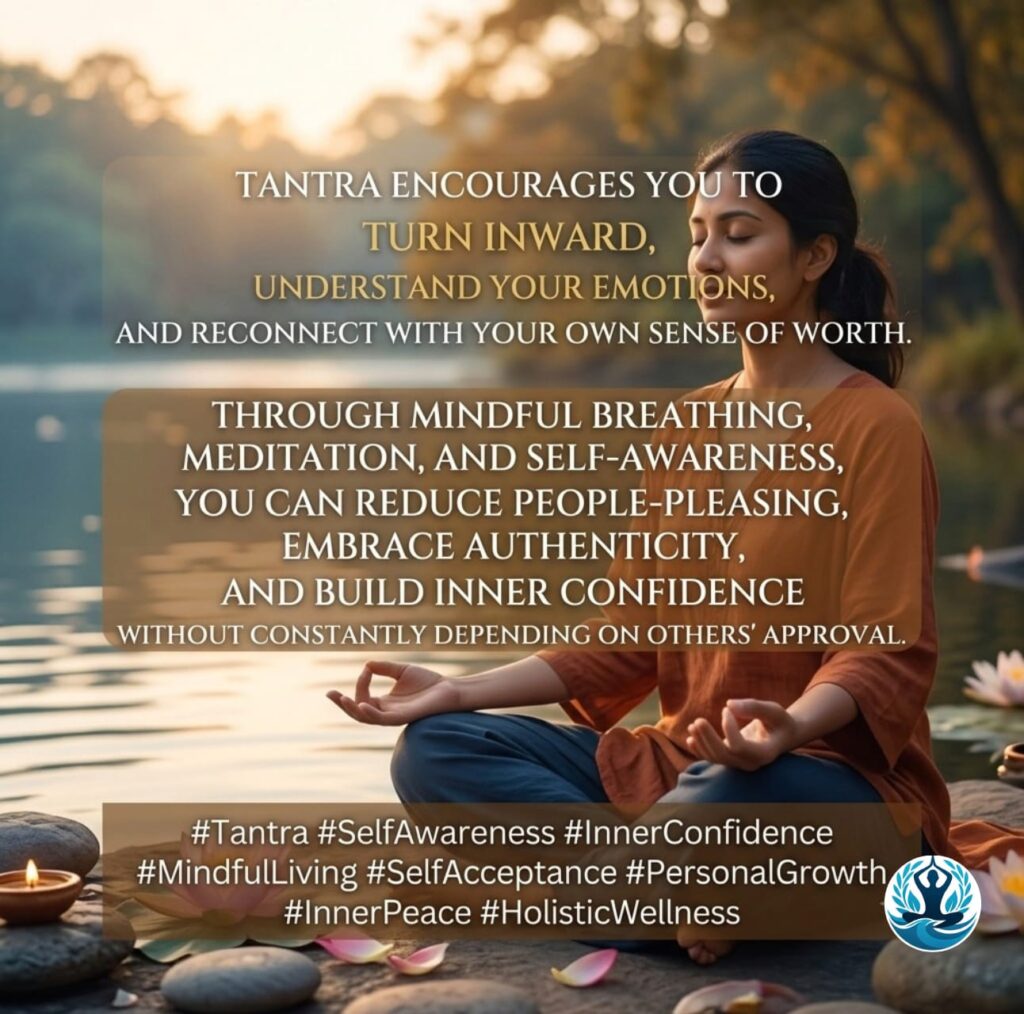
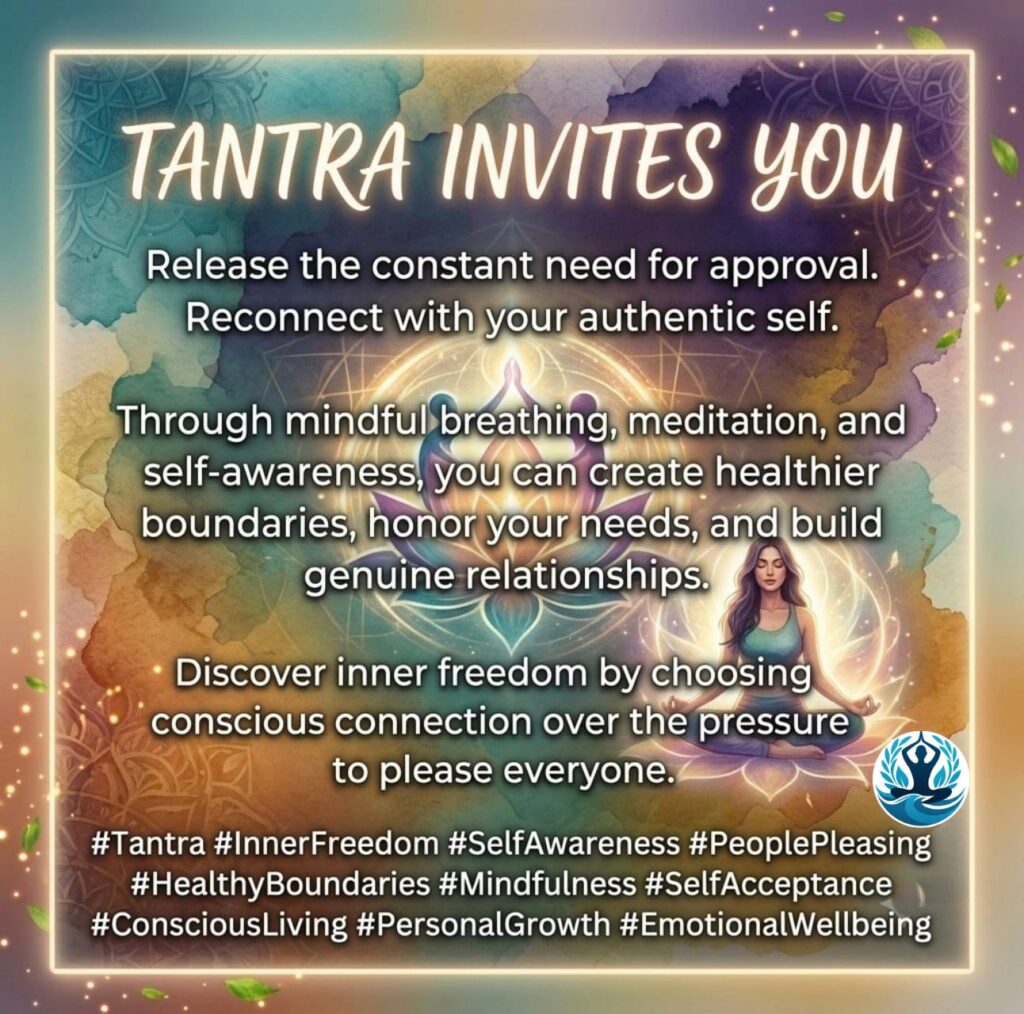
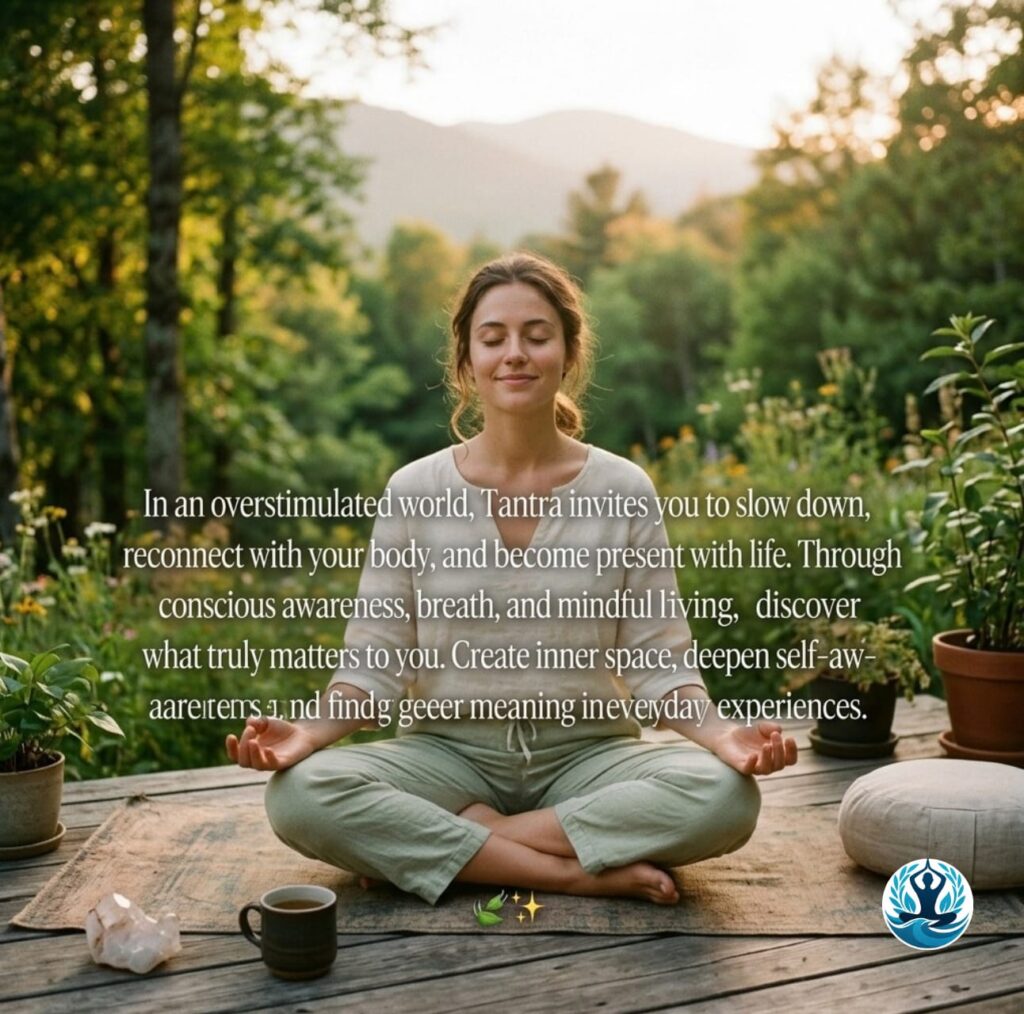
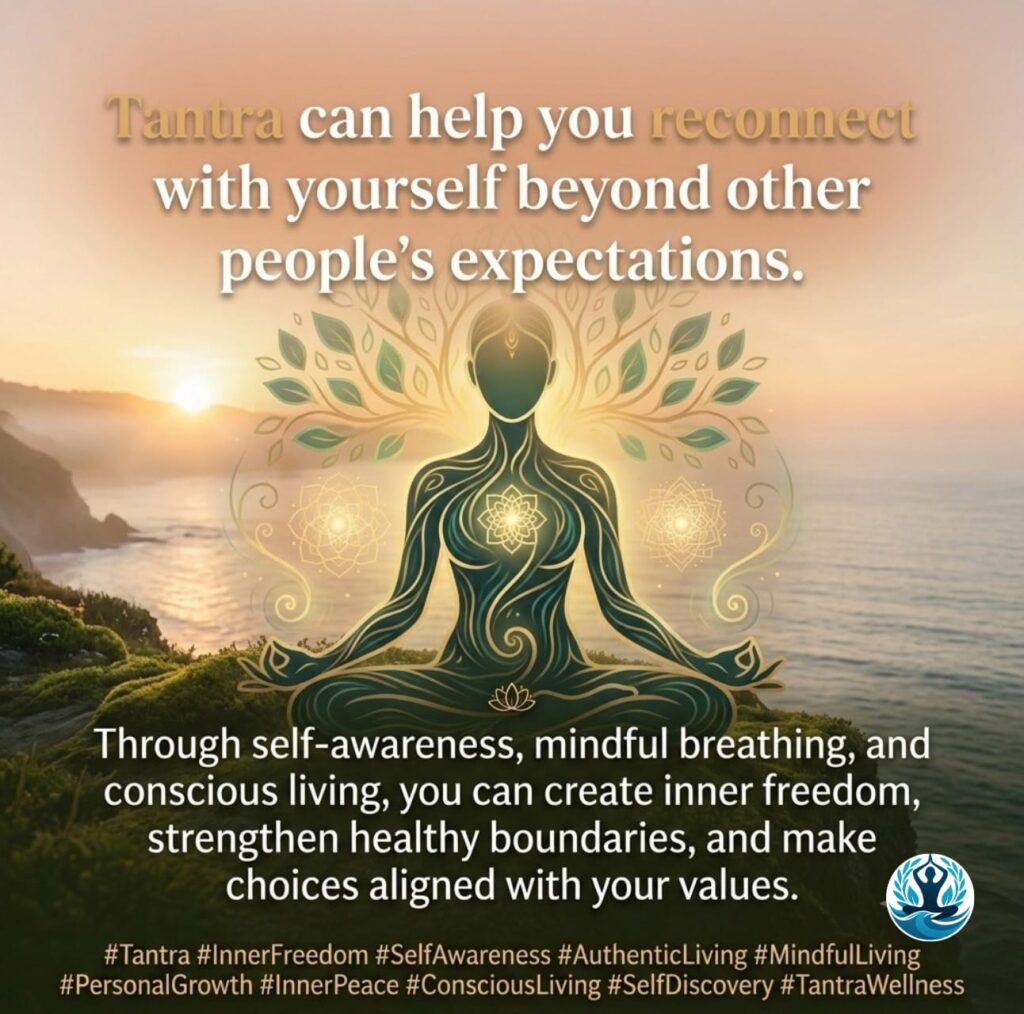
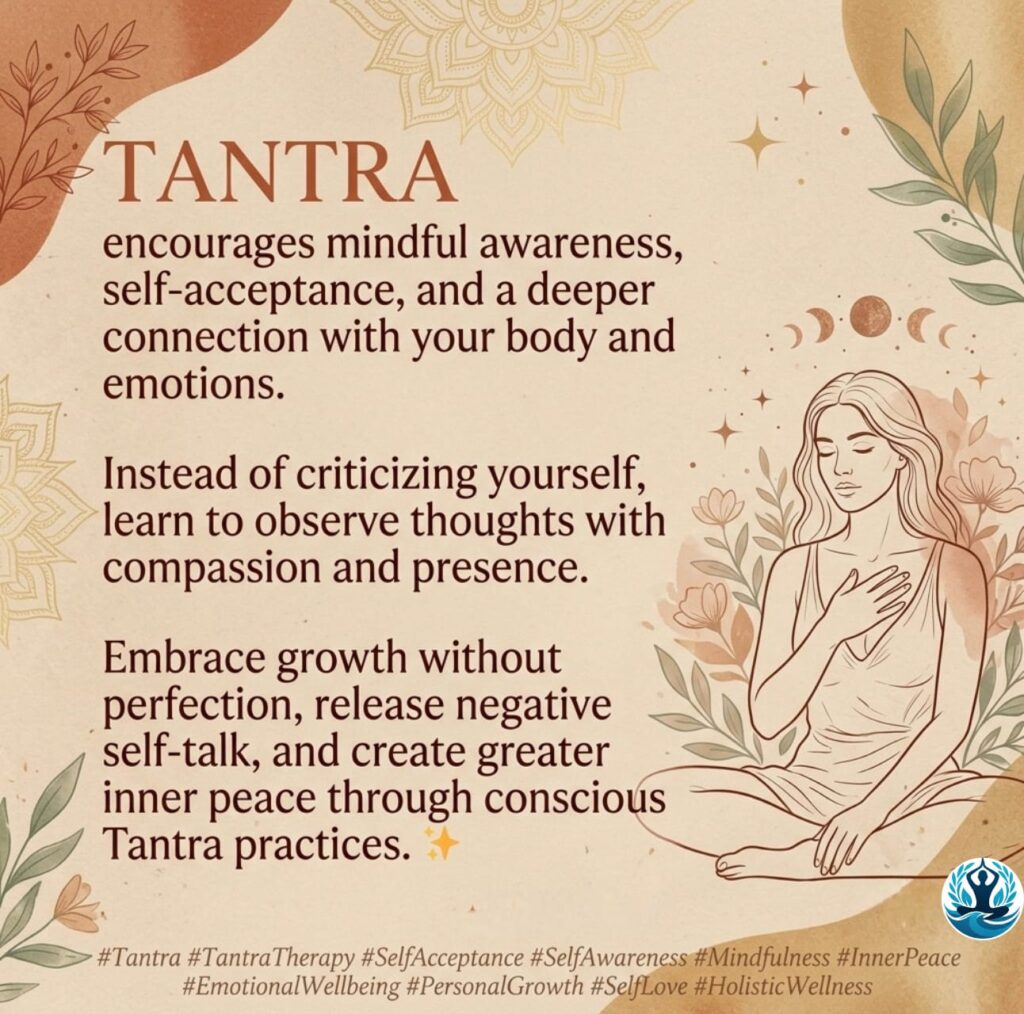
Tantra is often misunderstood as being primarily connected with sexuality, but traditional Tantric philosophies encompass a much broader approach to life. Tantra can involve meditation, conscious breathing, body awareness, mindfulness, visualization, energy practices, rituals, and deeper self-awareness. At its heart, Tantra encourages people to become more present and conscious of their experiences.
Rather than trying to escape everyday life, Tantric practices can encourage us to experience life with greater awareness.
When practiced gently and consistently, simple Tantric techniques may help create moments of relaxation, improve awareness of the body, encourage emotional balance, and support a more peaceful relationship with the mind.
In this guide, we will explore how Tantra for inner peace can become part of a modern wellness routine and discuss simple practices that can help you slow down, reconnect with yourself, and cultivate greater calm.
What Is Tantra?
Tantra is a broad spiritual and philosophical tradition with roots in South Asian religious and contemplative traditions. Its practices and meanings vary considerably across different lineages.
One important principle found in many Tantric approaches is awareness. Instead of separating everyday experiences from spiritual practice, Tantra can encourage a more conscious relationship with the body, breath, emotions, senses, thoughts, and environment.
Tantra can therefore be understood as a practice of becoming more present.
For modern wellness, this perspective can be particularly valuable. Many people spend much of their day thinking about the past or planning for the future. Tantra encourages attention to the present experience.
This may involve noticing:
- How your body feels
- How you are breathing
- What emotions are present
- Where tension is stored
- How your thoughts are moving
- What sensations you are experiencing
- Whether you are rushing or moving consciously
This increased awareness can create space between an experience and an automatic reaction.
How Tantra Can Support Inner Peace
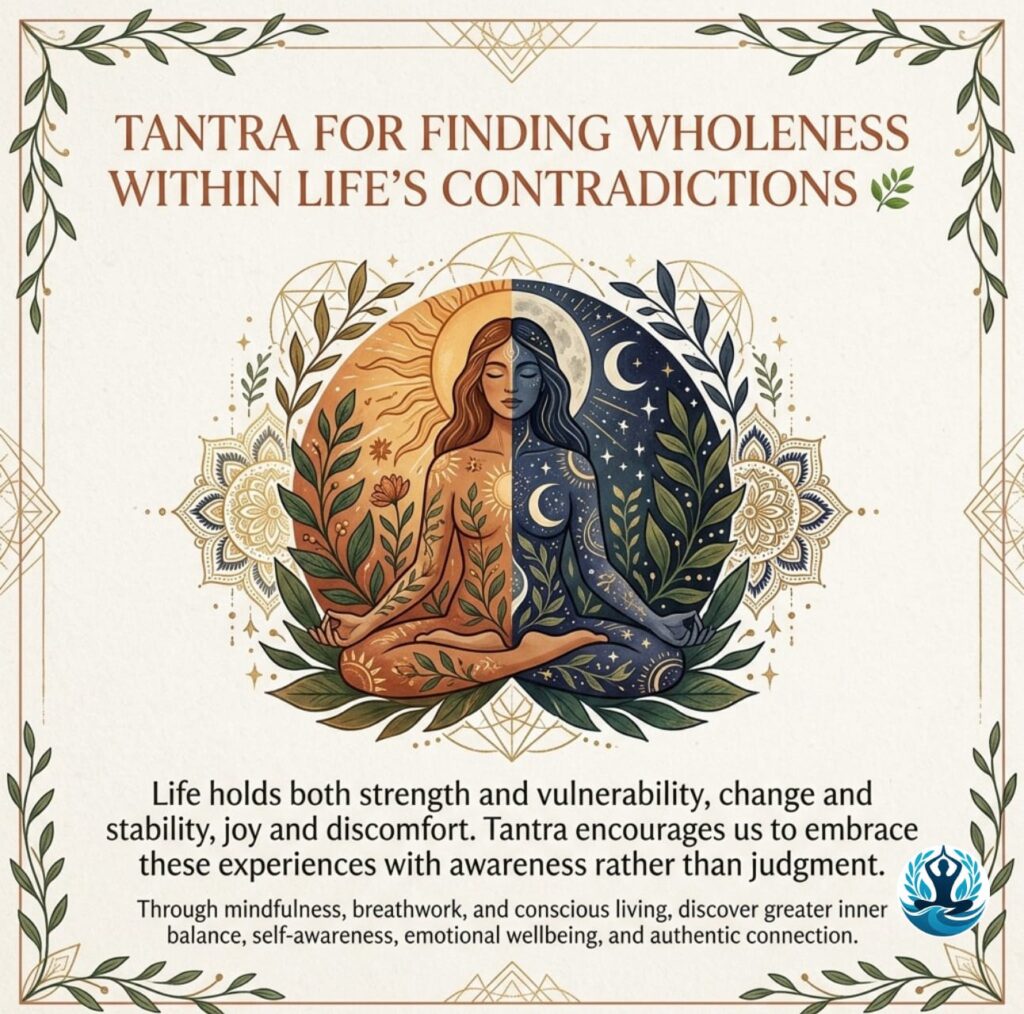
Inner peace does not necessarily mean having no thoughts, problems, or difficult emotions. A calmer state may instead involve developing a more balanced relationship with whatever is happening.
Tantric practices can encourage this process by combining awareness of the mind and body.
1. Tantra Encourages Slowing Down
One of the simplest ways to cultivate greater calm is to slow down.
Many daily activities happen automatically. We eat while looking at screens, walk while thinking about work, respond to messages immediately, and move from one responsibility to another without pausing.
Tantra encourages conscious participation in ordinary experiences.
Slowing down can mean taking a few conscious breaths before beginning a task, eating without distractions, or sitting quietly for several minutes.
These small pauses can create opportunities to reconnect with the present moment.
2. Tantra Brings Attention to the Body
Stress is not only a mental experience. It can also be reflected physically through muscle tension, shallow breathing, restlessness, fatigue, or a feeling of being constantly “switched on.”
Body awareness is an important part of many contemplative practices.
A simple Tantric body-awareness exercise involves sitting comfortably and observing physical sensations without immediately trying to change them.
Notice your:
- Shoulders
- Jaw
- Chest
- Abdomen
- Hands
- Legs
- Feet
Ask yourself: What am I feeling in my body right now?
There is no need to judge the sensation. Simply observe it.
This practice can help develop greater awareness of the relationship between thoughts, emotions, and physical sensations.
Simple Tantra Practices for a Calmer Mind and Body
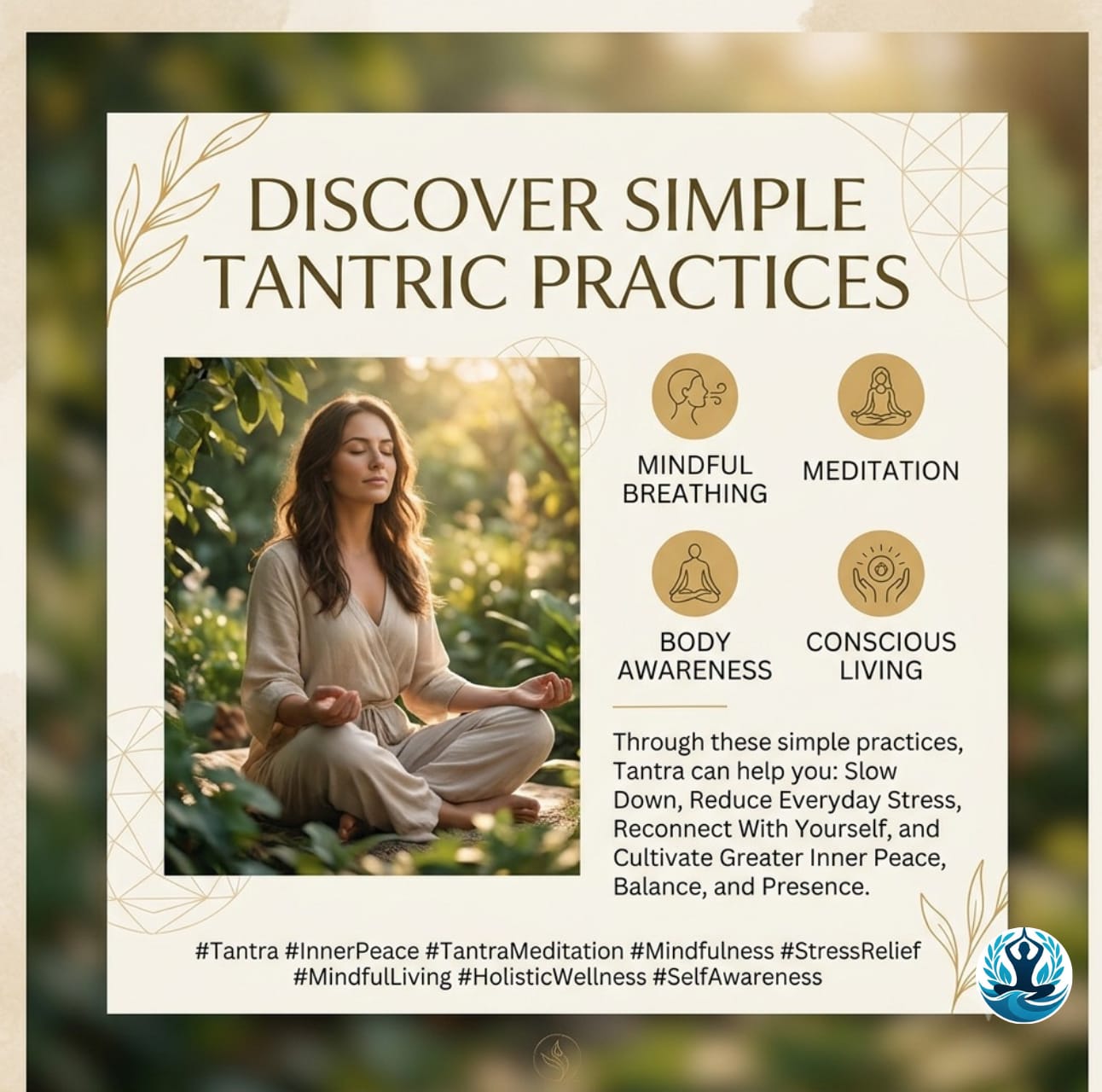
You do not need to create an elaborate ritual to begin exploring Tantra for inner peace. Simple practices can be incorporated into everyday life.
1. Conscious Breathing
Breathing is one of the easiest ways to bring attention back to the present.
Find a comfortable seated position. Relax your shoulders and allow your breathing to become natural.
Instead of forcing the breath, simply observe it.
Notice the movement of your abdomen or chest as you inhale and exhale.
You can silently repeat:
“I am here.”
on the inhale, and:
“I allow myself to relax.”
on the exhale.
Continue for several minutes.
The goal is not to control every breath. The goal is to develop awareness.
If a particular breathing exercise causes dizziness, discomfort, or anxiety, stop and return to normal breathing.
2. Tantric Meditation
Meditation is another useful practice for cultivating inner awareness.
Sit comfortably and close your eyes if that feels appropriate. Bring your attention to your breath.
Thoughts will naturally appear. Instead of fighting them, notice them and gently return your attention to the present experience.
You might observe thoughts as:
- Planning
- Remembering
- Worrying
- Imagining
- Judging
There is no need to follow every thought.
The practice is simply to notice and return.
Over time, this can help you become more familiar with your mental patterns without automatically becoming absorbed in them.
3. Body Scan Awareness
A body scan is a simple mindfulness practice that fits well with Tantric principles of embodied awareness.
Lie down or sit comfortably.
Start by noticing your feet. Slowly move your attention upward through your legs, hips, abdomen, chest, shoulders, arms, neck, and head.
At each area, ask:
“What do I notice here?”
You might feel warmth, pressure, tension, lightness, movement, or nothing noticeable at all.
Try not to label sensations as good or bad.
The purpose is awareness.
Practicing body awareness regularly may help you become more conscious of tension before it becomes overwhelming.
4. Mindful Movement
Tantra does not have to involve sitting still.
Mindful movement can be an excellent way to reconnect with the body.
Try moving slowly while paying attention to:
- Your breathing
- Muscle movement
- Balance
- Physical sensations
- The rhythm of your movement
You can practice this while stretching, walking, practicing yoga, or simply moving around your room.
The important element is conscious attention rather than physical performance.
5. Conscious Touch
Touch can also be approached mindfully.
For example, when applying moisturizer to your hands or face, slow down and pay attention to the sensation.
Notice temperature, pressure, texture, and movement.
This does not need to have a sexual meaning. Conscious touch can simply be a way of developing a more respectful and present relationship with the body.
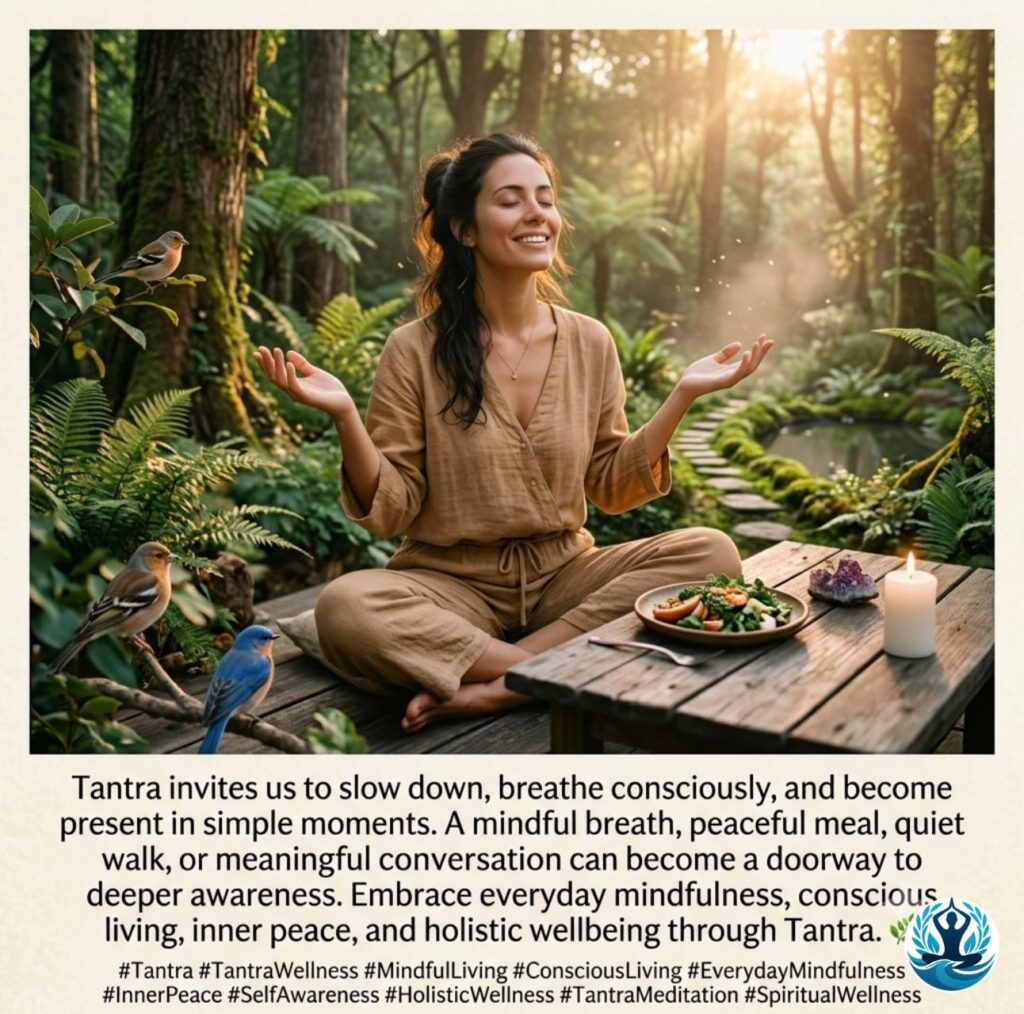
6. Mindful Eating
Eating can become another opportunity for Tantric awareness.
Instead of rushing through a meal, pause before taking your first bite.
Notice:
- The appearance of the food
- Its aroma
- Its texture
- Its temperature
- Its taste
- Your body’s signals of hunger and fullness
Put away distractions when possible.
This transforms an ordinary activity into a mindfulness practice.
7. Candle Meditation
Candle meditation, sometimes associated with focused-gaze practices, can be used as a simple concentration exercise.
Place a candle safely in front of you and sit comfortably.
Look gently at the flame for a short period without straining your eyes. When your attention wanders, gently bring it back to the flame.
Afterward, close your eyes and notice the sensations that remain.
Always practice candle meditation safely and never leave a burning candle unattended.
8. Creating a Quiet Morning Ritual
The beginning of the day can influence how you experience the hours that follow.
Instead of immediately checking messages or social media, consider creating a short morning ritual.
For example:
- Sit quietly for two minutes.
- Take several comfortable breaths.
- Notice how your body feels.
- Set a simple intention for the day.
- Drink water mindfully.
- Begin your day without rushing.
Your intention could be:
“Today, I will move with awareness.”
or:
“Today, I will give myself permission to slow down.”
A simple ritual can create a sense of groundedness before external demands begin.
Tantra and Emotional Balance
Inner peace does not mean suppressing emotions.
Tantric approaches can encourage awareness of emotions rather than immediate resistance or avoidance.
When an emotion appears, pause and observe it.
You might ask:
- What am I feeling?
- Where do I feel it in my body?
- What thoughts are connected to it?
- Can I observe this emotion without judging myself?
For example, anxiety may be accompanied by tightness in the chest or rapid thoughts. Frustration might appear as tension in the jaw or shoulders.
Observing these experiences does not automatically eliminate them, but it can create greater awareness.
Emotional awareness can make it easier to respond consciously instead of reacting automatically.
Tantra for Stress Relief
Stress is a normal part of life, but ongoing stress can affect how we feel physically and emotionally.
Tantric mindfulness can support stress management by encouraging pauses throughout the day.
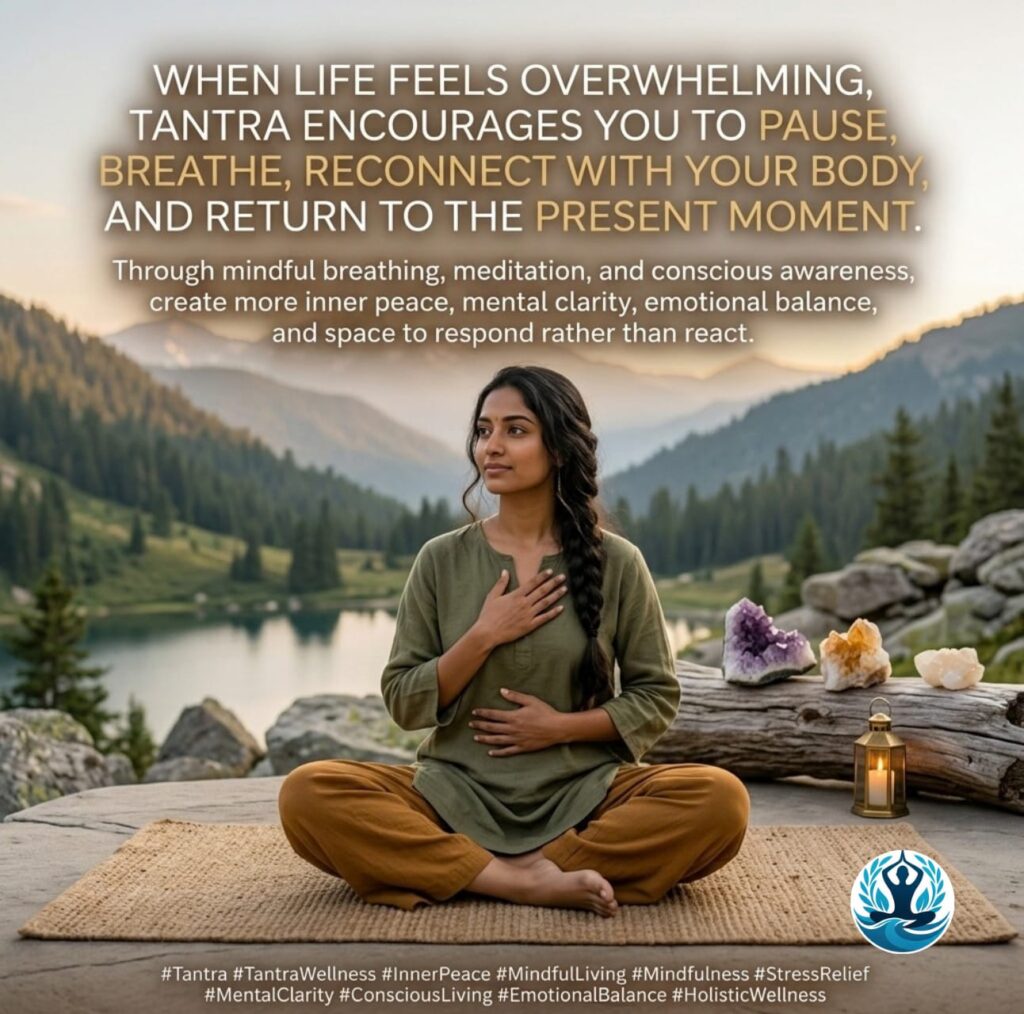
Try the three-breath pause.
Whenever you notice yourself becoming overwhelmed:
First breath: Notice your body.
Second breath: Notice your thoughts.
Third breath: Relax your shoulders and return attention to the present.
This takes less than a minute and can be practiced almost anywhere.
The purpose is not to pretend that a stressful situation does not exist. Instead, it creates a moment of awareness before deciding what to do next.
Tantra and the Nervous System
The nervous system plays an important role in how the body responds to stress and relaxation.
Practices involving slow breathing, mindfulness, relaxation, and body awareness are commonly used as tools for supporting stress regulation and relaxation.
Tantra can complement these principles through its emphasis on conscious breathing, presence, meditation, and embodied awareness.
However, it is important not to describe Tantra as a guaranteed treatment for nervous-system disorders or medical conditions.
If you experience persistent anxiety, severe stress, trauma-related symptoms, sleep problems, or other health concerns, consider speaking with a qualified healthcare or mental-health professional.
Tantric practices can be approached as complementary wellness practices rather than replacements for appropriate medical care.
Tantra and the Power of Presence
One of the most valuable aspects of Tantra is its emphasis on being present.
Consider how often you perform everyday activities while mentally somewhere else.
You may be:
- Eating while thinking about work
- Talking while preparing your next response
- Walking while scrolling through your phone
- Resting while worrying about tomorrow
Presence interrupts this pattern.
When you bring your attention to what you are doing, ordinary moments can become opportunities for mindfulness.
Drinking tea can become a meditation.
Walking can become a body-awareness practice.
Breathing can become a grounding ritual.
Resting can become an opportunity to reconnect with yourself.
This is one reason Tantra for inner peace can be adapted to modern life without requiring major lifestyle changes.
A Simple 10-Minute Tantra Routine
If you are new to Tantra, start small.
Try this 10-minute routine:
Minute 1–2: Arrive
Sit comfortably.
Put your phone away.
Notice your surroundings.
Allow yourself to stop rushing.
Minute 3–5: Breathe
Observe your natural breathing.
Let your shoulders soften.
Avoid forcing the breath.
Simply follow each inhale and exhale.
Minute 6–7: Body Awareness
Notice your body from head to toe.
Where do you feel relaxed?
Where do you feel tension?
Simply observe.
Minute 8: Emotional Awareness
Ask yourself:
“What am I feeling right now?”
Allow the answer to exist without judgment.
Minute 9: Intention
Choose one simple intention for the rest of the day.
For example:
“I will slow down when I notice myself rushing.”
Minute 10: Gratitude
Think of one thing you appreciate.
Take one final comfortable breath.
Then continue your day.
The practice is intentionally simple. Consistency is often more useful than creating a complicated routine that is difficult to maintain.
Tantra Before Sleep
Evening can be an ideal time for slowing down.
Instead of carrying the day’s mental activity directly into bed, create a short transition ritual.
Dim the lights where possible.
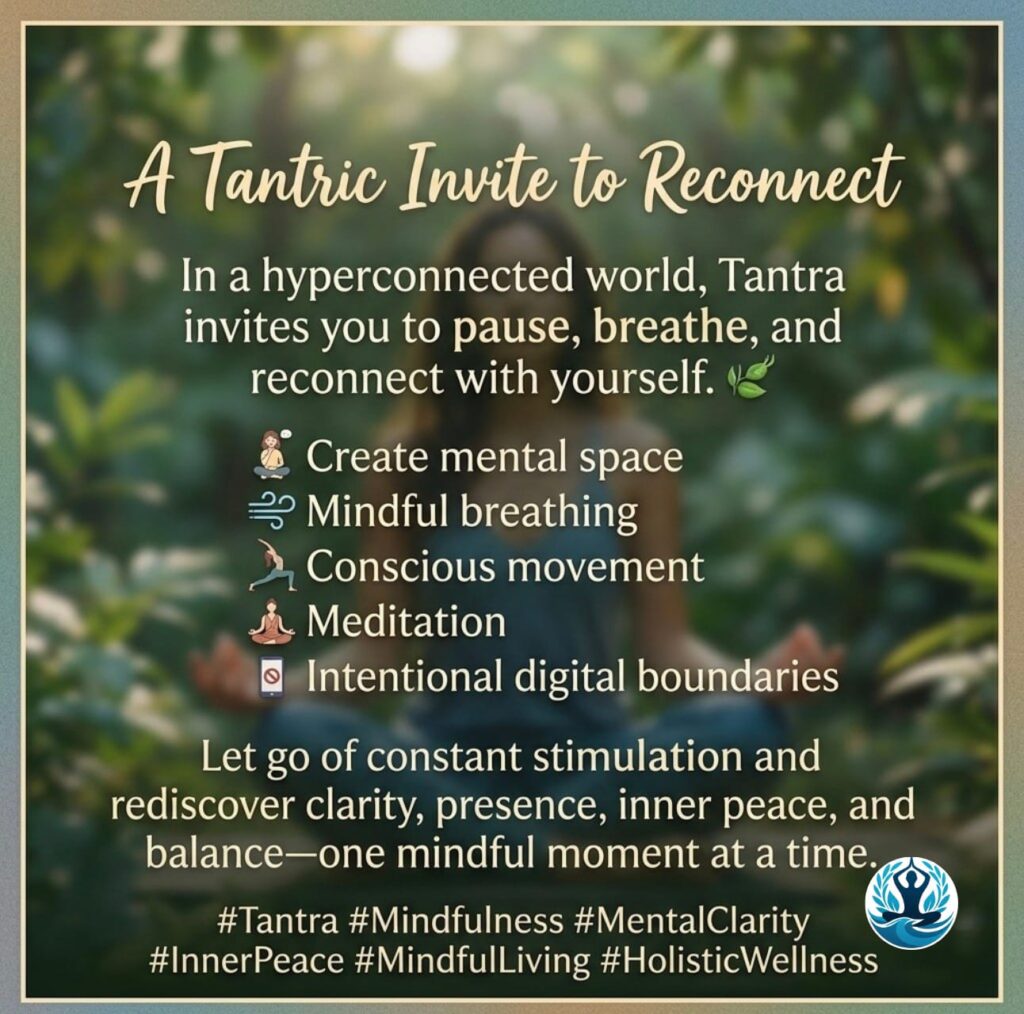
Put away digital devices.
Sit quietly for a few minutes.
Take comfortable breaths and notice how your body feels.
You can also practice a gentle body scan.
Ask:
“What can I let go of for tonight?”
You do not need to solve every problem before sleeping.
Sometimes inner peace begins with accepting that certain things can wait until tomorrow.
If you have persistent or significant sleep difficulties, seek appropriate professional advice rather than relying solely on wellness practices.
Creating a Personal Tantra Ritual
There is no single perfect Tantric routine.
Your practice can be personalized according to your lifestyle.
A simple daily ritual might include:
Morning:
Five minutes of conscious breathing.
Afternoon:
One mindful pause during a busy period.
Evening:
Ten minutes of meditation or body awareness.
Before sleep:
A few minutes of quiet reflection.
The most important element is consistency.
You can also connect your practice with an activity you already perform every day. For example, practice mindful breathing before drinking your morning tea or body awareness before going to sleep.
This makes the habit easier to remember.
Common Misunderstandings About Tantra
Tantra is often misunderstood because popular culture frequently reduces it to sexuality.
While sexuality and intimate relationships are part of some modern interpretations and certain Tantric traditions, Tantra is much broader than that.
Tantric traditions can include meditation, ritual, visualization, mantra, breath practices, deity practices, philosophical teachings, and approaches to embodied awareness.
For a wellness-focused practice, it is useful to approach Tantra respectfully and avoid treating it as a collection of quick techniques promising instant transformation.
Instead, think of Tantra as an invitation to develop greater awareness.
How to Make Tantra Part of Everyday Life
You do not have to spend hours meditating every day.
Start by transforming ordinary moments.
While Walking
Feel your feet touching the ground.
Notice your breathing.
Observe your surroundings.
While Working
Take short pauses.
Relax your shoulders.
Notice whether you are holding your breath.
While Eating
Slow down.
Taste your food.
Avoid unnecessary distractions.
During Conversations
Listen completely before responding.
Notice your emotional reactions.
Stay present with the person in front of you.
During Difficult Moments
Pause.
Breathe naturally.
Notice what is happening in your body.
Give yourself a moment before reacting.
These small practices can gradually change your relationship with everyday experiences.
Benefits of Practicing Tantra for Inner Peace
Regular mindfulness-based Tantric practices may support several aspects of wellbeing.
Potential benefits include:
- Greater present-moment awareness
- Improved body awareness
- More mindful breathing
- Better recognition of stress
- Greater emotional awareness
- A stronger sense of grounding
- More intentional daily habits
- Improved relaxation
- Greater connection with oneself
- A more conscious approach to everyday life
These benefits should be viewed as potential wellness outcomes rather than guaranteed medical effects.
Individual experiences vary, and the quality and type of practice matter.
Building a Sustainable Practice
A sustainable practice should feel realistic.
Avoid beginning with an hour-long routine if you know you cannot maintain it.
Start with five or ten minutes.
Choose a consistent time.
Create a comfortable environment.
Keep your expectations realistic.
Some days will feel peaceful.
Other days your mind may be busy.
Both experiences are part of the practice.
The goal is not to achieve a permanently calm mind.
The goal is to become more aware of what is happening and learn to meet each moment with greater presence.
A 7-Day Tantra for Inner Peace Plan
Day 1: Conscious Breathing
Spend five minutes observing your breath.
Day 2: Body Awareness
Practice a five-minute body scan.
Day 3: Mindful Walking
Walk slowly for ten minutes while noticing your body and surroundings.
Day 4: Mindful Eating
Eat one meal without screens or distractions.
Day 5: Meditation
Practice ten minutes of quiet meditation.
Day 6: Digital Pause
Spend 20–30 minutes away from unnecessary digital stimulation.
Use the time for silence, gentle movement, or reflection.
Day 7: Personal Ritual
Combine your favorite practices into a simple 10–15-minute routine.
At the end of the week, reflect on what helped you feel most present.
Then continue with the practices that fit naturally into your life.
Tantra as a Journey Toward Self-Awareness
Inner peace is not something that needs to be achieved perfectly.
It can be cultivated through small choices.
Every conscious breath is a moment of awareness.
Every mindful pause is an opportunity to slow down.
Every moment of body awareness can help you reconnect with yourself.
Tantra offers a perspective in which ordinary experiences can become opportunities for deeper awareness.
Instead of constantly trying to escape discomfort, you can learn to observe it.
Instead of constantly chasing the next experience, you can learn to appreciate the current one.
Instead of treating the body as something separate from the mind, you can explore their relationship.
This integrated perspective can make Tantra meaningful for modern wellness.
Conclusion
Tantra for inner peace is not about escaping everyday responsibilities or eliminating every difficult thought.
It is about learning to become more present within your life.
Through conscious breathing, meditation, body awareness, mindful movement, conscious touch, mindful eating, and simple daily rituals, you can create more opportunities to slow down and reconnect with yourself.
The most important practice is not complexity. It is consistency.
Start with five minutes.
Take one conscious breath.
Notice your body.
Listen to your thoughts without immediately following them.
Give yourself permission to pause.
Over time, these small moments of awareness can become part of your everyday rhythm.
Inner peace does not always arrive as a dramatic transformation. Sometimes it begins quietly—with one breath, one pause, and one moment of truly being present.