

Tantra and the Path of Sacred Union

Introduction
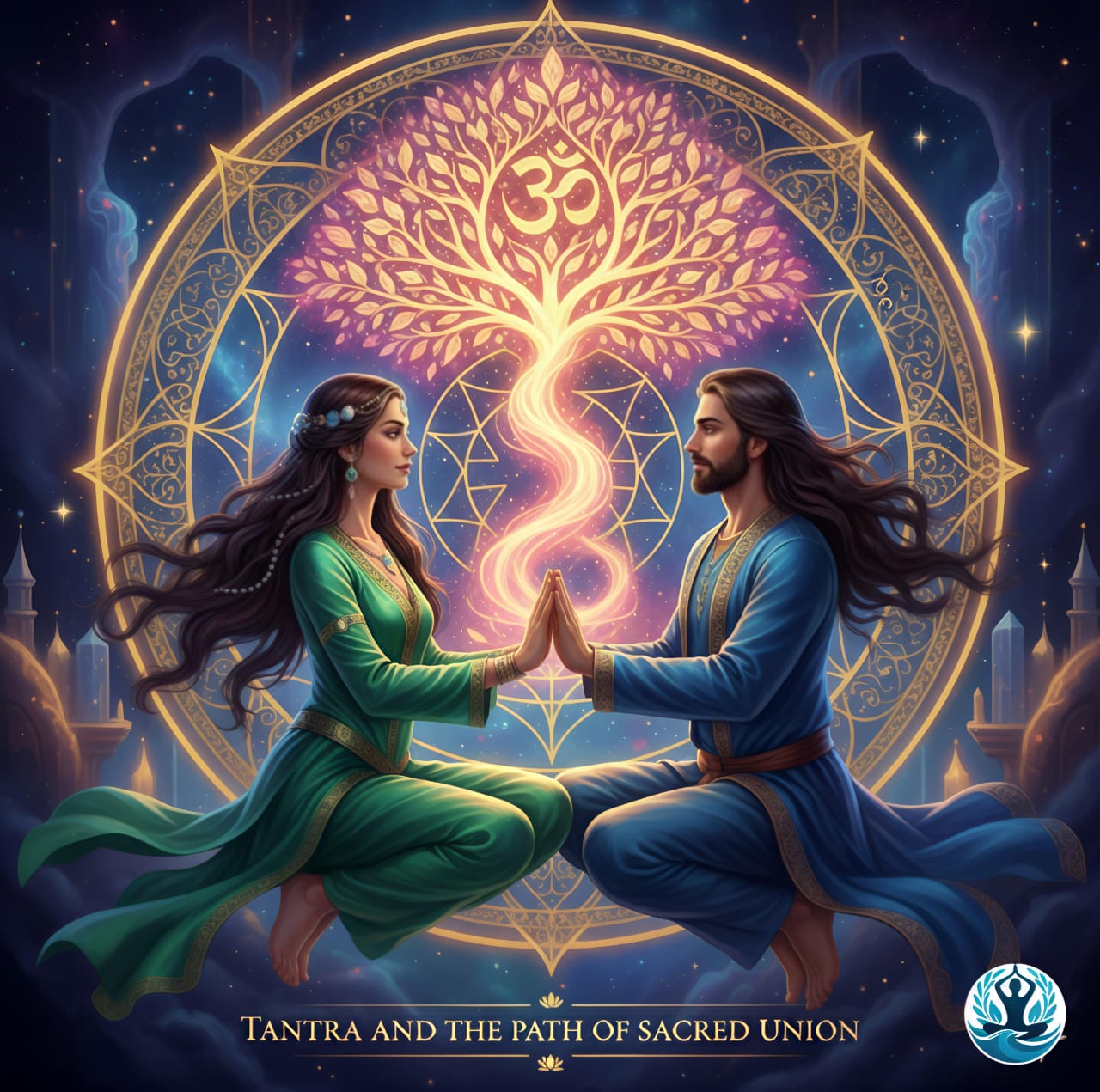
Tantra is an ancient spiritual tradition that transcends cultural and religious boundaries, offering a path toward the integration of the physical, emotional, and spiritual dimensions of human existence. Among its many teachings, one of the most profound is the concept of sacred union — a state of balance and harmony between the masculine and feminine energies that exist within and around us. Sacred union in Tantra is not merely about the union of two lovers; it is the merging of consciousness and energy, the meeting of Shiva and Shakti within one’s own being. This sacred merging opens the gateway to self-realization, wholeness, and divine love.
The Essence of Sacred Union
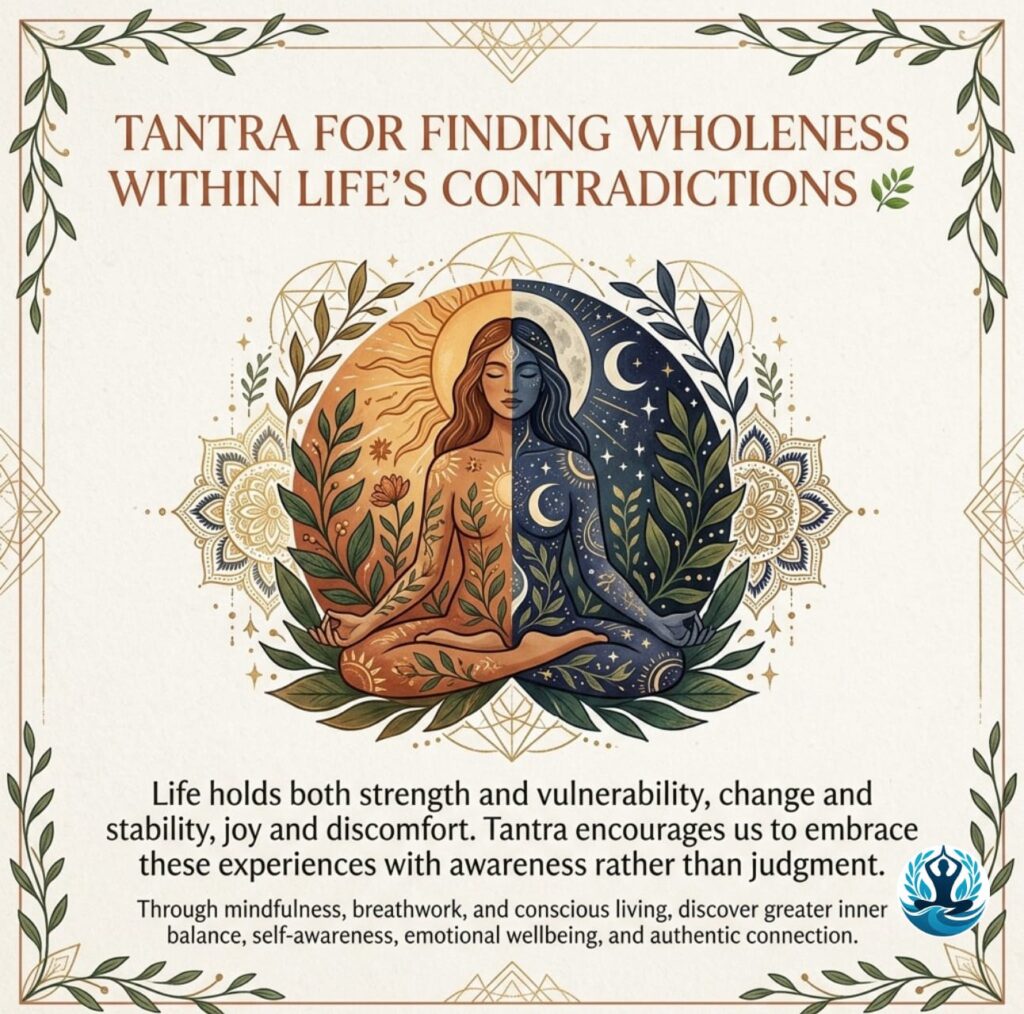
At the heart of Tantra lies the understanding that the universe is born from the dance between two primary forces — the masculine and the feminine, often represented as Shiva and Shakti. Shiva embodies consciousness, stillness, and pure awareness. Shakti, on the other hand, represents energy, movement, and creation. Both are essential and interdependent, forming the foundation of all existence. Sacred union, therefore, is the conscious awakening to this divine balance within oneself.
In modern times, people often misunderstand Tantra as being solely related to sexuality, but sacred union goes far beyond physical intimacy. It is the awakening of awareness in every aspect of life. The act of merging energies — whether physical, emotional, or spiritual — becomes a meditative experience that brings one closer to the divine truth.
Inner Union: Balancing Shiva and Shakti Within
Before one can experience sacred union with another being, it is essential to find union within oneself. Every individual possesses both masculine and feminine energies, and imbalance between them leads to inner conflict, emotional instability, and disconnection. The journey of Tantra begins by observing and harmonizing these polarities.
The masculine energy within us is characterized by logic, focus, discipline, and direction. It is the stable consciousness that observes without attachment. The feminine energy, on the other hand, is intuitive, nurturing, creative, and fluid. It is the energy that flows with emotion and movement. When these energies are balanced, one becomes whole — neither dominated by logic nor overwhelmed by emotion.
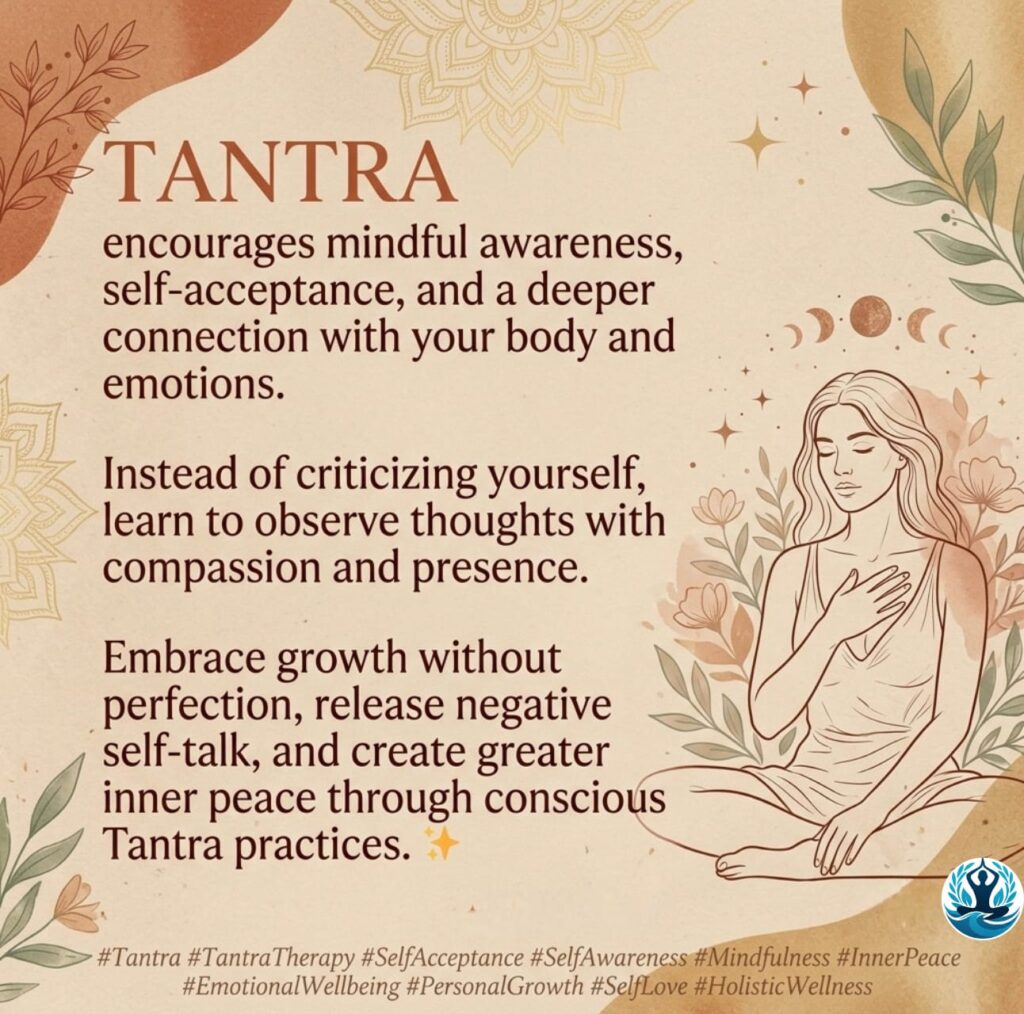
Through Tantric practices like meditation, breathwork, and mindful awareness, practitioners learn to cultivate the dance between these inner forces. The aim is not to suppress one and elevate the other, but to allow both to coexist harmoniously. This inner balance brings emotional stability, mental clarity, and a deep sense of peace.
The Role of Awareness in Sacred Union
Awareness is the key to experiencing sacred union. Tantra teaches that without awareness, every act becomes mechanical and unconscious. Whether it is eating, speaking, or loving, the absence of awareness leads to disconnection. When awareness enters any experience, that experience becomes sacred.
In the context of union, awareness transforms physical intimacy into a form of meditation. It is not about desire or gratification but about presence — being fully alive in each moment. Through presence, one begins to perceive the divine essence in oneself and the other. This is where sacred union begins to unfold naturally, without effort.
The more one practices awareness, the more subtle energies become perceptible. The boundaries between self and other begin to dissolve, and a feeling of oneness arises. This oneness is not emotional dependency but a recognition of the shared essence that exists in all beings.
The Symbolism of Shiva and Shakti
The story of Shiva and Shakti is symbolic of the eternal dance between consciousness and energy. Shiva represents pure awareness — the observer, the unchanging, the void. Shakti is the dynamic force of life — creation, movement, and transformation. Their union represents the merging of stillness and movement, silence and sound, form and formlessness.
In Tantric philosophy, the entire cosmos is seen as an expression of this divine play. Every relationship, emotion, and experience mirrors the union and separation of these two forces. When one begins to see life through this lens, every interaction becomes an opportunity to understand and experience sacred union.
This symbolism also guides the practitioner to understand the importance of polarity in relationships. It is the tension between opposites that creates attraction and transformation. By embracing these differences instead of resisting them, one can experience a deeper and more fulfilling connection.
Tantra as a Path of Wholeness
Unlike many spiritual paths that focus on renunciation, Tantra celebrates life in all its dimensions. It teaches that the body, senses, and desires are not obstacles but gateways to spiritual awakening when approached with awareness. The body becomes a temple, and each experience becomes an offering to the divine.
Sacred union in Tantra is not limited to sexual union but extends to every interaction with existence. Eating, walking, breathing, or even sitting in silence — when done with presence and reverence — become acts of union with the divine. This wholeness is what makes Tantra a complete spiritual path.
By honoring both the material and the spiritual, Tantra bridges the gap between the two. It teaches that enlightenment is not found by escaping the world but by embracing it fully, with love and awareness.
Tantric Practices for Sacred Union
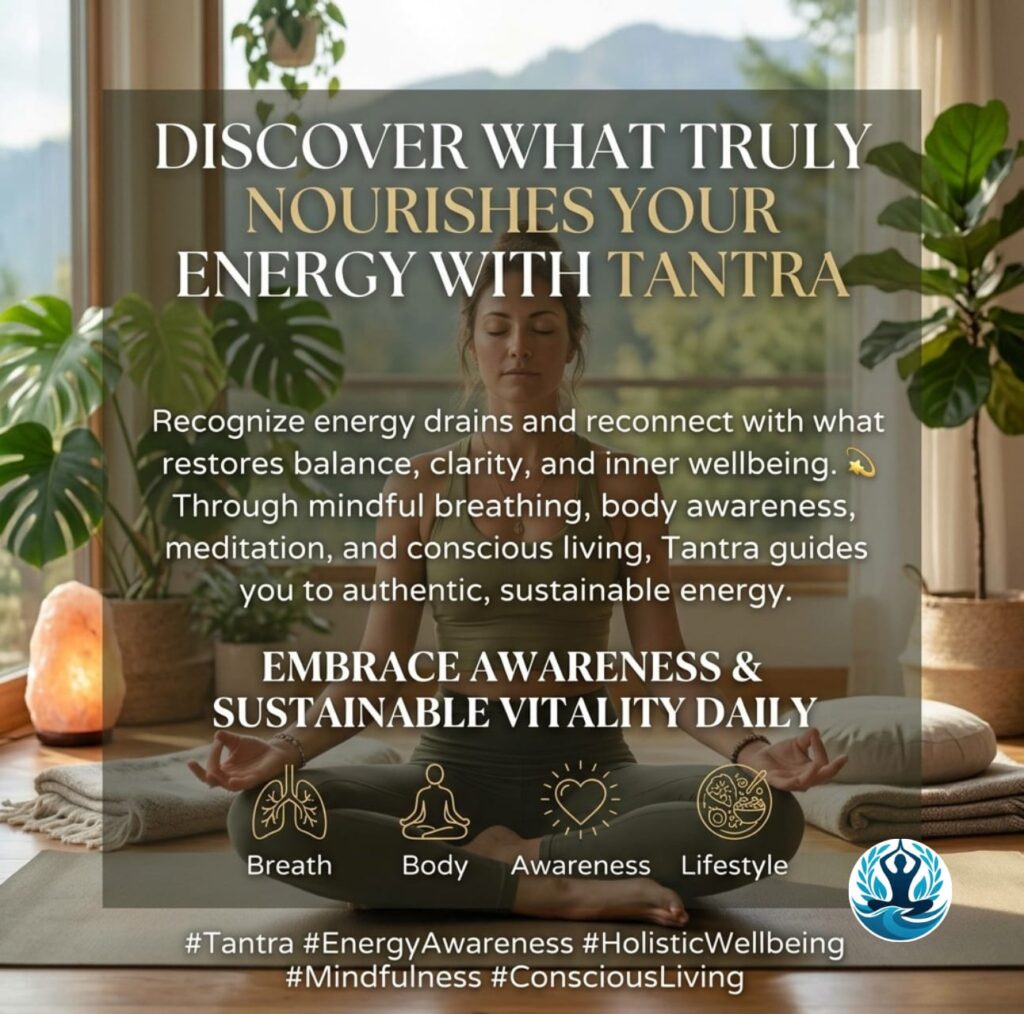
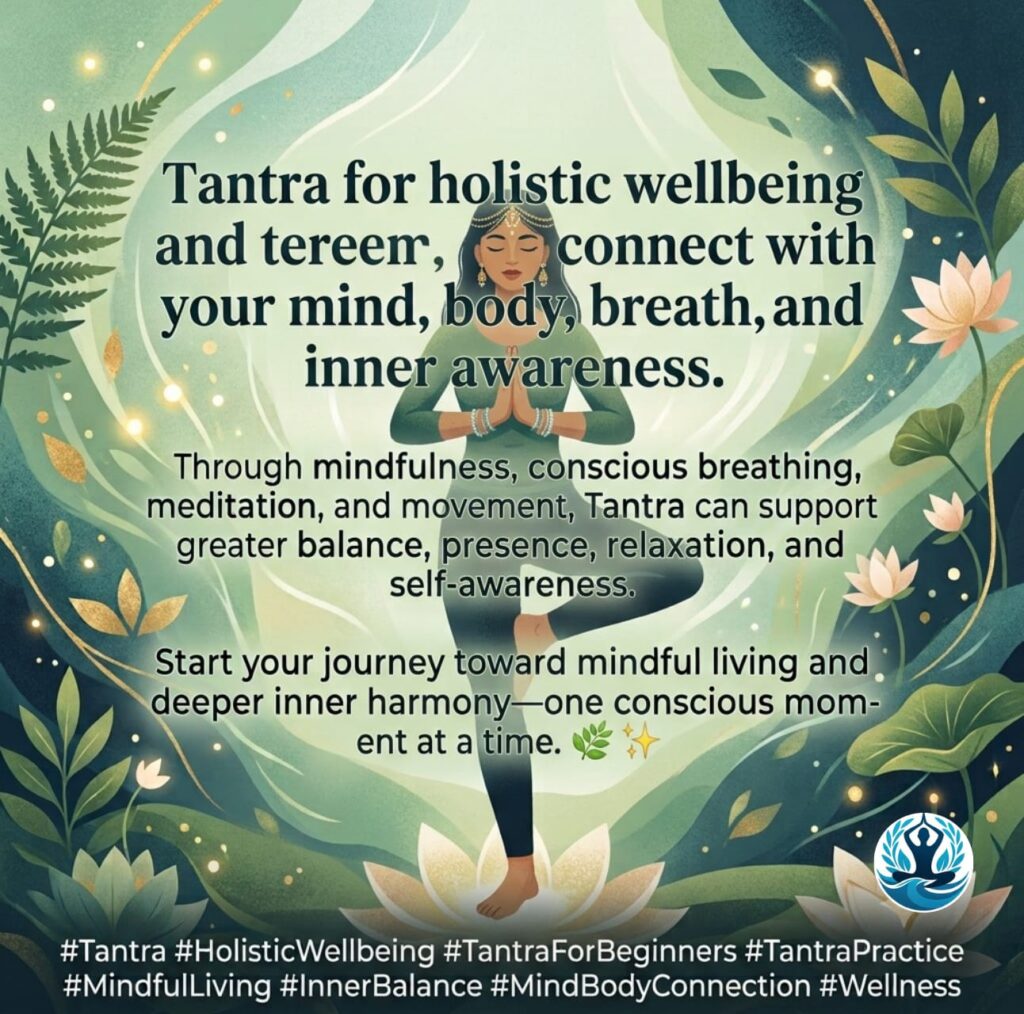
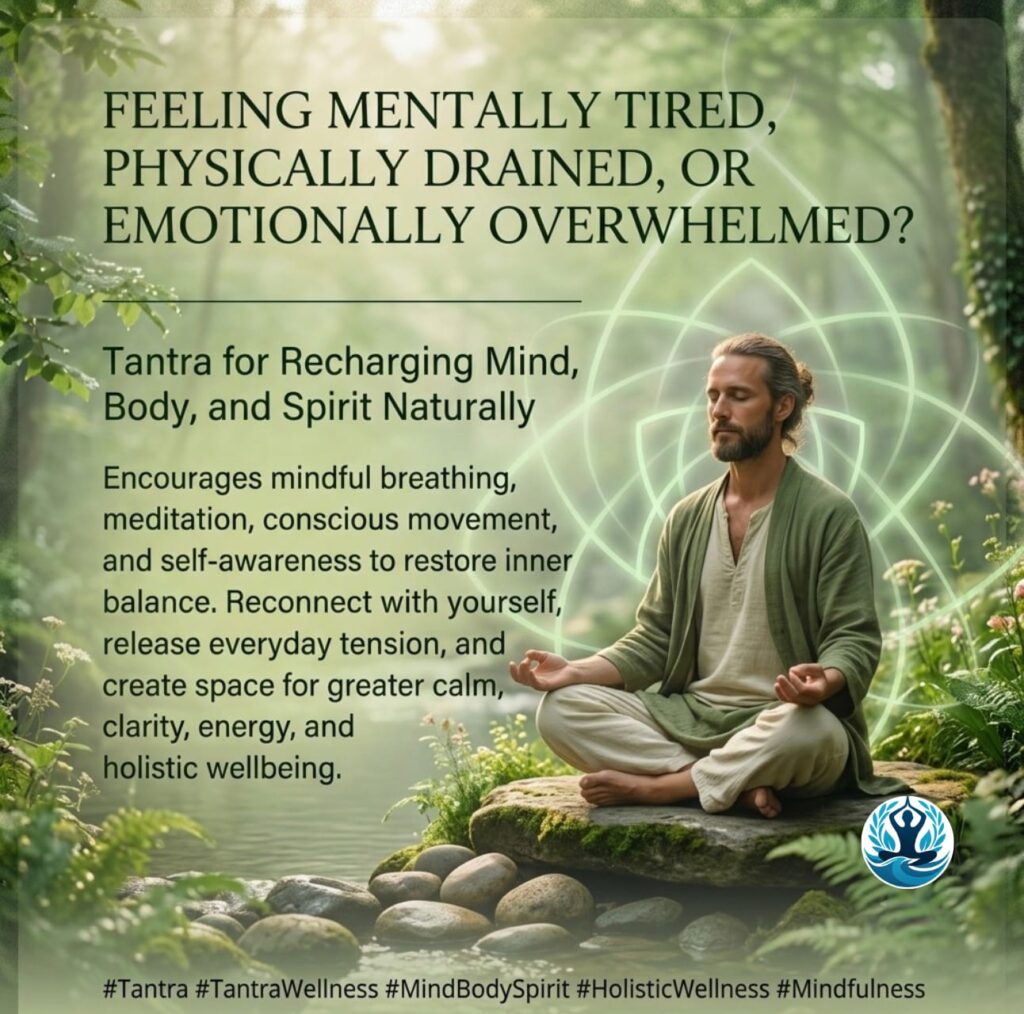
Several practices in Tantra are designed to awaken the energies of sacred union. These include breathwork (pranayama), meditation, mantra chanting, and ritual. Each practice serves to purify the mind, expand awareness, and harmonize the inner energies.
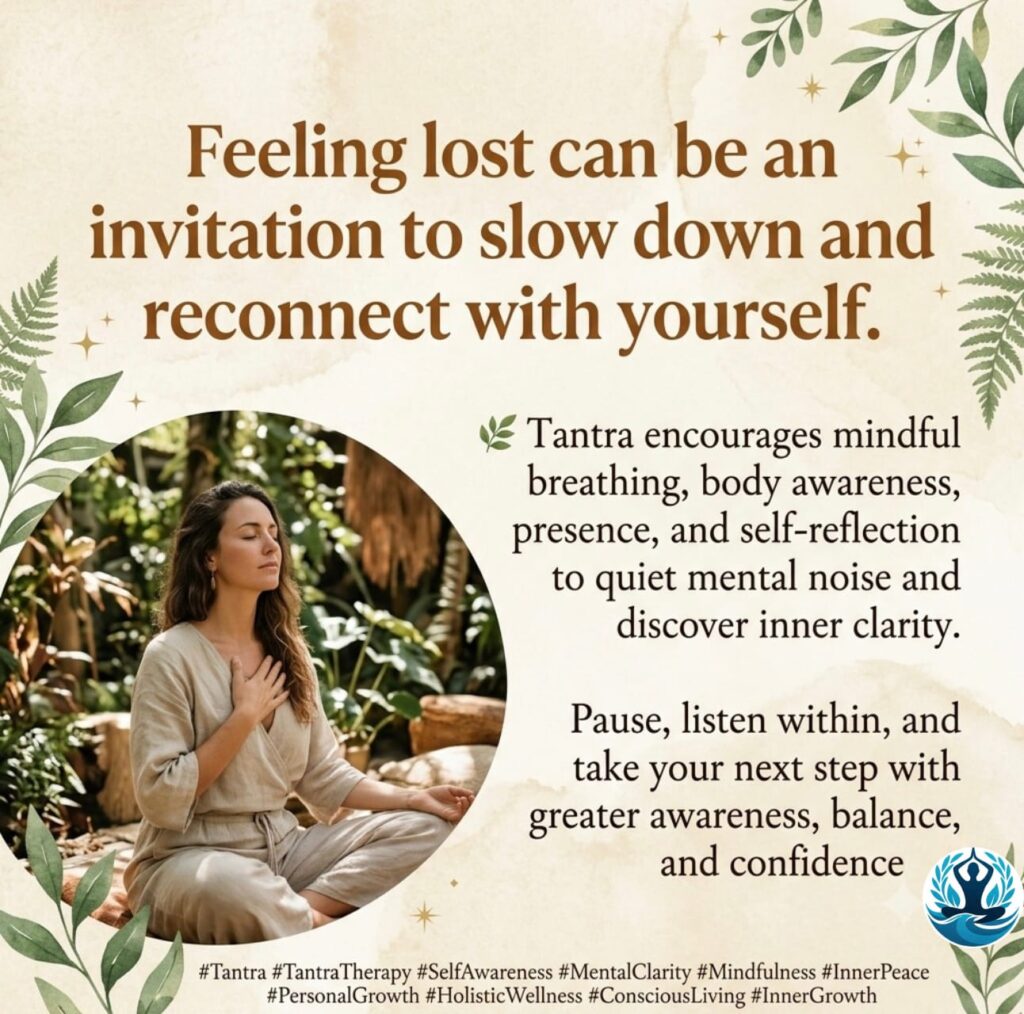
One of the key practices is conscious breathing. By synchronizing breath with awareness, the practitioner connects with the flow of life force within the body. Breath becomes the bridge between the physical and the spiritual.
Meditative gazing, or Trataka, is another practice that deepens presence. Partners look into each other’s eyes without words, allowing a silent communion to occur. In this stillness, the boundaries between self and other begin to dissolve.
Mantras, the sacred sounds of Tantra, are also used to invoke divine energies. Chanting with devotion creates vibrational alignment, drawing the practitioner into a higher state of consciousness.
Physical postures and movements in Tantra are also approached as sacred. Each gesture becomes a dance of energy, allowing the practitioner to embody both stillness and motion.
The Transformation Through Sacred Union
When sacred union is experienced, it transforms the practitioner at every level. Emotionally, it brings balance and compassion. Mentally, it brings clarity and focus. Spiritually, it dissolves the illusion of separation. The individual no longer seeks completion outside but realizes that completeness already exists within.
In a relationship, sacred union transforms love from attachment to divine connection. It is no longer about possession or desire but about honoring the divine in the other. Each moment of connection becomes a meditation, each touch a prayer.
Through this transformation, love becomes unconditional. One no longer seeks to control or change the partner but to celebrate their essence. This kind of love is not bound by time or form; it is eternal.
Challenges on the Path
The path of sacred union is not without challenges. It requires deep self-awareness, vulnerability, and courage to face one’s shadows. Many people resist this path because it reveals hidden fears, insecurities, and emotional wounds.
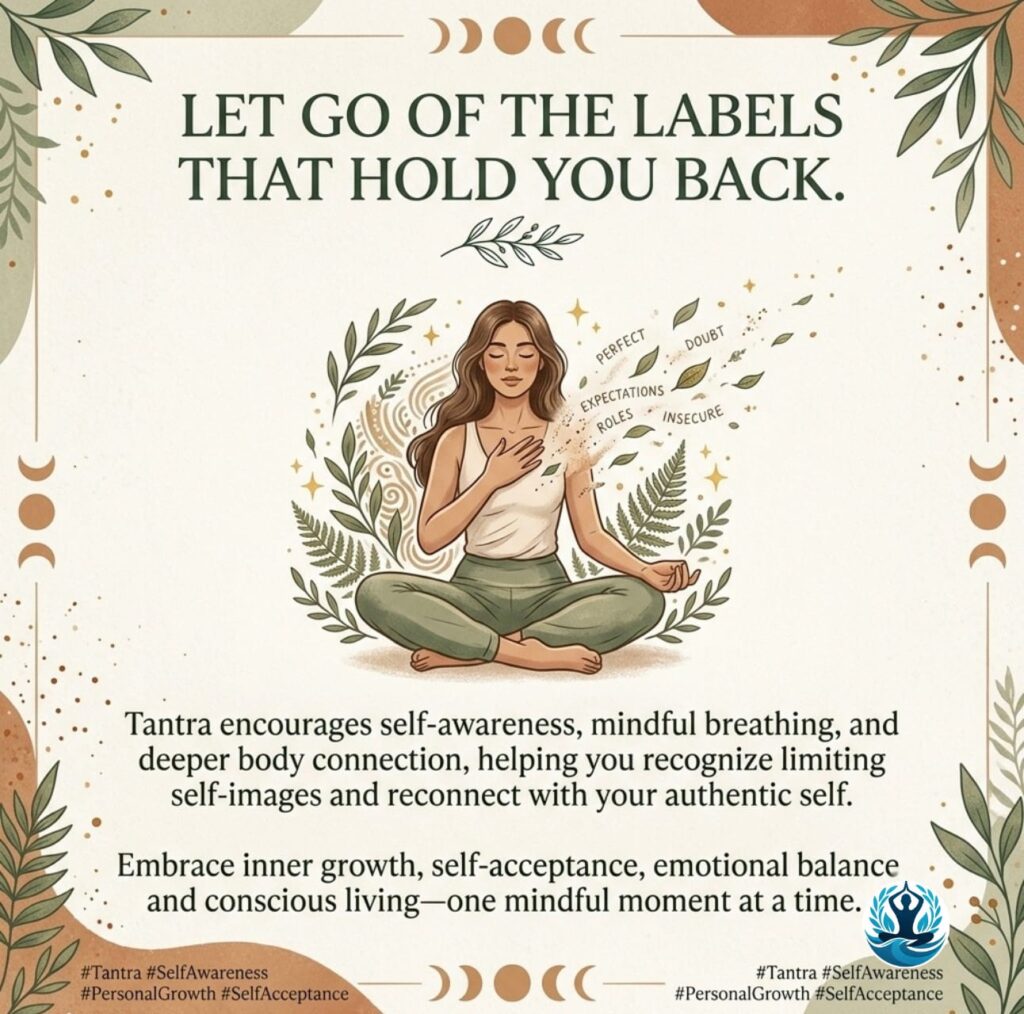
Tantra invites practitioners to face these aspects with compassion and non-judgment. Only by embracing the shadow can one achieve true wholeness. The pain and pleasure of life are both part of the same divine play.
Ego is another obstacle on the path. The ego thrives on separation and control, while sacred union requires surrender. Surrender does not mean submission but the release of control into awareness. When one lets go of the need to dominate or be dominated, true union becomes possible.
Living Tantra in Everyday Life
Sacred union is not a one-time experience but a continuous state of being. It can be lived in daily life through mindfulness, gratitude, and conscious connection. Every relationship — whether romantic, familial, or social — becomes an opportunity to practice union.
Being fully present while listening, speaking with kindness, and honoring others’ perspectives are all expressions of living Tantra. Even in solitude, one can experience union by connecting with nature, art, or silence.
When life is lived through awareness, every moment becomes sacred. The boundaries between the spiritual and the ordinary dissolve, and the divine is seen in all things.
Conclusion
Tantra and the path of sacred union guide us toward an integrated way of living — where body, mind, and spirit exist in harmony. It is not about following rigid rules or renouncing desires but about transforming every experience into an act of consciousness.
The ultimate goal of sacred union is not external fulfillment but internal realization — the recognition that we are both Shiva and Shakti, both stillness and movement, both the lover and the beloved.
When this realization dawns, life itself becomes a meditation. Every breath, every relationship, every sensation becomes a pathway to the divine. In this sacred dance of union, one discovers the eternal truth — that love and consciousness are one.