

How Tantra Enhances Cognitive Flexibility

In a rapidly changing world, the ability to adapt, think creatively, and shift perspectives is more valuable than ever. This mental ability—known as cognitive flexibility—is a cornerstone of success in both personal and professional life. Whether you’re solving complex problems, managing stress, or navigating relationships, cognitive flexibility allows you to respond intelligently rather than react impulsively.
While modern psychology offers various tools to improve this skill, an ancient practice is gaining attention for its profound impact on the mind: Tantra.
Often misunderstood as purely a spiritual or sensual practice, Tantra is actually a holistic system that integrates the body, mind, and awareness. Through breathwork, mindfulness, movement, and energy practices, Tantra offers powerful techniques to rewire mental patterns and enhance cognitive flexibility.
In this blog, we’ll explore how Tantra works, why it’s effective, and how you can use it to unlock a more adaptable, creative, and resilient mind.
What is Cognitive Flexibility?
Cognitive flexibility refers to the brain’s ability to:
- Shift between different thoughts or perspectives
- Adapt to new situations and information
- Think creatively and generate new ideas
- Let go of rigid thinking patterns
- Respond effectively to unexpected challenges
It is a key component of executive functioning, influencing decision-making, learning, and emotional regulation.
Signs of High Cognitive Flexibility:
- Open-mindedness
- Creative problem-solving
- Emotional adaptability
- Ability to handle uncertainty
Signs of Low Cognitive Flexibility:
- Overthinking or mental rigidity
- Resistance to change
- Black-and-white thinking
- Difficulty letting go of past experiences
The question is: How can we train the brain to become more flexible?
Understanding Tantra Beyond Myths
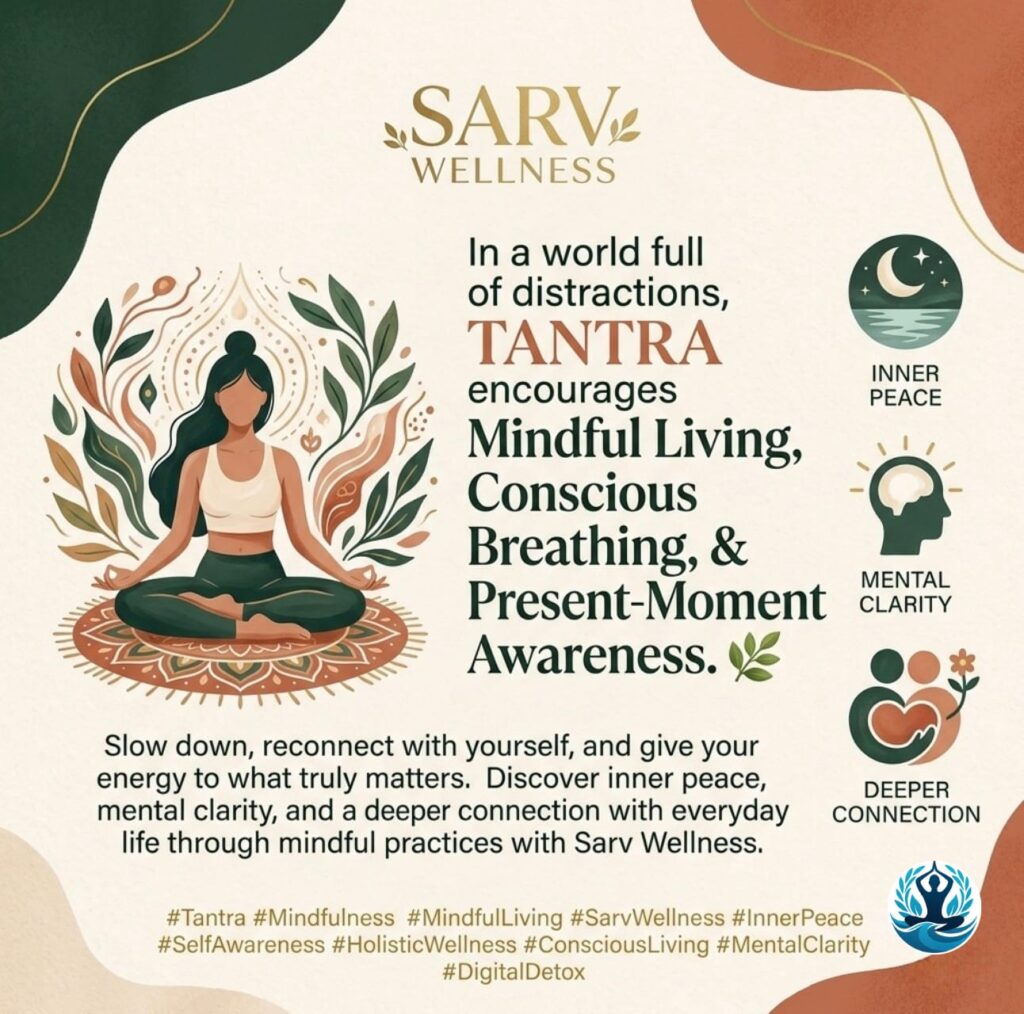
Tantra is a mind-body awareness practice rooted in ancient traditions. At its core, Tantra teaches:
- Presence over distraction
- Awareness over reaction
- Integration over suppression
Rather than forcing the mind to behave differently, Tantra works by expanding awareness, allowing thoughts and emotions to move freely without resistance.
This approach directly impacts cognitive flexibility by reducing mental rigidity and encouraging adaptive thinking.
The Science Behind Tantra and Brain Flexibility
Modern neuroscience supports many of Tantra’s principles. Practices such as breathwork and mindfulness:
- Strengthen neural pathways associated with attention and awareness
- Reduce activity in the brain’s default mode network (linked to overthinking)
- Increase neuroplasticity—the brain’s ability to reorganize itself
Key Brain Benefits:
- Improved Neuroplasticity
Tantra encourages new ways of thinking by breaking habitual patterns. - Reduced Stress Response
Lower stress leads to clearer thinking and better adaptability. - Enhanced Emotional Regulation
A calm mind is more flexible and less reactive.
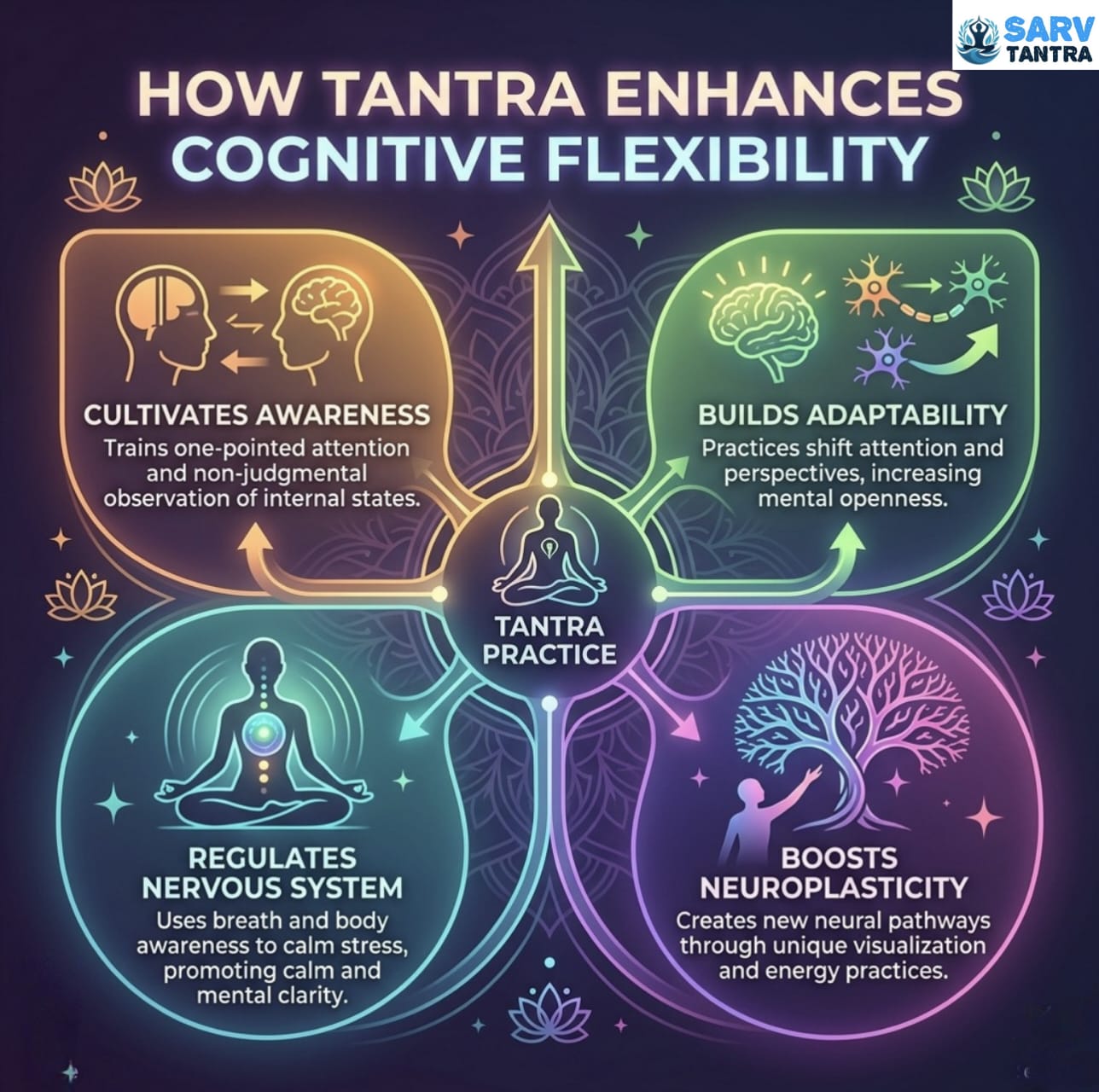
How Tantra Enhances Cognitive Flexibility
1. Breaking Automatic Thought Patterns
Most people operate on autopilot—repeating the same thoughts, reactions, and behaviors daily.
Tantra disrupts this cycle through awareness practices.
How It Helps:
- You become aware of habitual thinking
- You learn to pause before reacting
- You create space for new responses
Result: Increased ability to shift perspectives and think differently.
2. Strengthening Present-Moment Awareness
Cognitive rigidity often comes from being stuck in the past or worrying about the future.
Tantra anchors you in the present moment, where true flexibility exists.
Practices:
- Breath awareness
- Sensory observation
- Body scanning
Result: A mind that responds to reality rather than assumptions.
3. Enhancing Emotional Intelligence
Emotions strongly influence thinking patterns. When emotions are unmanaged, they limit cognitive flexibility.
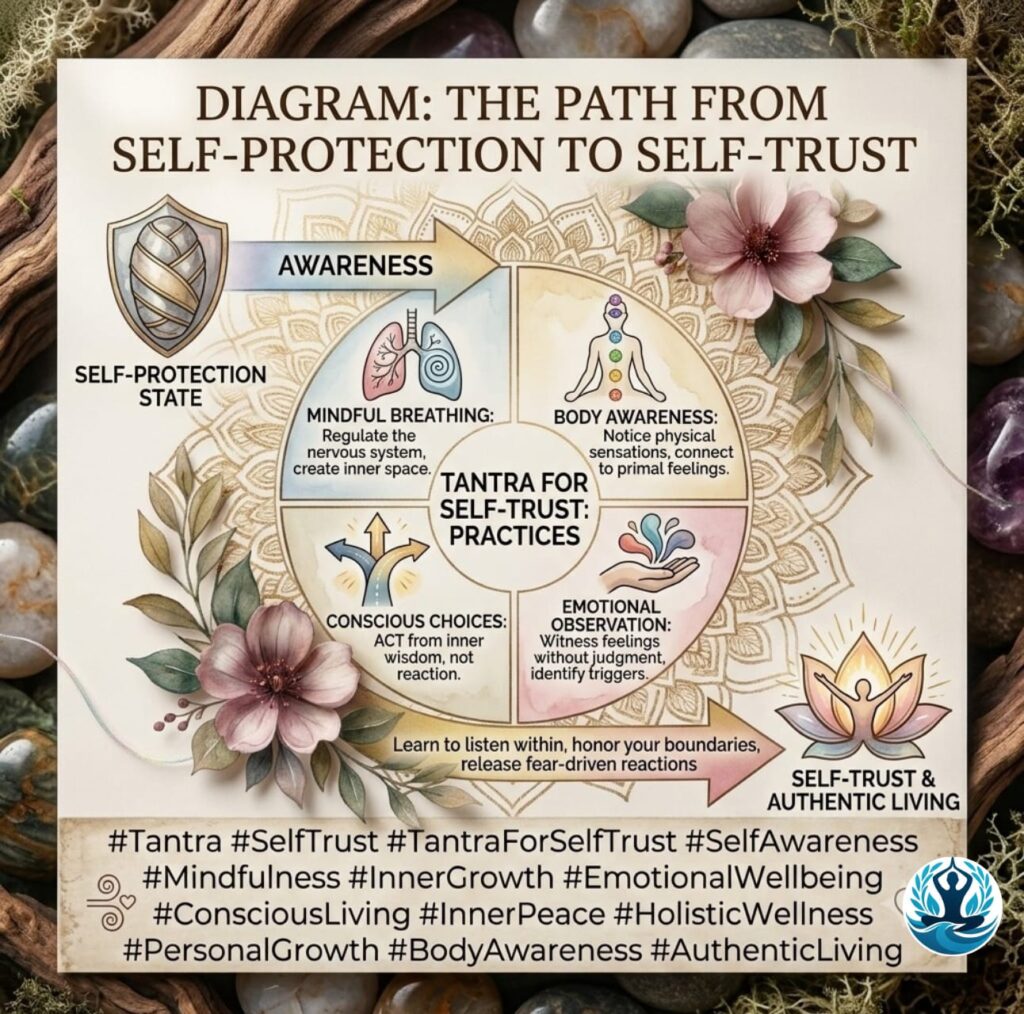
Tantra teaches you to:
- Observe emotions without judgment
- Feel fully without suppression
- Release emotional blocks
Result: You can think clearly even in emotionally charged situations.
4. Regulating the Nervous System
A stressed nervous system leads to rigid thinking.
Tantric practices activate the parasympathetic nervous system, promoting relaxation.
Techniques:
- Deep rhythmic breathing
- Slow, conscious movement
- Stillness practices
Result: A calm brain that can adapt quickly and creatively.
5. Encouraging Non-Linear Thinking
Tantra moves away from rigid, logical-only thinking and embraces intuitive intelligence.
This opens the door to:
- Creativity
- Innovation
- New problem-solving approaches
Result: Enhanced ability to think outside the box.
6. Integrating Mind and Body Awareness
Most cognitive training ignores the body, but Tantra sees the body as a source of intelligence.
By connecting with bodily sensations, you:
- Access deeper awareness
- Improve decision-making
- Reduce mental overload
Result: Holistic thinking that integrates logic and intuition.
7. Letting Go of Control
Rigid thinking often stems from the need to control outcomes.
Tantra teaches surrender and acceptance, which paradoxically increases adaptability.
Result: You become more open to change and new possibilities.
Practical Tantra Techniques to Improve Cognitive Flexibility
1. Conscious Breathing Practice
How to Do It:
- Sit comfortably
- Inhale slowly for 4 seconds
- Exhale for 6 seconds
- Focus on the breath
Benefits:
- Calms the mind
- Reduces overthinking
- Enhances mental clarity
2. Thought Observation Meditation
How to Practice:
- Sit quietly
- Observe your thoughts without judgment
- Let them pass like clouds
Benefits:
- Reduces attachment to thoughts
- Increases mental flexibility
3. Sensory Awareness Exercise
Try This:
- Focus on one sense (sound, touch, sight)
- Notice details without labeling
Benefits:
- Strengthens present-moment awareness
- Improves attention shifting
4. Tantric Movement Practice
Slow, mindful movements help integrate body and mind.
Benefits:
- Releases tension
- Enhances adaptability
- Improves coordination
5. Emotional Release Practice
Allow yourself to feel emotions fully without suppression.
Benefits:
- Clears mental blocks
- Enhances emotional flexibility
Tantra vs Traditional Cognitive Training
| Aspect | Traditional Methods | Tantra Approach |
|---|---|---|
| Focus | Thought control | Awareness |
| Strategy | Logic-based | Mind-body integration |
| Goal | Change thinking | Expand consciousness |
| Result | Temporary improvement | Deep transformation |
Tantra works at a deeper level by addressing the root of rigidity rather than just symptoms.
Benefits of Cognitive Flexibility Through Tantra
🧠 Mental Benefits
- Improved focus and clarity
- Reduced overthinking
- Better decision-making
💼 Professional Benefits
- Increased creativity
- Better problem-solving
- Adaptability in fast-changing environments
❤️ Emotional Benefits
- Improved emotional resilience
- Better relationships
- Reduced stress and anxiety
🌿 Spiritual Benefits
- Greater self-awareness
- Deeper sense of peace
- Alignment with inner purpose
Tantra for Modern Life
In today’s digital world, constant stimulation reduces attention span and increases mental rigidity.
Tantra offers a solution by:
- Slowing down the mind
- Increasing awareness
- Reducing dependency on external stimuli
Ideal for:
- Professionals dealing with stress
- Entrepreneurs facing uncertainty
- Creatives seeking inspiration
- Anyone feeling mentally stuck
Common Misconceptions About Tantra
Myth 1: Tantra is only about intimacy
Truth: It’s a complete mind-body awareness system.
Myth 2: Tantra is religious
Truth: It can be practiced secularly for mental and emotional benefits.
Myth 3: Tantra is complicated
Truth: Simple daily practices can create profound change.
Tips to Start Your Tantra Journey
- Start with 5–10 minutes of daily practice
- Focus on consistency, not perfection
- Observe your thoughts without judgment
- Stay patient—results build over time
- Combine breathwork with awareness exercises
The Future of Cognitive Wellness
As mental health and productivity become priorities, practices like Tantra are gaining global attention.
Why?
Because they offer:
- Natural mental optimization
- Sustainable stress management
- Deep cognitive transformation
Tantra is not just an ancient practice—it’s a modern solution for mental flexibility and resilience.
Conclusion
Cognitive flexibility is no longer optional—it’s essential for thriving in today’s world. While many methods aim to improve thinking, Tantra goes deeper by transforming awareness itself.
Through breath, presence, and mind-body integration, Tantra helps you:
- Break free from rigid patterns
- Adapt to change effortlessly
- Think creatively and clearly
- Live with greater awareness and balance
By incorporating simple Tantric practices into your daily life, you can unlock a more flexible, resilient, and empowered mind.