

Tantra and the Gut-Brain Connection Explained

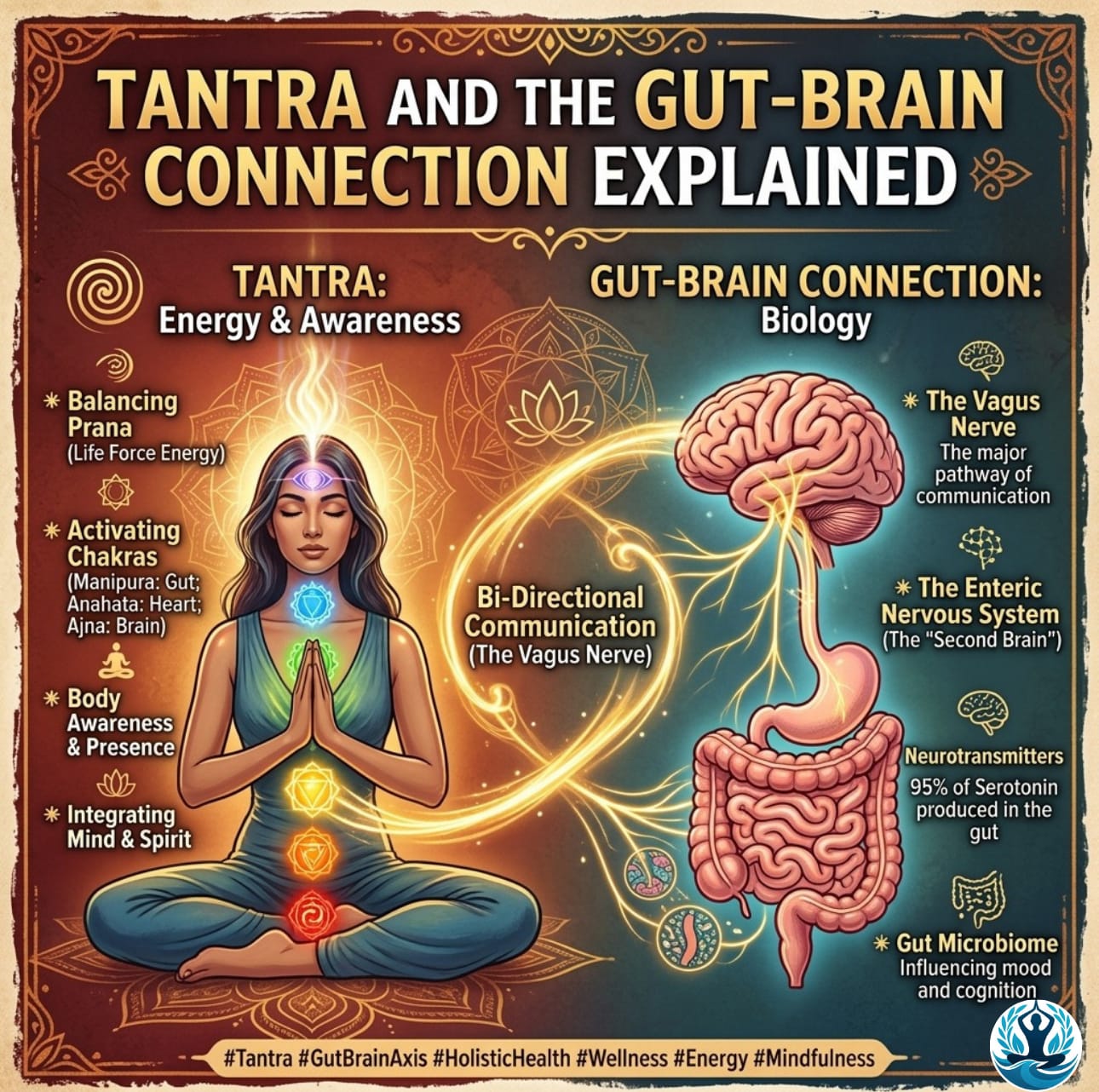
The connection between the gut and the brain has become one of the most discussed topics in modern wellness science. Researchers now recognize that emotional health, digestion, mental clarity, and stress management are deeply interconnected through what is known as the gut-brain axis. At the same time, ancient tantric traditions have long emphasized the importance of balancing the body, mind, breath, and energy systems for overall well-being.
Today, many people are discovering that tantra practices such as mindful breathing, meditation, body awareness, conscious movement, and stress reduction techniques may positively influence gut health and mental wellness. Understanding the relationship between tantra and the gut-brain connection can help individuals improve emotional balance, digestive health, focus, sleep quality, and overall vitality naturally.
This article explores the science behind the gut-brain axis and explains how tantra practices may support both digestive and mental health in a holistic way.
What Is the Gut-Brain Connection?
The gut-brain connection refers to the communication network between the digestive system and the brain. This two-way communication occurs through:
- The nervous system
- Hormones
- Neurotransmitters
- The immune system
- Gut microbiota
The gut and brain constantly exchange information. When stress levels rise, digestion may become disrupted. Likewise, poor gut health can influence mood, anxiety, concentration, and emotional stability.
This communication pathway is called the gut-brain axis.
Scientific Understanding of the Gut-Brain Axis
Modern research shows that the gut contains millions of neurons and is often called the “second brain.” The digestive tract communicates with the central nervous system primarily through the vagus nerve.
The gut also produces important neurotransmitters such as:
- Serotonin
- Dopamine
- Gamma-aminobutyric acid (GABA)
Interestingly, nearly 90% of serotonin is produced in the gut. Since serotonin affects mood, sleep, and emotional well-being, digestive health plays a major role in mental health.
Chronic stress, anxiety, unhealthy eating habits, poor sleep, and emotional imbalance can negatively affect gut bacteria and digestive function.
This is where tantra may offer natural support.
Understanding Tantra Beyond Misconceptions
Many people misunderstand tantra as being only related to intimacy. In reality, traditional tantra is a holistic spiritual and wellness practice focused on awareness, breath, energy balance, mindfulness, and inner harmony.
Tantra teaches individuals to create deeper awareness of:
- Breathing patterns
- Emotional states
- Body sensations
- Energy flow
- Mental focus
- Stress responses
These practices can directly influence the nervous system and support healthier gut-brain communication.
How Stress Affects the Gut-Brain Connection
Stress is one of the biggest disruptors of digestive health.
When the body enters a chronic stress state:
- Cortisol levels rise
- Digestion slows down
- Inflammation may increase
- Gut bacteria balance can change
- Sleep quality decreases
- Anxiety becomes more common
Many digestive problems are linked to prolonged nervous system imbalance, including:
- Bloating
- Indigestion
- Irritable bowel symptoms
- Appetite changes
- Acid reflux
- Emotional eating
Tantra practices aim to activate the parasympathetic nervous system, also known as the “rest and digest” state.
This relaxation response may improve communication between the gut and brain naturally.
Tantra Breathing and Nervous System Regulation
One of the most important aspects of tantra is conscious breathing.
Breathwork practices help calm the nervous system and may positively affect digestive function.
How Conscious Breathing Helps
Slow and mindful breathing may:
- Lower cortisol levels
- Reduce anxiety
- Improve oxygen flow
- Relax abdominal muscles
- Support vagus nerve activation
- Improve emotional regulation
Scientific studies suggest that deep breathing techniques stimulate the parasympathetic nervous system.
This creates a calmer internal environment that supports healthy digestion and emotional balance.
Simple Tantra Breathing Practice
A basic tantra breathing technique includes:
- Sitting comfortably
- Breathing slowly through the nose
- Expanding the abdomen gently
- Exhaling slowly and mindfully
- Maintaining awareness of body sensations
Practicing this daily for 10–15 minutes may support stress reduction and digestive relaxation.
The Role of the Vagus Nerve in Tantra and Gut Health
The vagus nerve is one of the most important communication pathways between the brain and digestive system.
It influences:
- Digestion
- Heart rate
- Emotional regulation
- Inflammation response
- Relaxation states
Low vagal tone is often associated with stress and digestive discomfort.
Many tantra practices may stimulate vagus nerve activity naturally through:
- Deep breathing
- Meditation
- Chanting
- Mindful awareness
- Slow body movements
Improved vagal tone may support:
- Better digestion
- Emotional calmness
- Reduced anxiety
- Improved sleep
- Greater mental clarity
Tantra Meditation and Digestive Wellness
Meditation is a major component of tantric practice.
Scientific research has shown that meditation may reduce stress-related digestive problems by calming the nervous system.
Potential Benefits of Tantra Meditation
Regular meditation may help:
- Reduce emotional stress
- Improve mindfulness around eating
- Support healthy digestion
- Improve sleep quality
- Reduce inflammation markers
- Enhance emotional resilience
Tantra meditation also encourages body awareness, helping individuals recognize how emotions affect physical sensations in the stomach and digestive tract.
Gut Microbiome and Emotional Health
The gut microbiome consists of trillions of bacteria living inside the digestive tract.
Healthy gut bacteria contribute to:
- Immune system function
- Mood regulation
- Nutrient absorption
- Brain communication
- Hormone balance
Stress and anxiety can negatively affect the microbiome.
Because tantra practices help lower stress responses, they may indirectly support a healthier gut microbiome environment.
Lifestyle Factors That Affect the Gut-Brain Axis
The gut-brain connection is influenced by:
- Diet
- Sleep
- Stress
- Exercise
- Emotional health
- Breathing habits
- Relaxation practices
Tantra encourages a holistic lifestyle that supports balance in all these areas.
Mindful Eating in Tantra
Tantric philosophy encourages full awareness during daily activities, including eating.
Mindful eating practices may improve digestion by helping the body remain relaxed while consuming food.
Benefits of Mindful Eating
Mindful eating may help:
- Reduce overeating
- Improve digestion
- Increase satisfaction
- Reduce stress eating
- Improve awareness of hunger signals
Simple tantra-inspired mindful eating practices include:
- Eating slowly
- Breathing deeply before meals
- Avoiding distractions
- Chewing thoroughly
- Appreciating food consciously
These habits may strengthen the gut-brain relationship naturally.
Emotional Storage in the Body
Many holistic traditions believe that emotions can become stored within the body, especially in the abdominal region.
Stress and unresolved emotional tension may contribute to:
- Tightness in the stomach
- Digestive discomfort
- Fatigue
- Anxiety symptoms
Tantra practices encourage emotional awareness and release through:
- Breathwork
- Meditation
- Gentle movement
- Mindfulness
- Conscious relaxation
This mind-body awareness may support emotional healing and physical relaxation simultaneously.
Tantra, Sleep, and Digestive Recovery
Poor sleep negatively affects both the gut and the brain.
Sleep deprivation may:
- Increase inflammation
- Disrupt gut bacteria
- Increase stress hormones
- Affect appetite regulation
- Reduce mental clarity
Tantra relaxation techniques before bedtime may help improve sleep quality through nervous system calming.
Bedtime Tantra Practices
Helpful evening practices include:
- Slow breathing exercises
- Guided meditation
- Gentle stretching
- Screen-free relaxation
- Body awareness meditation
Improved sleep may strengthen the gut-brain axis and overall wellness.
Scientific Research Supporting Mind-Body Practices
Modern science increasingly supports practices that regulate stress and improve mind-body awareness.
Research suggests that meditation and breathwork may:
- Reduce stress hormones
- Improve emotional regulation
- Lower inflammation
- Enhance vagus nerve function
- Support digestive balance
While more direct research on tantra specifically is still developing, many tantric practices overlap with scientifically studied wellness methods such as mindfulness meditation and controlled breathing.
Tantra and Holistic Wellness
Tantra approaches health holistically rather than focusing on isolated symptoms.
Instead of separating the mind and body, tantra recognizes that:
- Mental health affects digestion
- Digestion affects mood
- Breath affects emotions
- Emotions affect physical health
This interconnected view aligns closely with modern gut-brain research.
Daily Tantra Practices for Gut-Brain Health
1. Morning Breath Awareness
Spend 5–10 minutes practicing slow breathing after waking up.
Benefits may include:
- Reduced stress
- Improved focus
- Better nervous system balance
2. Meditation Practice
Daily meditation may calm the mind and support digestive relaxation.
3. Conscious Eating
Avoid rushing meals and eat with awareness.
4. Gentle Body Movement
Yoga-inspired tantric movement may help digestion and circulation.
5. Stress Reduction Rituals
Relaxation practices may support emotional and digestive balance.
Signs of a Balanced Gut-Brain Connection
When the gut-brain axis functions well, individuals may experience:
- Better digestion
- Stable energy levels
- Improved mood
- Better concentration
- Reduced stress
- Improved sleep
- Emotional calmness
Consistency with healthy lifestyle habits and mindful practices is important for long-term benefits.
Common Misconceptions About Tantra
Tantra Is Not Only About Intimacy
Traditional tantra includes:
- Meditation
- Breathwork
- Spiritual awareness
- Energy balance
- Emotional mindfulness
Tantra Supports Overall Wellness
Modern wellness approaches increasingly recognize tantra as a mind-body practice rather than only a spiritual philosophy.
The Future of Tantra and Scientific Wellness
As research into the gut-brain axis expands, interest in holistic practices continues growing.
Future studies may further explore how tantra-based techniques influence:
- Nervous system regulation
- Emotional resilience
- Digestive function
- Stress reduction
- Hormonal balance
The combination of ancient wisdom and modern neuroscience may offer powerful wellness insights.
Conclusion
The gut-brain connection demonstrates how closely mental and digestive health are linked. Stress, emotional imbalance, poor sleep, and nervous system dysregulation can all negatively affect digestion and overall well-being.
Tantra offers a holistic approach that emphasizes conscious breathing, mindfulness, meditation, emotional awareness, and nervous system balance. These practices may support healthier gut-brain communication by promoting relaxation and reducing chronic stress.
Although scientific research on tantra is still evolving, many tantra-based practices align with evidence-supported wellness techniques that improve mental clarity, emotional balance, digestion, and overall health.
By integrating simple tantric habits into daily life, individuals may develop greater awareness, inner calmness, digestive wellness, and mind-body harmony naturally.