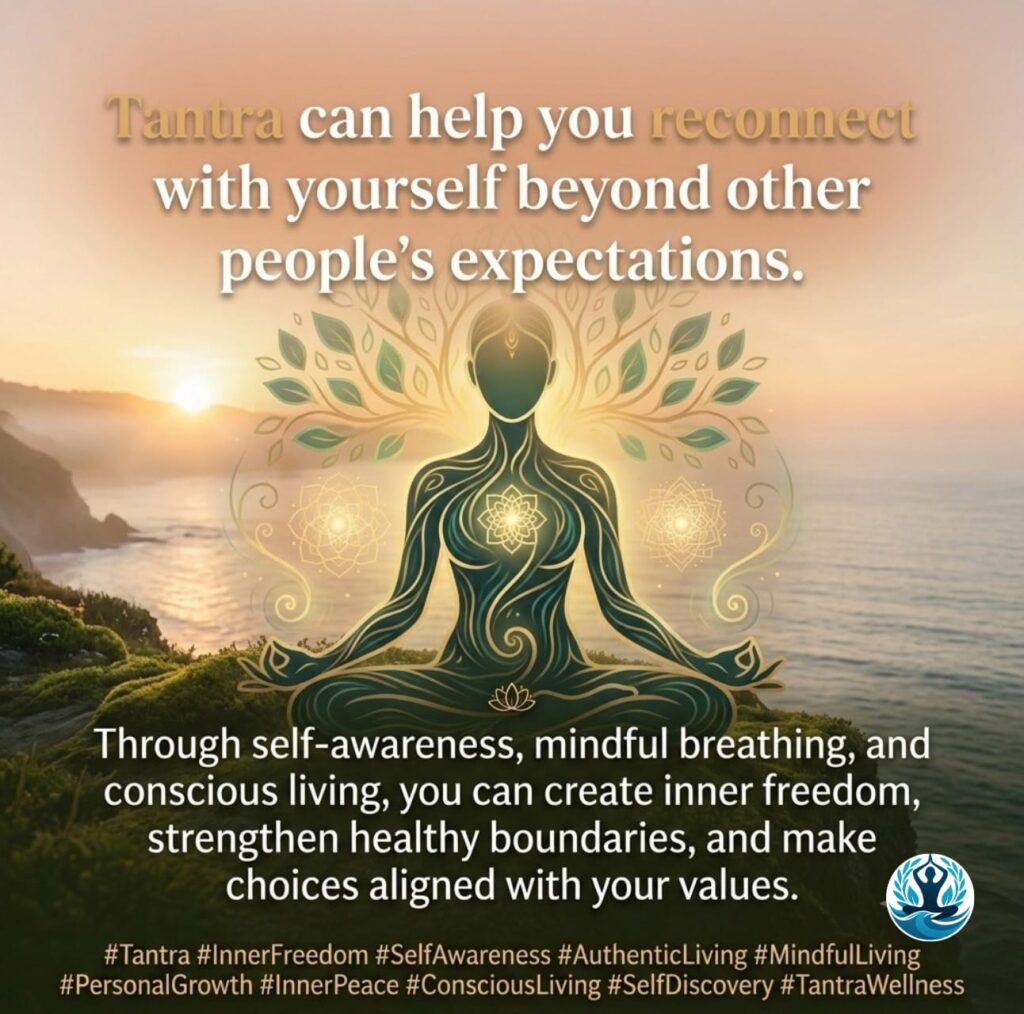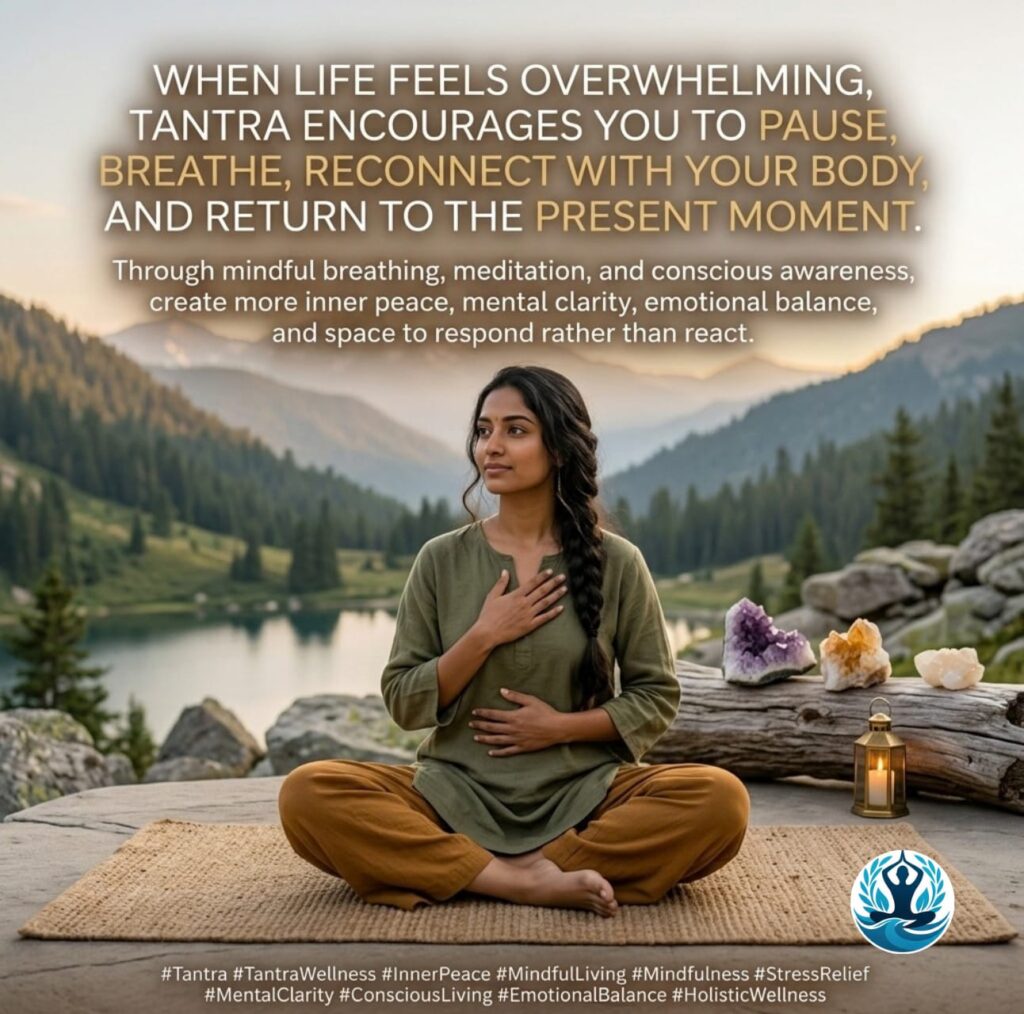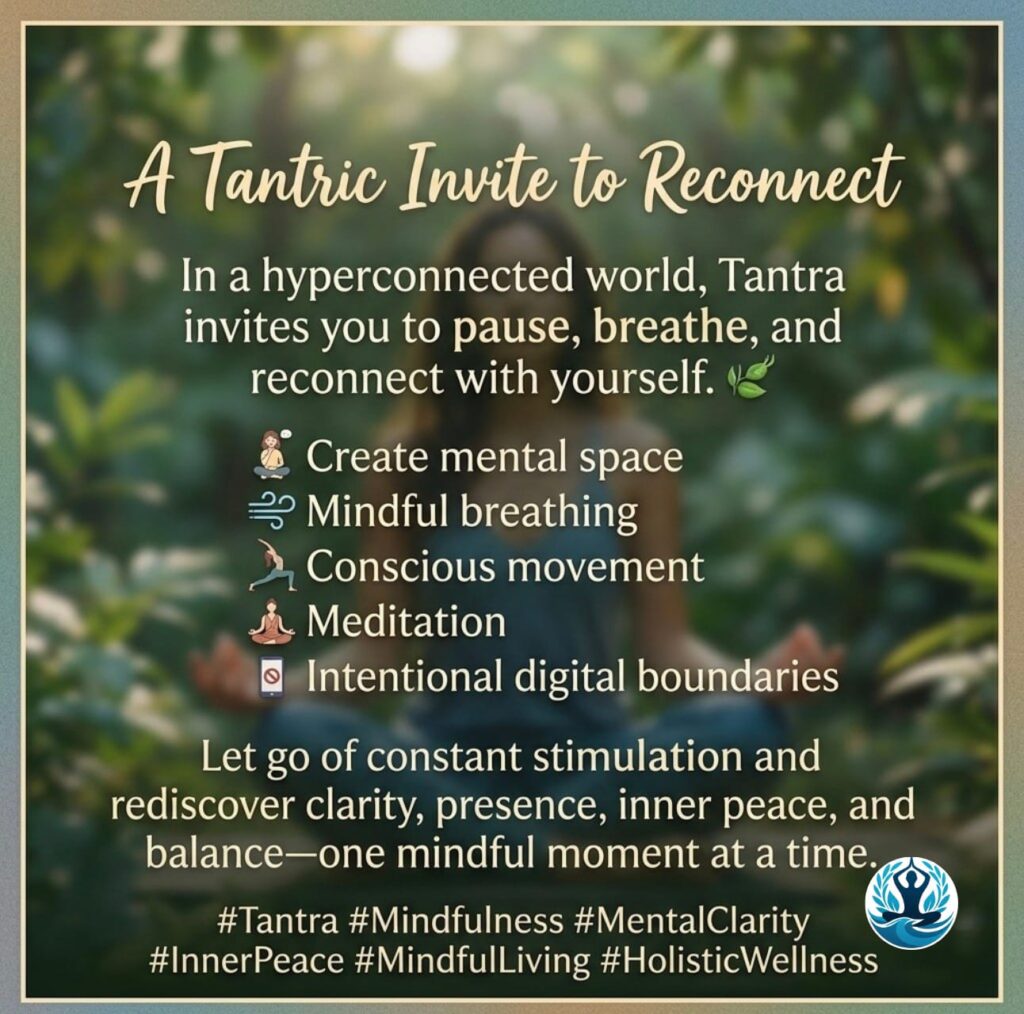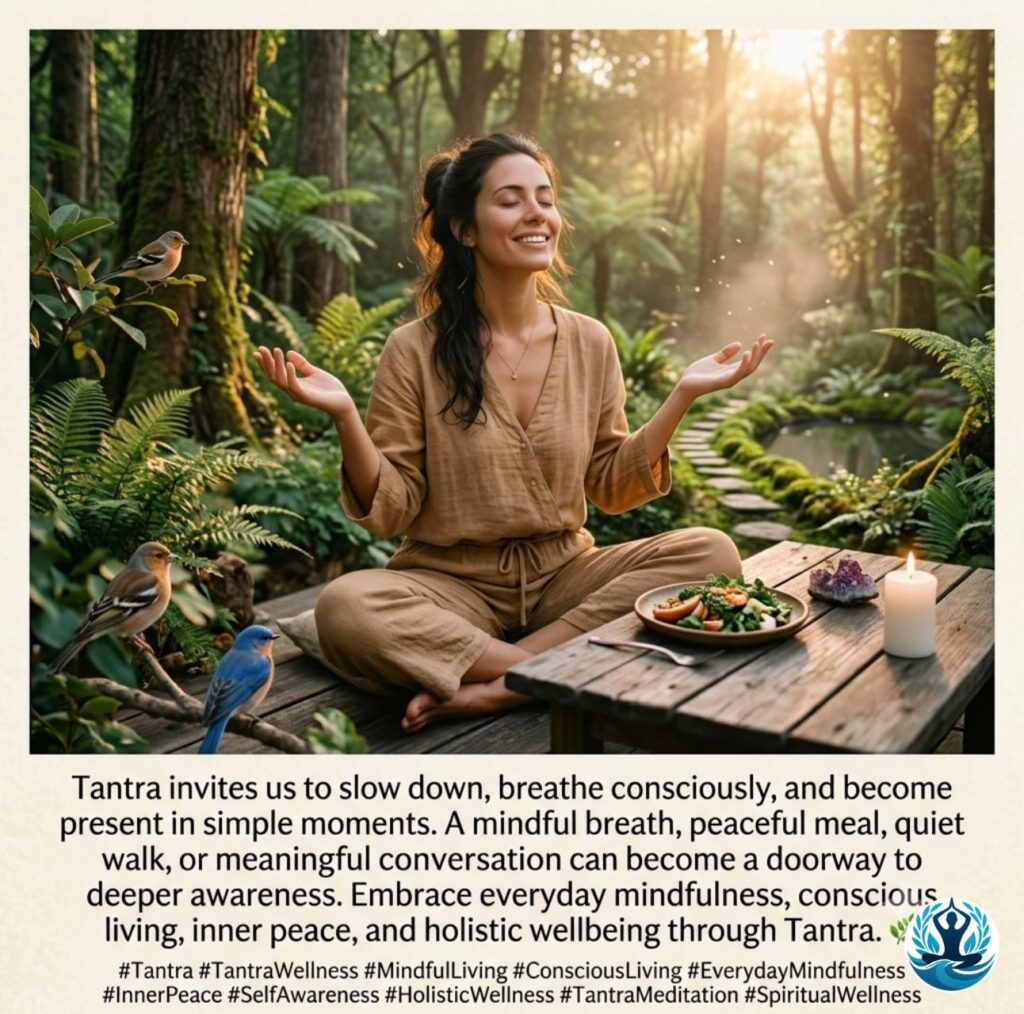


What Is Tantra and How Does It Work? A Complete Beginner’s Guide to Tantra

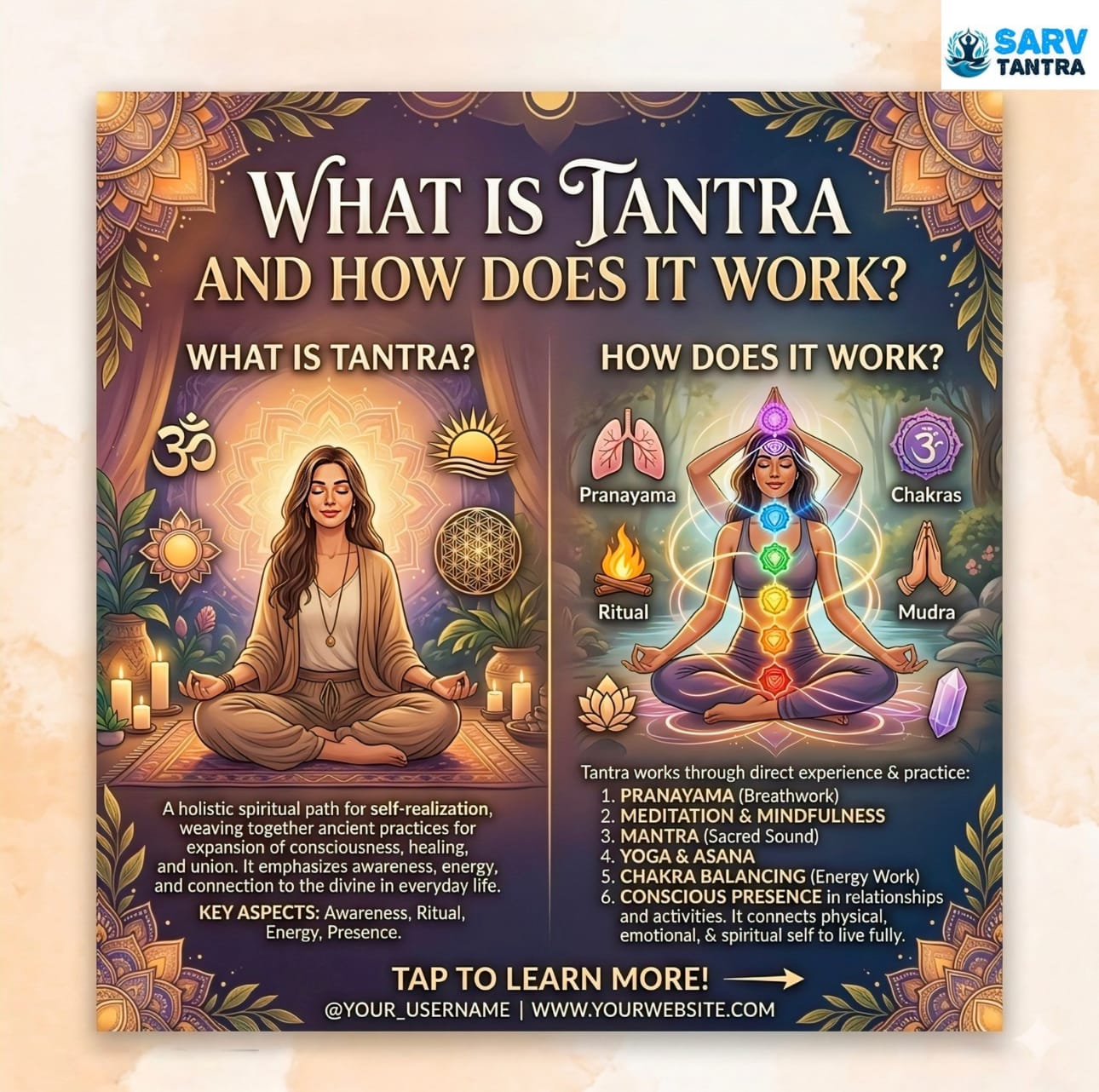
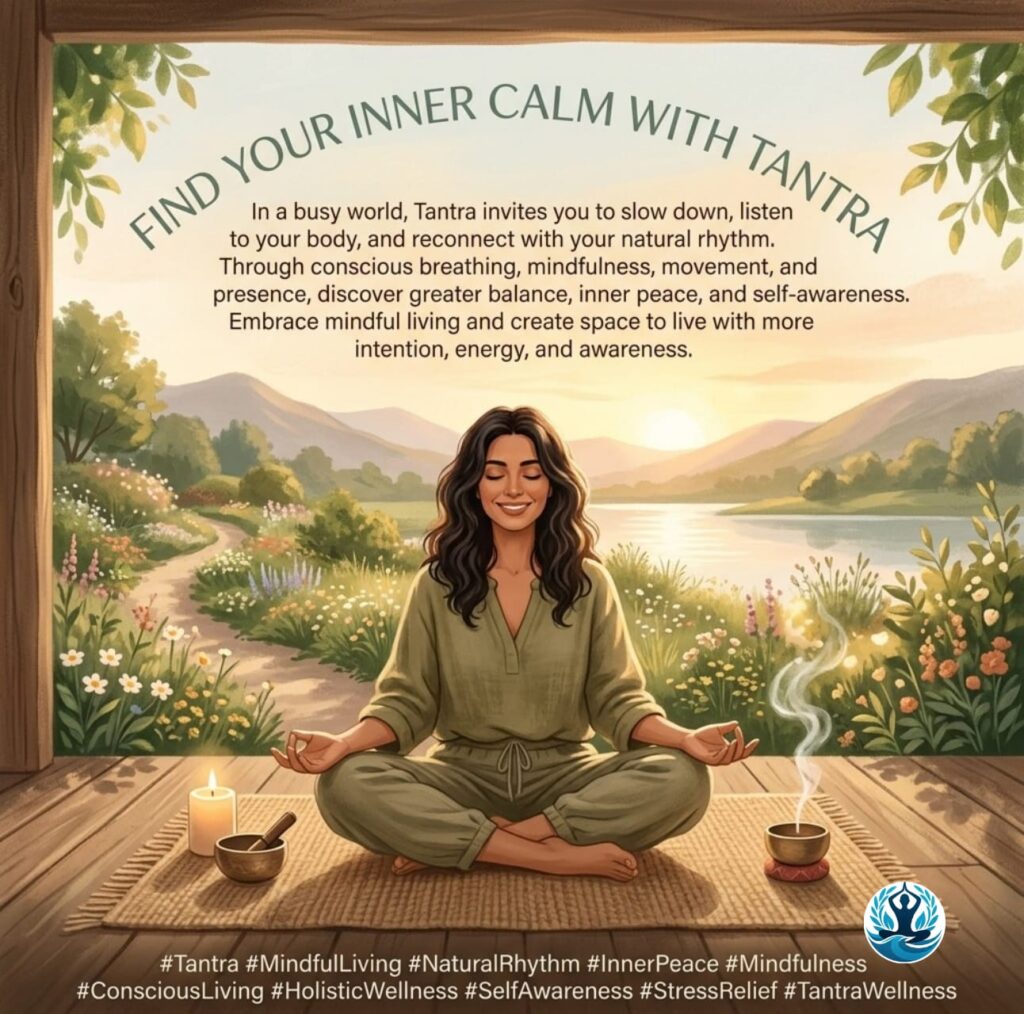
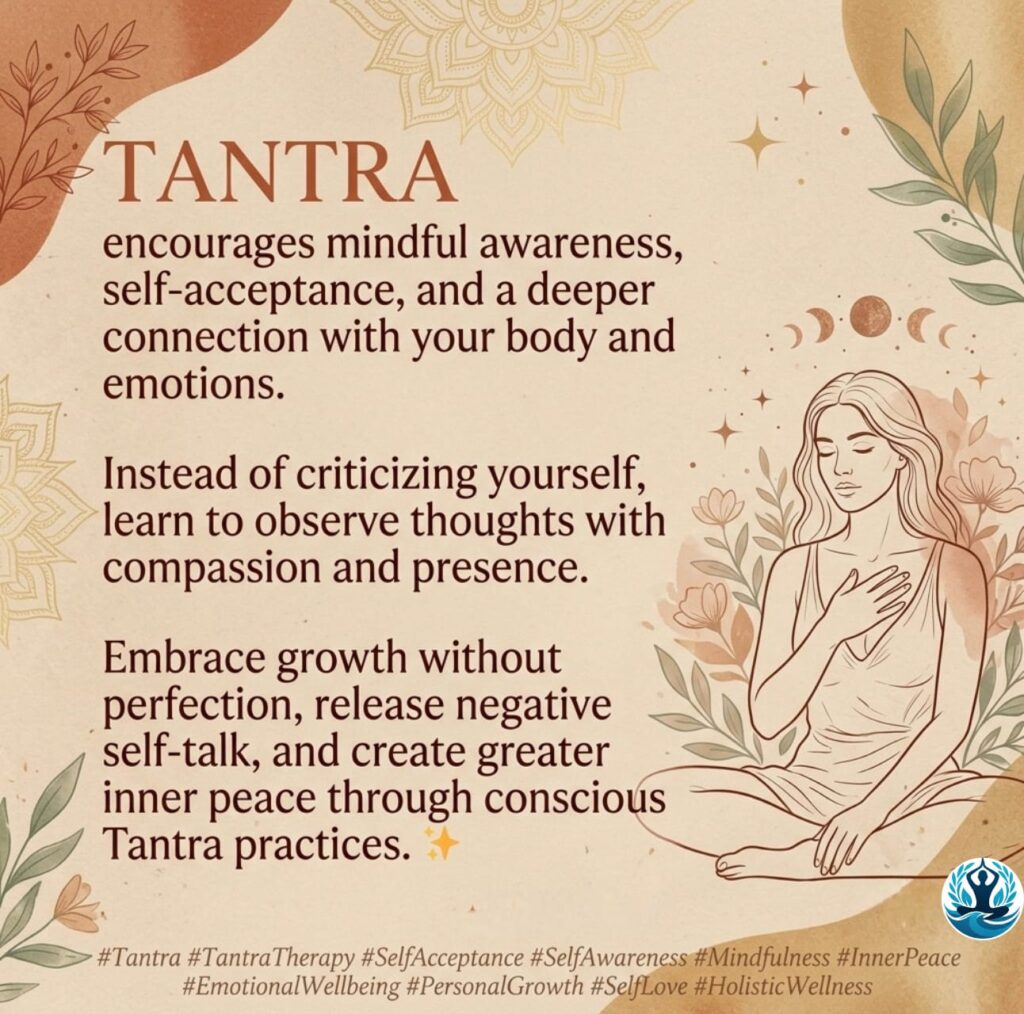
In recent years, tantra has become one of the most searched wellness and mindfulness topics worldwide. Many people hear the word “tantra” and immediately associate it only with intimacy, but authentic tantra is far deeper and more transformative. Tantra is an ancient spiritual and wellness practice that combines breathwork, meditation, mindfulness, energy awareness, movement, and conscious living to create balance between the mind, body, and emotions.
Today, tantra is gaining popularity because modern lifestyles are filled with stress, emotional overload, anxiety, distraction, and burnout. People are searching for holistic practices that improve emotional well-being, focus, confidence, inner peace, and personal growth naturally. Tantra offers a practical pathway toward self-awareness and mindful living.
In this complete beginner’s guide, you will learn what tantra is, how tantra works, its history, principles, benefits, practices, scientific relevance, and how beginners can start incorporating tantra into daily life safely and effectively.
What Is Tantra?
Tantra is an ancient spiritual and philosophical system that originated in India thousands of years ago. The word “tantra” comes from Sanskrit and can roughly be translated as “to weave,” “expansion,” or “liberation through awareness.”
At its core, tantra is about creating harmony between:
- Mind
- Body
- Breath
- Energy
- Awareness
- Emotions
- Consciousness
Unlike traditions that reject physical existence, tantra teaches that every aspect of life can become a path to spiritual growth and self-awareness.
Tantra includes:
- Meditation
- Breath control
- Energy awareness
- Mindfulness
- Yoga
- Mantras
- Visualization
- Conscious movement
- Emotional awareness
The main purpose of tantra is to help individuals become more conscious, balanced, emotionally aware, and spiritually connected.
The History of Tantra
Tantra originated in ancient India and later influenced Buddhist and Hindu traditions. Historical texts suggest tantric practices developed between 500 CE and 1200 CE, although some roots may be even older.
Tantric teachings spread across:
- India
- Tibet
- Nepal
- China
- Southeast Asia
Over time, tantra evolved into multiple schools and traditions, including:
- Hindu Tantra
- Buddhist Tantra
- Tibetan Tantra
- Neo-Tantra (modern adaptation)
Traditional tantra focused primarily on:
- Spiritual awakening
- Energy transformation
- Meditation
- Conscious living
- Inner liberation
Modern tantra often emphasizes mindfulness, emotional healing, self-growth, and healthy relationships.
How Does Tantra Work?
Tantra works by increasing awareness and helping individuals reconnect with themselves through conscious practices. It focuses on balancing mental, emotional, physical, and energetic states.
The basic principle behind tantra is that human beings carry life energy within them. When stress, fear, trauma, or negative habits block this energy, people may experience:
- Anxiety
- Emotional imbalance
- Mental exhaustion
- Lack of focus
- Burnout
- Disconnection
- Low motivation
Tantric practices aim to release tension and improve the natural flow of energy throughout the body and mind.
Core Elements of How Tantra Works
1. Breath Awareness
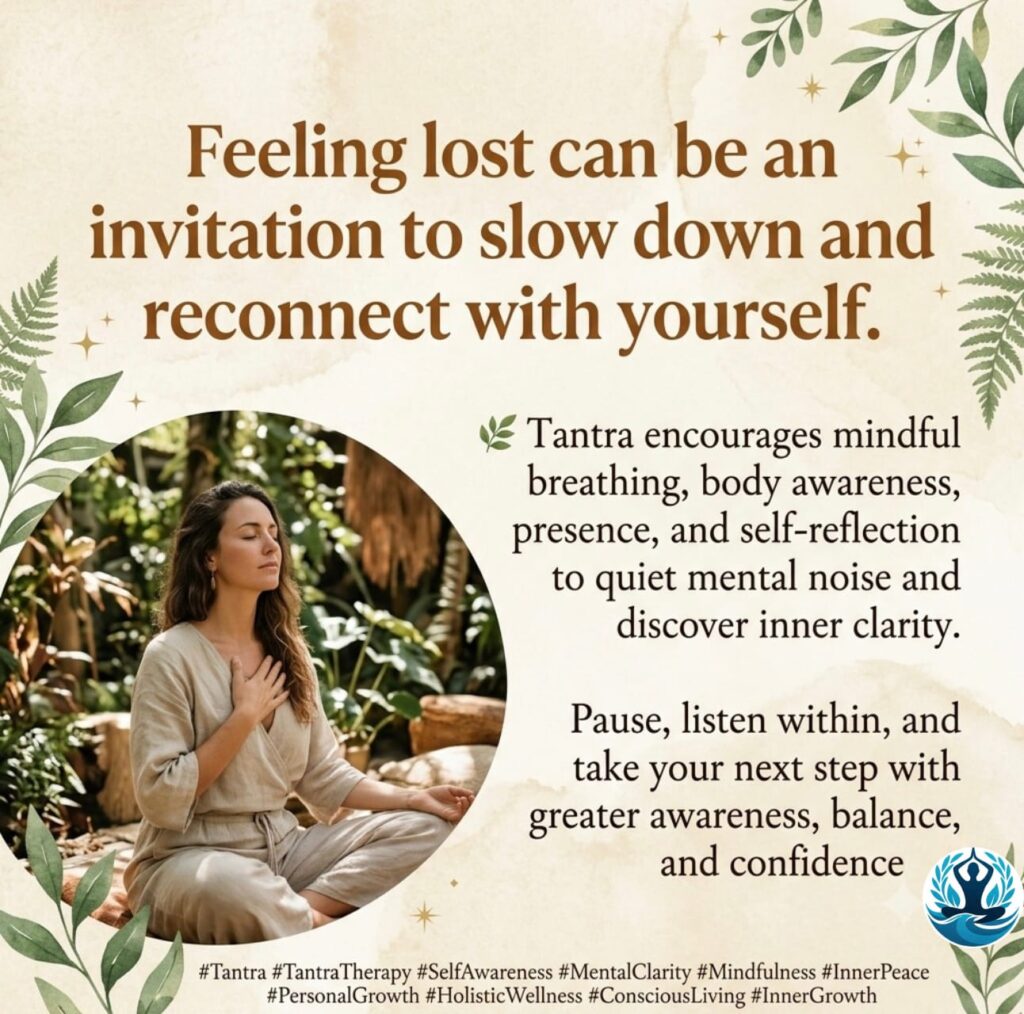
Breath is central to tantra. Conscious breathing helps calm the nervous system and improves mental clarity.
Benefits include:
- Reduced stress
- Improved oxygen flow
- Emotional relaxation
- Better concentration
- Nervous system regulation
Simple breathwork techniques activate the parasympathetic nervous system, which promotes relaxation and emotional balance.
2. Mindfulness and Presence
Tantra teaches people to remain fully present in the moment instead of constantly worrying about the past or future.
Mindfulness practices in tantra help:
- Improve emotional awareness
- Reduce overthinking
- Increase inner calm
- Enhance focus
- Develop self-awareness
This presence-based awareness is one reason tantra is becoming popular in modern wellness culture.
3. Energy Awareness
Traditional tantra believes the body contains subtle energy centers often called chakras.
y=sin(x)y=\sin(x)
Although chakras are spiritual concepts rather than scientific structures, many practitioners use chakra-focused meditation to improve emotional awareness and inner balance.
Energy-focused practices may include:
- Visualization
- Breathwork
- Meditation
- Movement
- Sound vibrations
- Mantras
These methods help individuals feel calmer, more grounded, and emotionally centered.
4. Meditation Practices
Meditation is one of the most important components of tantra.
Tantric meditation often focuses on:
- Breath
- Awareness
- Energy flow
- Body sensations
- Visualization
- Sound repetition
Regular meditation can support:
- Mental clarity
- Emotional regulation
- Reduced anxiety
- Improved focus
- Better sleep quality
Scientific research also shows meditation can positively affect stress hormones and brain activity patterns.
5. Conscious Movement
Many tantra practices involve slow and mindful movement similar to yoga or somatic exercises.
These movements help:
- Release body tension
- Improve flexibility
- Reduce stress
- Increase body awareness
- Improve breathing patterns
Mindful movement also encourages a stronger connection between physical and emotional well-being.
Main Principles of Tantra
Acceptance Instead of Rejection
Tantra teaches acceptance of life experiences rather than resisting them. This includes emotions, thoughts, relationships, and personal growth.
Awareness Over Judgment
Instead of suppressing feelings, tantra encourages observing them with awareness and compassion.
Connection Between Mind and Body
Tantra views the body and mind as deeply connected. Emotional stress can affect physical health, and physical tension can affect mental well-being.
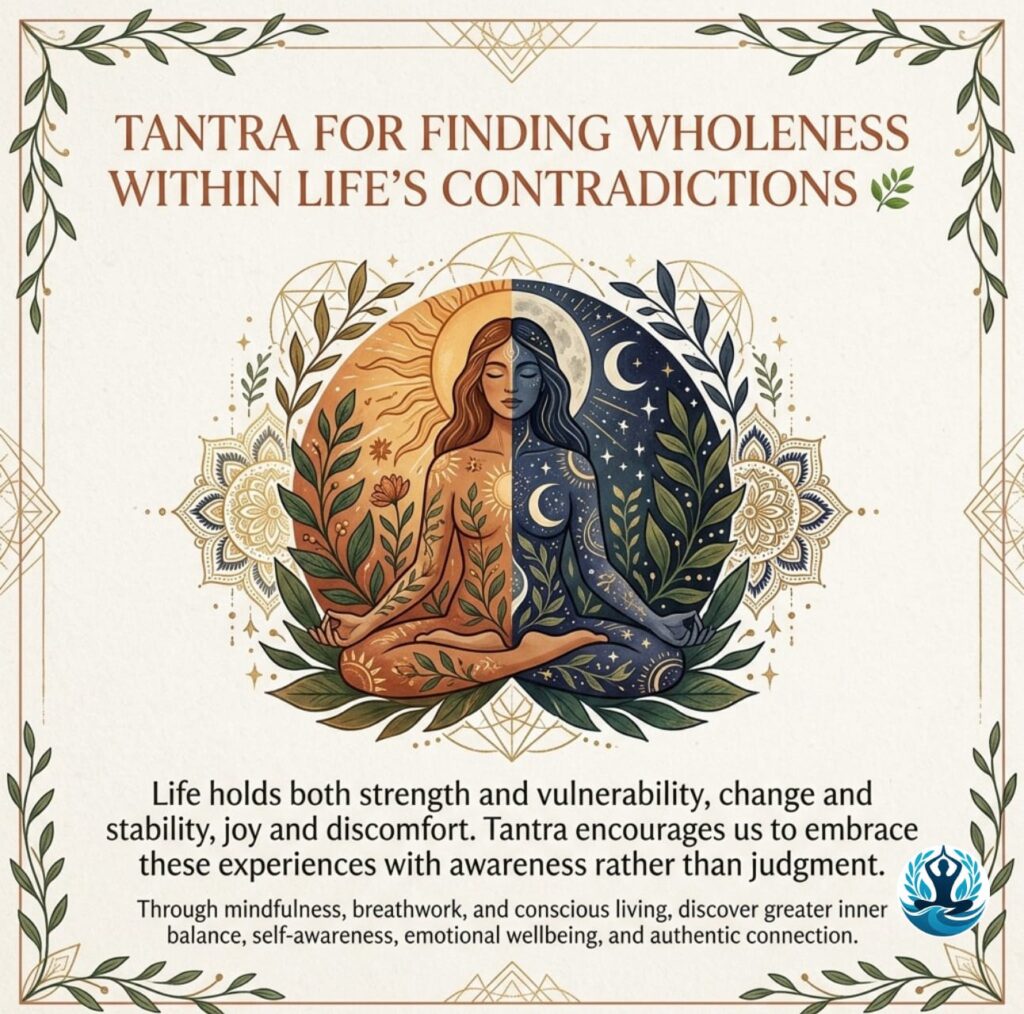
Balance and Harmony
Tantra seeks balance between:
- Activity and rest
- Logic and emotion
- Mind and body
- Inner and outer life
Benefits of Tantra
Modern interest in tantra continues to grow because many people experience positive emotional and mental wellness benefits.
1. Reduces Stress and Anxiety
Breathing exercises and meditation activate relaxation responses in the body.
Benefits include:
- Lower stress levels
- Reduced tension
- Improved emotional calmness
- Better nervous system regulation
2. Improves Emotional Awareness
Tantra encourages people to observe emotions instead of suppressing them.
This can support:
- Emotional intelligence
- Self-understanding
- Healthier emotional responses
- Greater empathy
3. Enhances Focus and Mental Clarity
Mindfulness-based practices help reduce mental distractions and improve concentration.
4. Supports Better Sleep
Relaxation techniques used in tantra may improve sleep quality by calming the nervous system.
5. Encourages Self-Confidence
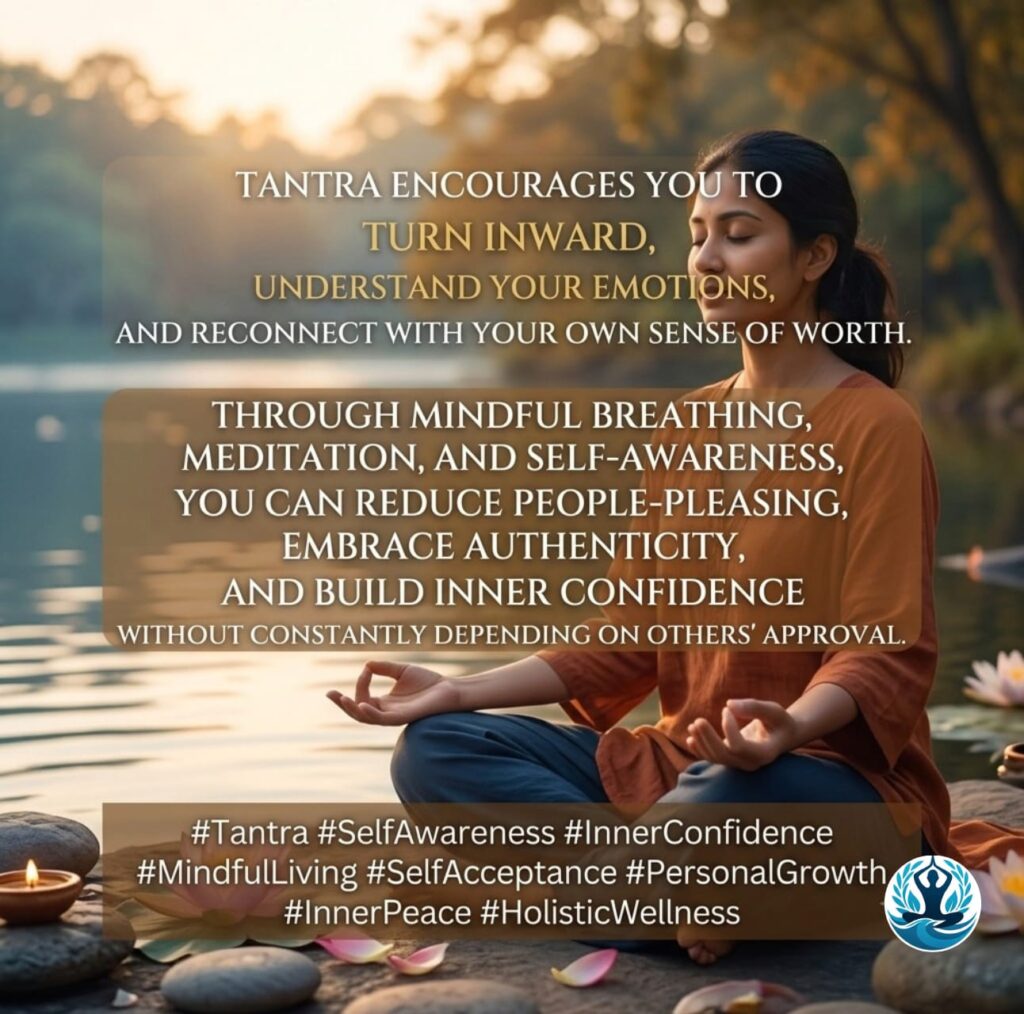
Tantra promotes self-awareness and self-acceptance, which can strengthen confidence naturally.
6. Improves Relationships
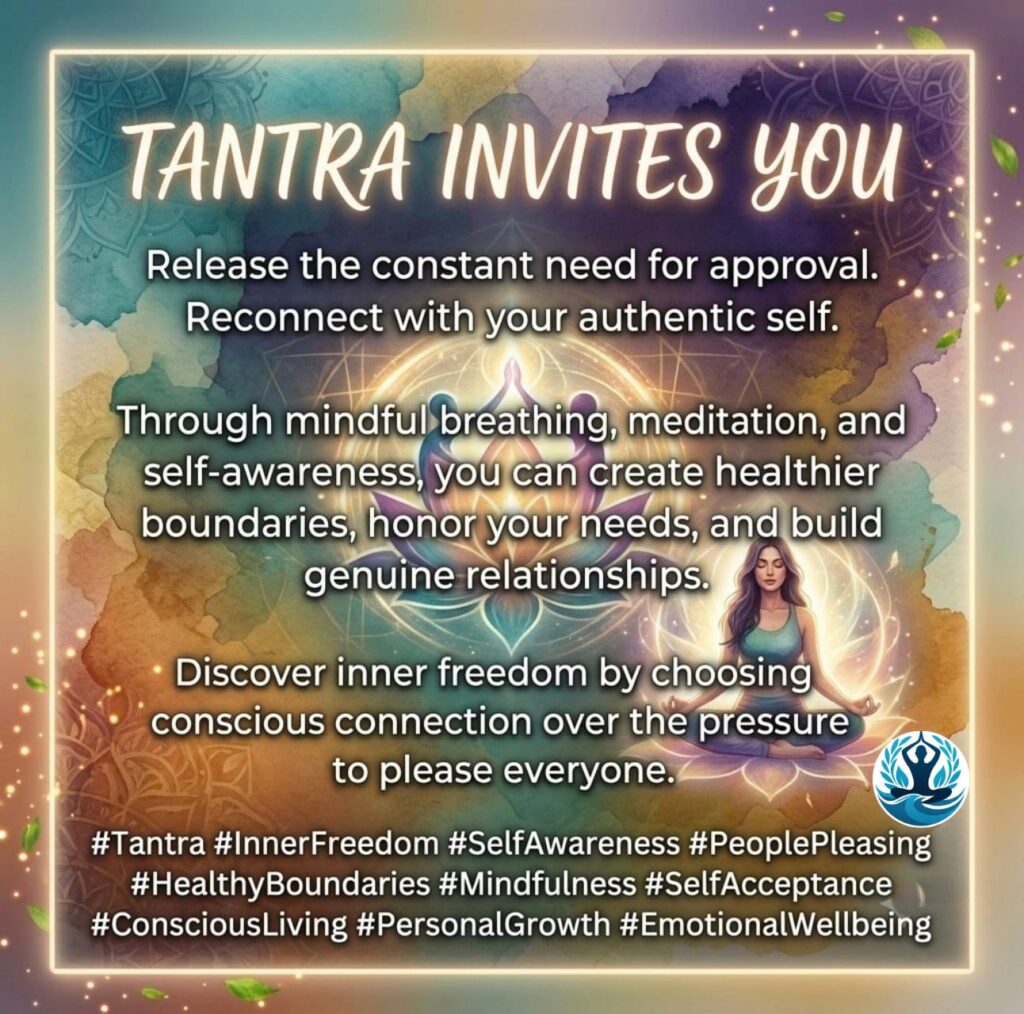
Conscious communication and emotional presence can help create healthier human connections.
7. Supports Holistic Wellness
Tantra integrates:
- Mental wellness
- Emotional balance
- Physical relaxation
- Spiritual awareness
This holistic approach appeals to modern wellness seekers.
Tantra and Modern Science
Although tantra is rooted in ancient spirituality, several tantric techniques overlap with scientifically studied wellness methods.
Breathwork and the Nervous System
Research suggests slow breathing practices can:
- Reduce cortisol levels
- Improve relaxation
- Lower stress responses
- Support heart rate regulation
Meditation and Brain Health
Meditation practices linked to tantra may improve:
- Attention span
- Emotional regulation
- Stress resilience
- Mental clarity
Studies also show mindfulness practices may positively affect brain regions associated with focus and emotional processing.
Mind-Body Connection
Modern psychology increasingly recognizes the connection between physical tension, emotional stress, and nervous system function.
Somatic awareness practices used in tantra align with many modern therapeutic approaches focused on emotional regulation.
Common Misconceptions About Tantra
Myth 1: Tantra Is Only About Intimacy
This is the biggest misconception.
Authentic tantra is primarily about:
- Awareness
- Consciousness
- Energy
- Meditation
- Emotional balance
- Spiritual growth
Intimacy is only one small aspect of some tantric traditions.
Myth 2: Tantra Is a Religion
Tantra is a spiritual and philosophical system rather than a strict religion.
People from different backgrounds practice tantra for wellness, mindfulness, meditation, and personal development.
Myth 3: Tantra Requires Extreme Lifestyle Changes
Beginners can start tantra through very simple practices like:
- Conscious breathing
- Meditation
- Mindful walking
- Relaxation exercises
No major lifestyle transformation is required initially.
Beginner Tantra Practices
If you are new to tantra, start slowly and consistently.
1. Conscious Breathing
Spend 5–10 minutes daily focusing on slow breathing.
Simple method:
- Inhale slowly for 4 seconds
- Hold briefly
- Exhale slowly for 6 seconds
This helps calm the mind and body.
2. Mindful Meditation
Sit quietly and observe your breath without judgment.
Start with:
- 5 minutes daily
- Gradually increase time
- Focus on awareness
3. Body Awareness Practice
Pay attention to physical sensations without distraction.
This improves:
- Relaxation
- Presence
- Emotional awareness
4. Gratitude Reflection
Tantra encourages appreciation and conscious living.
Spend a few moments daily reflecting on positive experiences and emotions.
5. Digital Detox Moments
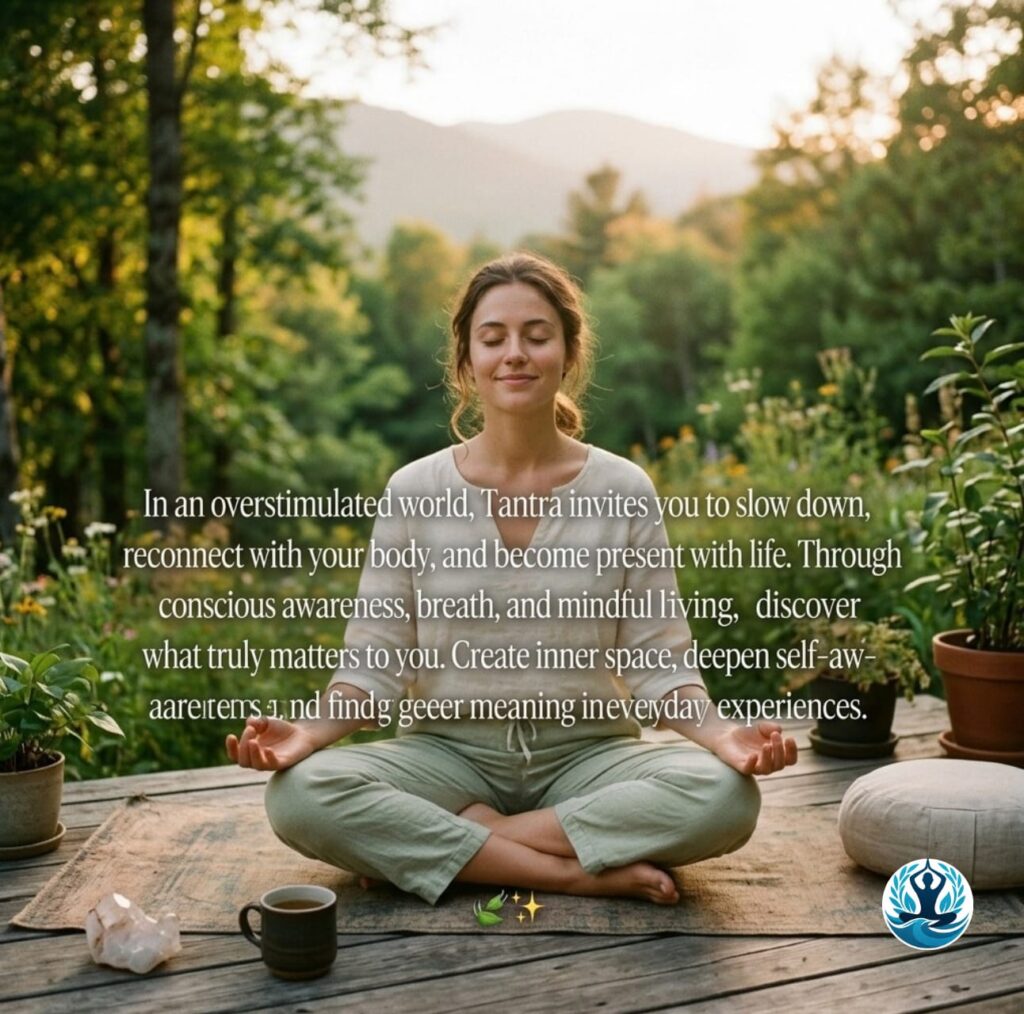
Modern tantra often emphasizes reducing overstimulation.
Take short breaks from:
- Phones
- Social media
- Constant notifications
This helps improve mindfulness and mental calmness.
Tantra for Daily Life
One reason tantra is becoming popular in 2026 wellness culture is its adaptability to modern life.
You do not need to live in isolation or follow complicated rituals.
Tantra can fit into everyday routines through:
- Morning breathing exercises
- Meditation breaks
- Mindful eating
- Conscious communication
- Emotional awareness
- Relaxation practices
- Gratitude habits
Even small practices can create meaningful long-term improvements in emotional balance and self-awareness.
How Long Does Tantra Take to Work?
The effects of tantra vary depending on:
- Consistency
- Practice type
- Emotional state
- Lifestyle habits
Some people notice:
- Immediate relaxation
- Better focus
- Improved emotional calmness
Long-term benefits often develop gradually through regular practice.
Consistency matters more than intensity.
Is Tantra Safe?
For most people, gentle tantra practices such as breathing, mindfulness, and meditation are generally safe.
However:
- Start slowly
- Avoid extreme techniques
- Learn from experienced teachers
- Listen to your body and emotions
People with serious mental health concerns should consult qualified healthcare professionals before engaging in intensive spiritual or breathwork practices.
Why Tantra Is Trending in 2026
Several wellness trends are contributing to tantra’s growing popularity:
- Stress management
- Nervous system healing
- Breathwork culture
- Emotional wellness awareness
- Mindfulness practices
- Holistic self-care
- Digital detox movements
- Mental health conversations
Modern lifestyles create high emotional and mental pressure. Tantra offers a slower, awareness-based approach that many people find calming and meaningful.
Final Thoughts
Tantra is much more than a trend or misconception. It is a holistic practice that combines mindfulness, breathwork, meditation, emotional awareness, and conscious living to support overall well-being.
For beginners, tantra can become a practical tool for:
- Stress reduction
- Emotional balance
- Focus improvement
- Self-awareness
- Inner calm
- Personal growth
The beauty of tantra lies in simplicity and awareness. Small daily practices can gradually create a deeper connection between mind, body, and emotions.
As interest in holistic wellness continues to rise, tantra remains one of the most powerful systems for conscious living, emotional healing, and mindful self-transformation.