

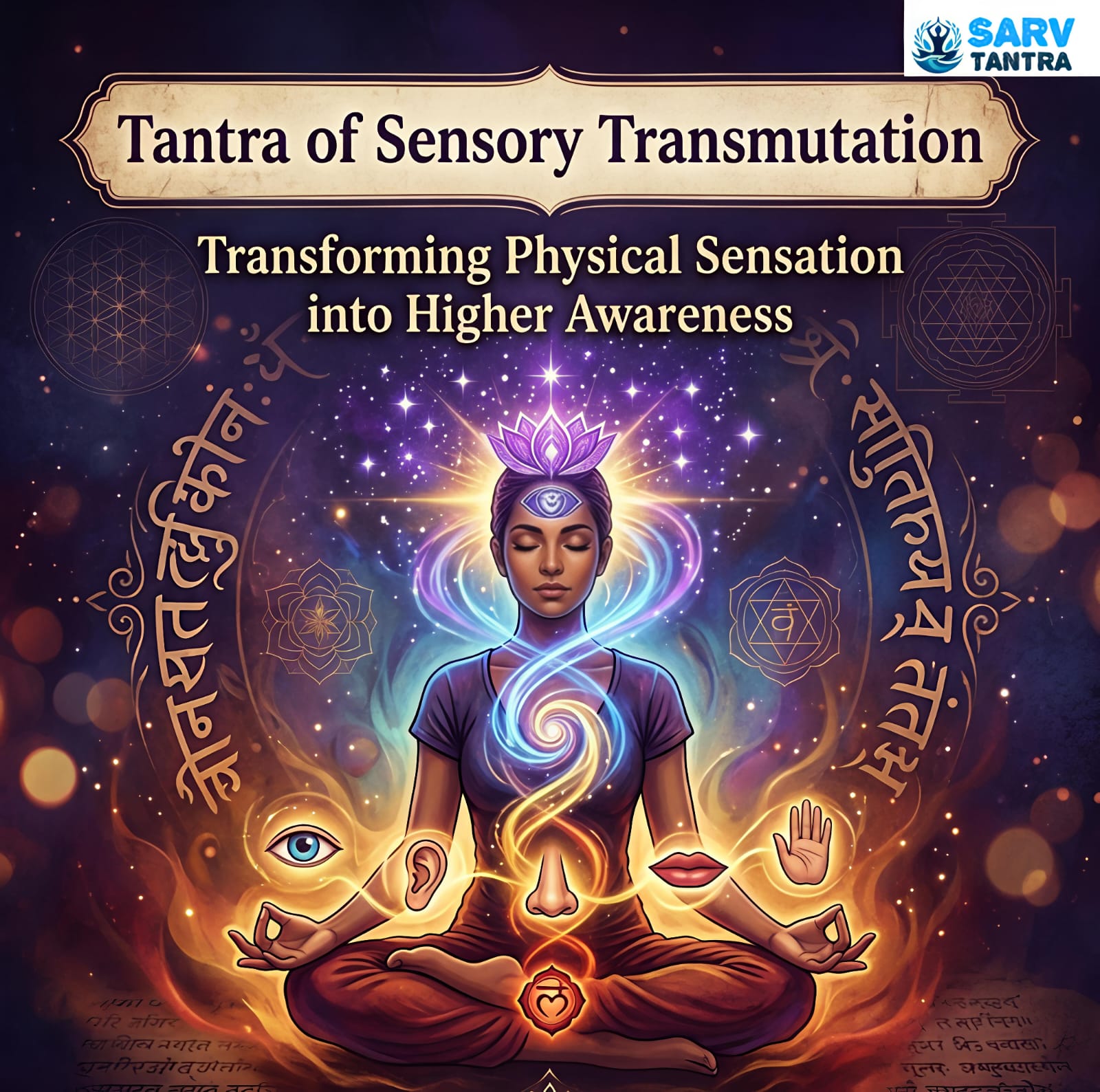
Tantra of Sensory Transmutation: Transforming Physical Sensation into Higher Awareness

Introduction
Tantra is often misunderstood as merely a practice of physical intimacy, but at its core, it is a profound system of inner alchemy—transforming ordinary human experiences into pathways of expanded consciousness. One of the most fascinating and lesser-explored dimensions of Tantra is sensory transmutation: the ability to take raw physical sensations—touch, sound, breath, movement—and elevate them into refined awareness, presence, and inner bliss.
In a world where most people are either overstimulated or disconnected from their bodies, the Tantra of Sensory Transmutation offers a bridge back to conscious embodiment. This practice is not about escaping the senses, but about deepening into them so fully that they begin to dissolve into awareness itself.
This blog explores how sensory experiences can become gateways to higher consciousness, emotional healing, and deeper connection—with oneself and others.
Understanding Sensory Transmutation in Tantra
Sensory transmutation refers to the process of transforming basic sensory input into heightened states of awareness and energy flow. Instead of reacting unconsciously to sensations (pleasure, discomfort, tension), Tantra teaches us to observe, expand, and refine these experiences.
In traditional Tantric philosophy, the senses are not obstacles—they are doorways. Every sensation carries energy, and every form of energy can be redirected.
Key Principle:
Where attention goes, energy flows—and where energy flows, consciousness expands.
When you bring mindful awareness to a sensation, it begins to change. It becomes less about the physical stimulus and more about the energetic experience behind it.
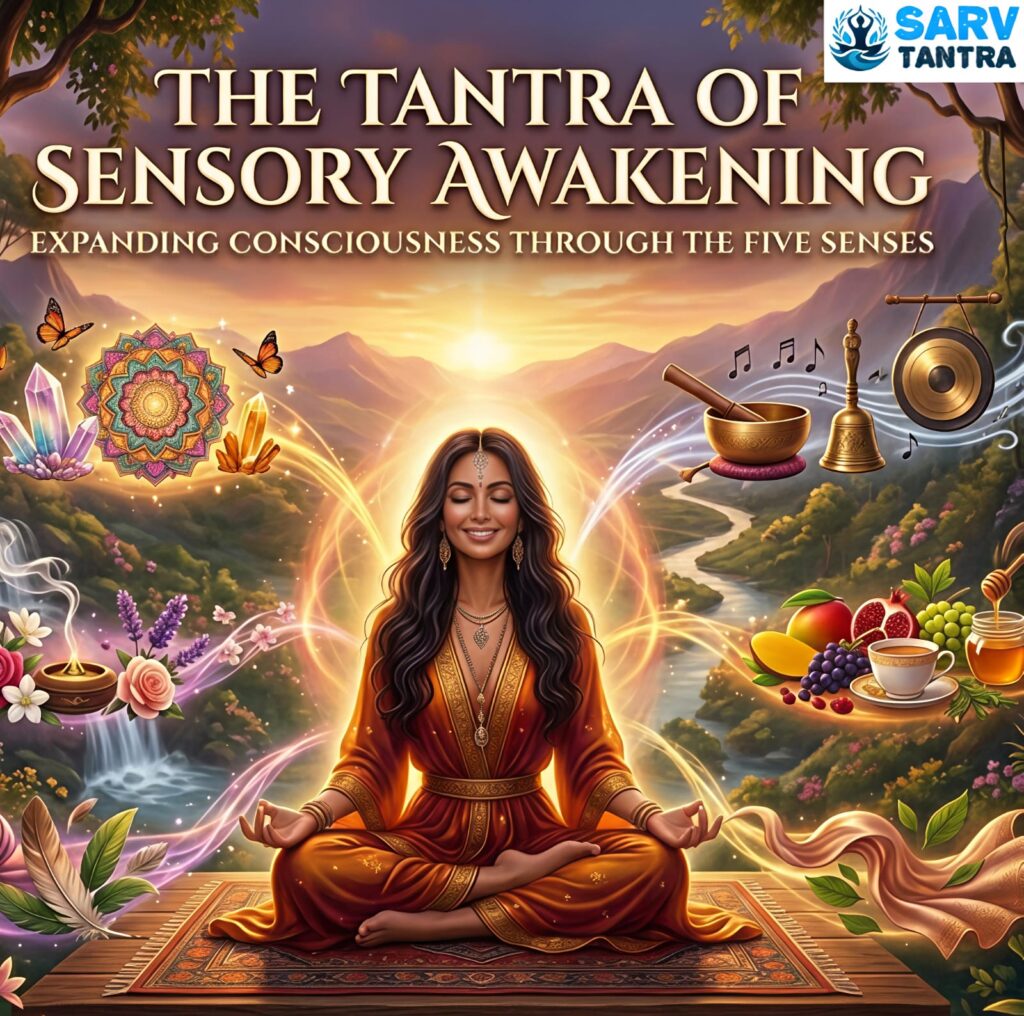
The Five Senses as Pathways
1. Touch: The Gateway to Presence
Touch is one of the most powerful sensory channels in Tantra. It can ground you, awaken dormant energy, and deepen awareness.
In sensory transmutation, touch is slowed down and felt fully. Instead of seeking intensity, the focus is on depth of sensation.
Practice Insight:
- Place your hand on your arm.
- Move slowly, almost meditatively.
- Feel not just the skin, but the subtle vibrations beneath it.
Over time, this awareness expands. What begins as simple contact becomes a wave of sensation moving through the body.
2. Breath: The Bridge Between Body and Mind
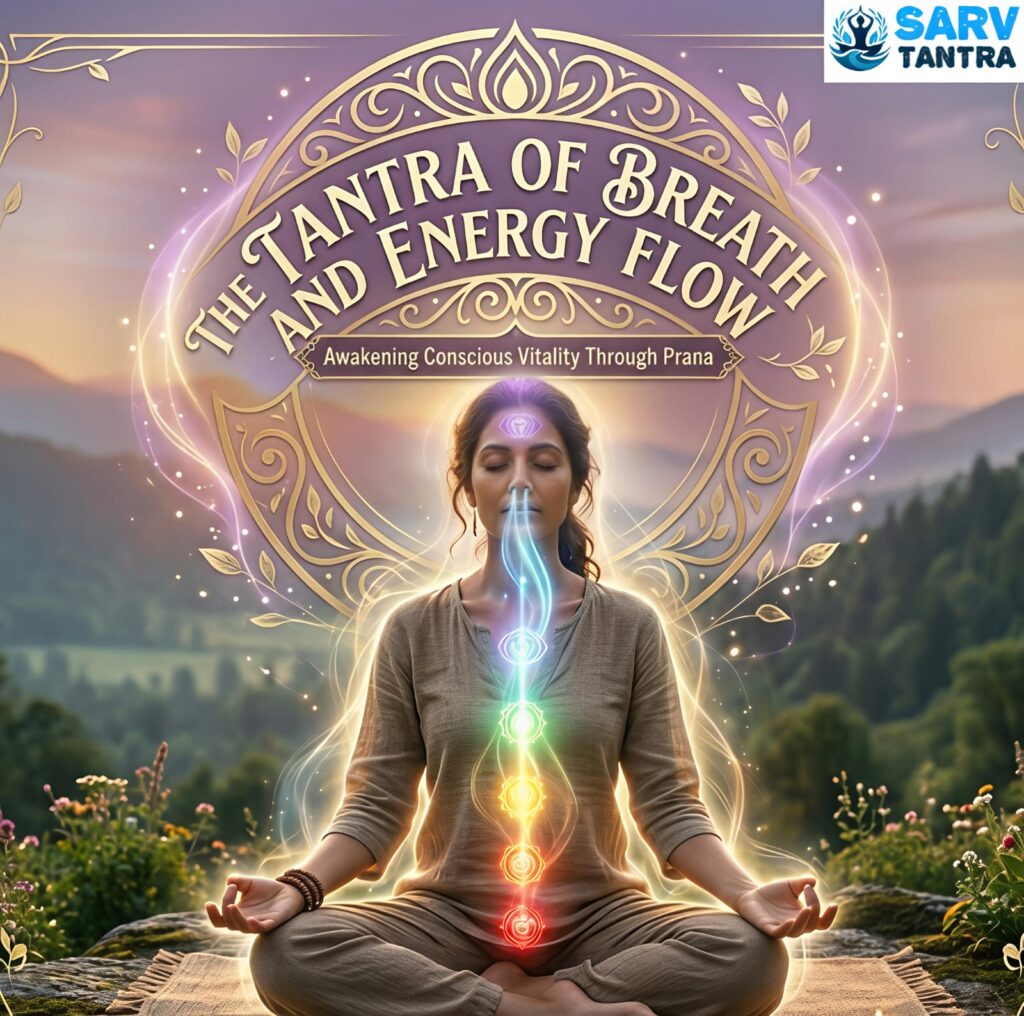
Breath is both a physical and energetic phenomenon. It connects the conscious and unconscious layers of the self.
In Tantra, breath is used to amplify and circulate sensation.
Technique:
- As you feel a sensation, breathe into it.
- Imagine the breath expanding that sensation.
- Let the exhale spread it through the body.
This transforms localized feelings into full-body awareness.
3. Sound: Vibrational Awareness
Sound is vibration, and vibration is energy. Tantric practices often use humming, chanting, or subtle vocal tones to activate inner awareness.
When you listen deeply, sound can dissolve the sense of separation between you and the environment.
Example Practice:
- Sit quietly and listen to ambient sounds.
- Instead of labeling them, feel their texture.
- Notice how they affect your body.
Eventually, sound is no longer “outside”—it becomes part of your inner experience.
4. Sight: Seeing Without Grasping
In modern life, sight is often overstimulated. Tantra invites a softer, more receptive way of seeing.
This is called “open gaze awareness.”
Practice:
- Look at an object without focusing too hard.
- Relax your eyes.
- Allow the object to “come to you” rather than reaching out to it.
This reduces mental chatter and increases presence.
5. Taste and Smell: Subtle Anchors of Awareness
Though often overlooked, taste and smell can bring you deeply into the present moment.
Mindful eating, for example, becomes a Tantric practice when each bite is experienced fully—texture, aroma, flavor, and the body’s response.
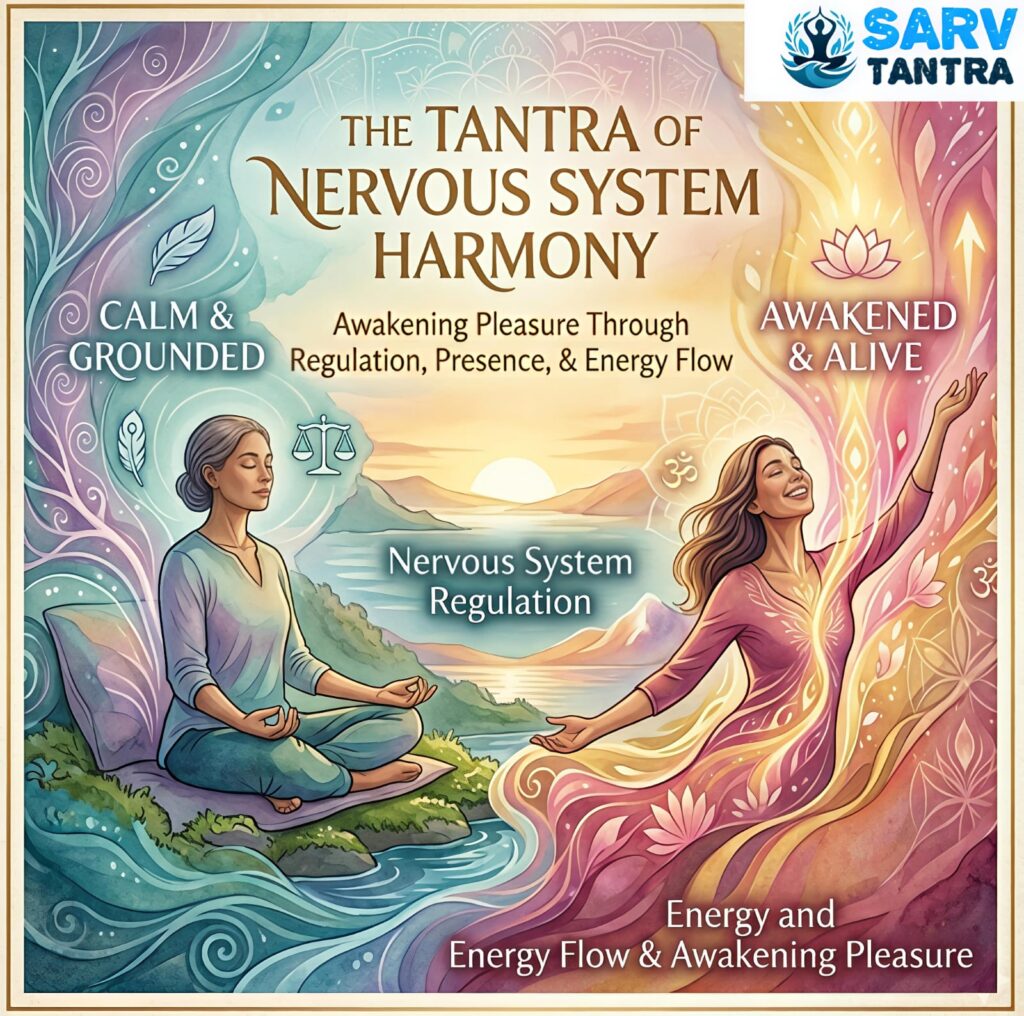
The Role of the Nervous System
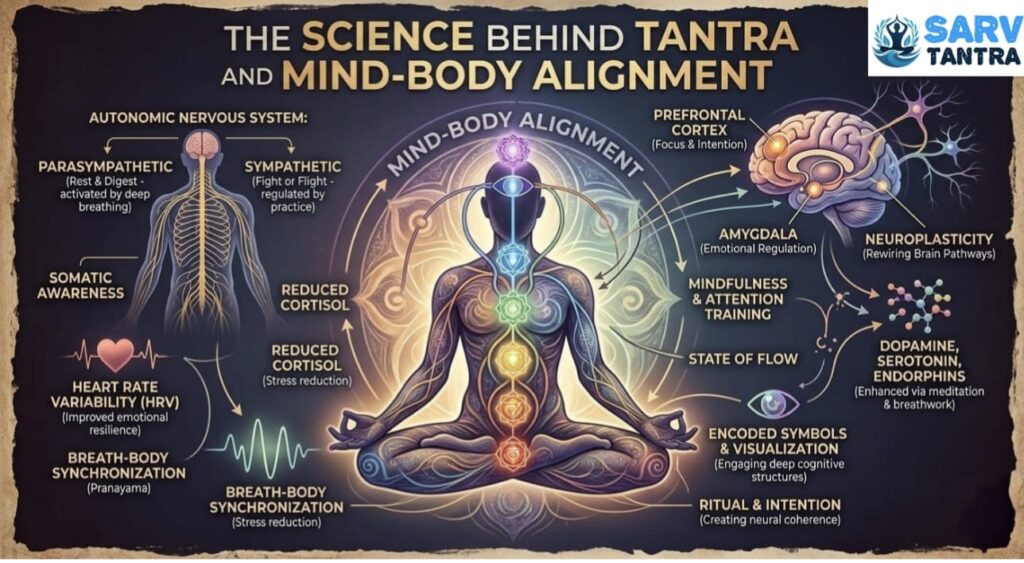
Sensory transmutation works directly with the nervous system. Most people operate in either overstimulation (stress) or numbness (shutdown).
Tantra aims for a third state:
Relaxed alertness.
In this state:
- Sensations are vivid but not overwhelming
- Awareness is steady
- The body feels alive yet calm
By gradually increasing your capacity to feel without reacting, you expand your nervous system’s tolerance for intensity.
From Sensation to Energy Flow
At a deeper level, Tantra views sensation as energy in motion.
When you stop labeling sensations as “good” or “bad,” they begin to reveal their energetic nature.
For example:
- Tingling becomes movement
- Warmth becomes expansion
- Pressure becomes density
Through awareness and breath, these sensations can be guided through the body.
Emotional Alchemy Through Sensory Awareness
Many emotions are stored in the body as sensations. Instead of analyzing emotions mentally, Tantra approaches them through feeling.
Process:
- Notice the sensation associated with an emotion
- Stay present with it without resistance
- Breathe and allow it to expand
- Observe how it transforms
What begins as discomfort can shift into openness, warmth, or release.
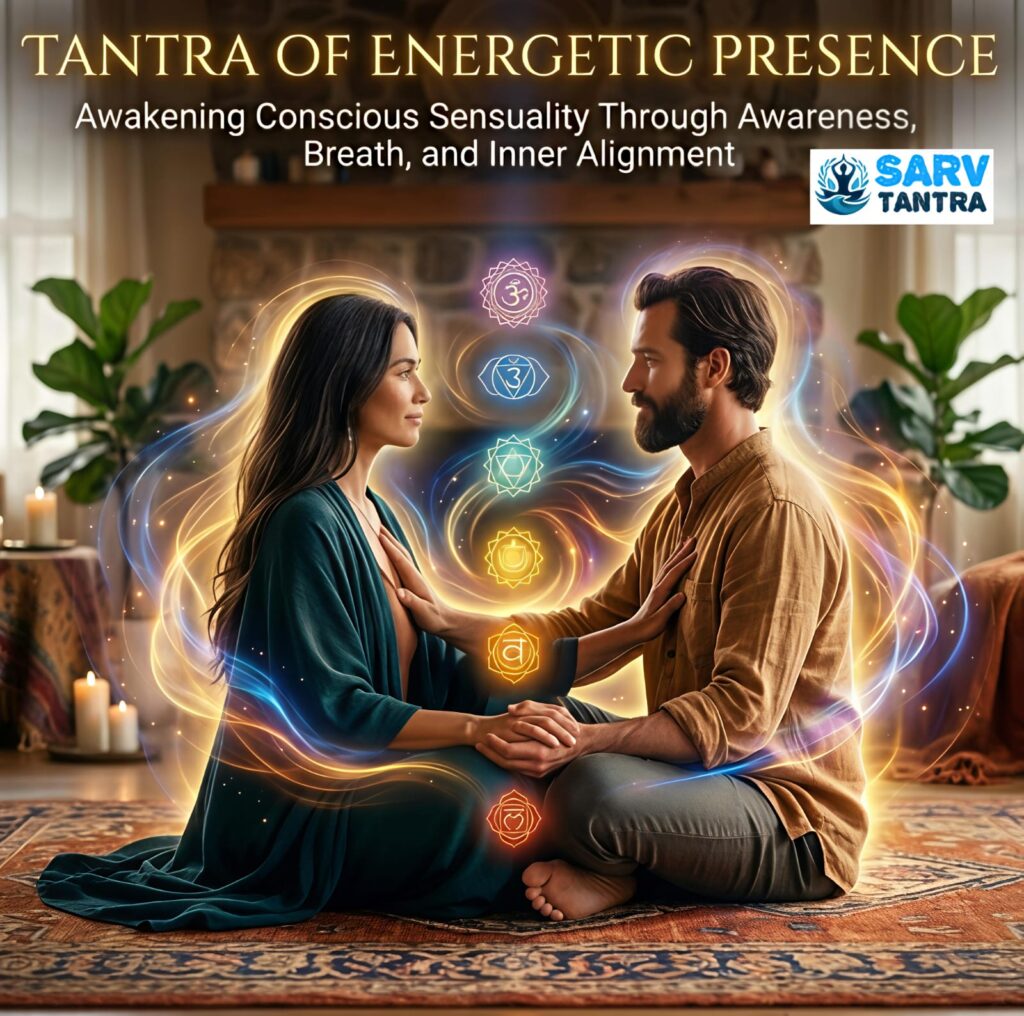
Partnered Practice: Shared Sensory Fields
In partnered Tantra, sensory transmutation becomes even more powerful.
Instead of focusing on outcome or performance, partners explore shared awareness.
Example Practice:
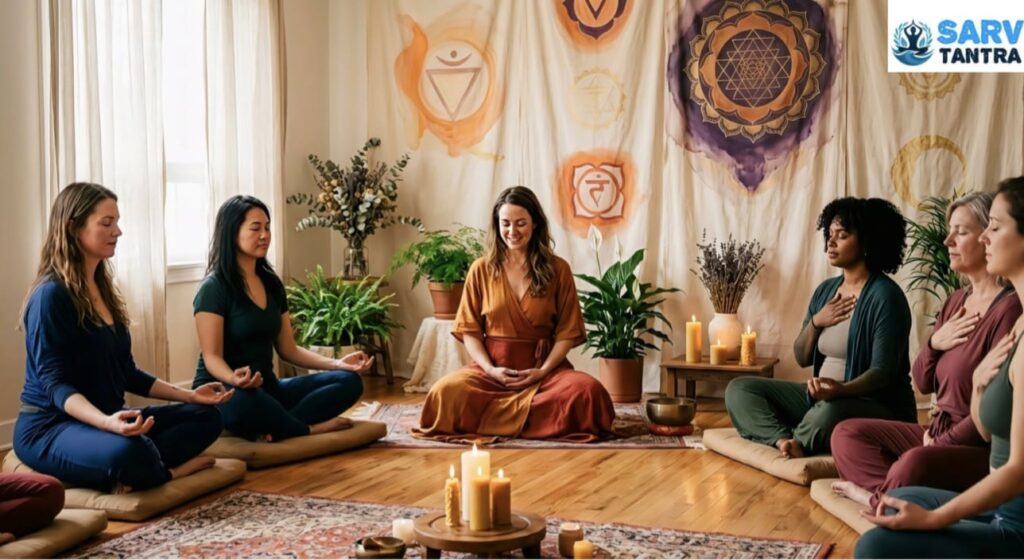
- Sit facing each other
- Maintain soft eye contact
- Synchronize breath
- Introduce slow, conscious touch
Over time, boundaries soften. Sensation is no longer confined to one body—it becomes a shared field of experience.
Common Blocks and How to Overcome Them
1. Overthinking
The mind tries to interpret sensations instead of feeling them.
Solution: Return to breath and simple awareness.
2. Numbness
Some people feel very little due to disconnection from the body.
Solution: Start with stronger sensations (temperature, pressure) and gradually refine awareness.
3. Overstimulation
Too much sensation can lead to overwhelm.
Solution: Slow down, reduce intensity, and ground through breath.
Daily Integration
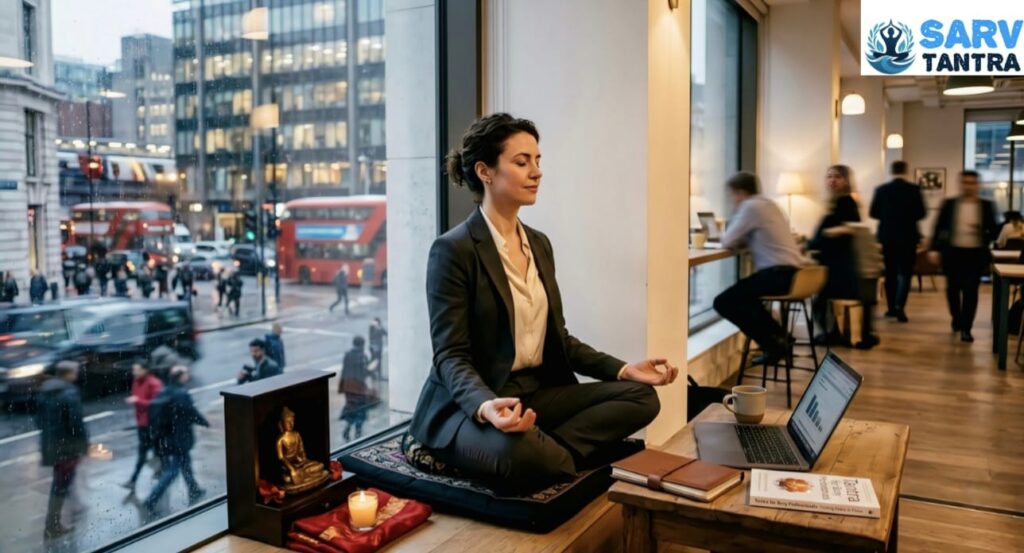
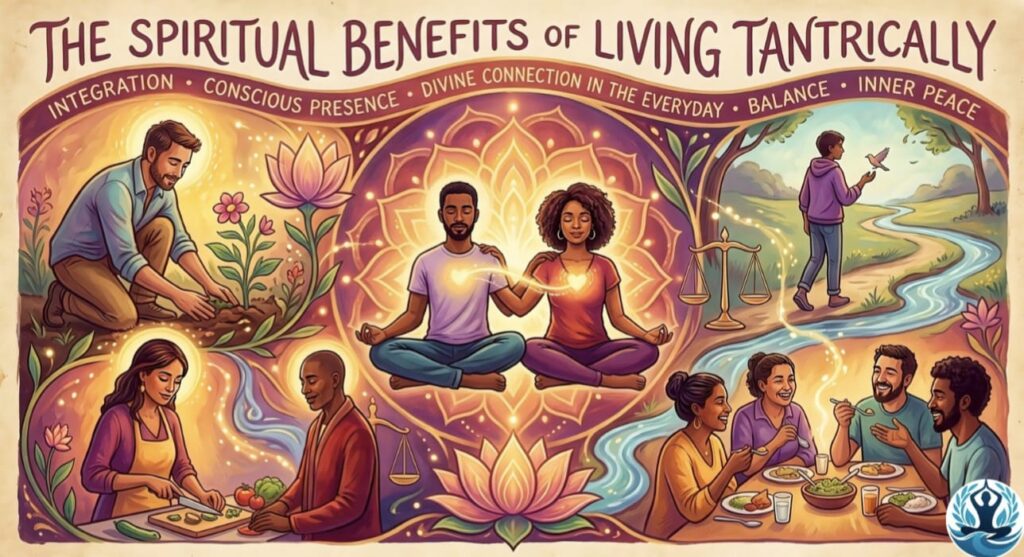
You don’t need a special setting to practice sensory transmutation. It can be integrated into daily life.
- Feel the water during a shower
- Notice your breath while walking
- Eat without distractions
- Pause and sense your body during the day
Each moment becomes an opportunity for awareness.
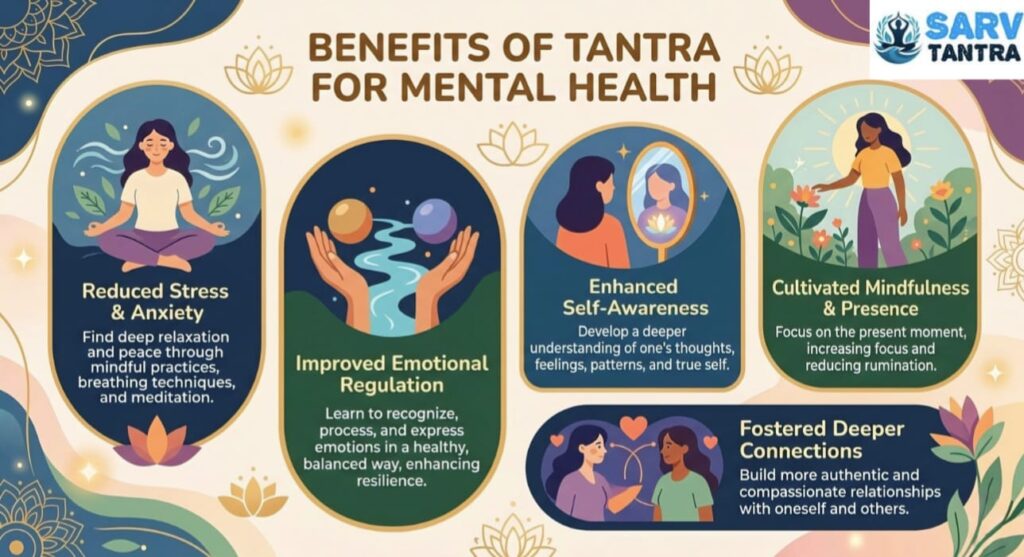
Benefits of Sensory Transmutation
- Increased body awareness
- Emotional resilience
- Deeper presence
- Enhanced connection in relationships
- Greater capacity for pleasure and subtle joy
- Reduced stress and anxiety
Advanced Exploration: Expanding Beyond the Body
As practice deepens, something interesting happens—sensations begin to lose their boundaries.
You may feel:
- Energy moving beyond the physical body
- A sense of spaciousness
- A blending of inner and outer experience
This is where Tantra moves from practice into state of being.
The Spiritual Dimension
Ultimately, sensory transmutation leads to a realization:
You are not just experiencing sensations—you are the awareness in which they arise.
The senses, once seen as distractions, become tools for awakening.
Instead of escaping the body, you awaken through it.
Conclusion
The Tantra of Sensory Transmutation is a powerful reminder that transformation doesn’t require extreme practices or external rituals. It begins with something incredibly simple: feeling more deeply.
By bringing awareness to the senses, you unlock a hidden dimension of experience—one that is rich, expansive, and deeply connected.
In a distracted world, this practice offers a return to presence.
In a disconnected body, it offers aliveness.
And in ordinary moments, it reveals the extraordinary.