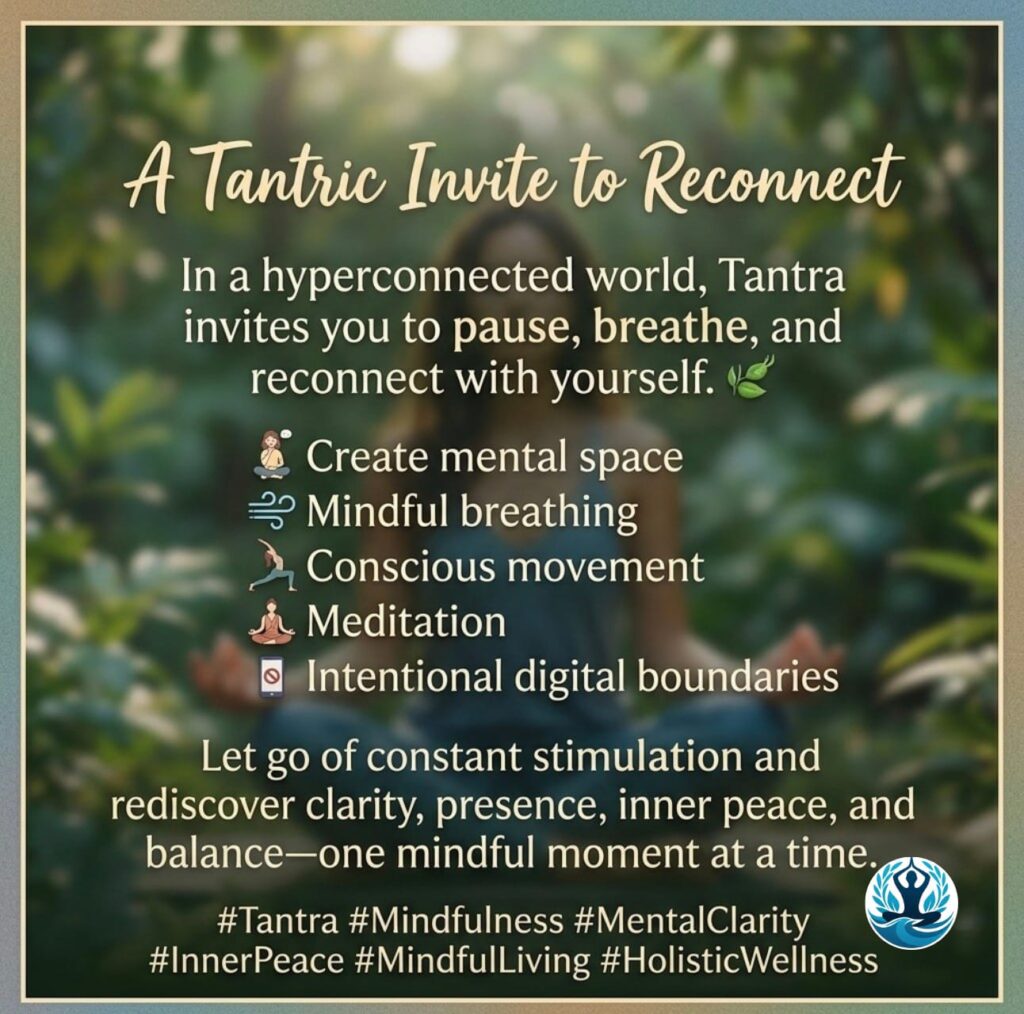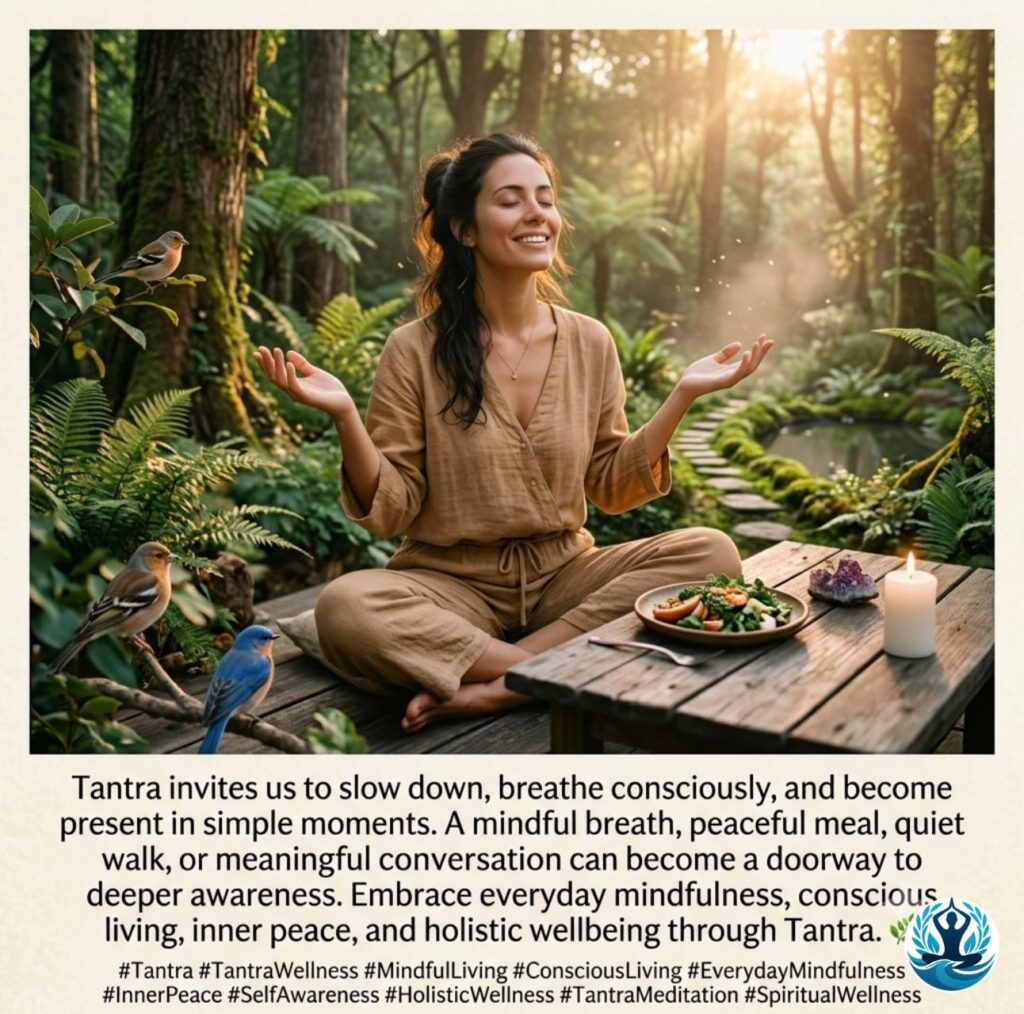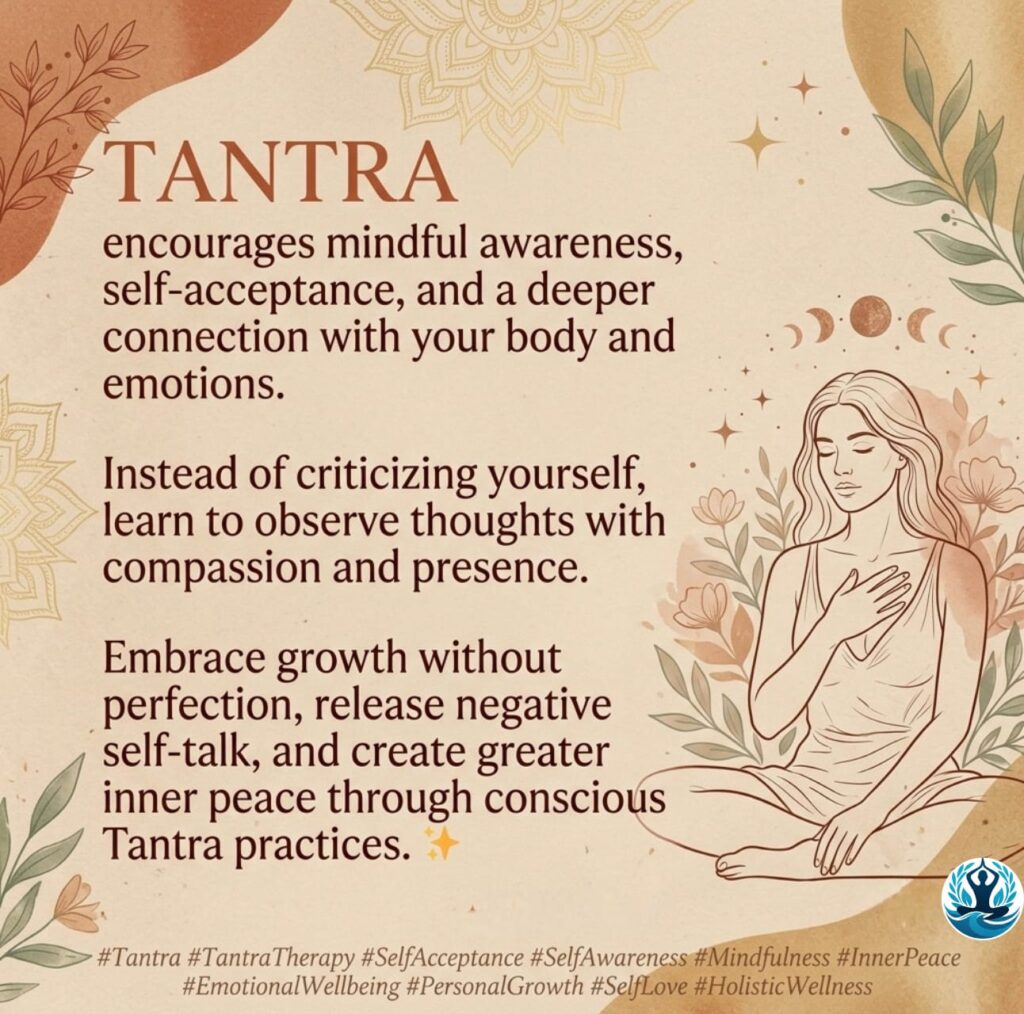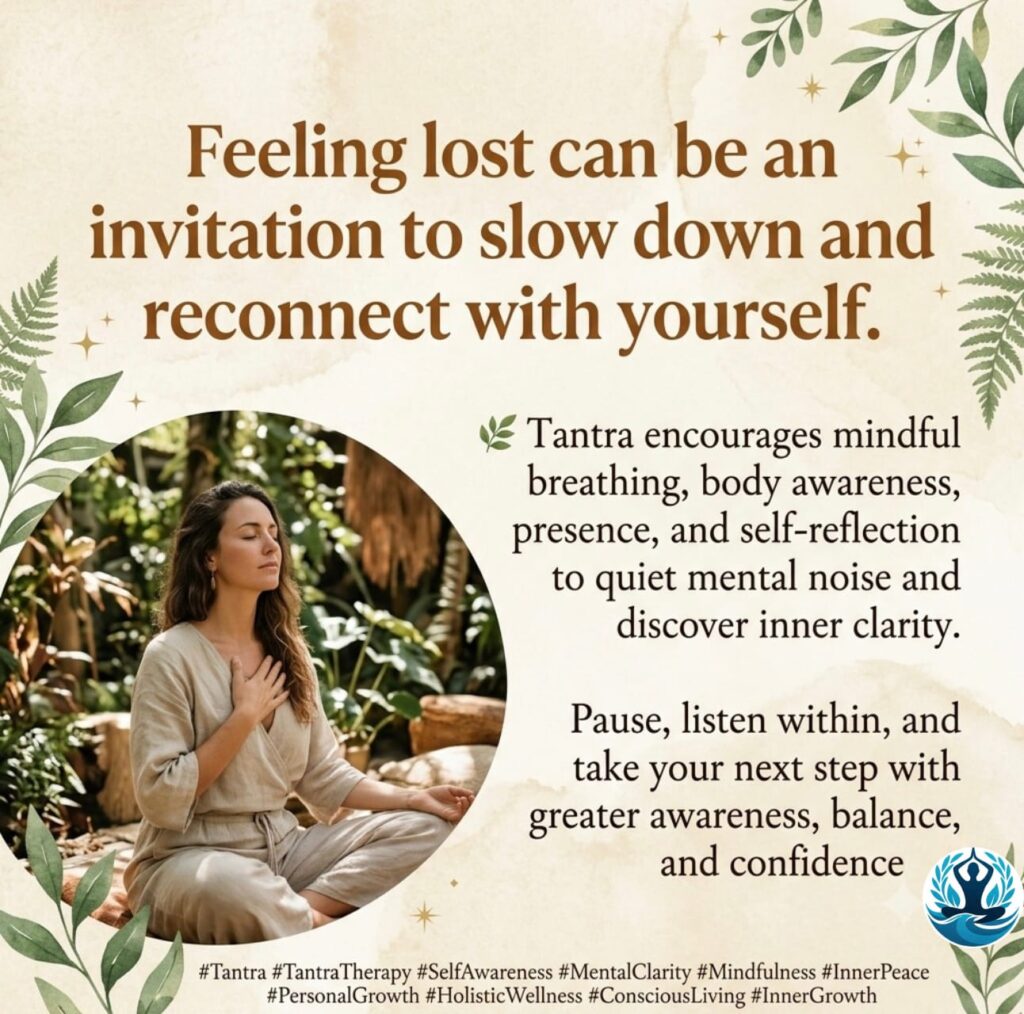


How Tantra Improves Focus, Presence, and Awareness


In today’s world, distraction has become the default state of mind. Notifications, constant information flow, multitasking, and performance pressure fragment our attention and weaken our capacity to remain present. Many people feel mentally restless, emotionally scattered, and disconnected from their own inner experience—even while being constantly “busy.”
Against this background, Tantra offers a radically different approach. Rather than fighting distraction or forcing concentration, Tantra works by restoring intimacy with the present moment. Focus, presence, and awareness are not treated as mental skills to be trained aggressively, but as natural qualities that emerge when the body, breath, senses, and mind are aligned.
This article explores how Tantra improves focus, presence, and awareness—not as abstract spiritual ideals, but as lived capacities that support clarity, emotional balance, and meaningful engagement with life.
Understanding Focus, Presence, and Awareness in Tantra
Before exploring how Tantra improves these qualities, it’s important to understand how Tantra defines them.
Focus in Tantra
Focus is not narrow concentration or mental strain. In Tantra, focus is relaxed attentiveness—the ability to stay with experience without suppressing or clinging to it. True focus arises when energy is not scattered by resistance or craving.
Presence in Tantra
Presence is full participation in the now. It includes the body, emotions, breath, senses, and thoughts—without exclusion. Tantra teaches that presence deepens not by escaping the world, but by meeting life as it is.
Awareness in Tantra
Awareness is the underlying field in which all experiences appear. Tantra does not try to eliminate thoughts or sensations; instead, it trains us to recognize awareness within experience, not apart from it.
Together, focus, presence, and awareness form a unified capacity: being fully here, without fragmentation.
Why Modern Approaches to Focus Often Fail
Many modern productivity and mindfulness approaches treat focus as a mechanical function of the brain. Techniques often emphasize control, suppression, or optimization—forcing the mind to behave.
This often leads to:
-
Mental tension and fatigue
-
Emotional suppression
-
Short-lived improvements followed by burnout
-
A split between “practice time” and real life
Tantra identifies the root issue differently. Distraction is not a failure of discipline—it is a loss of embodied connection. When the body is ignored, emotions are unresolved, and the nervous system is overstimulated, attention naturally scatters.
Tantra restores focus by bringing awareness back into the body, breath, and senses, where attention naturally stabilizes.
Tantra as an Embodied Path of Attention
Unlike purely mental meditation systems, Tantra is deeply somatic. It recognizes the body as a gateway to presence.
Body Awareness as the Foundation
When attention rests in bodily sensation—weight, warmth, movement, breath—it becomes grounded. The body always exists in the present moment. By returning to it, attention is gently pulled out of mental loops.
Tantric practices often begin with:
-
Feeling the contact of the body with the ground
-
Sensing the breath without controlling it
-
Noticing subtle sensations without interpretation
This builds stable, effortless focus.
How Tantra Improves Focus
1. Focus Through Relaxed Attention
Tantra rejects forceful concentration. Instead, it cultivates soft, continuous attention. When effort drops, attention naturally gathers.
Practices include:
-
Gazing softly at a flame, symbol, or natural object
-
Following sensation rather than thought
-
Allowing attention to rest instead of grip
This trains the mind to remain attentive without strain.
2. Focus Through Energy Integration
In Tantra, scattered attention is often linked to scattered energy. When energy leaks through tension, repression, or compulsive thinking, focus weakens.
Tantric methods restore energy flow through:
-
Breath awareness
-
Subtle body scanning
-
Gentle movement and posture alignment
As energy becomes integrated, attention becomes naturally steady.
3. Focus Without Exclusion
Tantra teaches inclusive focus—the ability to stay centered while allowing sounds, sensations, and thoughts to exist in the background.
This is especially helpful in daily life, where silence and isolation are rare. Focus becomes resilient, not fragile.
How Tantra Cultivates Presence
Presence as Full Participation
Presence in Tantra is not detachment. It is intimate contact with experience—pleasant or unpleasant—without avoidance.
This includes:
-
Staying present with emotional sensations
-
Allowing discomfort without resistance
-
Meeting pleasure without grasping
Through this, presence becomes trustworthy and deep.
The Role of the Senses
Tantra uses the senses as anchors to the now. Sight, sound, touch, taste, and smell all become doorways into presence.
Simple practices include:
-
Eating with full sensory attention
-
Listening without labeling sounds
-
Feeling textures and temperatures consciously
These practices retrain attention to remain where life is actually happening.
Presence Through Acceptance
Resistance fractures presence. Tantra emphasizes radical permission—allowing experience to be exactly as it is.
When resistance dissolves:
-
Mental noise reduces
-
Emotional reactivity softens
-
Presence stabilizes
This acceptance is not passive; it is deeply empowering.
How Tantra Expands Awareness
Awareness Beyond Thought
Tantra points to awareness not as something created, but as something recognized. Awareness is already present, but usually overlooked due to fixation on thoughts.
By resting attention in sensation, breath, or spacious perception, awareness reveals itself naturally.
Witnessing Without Dissociation
Tantric awareness is embodied. Unlike dissociative witnessing, Tantra encourages awareness within experience, not above it.
You are aware as the body, as sensation, as emotion—not separate from them.
Awareness in Movement and Activity
Tantra does not limit awareness to stillness. Walking, working, speaking, and relating all become practices.
This transforms awareness into a continuous thread, not a meditation-state that comes and goes.
The Nervous System and Tantric Presence
Modern neuroscience confirms what Tantra has known for centuries: attention depends on nervous system regulation.
Tantric practices naturally:
-
Activate the parasympathetic nervous system
-
Reduce chronic fight-or-flight responses
-
Increase tolerance for sensation
As the nervous system settles, presence becomes accessible and sustainable.
Daily-Life Applications of Tantric Focus and Presence
At Work
-
Improved clarity and decision-making
-
Reduced multitasking fatigue
-
Greater engagement and creativity
In Relationships
-
Deeper listening
-
Emotional availability
-
Reduced reactivity
In Emotional Challenges
-
Ability to stay present with discomfort
-
Less avoidance and suppression
-
Greater emotional intelligence
Tantra vs Mindfulness: A Subtle Difference
While mindfulness observes experience, Tantra participates in it. Awareness is not distant—it is intimate.
Tantra integrates:
-
Body and emotion
-
Sensation and meaning
-
Stillness and activity
This makes focus and presence more organic and lived, rather than effortful or technique-dependent.
Common Misunderstandings About Tantric Awareness
-
Myth: Tantra is about sexuality only
Reality: Sexuality is one expression of embodied awareness, not the goal. -
Myth: Tantra requires rituals or initiations
Reality: Many Tantric principles apply directly to daily life. -
Myth: Awareness means detachment
Reality: Tantric awareness deepens intimacy with life.
A Simple Tantric Practice for Focus and Presence
Three-Minute Embodied Awareness Practice
-
Sit or stand comfortably
-
Feel the weight of your body
-
Notice the natural breath
-
Allow sounds and sensations without labeling
-
Rest as awareness within the body
This simple practice, done regularly, gently rebuilds focus and presence.
Why Tantra Is Especially Relevant Today
In an age of acceleration, Tantra teaches slowing without stopping. It restores depth without withdrawal. It invites awareness into technology-driven life rather than rejecting it.
Tantra does not ask you to escape the world—it teaches you how to inhabit it fully.
Conclusion: Focus and Presence as Natural States
Tantra reveals that focus, presence, and awareness are not achievements—they are our natural condition, obscured by tension, fragmentation, and resistance.
By reconnecting us with the body, breath, senses, and nervous system, Tantra restores what was never truly lost.
In learning how Tantra improves focus, presence, and awareness, we rediscover not only attention—but a more intimate, alive relationship with life itself.