

TANTRA OF NEURAL BLISS PATHWAYS: AWAKENING PLEASURE THROUGH CONSCIOUS NERVOUS SYSTEM ATTUNEMENT


Tantra has long been understood as a sacred science of expansion, a path that unites body, mind, energy, and awareness into a single living experience. While classical tantra often speaks in the language of chakras, mantras, and subtle bodies, a contemporary lens allows us to explore tantra as a direct communion with the nervous system itself. The Tantra of Neural Bliss Pathways is an emerging contemplative approach that focuses on how pleasure, intimacy, and transcendence arise through conscious attunement to neural sensitivity. This path recognizes the nervous system as a sacred instrument through which bliss, stillness, and awakening naturally unfold.
At the foundation of this tantra is the understanding that pleasure is not merely a physical sensation but a neurological and energetic event. Every experience of touch, breath, sound, emotion, and presence travels through neural pathways before it becomes meaning or memory. Tantra invites practitioners to slow down, refine awareness, and enter into direct relationship with these pathways. Instead of seeking intensity, the practice emphasizes sensitivity. Instead of chasing peak experiences, it cultivates depth, continuity, and subtlety.
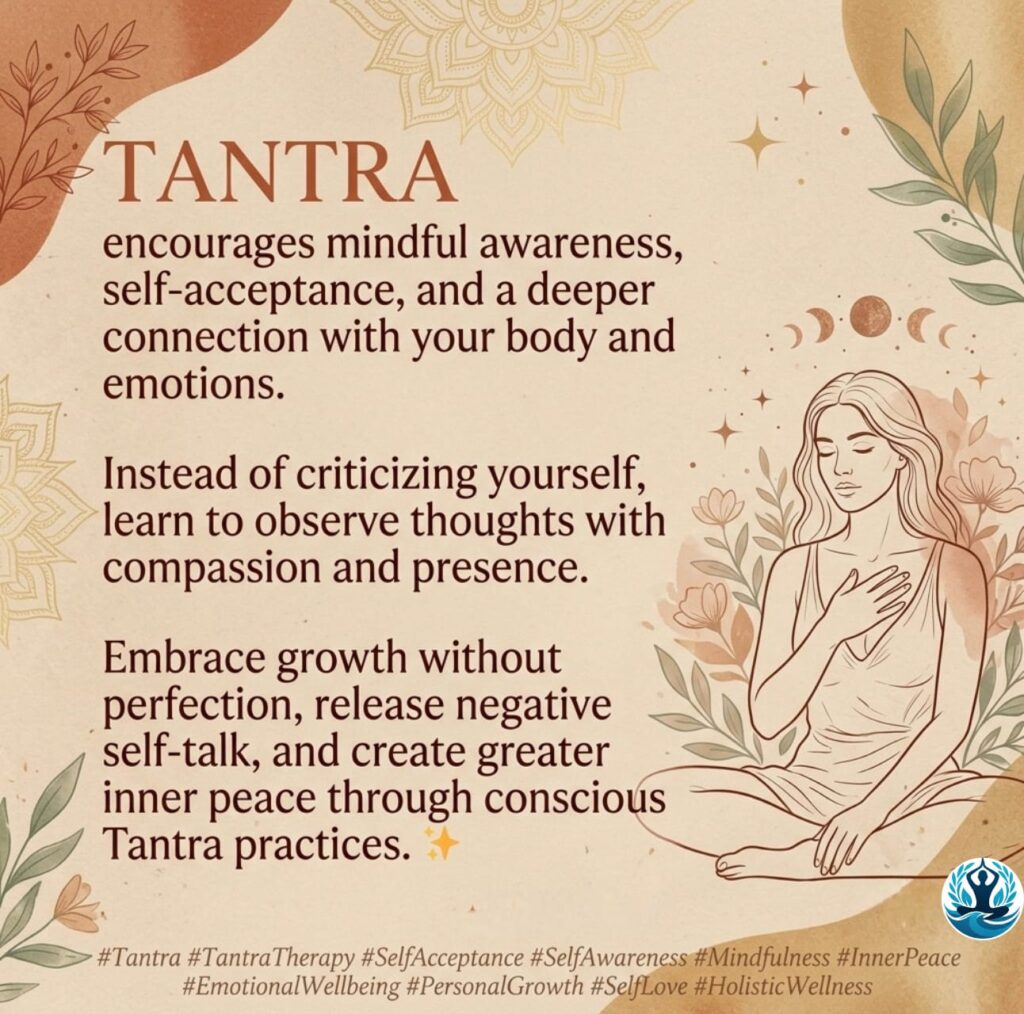
Modern life often overstimulates the nervous system, leading to numbness, anxiety, or compulsive seeking. In contrast, tantric neural attunement gently restores balance by allowing sensation to be fully felt without resistance or grasping. When the nervous system feels safe, regulated, and deeply met by awareness, it opens naturally into bliss. This bliss is not explosive or overwhelming; it is spacious, grounding, and quietly ecstatic.
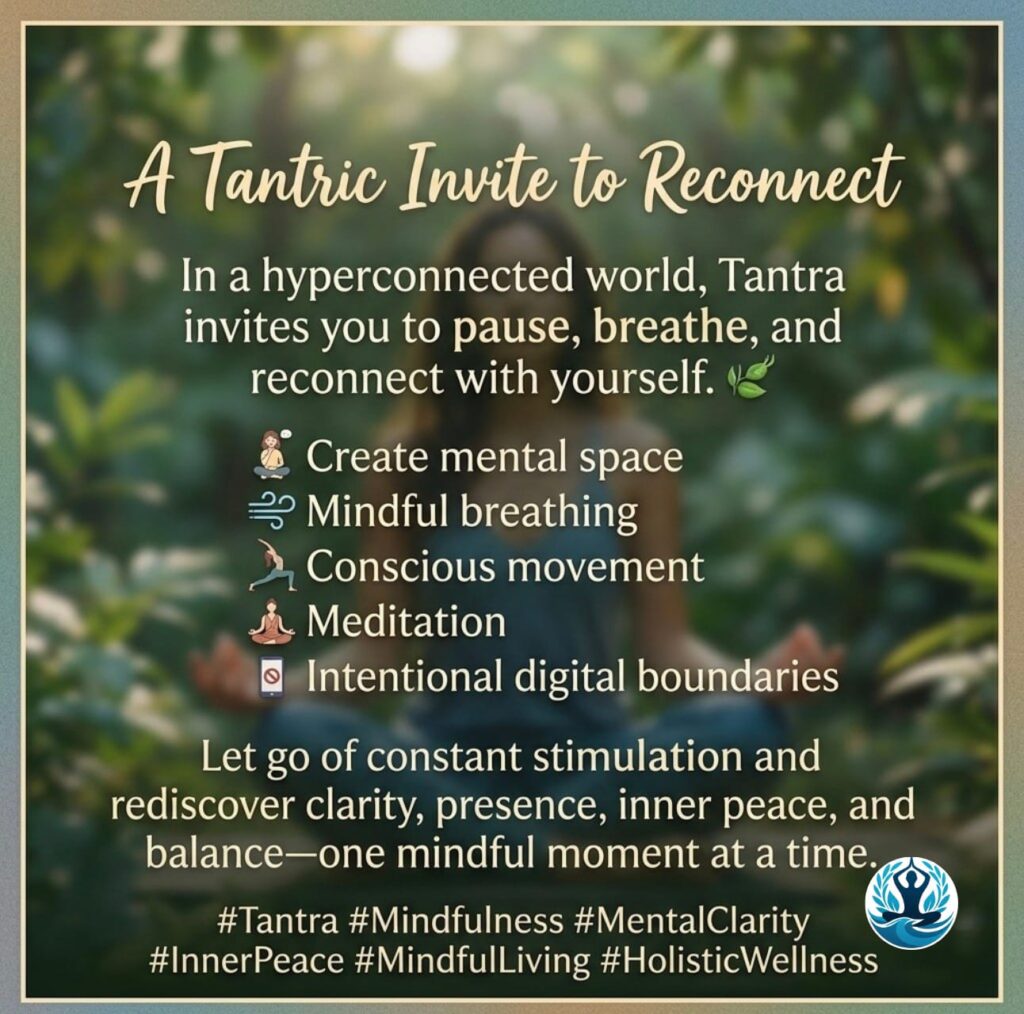
The Tantra of Neural Bliss Pathways begins with conscious regulation. Through slow breathing, intentional posture, and unhurried attention, the practitioner signals safety to the body. This safety is essential. Without it, the nervous system remains defensive, contracted, and unable to receive subtle pleasure. As the body softens, sensation becomes more vivid. Tiny ripples of feeling that once went unnoticed begin to shimmer into awareness. This is the doorway to tantric bliss.
One of the core insights of this tantra is that pleasure expands when it is allowed to move. When attention fixates on a single point of sensation, energy can stagnate. By gently tracking sensation as it flows through the body, neural circuits begin to link together, creating pathways of whole-body pleasure. This may feel like warmth spreading through the chest, tingling along the spine, or a soft pulsing behind the eyes. These experiences are not imagined; they are the nervous system awakening to its own capacity for coherent sensation.
Touch plays a vital role in this practice, whether through self-contact or conscious connection with another. Tantric touch in this context is slow, receptive, and listening rather than doing. The hands become instruments of awareness, not tools of stimulation. As touch is received without expectation, the nervous system learns to trust sensation again. This trust allows pleasure to deepen without tipping into overwhelm.
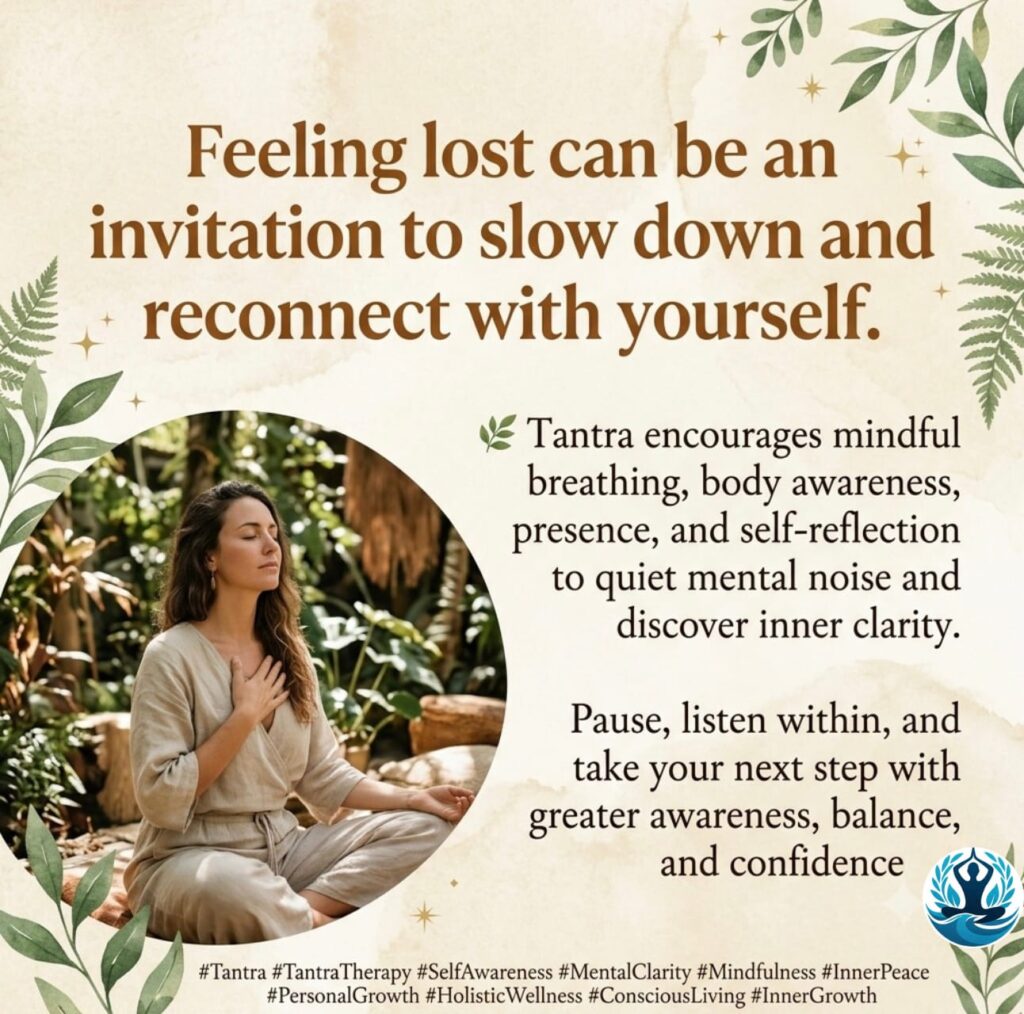
Equally important is the role of breath. Breath acts as a bridge between voluntary and involuntary processes, making it a powerful tantric ally. In neural bliss tantra, the breath is not forced or patterned rigidly. Instead, it is felt from the inside. The practitioner listens to how the breath wants to move, allowing it to lengthen and soften naturally. As breath and sensation synchronize, the nervous system enters a state of coherent rhythm. This rhythm is deeply soothing and can evoke states of meditative ecstasy.
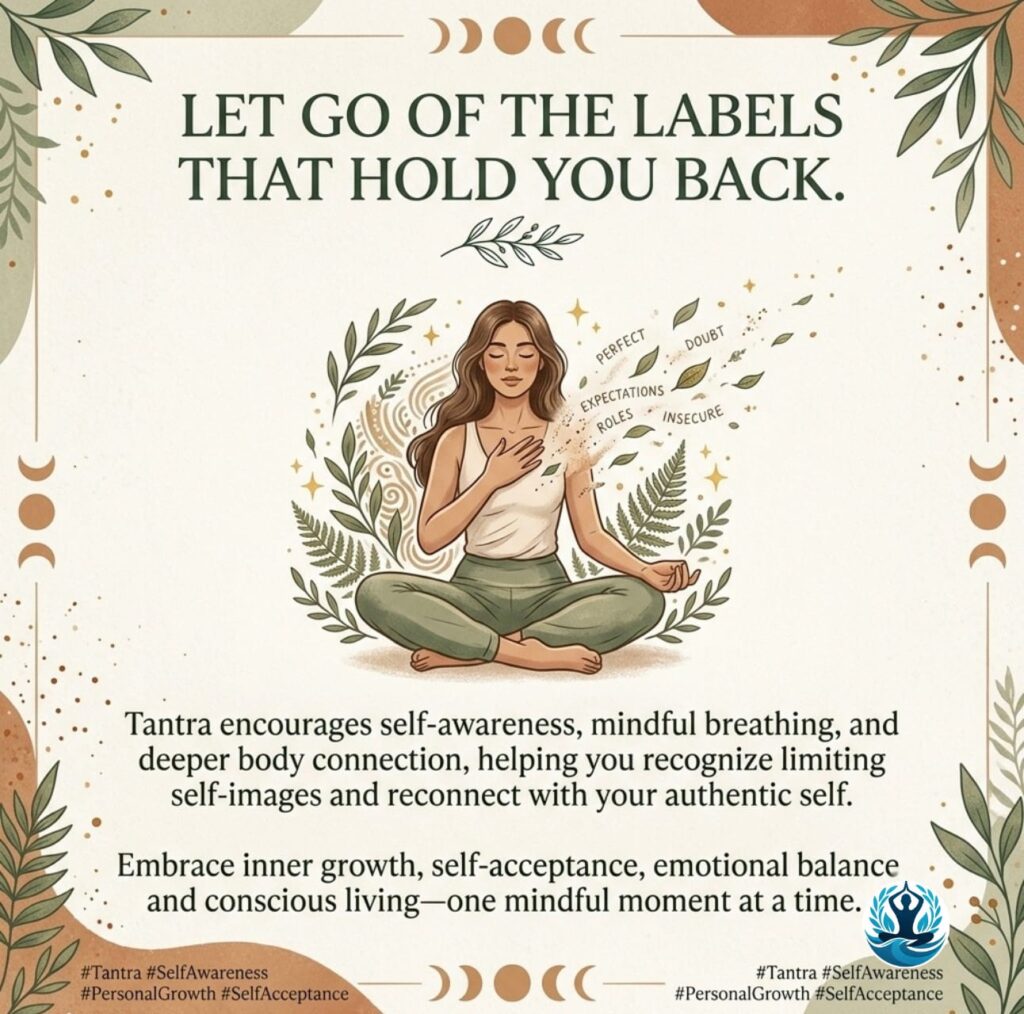
Emotion is another key dimension of neural bliss pathways. Many sensations are muted not because the body is incapable of pleasure, but because emotions have been suppressed or unresolved. Tantra does not seek to bypass emotion in favor of sensation; it invites emotion into the field of awareness. When sadness, longing, joy, or vulnerability are allowed to be felt without judgment, they often transform into waves of sweetness and openness. This emotional integration enriches pleasure, making it more meaningful and embodied.
The Tantra of Neural Bliss Pathways also reframes sexuality. Rather than focusing on performance, climax, or release, sexuality becomes a practice of nervous system communion. Arousal is approached slowly, with curiosity rather than urgency. As arousal builds gradually, the nervous system has time to adapt and expand. This prevents the collapse into tension or discharge and instead supports sustained pleasure. Over time, practitioners may experience pleasure that is diffuse, meditative, and deeply nourishing.
Stillness is not the opposite of pleasure in this tantra; it is its amplifier. When movement pauses and attention remains present, sensation continues to unfold internally. Many practitioners discover that the most profound bliss arises in moments of complete stillness, where the body feels suspended in awareness. In these moments, the boundary between sensation and consciousness dissolves. Pleasure becomes a state of being rather than an event.
Partnered practice within neural bliss tantra emphasizes resonance rather than technique. Two nervous systems attune to each other through eye contact, synchronized breathing, and shared stillness. This attunement creates a field of mutual regulation, where each person feels safer and more open because of the other’s presence. In such a field, intimacy deepens effortlessly. Pleasure becomes something that arises between, not something one person gives or takes.
This tantra also has profound implications for healing. Trauma often disrupts neural pathways, fragmenting sensation and awareness. Through gentle, consensual, and slow tantric practice, these pathways can gradually reconnect. The body relearns that sensation is safe and even pleasurable. This healing does not rely on catharsis or analysis but on repeated experiences of regulated pleasure and presence.
As practice deepens, the distinction between meditation and pleasure begins to fade. Everyday sensations such as walking, listening to music, or feeling sunlight on the skin become sources of quiet bliss. The nervous system becomes more responsive, less reactive. Awareness rests more easily in the body. Life itself begins to feel more intimate.
The Tantra of Neural Bliss Pathways ultimately points to a simple truth: bliss is not something to be achieved but something to be allowed. It emerges naturally when awareness meets sensation with patience, respect, and curiosity. By honoring the nervous system as a sacred gateway, this tantric path offers a grounded, accessible, and deeply transformative approach to awakening. It invites practitioners to rediscover pleasure not as indulgence, but as a refined state of conscious aliveness woven into every moment of embodied existence.