

Basic Tantra: A Complete Foundational Guide as per Sarv Tantra

Introduction to Basic Tantra
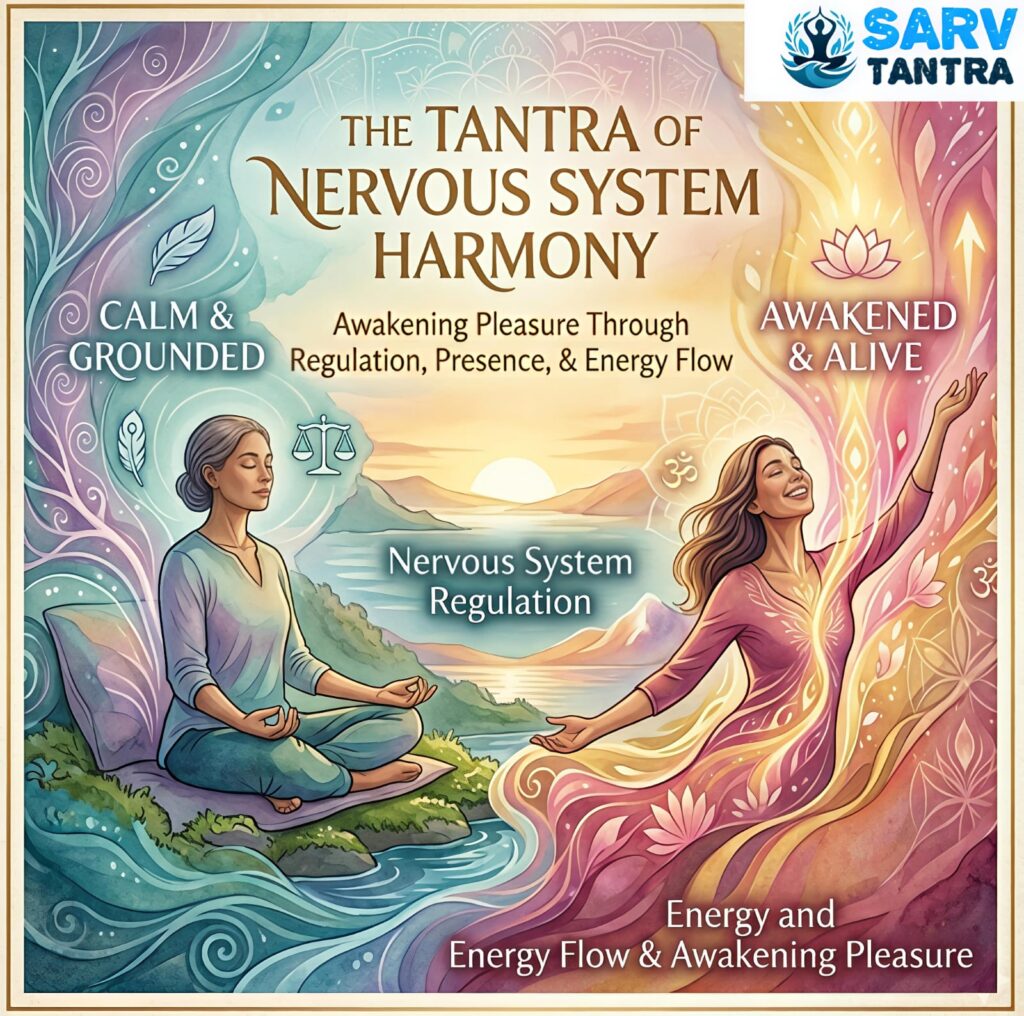
Basic Tantra, often misunderstood and misrepresented, is a profound spiritual science rooted in ancient Indian traditions. It is not merely about sensuality or physical intimacy, as popular culture often portrays it, but rather a holistic system of inner transformation, awareness, and energy alignment. In the context of “Sarv Tantra,” the approach is integrative—encompassing body, mind, breath, and consciousness as a unified field of experience.
The word “Tantra” comes from the Sanskrit roots tan (to expand) and tra (to liberate). Together, Tantra signifies the expansion of consciousness leading to liberation. Basic Tantra serves as the entry point into this vast discipline, offering practical tools and philosophical insights to begin the journey.
Sarv Tantra, as a concept, emphasizes inclusivity—sarv meaning “all.” It suggests that Tantra is for everyone and everything, not limited by gender, belief system, or level of experience. It is about embracing life in its totality and using every experience as a doorway to awareness.
The Philosophy of Tantra
At its core, Tantra is non-dualistic. Unlike traditions that separate the spiritual from the material, Tantra sees everything as sacred. There is no division between the divine and the mundane. Every sensation, thought, and emotion is a potential gateway to higher consciousness.
Key Philosophical Principles
1. Everything is Energy
Tantra views the universe as a dynamic interplay of energies. The human body is not just physical—it is an energetic system composed of subtle currents.
2. Conscious Awareness is Liberation
Awareness is the central tool in Tantra. By becoming conscious of internal processes, one transcends unconscious patterns.
3. Acceptance Over Rejection
Instead of suppressing desires or emotions, Tantra teaches observing and transforming them.
4. Union of Opposites
Masculine and feminine energies (often symbolized as Shiva and Shakti) are not opposites to be conflicted but complementary forces to be harmonized.
The Foundations of Basic Tantra
1. The Body as a Temple
In Sarv Tantra, the body is revered as a sacred vessel. Every sensation is an opportunity to connect deeper with oneself. Practices begin with body awareness—feeling without judgment.
Key Practices:
- Body scanning
- Conscious relaxation
- Sensory awareness exercises
The idea is simple: when you fully inhabit your body, you begin to dissolve the separation between observer and experience.
2. Breath as the Bridge
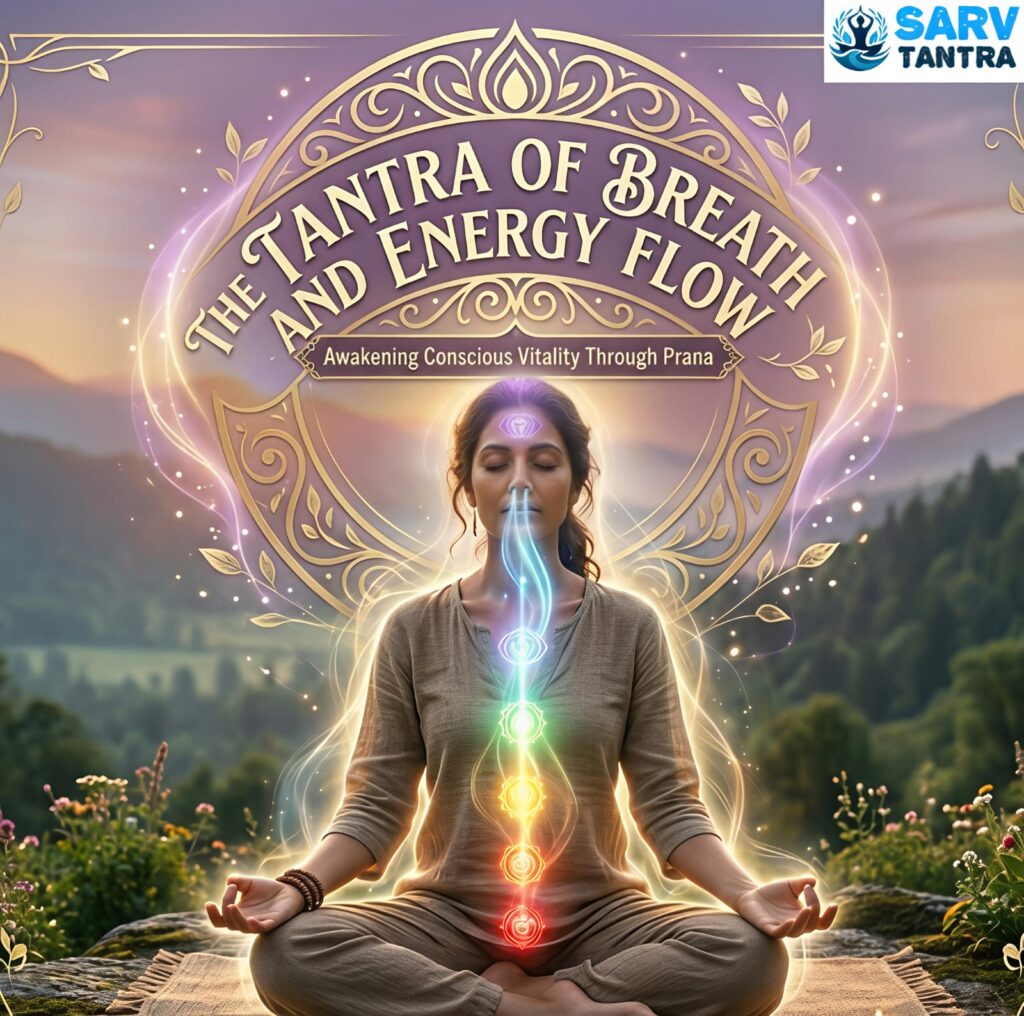
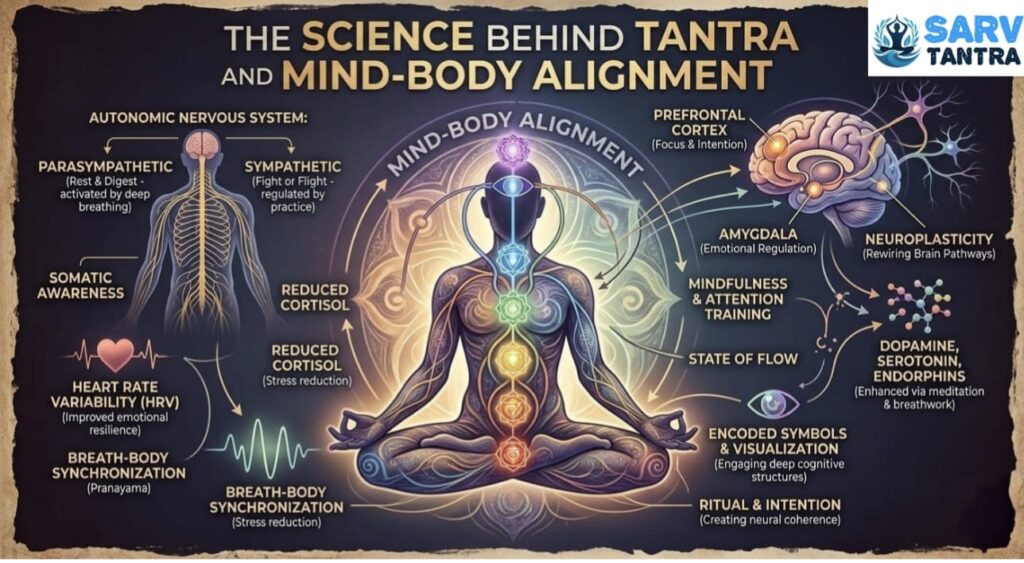
Breath is central in all Tantric practices. It acts as a bridge between the conscious and unconscious mind, as well as between body and spirit.
Basic Breath Practices:
- Deep diaphragmatic breathing
- Alternate nostril breathing
- Rhythmic breath awareness
Breath is not just oxygen exchange—it is considered prana, the life force. Controlling breath allows you to influence your energy and emotional state.
3. Energy Awareness (Prana Flow)
Basic Tantra introduces the concept of subtle energy channels called nadis and energy centers known as chakras. While advanced practices delve deeper, beginners focus on feeling energy rather than analyzing it.
Core Idea:
Where attention goes, energy flows.
By directing awareness to different parts of the body, practitioners begin to sense warmth, tingling, or movement—signs of energy activation.
4. Mindfulness and Presence
Tantra is not about escaping the mind but refining it. Basic Tantra encourages observing thoughts without attachment.
Techniques:
- Watching thoughts like clouds
- Anchoring awareness in the present moment
- Non-judgmental observation
Over time, this creates a state of inner stillness, even amidst activity.
The Role of Sensory Awareness
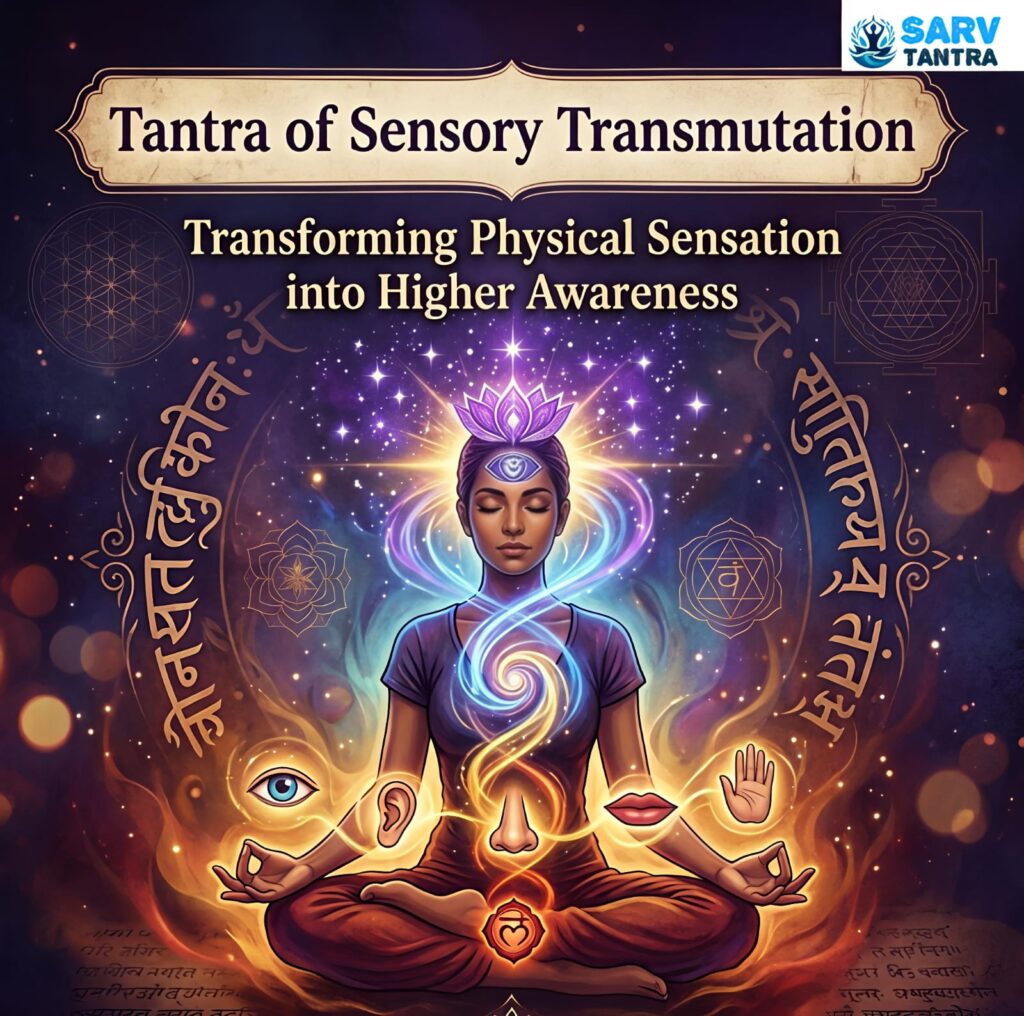
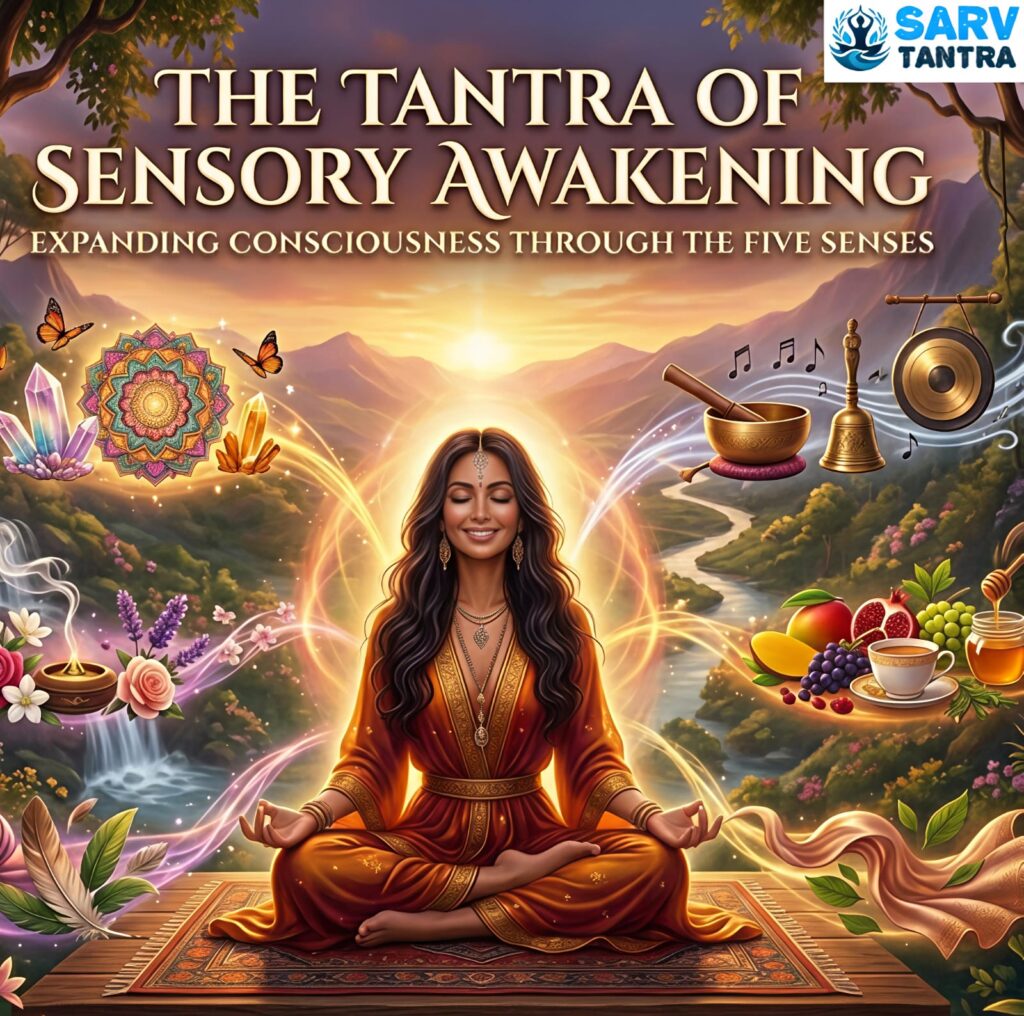
One of the unique aspects of Tantra is its use of the senses as tools for awakening.
Awakening the Five Senses
Sight: Observing without labeling
Sound: Listening deeply beyond surface noise
Touch: Feeling textures and sensations fully
Taste: Eating with complete awareness
Smell: Noticing subtle fragrances
In Sarv Tantra, sensory awareness is not indulgence—it is a pathway to presence. When you fully experience a sensation, the mind naturally becomes still.
The Concept of Shiva and Shakti
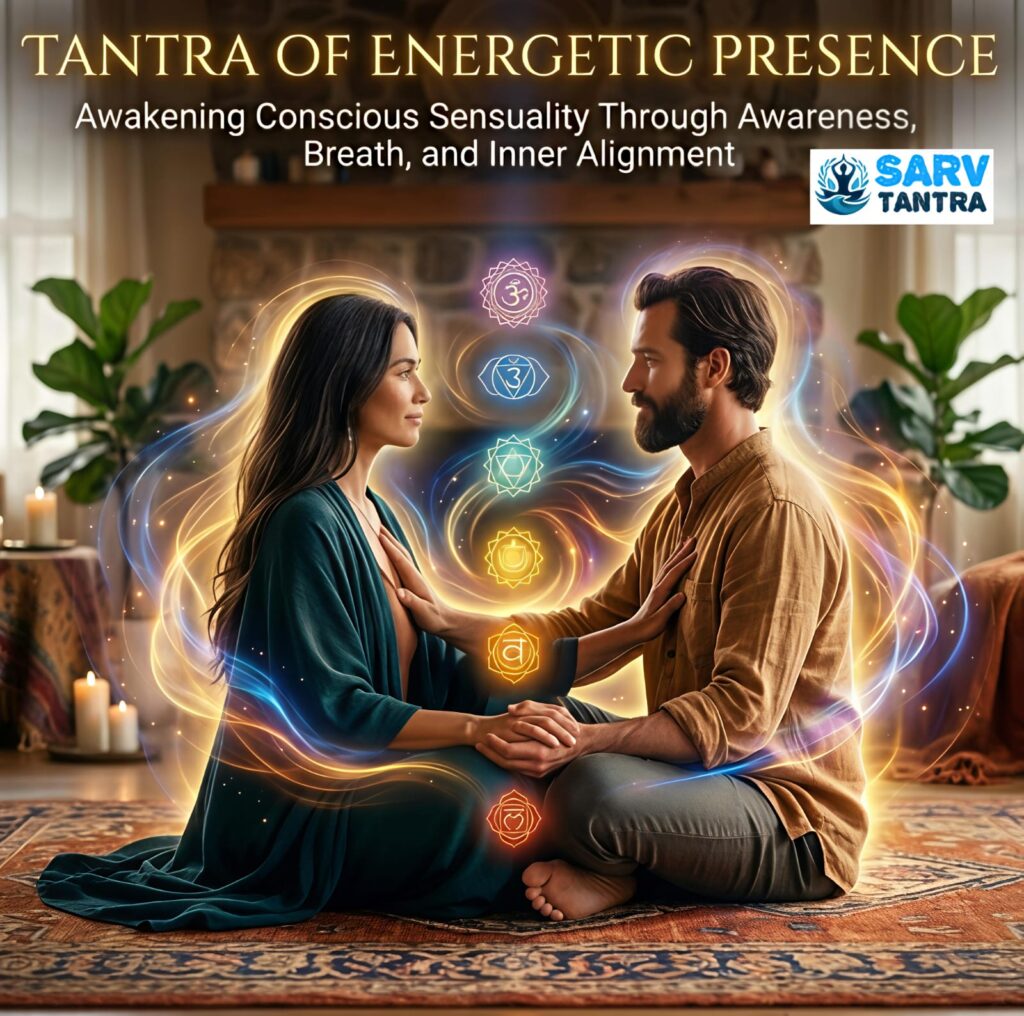
A foundational element in Tantra is the symbolic union of Shiva (pure consciousness) and Shakti (dynamic energy).
- Shiva represents stillness, awareness, and witnessing.
- Shakti represents movement, creation, and experience.
Basic Tantra teaches that both exist within every individual. The goal is not to favor one over the other but to harmonize them.
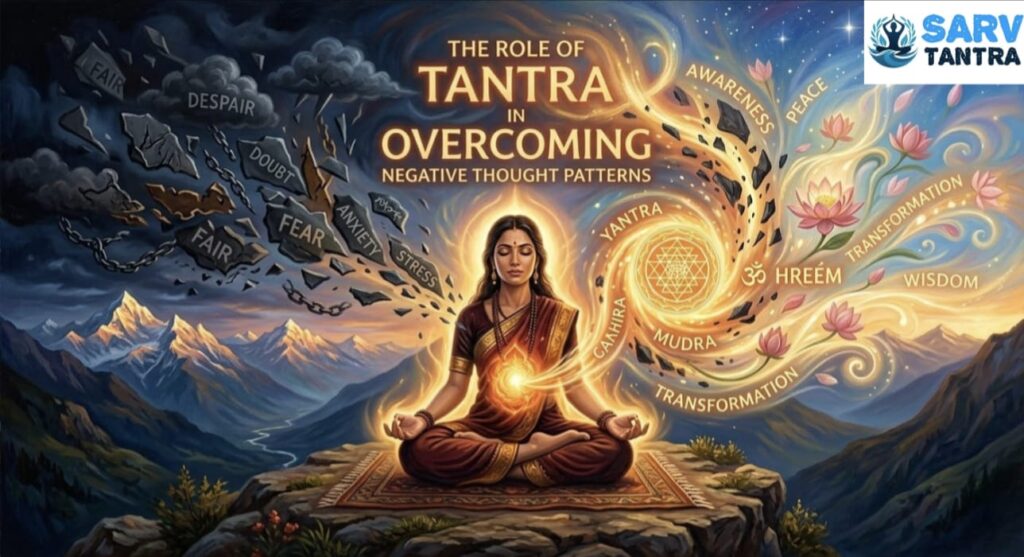
Emotional Energy Transformation
Rather than suppressing emotions, Tantra encourages experiencing them consciously.
Steps for Transformation:
- Recognize the emotion
- Feel it in the body
- Breathe into the sensation
- Observe without reaction
This process allows emotional energy to move and dissolve, leading to clarity and balance.
Basic Tantric Meditation Practices
1. Breath Awareness Meditation
Sit comfortably and observe your breath without changing it. Notice the natural rhythm and allow your mind to settle.
2. Body Awareness Meditation
Bring attention to different parts of your body, observing sensations without judgment.
3. Sound Meditation
Focus on ambient sounds. Instead of identifying them, simply experience their vibration.
4. Stillness Practice
Sit in silence and observe everything—thoughts, sensations, emotions—without interference.
The Importance of Intention
In Sarv Tantra, intention (sankalpa) plays a crucial role. It aligns your energy and directs your practice.
A clear intention might be:
- To become more aware
- To cultivate inner peace
- To understand oneself deeply
Without intention, practice becomes mechanical. With intention, it becomes transformative.
The Role of Discipline and Consistency
Tantra is not a one-time experience but a continuous journey.
Daily Practices Include:
- 10–20 minutes of meditation
- Conscious breathing exercises
- Mindful movement or stretching
- Awareness during daily activities
Consistency is more important than intensity.
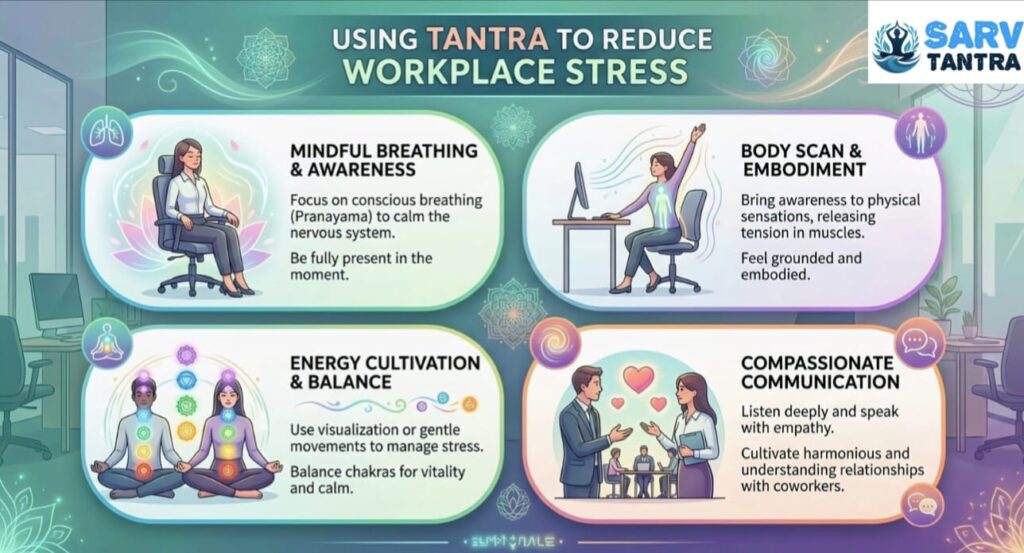
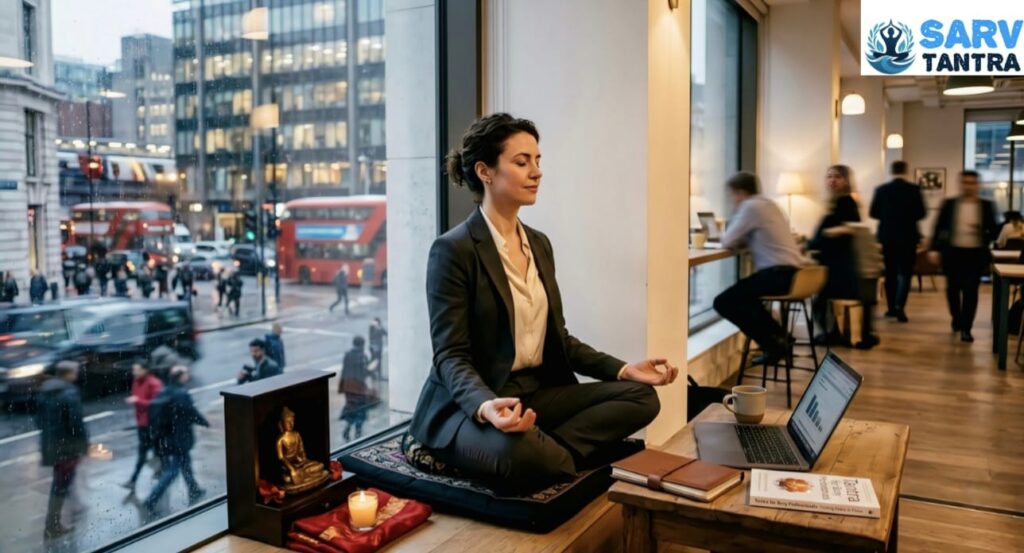
Tantra in Daily Life
One of the key teachings of Basic Tantra is that spirituality is not separate from life.
Applying Tantra in Everyday Activities
Eating: Be fully present with each bite
Walking: Feel each step consciously
Talking: Listen deeply and speak mindfully
Working: Focus on one task at a time
Life itself becomes meditation when approached with awareness.
Common Misconceptions About Tantra
Misconception 1: Tantra is only about physical intimacy
Reality: It is a comprehensive spiritual system.
Misconception 2: Tantra requires special rituals
Reality: Basic Tantra begins with simple awareness practices.
Misconception 3: Tantra is only for certain people
Reality: Sarv Tantra emphasizes universality—it is for everyone.
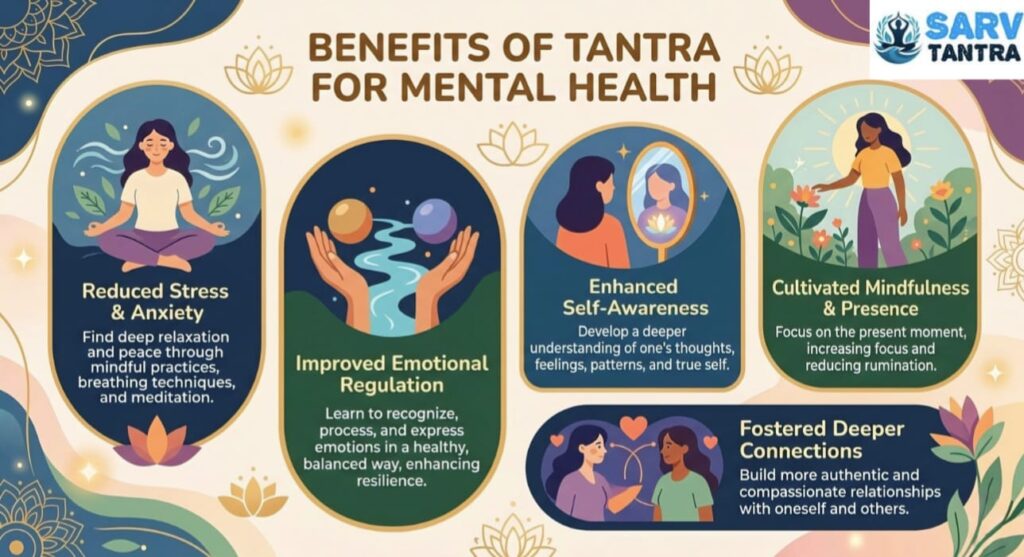
Benefits of Practicing Basic Tantra
Physical Benefits:
- Reduced stress
- Improved breathing
- Better body awareness
Mental Benefits:
- Clarity of thought
- Emotional balance
- Reduced anxiety
Spiritual Benefits:
- Deeper self-awareness
- Connection with inner stillness
- Expanded consciousness
Challenges in the Beginning
Like any discipline, Tantra comes with initial challenges:
- Restlessness during meditation
- Difficulty staying present
- Emotional resistance
These are natural and part of the process. The key is patience and non-judgment.
The Path Forward in Sarv Tantra
Basic Tantra is just the beginning. As awareness deepens, practitioners can explore:
- Advanced breathwork
- Energy circulation techniques
- Deeper meditative states
- Inner sound and vibration practices
However, the foundation always remains the same: awareness, breath, and presence.
Conclusion
Basic Tantra, especially when approached through the lens of Sarv Tantra, is a powerful pathway to self-discovery and transformation. It teaches that everything—body, breath, mind, and experience—is sacred and can be used as a tool for awakening.
Rather than rejecting life, Tantra invites you to embrace it fully, consciously, and authentically. It is not about becoming something new but about realizing what you already are beneath layers of conditioning.
With consistent practice, patience, and openness, Basic Tantra becomes more than a practice—it becomes a way of living, where every moment is an opportunity for awareness and expansion.