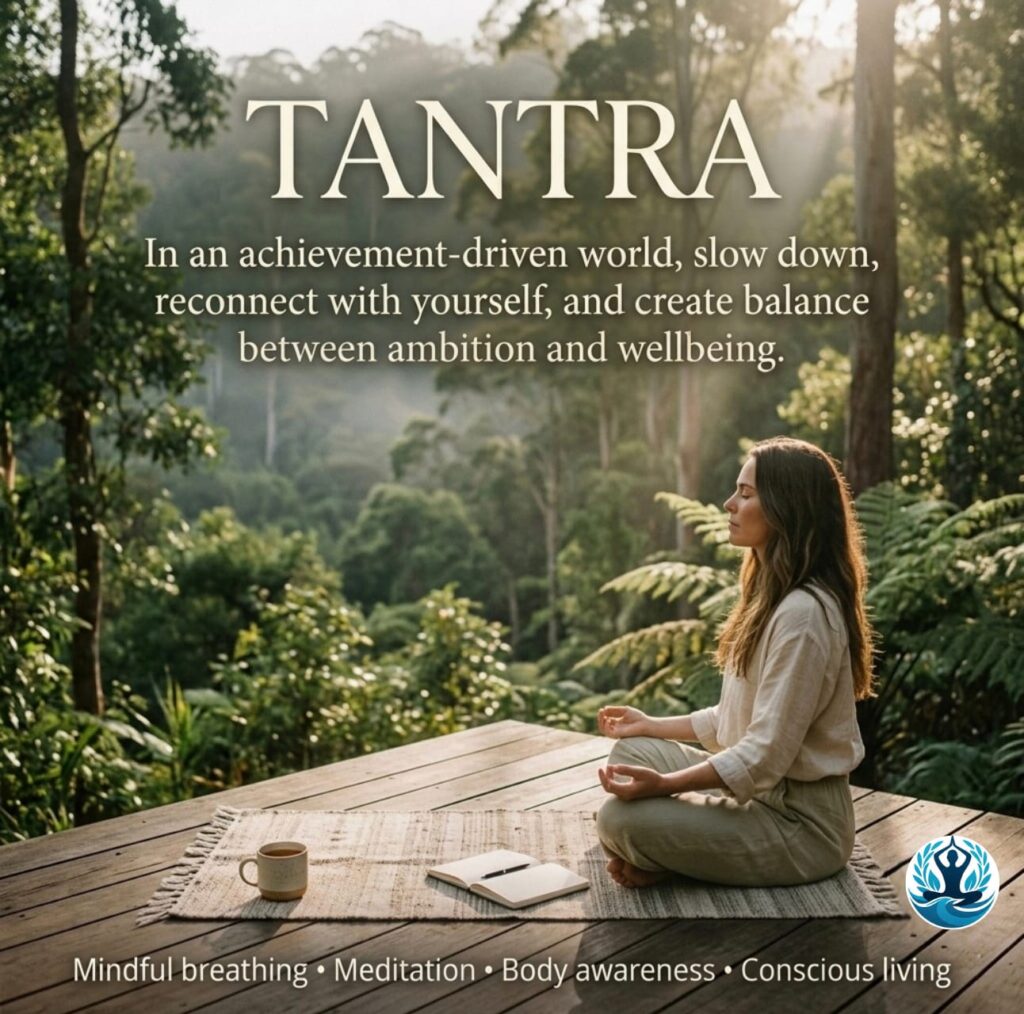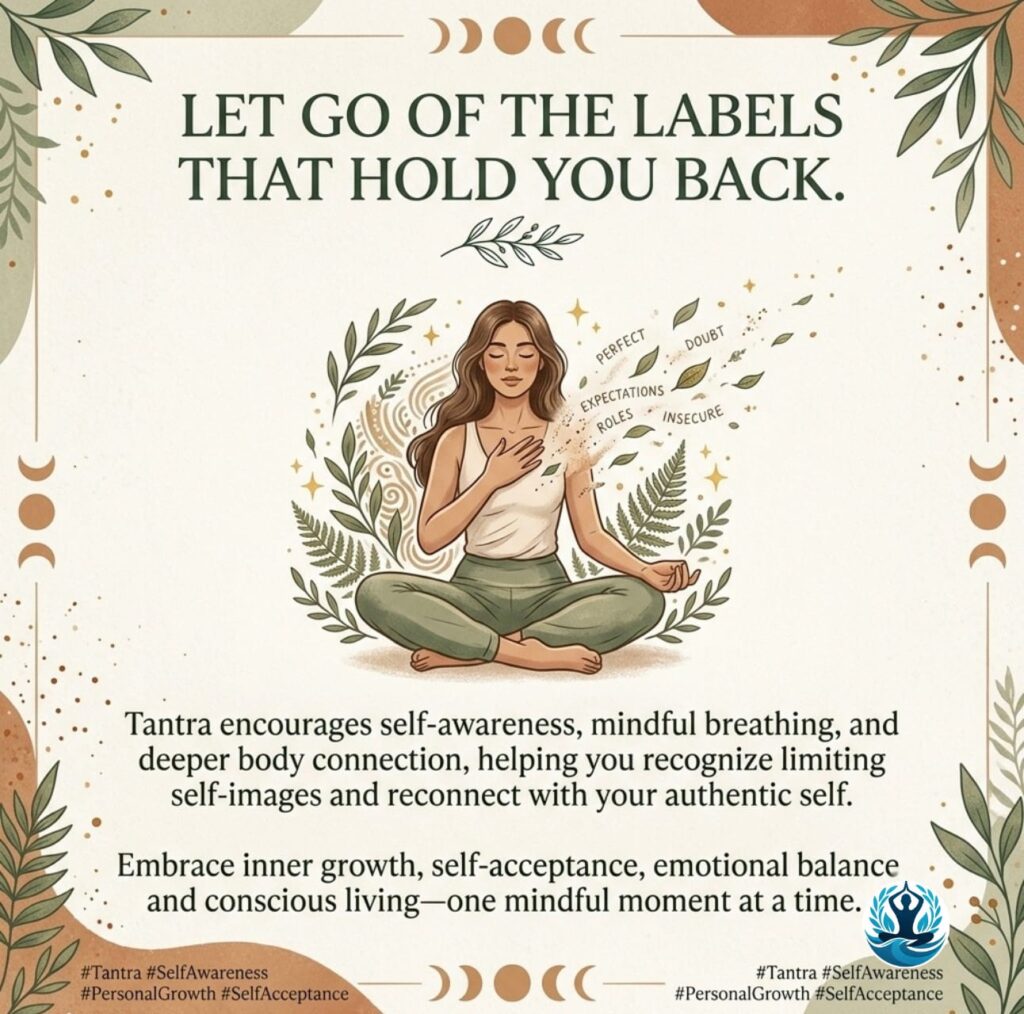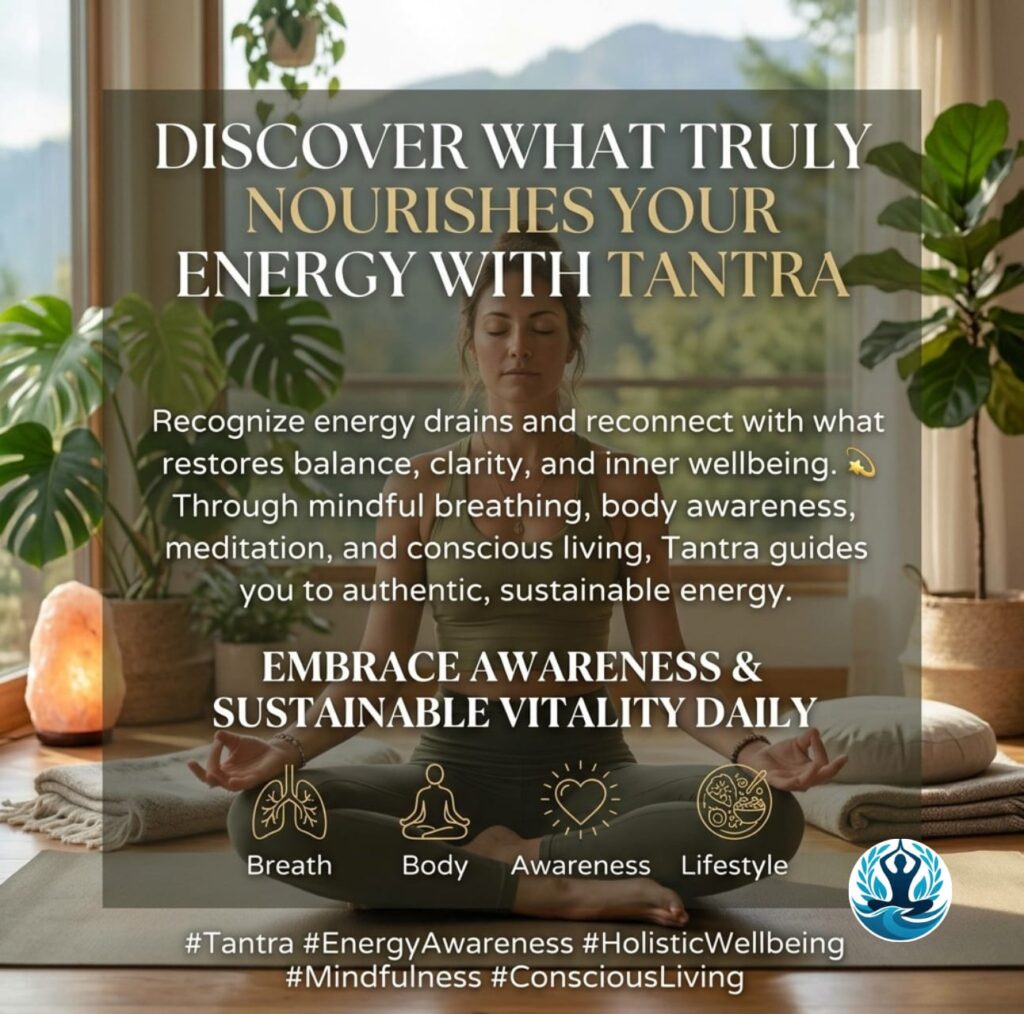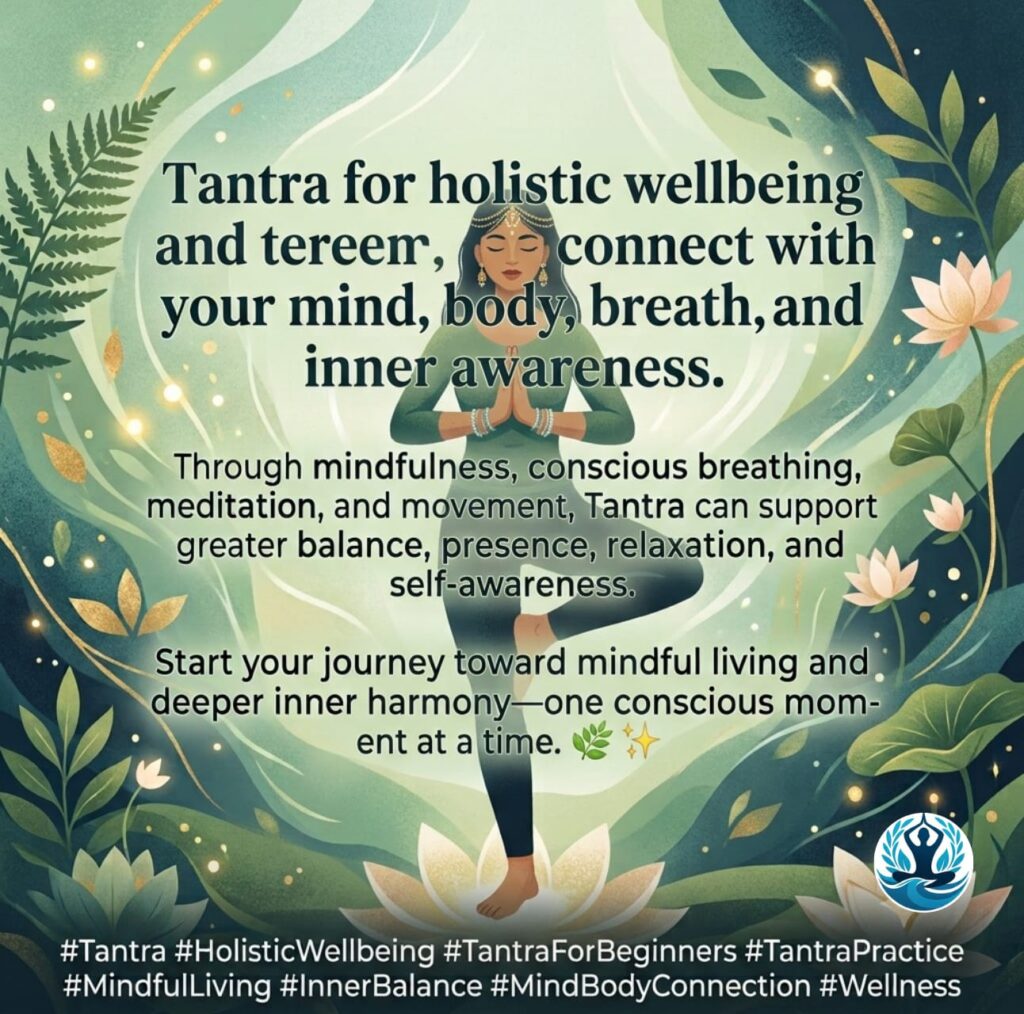


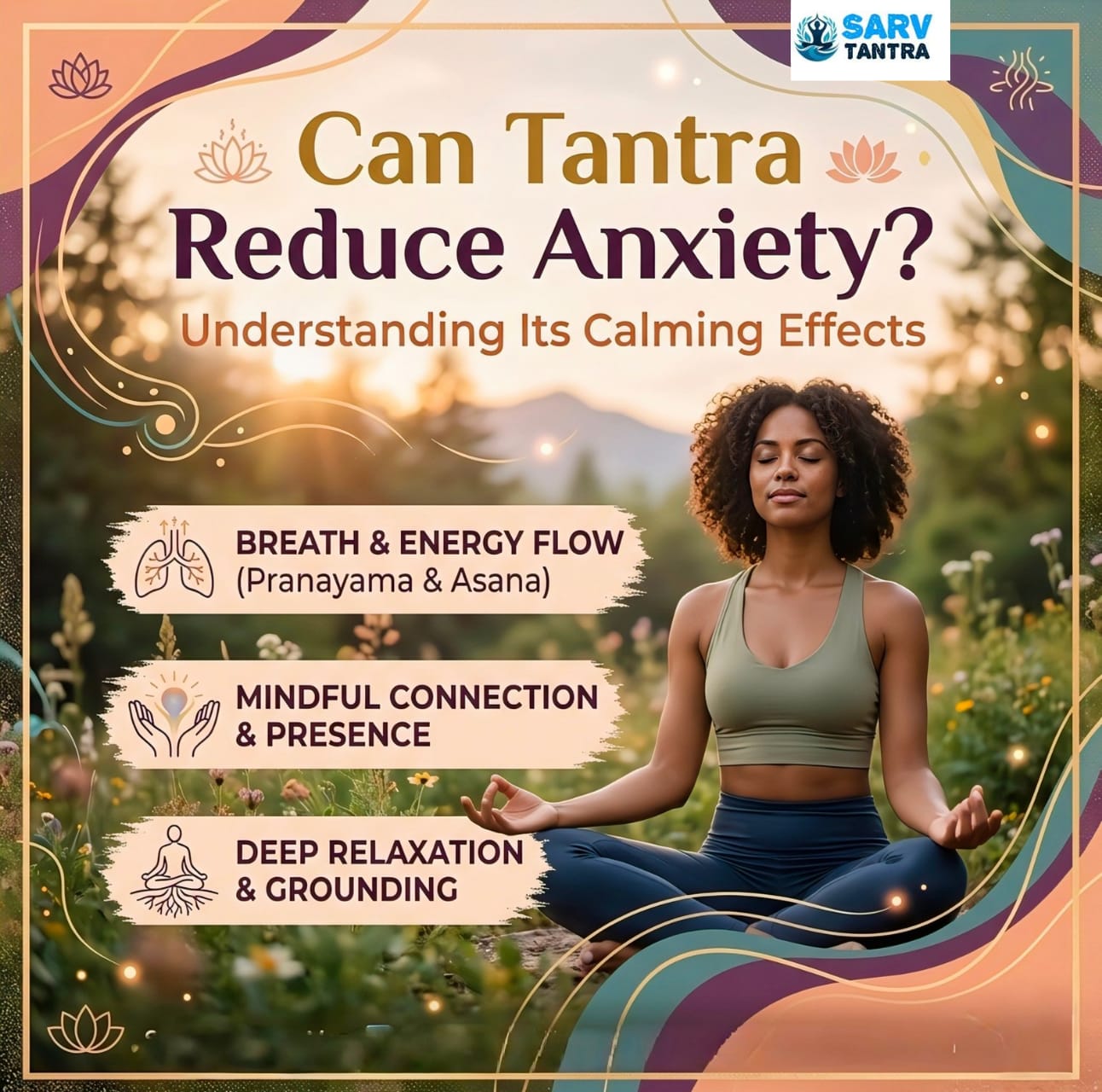
Can Tantra Reduce Anxiety? Understanding Its Calming Effects

In today’s fast-paced world, anxiety has become one of the most common challenges affecting people of all ages. Constant notifications, demanding schedules, financial pressures, and endless responsibilities can leave the mind feeling overwhelmed and the body stuck in a state of stress. As more people search for natural ways to manage anxiety, many are turning to ancient wellness practices for support. One such practice is Tantra.
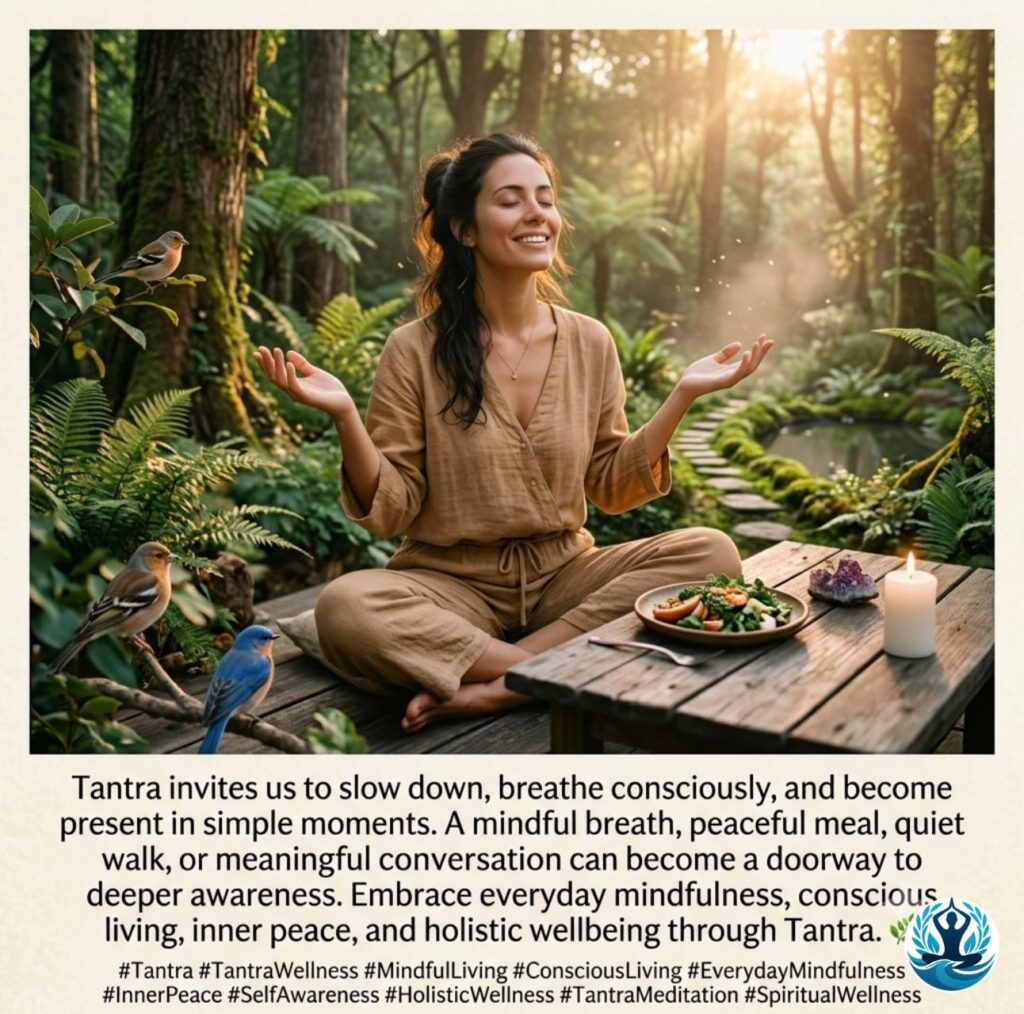
While Tantra is often misunderstood, its traditional teachings offer a holistic approach to wellbeing that can help individuals cultivate greater calm, presence, and emotional balance. Through mindful breathing, meditation, self-awareness, and conscious connection with the body, Tantra provides tools that may support anxiety reduction and promote inner peace.
This article explores how Tantra can reduce anxiety, why its practices are calming for the nervous system, and how beginners can incorporate Tantra-inspired techniques into their daily lives.
What Is Anxiety?
Anxiety is the body’s natural response to stress or perceived danger. Occasional anxiety is a normal part of life, but chronic anxiety can interfere with daily functioning and overall wellbeing.
Common symptoms of anxiety include:
- Excessive worrying
- Racing thoughts
- Difficulty concentrating
- Restlessness
- Muscle tension
- Sleep disturbances
- Increased heart rate
- Feelings of overwhelm
Anxiety often keeps people trapped in thoughts about the future, imagining worst-case scenarios or anticipating problems before they occur.
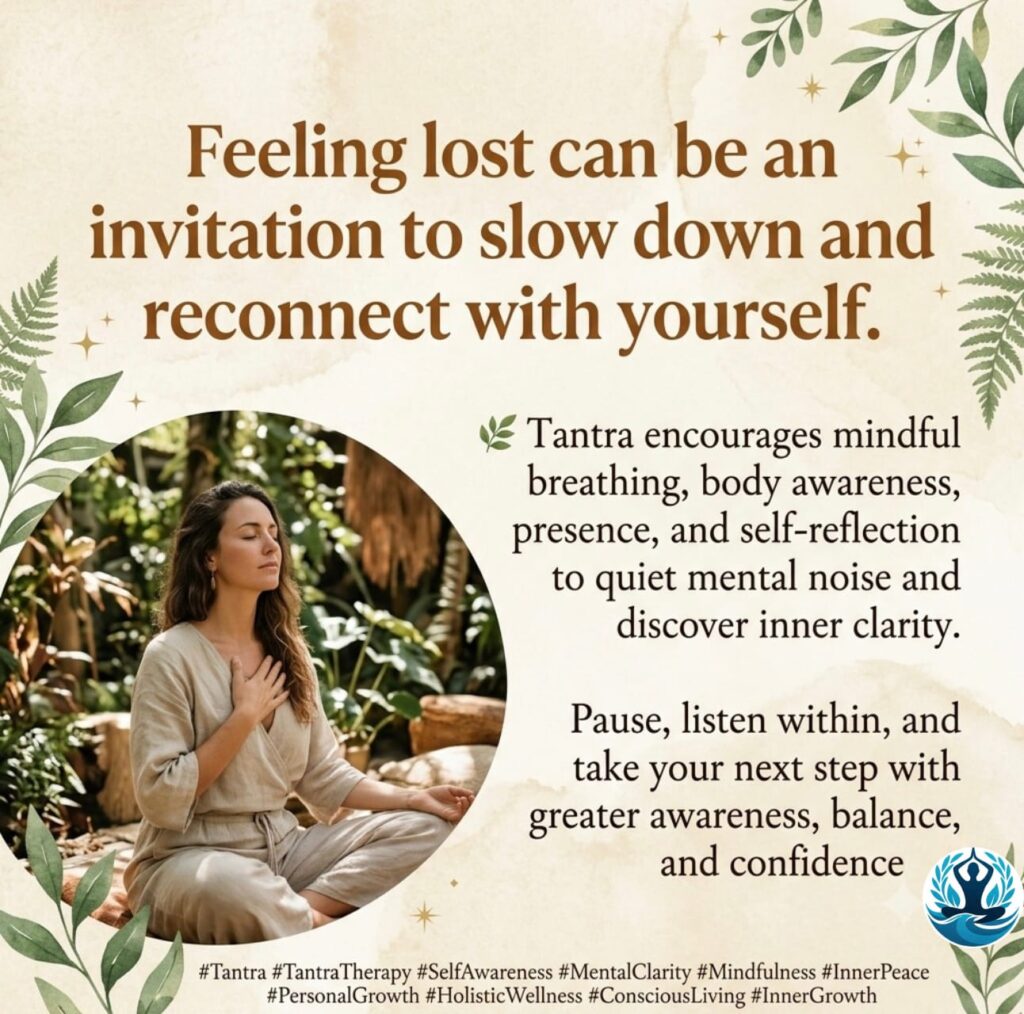
One of Tantra’s core teachings is learning to return awareness to the present moment, which can help interrupt these anxious mental patterns.
Understanding Tantra Beyond Common Misconceptions
Traditional Tantra is an ancient spiritual and wellness practice originating in India. Its purpose is to help individuals experience deeper awareness, connection, and vitality.
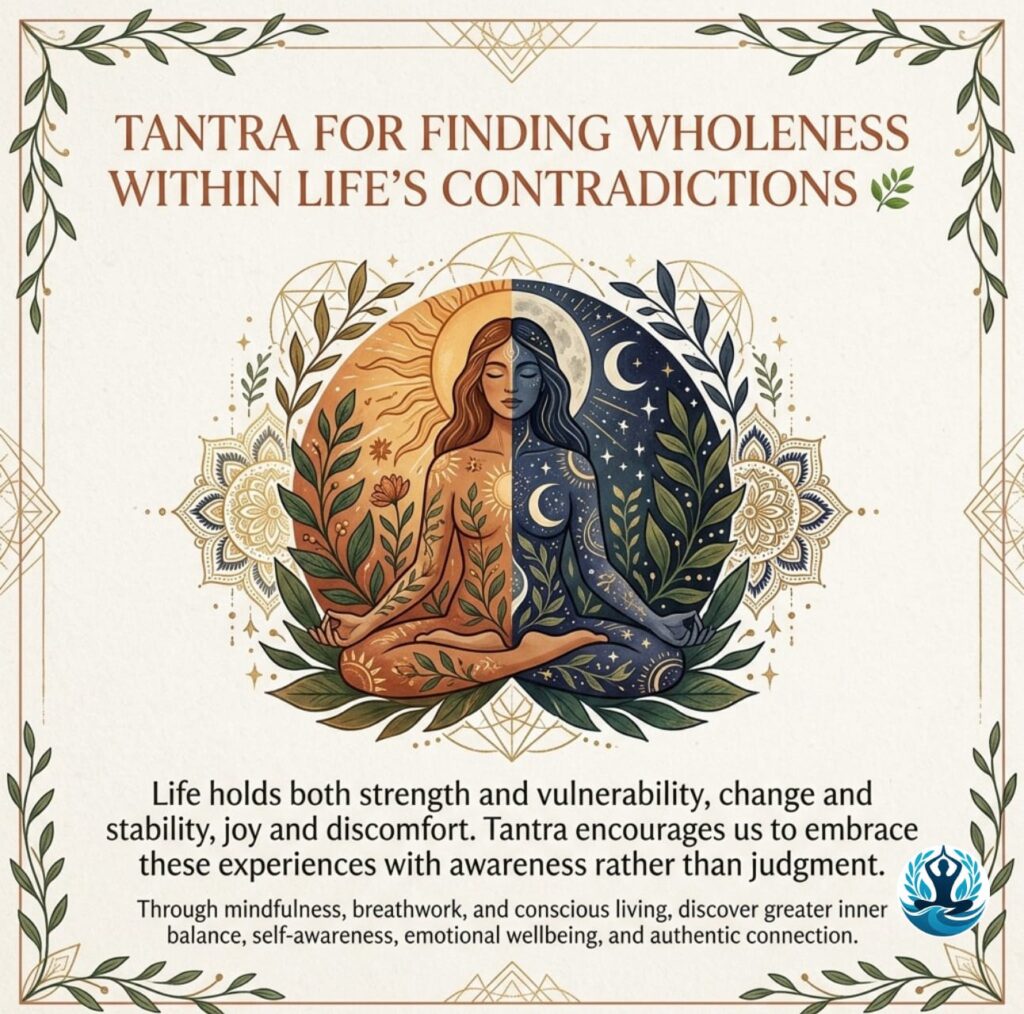
Tantra teaches that true wellbeing comes from integrating mind, body, emotions, and energy rather than treating them as separate parts of ourselves.
Key elements of Tantra include:
- Mindfulness
- Breath awareness
- Meditation
- Conscious movement
- Emotional awareness
- Self-acceptance
- Presence
These practices can be especially valuable for people struggling with anxiety because they encourage slowing down and reconnecting with the present moment.
The Connection Between Tantra and Anxiety Reduction
Anxiety often thrives when the mind becomes disconnected from the body.
People experiencing anxiety frequently report:
- Living in their heads
- Overthinking situations
- Feeling detached from their physical experience
- Difficulty relaxing
Tantra helps restore the mind-body connection by encouraging awareness of sensations, breathing patterns, emotions, and energy within the body.
As attention shifts away from anxious thoughts and toward present-moment experience, many individuals find that feelings of tension begin to soften.
How Tantra Calms the Nervous System
One reason Tantra may help reduce anxiety is its influence on the nervous system.
When people are anxious, the sympathetic nervous system—the body’s “fight-or-flight” response—becomes activated.
This can lead to:
- Increased heart rate
- Shallow breathing
- Muscle tension
- Hypervigilance
Tantric practices encourage activation of the parasympathetic nervous system, often called the “rest-and-digest” state.
When this calming system becomes active, the body can experience:
- Slower breathing
- Reduced heart rate
- Lower stress levels
- Greater relaxation
- Improved emotional regulation
Regular Tantra practice may help train the body to return more easily to a state of calm.
Breathwork: A Powerful Tool for Anxiety Relief
Breathing is one of the most important components of Tantra.
Many people experiencing anxiety unknowingly breathe in shallow, rapid patterns that reinforce feelings of stress.
Tantric breathwork encourages:
- Slow breathing
- Deep diaphragmatic breathing
- Conscious awareness of each breath
Benefits of mindful breathing include:
Reduced Stress Hormones
Slow breathing may help lower stress responses and promote relaxation.
Increased Present-Moment Awareness
Focusing on the breath gently redirects attention away from anxious thinking.
Improved Emotional Balance
Breath awareness creates space between emotions and reactions.
Greater Physical Relaxation
Deep breathing signals safety to the nervous system.
A simple Tantric breathing exercise practiced for just five minutes daily can create noticeable shifts in mood and calmness.
Mindfulness and Presence in Tantra
One of Tantra’s most valuable contributions to anxiety management is its emphasis on presence.
Anxiety is often rooted in concerns about the future.
The mind asks questions such as:
- What if something goes wrong?
- What if I fail?
- What if things don’t work out?
Tantra teaches practitioners to gently bring awareness back to what is happening right now.
This might involve noticing:
- The sensation of breathing
- Sounds in the environment
- Physical sensations
- Emotions without judgment
By returning attention to the present moment, anxious thought loops may lose some of their intensity.
Body Awareness and Emotional Regulation
Anxiety is not just a mental experience—it also lives in the body.
Many individuals hold stress in areas such as:
- Neck
- Shoulders
- Jaw
- Chest
- Stomach
Tantric practices encourage mindful observation of bodily sensations.
Rather than ignoring tension or fighting against discomfort, practitioners learn to:
- Notice sensations
- Breathe into areas of tension
- Relax physical resistance
- Cultivate acceptance
This body-centered awareness can help release accumulated stress and improve emotional regulation.
Tantra and Emotional Acceptance
People with anxiety often try to suppress uncomfortable emotions.
Unfortunately, resisting emotions can sometimes make them stronger.
Tantra encourages a different approach.
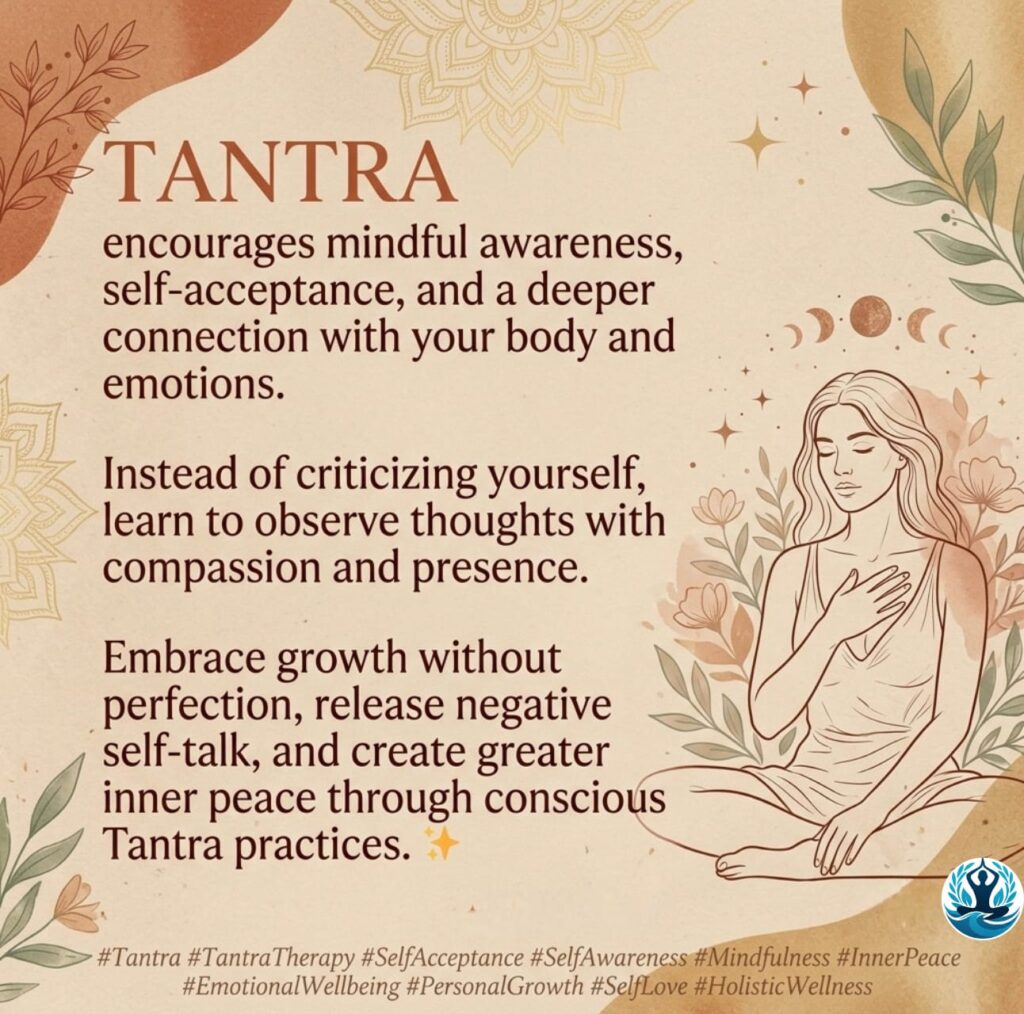
Instead of avoiding feelings, practitioners are invited to observe emotions with curiosity and compassion.
This may include acknowledging:
- Fear
- Sadness
- Frustration
- Uncertainty
Without immediately reacting to them.
Emotional acceptance can reduce internal conflict and create a greater sense of peace.
Meditation Practices in Tantra
Meditation plays a central role in many Tantric traditions.
Regular meditation practice has long been associated with:
- Reduced stress
- Increased focus
- Improved emotional wellbeing
- Enhanced self-awareness
Tantric meditation often combines:
- Breath awareness
- Visualization
- Body scanning
- Mindful observation
These techniques help quiet mental chatter and create a sense of inner stillness.
For individuals struggling with anxiety, even a short daily meditation practice can be beneficial.
Developing a Healthier Relationship with Thoughts
Anxiety often involves becoming entangled in repetitive thought patterns.
People may believe every anxious thought that arises.
Tantra encourages observing thoughts without immediately identifying with them.
For example, instead of thinking:
“I am anxious.”
A practitioner might learn to notice:
“I am experiencing anxious thoughts.”
This subtle shift creates psychological space and reduces the power of negative thinking.
The Importance of Self-Compassion in Tantra
Anxiety frequently comes with self-criticism.
Many individuals judge themselves harshly for feeling worried, fearful, or overwhelmed.
Tantra promotes self-compassion and acceptance.
Rather than striving for perfection, practitioners learn to embrace themselves as they are.
Benefits of self-compassion include:
- Reduced emotional distress
- Greater resilience
- Improved self-esteem
- Increased emotional stability
Learning to treat oneself with kindness can significantly support anxiety management.
How Tantra Supports Better Sleep
Anxiety and sleep problems often go hand in hand.
When the mind is racing, falling asleep can become difficult.
Tantric relaxation practices may support healthier sleep by:
- Calming the nervous system
- Reducing mental activity
- Relaxing the body
- Encouraging mindfulness before bedtime
Many practitioners report improved sleep quality after incorporating breathing and meditation techniques into their evening routine.
Tantra and Energy Awareness
Traditional Tantra teaches awareness of life energy flowing through the body.
Whether understood spiritually or simply as heightened bodily awareness, energy-focused practices encourage:
- Presence
- Relaxation
- Emotional balance
- Increased vitality
When attention is directed toward internal experience rather than anxious thoughts, individuals may feel more grounded and centered.
A Simple Tantra Practice for Anxiety Relief
If you are new to Tantra, try this beginner-friendly exercise.
Step 1: Find a Quiet Space
Sit comfortably and close your eyes.
Step 2: Focus on Your Breath
Take slow, gentle breaths.
Inhale through the nose for four counts.
Exhale for six counts.
Step 3: Scan Your Body
Notice areas holding tension.
Relax these areas as you breathe.
Step 4: Observe Your Thoughts
Allow thoughts to come and go without judgment.
Simply notice them.
Step 5: Return to the Present Moment
Focus on breathing and bodily sensations.
Practice for 5–10 minutes daily.
Over time, this simple exercise may help cultivate greater calm and emotional stability.
Long-Term Benefits of Tantra for Anxiety
With regular practice, Tantra may contribute to:
Greater Emotional Resilience
Individuals often become better equipped to handle life’s challenges.
Improved Stress Management
Mindfulness techniques help reduce automatic stress reactions.
Better Self-Awareness
Practitioners learn to recognize emotional patterns earlier.
Enhanced Mind-Body Connection
Increased awareness supports overall wellbeing.
Increased Inner Peace
Regular practice fosters a deeper sense of calm and balance.
Combining Tantra with Other Wellness Practices
Tantra can complement other healthy habits such as:
- Exercise
- Yoga
- Meditation
- Healthy nutrition
- Quality sleep
- Time in nature
- Journaling
Together, these practices can create a comprehensive approach to anxiety management and personal wellbeing.
Is Tantra a Replacement for Professional Support?
While Tantra may provide valuable tools for managing stress and anxiety, it is not a substitute for professional medical or mental health care.
Individuals experiencing severe or persistent anxiety should seek support from qualified healthcare professionals.
Tantra can serve as a complementary practice that enhances overall wellbeing alongside appropriate treatment when needed.
Final Thoughts
So, can Tantra reduce anxiety?
For many people, Tantra offers practical tools that support relaxation, mindfulness, emotional awareness, and nervous system regulation. By encouraging presence, conscious breathing, self-compassion, and a stronger connection between mind and body, Tantra can help create conditions that promote calm and emotional balance.
Although results vary from person to person, regular Tantra practice may help reduce the intensity of anxious thinking, improve stress resilience, and cultivate a greater sense of inner peace. In a world filled with constant distractions and pressures, Tantra reminds us of the power of slowing down, breathing deeply, and reconnecting with ourselves.
By integrating simple Tantric principles into daily life, individuals may discover a more grounded, balanced, and peaceful way of living.