

How Tantra Supports Long-Term Mental Well-Being

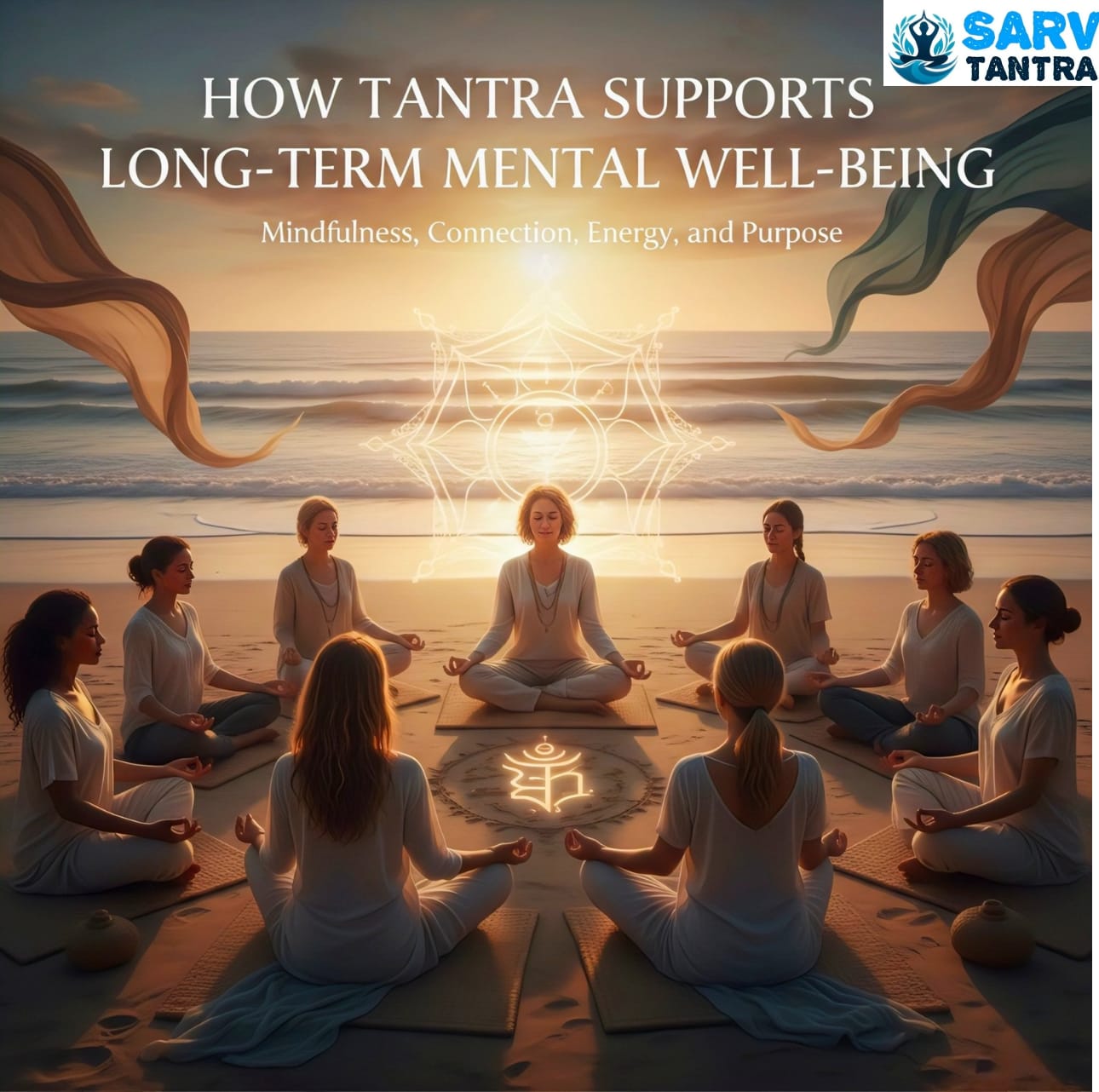
In today’s fast-paced world, mental well-being is often approached as a short-term fix. We look for quick solutions—techniques to reduce stress, tools to manage anxiety, or habits to improve productivity. While these approaches may bring temporary relief, they often fail to address the deeper causes of mental imbalance.
Tantra offers a fundamentally different approach. Rather than treating mental health as something to “fix,” Tantra views well-being as a state of alignment between mind, body, energy, and awareness. It focuses on long-term inner stability rather than momentary calm.
Tantra is not merely a set of practices; it is a way of living with presence, sensitivity, and self-awareness. Over time, this approach gently reshapes how the mind responds to stress, emotions, and life’s uncertainties. In this article, we explore how Tantra supports long-term mental well-being by working at the root level of awareness, nervous system regulation, and emotional integration.
Understanding Mental Well-Being Through a Tantric Lens
From a tantric perspective, mental well-being is not separate from the body or emotions. Thoughts, feelings, physical sensations, and energy are interconnected expressions of consciousness. When one area is ignored or suppressed, imbalance naturally arises.
Tantra teaches that mental disturbances—such as anxiety, restlessness, emotional numbness, or burnout—often stem from:
-
Disconnection from the body
-
Suppressed or unprocessed emotions
-
Chronic nervous system activation
-
Lack of present-moment awareness
-
Resistance to life experiences
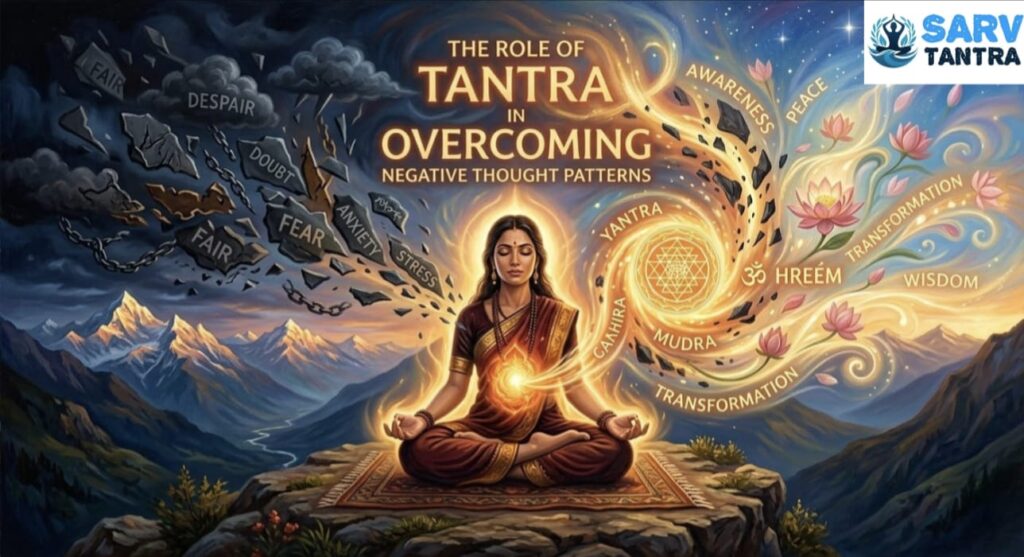
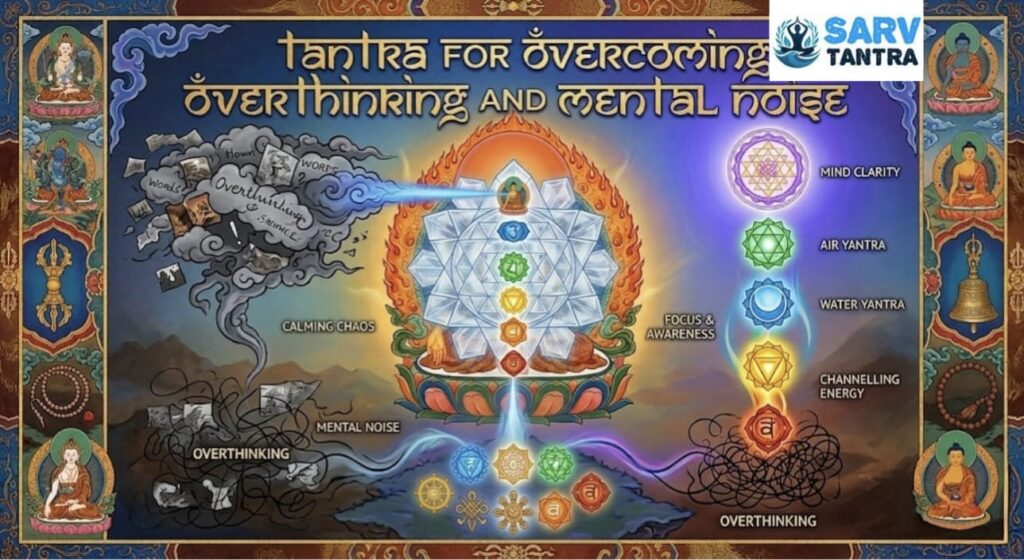
Rather than fighting thoughts or trying to control the mind, Tantra invites listening, inclusion, and conscious presence. This approach creates lasting mental resilience instead of temporary relief.
Tantra and Nervous System Regulation
One of the most powerful ways Tantra supports long-term mental well-being is through nervous system regulation.
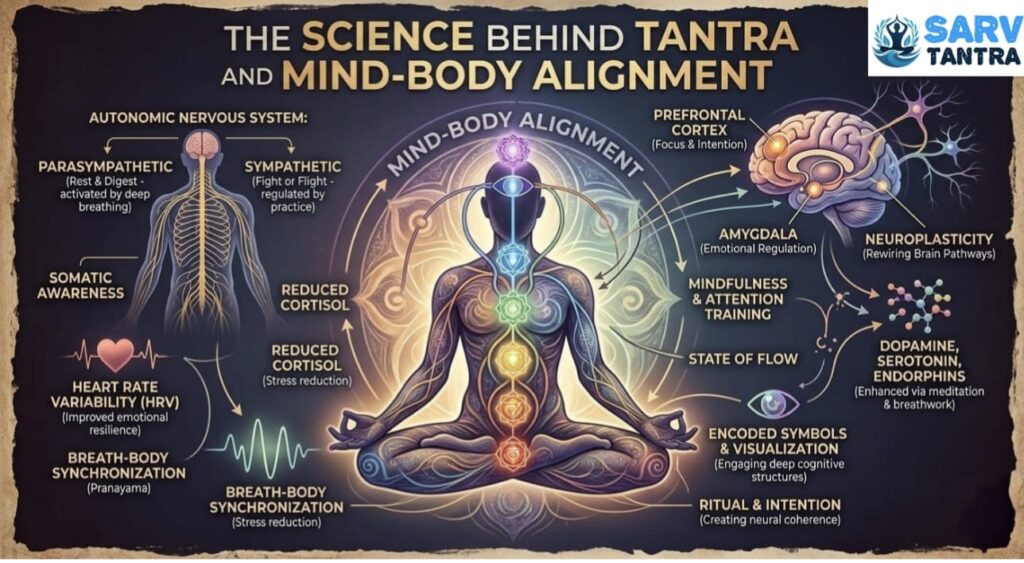
Modern life constantly activates the sympathetic nervous system—the fight-or-flight response. Over time, this leads to chronic stress, anxiety, irritability, and exhaustion. Tantra works gently to bring the nervous system back into balance.
How Tantra Regulates the Nervous System
Tantric practices emphasize:
-
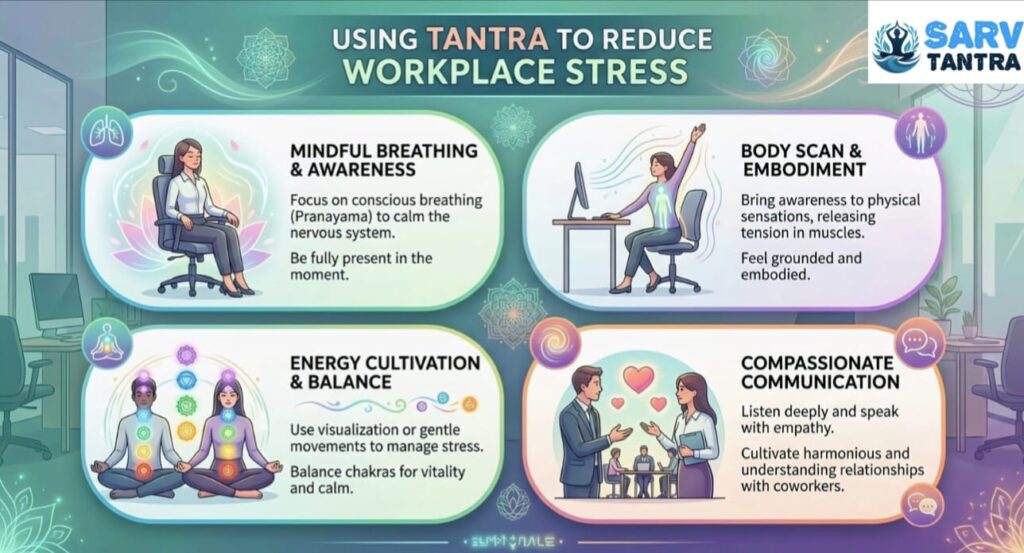
Slow, conscious breathing
-
Gentle body awareness
-
Sensory presence
-
Relaxed attention without force
These elements signal safety to the nervous system. When the body feels safe, the mind naturally calms. Unlike forced relaxation techniques, Tantra allows regulation to happen organically through awareness.
Over consistent practice, the nervous system learns to return to a baseline state of calm more easily. This creates long-term mental stability, even during challenging situations.
Cultivating Awareness Instead of Suppression
Many mental health struggles arise from the habit of suppressing thoughts and emotions. We are often taught to “stay positive,” “ignore negative feelings,” or “control the mind.” Tantra takes a radically compassionate approach.
In Tantra:
-
Thoughts are observed, not judged
-
Emotions are felt, not suppressed
-
Sensations are welcomed, not avoided
This inclusive awareness prevents emotional buildup in the unconscious. When emotions are allowed to move through awareness, they lose their intensity and grip on the mind.
Over time, this creates a healthier relationship with inner experiences. The mind becomes less reactive, more spacious, and more resilient.
Emotional Integration and Healing
Unprocessed emotions are a major source of long-term mental distress. Anxiety, depression, and emotional fatigue often stem from feelings that were never fully felt or expressed.
Tantra supports emotional healing by teaching:
-
How to feel emotions in the body
-
How to stay present without being overwhelmed
-
How to release emotional charge safely
Instead of reliving emotional stories, Tantra focuses on direct somatic experience—where emotions are felt as sensations rather than narratives. This allows emotions to complete their natural cycle.
As emotional integration deepens:
-
Emotional triggers lose intensity
-
Mood becomes more stable
-
Inner resilience increases
This gradual emotional healing plays a crucial role in sustaining mental well-being over the long term.
Reconnecting With the Body for Mental Health
Modern lifestyles often keep attention locked in the mind. Excessive thinking without body awareness leads to disconnection, dissociation, and mental fatigue.
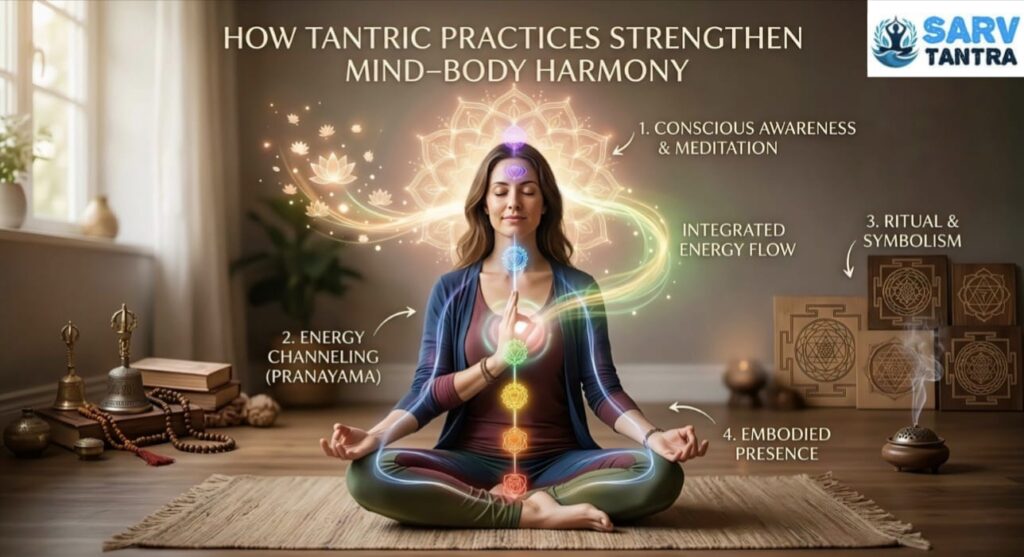
Tantra emphasizes embodiment—bringing awareness back into the body. This has profound effects on mental health.
Benefits of Body Awareness in Tantra
-
Grounds racing thoughts
-
Reduces anxiety and overthinking
-
Improves emotional regulation
-
Enhances sense of safety and presence
By regularly returning attention to physical sensations, the mind naturally slows down. The body becomes an anchor, offering stability amid mental fluctuations.
Over time, this embodied presence strengthens mental clarity and emotional balance.
Tantra and Stress Resilience
Stress is unavoidable, but chronic stress is not. Tantra does not aim to eliminate stress but to change our relationship with it.
Through tantric awareness:
-
Stress signals are noticed earlier
-
The body responds with relaxation rather than resistance
-
Recovery from stress becomes faster
Tantra teaches how to stay present even in discomfort, preventing stress from accumulating in the nervous system. This ability to remain aware during challenging moments builds long-term stress resilience.
As resilience grows, mental well-being becomes less dependent on external circumstances.
The Role of Breath in Mental Well-Being
Breath is a central element in Tantra. It acts as a bridge between the conscious and unconscious mind.
Tantric breathing is not about control or performance. Instead, it emphasizes:
-
Natural rhythm
-
Awareness of sensation
-
Subtle energetic flow
Conscious breathing calms the mind, regulates emotions, and supports nervous system balance. Over time, breathing patterns naturally become slower and deeper, reflecting inner calm.
This shift in breathing supports mental well-being continuously—not just during practice, but throughout daily life.
Developing Inner Stability Through Tantra
One of the most valuable benefits of Tantra is inner stability—the ability to remain centered despite life’s ups and downs.
Inner stability arises from:
-
Self-awareness
-
Emotional integration
-
Nervous system regulation
-
Acceptance of impermanence
Tantra teaches that stability does not come from controlling life, but from meeting life with presence. This perspective reduces fear, anxiety, and mental resistance.
As inner stability grows, mental well-being becomes self-sustaining rather than reactive.
Tantra and Self-Compassion
Harsh self-judgment is a hidden cause of long-term mental distress. Tantra encourages a compassionate relationship with oneself.
Through tantric awareness:
-
Inner criticism softens
-
Self-acceptance deepens
-
Emotional safety increases
This self-compassion creates a nurturing inner environment where mental healing can occur naturally. Over time, the mind becomes kinder, quieter, and more supportive.
Long-Term Mental Well-Being as a Lifestyle
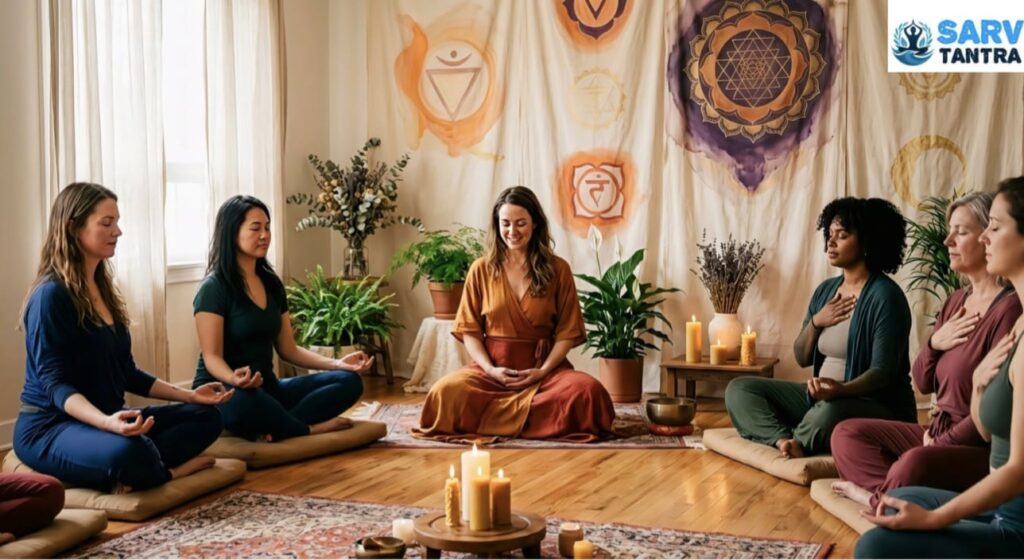
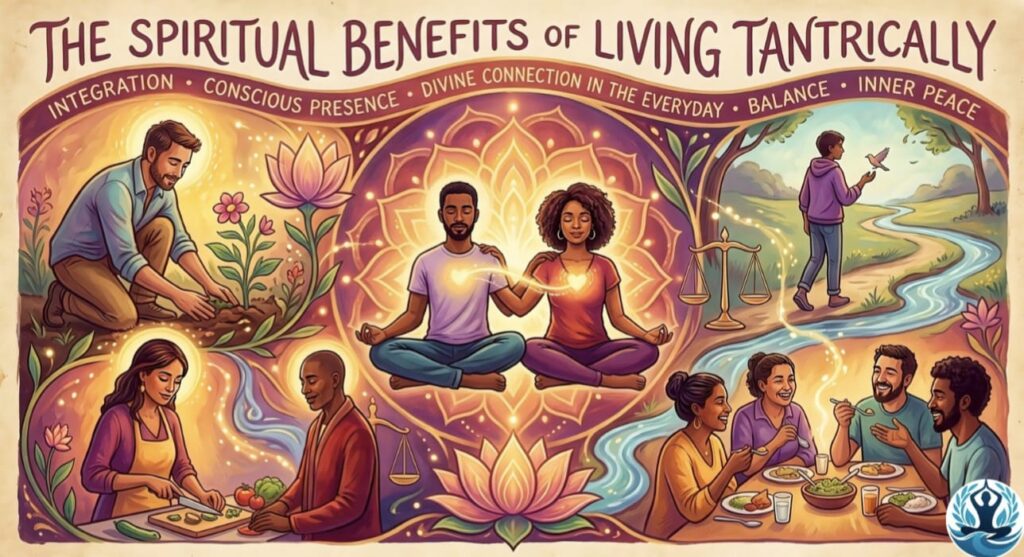
Tantra is not limited to meditation sessions. It is meant to be lived.
Tantric principles can be integrated into:
-
Walking
-
Eating
-
Working
-
Resting
-
Relating with others
By bringing awareness into everyday activities, mental well-being becomes woven into daily life. This consistency is what makes Tantra especially effective for long-term mental health.
Tantra vs Short-Term Mental Health Techniques
Many modern techniques focus on symptom management. Tantra focuses on root transformation.
| Short-Term Techniques | Tantric Approach |
|---|---|
| Suppress symptoms | Integrate experiences |
| Control the mind | Befriend the mind |
| Escape discomfort | Stay present with awareness |
| Quick relief | Lasting stability |
This fundamental difference is why Tantra supports mental well-being that endures over time.
Scientific Parallels With Modern Psychology
Although Tantra is ancient, its principles align closely with modern mental health research:
-
Somatic therapy
-
Mindfulness-based stress reduction
-
Polyvagal theory
-
Trauma-informed practices
These approaches recognize the importance of body awareness, nervous system regulation, and emotional integration—core elements of Tantra.
Who Can Benefit From Tantra for Mental Well-Being
Tantra can support:
-
People experiencing chronic stress or burnout
-
Those struggling with anxiety or emotional exhaustion
-
Individuals seeking deeper self-awareness
-
Anyone wanting sustainable mental balance
It is gentle, adaptable, and accessible to all, regardless of spiritual background.
Conclusion: A Sustainable Path to Mental Well-Being
Long-term mental well-being is not achieved by avoiding challenges or controlling the mind. It arises from deep awareness, embodiment, and emotional integration.
Tantra offers a holistic path that honors the complexity of human experience. By regulating the nervous system, cultivating presence, and fostering self-compassion, Tantra supports mental health in a way that is sustainable, natural, and deeply transformative.
Rather than striving for constant happiness, Tantra teaches us how to remain stable, aware, and connected—no matter what life brings. This is the true foundation of long-term mental well-being.