

Rewiring the Stress Response Through Tantric Practices


Stress has become the background noise of modern life. Even during moments of rest, many people feel internally tense, alert, or emotionally exhausted. This is not simply a mental issue—it is a conditioned stress response embedded deep within the nervous system.
Most stress-management techniques aim to control stress: suppress thoughts, push the body to relax, or distract the mind. While these methods may offer temporary relief, they often fail to create lasting change. The stress response returns because it has never been rewired at the root level.
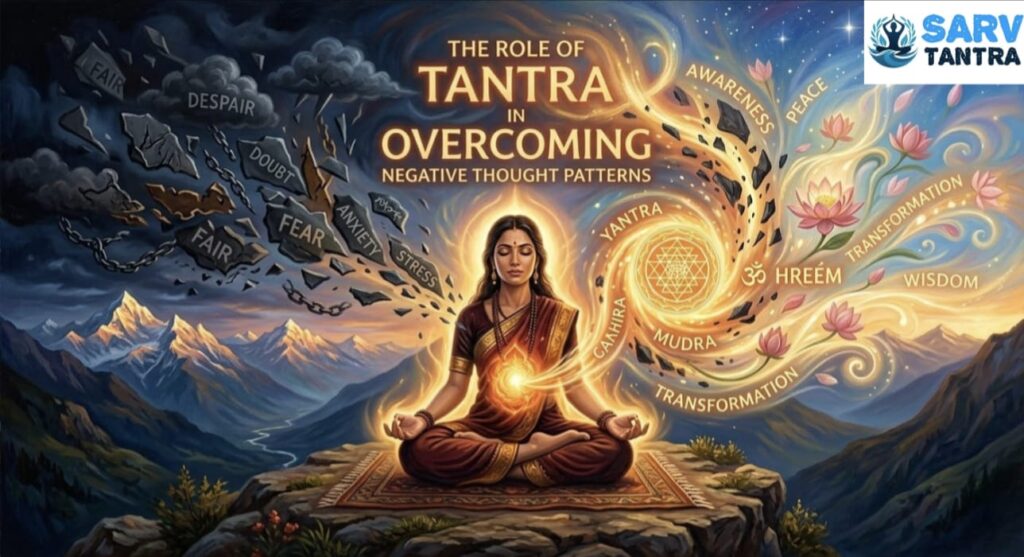
This is where Tantric practices offer a fundamentally different approach. Tantra does not fight stress or try to override it. Instead, it works directly with the body, breath, awareness, and subtle energy systems to gently retrain how the nervous system responds to life.
Rewiring the stress response through tantric practices is not about escaping pressure—it is about building the capacity to remain present, grounded, and resilient even when pressure exists.
Understanding the Stress Response: More Than Just the Mind
Stress is commonly understood as a mental state, but biologically it is a survival mechanism. When the brain perceives threat—real or imagined—it activates the sympathetic nervous system, triggering the well-known fight, flight, or freeze response.
Chronic Stress and Nervous System Imbalance
In modern life, threats are rarely physical, yet the body reacts as if survival is constantly at stake. Deadlines, financial concerns, emotional conflict, and unresolved trauma keep the nervous system locked in high alert.
Over time, this leads to:
-
Persistent anxiety and restlessness
-
Emotional reactivity or numbness
-
Shallow breathing and muscle tension
-
Sleep disturbances and fatigue
-
Disconnection from bodily sensations
The nervous system forgets how to return to safety. Stress becomes the default state.
Why Conventional Stress Relief Often Falls Short
Many popular stress-relief methods focus on top-down regulation—trying to calm the mind through positive thinking, affirmations, or forced relaxation.
While helpful, these approaches may fail because:
-
Stress is stored in the body, not just the mind
-
The nervous system cannot be reasoned with
-
Suppression often increases internal tension
-
Trauma and emotional memory bypass conscious control
True healing requires a bottom-up approach—one that communicates safety directly to the body.
Tantra’s Unique Approach to Stress Healing
Tantra is an ancient system of embodied awareness. At its core, Tantra recognizes that consciousness lives in the body, not apart from it. Instead of escaping discomfort, Tantra teaches how to meet experience fully, without resistance.
Key Tantric Principles Relevant to Stress
-
Presence over performance – Nothing needs to be fixed
-
Sensation over interpretation – Feel before thinking
-
Acceptance before transformation – Safety precedes change
-
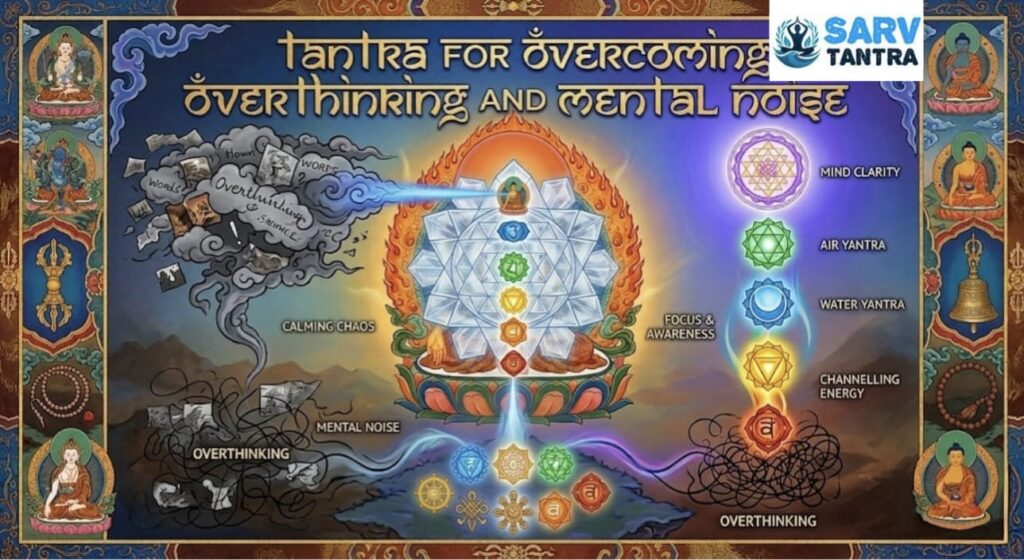
Energy awareness – Stress is blocked or distorted energy
-
Embodiment – Healing occurs through lived experience
Through these principles, tantric practices gradually rewire how the nervous system processes stress.
How Tantra Rewires the Stress Response
1. Shifting from Hypervigilance to Safety
Stress thrives in anticipation—constantly scanning for what might go wrong. Tantra brings awareness into the present-moment body, where danger often does not exist.
By feeling the breath, heartbeat, weight of the body, and subtle sensations, the nervous system receives signals of safety. Over time, the brain learns that it no longer needs to stay on high alert.
This rewiring happens through direct experience, not intellectual understanding.
2. Breath as a Gateway to Nervous System Regulation
Tantric breathing is slow, conscious, and non-forced. Unlike breathwork techniques that push intensity, tantric breath respects the body’s pace.
Benefits include:
-
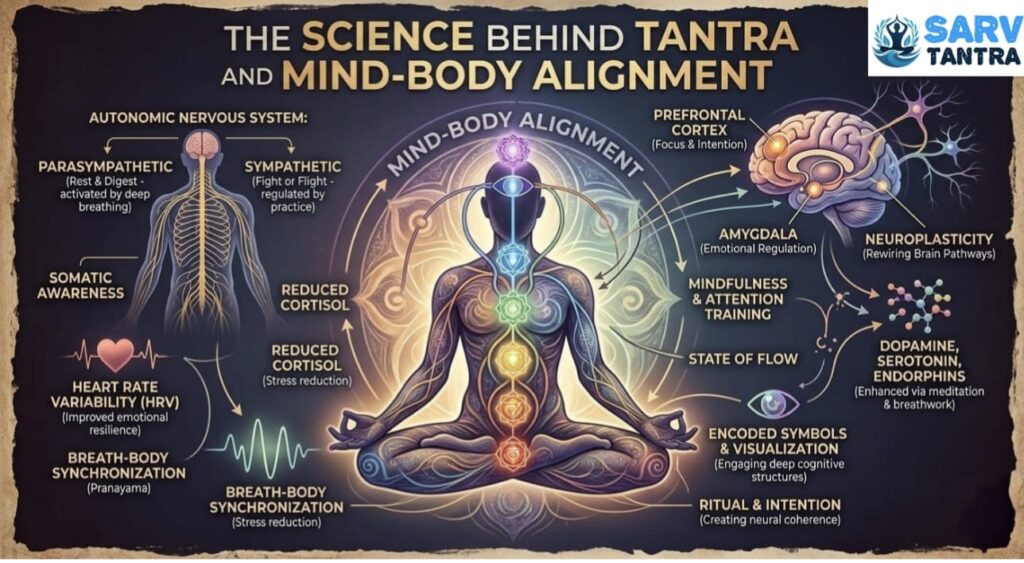
Activating the parasympathetic (rest-and-digest) response
-
Releasing tension stored in the diaphragm and chest
-
Reducing cortisol levels naturally
-
Creating rhythmic coherence between body and mind
When practiced regularly, tantric breathing retrains the nervous system to associate awareness with calm, rather than threat.
3. Restoring Sensory Trust Through Body Awareness
Chronic stress disconnects us from bodily sensations. Many people live “from the neck up,” unaware of subtle signals until burnout occurs.
Tantric body awareness practices gently restore:
-
Sensory intelligence
-
Emotional regulation
-
Early detection of stress cues
-
A felt sense of grounding
As awareness returns to the body, the nervous system regains self-regulating capacity, reducing the intensity and duration of stress responses.
4. Allowing Emotions Without Overwhelm
Stress often masks unprocessed emotions—fear, grief, anger, or shame. Tantra teaches emotional presence without collapse.
Instead of analyzing emotions, practitioners learn to:
-
Feel emotions as physical sensations
-
Stay anchored in breath and posture
-
Avoid suppression or expression extremes
-
Let emotions move and dissolve naturally
This prevents emotional buildup that would otherwise keep the stress response activated.
5. Releasing Stored Tension and Trauma
Modern neuroscience confirms what Tantra understood thousands of years ago: the body remembers.
Tantric practices help release stress stored in:
-
Jaw, neck, shoulders, and hips
-
Solar plexus and heart center
-
Pelvic region and lower back
Through slow movement, awareness, and breath, these areas soften. As the body releases tension, the nervous system learns that the threat has passed.
Tantric Practices That Rewire Stress at the Root
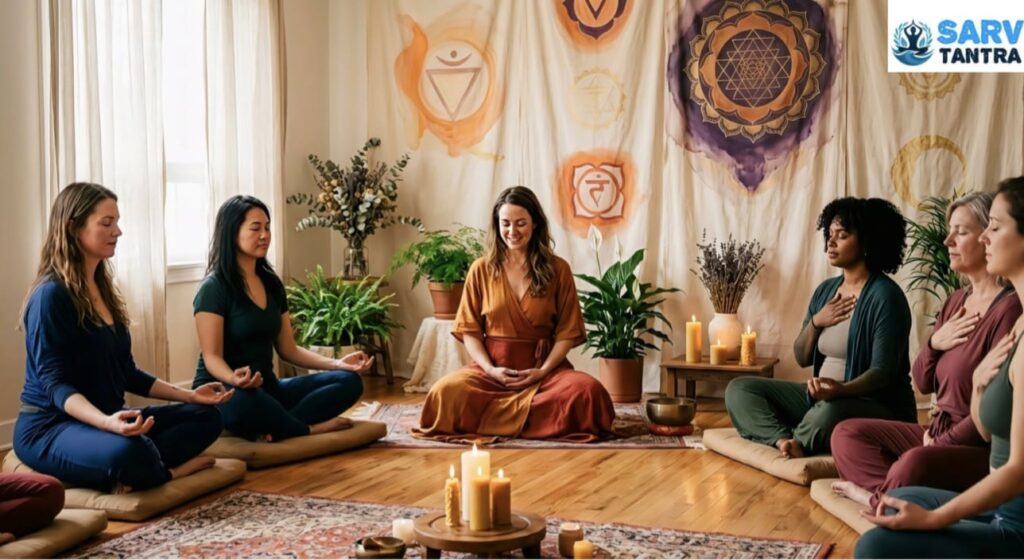
Tantric Grounding Meditation
This practice anchors awareness in the lower body, counteracting stress-induced dissociation.
Benefits:
-
Stabilizes emotional fluctuations
-
Reduces anxiety and overthinking
-
Creates a sense of inner safety
Micro-Tantric Pauses During the Day
Short moments of awareness—30 seconds to 2 minutes—interrupt automatic stress loops.
Examples:
-
Feeling your feet on the ground
-
Conscious exhalation before responding
-
Softening the belly while breathing
These micro-practices accumulate into long-term nervous system change.
Tantric Body Scanning
Unlike traditional body scans, tantric scanning emphasizes felt sensation without judgment.
This practice:
-
Increases interoceptive awareness
-
Trains the brain to stay with sensation
-
Prevents stress escalation
Heart-Centered Awareness
Stress often closes the heart energetically. Gentle awareness in the chest restores emotional balance and relational ease.
Over time, this practice:
-
Reduces defensive reactions
-
Enhances compassion toward self
-
Builds emotional resilience
Long-Term Benefits of Rewiring Stress Through Tantra
With consistent practice, individuals often experience:
-
A calmer baseline nervous system
-
Reduced anxiety and panic responses
-
Improved sleep quality
-
Better emotional boundaries
-
Increased capacity to handle pressure
-
A deeper sense of trust in life
Importantly, stress may still arise—but it no longer dominates.
Tantra vs. Traditional Mindfulness for Stress
While mindfulness emphasizes observation, Tantra emphasizes participation.
| Mindfulness | Tantra |
|---|---|
| Observe stress | Feel stress fully |
| Neutral awareness | Embodied awareness |
| Mental focus | Sensory and energetic focus |
| Detachment | Integration |
Both are valuable, but Tantra is especially effective for people who feel stuck in their bodies, overwhelmed, or emotionally numb.
Who Can Benefit Most from Tantric Stress Practices
Tantric stress rewiring is particularly helpful for:
-
Chronic stress and burnout sufferers
-
Highly sensitive individuals
-
Trauma-informed healing seekers
-
Professionals under constant pressure
-
Those who feel disconnected from their bodies
No spiritual background is required—only willingness to be present.
Common Misconceptions About Tantra and Stress
Myth: Tantra is only about sexuality
Truth: Authentic Tantra is about awareness, energy, and embodiment
Myth: You must be calm to practice Tantra
Truth: Tantra works with stress, not against it
Myth: Results take years
Truth: Nervous system shifts often begin within weeks
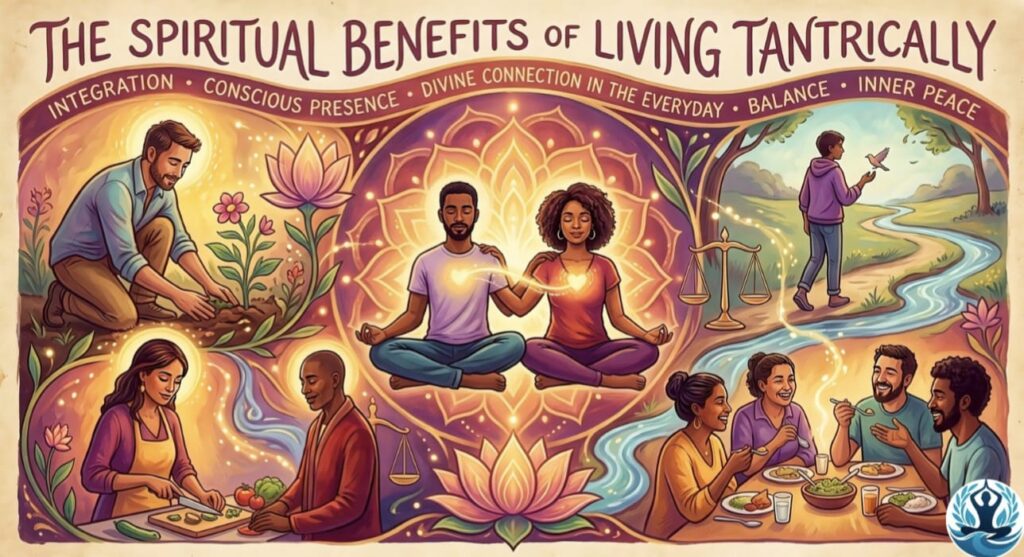
Integrating Tantra into Daily Life
Tantric stress healing is most powerful when woven into ordinary moments:
-
Conscious breathing while walking
-
Feeling the body during conversations
-
Pausing before reacting emotionally
-
Listening to bodily cues instead of pushing
This integration transforms life itself into a regulating practice.
Conclusion: From Survival Mode to Living Presence
Rewiring the stress response through tantric practices is not about becoming stress-free. It is about moving from survival mode to embodied presence.
By meeting the body with awareness, breath, and acceptance, Tantra teaches the nervous system a new language—one of safety, trust, and resilience.
In a world that constantly demands more, Tantra offers something radical:
the ability to remain grounded without resistance, calm without suppression, and alive without exhaustion.