

Tantra and the Art of Emotional Liberation

Introduction
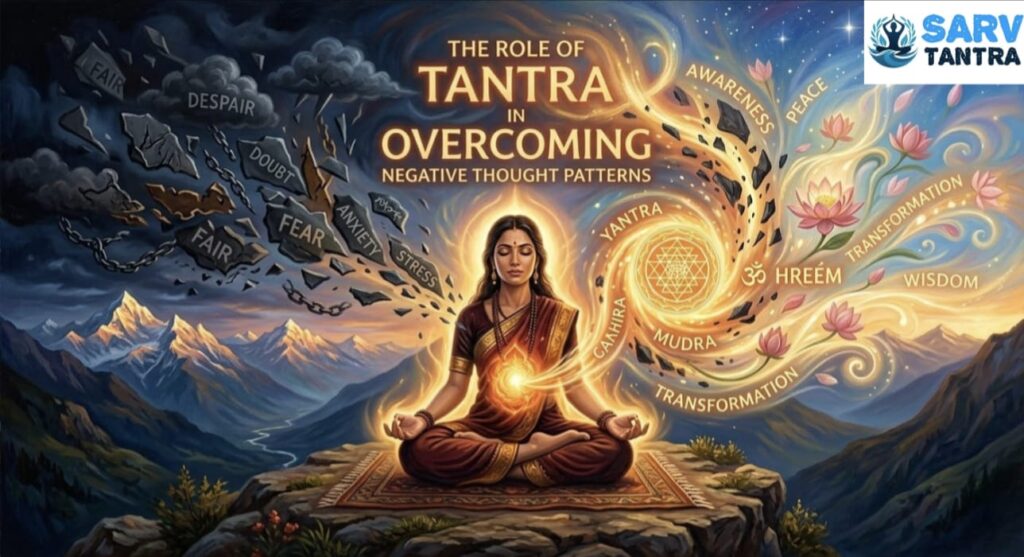
Tantra, at its core, is not merely about rituals, energy, or sensuality—it is a complete path of awakening that embraces the totality of human experience. Among its profound teachings lies an often-overlooked dimension: the liberation of emotions. Tantra views emotions not as obstacles but as gateways to consciousness. Where conventional spirituality often teaches suppression or detachment from emotions, Tantra invites full engagement with them, transforming emotional energy into awareness and inner freedom. Emotional liberation in Tantra is about understanding, embracing, and transmuting the energy behind emotions into higher states of being.
Understanding Emotions in Tantra
In Tantra, emotions are seen as expressions of prana—the vital life force that animates all existence. Every emotion, whether joy, anger, fear, or sadness, carries a unique vibration that holds immense transformative potential. Rather than labeling emotions as positive or negative, Tantra encourages seeing them as movements of energy seeking release and integration. When emotions are suppressed, they stagnate and manifest as mental or physical tension. When they are fully felt with awareness, they become tools for spiritual growth.
The Tantric view of emotions transcends the duality of good and bad. It recognizes that emotional energy is neutral until shaped by our mind’s interpretation. By shifting the focus from judgment to awareness, one learns to harness emotions as fuel for consciousness rather than sources of suffering.
The Roots of Emotional Suppression
Modern society teaches control, restraint, and avoidance of strong emotions. From childhood, people are conditioned to hide their anger, mask their sadness, and restrain their joy. This conditioning creates emotional walls that distance individuals from their true selves. Tantra recognizes that these emotional blockages distort the natural flow of energy through the chakras and prevent authentic connection—with oneself and with others.
The heart, in particular, becomes burdened by unresolved emotional residues. When the heart chakra is blocked, one may experience loneliness, anxiety, or emotional numbness. Tantra seeks to dissolve these layers of suppression through conscious expression, presence, and acceptance. The process of emotional liberation begins when one stops resisting emotions and allows them to be experienced fully without judgment.
Tantric Approach to Emotional Awareness
Tantra emphasizes awareness as the foundation for emotional healing. Instead of reacting impulsively to emotions, the practitioner learns to witness them as passing waves of energy. Awareness transforms the emotion from an unconscious reaction to a conscious experience.
A simple Tantric practice is to bring attention to the bodily sensations associated with emotion. For example, when anger arises, one observes the heat, tension, or pulsation in the body without suppressing or acting upon it. This observation allows the energy to flow naturally and eventually dissolve into stillness. The same principle applies to sadness, fear, or desire. Through mindful awareness, emotions become portals to deeper layers of consciousness.
The Transformative Power of Acceptance
Acceptance is central to Tantric emotional liberation. True healing happens not through resistance but through allowing. When an emotion is accepted fully, it loses its grip. The energy behind it is released, often transforming into peace or clarity.
Tantra teaches that what is resisted persists, and what is embraced transforms. This principle applies to all emotional states. When one accepts anger, it can reveal inner strength. When one accepts sadness, it can open the heart to compassion. When one accepts fear, it can turn into courage. Every emotion, when allowed, reveals its hidden wisdom.
Practices for Emotional Liberation
Tantra offers many practices to work with emotions consciously. These practices help dissolve emotional knots and awaken inner harmony.
- Breath Awareness:
Breath is the bridge between the body and emotions. Conscious breathing helps regulate emotional energy and bring awareness into the present. Deep, rhythmic breathing calms the nervous system and allows emotions to move freely without suppression. - Sound and Mantra:
Sound is a powerful vehicle for emotional release. Chanting mantras or vocalizing sounds like “Aah,” “Ooh,” or “Hmm” can help express emotions that are stuck in the body. Vibrations from sound can open energy centers and bring balance to the emotional body. - Movement and Dance:
In Tantra, dance and movement are sacred expressions of emotional energy. Spontaneous movement allows emotions to be expressed physically, freeing the body from stored tension. Dancing with awareness becomes a meditation, where each movement is an offering to existence. - Meditation on Emotions:
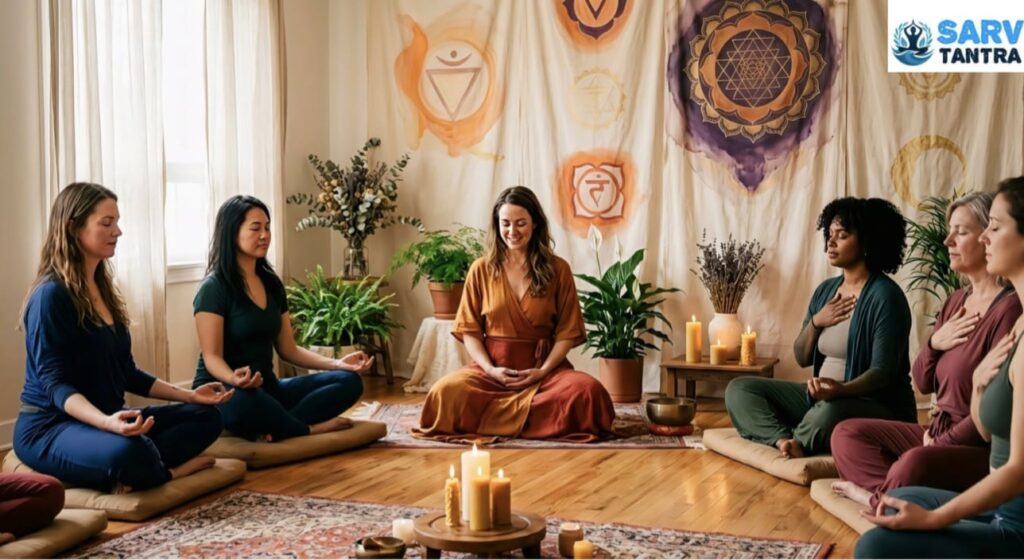
Sitting in silence and observing emotions as they arise without labeling them is a deep Tantric practice. One simply feels the emotion as pure energy. Over time, this cultivates emotional intelligence and equanimity. - Eye Gazing and Partner Practices:
Emotional healing can also occur through conscious connection with another. In Tantric partner practices like eye gazing, emotions surface naturally. By holding presence with another person, one learns to remain open and compassionate even when vulnerability arises.
The Role of the Heart in Emotional Healing
The heart is the central portal of transformation in Tantra. It is where emotions, once chaotic, can be purified into love and compassion. When the heart opens, emotional wounds begin to dissolve naturally. Tantra emphasizes the importance of connecting with the heart through breath, meditation, and loving awareness.
An open heart allows one to feel deeply yet remain centered. Emotional liberation is not about becoming detached but about embracing emotions without being consumed by them. The heart becomes a sanctuary where all emotions are welcomed and transformed into love.
From Emotional Chaos to Emotional Wisdom
Emotional chaos occurs when one identifies with emotions rather than witnessing them. Tantra teaches that emotions are temporary; they arise, peak, and dissolve. By recognizing this impermanent nature, one no longer gets trapped in emotional drama.
Through continuous practice, emotions become sources of insight. Anger reveals boundaries, sadness teaches surrender, and joy reflects alignment. This transformation of emotions into wisdom is one of the highest forms of spiritual maturity in Tantra.
Integration of Shadow Emotions
Tantra does not deny the darker emotions such as jealousy, shame, or guilt. Instead, it brings them into the light of awareness. These so-called shadow emotions are part of human wholeness. By facing them courageously, one integrates the fragmented parts of the self.
Shadow integration allows authenticity to emerge. When one no longer hides behind masks, life becomes an expression of truth. Tantra honors the entire spectrum of emotions as pathways to self-realization.
The Union of Emotion and Consciousness
At the deepest level, Tantra sees no separation between emotion and consciousness. Emotions are consciousness in motion. When observed through awareness, emotion merges back into its source—pure consciousness. This union is the essence of Tantric liberation.
When consciousness embraces emotion, a profound alchemy occurs. The fire of emotion burns away ignorance, and what remains is clarity, love, and presence. This integration marks the beginning of emotional mastery—the ability to feel everything without being enslaved by anything.
Emotional Liberation in Daily Life
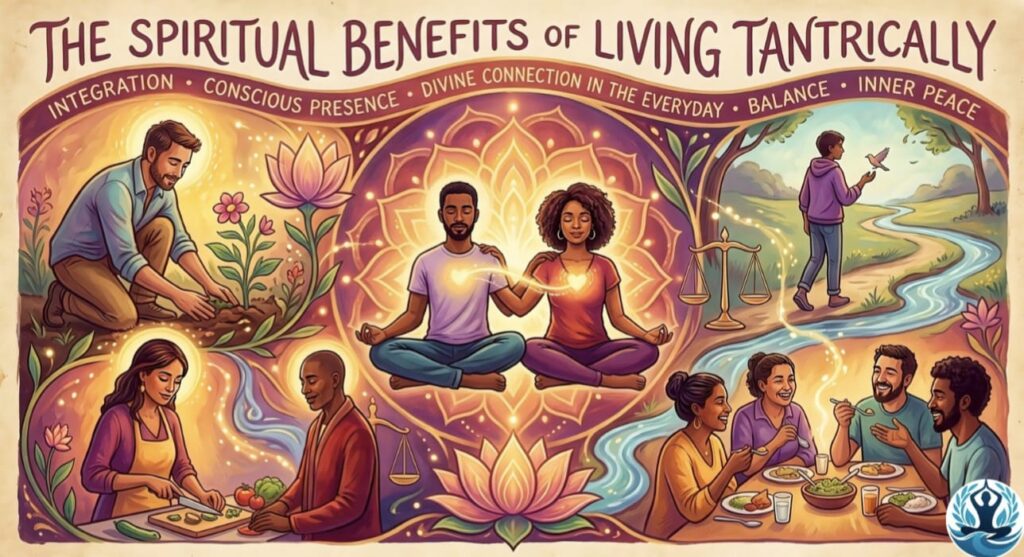
Tantric emotional awareness is not limited to meditation but extends into daily living. Every interaction, relationship, or challenge becomes an opportunity to practice presence and emotional intelligence.
When confronted with emotional triggers, a Tantric practitioner pauses, breathes, and observes instead of reacting. Over time, this creates emotional resilience and inner freedom. Life becomes a dance where emotions flow naturally without distortion.
In relationships, emotional transparency deepens intimacy. When both partners allow emotions to be expressed openly and consciously, the relationship transforms into a sacred space for growth.
The Role of Compassion and Forgiveness
Compassion and forgiveness are essential for emotional liberation. Compassion allows one to understand others’ emotions without judgment, while forgiveness releases the energetic burden of past hurts. Tantra teaches that holding onto resentment or guilt keeps energy trapped. Releasing them through compassion opens the heart and restores balance.
Forgiveness in Tantra is not about condoning but about freeing oneself from emotional entanglement. It is an act of love toward oneself and others.
Emotional Liberation and Enlightenment
Tantra sees enlightenment not as an escape from emotions but as complete integration. A liberated being feels emotions fully yet remains rooted in awareness. Emotions become expressions of divine play rather than sources of suffering.
In this state, every emotion—whether joy or sorrow—becomes sacred. Awareness and emotion merge into a single current of aliveness. This is emotional liberation in its truest form: freedom within feeling.
Conclusion
Tantra’s approach to emotional liberation is a path of deep acceptance and transformation. By embracing emotions as gateways to consciousness, one transcends the cycle of suppression and reaction. Emotional liberation is not about controlling feelings but about awakening through them.
Through awareness, acceptance, and love, emotions transform from turbulence into tranquility, from chaos into clarity, from pain into presence. Tantra teaches that every emotion, when met with awareness, becomes a step toward freedom. Emotional liberation, therefore, is not the end of feeling but the beginning of conscious living.