

Tantra and the Path of Divine Surrender

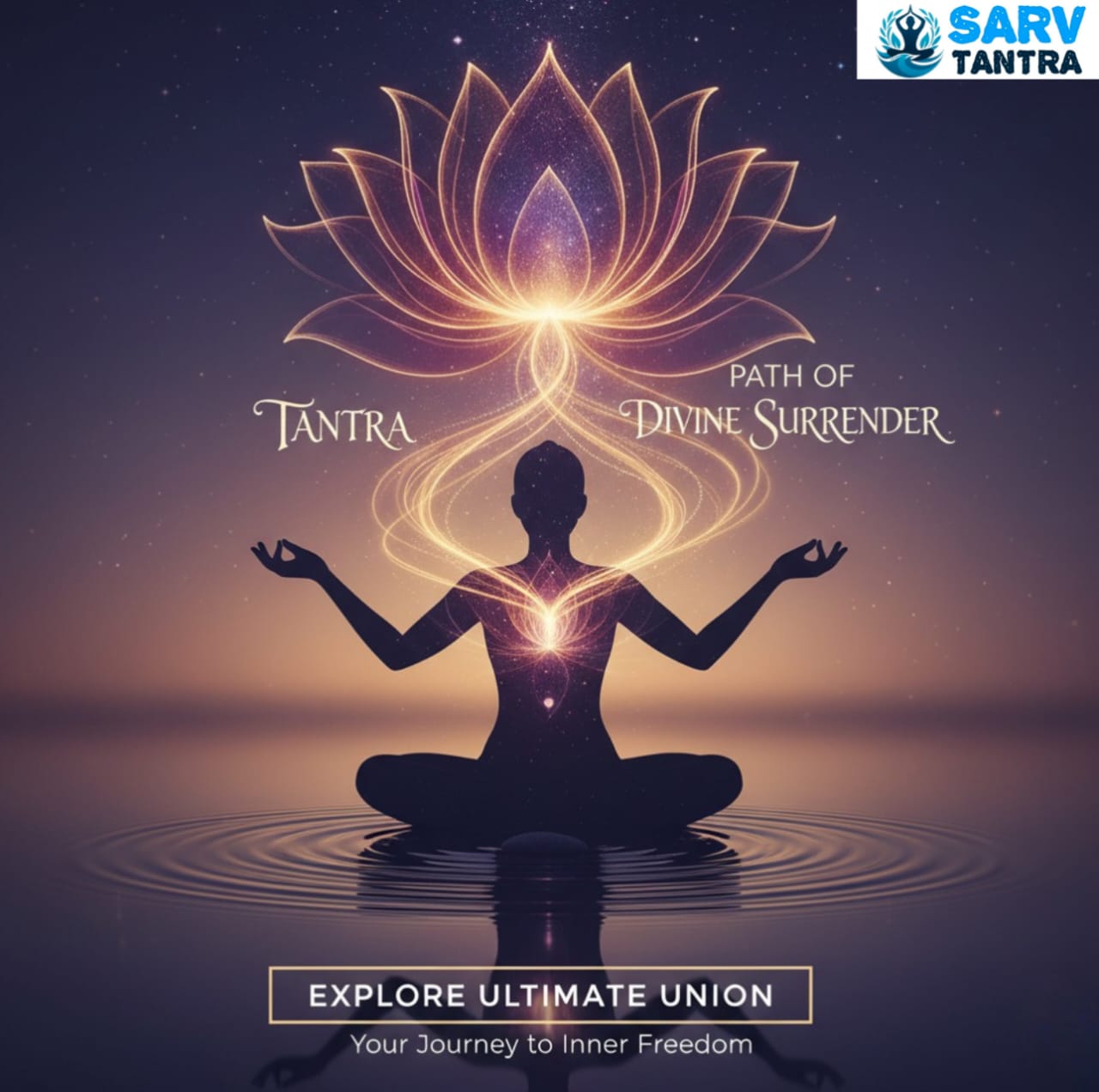
Tantra is a journey that embraces every dimension of human existence — body, mind, and spirit — and transforms ordinary experiences into sacred expressions of the divine. Among its many teachings, the concept of divine surrender stands as one of the most profound. In Tantra, surrender is not about weakness or submission, but about releasing the ego’s control and merging with universal consciousness. It is a path that invites the practitioner to dissolve personal boundaries and experience unity with existence itself. This exploration of Tantra and divine surrender reveals how letting go becomes the most powerful act of awakening.
Understanding Divine Surrender in Tantra
Divine surrender in Tantra is an act of deep trust. It is the willingness to release resistance and allow life to flow through without the interference of fear or judgment. In modern life, surrender is often misunderstood as passive or submissive behavior, but in Tantric philosophy, it is an empowered state of awareness. The practitioner surrenders not to another person, but to the divine essence within and around them.
When one practices surrender, they move beyond the illusion of control that the mind constantly tries to maintain. Tantra teaches that most suffering arises from resistance — the refusal to accept what is. By surrendering, one stops fighting reality and begins to experience the divine presence in every moment. It is not about giving up desires or duties but aligning them with the natural flow of existence.
The Ego and the Illusion of Control
At the core of human struggle lies the ego — the part of consciousness that identifies with individuality and separation. The ego’s purpose is to create a sense of self, which is useful for survival, but when over-identified with, it becomes a barrier to spiritual awakening. The ego constantly seeks control: control over outcomes, people, emotions, and even the divine. Tantra recognizes that true freedom can only emerge when the ego’s illusion of control is surrendered.
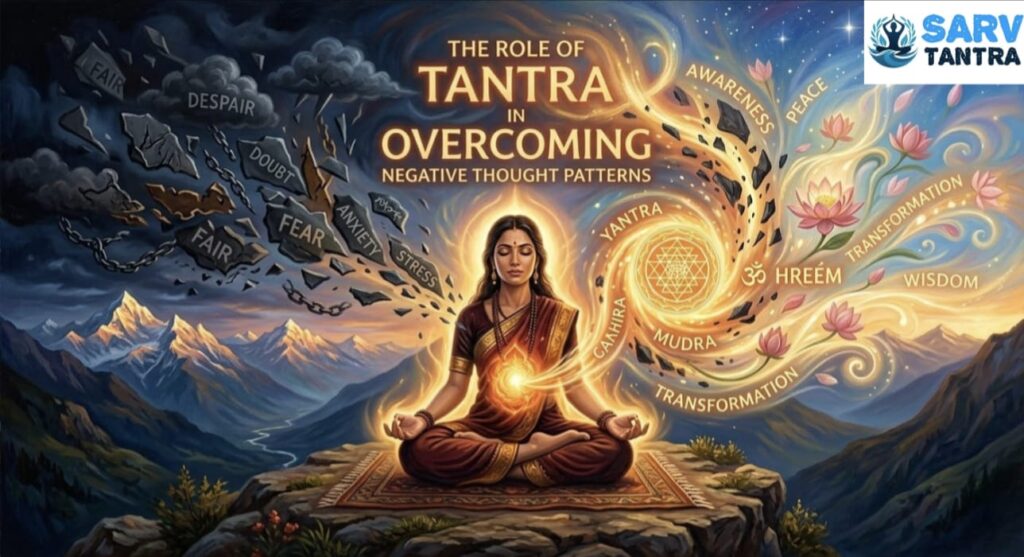
Through surrender, the ego loses its grip. The practitioner realizes that life is not something to be controlled but experienced. When one allows themselves to be guided by the divine current, fear and anxiety begin to dissolve. The mind becomes quiet, and the heart opens to a deeper intelligence — one that flows from the universal source. This is the moment when surrender transforms into liberation.
Surrender as a Sacred Practice
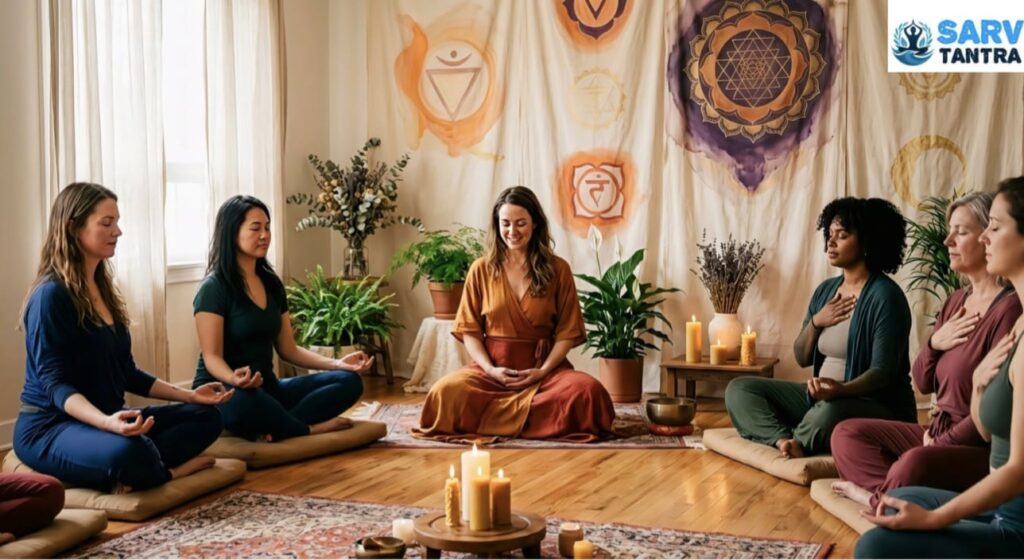
Tantric surrender is not a one-time act; it is a continuous process. It begins with awareness — noticing the moments when the mind resists or clings. Each time one chooses to release that resistance, surrender deepens. Tantric rituals, meditations, and breathwork are designed to support this letting go. Through breath, movement, and sacred connection, practitioners learn to drop into the present moment, where surrender naturally happens.
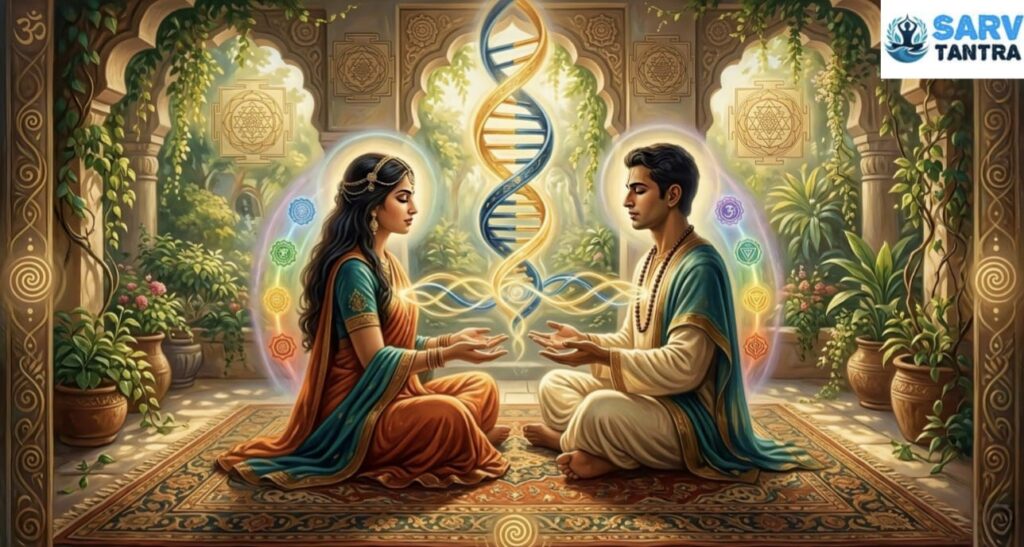
In partner practices, surrender takes on another dimension. When two individuals engage consciously, they mirror each other’s surrender to the divine. Rather than seeking dominance or control, they open themselves to the flow of energy between them. In this union, surrender becomes devotion — not to the other person, but to the divine that manifests through them.
Surrender and the Feminine Principle
In Tantra, the concept of surrender is deeply connected with the feminine principle, often represented as Shakti — the dynamic, creative energy of existence. The feminine is receptive, flowing, and open. Surrender, therefore, is an embrace of the Shakti within, regardless of gender. When one allows life to move through them, they awaken the sacred feminine.
However, Tantra does not view surrender as belonging only to the feminine. Both masculine and feminine energies exist within each individual. The divine masculine (Shiva) provides consciousness and stillness, while the divine feminine (Shakti) expresses flow and movement. Surrender in Tantra is the dance between these two forces — Shiva witnessing and Shakti unfolding. The practitioner learns to embody both, experiencing unity within duality.
The Role of Devotion and Trust
Divine surrender requires trust — trust in oneself, in the path, and in existence. Without trust, surrender feels impossible. Tantra cultivates trust through direct experience rather than belief. When one practices awareness and presence, they begin to perceive the intelligence that governs life. This awareness naturally leads to devotion.
Devotion in Tantra is not about worshipping an external deity but about recognizing the divine in everything. When the practitioner surrenders in devotion, they move from doing to being. The heart becomes the temple, and every action becomes prayer. This is where divine surrender transforms from a concept into a lived reality.
Surrender in Daily Life
While Tantric surrender is often experienced in meditation or ritual, its true essence lies in daily life. Every situation offers an opportunity to practice letting go — of expectations, judgments, and control. When faced with conflict, surrender invites stillness instead of reaction. When confronted with uncertainty, surrender teaches trust instead of fear.
In relationships, surrender allows for authentic connection. Instead of trying to change or possess the other, one allows love to flow freely. In work, surrender means performing action with full awareness, without attachment to the outcome. This does not mean becoming indifferent but engaging life fully while remaining detached from results.
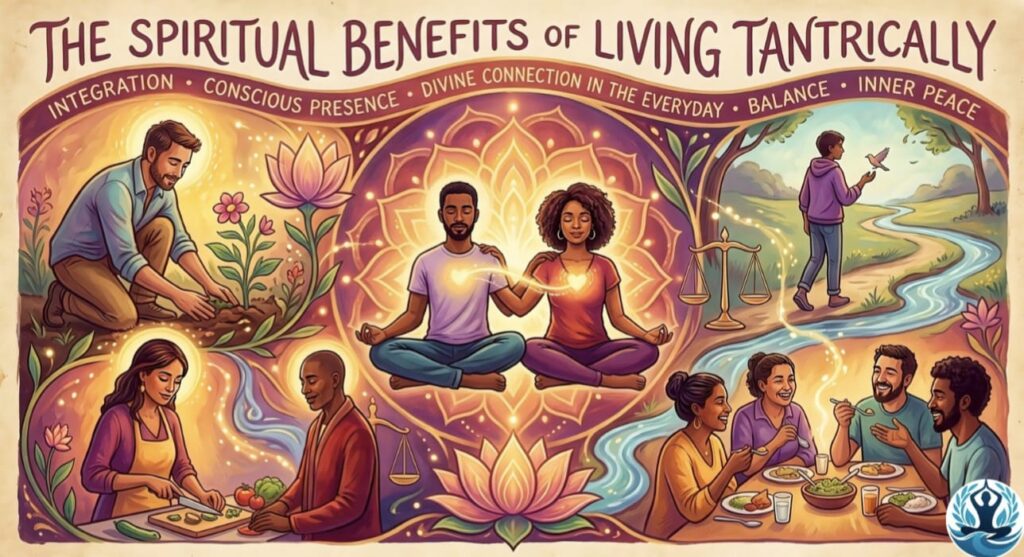
Through such living surrender, every moment becomes sacred. The practitioner learns to see the divine even in the mundane — in laughter, in pain, in silence, and in chaos. The ego no longer divides life into good or bad; everything becomes an expression of divine play, or Lila.
Surrender and Sexual Energy
Tantra regards sexual energy as one of the most powerful forces of transformation. In sacred sexuality, surrender is the key that opens the door to divine union. When partners surrender to the moment without seeking climax or control, energy rises naturally through the body, awakening higher states of consciousness.
This surrender is not about losing oneself in passion but about transcending personal desire. As the boundaries of the self dissolve, the lovers experience oneness with the divine. The act of love becomes meditation — a journey from physical pleasure to spiritual ecstasy. Here, surrender reveals its ultimate truth: that love and divinity are one.
The Challenge of Letting Go
While surrender sounds beautiful, it is one of the most challenging practices. The mind constantly seeks security and control. Letting go feels like losing identity or power. Tantra acknowledges this struggle and teaches that resistance is part of the journey. Each moment of awareness — even of resistance — becomes an opportunity for growth.
Tantric teachers often emphasize patience and compassion during this process. Surrender cannot be forced; it unfolds naturally when the practitioner becomes ready. Through self-acceptance, the walls of fear and control begin to soften. Gradually, the seeker realizes that surrender is not the loss of self, but the discovery of the true self.
The Stages of Surrender
- Awareness – The first stage begins with noticing one’s patterns of control and resistance. Awareness illuminates the moments when the ego tightens its grip.
- Acceptance – The practitioner learns to accept what arises without judgment. Acceptance opens the heart and relaxes the mind.
- Trust – Trust deepens as one witnesses the intelligence of life. Experiences start aligning naturally, affirming that surrender brings harmony.
- Release – The act of consciously letting go — of expectations, fears, and attachments — allows divine energy to flow.
- Union – At this stage, the separation between self and divine dissolves. The practitioner experiences pure being — a state of oneness.
Surrender and Meditation
In Tantric meditation, surrender is both the path and the goal. The practitioner begins by observing breath and sensations, allowing thoughts to arise without attachment. Gradually, as awareness expands, identification with the mind weakens. The meditator surrenders to silence — a silence that is not empty but full of presence.
Some Tantric meditations involve surrendering to energy movement within the body. By allowing energy to rise without control, the practitioner experiences spontaneous states of bliss. This surrender to the body’s wisdom teaches that awakening does not come through effort but through allowing.
Divine Surrender and Liberation
The ultimate purpose of divine surrender in Tantra is liberation — the awakening of consciousness to its infinite nature. When the individual self merges with the cosmic self, there is no longer a distinction between the seeker and the sought. The mind becomes still, desires fade, and awareness expands into eternity.
Liberation through surrender does not mean escaping the world but living in it with freedom. The practitioner acts, loves, creates, and experiences fully, yet remains unattached. Life becomes a dance of divine energy, and every act becomes a reflection of the eternal.
The Paradox of Surrender
Tantra reveals a deep paradox: one cannot truly surrender by effort. The very intention to surrender comes from the ego. Therefore, surrender happens only when the practitioner stops trying to control even the act of surrender. It is an effortless state of openness, born from deep trust and awareness.
This paradox teaches humility. The seeker realizes that awakening cannot be achieved, only received. When one finally stops striving, the divine reveals itself. The river of consciousness flows naturally, carrying the individual back to the ocean of existence.
Living the Essence of Divine Surrender
To live surrender is to live Tantra itself. It is to trust the rhythm of life, to open the heart to every experience, and to rest in the awareness that everything is sacred. Divine surrender transforms struggle into flow, resistance into acceptance, and separation into unity.
When one lives in surrender, every breath becomes prayer, every action becomes meditation, and every moment becomes divine. The seeker no longer looks for enlightenment elsewhere — they realize they have always been part of the infinite dance of existence.
Tantra and the path of divine surrender remind us that freedom is not found in control but in letting go. By surrendering to the divine, we return to our natural state of bliss, love, and unity — the essence of Tantra itself.