

Tantra as a Path to Sustainable Happiness


Modern culture often presents happiness as something to be achieved—through success, relationships, possessions, or personal improvement. This pursuit creates a cycle of striving: a brief high followed by another desire, another goal, another attempt to feel “enough.” While these experiences may bring temporary pleasure, they rarely lead to lasting contentment.
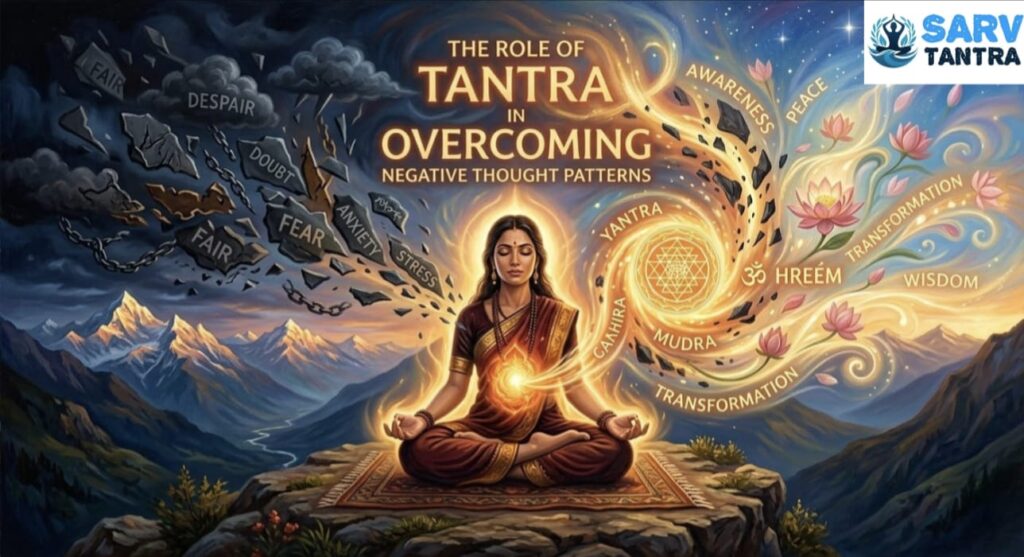
Tantra offers a radically different understanding of happiness. Rather than chasing external circumstances, Tantra points toward a natural state of wholeness that already exists within you. Happiness, from this perspective, is not something you earn; it is something you uncover.
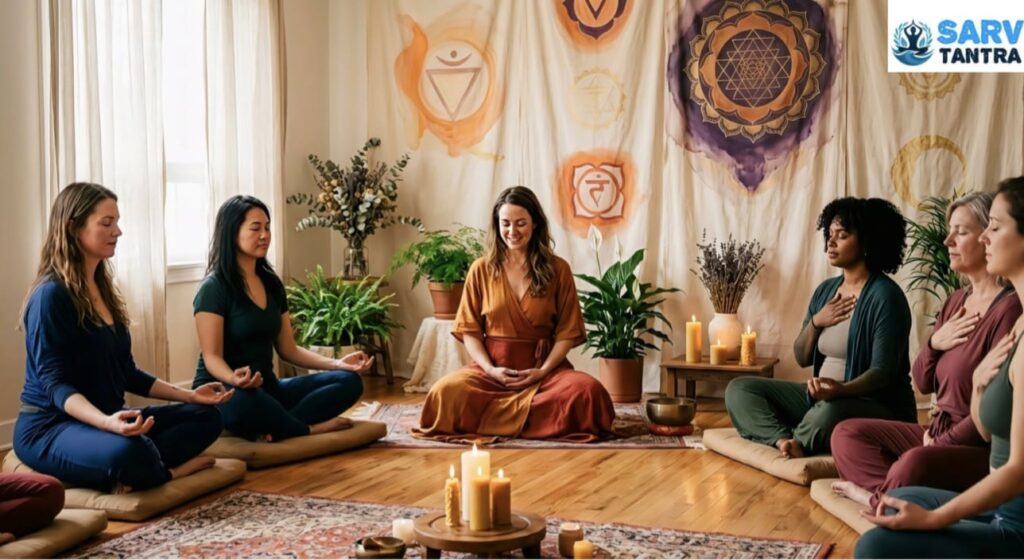
Tantra as a path to sustainable happiness emphasizes embodied awareness, presence, and intimacy with life itself. It teaches that fulfillment arises when you are fully connected to your body, emotions, breath, and energy—without suppression or force. Over time, this connection creates a stable sense of well-being that is not dependent on conditions.
This article explores how Tantra cultivates sustainable happiness, why it differs from conventional self-help approaches, and how its principles can be integrated into everyday life.
What Sustainable Happiness Really Means
Sustainable happiness is not constant excitement or perpetual positivity. It is a steady inner ease that remains even when life brings challenges. It includes:
-
Emotional flexibility
-
Inner peace beneath changing moods
-
Capacity to experience joy and sadness without collapse
-
A sense of meaning and connection
Tantra recognizes that life naturally includes pleasure, pain, and neutral sensations. Instead of trying to eliminate discomfort, Tantra teaches you how to remain present with all experiences. Paradoxically, this openness creates greater happiness than chasing pleasure alone.
When you stop fighting your inner world, vast amounts of energy are freed. This energy becomes available for creativity, love, and aliveness—forming the foundation of sustainable happiness.
Tantra’s Core Principle: You Are Already Whole
At the heart of Tantra is the understanding that you are not broken.
Many self-improvement systems are based on the idea that something is fundamentally wrong with you and must be fixed. Tantra dissolves this belief. It recognizes that suffering arises primarily from disconnection, not defect.
When you reconnect with your body, breath, and awareness, you naturally return to your original state of wholeness. Happiness emerges as a byproduct of this reunion.
This shift—from self-correction to self-remembrance—is one of Tantra’s greatest gifts.
Embodiment: The Gateway to Lasting Fulfillment
Most people live primarily in their minds. Thoughts dominate awareness, while the body becomes secondary. This imbalance creates tension, anxiety, and dissatisfaction.
Tantra places the body at the center of spiritual life.
Through embodiment practices, you learn to:
-
Feel sensations directly
-
Notice subtle energy movements
-
Stay present with physical experience
-
Trust bodily intelligence
As awareness descends from the head into the body, thinking slows naturally. The nervous system relaxes. A quiet joy begins to surface—not because anything special happened, but because you are finally home inside yourself.
This embodied presence becomes a stable source of happiness that does not rely on circumstances.
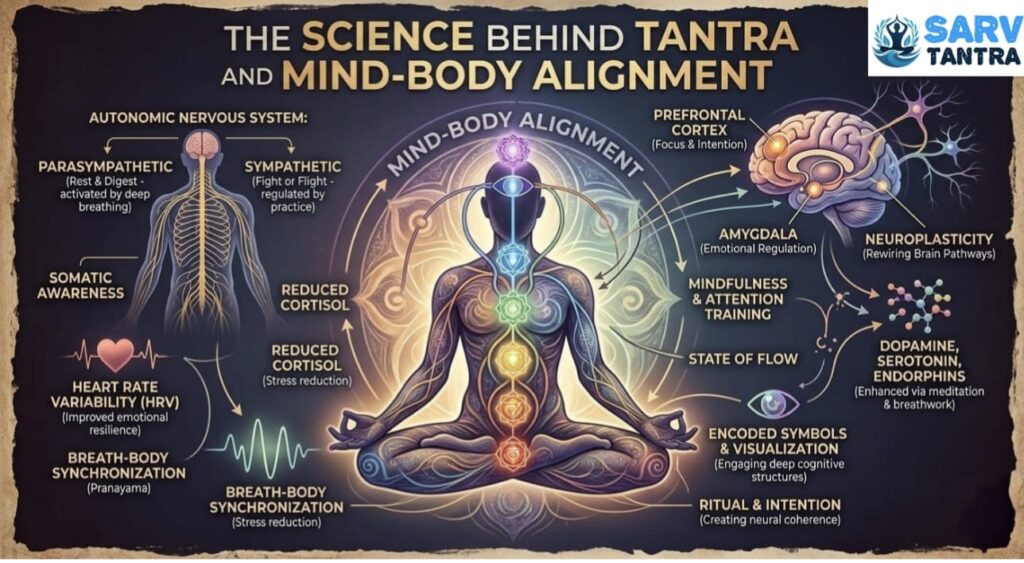
Nervous System Regulation and Happiness
Sustainable happiness is deeply connected to the state of your nervous system.
When the nervous system is chronically activated (fight-or-flight), the body remains in survival mode. In this state, lasting happiness is impossible because the system prioritizes protection over pleasure and connection.
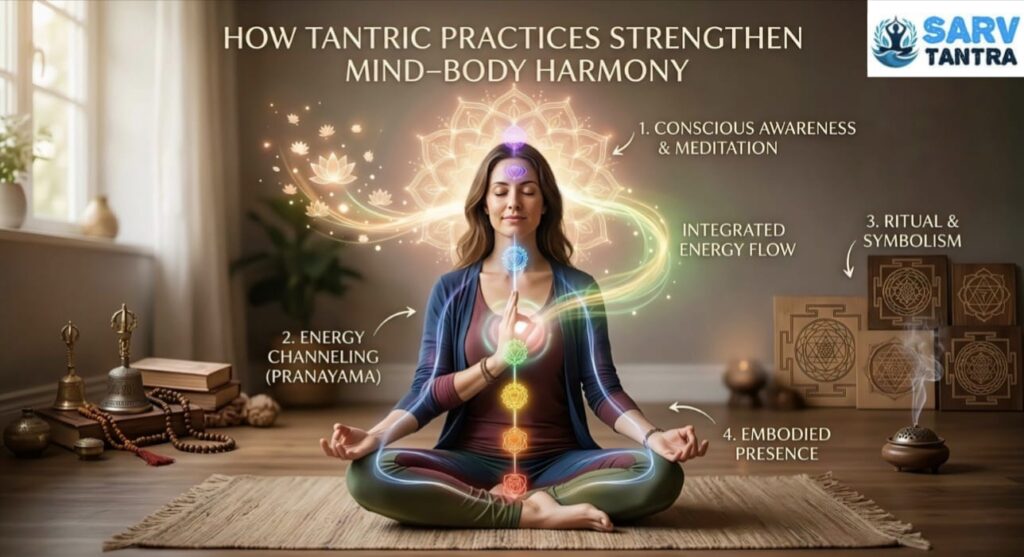
Tantric practices gently regulate the nervous system through:
-
Slow conscious breathing
-
Gentle movement
-
Sensory awareness
-
Non-judgmental presence
Rather than forcing relaxation, Tantra allows the body to unwind naturally. Over time, the baseline state shifts from tension to ease.
A regulated nervous system experiences:
-
Greater emotional stability
-
Improved sleep
-
Increased capacity for joy
-
Reduced reactivity
Happiness becomes the natural background rather than an occasional visitor.
From Chasing Pleasure to Experiencing Aliveness
Many people equate happiness with pleasure. Tantra makes a crucial distinction between pleasure and aliveness.
Pleasure is a peak experience that rises and falls. Aliveness is a continuous sense of vitality and presence.
Tantra teaches you to feel energy in simple moments:
-
Breathing
-
Walking
-
Eating
-
Listening
-
Touch
When awareness fully inhabits these experiences, they become rich and nourishing. Life no longer feels dull or mechanical.
This shift reduces dependency on external stimulation. You stop needing constant entertainment or excitement to feel good. Happiness becomes woven into ordinary life.
Emotional Integration Instead of Suppression
Unprocessed emotions are one of the greatest obstacles to sustainable happiness.
Many people attempt to “stay positive” by pushing away anger, grief, fear, or sadness. This creates inner fragmentation and long-term tension.
Tantra offers emotional integration rather than suppression.
Through conscious presence, you learn to:
-
Feel emotions as sensations in the body
-
Allow energy to move without analysis
-
Stay curious instead of judgmental
-
Let emotions complete their natural cycle
When emotions are fully felt, they resolve on their own. Each released emotion frees energy and space inside you.
Over time, emotional transparency becomes normal. You no longer carry heavy emotional residue, making happiness lighter and more accessible.
Tantra and the Dissolution of Inner Conflict
Much suffering comes from internal war:
“I should be different.”
“I shouldn’t feel this way.”
“I must control myself.”
Tantra dissolves these inner battles.
By welcoming every aspect of your experience, you move from opposition to inclusion. Even uncomfortable sensations are allowed.
This radical acceptance does not make you passive. Instead, it creates clarity. From clarity, authentic change arises naturally.
When inner conflict ends, peace emerges. Peace is the ground of sustainable happiness.
Presence as the Ultimate Source of Joy
Tantra repeatedly points to a simple truth:
Happiness exists only in the present moment.
The past lives in memory.
The future lives in imagination.
Only now is real.
Through Tantric awareness practices, you learn to return to immediate experience again and again.
Presence reveals:
-
The warmth of breath
-
The vibration of energy
-
The texture of sensation
-
The spaciousness of awareness
These subtle experiences are inherently satisfying. They do not require improvement.
Over time, presence becomes more stable, and happiness grows quieter, deeper, and more constant.
Sacredness of Everyday Life
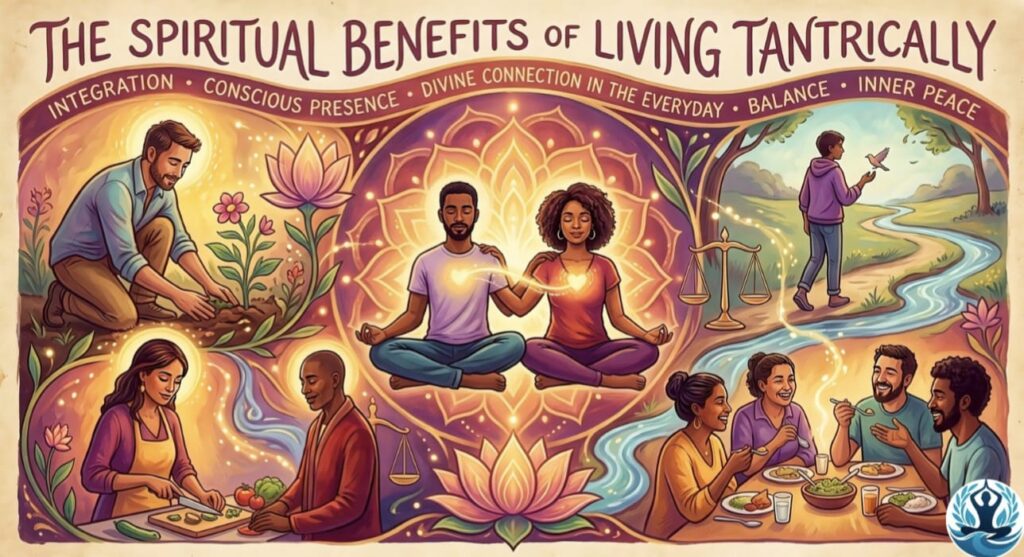
Tantra does not separate spiritual life from ordinary life.
Cooking can be meditation.
Showering can be prayer.
Working can be devotion.
When awareness is present, every activity becomes infused with meaning.
This transforms your relationship with life. Instead of waiting for special moments to feel happy, you discover happiness within the ordinary.
Life itself becomes enough.
Tantra and Authentic Self-Expression
Suppressing your truth drains energy.
Tantra supports honest self-expression rooted in awareness and compassion. This includes:
-
Speaking your needs
-
Honoring boundaries
-
Allowing creativity
-
Expressing emotion
When you live authentically, internal friction decreases. Energy flows more freely. You feel lighter and more aligned.
Authenticity creates a deep sense of self-respect, which strongly supports sustainable happiness.
Healing the Sense of Separation
One of the deepest sources of suffering is the belief that you are separate—from others, from life, from existence itself.
Tantra reveals interconnectedness through direct experience rather than belief.
As awareness deepens, you may sense:
-
Energy flowing between yourself and the world
-
Shared aliveness in all beings
-
A subtle unity underlying diversity
This recognition naturally gives rise to love and compassion—not as moral duties, but as spontaneous responses.
Feeling connected dissolves existential loneliness. Happiness becomes relational rather than isolated.
Pleasure Reclaimed as Sacred Energy
Tantra does not reject pleasure. It sanctifies it.
However, pleasure is approached with awareness rather than compulsion.
By slowing down and staying present, pleasure becomes nourishing rather than depleting. It supports vitality instead of addiction.
This balanced relationship with pleasure contributes to sustainable happiness because it avoids the crash that follows unconscious indulgence.
Simplicity Over Excess
Tantric living tends toward simplicity.
As you become more sensitive, you notice what truly nourishes you and what drains you. Naturally, you begin to choose:
-
Fewer but deeper relationships
-
Meaningful work
-
Calmer environments
-
Honest communication
This simplification reduces stress and increases satisfaction.
Happiness grows from quality, not quantity.
Long-Term Transformation Rather Than Quick Fixes
Tantra is not a technique to feel good instantly.
It is a path of gradual transformation that reshapes your relationship with yourself and life.
Small daily practices accumulate:
-
5 minutes of conscious breathing
-
A few moments of body awareness
-
Short pauses of presence
Over months and years, these simple acts rewire your nervous system, dissolve conditioning, and stabilize well-being.
Sustainable happiness is built slowly, organically, and reliably.
Common Misconceptions About Tantra and Happiness
Misconception 1: Tantra is only about sexuality
While sexuality can be part of Tantra, the tradition primarily focuses on consciousness, energy, and awareness.
Misconception 2: Tantra promises constant bliss
Tantra does not eliminate human emotions. It teaches how to relate to them wisely.
Misconception 3: Tantra avoids difficulties
Tantra includes everything—light and shadow—within awareness.
Understanding these points prevents disappointment and supports realistic expectations.
A Simple Daily Tantric Practice for Happiness
-
Sit or lie down comfortably.
-
Place one hand on your belly.
-
Breathe slowly through the nose.
-
Feel the rise and fall of the breath.
-
Notice any sensations in the body.
-
Allow everything to be exactly as it is.
Practice for 5–10 minutes daily.
This simple exercise builds presence, embodiment, and nervous system regulation—the foundations of sustainable happiness.
Signs You Are Moving Toward Sustainable Happiness
-
Less reactivity
-
More patience
-
Increased sensitivity to beauty
-
Decreased need for external validation
-
Greater comfort with yourself
-
Quiet contentment
These subtle shifts matter more than dramatic peak experiences.
Tantra as a Lifelong Companion
Tantra is not a destination. It is a way of walking through life.
As you continue practicing, happiness becomes less about getting and more about being. Less about excitement and more about depth.
You discover that happiness was never missing.
It was simply waiting for your attention.
Conclusion
Tantra as a path to sustainable happiness offers a profound alternative to the culture of striving. By returning you to your body, breath, and present-moment awareness, Tantra reveals an inner fullness that does not depend on circumstances.
This happiness is quiet, stable, and resilient. It grows from wholeness, not achievement.
Through consistent Tantric living, you stop searching for happiness in the distance and begin recognizing it in the simple miracle of being alive.