

Tantra’s View on Pain, Pleasure, and Neutral Sensations


Most human behavior is unconsciously organized around a simple rule: seek pleasure, avoid pain, ignore what feels neutral. This rule shapes relationships, work habits, emotional reactions, spiritual practices, and even identity. Tantra challenges this automatic conditioning at its very root.
From a Tantric perspective, pain, pleasure, and neutral sensations are not problems to solve or states to escape. They are gateways into deeper awareness, embodied presence, and liberation from compulsive patterns. Tantra does not aim to replace pain with pleasure or transform all experience into bliss. Instead, it teaches how to meet every sensation with awareness, allowing energy, insight, and intelligence to flow naturally.
Understanding Tantra’s view on pain, pleasure, and neutral sensations is essential for grasping the foundation of Tantric philosophy and practice. This understanding reshapes how we relate to the body, emotions, the nervous system, and life itself.
The Tantric Foundation: Awareness Over Experience
Unlike paths that prioritize moral judgment or transcendence through denial, Tantra is rooted in a simple but radical principle:
Awareness matters more than the content of experience.
Pain is not inferior to pleasure. Pleasure is not superior to neutrality. What matters is how consciously an experience is met.
In Tantra:
-
Pain becomes contraction noticed
-
Pleasure becomes expansion witnessed
-
Neutrality becomes subtle presence recognized
All three are expressions of Shakti (energy) moving within Shiva (consciousness). When awareness is present, even difficult sensations lose their power to dominate behavior or identity.
Pain in Tantra: A Teacher, Not an Enemy
Pain as Contracted Energy
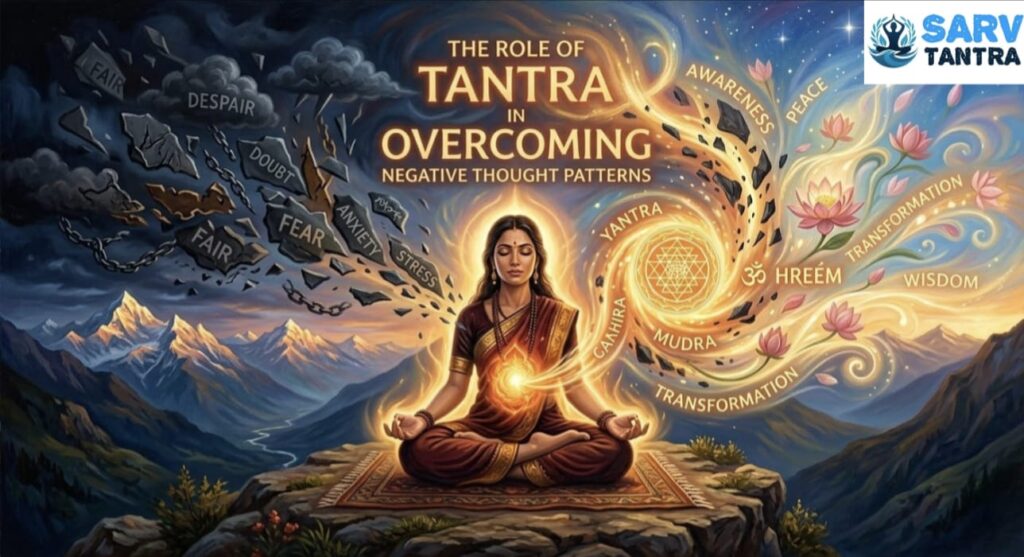
Tantra views pain not as punishment or failure, but as energy moving in a contracted pattern. Physical pain, emotional pain, and psychological discomfort all share this quality of contraction.
Instead of asking:
-
“How do I get rid of this pain?”
Tantra asks: -
“Can I stay present with this sensation without resisting it?”
Resistance tightens pain. Awareness softens it.
How Avoidance Strengthens Pain
Modern culture teaches immediate avoidance:
-
Distraction
-
Suppression
-
Medication (even when unnecessary)
-
Spiritual bypassing
Tantra recognizes that unfelt pain does not disappear. It settles into the body as:
-
Chronic tension
-
Emotional numbness
-
Reactive patterns
-
Fatigue and burnout
When pain is allowed to be felt consciously, it often:
-
Changes shape
-
Moves
-
Releases stored energy
-
Reveals unmet needs or truths
Pain as an Initiation Into Presence
In Tantric practice, pain can become:
-
A doorway to stillness
-
A teacher of humility
-
A guide back into the body
This does not mean seeking pain. It means not abandoning awareness when pain arises.
Pain met with presence loses its ability to define identity.
Pleasure in Tantra: Enjoyment Without Attachment
Pleasure as Expansive Energy
Pleasure is experienced as expansion, openness, warmth, or flow. Tantra fully honors pleasure, but without turning it into an object of grasping.
Tantra does not say:
-
“Pleasure is dangerous”
Nor does it say: -
“Pleasure is the goal”
It says:
-
“Pleasure is energy—be present with it.”
The Problem Is Not Pleasure, But Clinging
Attachment to pleasure creates:
-
Fear of loss
-
Repetition without satisfaction
-
Addiction to stimulation
-
Dependence on external sources
Tantra teaches how to experience pleasure fully without needing it to last.
When pleasure is met with awareness:
-
It deepens naturally
-
It spreads through the body
-
It becomes less compulsive
-
It dissolves without disappointment
Pleasure Without Identity
Tantric wisdom distinguishes between:
-
Experiencing pleasure
-
Becoming someone who “needs pleasure”
When pleasure is witnessed rather than possessed, it stops controlling behavior.
This applies to:
-
Sensory pleasure
-
Emotional pleasure
-
Relational pleasure
-
Spiritual bliss
Even bliss is not clung to in Tantra.
Neutral Sensations: The Most Ignored Gateway
What Are Neutral Sensations?
Neutral sensations are experiences that feel:
-
Neither pleasant nor painful
-
Subtle, quiet, ordinary
-
Easily overlooked
Examples include:
-
The feeling of clothes on skin
-
Gentle breath at rest
-
Sitting without strong emotion
-
Pauses between thoughts
Most people unconsciously ignore these sensations, yet Tantra considers them one of the most powerful entry points into awareness.
Why Neutrality Is Essential in Tantra
Neutral sensations:
-
Stabilize awareness
-
Calm the nervous system
-
Reveal unconscious habits
-
Build capacity for presence
Because they don’t demand reaction, neutral sensations train the mind to rest instead of chase or resist.
Neutral Sensations and Inner Freedom
When awareness becomes comfortable with neutrality:
-
Boredom dissolves
-
Restlessness decreases
-
Addiction to stimulation weakens
This is crucial in Tantra because freedom is not found in constant pleasure, but in the ability to remain present regardless of sensation.
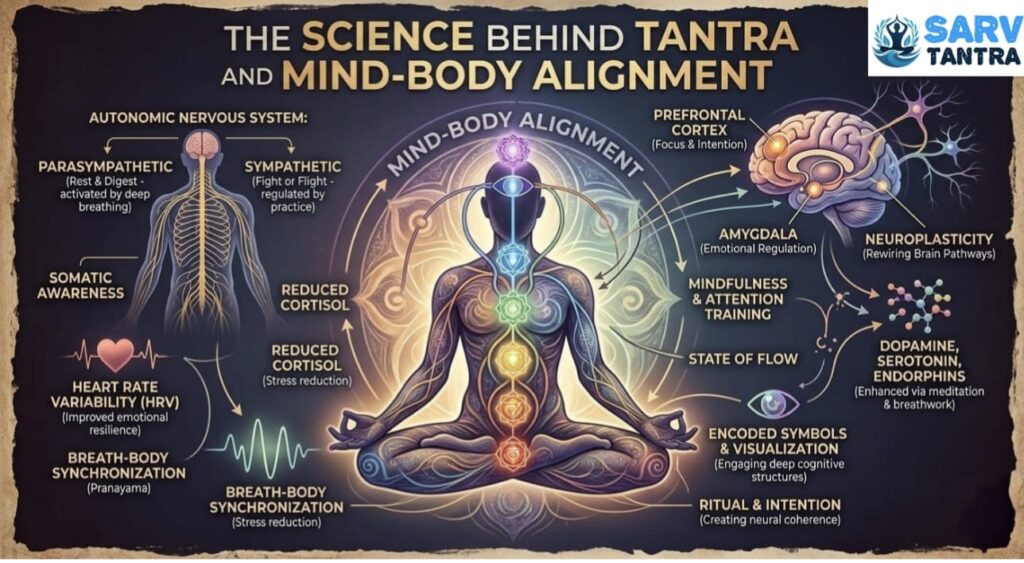
The Nervous System and Sensory Awareness
Tantra works directly with the nervous system, though classical texts used different language.
Pain often activates:
-
Fight
-
Flight
-
Freeze
Pleasure often activates:
-
Seeking
-
Grasping
-
Dependency
Neutral sensations support:
-
Regulation
-
Safety
-
Grounded presence
Tantric practice gently trains the nervous system to:
-
Stay open in pain
-
Stay relaxed in pleasure
-
Stay awake in neutrality
This creates emotional resilience and embodied stability.
Sensation as a Portal to Consciousness
Tantra does not separate body and consciousness. Sensation is not a distraction from spirituality—it is a direct portal into it.
Through conscious sensation:
-
Thoughts slow down
-
Identity softens
-
Presence deepens
Pain, pleasure, and neutrality all point back to the same truth:
Awareness is already here.
The sensation is simply the doorway.
Tantra vs Escapist Spirituality
Many spiritual systems emphasize:
-
Transcending the body
-
Avoiding discomfort
-
Chasing higher states
Tantra emphasizes:
-
Entering the body
-
Including discomfort
-
Trusting ordinary experience
Pain is not a failure.
Pleasure is not enlightenment.
Neutrality is not emptiness.
All are expressions of life moving through awareness.
Daily Life Applications of Tantric Sensory Awareness
Tantra is meant to be lived, not confined to practice sessions.
In Emotional Life
-
Feel emotions as sensations
-
Notice contraction or expansion
-
Stay present without storytelling
In Relationships
-
Sense reactions before words
-
Stay connected during discomfort
-
Enjoy closeness without possession
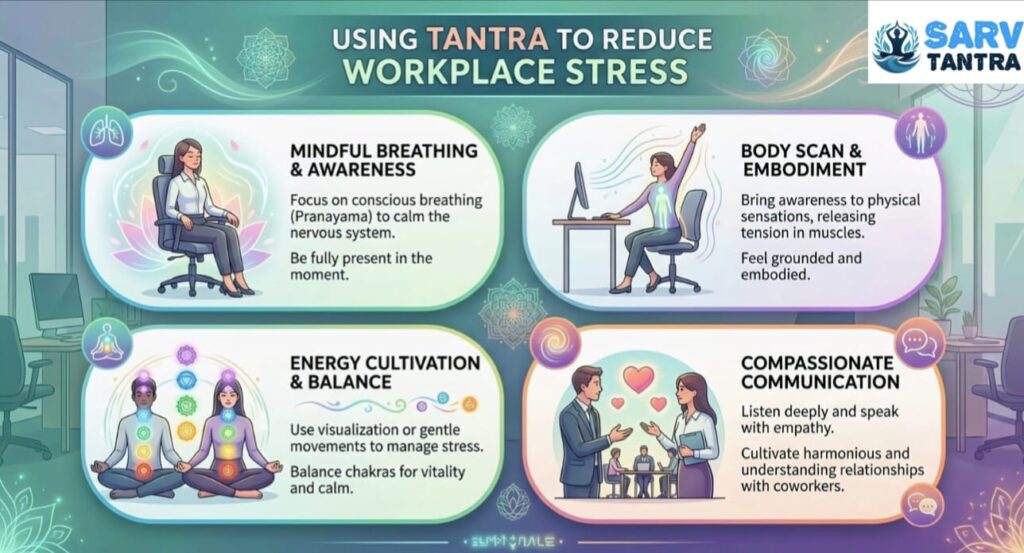
In Work and Activity
-
Feel the body while working
-
Notice tension early
-
Rest attention in neutral sensations
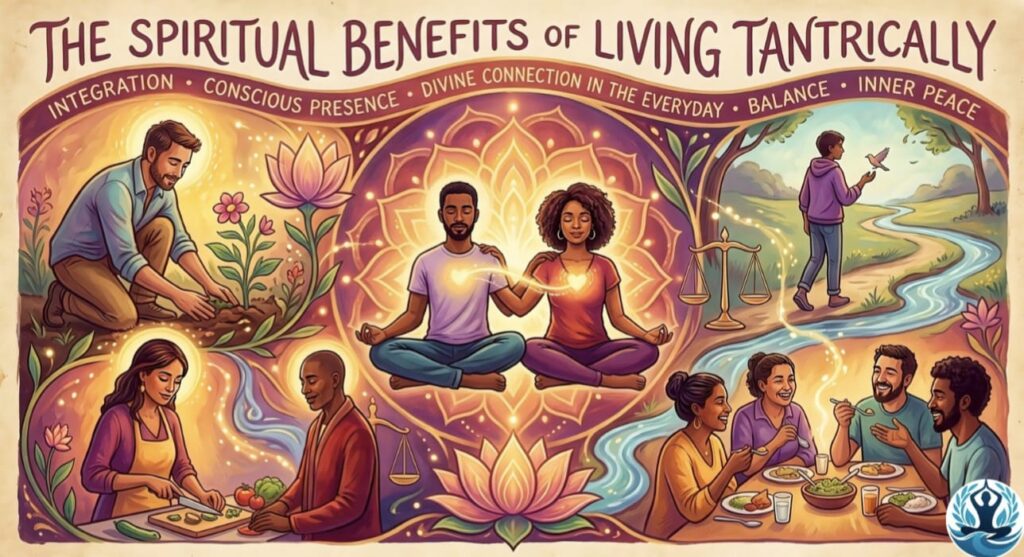
Life becomes a continuous Tantric practice when sensations are met consciously.
Liberation Through Inclusion, Not Control
The deepest Tantric insight is this:
Freedom does not come from controlling experience, but from allowing it.
Pain no longer imprisons when it is felt.
Pleasure no longer enslaves when it is witnessed.
Neutrality no longer bores when it is inhabited.
All sensations become expressions of intelligence rather than obstacles.
Conclusion: Living Tantra Through Sensory Presence
Tantra’s view on pain, pleasure, and neutral sensations offers a profound shift from survival-based living to awareness-based living. Instead of organizing life around comfort or avoidance, Tantra teaches intimacy with experience itself.
When sensations are met with presence:
-
The body becomes a home
-
Emotions become messengers
-
Life becomes practice
This is not philosophy alone. It is a lived, embodied path where nothing is excluded, and therefore, nothing controls you.
Tantra begins not by changing sensations—but by meeting them as they are.