

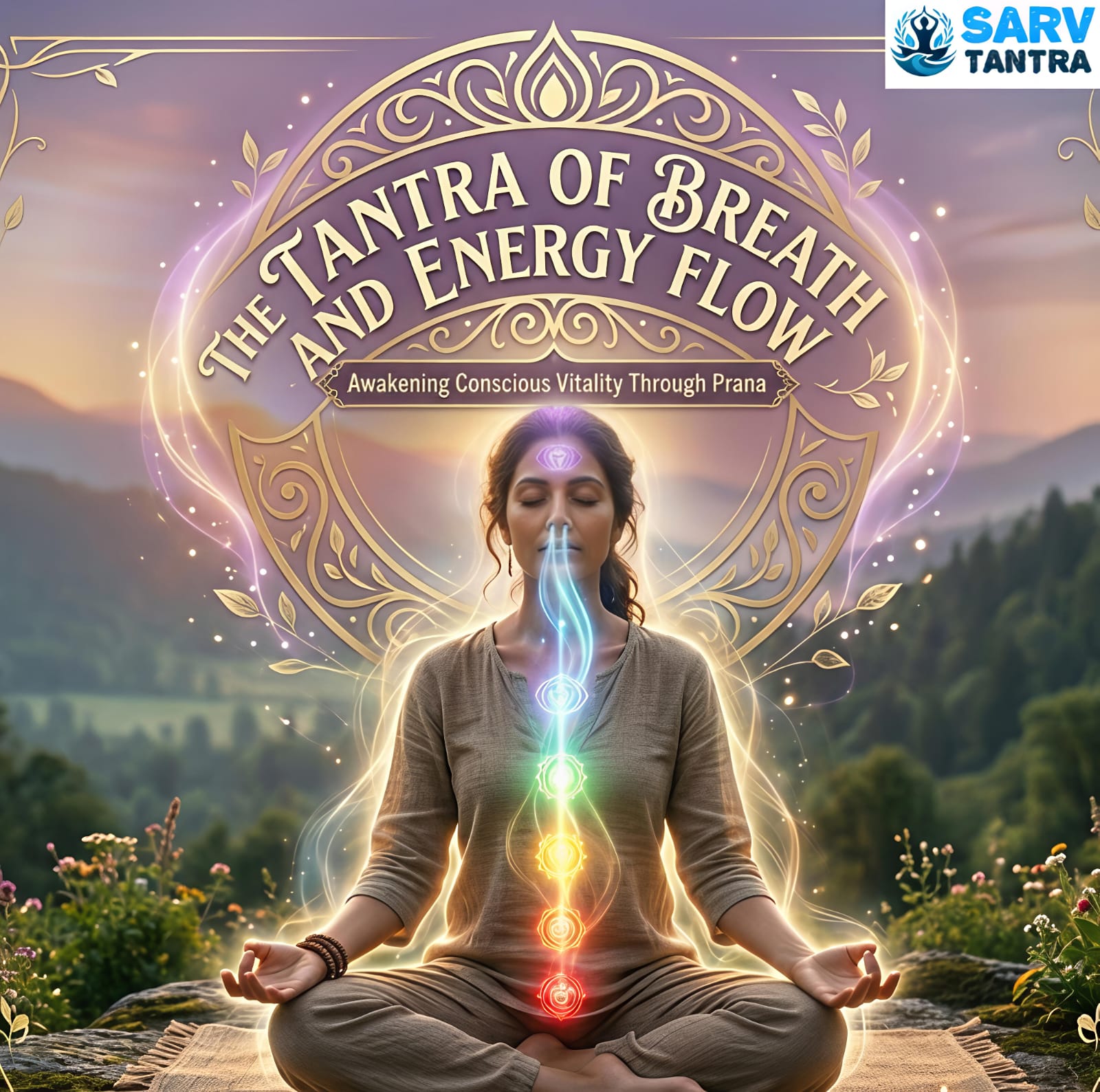
The Tantra of Breath and Energy Flow: Awakening Conscious Vitality Through Prana

Introduction
In the vast and profound world of Tantra, breath is not just a biological function—it is the bridge between body, mind, and consciousness. Often referred to as prana, the life force carried through the breath is considered the essence of vitality, awareness, and transformation. The Tantra of Breath and Energy Flow is a deeply immersive practice that focuses on harnessing this life force to awaken higher states of awareness, deepen intimacy with oneself, and cultivate a vibrant, energized presence in daily life.
This topic is highly valuable for an SEO blog because it connects ancient tantric wisdom with modern interests in mindfulness, breathwork, somatic healing, and conscious living. It appeals to readers seeking emotional balance, spiritual growth, and a deeper connection to their inner energy systems.
This comprehensive guide explores how breath becomes a gateway to awakening, how energy flows through the body, and how tantric practices can transform ordinary breathing into an extraordinary experience of aliveness.
Understanding Breath in Tantra
In Tantra, breath is seen as sacred. It is not just oxygen entering the lungs; it is the movement of life force through the energetic body. Every inhale invites energy in, and every exhale releases blockages, tension, and stagnation.
Unlike mechanical breathing, tantric breathing is conscious, slow, and intentional. It brings awareness into the present moment and connects the practitioner to subtle sensations within the body.
The Concept of Prana
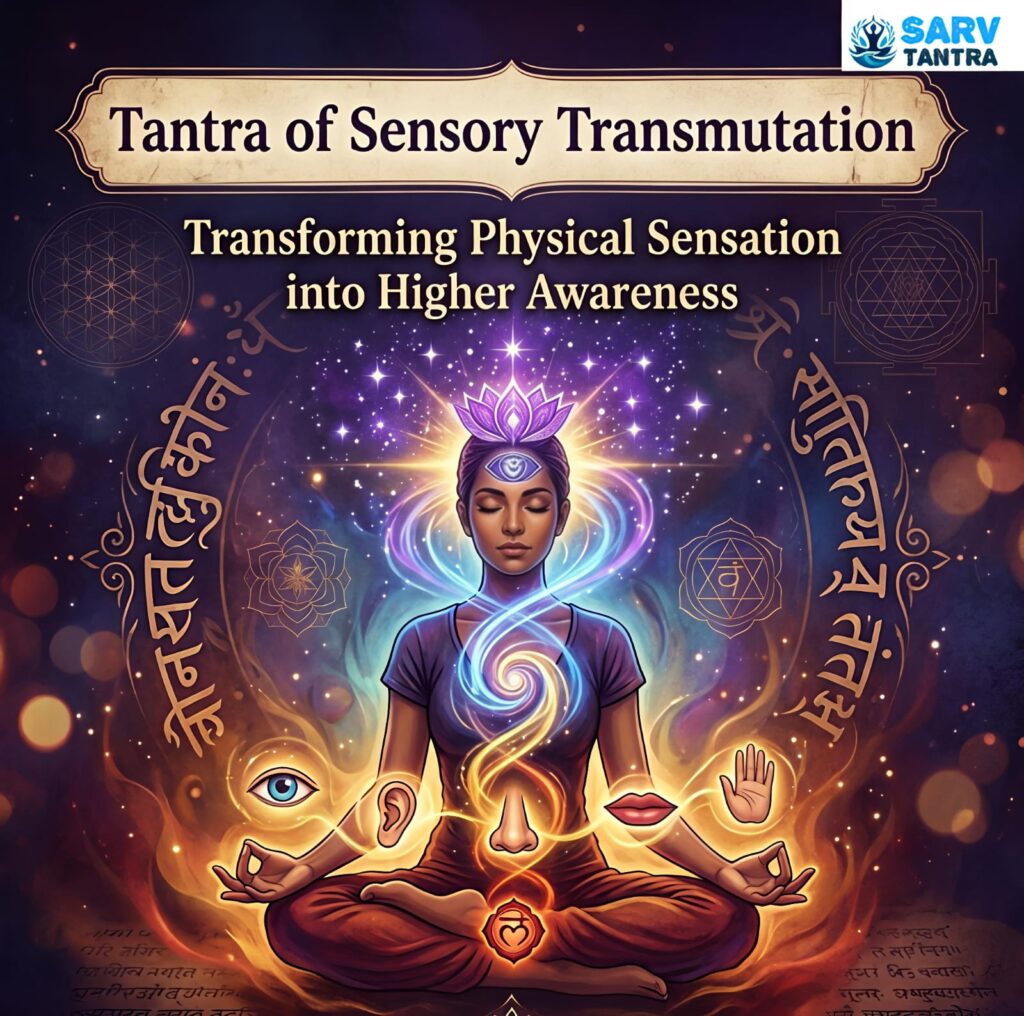
Prana is the subtle energy that animates all living beings. It flows through channels known as nadis and gathers in energy centers called chakras. When prana flows freely, a person feels vibrant, clear, and emotionally balanced. When it is blocked, one may experience fatigue, stress, or emotional heaviness.
Breath is the primary tool to regulate and direct prana. Through specific breathing techniques, one can influence energy flow, awaken dormant vitality, and expand consciousness.
The Energetic Body: Nadis and Chakras
To understand tantric breathwork, it is essential to explore the energetic anatomy.
Nadis: Energy Channels
There are thousands of nadis in the body, but three are most significant:
- Ida: Associated with calmness, intuition, and the feminine aspect
- Pingala: Linked to activity, logic, and the masculine aspect
- Sushumna: The central channel through which higher consciousness flows
Balanced breathing helps harmonize Ida and Pingala, allowing energy to rise through Sushumna, leading to heightened awareness.
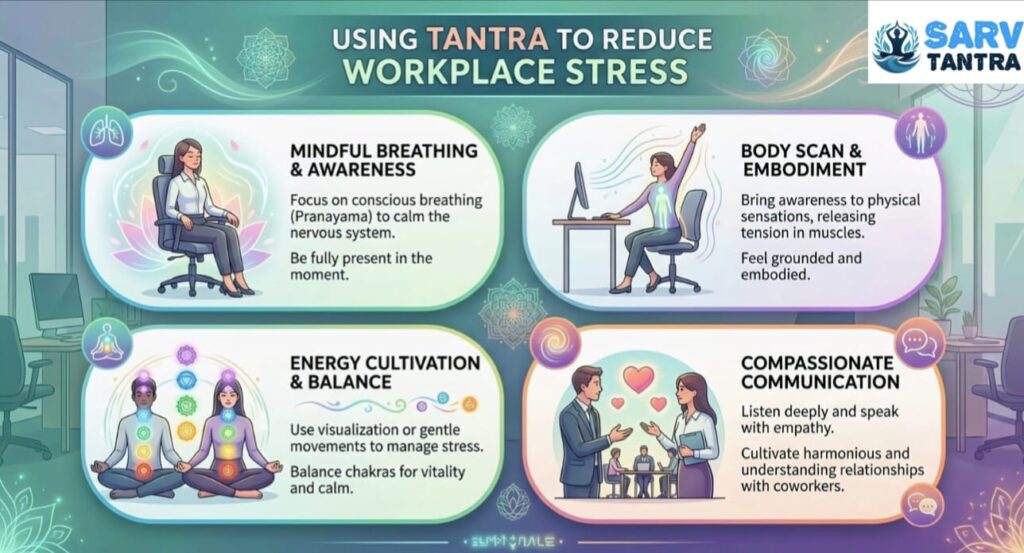
Chakras: Energy Centers
The chakras are spinning centers of energy located along the spine. Each chakra corresponds to different aspects of physical, emotional, and spiritual life.
Breathwork can activate these centers, bringing awareness to areas that may be blocked or underactive. For example:
- Root chakra: Stability and grounding
- Heart chakra: Love and compassion
- Third eye chakra: Intuition and clarity
By directing breath into these areas, practitioners can cultivate balance and alignment.
The Role of Awareness in Breath
Tantric breathing is not about forcing the breath but about observing and guiding it with awareness. Awareness transforms ordinary breathing into a meditative practice.
When you become aware of your breath:
- The mind slows down
- The body relaxes
- Energy begins to flow more freely
This awareness creates a feedback loop where the breath influences the mind, and the mind influences the breath.
Foundational Tantric Breathing Techniques
1. Deep Belly Breathing
This technique involves breathing deeply into the abdomen rather than the chest.
Benefits:
- Activates the parasympathetic nervous system
- Reduces stress and anxiety
- Enhances energy flow in the lower chakras
Practice:
- Inhale slowly through the nose, expanding the belly
- Exhale gently, allowing the belly to contract
- Maintain a steady rhythm
2. Circular Breathing
Circular breathing removes the pause between inhale and exhale, creating a continuous flow.
Benefits:
- Builds energy in the body
- Enhances emotional release
- Deepens meditative states
Practice:
- Inhale and exhale smoothly without stopping
- Keep the breath fluid and rhythmic
- Stay aware of sensations in the body
3. Alternate Nostril Breathing
This balances the left and right energy channels.
Benefits:
- Harmonizes mind and body
- Improves focus and clarity
- Balances emotional states
Practice:
- Close one nostril and inhale through the other
- Switch and exhale
- Continue alternating in a steady rhythm
4. Breath Retention
Holding the breath after inhalation or exhalation intensifies energy.
Benefits:
- Builds inner heat and vitality
- Strengthens concentration
- Expands awareness
Practice:
- Inhale deeply
- Hold the breath for a comfortable duration
- Exhale slowly and relax
Breath and Emotional Release
The body stores emotions, often unconsciously. Breath acts as a key to unlock these stored experiences.
When practicing deep or continuous breathing, emotions may surface. This is a natural part of the process.
Common experiences include:
- Tingling sensations
- Warmth or heat
- Emotional waves such as sadness or joy
Instead of resisting, Tantra encourages allowing these experiences to move through the body. Breath becomes a tool for release and transformation.
Breath as a Path to Presence
One of the core teachings of Tantra is presence. Breath anchors awareness in the present moment.
When you focus on your breath:
- You disengage from past and future चिंताएँ
- You become fully present in your body
- You experience life more vividly
This presence enhances every aspect of life, from relationships to creativity.
Integrating Breath with Movement
Tantric practices often combine breath with gentle movement.
Examples include:
- Slow stretching with synchronized breathing
- Subtle spinal movements to guide energy upward
- Rhythmic body awareness exercises
This integration helps:
- Release physical tension
- Enhance body awareness
- Promote fluid energy flow
Breath and Intimacy
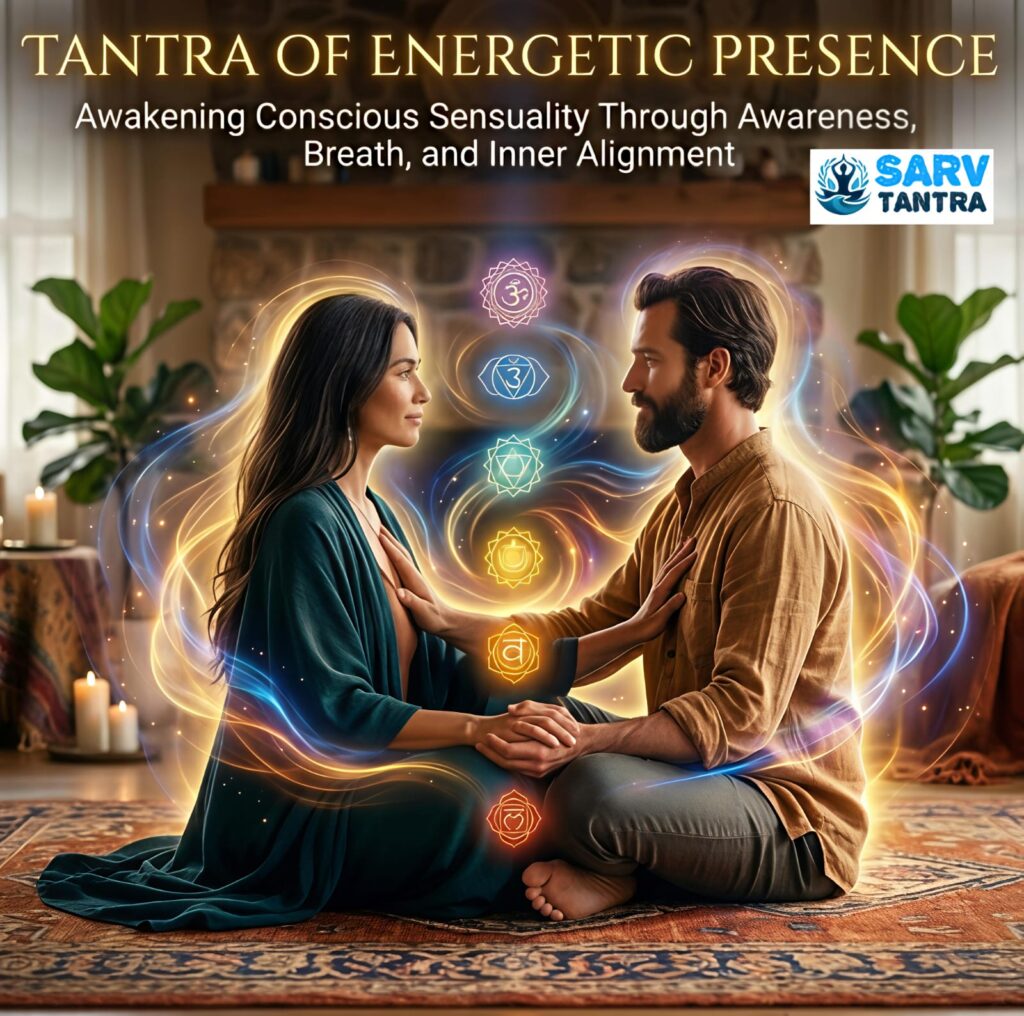
In Tantra, breath is also used to deepen connection between partners. Shared breathing creates a sense of unity and synchronization.
Practices may include:
- Matching each other’s breath rhythm
- Maintaining eye contact while breathing slowly
- Placing awareness on the heart center
This fosters:
- Emotional connection
- Trust and openness
- A deeper sense of intimacy beyond the physical
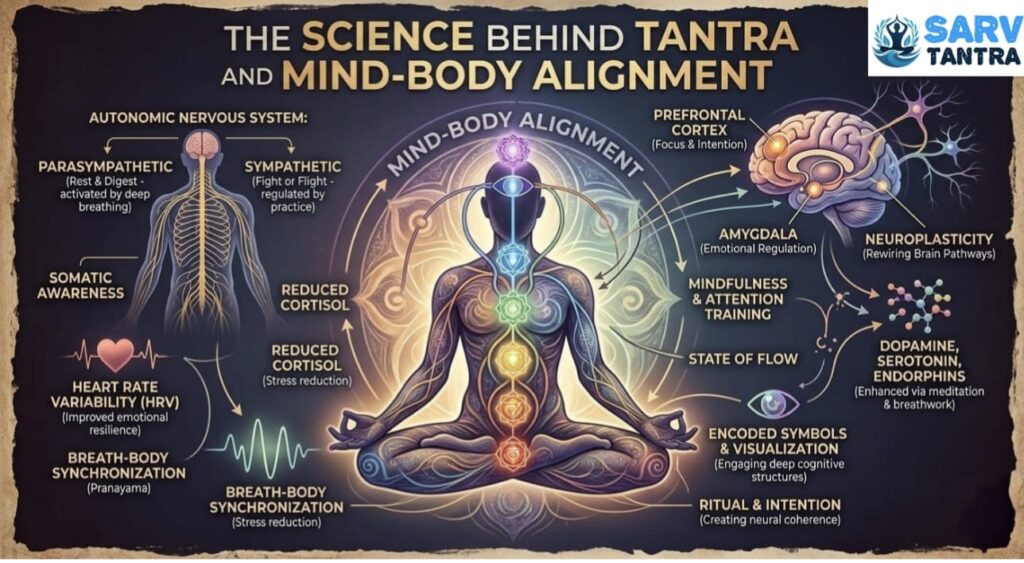
The Science Behind Breathwork
Modern science supports many benefits of conscious breathing.
Research shows that controlled breathing can:
- Reduce cortisol levels (stress hormone)
- Improve heart rate variability
- Enhance mental clarity
Breathwork also influences the nervous system, shifting it from a stress state to a relaxed and restorative state.
Daily Practice Routine
A simple tantric breath routine can be practiced daily:
Morning (10–15 minutes)
- Deep belly breathing
- Gentle stretching with breath awareness
Midday (5–10 minutes)
- Alternate nostril breathing
- Short awareness practice
Evening (15–20 minutes)
- Circular breathing
- Breath retention
- Quiet meditation
Consistency is more important than intensity. Even a few minutes daily can create noticeable changes.
Common Challenges and Solutions
Difficulty Focusing
Solution: Start with shorter sessions and gradually increase duration.
Emotional Discomfort
Solution: Allow emotions to arise without judgment; return to gentle breathing.
Physical Tension
Solution: Relax the body before starting; avoid forcing the breath.
The Spiritual Dimension of Breath
In Tantra, breath is considered a direct link to consciousness. By refining the breath, one refines awareness.
Advanced practitioners use breath to:
- Enter deep meditative states
- Experience unity with existence
- Access higher levels of insight
Breath becomes a doorway to transcendence.
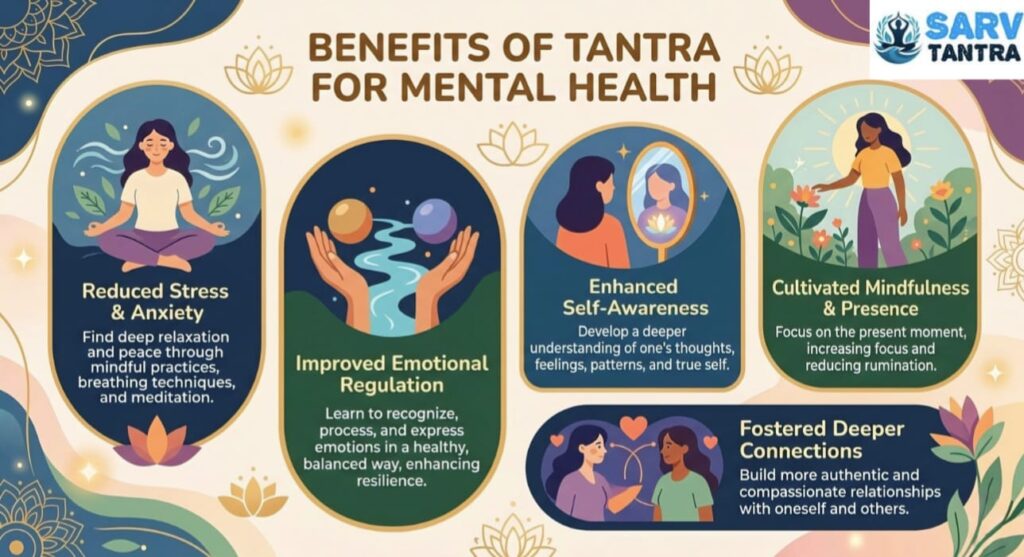
Benefits of Tantric Breathwork
Regular practice can lead to:
- Increased energy and vitality
- Emotional balance
- Greater self-awareness
- Enhanced focus and clarity
- Deeper connection with oneself and others
These benefits extend beyond the practice into everyday life.
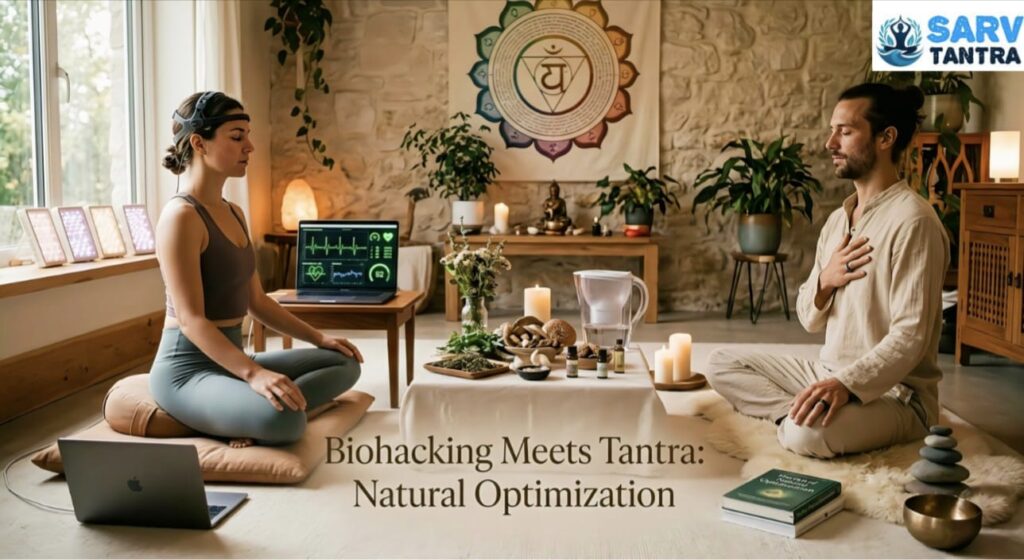
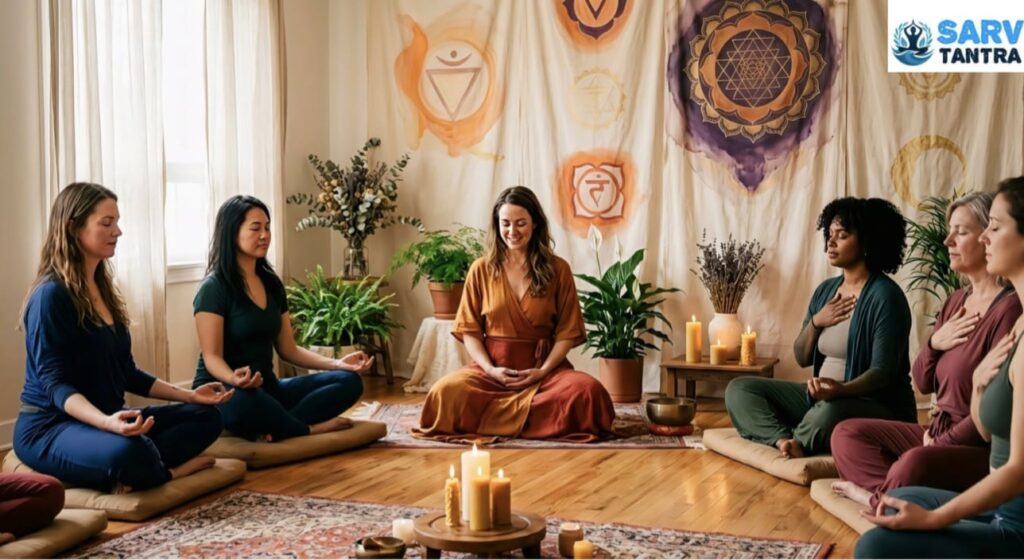
Creating a Sacred Space for Practice
Environment plays an important role in tantric practices.
Suggestions:
- Choose a quiet, comfortable space
- Use soft lighting or candles
- Maintain a clean and uncluttered area
This helps create a sense of ritual and intention.
Conclusion
The Tantra of Breath and Energy Flow is a powerful yet accessible practice that transforms the simple act of breathing into a profound journey of self-discovery. By bringing awareness to the breath, one can unlock hidden energy, release emotional blockages, and cultivate a deeper connection to life itself.
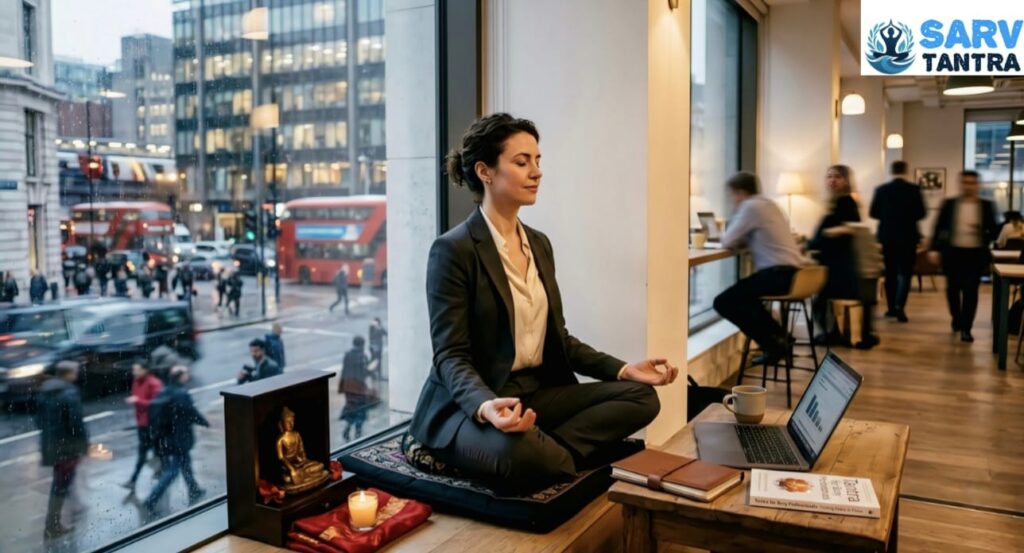
In a fast-paced world, this practice offers a return to simplicity—a reminder that everything we need is already within us, waiting to be awakened through the breath.