

Why Discipline Looks Different in Tantra


In many spiritual traditions, discipline is associated with strict rules, rigid routines, self-control, and often denial of natural impulses. Discipline is commonly framed as forcing the mind and body into obedience in order to reach a higher state of consciousness. Tantra, however, offers a radically different understanding of discipline—one that is subtle, embodied, and rooted in awareness rather than control.
Tantric discipline does not reject structure or commitment. Instead, it questions how discipline is applied and what it is meant to cultivate. Rather than using force to overcome the body, emotions, or desires, Tantra teaches a form of discipline that listens, includes, and refines awareness. This shift makes Tantric discipline feel unfamiliar to those trained in effort-based spiritual paths, yet profoundly sustainable and transformative.
This article explores why discipline looks different in Tantra, how it functions at a foundational level, and why it is often misunderstood.
The Conventional View of Discipline in Spiritual Practice
Most spiritual systems define discipline as consistency enforced through willpower. This usually includes:
-
Fixed daily practices regardless of internal state
-
Suppression of desire, emotion, or sensation
-
Moral or behavioral rigidity
-
Strong emphasis on self-control
-
Progress measured by endurance and obedience
While this approach can build mental strength, it often comes with unintended consequences. Many practitioners develop inner conflict, shame around “failure,” or a subtle disconnection from the body. Over time, discipline becomes something imposed rather than integrated.
Tantra does not deny the value of commitment, but it sees forced discipline as incomplete—and sometimes counterproductive.
Tantra’s Core Assumption: Awareness Transforms Naturally
At the heart of Tantra lies a simple but radical assumption: awareness itself is transformative. When something is fully felt and consciously experienced, it naturally reorganizes without the need for force.
Because of this, Tantra shifts the role of discipline from controlling behavior to cultivating presence. Discipline becomes the capacity to stay with experience as it is—pleasant, unpleasant, or neutral—without numbing, escaping, or manipulating it.
This requires a different kind of rigor: not harshness, but honesty.
Discipline as Consistency of Presence, Not Force
In Tantra, discipline is measured less by how long you sit or how strictly you follow rules, and more by how consistently you return to awareness.
Tantric discipline looks like:
-
Feeling what is happening instead of reacting automatically
-
Staying present with discomfort without pushing past safety
-
Allowing pleasure without grasping or dissociation
-
Not abandoning practice when emotions arise
This kind of discipline is subtle and demanding. It asks the practitioner to remain intimate with reality instead of hiding behind technique.
Why Tantra Avoids Rigid Rules
Tantra recognizes that human systems—nervous systems, emotional patterns, bodies—are not static. What supports awareness one day may overwhelm it the next.
Rigid discipline assumes that the same method works at all times. Tantra, instead, emphasizes responsiveness. This does not mean doing whatever feels good. It means listening deeply and responding intelligently.
For example:
-
Rest may be more disciplined than effort during exhaustion
-
Slowing down may be more transformative than pushing forward
-
Pausing practice may sometimes preserve integration
This adaptability is often mistaken for a lack of discipline, when in reality it requires refined self-awareness.
The Role of the Body in Tantric Discipline
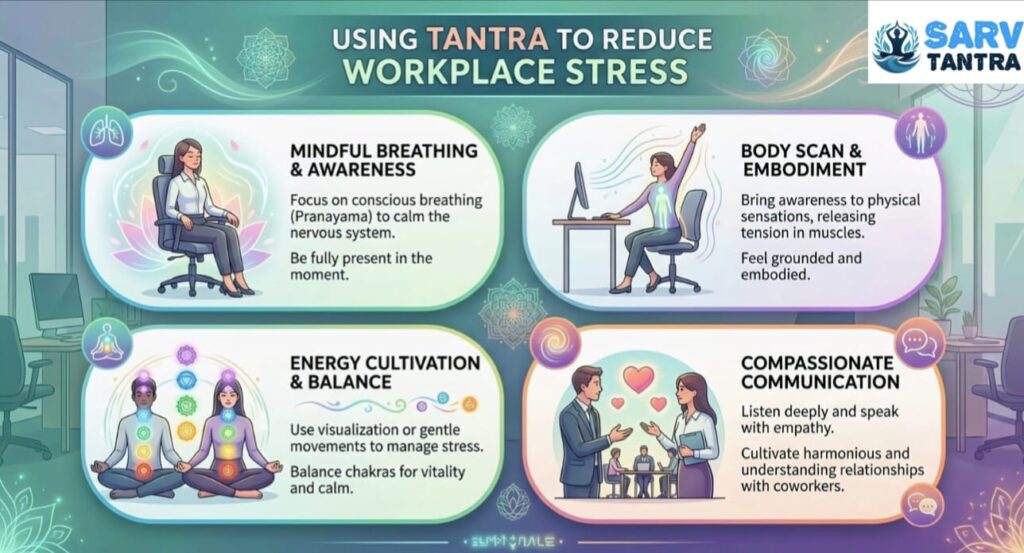
Tantra sees the body as a living field of intelligence, not an obstacle to transcend. Discipline therefore includes learning to read bodily signals.
Tantric discipline involves:
-
Respecting limits instead of overriding them
-
Tracking sensations as indicators of regulation or overload
-
Using the body as feedback, not something to conquer
This prevents burnout, dissociation, and spiritual bypassing—common side effects of force-based discipline.
In Tantra, ignoring the body is considered undisciplined.
Discipline Without Suppression
One of Tantra’s most misunderstood aspects is its refusal to suppress desire, emotion, or sensation. This does not mean indulgence. It means conscious engagement.
Suppressing energy does not dissolve it—it stores it. Tantra teaches practitioners to meet inner impulses with awareness rather than judgment. Over time, this naturally refines and reorganizes desire.
This requires discipline of a higher order:
-
Staying conscious instead of acting unconsciously
-
Feeling impulses without immediately expressing them
-
Allowing emotions to move without dramatizing them
Such discipline builds integration rather than inner conflict.
Emotional Honesty as a Tantric Discipline
Many spiritual paths value emotional neutrality. Tantra values emotional truth.
In Tantric practice, discipline includes:
-
Acknowledging fear instead of masking it with positivity
-
Staying present with grief, anger, or longing
-
Not spiritualizing emotions away
This emotional honesty stabilizes the nervous system and deepens self-trust. Avoiding emotions is considered a lack of discipline, because it fragments awareness.
Why Tantra Emphasizes Slowness
Slowness is one of Tantra’s most disciplined qualities. Moving slowly allows awareness to penetrate deeper layers of sensation, emotion, and energy.
Fast progress often bypasses integration. Tantra prioritizes:
-
Depth over speed
-
Stability over peak experiences
-
Integration over intensity
Slowness demands patience, which is itself a refined form of discipline.
Discipline as Relationship, Not Control
Tantra understands discipline as a relationship with oneself rather than domination of oneself.
This relationship is built on:
-
Listening instead of commanding
-
Trust instead of coercion
-
Responsiveness instead of rigidity
Through this relationship, discipline becomes sustainable. Practice no longer depends on fear, guilt, or external authority—it arises naturally from connection.
Why Tantric Discipline Feels Invisible
Because Tantric discipline is internal, it often goes unnoticed. There may be:
-
Fewer external rules
-
Less visible effort
-
No dramatic displays of austerity
Yet internally, there is continuous attentiveness. The practitioner is disciplined in noticing subtle shifts, micro-reactions, and unconscious habits.
This invisible discipline is often deeper than visible austerity.
Common Misunderstandings About Tantric Discipline
“Tantra Is Undisciplined”
This misunderstanding arises because Tantra rejects harshness. In truth, Tantra demands unwavering honesty and presence.
“Tantra Encourages Indulgence”
Tantra does not promote indulgence—it promotes awareness. Indulgence is unconscious; Tantra is deeply conscious.
“Tantric Practice Is Easy”
Staying present with reality, without escape or suppression, is not easy. It requires courage and commitment.
Discipline and Freedom in Tantra
Paradoxically, Tantra teaches that true discipline leads to freedom, not restriction.
When awareness is consistent:
-
Habits loosen naturally
-
Compulsions lose power
-
Choices become clearer
Freedom arises not from controlling life, but from being fully present within it.
The Long-Term Impact of Tantric Discipline
Over time, Tantric discipline creates:
-
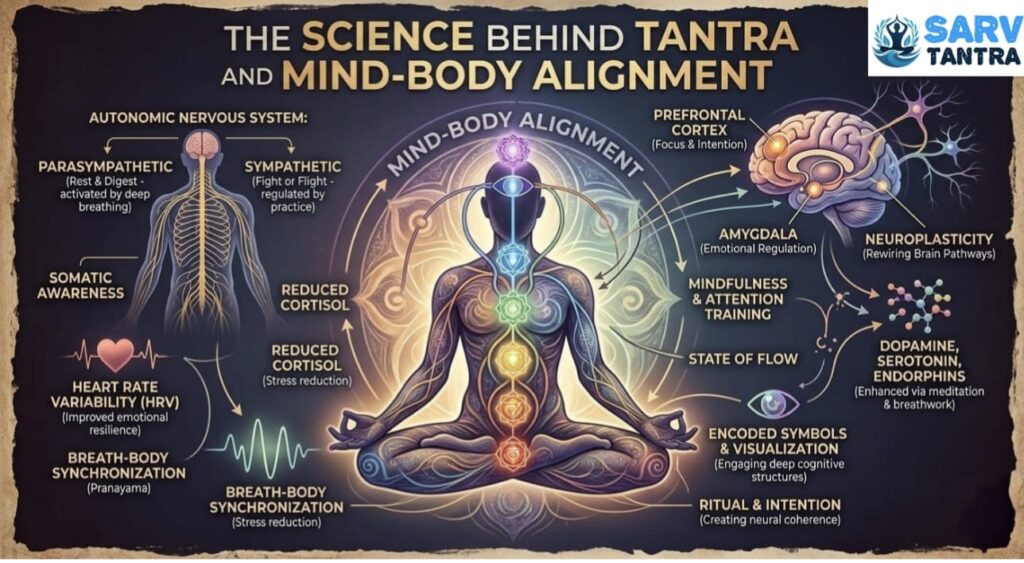
Nervous system regulation
-
Emotional resilience
-
Deep embodiment
-
Sustainable spiritual growth
Rather than producing temporary breakthroughs, it fosters lasting transformation.
Conclusion: Discipline as Devotion to Reality
In Tantra, discipline is not about becoming someone better—it is about meeting reality fully. It is devotion to truth as it unfolds moment by moment.
This discipline is gentle but uncompromising. It does not rely on force, yet it requires courage. It does not impose ideals, yet it transforms deeply.
By redefining discipline as presence rather than control, Tantra offers a path that is both grounded and liberating—one that honors the body, emotions, and life itself as sacred teachers.