

The Tantra of Somatic Light: Awakening Consciousness Through the Body’s Inner Luminosity


Tantra has always understood the human body as more than flesh and bone. It is a living field of awareness, sensation, memory, and intelligence. In many modern interpretations, tantra is reduced to techniques or rituals, but at its heart it is a path of direct experience. The Tantra of Somatic Light explores the idea that consciousness is not only something we think or visualize, but something we feel as a subtle illumination within the body itself. This inner luminosity is not metaphorical; it is experienced as warmth, vibration, clarity, and presence spreading through muscles, organs, breath, and attention.
Somatic light refers to the felt sense of awareness as it inhabits the body. Rather than imagining light descending from above or projecting energy outward, this tantric approach invites practitioners to recognize the natural radiance already present in sensation. Every physical feeling, whether subtle or intense, carries awareness within it. Tantra teaches that when sensation is met without resistance or distraction, it reveals a quiet, glowing intelligence. This is the doorway into embodied awakening.
The roots of this understanding can be found in classical tantric texts that describe the body as a temple and consciousness as a pulsating force. These teachings did not separate spirituality from physical experience. Instead, they emphasized that liberation arises through full inhabitation of the body. The Tantra of Somatic Light brings this ancient insight into a contemporary context, offering a grounded way to work with awareness in daily life.
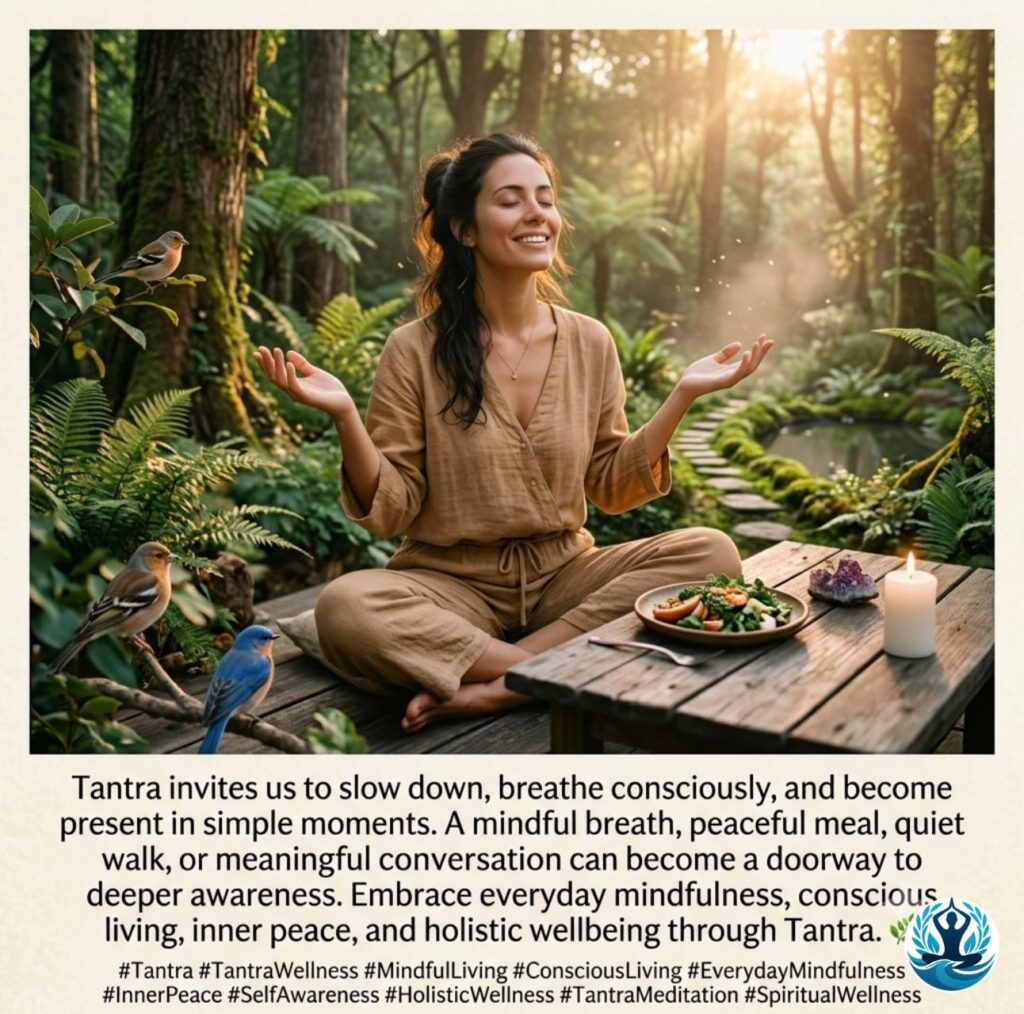
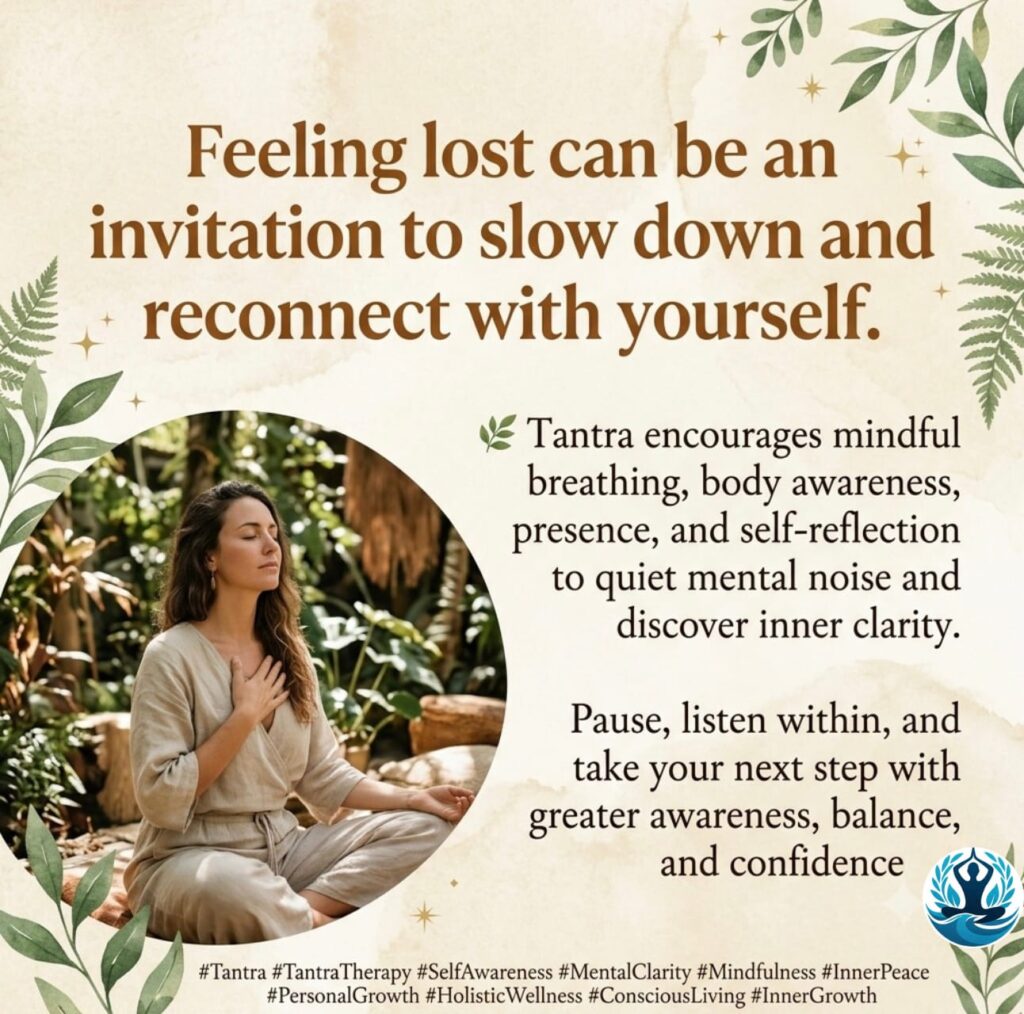
At the beginning of this path, practitioners learn to slow down and listen. Modern life conditions the nervous system to live in the head, constantly processing information and anticipating outcomes. Somatic tantra reverses this habit by directing attention into raw physical sensation. Simple practices such as feeling the weight of the body on the ground, noticing the movement of breath in the ribs, or sensing temperature on the skin become gateways to deeper awareness. As attention stabilizes in the body, a subtle brightness begins to emerge. This is not visual light, but a sense of aliveness and clarity that permeates experience.
One of the key principles of the Tantra of Somatic Light is non-manipulation. Unlike techniques that aim to force energy upward or achieve dramatic states, this approach emphasizes receptivity. The practitioner does not try to create light; instead, they notice where awareness already feels vivid. This may be in the hands, the spine, the chest, or even in areas that feel numb or tense. By gently resting attention in these areas, sensation begins to soften and reveal hidden layers. Tension often contains trapped awareness, and when it is met with presence, it releases as warmth or subtle vibration.
Breath plays an essential role in awakening somatic light. In tantra, breath is not merely oxygen exchange but a bridge between body and consciousness. Natural, unforced breathing allows awareness to circulate through the body. As the breath moves, it carries attention with it, illuminating areas that are usually unconscious. Over time, the practitioner may feel as if the breath itself is luminous, filling the body with a gentle glow. This experience fosters a deep sense of safety and intimacy with oneself.
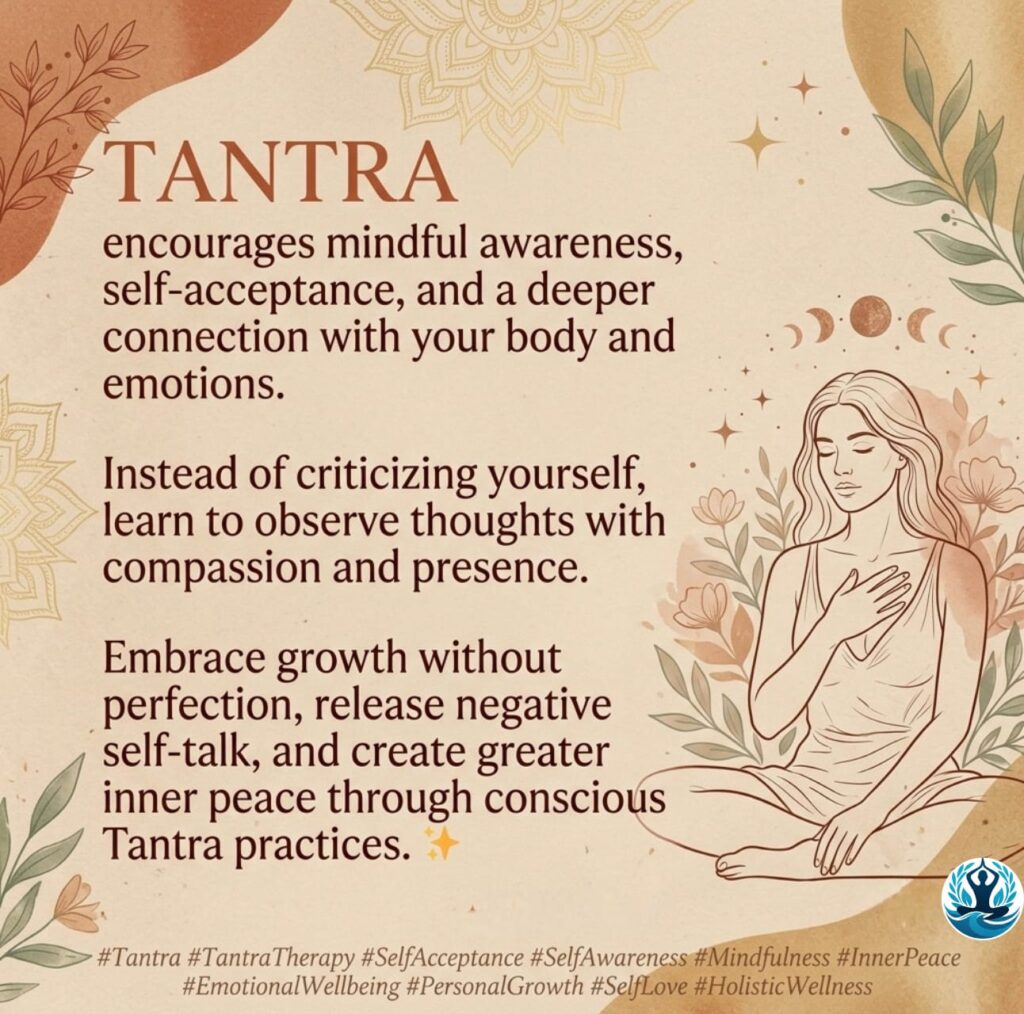
As somatic light becomes more accessible, emotional patterns begin to surface. Emotions are not just psychological events; they are embodied experiences with texture, temperature, and movement. Tantra invites practitioners to feel emotions directly in the body without labeling or analyzing them. Sadness may appear as heaviness in the chest, joy as expansion in the belly, or fear as contraction in the throat. When these sensations are met with awareness, they transform. The inner light does not judge or suppress; it simply reveals. In this revealing, emotions complete themselves and dissolve naturally.
The Tantra of Somatic Light also reframes pleasure as a spiritual teacher. Pleasure here does not refer to indulgence or stimulation, but to the subtle enjoyment of being present in the body. Feeling the ease of a stretch, the rhythm of walking, or the comfort of rest can awaken a deep appreciation for existence. Tantra recognizes that pleasure and awareness are intimately linked. When the body feels safe and receptive, consciousness naturally expands. This gentle pleasure becomes a stabilizing force, helping practitioners remain grounded as awareness deepens.
In relational contexts, somatic light becomes a powerful tool for connection. Tantra has long emphasized the role of presence in intimacy, not as performance but as shared awareness. When individuals are attuned to their own inner luminosity, they bring clarity and authenticity into relationships. Listening becomes more embodied, touch more conscious, and communication more honest. The practice is not about merging or losing oneself, but about meeting another from a place of fullness. In this way, somatic light supports healthy boundaries and deeper empathy simultaneously.
The spine holds particular significance in this tantric approach. Rather than viewing it as a channel to force energy upward, the spine is experienced as a column of awareness. Gentle attention along the spine can awaken a sense of vertical alignment and inner support. As awareness settles here, practitioners often feel a quiet strength and stability. This grounded luminosity supports both meditation and daily activity, allowing spiritual insight to integrate into ordinary life.
Meditation in the Tantra of Somatic Light is often simple and unstructured. Instead of focusing on a mantra or visualization, practitioners rest attention in the body and allow sensations to arise and pass. Over time, the sense of a separate observer dissolves, replaced by a unified field of awareness and sensation. The body feels transparent, as if awareness is shining through it. This experience is not dissociative; it is deeply intimate and alive.
Challenges inevitably arise on this path. Old habits of distraction, control, or self-judgment may surface. Tantra does not treat these as obstacles, but as opportunities to deepen presence. Even restlessness or resistance can be felt as sensation. When attention remains kind and curious, these patterns lose their grip. The inner light does not disappear during difficulty; it becomes more subtle, inviting patience and trust.
Over time, the practice of somatic light reshapes one’s relationship with life. Ordinary activities such as eating, working, or resting become opportunities for awareness. The boundary between spiritual practice and daily living dissolves. The practitioner no longer seeks special states but learns to recognize the sacredness of simple experience. This is one of tantra’s most radical teachings: enlightenment is not elsewhere, but here, in the felt reality of the body.
From a philosophical perspective, the Tantra of Somatic Light challenges dualistic thinking. It dissolves the separation between body and mind, sacred and mundane, inner and outer. Awareness is not something we possess; it is what we are, expressing itself through sensation. When this is realized experientially, not just intellectually, a deep relaxation arises. Life no longer needs to be controlled or perfected. It can be felt, moment by moment.
This approach also has therapeutic dimensions. Many people carry trauma or chronic stress that disconnects them from bodily awareness. Somatic tantra offers a gentle way to rebuild trust with the body. By moving slowly and respecting the nervous system’s limits, practitioners can reconnect with sensation safely. The emergence of inner light often brings a sense of empowerment and self-compassion, supporting emotional healing alongside spiritual growth.
Ultimately, the Tantra of Somatic Light is a path of remembering. It reminds us that awareness has always been present in the body, quietly illuminating every experience. Through patient attention and embodied presence, this light becomes conscious of itself. There is no final goal or endpoint, only an ongoing deepening of intimacy with life as it is.
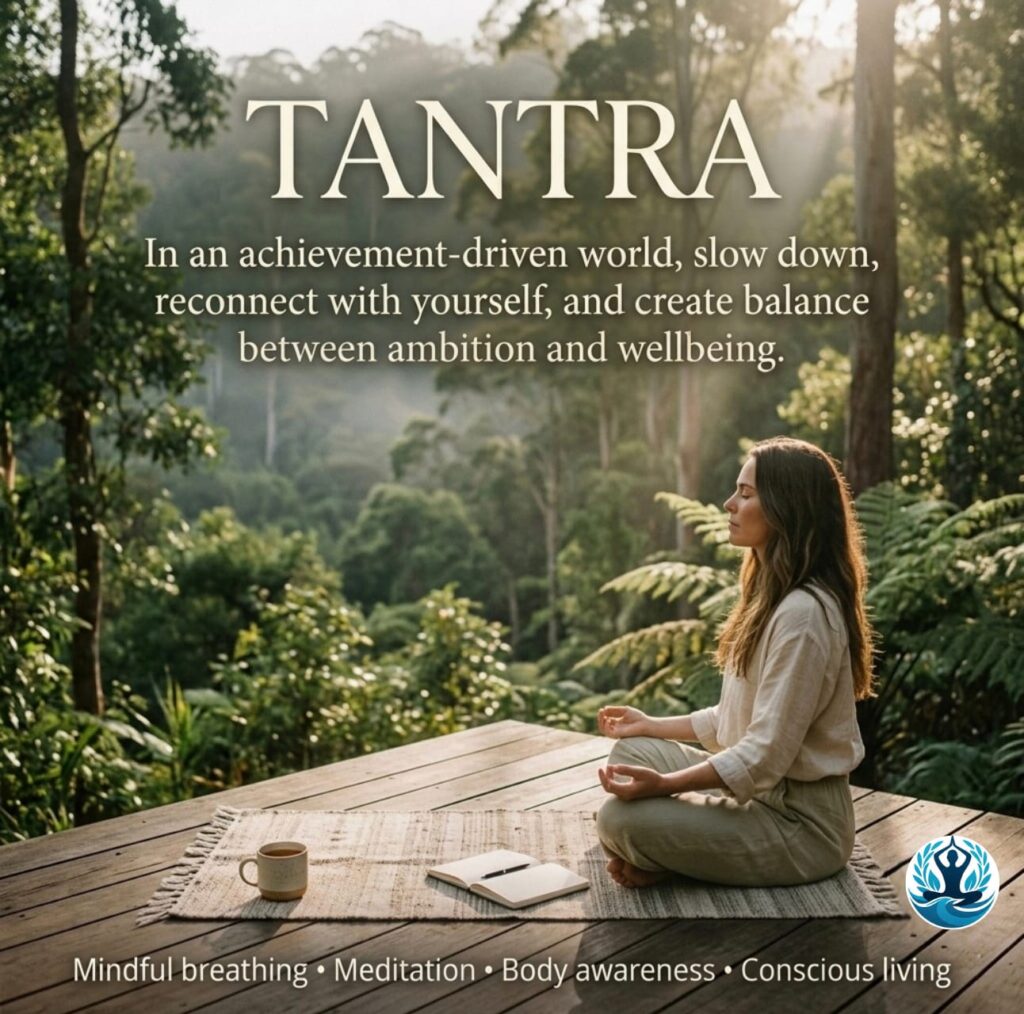
In a world that often prioritizes speed, productivity, and abstraction, this tantric path offers a radical alternative. It invites slowness, listening, and embodied wisdom. By awakening the body’s inner luminosity, practitioners rediscover a sense of wholeness that does not depend on belief or ideology. It is felt directly, in breath, sensation, and presence.
The Tantra of Somatic Light teaches that the body is not an obstacle to spiritual realization, but its doorway. Through honoring sensation as a form of intelligence, awareness naturally awakens. This quiet, embodied illumination becomes a steady companion, guiding one toward a life of depth, authenticity, and integrated consciousness.