

Tantra and the Path of Inner Union

Introduction
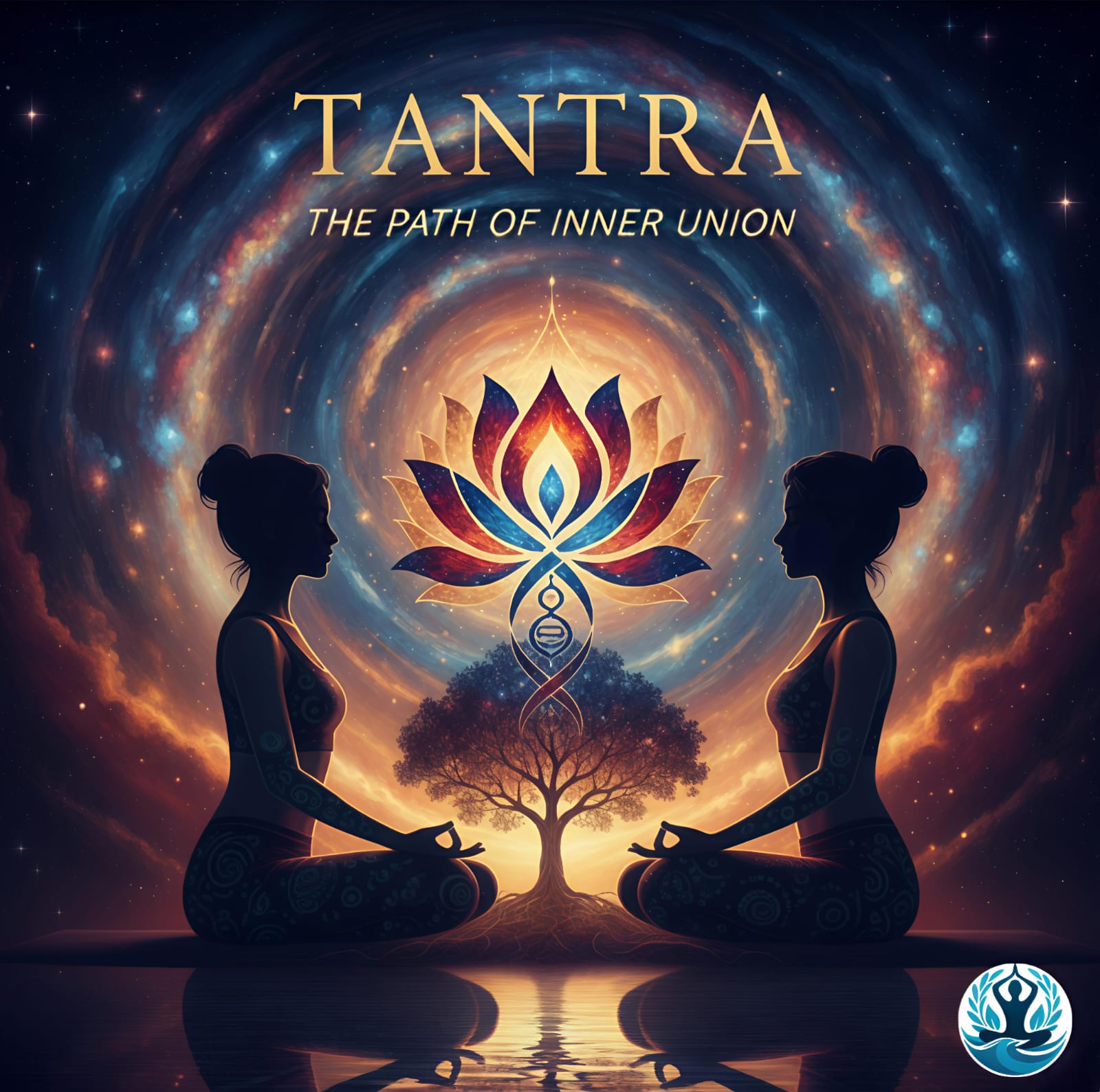
Tantra is not just a spiritual philosophy; it is an inner journey that unites all aspects of existence. It teaches that the divine is not separate from the material world but is expressed through it. The path of inner union in Tantra is about harmonizing the dualities within oneself—masculine and feminine energies, body and spirit, desire and awareness. This path is an awakening of consciousness through direct experience, inviting us to live fully and consciously in the present moment.
Understanding Inner Union
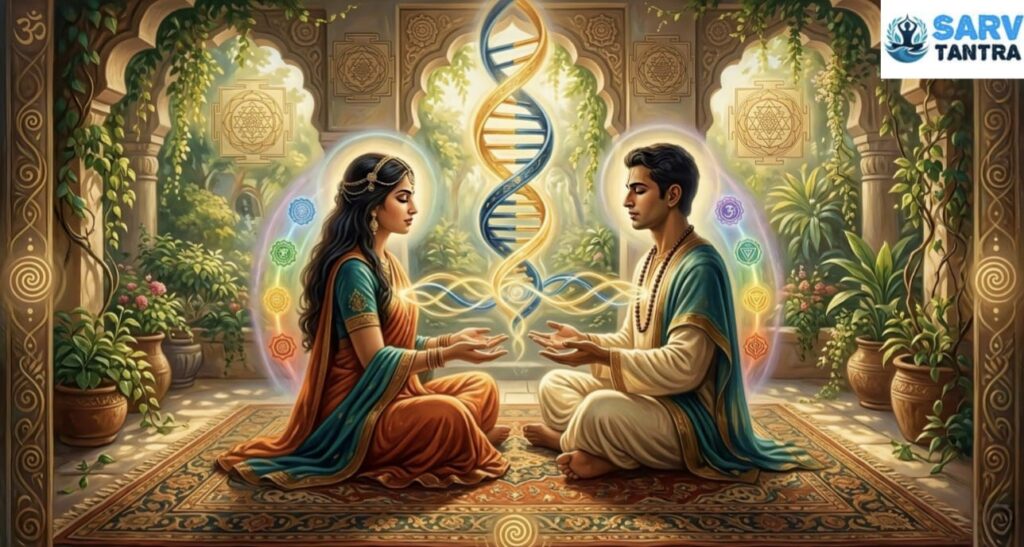
Inner union in Tantra is the merging of dual forces within every individual. It is not about external relationships or sexual connection alone, but about discovering the sacred marriage between Shiva and Shakti within—the union of consciousness and energy. Tantra views all human experience as sacred, seeing no contradiction between the spiritual and the sensual. The goal is not suppression of desires or rejection of the body but transforming these energies into pathways of enlightenment. When these polarities unite harmoniously, the being becomes whole, and a natural state of bliss arises.
The Masculine and Feminine Principle
According to Tantric wisdom, every individual, regardless of gender, contains both masculine and feminine energies. The masculine represents stillness, awareness, and consciousness—the aspect symbolized by Shiva. The feminine represents movement, emotion, and creative life force—the aspect symbolized by Shakti. Inner imbalance occurs when one energy dominates or suppresses the other. Tantra teaches that real harmony and spiritual maturity come when both energies dance together in balance. When the inner Shiva and Shakti unite, it awakens deep inner peace, joy, and divine love that is not dependent on outer circumstances.
The Journey Toward Balance
The path of balance in Tantra begins with awareness. Through meditation, breathwork, and conscious presence, one begins to recognize where energy is blocked or polarized. Some people naturally lean towards Shiva’s stillness and find it hard to express passion or emotion, while others embody Shakti’s intensity and struggle to find calm. The Tantric journey encourages embracing both aspects equally. When energy flows freely between stillness and movement, a deep sense of balance emerges. This is the essence of inner alchemy, where life energy is neither suppressed nor scattered but transformed into pure consciousness.
Body as a Sacred Temple
In Tantra, the body is revered as the temple of the divine. Every cell, sensation, and breath is a doorway to the sacred. Unlike spiritual paths that reject the body, Tantra honors embodiment as the gateway to awakening. The body holds immense wisdom—it carries memories, emotions, and the key to energetic transformation. Through mindful touch, movement, and breath, one reconnects with this living intelligence. The more one honors and listens to the body, the more life force awakens. This embodied awareness allows spiritual realization to become a lived, felt experience rather than a distant concept.
Energy and the Chakras
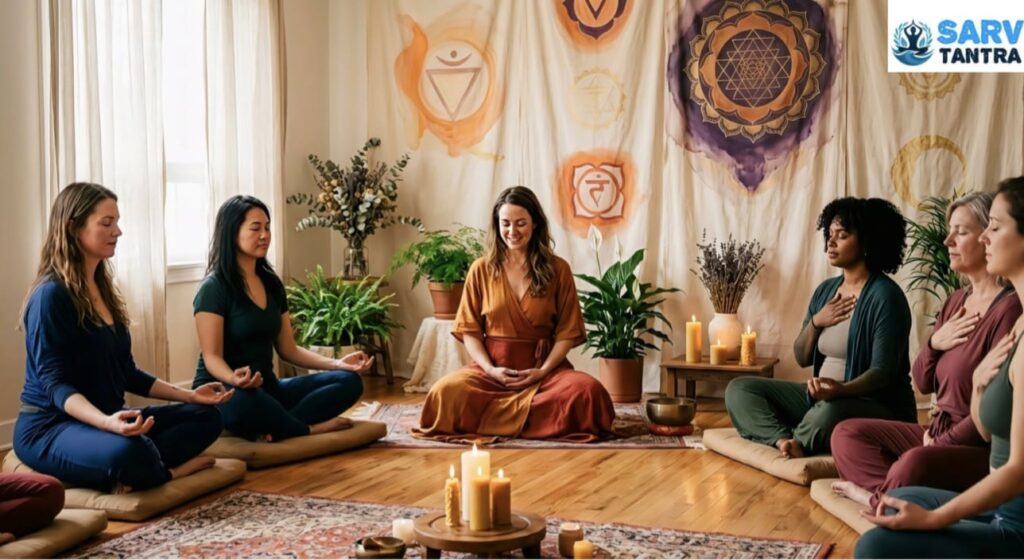
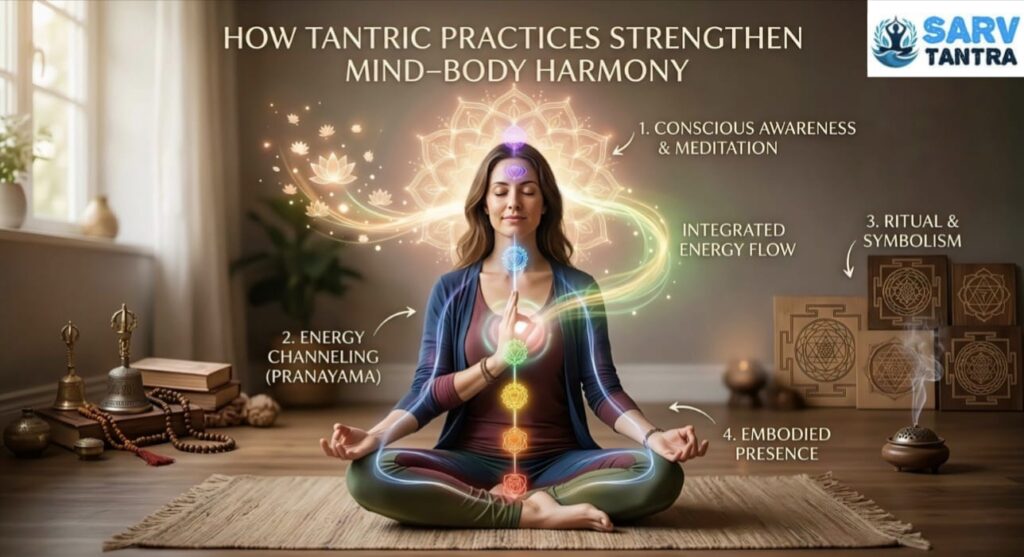
Energy, or prana, is the foundation of Tantric practice. It moves through the body in subtle channels known as nadis and is concentrated in energy centers called chakras. Each chakra represents a dimension of consciousness—from survival and grounding to love, communication, and transcendence. Tantra teaches how to awaken and harmonize these energy centers through meditation, sound, and movement. When energy flows freely through the chakras, awareness expands. The rising of kundalini energy, the coiled life force at the base of the spine, symbolizes the ultimate inner union as it ascends to meet the crown of consciousness.
Breath as a Bridge Between Dualities
Breath, or prana, is the most powerful tool in Tantric practice. It connects the physical and the spiritual, the body and the mind. Conscious breathing techniques help balance the masculine and feminine channels of energy—the solar (pingala) and lunar (ida) pathways. Through deep, mindful breathing, one can experience a state where dualities dissolve. Breath brings awareness into the present, grounding the individual in the eternal now. Each inhalation becomes an act of receiving life, and each exhalation an act of surrendering to it. This rhythmic dance mirrors the cosmic balance of creation and dissolution.
Meditation and Presence
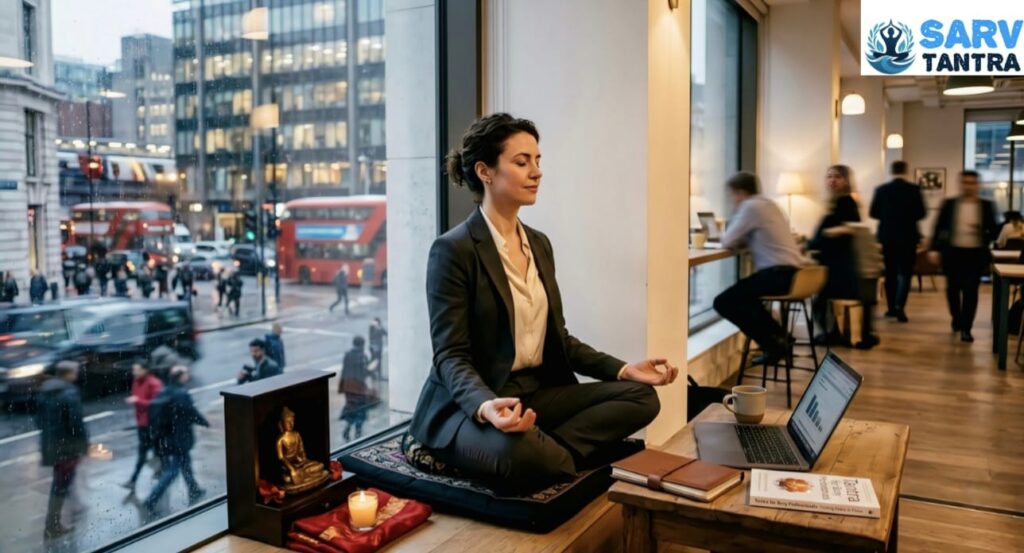
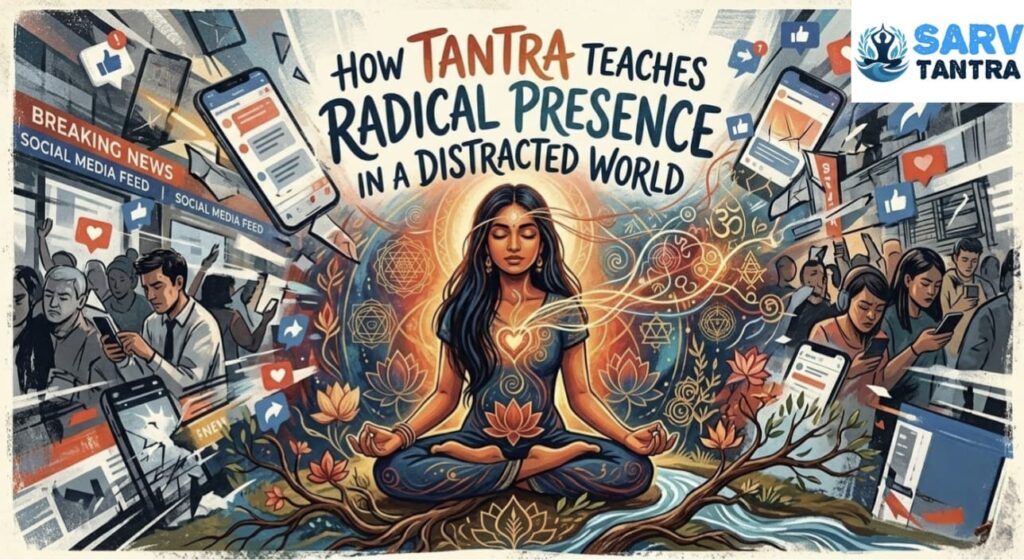
Tantric meditation is not about escaping reality but embracing it fully. It invites one to be completely present in whatever arises—pleasure, pain, thought, or silence. Presence itself becomes meditation. Tantra uses awareness of the senses, sound, and breath to awaken the meditative state in daily life. When we bring attention to the smallest gestures, every act becomes sacred. Eating, walking, or gazing can all be meditative when infused with awareness. This integration of meditation into life dissolves the boundaries between the mundane and the spiritual, allowing continuous connection with the divine flow.
Sacred Sexuality as a Gateway to Union
Sacred sexuality is one of Tantra’s most misunderstood aspects. It is not indulgence in pleasure but a spiritual practice that channels sexual energy into divine communion. Through conscious lovemaking, partners connect beyond physical desire, merging energy, emotion, and awareness. This union mirrors the cosmic dance of Shiva and Shakti. In this sacred meeting, time dissolves, and lovers experience oneness with existence itself. The orgasmic state in Tantra is not limited to physical climax but expands into total presence—a moment where the self disappears and only pure consciousness remains. Sacred sexuality thus becomes a path to spiritual awakening.
Embracing Shadow and Light
Inner union also means integrating all parts of oneself—the light and the shadow. Tantra does not reject darkness; it transforms it through awareness. Fear, anger, and desire are not enemies but raw energies waiting to be awakened into consciousness. By bringing compassion and acceptance to these hidden parts, one liberates immense creative potential. Every emotion becomes a teacher, every challenge an opportunity for expansion. When the shadow is embraced, wholeness emerges naturally. This is the true meaning of spiritual maturity—living from a state where nothing within or outside is rejected.
Love as the Essence of Tantra
At its core, Tantra is the path of love—love that arises from awareness, not attachment. Love in Tantra is not confined to romantic relationships but extends to all existence. It is the recognition of the divine in every being, every breath, and every experience. When one lives from the heart, life becomes an expression of devotion. The Tantric heart sees no separation between self and other; it beats in rhythm with the universe. Through this boundless love, one experiences the ultimate union—oneness with all that is.
Tantra in Daily Life
Tantra is not practiced only in rituals or meditation; it is a way of living. Every moment is an invitation to be fully alive, aware, and loving. Whether working, cooking, or relating to others, Tantra teaches presence and sacredness in all actions. When we move through life consciously, even ordinary moments become extraordinary. Living tantrically means seeing beauty in imperfection, divinity in the mundane, and love in every encounter. It transforms daily existence into a living meditation, a continuous celebration of the divine play.
Obstacles on the Path
The journey toward inner union is not without challenges. The mind resists change and clings to conditioning. Doubt, fear, and past wounds often arise as one goes deeper within. Tantra teaches patience, compassion, and trust in the process. The key is not to fight resistance but to witness it with awareness. Every obstacle becomes a doorway to greater understanding. The path requires surrender—not to another, but to life itself. In surrender, the ego softens, and the flow of divine intelligence begins to guide effortlessly.
Awakening Consciousness Through Relationship
Relationships are profound mirrors on the Tantric path. They reveal hidden aspects of ourselves that need healing or integration. Through conscious relating, partners can support each other’s growth and awakening. When love is rooted in awareness, relationships become sacred spaces for transformation. Instead of seeking completion in another, each partner learns to find wholeness within. From that wholeness, a new kind of intimacy emerges—one that is free, compassionate, and spiritually expansive. Tantra thus transforms relationships from dependency into divine partnership.
Living in Oneness
As inner union deepens, the illusion of separation dissolves. One begins to experience life as an interconnected web of energy and consciousness. Every sound, color, and sensation becomes a reflection of the same divine essence. In this awakened state, dualities such as pleasure and pain, gain and loss, lose their power to disturb. The heart becomes still yet full, and love flows naturally. This is the state of true liberation in Tantra—living in oneness, not as an idea but as a direct experience.
Conclusion
The path of inner union in Tantra is a journey of returning to wholeness. It is not about becoming something new but remembering what has always been. By uniting the masculine and feminine within, embracing shadow and light, and honoring the sacredness of life, one awakens to the divine reality that permeates all existence. Tantra is not a destination but a way of being—a continuous unfolding of love, awareness, and presence. Through this path, life itself becomes the teacher, and every moment a step toward eternal union with the divine.