

The Neuroscience of Tantra: How It Rewires the Brain

In recent years, Tantra has moved beyond its ancient spiritual roots to gain recognition in modern wellness and neuroscience circles. Once misunderstood as purely esoteric or ritualistic, Tantra is now being explored for its profound impact on the brain and nervous system. The intersection of Tantra and neuroscience reveals something powerful: these ancient practices can literally rewire the brain, enhancing mental clarity, emotional balance, and overall well-being.
This blog explores the neuroscience of Tantra, explaining how Tantric practices influence brain structure, neural pathways, and cognitive function. If you’re seeking a natural way to improve focus, reduce stress, and cultivate deeper awareness, understanding this connection can be transformative.
What Is Tantra? A Modern Perspective
Tantra is an ancient system originating in India that integrates body, mind, and consciousness. Unlike purely intellectual or meditative traditions, Tantra emphasizes direct experience—through breath, movement, awareness, and energy.
At its core, Tantra teaches:
- Presence in the moment
- Conscious breathing
- Awareness of bodily sensations
- Integration of emotions rather than suppression
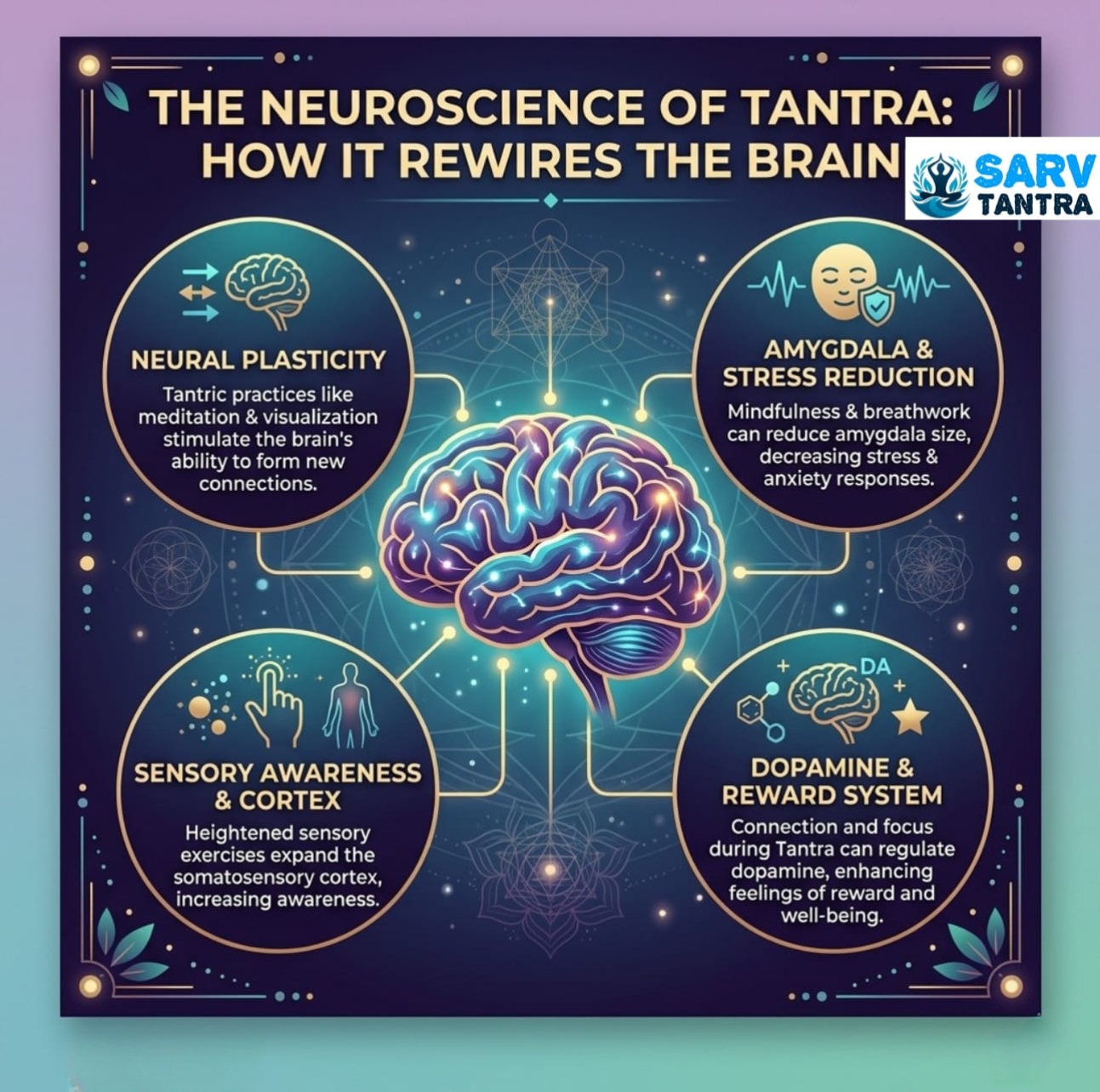
From a neuroscience perspective, these practices engage multiple brain systems simultaneously, creating a powerful environment for neuroplasticity, the brain’s ability to reorganize itself.
Understanding Neuroplasticity
Neuroplasticity is the brain’s ability to form new neural connections throughout life. This means your brain is not fixed—it constantly adapts based on your experiences, thoughts, and behaviors.
Tantric practices stimulate neuroplasticity by:
- Repeating mindful awareness patterns
- Activating emotional regulation circuits
- Strengthening attention networks
When practiced consistently, Tantra can reshape how the brain responds to stress, emotions, and external stimuli.
The Brain on Tantra: Key Areas Affected
1. Prefrontal Cortex: The Center of Awareness
The prefrontal cortex is responsible for:
- Decision-making
- Focus
- Self-awareness
Tantric meditation and breathwork increase activity in this region. As a result:
- You become more mindful
- Impulsivity decreases
- Focus improves
This is why regular Tantra practitioners often report greater clarity and intentional living.
2. Amygdala: Reducing Fear and Stress
The amygdala is the brain’s fear center. It triggers the fight-or-flight response when you feel threatened.
Chronic stress overstimulates the amygdala, leading to:
- Anxiety
- Overthinking
- Emotional reactivity
Tantric breathing and grounding practices help calm this area, resulting in:
- Reduced anxiety
- Emotional stability
- Better stress management
Over time, the amygdala becomes less reactive, making you more resilient.
3. Hippocampus: Memory and Emotional Processing
The hippocampus plays a key role in:
- Memory formation
- Learning
- Emotional regulation
Studies on mindfulness-based practices (closely aligned with Tantra) show increased hippocampal volume. This leads to:
- Better memory
- Improved emotional balance
- Reduced risk of depression
Tantra enhances this by combining awareness with sensory experience, strengthening memory-emotion connections.
4. Insula: Body Awareness and Sensation
The insula processes internal body sensations—also known as interoception.
Tantric practices emphasize:
- Feeling the breath
- Observing bodily sensations
- Connecting with internal energy
This activates the insula, resulting in:
- Greater body awareness
- Enhanced emotional intelligence
- Deeper mind-body connection
Breathwork and the Nervous System
One of Tantra’s most powerful tools is breathwork. Controlled breathing directly impacts the autonomic nervous system.
How It Works
- Slow breathing activates the parasympathetic nervous system (rest-and-digest mode)
- This reduces cortisol (stress hormone)
- Heart rate slows
- The body relaxes
Neuroscientific Impact
Breath-focused Tantra:
- Strengthens neural pathways related to calmness
- Reduces hyperactivity in stress circuits
- Improves emotional regulation
Over time, your brain learns to default to a calmer state—even in stressful situations.
Tantra and Brainwave States
Your brain operates on different frequencies depending on your mental state:
- Beta waves: Active thinking, stress
- Alpha waves: Relaxation, calm focus
- Theta waves: Deep meditation, creativity
Tantric meditation shifts brain activity from beta to alpha and theta states.
Benefits of This Shift
- Increased creativity
- Reduced anxiety
- Enhanced intuition
- Deep mental relaxation
This explains why Tantra often feels both calming and energizing at the same time.
Emotional Regulation Through Tantra
Modern neuroscience highlights the importance of emotional regulation—the ability to respond to emotions without being overwhelmed.
Tantra improves this by:
- Encouraging awareness instead of suppression
- Creating space between stimulus and response
- Strengthening neural pathways for calm reactions
Result
You become less reactive and more responsive. Instead of being controlled by emotions, you gain the ability to observe and manage them.
The Role of Dopamine and Serotonin
Tantric practices also influence key neurotransmitters:
Dopamine (Motivation & Reward)
- Increased through mindful engagement
- Leads to improved motivation and focus
Serotonin (Mood Stabilization)
- Boosted through relaxation and presence
- Enhances overall happiness and well-being
Unlike quick dopamine spikes from social media or junk food, Tantra promotes sustainable, balanced neurotransmitter activity.
Tantra and Stress Reduction
Chronic stress is one of the biggest challenges of modern life. It negatively affects:
- Brain structure
- Immune function
- Mental health
Tantra offers a natural solution by:
- Reducing cortisol levels
- Activating relaxation responses
- Rewiring stress pathways
Long-Term Benefits
- Lower anxiety levels
- Improved sleep
- Greater resilience
Focus and Cognitive Enhancement
In a world full of distractions, focus has become a valuable skill.
Tantra enhances focus by:
- Training attention through breath and awareness
- Strengthening neural pathways linked to concentration
- Reducing mental clutter
Outcome
- Better productivity
- Sharper thinking
- Increased cognitive flexibility
Tantra vs Traditional Meditation: A Neuroscience View
While both Tantra and traditional meditation benefit the brain, Tantra offers a unique advantage:
| Aspect | Traditional Meditation | Tantra |
|---|---|---|
| Focus | Mind-based | Mind + Body |
| Approach | Passive awareness | Active engagement |
| Experience | Stillness | Sensory integration |
| Brain Impact | Cognitive | Cognitive + Sensory |
Because Tantra involves the body, breath, and senses, it creates stronger neural integration, making its effects more holistic.
Daily Tantric Practices to Rewire Your Brain
You don’t need hours of practice to experience benefits. Even small daily rituals can create change.
1. Conscious Breathing (5 Minutes)
Focus on slow, deep breaths. This calms the nervous system and strengthens attention networks.
2. Body Awareness Scan
Bring attention to different parts of your body. This activates the insula and improves mind-body connection.
3. Sensory Awareness
Engage fully with your surroundings—sounds, textures, smells. This enhances neural integration.
4. Emotional Observation
Notice emotions without judgment. This rewires emotional response patterns.
5. Presence Practice
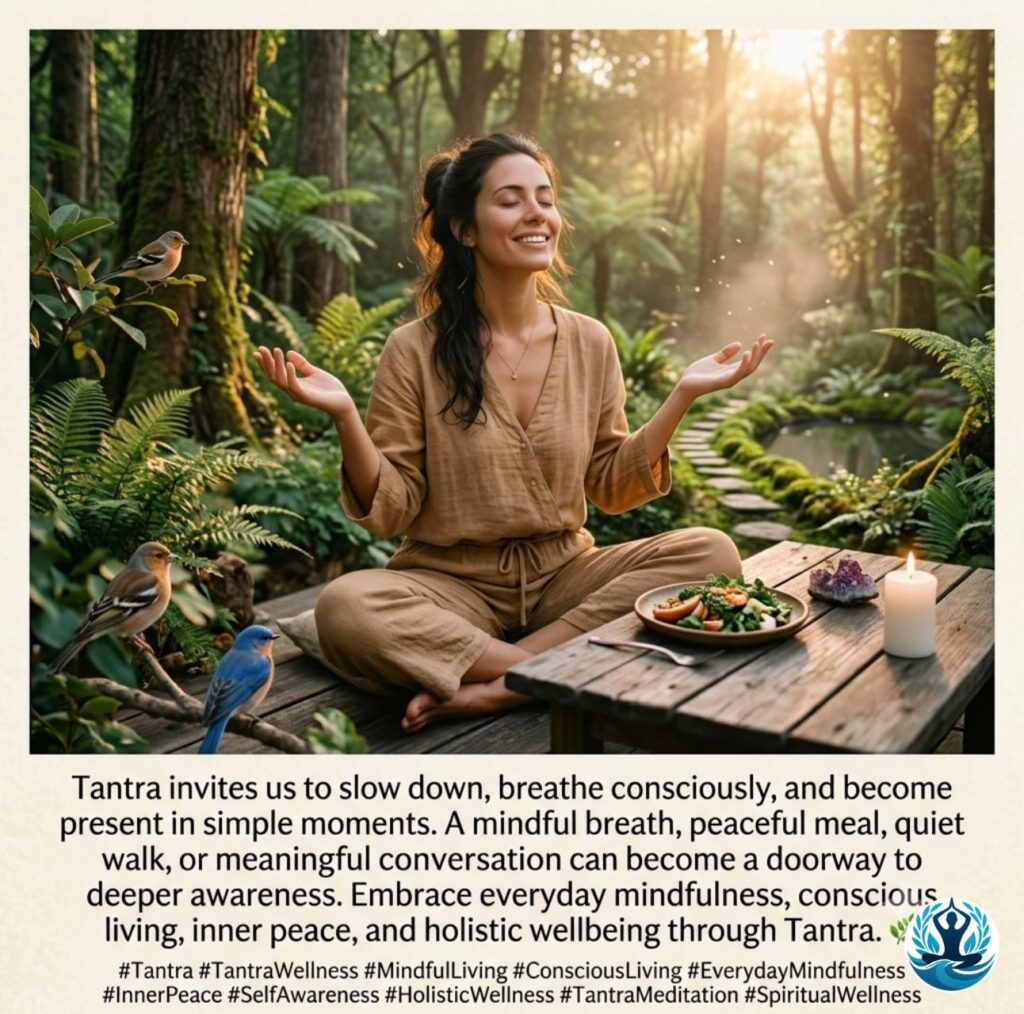
Stay fully present in simple activities like eating or walking.
Scientific Evidence Supporting Tantra-Like Practices
While direct research on Tantra is still emerging, studies on related practices such as mindfulness, breathwork, and somatic awareness show:
- Increased gray matter density in key brain regions
- Reduced amygdala activity
- Improved connectivity between brain networks
- Enhanced emotional regulation
These findings strongly support the neurological benefits of Tantra.
Common Misconceptions About Tantra
Myth 1: Tantra Is Only About Sexuality
Reality: Tantra is a holistic system involving consciousness, energy, and awareness.
Myth 2: It’s Religious or Esoteric
Reality: Tantra can be practiced in a completely secular, science-based way.
Myth 3: It’s Complicated
Reality: Simple practices like breathing and awareness can create powerful results.
The Future of Tantra and Neuroscience
As interest in mental health and holistic wellness grows, Tantra is gaining attention in fields like:
- Psychology
- Neuroscience
- Corporate wellness
It aligns perfectly with modern needs:
- Stress reduction
- Emotional intelligence
- Cognitive enhancement
We are likely to see more scientific studies validating what ancient practitioners already knew—Tantra is a powerful tool for transforming the mind.
Conclusion
The neuroscience of Tantra reveals a fascinating truth: ancient wisdom and modern science are deeply connected. Through breath, awareness, and embodied presence, Tantra has the ability to rewire the brain, creating lasting changes in how we think, feel, and respond to the world.
By practicing Tantra regularly, you can:
- Reduce stress and anxiety
- Improve focus and clarity
- Enhance emotional balance
- Strengthen mind-body connection
In a fast-paced, overstimulated world, Tantra offers something rare—a way to return to yourself while scientifically upgrading your brain.