

Tantra for Breaking the Cycle of Constant Busyness: A Holistic Approach to Slowing Down and Living Consciously

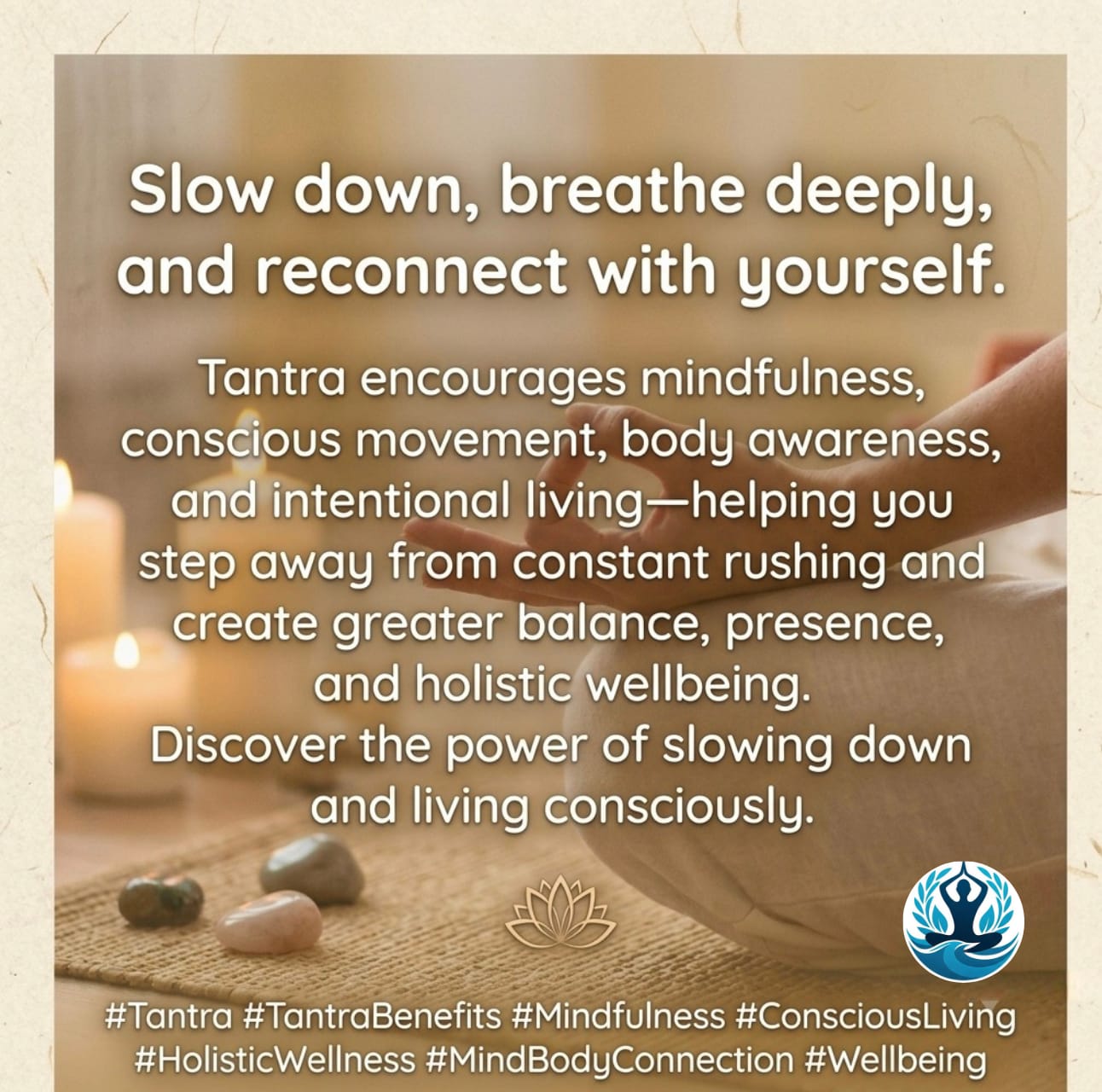
Modern life often creates a strange contradiction: people are constantly doing more, yet they may feel they have less time, energy, and connection with themselves. Work responsibilities, digital notifications, social commitments, family expectations, and personal goals can create a lifestyle where being busy becomes normal.
For many people, slowing down can even feel uncomfortable. When there is finally a quiet moment, the mind may immediately search for another task, message, notification, or responsibility.
This is where Tantra for breaking the cycle of constant busyness can offer a different perspective.
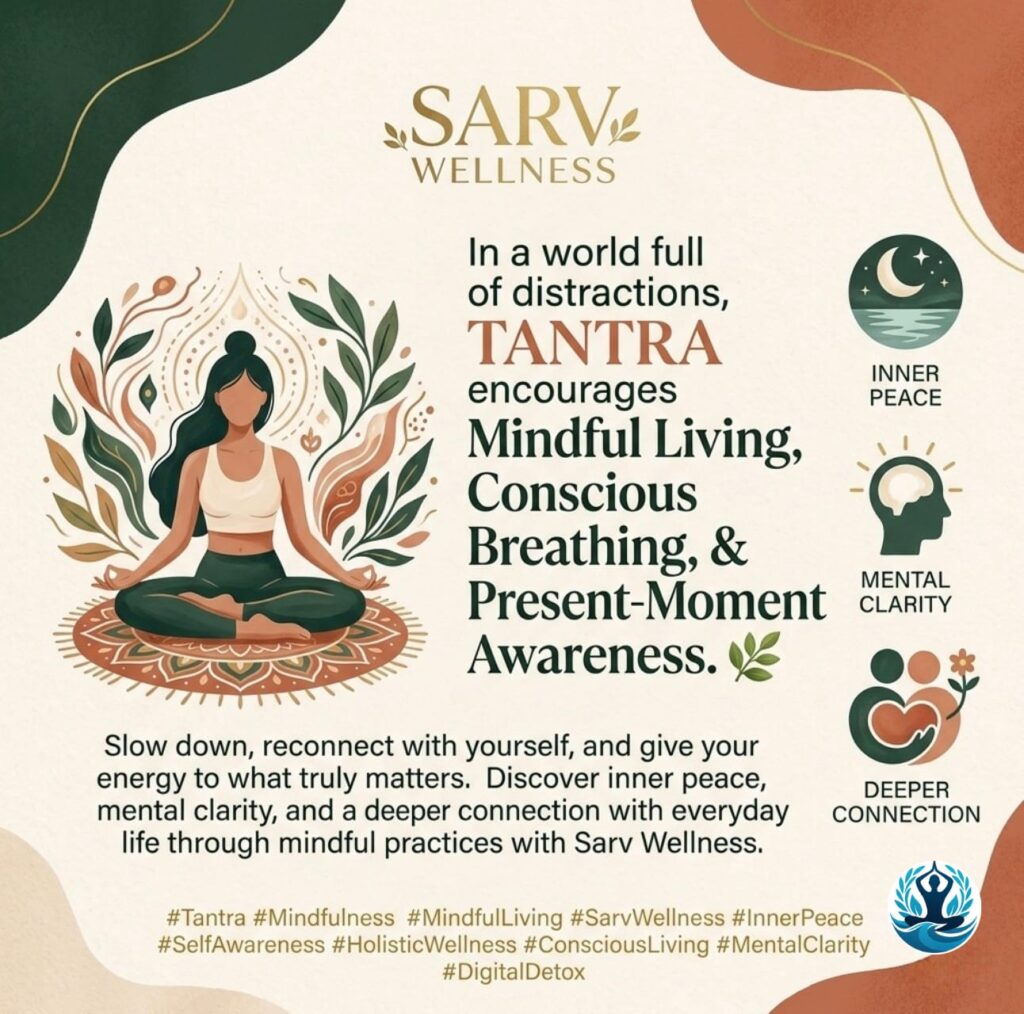
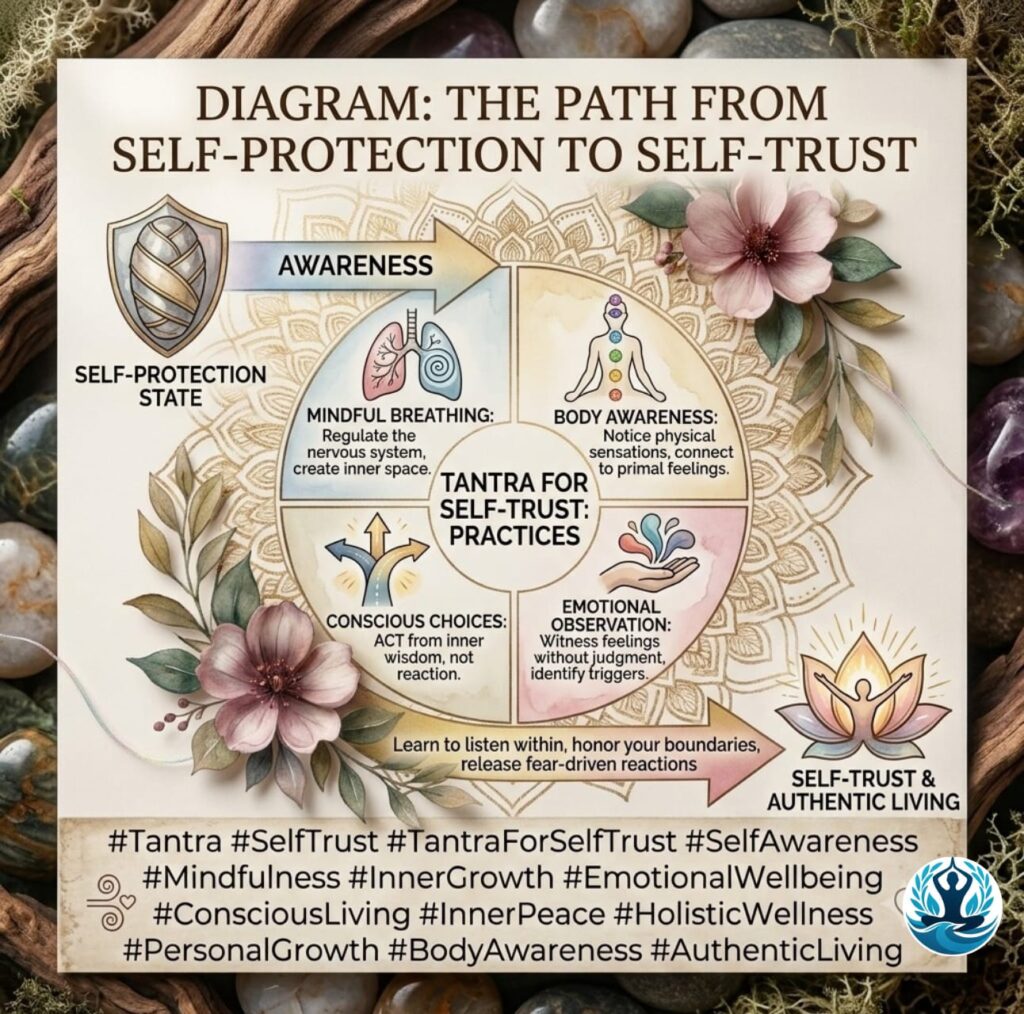
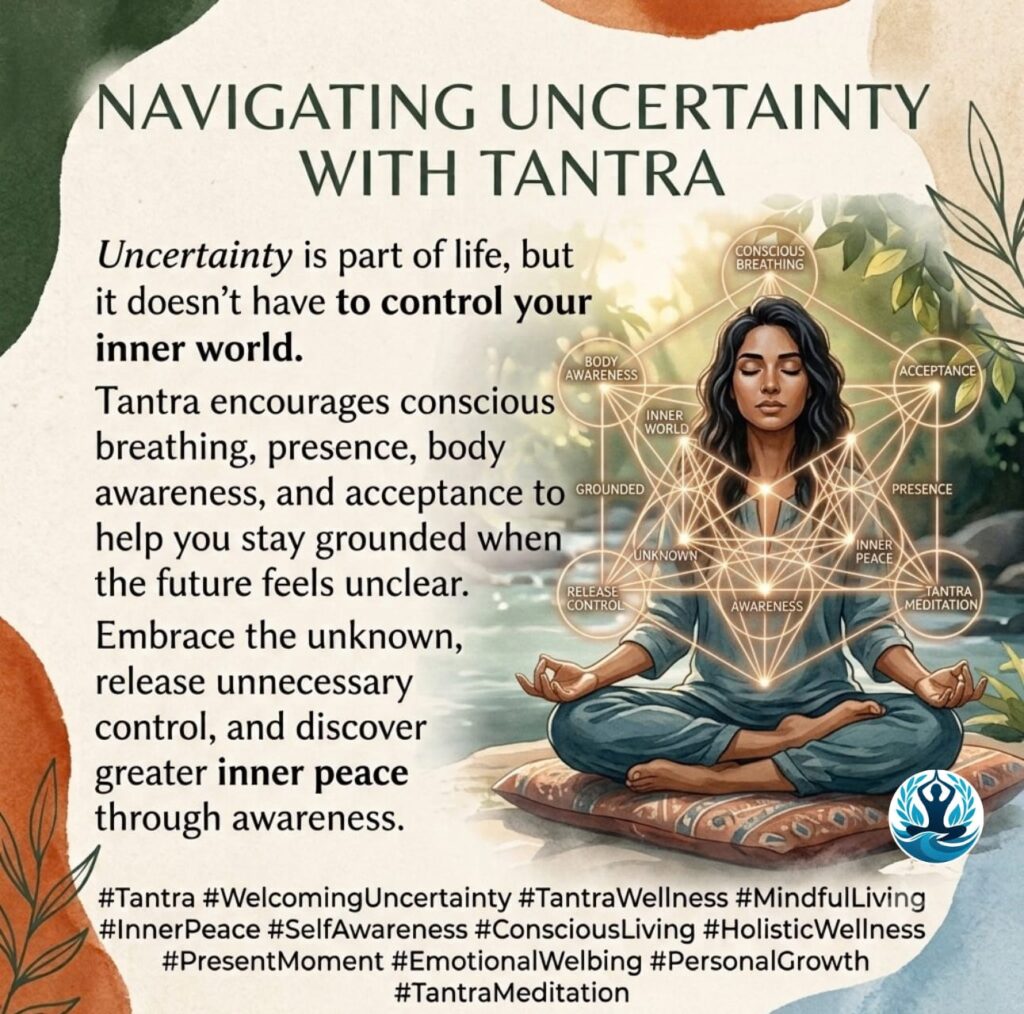
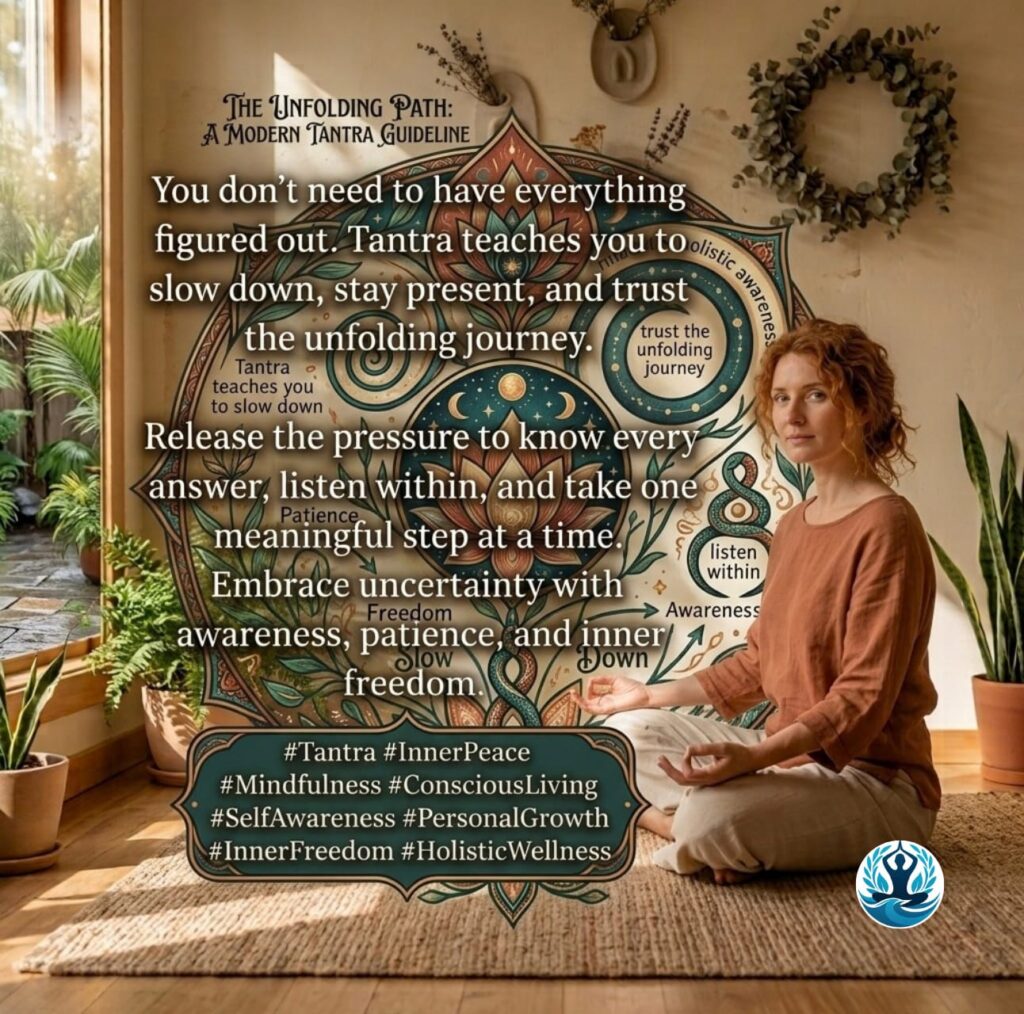
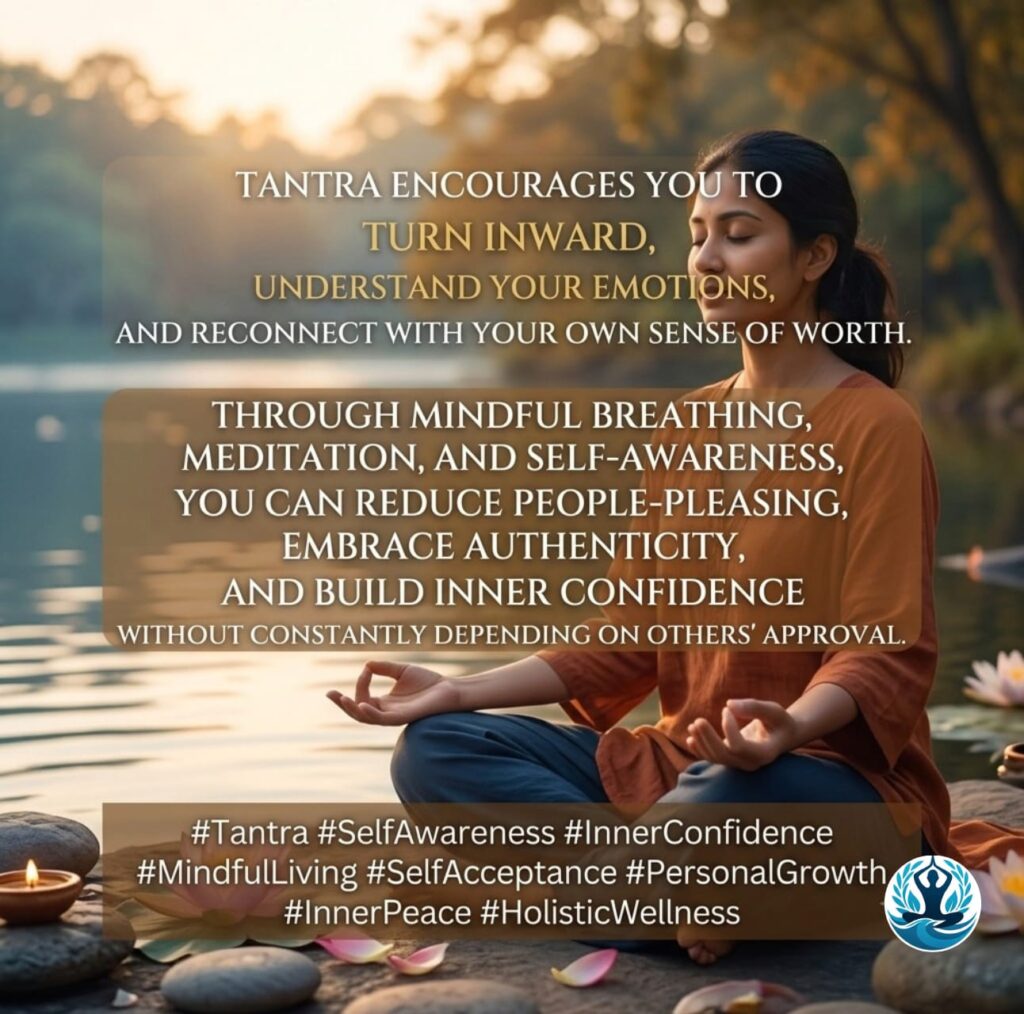
Rather than simply encouraging people to “do less,” Tantra can be understood as a practice of becoming more conscious of how we experience our body, breath, emotions, thoughts, relationships, and surroundings. Through awareness, mindful breathing, conscious movement, meditation, and intentional pauses, Tantric practices can encourage a person to move away from automatic living and toward more present living.
The goal is not to abandon responsibilities or productivity. Instead, the aim is to create a healthier relationship with activity and rest.
When we become more aware of ourselves, we can begin to recognize when we are rushing unnecessarily, operating from habit, ignoring bodily signals, or filling every moment with activity.
This article explores how Tantra may help people step away from constant busyness and develop a calmer, more conscious approach to everyday life.
What Is the Cycle of Constant Busyness?
Constant busyness is more than having a full schedule.
A person may have many responsibilities and still maintain a healthy rhythm. The problem arises when being busy becomes a permanent state of mind.
The cycle can look like this:
Task → pressure → rushing → temporary completion → another task → more pressure → exhaustion → repeat.
Eventually, the mind can begin to associate stillness with wasted time.
Some common signs include:
- Feeling uncomfortable when doing nothing
- Constantly checking the phone
- Moving quickly even when there is no need
- Eating meals while working or scrolling
- Thinking about the next task before finishing the current one
- Difficulty being fully present in conversations
- Feeling guilty about taking breaks
- Frequently multitasking
- Struggling to enjoy quiet moments
- Measuring personal value through productivity
This pattern can gradually reduce awareness of the present moment.
Instead of experiencing life directly, we may spend much of our time thinking about what happened earlier or what needs to happen next.
Tantric awareness offers a way to interrupt this automatic pattern.
How Tantra Can Help Break the Busyness Pattern
Tantra traditionally encompasses diverse spiritual and philosophical practices, and modern wellness uses of the term can vary considerably. In a contemporary mind-body context, certain Tantric-inspired practices emphasize awareness, breath, embodiment, meditation, and conscious experience.
These practices can be useful for people who want to create more space between stimulus and response.
Instead of automatically responding to every demand, awareness gives us an opportunity to pause.
That pause can be powerful.
It can help us ask:
“Do I really need to rush right now?”
“What is my body telling me?”
“Am I doing this consciously or simply out of habit?”
“What deserves my attention at this moment?”
These questions shift the focus from constant activity toward intentional action.
1. Tantra Encourages Present-Moment Awareness
One of the most valuable ideas associated with Tantric practice is awareness of the present experience.
When people become caught in busyness, attention is frequently divided.
You may be eating breakfast while reading emails, walking while thinking about work, or talking to someone while mentally preparing for the next task.
Present-moment awareness changes this pattern.
Instead of doing several things simultaneously, you practice giving your attention to one experience.
For example, while drinking tea, notice:
- The temperature
- The aroma
- The taste
- The movement of your hands
- Your breathing
- Your surroundings
This simple activity transforms an ordinary moment into an opportunity for awareness.
Over time, small moments of presence can become a natural part of everyday life.
2. Conscious Breathing Creates a Pause
Breathing is always happening, but most people rarely pay attention to it.
Conscious breathing can become an accessible way to create a pause during a busy day.
A simple practice is to stop for a moment and observe the breath without trying to force it.
Notice:
Inhale.
Pause naturally.
Exhale.
Then repeat for several comfortable breaths.
The purpose is not to perform complicated breathing techniques. The purpose is to shift attention away from endless thoughts and toward immediate bodily experience.
A few intentional breaths before starting a task can create a psychological transition between activities.
This can be especially useful during:
- Work breaks
- Commuting
- Before meals
- Before meetings
- After using your phone
- Before going to bed
- During moments of frustration
Conscious breathing can become an anchor that reminds you that you do not have to rush through every moment.
3. Tantra Brings Attention Back to the Body
Constant busyness can make people live primarily in their heads.
Thoughts about deadlines, responsibilities, plans, and problems may dominate attention.
The body can become something we notice only when it becomes uncomfortable.
Tantric approaches that emphasize embodiment encourage people to pay attention to bodily sensations.
Ask yourself:
- How does my body feel right now?
- Are my shoulders tense?
- Am I holding my breath?
- Is my jaw tight?
- Am I sitting comfortably?
- Do I feel energized or tired?
- What happens in my body when I think about my workload?
These observations are not about judging the body.
They are about listening.
Greater body awareness can help identify patterns of tension and fatigue earlier, giving you an opportunity to make healthier adjustments.
4. Conscious Movement Can Replace Mechanical Movement
Exercise is often approached as another item on a busy person’s checklist.
Tantric-inspired conscious movement takes a different approach.
The focus is not necessarily on moving faster or doing more.
It is about experiencing movement.
Walking, stretching, yoga-inspired practices, gentle mobility exercises, or other forms of movement can become opportunities to notice:
- Muscle sensations
- Breathing
- Balance
- Posture
- Rhythm
- Physical comfort
- Emotional responses
A slow stretch performed with awareness may provide a different experience from rushing through a demanding workout.
The principle is simple:
Movement becomes an experience rather than another task to complete.
5. Tantra Can Help Challenge the “Always Productive” Mindset
One of the biggest obstacles to slowing down is the belief that productivity determines personal worth.
Modern culture can sometimes glorify being busy.
Statements such as:
- “I have no time.”
- “I’m always working.”
- “I need to keep going.”
- “I’ll rest after everything is finished.”
can become part of everyday identity.
But there is always another task.
If rest is postponed until everything is completed, rest may never happen.
Tantric awareness can encourage a different understanding of productivity.
Rest, reflection, awareness, and connection can also be meaningful parts of life.
The goal is not to become passive.
The goal is to stop confusing constant activity with meaningful progress.
6. Tantra Encourages Intentional Pauses
A pause does not need to last an hour.
Sometimes a conscious pause can be only one minute.
Before beginning your next task:
- Stop.
- Relax your shoulders.
- Take a comfortable breath.
- Notice your surroundings.
- Ask what deserves your attention.
- Begin intentionally.
This creates a transition between activities.
Without pauses, one task can psychologically blend into another.
With pauses, the day can become a series of conscious moments rather than one continuous rush.
7. Tantra and Digital Overload
Technology has made communication easier, but constant digital stimulation can contribute to fragmented attention.
Notifications can create a habit of checking.
A person may open one message, move to social media, check email, return to work, and then repeat the cycle.
Tantric mindfulness can encourage conscious technology use.
Try creating small technology-free periods during the day.
For example:
Morning: Avoid immediately checking notifications.
Meals: Put the phone aside.
Conversations: Keep devices away when possible.
Before sleep: Create a quiet transition away from screens.
The objective isn’t necessarily to reject technology.
It is to become conscious of how technology influences attention.
8. Tantra Can Help Create a Healthier Relationship With Time
Busyness often creates the feeling that there is never enough time.
But sometimes the problem is not only the number of responsibilities.
It is our relationship with time.
When every minute must be optimized, life can begin to feel like a productivity project.
Tantric awareness invites us to experience time rather than constantly manage it.
A slow morning tea, an uninterrupted conversation, a walk without headphones, or several quiet breaths can become meaningful experiences.
These moments may appear small, but they can change how the day feels.
9. Tantra and Mindful Eating
Eating is another area where constant busyness can appear.
People may eat while working, watching videos, scrolling through social media, or traveling between commitments.
Mindful eating brings attention back to the experience.
Try taking the first few bites without distractions.
Notice:
- Texture
- Temperature
- Aroma
- Taste
- Chewing
- Breathing
- Feelings of hunger and satisfaction
This practice encourages the idea that everyday activities do not have to be rushed.
A meal can simply be a meal.
10. Tantra Can Encourage Deeper Self-Awareness
Constant busyness can sometimes function as a distraction from internal experiences.
When there is always something to do, there may be little space to notice emotions, uncertainty, dissatisfaction, or unmet needs.
Creating quiet moments can bring those experiences into awareness.
This does not mean every difficult feeling will disappear.
Instead, awareness can make it easier to recognize what is happening internally.
You may discover:
- “I’m tired.”
- “I need a break.”
- “I’m saying yes too often.”
- “This activity doesn’t align with my priorities.”
- “I am rushing because I feel pressured.”
- “I need more meaningful connection.”
Awareness can become the starting point for change.
11. Tantra for Conscious Daily Routines
Breaking the cycle of busyness does not require completely changing your lifestyle.
Small rituals can make a meaningful difference.
Consider creating simple conscious transitions.
Morning Ritual
Before reaching for your phone, take a few breaths and notice how you feel.
Work Transition
Before starting work, identify your most important priority.
Midday Pause
Take a short break without filling it with another screen.
Evening Transition
After completing work, consciously shift into personal time.
Night Reflection
Spend a few minutes reflecting on the day rather than immediately consuming more information.
These practices can gradually create a more balanced rhythm.
12. Tantra and the Art of Doing One Thing at a Time
Multitasking can feel productive, but constantly shifting attention can make everyday experiences feel fragmented.
Tantric awareness encourages greater attention to the present activity.
If you’re writing, write.
If you’re eating, eat.
If you’re talking, listen.
If you’re walking, walk.
This does not mean multitasking is always wrong. Some tasks naturally require multiple activities.
The principle is simply to notice when divided attention has become an automatic habit.
13. Tantra Can Support More Meaningful Relationships
Constant busyness can affect relationships.
You may physically spend time with someone while mentally remaining at work.
Conscious presence changes the quality of interaction.
During a conversation:
- Put distractions aside.
- Listen without immediately preparing your response.
- Notice facial expressions.
- Pay attention to your own emotional reactions.
- Allow moments of silence.
- Give the person your full attention.
This kind of presence can make ordinary interactions feel more meaningful.
14. Tantra and Rest Without Guilt
Some people struggle to rest because they associate rest with laziness.
But rest is a natural component of sustainable living.
A conscious approach to rest means recognizing that recovery is not necessarily the opposite of productivity.
Instead, it can support the ability to participate in life with greater clarity and energy.
Rest may include:
- Quiet sitting
- Gentle stretching
- Walking
- Meditation
- Reading
- Spending time in nature
- Enjoying music
- Unstructured personal time
The important part is not how impressive the activity looks.
It is whether it gives you genuine space to pause.
15. Creating a Personal Tantra-Inspired Pause Practice
You can create a simple five-minute practice for busy days.
Minute 1: Stop
Put aside what you’re doing.
Minute 2: Breathe
Observe several comfortable breaths.
Minute 3: Feel
Notice physical sensations without judging them.
Minute 4: Observe
Notice thoughts and emotions without immediately reacting.
Minute 5: Choose
Ask:
“What is the most conscious thing I can do next?”
Then continue your day.
This small practice can become a bridge between automatic activity and intentional action.
Benefits of Breaking the Cycle of Constant Busyness
Developing greater awareness may support several areas of wellbeing.
Potential benefits include:
Greater Presence
You may become more engaged with ordinary experiences.
Better Body Awareness
You can become more familiar with physical signals such as tension, fatigue, and relaxation.
More Intentional Living
You may begin making choices based on priorities rather than automatic habits.
Greater Emotional Awareness
Quiet moments can create space to recognize emotions before immediately reacting.
Improved Work-Life Boundaries
Conscious transitions may make it easier to separate professional responsibilities from personal time.
More Meaningful Relationships
Being present can improve the quality of everyday interactions.
Greater Appreciation
Slowing down can make ordinary experiences easier to notice and appreciate.
It is important to understand that these are potential wellness benefits, not guaranteed medical outcomes.
Common Misconceptions About Tantra
Tantra is often misunderstood because the word is associated with many different interpretations.
Tantra is not simply about sexuality.
Traditional Tantric traditions are diverse and can include spiritual philosophy, meditation, mantra, ritual, visualization, energetic practices, and other disciplines. Modern wellness programs may use selected practices in different ways.
Therefore, anyone exploring Tantra should look for responsible practitioners who clearly explain what their approach involves.
For wellness purposes, practices such as mindful breathing, meditation, conscious movement, and body awareness can be approached without reducing Tantra to a single technique.
How to Bring Tantric Awareness Into a Busy Lifestyle
You don’t have to leave your job, cancel your schedule, or move away from modern life.
Instead, begin by introducing awareness into the life you already have.
Try these practical habits:
Pause before checking your phone.
Take three conscious breaths before beginning work.
Eat at least one meal without digital distractions.
Walk without constantly checking notifications.
Create short periods of silence.
Notice bodily tension during the workday.
Give full attention to important conversations.
Create a transition between work and personal life.
Spend a few minutes reflecting before bed.
Small practices can become powerful when repeated consistently.
A Simple Daily Tantra-Inspired Routine
Here is an example of a simple routine for someone who feels constantly busy.
Morning — 5 Minutes
Sit quietly.
Observe your breathing.
Notice your body.
Set an intention for the day.
During Work — 1–3 Minutes
Pause between major tasks.
Relax your shoulders.
Take several comfortable breaths.
Return to the present task.
Lunch — 10 Minutes
Eat without your phone.
Notice your food.
Slow down.
Evening — 10 Minutes
Take a quiet walk or practice gentle movement.
Notice your surroundings.
Let your attention move away from work.
Before Bed — 5 Minutes
Sit quietly.
Reflect on the day.
Notice what you appreciated.
Allow the day to end without immediately filling the space with more stimulation.
Tantra for Breaking the Cycle of Constant Busyness: A Long-Term Perspective
The real transformation may not come from one meditation session or one quiet afternoon.
It comes from changing your relationship with attention.
Instead of asking:
“How much can I accomplish today?”
you can sometimes ask:
“How consciously am I experiencing today?”
Instead of:
“How quickly can I finish this?”
ask:
“Can I be fully present while doing it?”
Instead of:
“When can I finally rest?”
ask:
“How can I create healthier rhythms of activity and recovery?”
These questions shift life away from constant urgency and toward intentionality.
Conclusion
Tantra for breaking the cycle of constant busyness offers a valuable modern wellness perspective: slowing down does not necessarily mean doing nothing. It means becoming more conscious of how you live, work, move, breathe, communicate, and rest.
Through mindful breathing, conscious movement, body awareness, meditation, intentional pauses, and present-moment attention, Tantric-inspired practices can encourage people to step away from automatic patterns and reconnect with themselves.
The goal is not to eliminate responsibility or ambition.
It is to create balance.
A meaningful life does not have to be measured by how busy you are.
Sometimes, the most powerful change begins with something very simple:
Pause. Breathe. Feel. Notice. Choose.
When practiced consistently, these small moments of awareness can help transform the experience of an ordinary day—from constant rushing toward greater presence, connection, and conscious living.