

Tantra for Discovering Contentment Without Losing Motivation: A Guide to Inner Balance

In today’s fast-paced world, people are constantly encouraged to achieve more, earn more, improve themselves, and reach new milestones. Although ambition can inspire personal growth, the continuous desire to accomplish more can sometimes make it difficult to appreciate what we already have. Many people achieve their goals but quickly begin chasing the next one, leaving little time to experience genuine satisfaction.
This is where the principles of Tantra can offer a different perspective. Tantra encourages people to develop greater awareness of their thoughts, emotions, bodies, and everyday experiences. Rather than treating life as a constant struggle toward a better future, it invites us to become more present with the life we are living now.
Tantra for discovering contentment without losing motivation is about finding a healthy relationship between inner satisfaction and personal ambition. It teaches us to appreciate the present without abandoning our dreams, responsibilities, or desire for improvement.
Contentment does not mean becoming passive or giving up on success. Similarly, motivation does not need to come from dissatisfaction, comparison, or fear of failure. We can pursue meaningful goals while respecting our current progress and enjoying the journey.
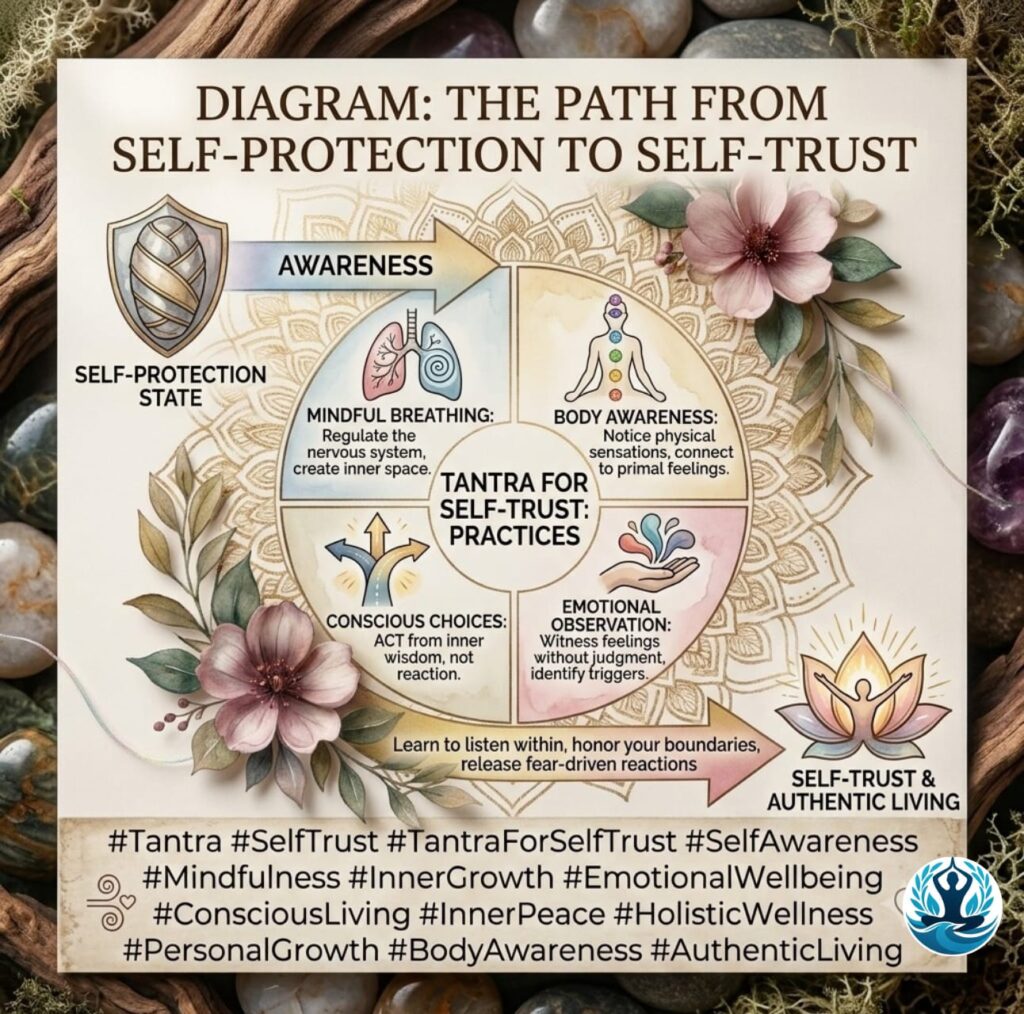
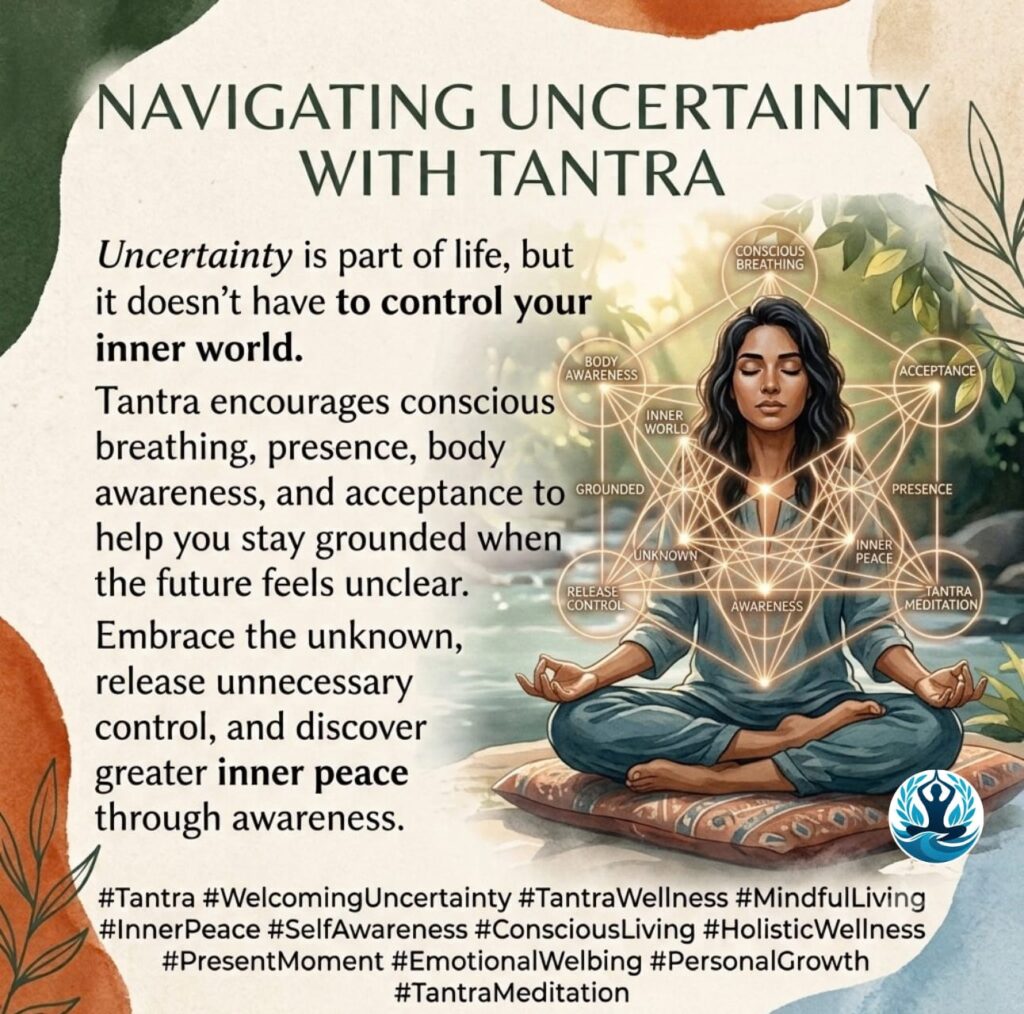
Through mindful breathing, meditation, body awareness, reflection, and conscious daily habits, individuals can explore a more balanced approach to life. These practices may support relaxation, self-understanding, and a more intentional relationship with achievement.
This guide explores how Tantra-inspired awareness can help us discover contentment, maintain motivation, reduce unnecessary pressure, and build a more meaningful lifestyle.
1. Understanding Contentment in Modern Life
Contentment is the ability to appreciate your current life without believing that everything must be perfect. It means recognizing what is valuable in the present while remaining open to change and improvement.
Many people mistakenly believe that contentment means settling for less. They worry that if they become satisfied with their current circumstances, they will lose their ambition or stop progressing.
However, contentment and ambition can exist together.
For example, you may appreciate your current job while working toward a better opportunity. You may feel grateful for your personal growth while continuing to develop new skills. You may value your present relationships while learning to communicate more effectively.
In each situation, contentment provides a stable foundation for growth.
Without it, life can become an endless cycle of achievement followed by dissatisfaction. Every accomplishment offers temporary happiness, but the mind soon begins searching for another goal.
Tantra encourages a deeper awareness of this pattern. By observing our thoughts and reactions, we can begin to recognize when our ambitions reflect genuine values and when they are driven by comparison, insecurity, or external expectations.
The purpose is not to eliminate ambition. It is to develop the freedom to pursue goals without allowing them to determine our entire sense of worth.
2. What Is Tantra, and How Does It Relate to Contentment?
Tantra is a diverse collection of philosophical and spiritual traditions with different practices and interpretations. In many traditional contexts, it involves a holistic understanding of life, awareness, the body, the mind, and spiritual experience.
Contemporary wellness approaches sometimes draw on Tantra-inspired ideas such as mindful breathing, meditation, sensory awareness, and conscious engagement with daily experiences.
These practices can help people pay attention to the present moment rather than constantly becoming absorbed in thoughts about what they lack or what they must achieve next.
When applied to the relationship between contentment and motivation, this approach encourages three important qualities.
Awareness: Recognizing your thoughts, desires, emotions, and habitual responses without immediately reacting to them.
Acceptance: Acknowledging your current circumstances honestly, including your achievements, limitations, and areas for growth.
Conscious action: Choosing goals and daily actions that reflect your values rather than simply following pressure from society or other people.
For instance, imagine that you have completed an important project. Instead of immediately worrying about the next task, you can pause, acknowledge your effort, and appreciate what you have learned. You can then move forward with a clearer mind.
This small change does not reduce productivity. It can make your work feel more intentional and less dominated by pressure.
Tantra-inspired awareness therefore offers a useful starting point for exploring contentment as an active part of personal development.
3. Why Do We Struggle to Feel Content?
Understanding the reasons behind dissatisfaction can help us develop healthier habits.
The habit of constant comparison
Social media, professional environments, and everyday conversations can encourage people to measure their lives against others. We may compare our income, appearance, relationships, careers, or achievements with what other people display.
Over time, comparison can make genuine progress feel inadequate.
Even when we accomplish something meaningful, another person’s success may convince us that we are falling behind.
Tantra-inspired self-awareness encourages us to notice these reactions. Instead of automatically judging our lives against someone else’s, we can ask whether our goals genuinely reflect our own priorities.
The belief that happiness comes later
Many people postpone satisfaction until a future milestone.
They tell themselves they will relax after receiving a promotion, feel confident after reaching a particular goal, or enjoy life once their responsibilities become easier.
Unfortunately, new responsibilities and desires often appear as soon as previous goals are achieved.
The present becomes merely a waiting room for the future.
Mindful awareness invites us to recognize that meaningful experiences are available now, even while we continue working toward future improvements.
Fear of falling behind
The pressure to remain competitive can make rest feel irresponsible. People may believe that slowing down means losing opportunities or becoming less successful.
This fear can create a pattern of continuous activity without sufficient reflection.
Contentment offers another perspective: progress is important, but the quality of the journey also matters. Rest, reflection, and appreciation can support sustainable effort rather than automatically interfering with it.
Unrealistic expectations
Expectations can motivate us, but rigid expectations can also create unnecessary disappointment.
When reality does not match our imagined timeline, we may interpret normal difficulties as personal failure.
A more conscious approach allows goals to evolve. We can remain committed to what matters while accepting that circumstances, abilities, and opportunities change over time.
Recognizing these patterns is the first step toward developing a healthier relationship with achievement.
4. The Difference Between Contentment and Complacency
One of the most common misunderstandings about contentment is that it leads to complacency. People assume that appreciating their current circumstances will reduce their desire to improve.
However, contentment and complacency are different.
Contentment means recognizing the value of your current life while remaining willing to grow. Complacency involves becoming unwilling to make necessary changes, even when those changes would improve your wellbeing or help you fulfill important responsibilities.
Consider two people who want to develop their careers.
The first person constantly worries about being unsuccessful. They work hard because they fear falling behind their colleagues. Even after receiving recognition, they struggle to feel satisfied.
The second person also works hard, but their motivation comes from curiosity, purpose, and a desire to develop their abilities. They appreciate their achievements and use setbacks as opportunities to learn.
Both individuals may have ambitious goals, but their experiences of pursuing those goals can be very different.
Tantra-inspired awareness encourages the second approach by helping people recognize the emotional forces behind their actions.
You can ask yourself:
-
Am I pursuing this goal because it genuinely matters to me?
-
Am I afraid that I will be considered unsuccessful if I stop?
-
Can I appreciate my progress even when the final result is still far away?
-
Does my ambition support my wellbeing, or does it constantly undermine it?
These questions do not require you to abandon your goals. They help you understand why you pursue them and whether your approach is sustainable.
True contentment allows you to grow from a place of self-respect rather than from the belief that you are never enough.
5. How Tantra-Inspired Awareness Can Support Healthy Motivation
Motivation is influenced by many factors, including personal values, habits, emotions, social environments, and physical wellbeing. There is no single practice that guarantees lasting motivation.
However, mindful awareness can help you understand what encourages you to act and what makes you feel discouraged or overwhelmed.
Connecting with your genuine desires
Sometimes, our goals are shaped by family expectations, social pressure, or the desire to receive recognition. We may pursue a particular career, lifestyle, or achievement without examining whether it reflects what we actually value.
Self-reflection creates space to distinguish personal desires from expectations we have adopted from others.
For example, you might discover that you want financial stability more than an impressive job title. Or you may realize that meaningful work and sufficient personal time matter more to you than constant professional recognition.
Understanding these priorities can make motivation more personal and meaningful.
Focusing on the process
When all your attention is directed toward a final result, the present can feel like an obstacle.
You may overlook the satisfaction of learning, practicing, creating, or solving problems because you are focused entirely on reaching the destination.
A mindful approach encourages you to engage with the process itself.
If you are learning a new skill, notice your growing understanding. If you are building a business, acknowledge the creativity and discipline involved. If you are improving your wellbeing, appreciate the small choices that support your progress.
The destination still matters, but the journey becomes valuable too.
Taking action without demanding perfection
Perfectionism can make motivation fragile. When people believe that every effort must produce an excellent result, mistakes can become emotionally exhausting.
Tantra-inspired awareness encourages observing experiences without immediately labeling them as successes or failures.
This does not mean ignoring mistakes. It means responding to them with curiosity and responsibility instead of excessive self-criticism.
You can acknowledge what went wrong, learn from the experience, and decide what to do next.
This creates room for steady effort without requiring every day to be perfect.
6. Mindful Breathing: Returning to the Present Moment

Breathing is an accessible way to bring attention back to the body when the mind becomes absorbed in worries, expectations, or future goals.
When you are constantly thinking about what needs to happen next, you may overlook signs of tension or fatigue. A short breathing practice offers an opportunity to pause and notice your current experience.
A simple conscious breathing practice
-
Sit comfortably in a quiet place.
-
Allow your shoulders and jaw to relax naturally.
-
Notice the sensation of breathing without forcing it.
-
Observe the movement of your chest or abdomen.
-
When thoughts about work, success, or unfinished tasks arise, acknowledge them and gently return your attention to breathing.
-
Continue for two to five minutes, or for as long as feels comfortable.
The goal is not to eliminate thoughts or force yourself to feel peaceful. It is to practice noticing what is happening without becoming completely absorbed in it.
After the exercise, ask yourself what deserves your attention right now.
Perhaps you need to complete an important task. Perhaps you need a short break. Perhaps you need to reconsider a goal that no longer feels meaningful.
The breathing practice does not make the decision for you. It creates a small opportunity to respond more consciously.
With regular practice, mindful breathing may help you develop greater awareness of stress and your reactions to it.
7. Body Awareness and Respecting Your Natural Limits
Personal ambition can sometimes encourage people to ignore their bodies.
Long working hours, inadequate breaks, poor sleep habits, and continuous mental activity may become normalized because productivity is treated as the highest priority.
Eventually, people may find it difficult to recognize when they need rest.
Tantra-inspired body awareness encourages a more attentive relationship with physical experience.
Instead of treating the body as a tool that must always perform, you can learn to notice its signals and respond appropriately.
For example, pause during your workday and observe:
-
Are your shoulders tense?
-
Are you holding your breath while concentrating?
-
Have you been sitting in one position for too long?
-
Are you feeling physically tired or mentally overloaded?
-
Would a short walk, a stretch, water, or a proper meal help?
These observations may seem simple, but they can help you make more informed decisions about your energy and daily routines.
Respecting physical limits does not mean avoiding effort. It means recognizing that sustained effort requires care, recovery, and realistic expectations.
Contentment becomes easier when you stop measuring your worth solely by how much you can accomplish and begin valuing how thoughtfully you care for yourself along the way.
8. Letting Go of the Need to Prove Your Worth
A major obstacle to contentment is the belief that personal worth must be demonstrated through achievement.
People may feel that they must always be productive, helpful, successful, attractive, or impressive to deserve respect.
When this belief becomes deeply rooted, even ordinary days can feel like tests of personal value.
Rest may produce guilt. Mistakes may feel humiliating. Other people’s achievements may appear threatening.
Tantra-inspired self-observation invites you to examine these beliefs rather than automatically obey them.
Ask yourself why a particular accomplishment feels so important. Is it connected to a genuine personal value, or are you hoping that success will finally make you feel acceptable?
There is nothing wrong with wanting recognition, developing your abilities, or working toward a better life. The difficulty arises when achievement becomes the only source of self-respect.
You can practice acknowledging qualities that are not dependent on external results, such as kindness, honesty, patience, curiosity, and willingness to learn.
You can also recognize the effort you make, even when an outcome is uncertain.
For example, a job application may not lead to an offer, but preparing carefully and learning from the process still has value. A project may encounter difficulties, but your willingness to adapt can strengthen your abilities.
This shift allows you to pursue meaningful goals without making every outcome a judgment of your identity.
9. Practicing Gratitude Without Suppressing Ambition
Gratitude can help people notice aspects of life that are easily overlooked when attention is focused on what is missing.
However, gratitude should not become another demand to feel positive all the time.
You can appreciate what you have while acknowledging that certain circumstances need to change. You can feel grateful for supportive relationships while working through a difficult disagreement. You can appreciate your current opportunities while wanting better financial security.
Both experiences can be valid.
A daily gratitude reflection
At the end of the day, take a few minutes to identify three things you appreciate.
They do not need to be major accomplishments. You might appreciate a meaningful conversation, a meal you enjoyed, the opportunity to learn something, or a moment when you handled a difficult situation thoughtfully.
Then ask yourself one additional question:
What is one meaningful thing I would like to work toward tomorrow?
This combines appreciation with direction.
The gratitude reflection helps you acknowledge what already has value. The forward-looking question helps you identify your next step.
Over time, this approach can make it easier to recognize that a meaningful life does not have to be divided into two separate stages: being satisfied after success and struggling until success arrives.
You can experience appreciation and continue making progress at the same time.
10. Releasing Comparison and Following Your Own Journey
Comparison can create the impression that everyone else is moving forward faster.
A friend may purchase a home, a colleague may receive a promotion, or someone online may appear to have a perfect personal life. These experiences can make your own progress seem insignificant.
Yet people have different circumstances, resources, responsibilities, opportunities, and priorities. Their visible achievements do not tell you everything about their lives.
Tantra-inspired awareness encourages you to notice the emotional effects of comparison before allowing them to determine your next decision.
When you feel behind, pause and ask:
-
What exactly am I comparing?
-
Do I genuinely want what the other person has?
-
Am I overlooking progress because it does not look impressive?
-
What would meaningful progress look like according to my own values?
These questions can reveal whether a desire comes from personal interest or the pressure to keep up.
You may discover that you genuinely want to develop a skill you admire in someone else. In that case, comparison can become inspiration.
Alternatively, you may realize that you are chasing a lifestyle that does not fit your needs. Recognizing this can help you redirect your attention.
The aim is not to stop learning from others. It is to stop using other people’s lives as the only measure of your own.
Your journey can be meaningful even when its pace, direction, and milestones differ from those around you.
11. Creating Space Between Desire and Action
Desire is a natural part of being human. We want to learn, experience, create, connect, and improve our circumstances. The challenge begins when every desire immediately becomes a demand that must be fulfilled.
You may feel compelled to purchase something because others have it, accept extra work because you fear disappointing someone, or start another project because you feel uncomfortable with being still.
When every impulse becomes an action, it becomes difficult to determine what truly deserves your time.
Tantra-inspired mindfulness encourages you to observe desires before acting on them.
When a strong desire arises, pause and ask yourself whether it reflects a genuine need, a meaningful aspiration, or a temporary emotional reaction.
You do not have to reject the desire. Simply give yourself enough space to understand it.
For example, if you suddenly feel that your career is not progressing quickly enough, you might initially want to make a drastic change. A moment of reflection may reveal that you need clearer goals, more recognition, or a healthier work environment.
Understanding the underlying need can help you choose a more appropriate response.
This practice supports contentment because it reduces the pressure to constantly acquire, accomplish, or change something. It also supports motivation by helping you direct your effort toward goals that matter.
12. Finding Meaning Beyond Productivity
Modern culture often measures success through visible results: completed tasks, financial growth, professional recognition, and measurable achievements.
These accomplishments can be valuable, but they do not represent the whole of a meaningful life.
Relationships, creativity, rest, curiosity, connection with nature, and ordinary moments of enjoyment also contribute to our experience of wellbeing.
When productivity becomes the primary measure of value, activities that do not produce immediate results may begin to feel unimportant.
You might feel guilty about spending time with family instead of working. You might rush through a meal while thinking about your next responsibility. You might treat a relaxing weekend as wasted time because you did not accomplish anything measurable.
A more conscious approach invites you to broaden your understanding of progress.
Progress can mean becoming more patient, communicating honestly, developing emotional awareness, or learning to maintain healthier boundaries.
It can also mean recognizing when you have done enough for the day.
Try setting aside a small amount of time for an activity that does not need to produce a result. Listen to music, walk outdoors, read for enjoyment, prepare a meal mindfully, or have an uninterrupted conversation.
These experiences remind you that life is not only something to manage or optimize. It is also something to experience.
When your identity includes more than productivity, you can pursue professional and personal goals without making constant achievement the condition for enjoying life.
13. Practical Daily Tantra-Inspired Practices for Contentment
You do not need to transform your entire lifestyle to begin exploring contentment. Small, consistent practices can help you develop greater awareness of how you spend your attention and energy.

Morning: Begin with intention
Spend three to five minutes breathing comfortably and noticing how you feel. Choose one meaningful priority for the day. Rather than creating a long list of expectations, identify what deserves your attention most.

During the day: Pause and observe
Before moving to another task, pause briefly. Notice whether you are acting with intention or simply reacting to pressure. Allow yourself to acknowledge completed work before immediately moving forward.

Afternoon: Reconnect with your body
Take a short walk, stretch gently, or sit quietly. Notice physical tension and mental fatigue. Give yourself a suitable break when needed instead of assuming that continuous activity is always productive.

Evening: Appreciate and reflect
Write down one thing you appreciated, one thing you learned, and one action you would like to take tomorrow. Acknowledge your effort without judging the entire day by its results.
The purpose of these practices is not to create another demanding routine. Adapt them to your circumstances and choose what feels helpful.
Consistency matters more than perfection. Missing a practice does not mean you have failed; you can simply return to it when you are ready.
14. Overcoming Common Challenges on the Journey
Developing contentment while maintaining motivation takes patience. Certain difficulties may arise as you change familiar habits.
When you feel guilty about resting
You may believe that every available moment should be used productively.
Remind yourself that rest is a legitimate part of a sustainable life. Appropriate recovery can support concentration, physical wellbeing, and your ability to approach important responsibilities.
Begin with short breaks and notice whether your relationship with work becomes more balanced.
When your goals keep changing
Sometimes, you achieve a goal and immediately discover that you want something else.
Instead of judging yourself for having new desires, examine whether the new goal reflects your values. Some goals are worth pursuing, while others arise mainly from temporary comparison or external pressure.
You can choose your next direction thoughtfully rather than automatically chasing every new possibility.
When progress feels too slow
It is easy to become discouraged when results do not arrive according to your expectations.
Break larger goals into manageable actions. Recognize improvements in your skills, understanding, consistency, and decision-making, even when the final outcome remains distant.
Patience does not require you to stop working. It allows you to continue without demanding immediate rewards.
When you lose motivation
Motivation naturally fluctuates. Fatigue, uncertainty, competing responsibilities, and emotional stress can all affect your willingness to act.
Instead of assuming that you have become lazy, examine what may be contributing to the change.
You might need more rest, a clearer plan, additional support, or a stronger connection with the purpose behind your goal.
Choose one manageable next step rather than waiting for perfect motivation to return.
If persistent exhaustion, low mood, or difficulty functioning affects your everyday life, consider seeking appropriate professional support rather than relying on mindfulness practices alone.
15. A Seven-Day Practice for Contentment and Motivation
You can use this simple seven-day plan to begin applying the ideas discussed in this article.
| Day | Practice | Intention |
|---|---|---|
| Day 1 | Notice three things you appreciate. | Recognize what already has value. |
| Day 2 | Spend five minutes observing your breath. | Return attention to the present. |
| Day 3 | Identify one goal that genuinely matters to you. | Understand your motivation. |
| Day 4 | Take a mindful break without multitasking. | Practice valuing rest. |
| Day 5 | Notice when you compare yourself with others. | Return to your own priorities. |
| Day 6 | Complete one meaningful task without demanding perfection. | Practice steady, realistic effort. |
| Day 7 | Reflect on what felt meaningful during the week. | Integrate appreciation and progress. |
At the end of the week, consider the following questions:
-
Did I notice moments of satisfaction that I usually overlook?
-
Which activities gave me a sense of purpose?
-
When did I feel pressured to achieve something for external approval?
-
What changes would help me balance ambition with wellbeing?
Use your answers to shape your next week. There is no need to expect a dramatic transformation in seven days. The purpose is to develop a more attentive relationship with your choices.
16. The Deeper Lesson: You Can Be Satisfied and Still Evolve
One of the most valuable lessons in the journey toward contentment is that personal growth does not require constant dissatisfaction.
You can acknowledge your current strengths while developing new abilities. You can appreciate your relationships while working through challenges. You can enjoy the progress you have made while recognizing that there is still more to learn.
Life is not a choice between remaining exactly as you are and constantly trying to become someone better.
You can respect who you are today and remain open to who you may become tomorrow.
Tantra-inspired awareness offers a way to explore this balance by bringing attention to your experiences, desires, emotions, and everyday decisions. Rather than automatically reacting to pressure, you can learn to respond with greater intention.
This approach can also change how you understand success.
Success becomes more than reaching a particular destination. It can include the way you treat yourself while working toward it, the relationships you nurture, the values you protect, and the ability to appreciate meaningful experiences along the way.
Contentment does not remove uncertainty or guarantee that every goal will be achieved. It helps you develop a more grounded perspective while navigating life’s changing circumstances.
With this perspective, ambition becomes a choice rather than a constant demand, and appreciation becomes part of everyday living rather than something postponed until the next accomplishment.
Conclusion
Tantra for discovering contentment without losing motivation is about creating harmony between appreciating the present and working toward a meaningful future.
Through conscious breathing, body awareness, meditation, gratitude, and self-reflection, we can begin to recognize the habits that keep us trapped in comparison, dissatisfaction, and constant striving.
These practices encourage us to understand our desires, question unrealistic expectations, and pursue goals that genuinely reflect our values.
Contentment does not mean giving up on growth. It means learning to grow without constantly feeling that something is missing.
When we appreciate our current lives while continuing to take meaningful action, we can approach personal development with greater awareness, patience, and purpose.
The journey is not about becoming someone who never wants more. It is about becoming someone who can value what exists today while consciously creating what matters for tomorrow.
You do not have to choose between being content with your life and being motivated to improve it. You can appreciate how far you have come and still be excited about where you are going.