

Reclaiming Your Attention in a World Full of Distractions: How Tantra Encourages Mindful Living


Modern life offers endless opportunities to connect, learn, communicate, and grow. Yet, despite having more access to information than ever before, many people struggle to remain present. Notifications interrupt conversations, social media competes for attention, and the pressure to multitask makes it difficult to focus on one thing at a time. Even during moments of rest, the mind often continues to jump between unfinished tasks, future plans, and past experiences.
In this environment, reclaiming your attention has become an essential part of emotional wellbeing and conscious living. Attention is not simply the ability to concentrate; it influences how we experience relationships, understand emotions, make decisions, and connect with ourselves.
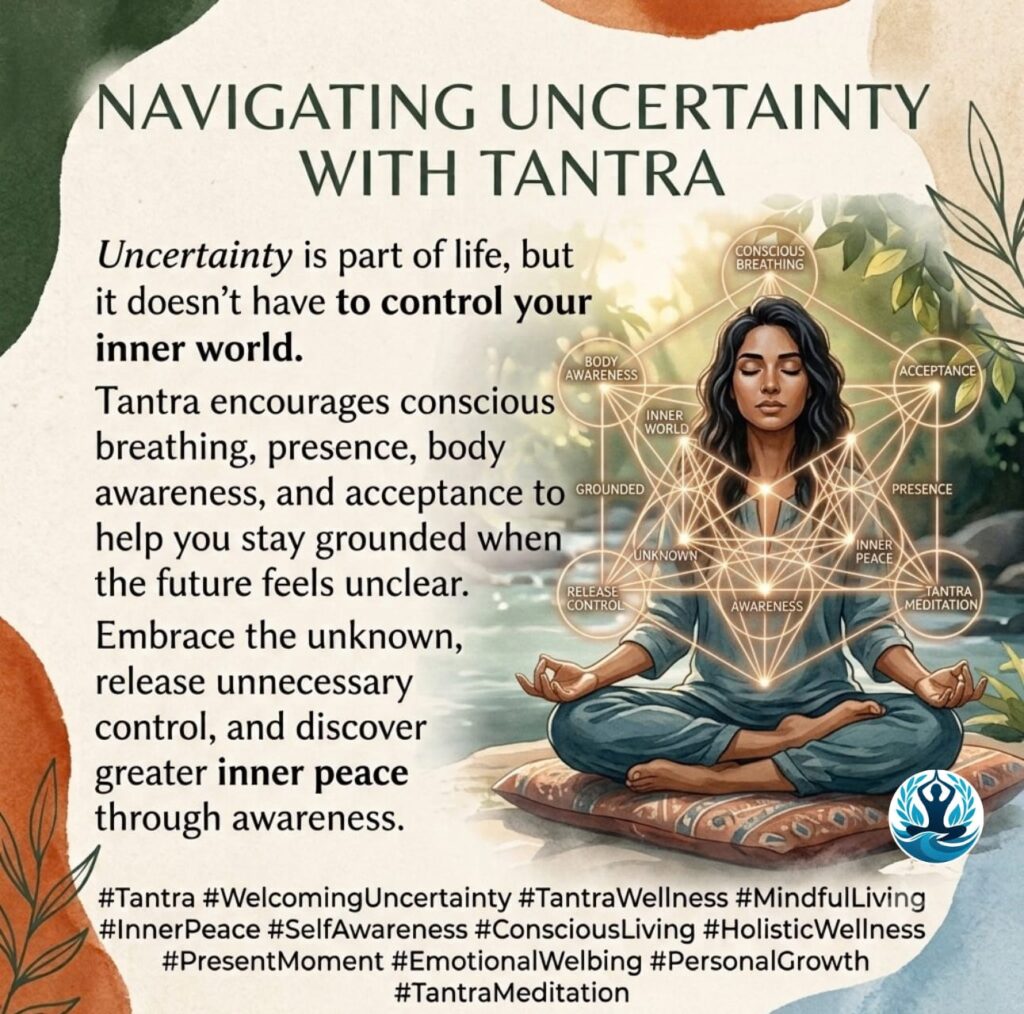
Tantra offers a perspective that encourages awareness of the present moment through the body, breath, senses, and everyday experiences. Rather than treating ordinary life as an obstacle to inner growth, Tantric philosophy can invite us to experience life more consciously.
By incorporating simple mindfulness practices inspired by Tantric awareness, we can begin to reduce automatic distractions, develop a healthier relationship with technology, and rediscover the value of giving our full attention to what matters.
This guide explores how Tantra can inspire mindful attention, practical ways to manage distractions, and daily habits that support a more balanced and meaningful life.
Understanding Why Attention Is So Easily Distracted
Distraction is a natural feature of the human mind. Thoughts arise, sounds attract our awareness, and new information encourages us to shift our focus. The problem begins when constant interruptions become a regular pattern rather than an occasional experience.
Digital devices have made this challenge particularly noticeable. Messages, emails, news updates, advertisements, and social media feeds continually compete for our attention. Many applications are designed to encourage frequent checking, making it easy to move from one activity to another without consciously deciding to do so.
However, technology is only one part of the problem. Internal distractions can be equally powerful.
Worries about the future, memories of difficult experiences, comparison with others, and pressure to succeed can occupy the mind even when no external interruption exists.
Common sources of distraction include:
- Constant smartphone notifications and social media use.
- Multitasking and frequently switching between activities.
- Overthinking about past mistakes or future responsibilities.
- Emotional stress and unresolved concerns.
- Fear of missing out on important information.
- Lack of clear priorities and boundaries.
- Habitual discomfort with silence or stillness.
When attention is repeatedly divided, ordinary experiences may begin to feel rushed and incomplete. We might listen to someone while mentally preparing a response, eat while scrolling through a screen, or finish an important task without remembering much about the process.
Recognising these patterns is the first step toward changing them. Instead of blaming ourselves for every distraction, we can approach the mind with curiosity and develop habits that support greater awareness.
What Is Tantra, and How Does It Relate to Attention?
Tantra is a diverse collection of philosophical and spiritual traditions with historical roots in South Asia. Its traditions differ in their teachings, rituals, and practices, so Tantra should not be reduced to a single meditation method or modern wellness technique.
For this article, Tantric awareness refers broadly to cultivating a more conscious relationship with the present moment, the body, the senses, and everyday experience.
Rather than constantly seeking something outside ourselves, we can learn to notice what is happening within and around us.
This perspective can be relevant to modern attention challenges in several ways.
1. Awareness of the Present Moment
Tantric practices may encourage us to become aware of the experience unfolding right now. This could involve noticing the breath, observing physical sensations, listening carefully to sounds, or paying attention to the movements of the body.
Present-moment awareness does not mean that planning or thinking is wrong. It means recognising when the mind has moved away from the activity we intentionally chose.
2. Connection With the Body
Distraction often becomes more noticeable when we reconnect with physical sensations. Relaxed shoulders, steady breathing, contact with the floor, and the feeling of sitting in a chair can serve as reminders to return to the present.
Body awareness offers a practical starting point for people who find it difficult to remain focused through thought alone.
3. Conscious Engagement With Everyday Life
A mindful approach encourages us to participate more fully in ordinary activities. Drinking water, preparing food, walking outdoors, or speaking with a friend can become opportunities to practise attention.
These activities do not need to be dramatic or spiritual. Their value lies in the quality of awareness we bring to them.
4. Observing Without Immediate Judgment
A distracted mind can quickly lead to frustration. We may think that we are lazy, unproductive, or incapable of concentration.
Tantric awareness can inspire a more compassionate response: notice the distraction, understand what may have triggered it, and gently return to the present activity.
This process helps replace self-criticism with observation and intentional action.
How Constant Distraction Affects Everyday Wellbeing
Attention influences more than productivity. It also affects how we experience our emotions, relationships, and personal lives.
Reduced Mental Clarity
When we repeatedly switch between tasks, it can become harder to maintain a clear sense of priority. Important activities may take longer because attention is frequently interrupted.
Creating periods of uninterrupted work and reducing unnecessary notifications can help make everyday responsibilities more manageable.
Increased Mental Overload
Continuous information consumption can leave us feeling mentally crowded. Even when individual updates are harmless, the combined effect of constantly processing new information can make it harder to create space for reflection.
Quiet moments without screens or incoming information can provide opportunities to pause and organise our thoughts.
Weaker Connection in Relationships
Being physically present does not always mean being emotionally attentive. Looking at a phone during a conversation, checking messages while sharing a meal, or mentally rehearsing a response can reduce the quality of communication.
Giving another person our attention communicates respect and allows us to notice details that might otherwise be missed.
Less Enjoyment of Everyday Experiences
When we are always anticipating the next activity, the current moment can become something to get through rather than experience.
A mindful approach encourages us to notice simple pleasures: the warmth of sunlight, the taste of a meal, the sound of rain, or the comfort of a familiar environment.
Difficulty Recognising Emotional Needs
Constant distraction can sometimes become a way of avoiding uncomfortable feelings. Busy schedules and continuous entertainment may leave little room to recognise sadness, frustration, uncertainty, or exhaustion.
Quiet reflection can help us identify what we are experiencing and consider what kind of support or change might be helpful.
These effects differ from person to person. Distraction is not always a personal failure, and persistent concentration difficulties can have many causes. However, building healthier attention habits can be a useful part of everyday self-care.
Reclaiming Your Attention Through Tantric Awareness
Reclaiming attention does not require eliminating every distraction or achieving a completely silent mind. It begins with noticing where attention goes and making more deliberate choices about how to use it.
The following practices offer accessible ways to bring greater awareness into daily life.
1. Begin With Conscious Breathing
Breathing provides a simple way to reconnect with the present moment.
Find a comfortable position and allow your breathing to remain natural. Notice the air entering and leaving the body. Observe the movement of the chest or abdomen without forcing the breath to become deeper or slower.
When thoughts appear, acknowledge them and gently return your attention to breathing.
Start with two to five minutes each day. If this feels comfortable, gradually extend the practice.
The purpose is not to stop thinking. It is to practise recognising distraction and choosing where to direct attention again.
2. Practise Single-Tasking
Multitasking often creates the feeling of being busy without necessarily improving the quality of our work.
Choose one activity and give it your attention for a defined period. This might mean writing an email without checking messages, preparing breakfast without watching videos, or reading a few pages without switching applications.
If another task enters your mind, make a brief note of it and return to what you were doing.
Single-tasking helps establish a clearer relationship between intention and action. Over time, it can make everyday activities feel more organised and less fragmented.
3. Reconnect With Your Senses
The senses offer direct ways to notice the world around us.
During a short mindful pause, observe five things you can see, four physical sensations you can feel, three sounds you can hear, two scents you can notice, and one taste you can identify.
You can adapt this exercise to your environment and comfort level.
The goal is to bring awareness away from repetitive thinking and toward the immediate experience of being present.
Practising sensory awareness during ordinary activities can make mindfulness more accessible without requiring a separate meditation session.
4. Create Small Moments of Silence
Silence can feel unfamiliar when our days are filled with conversations, videos, music, and notifications.
Begin with a few minutes without deliberately adding new stimulation. Sit near a window, walk without headphones in a safe environment, or drink a cup of tea without looking at a screen.
Notice the sounds, thoughts, and sensations that arise.
You do not need to judge the experience or force yourself to feel peaceful. The practice is simply to allow a little space between one source of stimulation and the next.
5. Observe Thoughts Without Following Every One
Thoughts often arrive with an invitation to react immediately. A memory may lead to regret, a worry may trigger planning, and a notification may create an urge to check the phone.
Try recognising thoughts as mental events rather than instructions that must always be followed.
You might silently acknowledge, “I am thinking about work,” or “I am noticing the urge to check my phone.”
Then decide whether the thought requires action now or can wait.
This approach supports a more intentional response to distraction and may reduce the tendency to become absorbed in every passing thought.
Building a Healthier Relationship With Technology
Technology can support learning, communication, creativity, and meaningful work. The aim is not necessarily to abandon digital devices, but to use them with greater intention.
Set Clear Times for Checking Messages
Instead of checking every notification immediately, consider creating specific periods for email and messages when your responsibilities allow it.
For example, you might check messages at the beginning of the workday, after a focused work period, and later in the afternoon.
Adapt this routine to your job, family needs, and urgent responsibilities. The goal is to reduce unnecessary interruptions, not to become unavailable when people genuinely need you.
Turn Off Nonessential Notifications
Review which applications have permission to interrupt you.
Keep alerts that are important for safety, work, or essential communication. Consider disabling promotional messages, unnecessary social updates, and other alerts that do not require an immediate response.
Fewer interruptions can make it easier to protect time for focused activities.
Establish Screen-Free Moments
Choose one or two regular activities that do not involve a screen.
Possibilities include meals, the first few minutes after waking, a short walk, or the period before bedtime.
Start with manageable changes instead of creating strict rules that are difficult to maintain.
A consistent screen-free routine can help you rediscover activities that do not depend on continuous digital stimulation.
Make Your Digital Environment More Intentional
Organise your home screen around the tools you genuinely need. Move highly distracting applications out of immediate view, unsubscribe from unnecessary emails, and unfollow accounts that consistently encourage unhealthy comparison or stress.
These changes reduce the number of decisions required to resist distractions.
A supportive environment often makes conscious choices easier than relying on willpower alone.
Practise a Pause Before Unlocking Your Phone
Before picking up your phone, ask yourself one simple question: “What am I here to do?”
If you want to check a message, complete that action and return the phone to its place. If you cannot identify a purpose, consider whether you are responding to boredom, discomfort, or habit.
This small pause creates an opportunity to replace automatic behaviour with a deliberate choice.
Tantra and the Power of Embodied Attention
Attention is frequently discussed as a mental skill, but our physical state also influences how present we feel.
When we are tired, tense, hungry, or uncomfortable, sustaining attention may become more difficult. Bringing awareness to the body can help us notice these signals before they become overwhelming.
Notice Physical Tension
Pause during the day and observe the forehead, jaw, shoulders, hands, and abdomen.
Are you holding tension without realising it? Are you sitting in an uncomfortable position? Have you been working for hours without moving?
Make a small adjustment where appropriate. Relax the jaw, lower the shoulders, change your posture, or take a brief movement break.
This is not a substitute for medical care when symptoms require it. It is a practical way to include bodily awareness in daily routines.
Use Movement as a Mindfulness Practice
Walking, gentle stretching, or slow, comfortable movements can provide opportunities to practise attention.
Notice how the feet meet the ground, how the arms move, and how the body responds to each change in position.
You do not need to perform elaborate movements or achieve a particular physical state. The emphasis is on awareness rather than perfection.
Respect Your Natural Limits
Conscious living includes recognising when you need rest.
If you repeatedly lose focus, consider whether your workload is excessive, your sleep is insufficient, or your schedule lacks breaks.
Attention is not something that can always be improved through effort alone. Rest, nutrition, movement, and manageable demands also matter.
Reclaiming Attention in Relationships
Relationships provide some of the most meaningful opportunities to practise conscious attention.
When we listen carefully, we can understand not only the words someone uses but also their tone, pauses, and emotional concerns.
Listen to Understand
During a conversation, notice the urge to interrupt, defend yourself, or prepare an answer before the other person has finished speaking.
Allow them to complete their thought. If appropriate, ask a question to understand their perspective before offering advice.
This practice does not require agreeing with everything another person says. It means being present enough to understand what they are communicating.
Create Phone-Free Conversations
When possible, place phones out of reach during important conversations, shared meals, or time with loved ones.
Small changes in attention can make shared experiences feel more connected.
If you need to remain available for an urgent situation, explain that need and agree on a practical arrangement.
Notice Your Emotional Reactions
A difficult conversation may trigger defensiveness, frustration, or anxiety.
Before responding, take a comfortable breath and notice what is happening in your body. Ask yourself whether you are reacting to the present situation or to an assumption about what the other person means.
A short pause can create space for a thoughtful response.
Conscious attention does not guarantee conflict-free relationships, but it can support clearer communication and more considered decisions.
Overcoming Common Challenges in Mindful Living
Developing a more intentional relationship with attention is a gradual process. It is normal to encounter difficulties.
“My Mind Keeps Wandering”
A wandering mind is not evidence that you are failing at mindfulness.
Each time you notice that attention has moved elsewhere, you have an opportunity to practise returning it. Begin with short sessions and gradually increase their length if helpful.
Consistency matters more than achieving an ideal experience.
“I Feel Uncomfortable Without My Phone”
If you are accustomed to checking your phone during every quiet moment, putting it aside may initially feel strange.
Begin with brief intervals. Leave the phone in another room during a short meal or spend five minutes sitting without scrolling.
Use these moments to observe what you feel rather than immediately trying to remove the discomfort.
“I Am Too Busy to Practise”
Mindfulness does not always require additional time in your schedule.
You can practise while washing dishes, walking to work, drinking water, or listening to a colleague.
The key is to bring deliberate attention to an activity you already perform.
“I Become Frustrated When I Get Distracted”
Notice the frustration without turning it into another reason for self-criticism.
You might say to yourself, “My attention has wandered, and I can return to what matters now.”
Gentle repetition can be more sustainable than demanding perfect concentration.
“I Do Not Feel Calm After Practising”
Mindfulness does not always produce immediate relaxation. Sometimes quiet moments make existing worries or emotions more noticeable.
The purpose is not to force a specific emotional result. It is to develop greater awareness of your experience and respond appropriately.
If a practice causes significant distress, stop or modify it. Consider seeking guidance from a qualified professional if difficult feelings persist.
A Simple Seven-Day Plan to Reclaim Your Attention
A short plan can help turn these ideas into practical habits.
Day 1: Observe Your Attention
Notice when you reach for your phone, switch tasks, or become absorbed in unrelated thoughts. Record a few patterns without judging yourself.
Day 2: Practise Conscious Breathing
Set aside three minutes to observe your natural breathing. Each time you become distracted, gently return to the breath.
Day 3: Complete One Task Without Interruption
Choose a manageable task and work on it without unnecessary notifications or application switching.
Day 4: Eat One Mindful Meal
Slow down enough to notice the flavour, texture, temperature, and aroma of your food. Put away screens if practical.
Day 5: Spend Time Without Digital Stimulation
Take a short walk, sit outdoors, or enjoy a quiet break without automatically reaching for your phone.
Day 6: Give Someone Your Full Attention
Have a conversation in which you listen without checking notifications or planning your response too early.
Day 7: Reflect and Adjust
Ask yourself which practice felt helpful, which was difficult, and what you would like to continue. Choose one or two habits for the following week.
This plan is a starting point, not a strict challenge. Repeat the activities at your own pace and adapt them to your circumstances.
Long-Term Benefits of Reclaiming Your Attention
The results of mindful attention vary between individuals, and no single practice guarantees a particular outcome. Nevertheless, building more intentional habits can support several aspects of everyday life.
Greater Awareness of Personal Priorities
When you become more conscious of where your attention goes, you may find it easier to recognise which activities deserve your time and which habits repeatedly pull you away from your intentions.
More Meaningful Daily Experiences
Giving your attention to ordinary moments can help you appreciate experiences that might otherwise pass unnoticed.
A conversation, a meal, a creative activity, or a walk can become more engaging when you participate fully.
More Deliberate Responses
Noticing an urge before acting on it creates an opportunity to choose how to respond. This can be useful when managing digital habits, emotional reactions, and competing demands.
Improved Quality of Communication
Listening without unnecessary interruptions can help people feel heard and may support more thoughtful conversations.
A More Balanced Approach to Productivity
Reclaiming attention is not about being focused every minute of the day. It also involves knowing when to pause, rest, and allow the mind to recover.
A balanced approach recognises that meaningful work and restorative downtime both have value.
A Deeper Sense of Self-Awareness
Quiet reflection can help you recognise patterns in your thoughts, feelings, and behaviour. Over time, this awareness may support decisions that are more consistent with your values and needs.
These possibilities are best understood as potential benefits of consistent attention practices, not guaranteed effects of Tantra.
Bringing Tantric Awareness Into Everyday Life
The most useful mindfulness routine is often one that fits naturally into your life.
You do not need to wait for a retreat, a quiet room, or a completely free day. You can begin by bringing more awareness to the moments already available to you.
When you wake up, notice your breathing before opening your phone.
While preparing food, pay attention to the ingredients, movements, and sounds around you.
During work, choose a clear priority and give it a reasonable period of uninterrupted attention.
When speaking with someone, listen to their words instead of dividing your focus between the conversation and a screen.
Before sleeping, take a few minutes to reflect on the day without judging every decision.
These simple actions create opportunities to practise conscious living without turning mindfulness into another demanding task.
Tantric awareness can also remind us that presence is not reserved for pleasant experiences. It can include noticing frustration, acknowledging uncertainty, and recognising when we need to change our habits.
The purpose is not to make every moment perfect. It is to participate more consciously in the life we are already living.
Conclusion: Your Attention Is a Valuable Resource
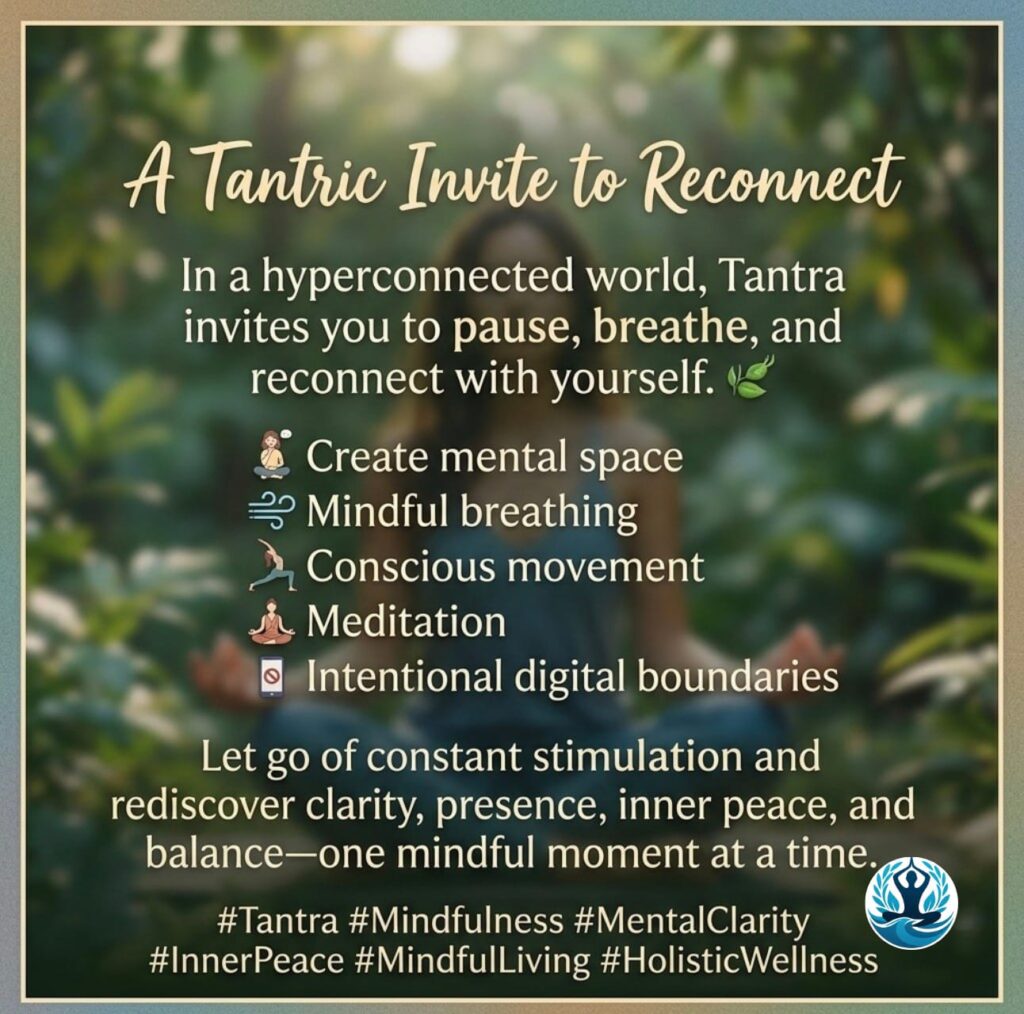
In a world full of digital interruptions, constant information, and competing expectations, reclaiming your attention is an important step toward more conscious living.
Tantra offers a perspective that encourages us to reconnect with the present moment, observe our experiences, and approach everyday life with greater awareness. Through conscious breathing, sensory attention, mindful movement, and intentional technology use, we can begin creating more space for meaningful activities and relationships.
The journey does not require eliminating every distraction or controlling every thought. It begins with small choices: pausing before checking your phone, listening carefully to another person, noticing your breathing, or completing one task with greater care.
Every time you recognise distraction and gently return to what matters, you practise a more intentional way of living.
Reclaiming your attention is ultimately about reclaiming your participation in your own life. By choosing where your awareness goes, you can create opportunities for greater clarity, connection, and appreciation of the present moment.
At Sarv Wellness, exploring mindful living through holistic wellness practices can be an invitation to slow down, reconnect with yourself, and approach everyday experiences with renewed awareness.