

Tantra as a Natural Remedy for Mental Overload

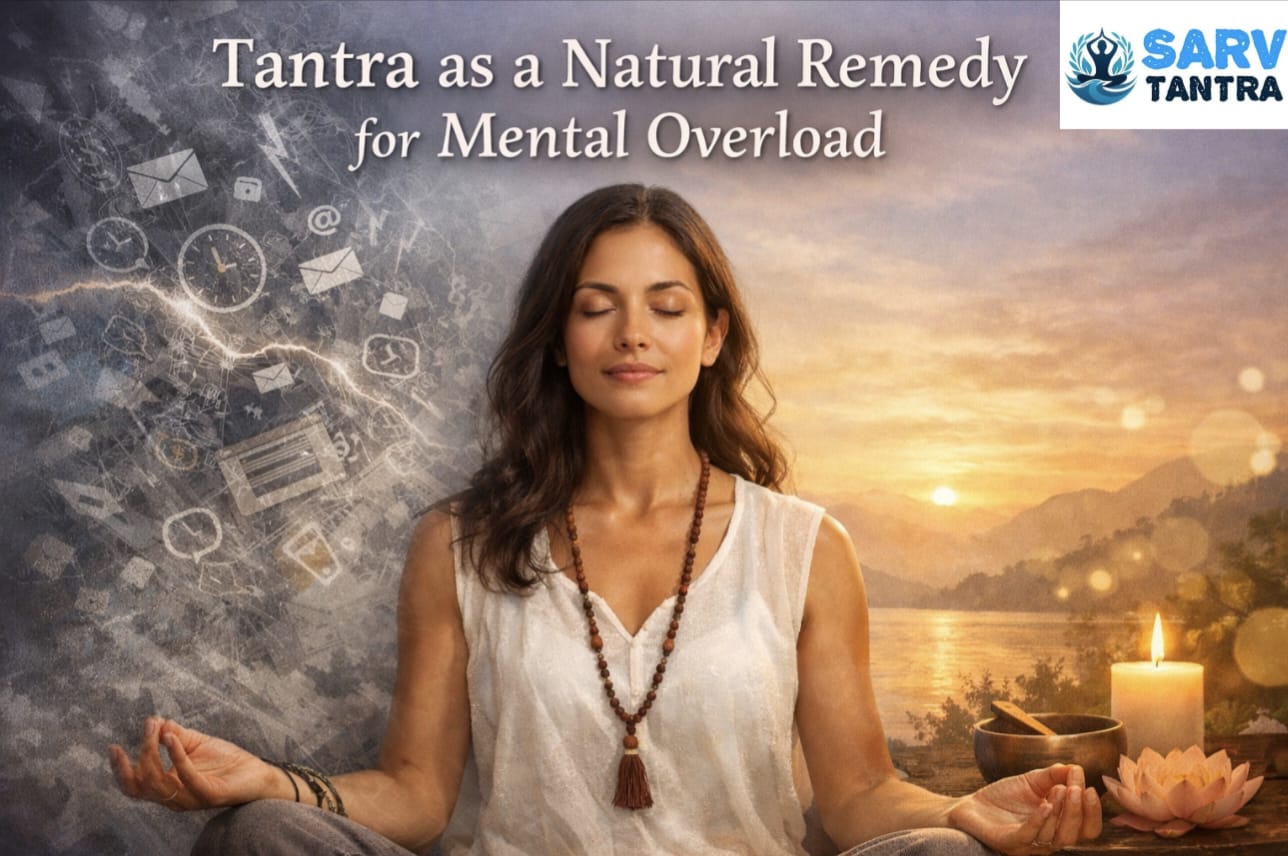
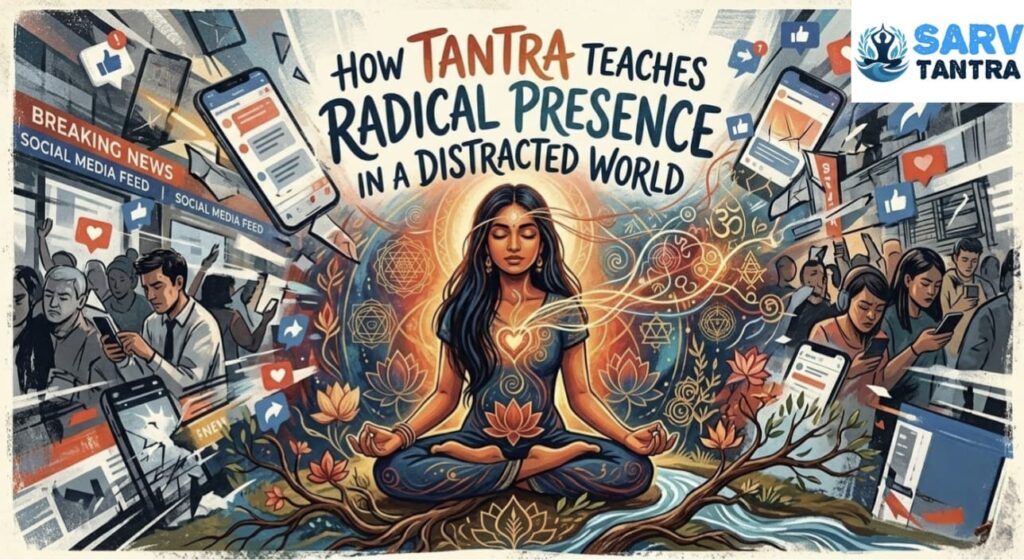
In today’s fast-paced digital world, mental overload has become an increasingly common experience. Endless notifications, demanding schedules, information overload, and emotional stress leave many people feeling exhausted, anxious, and disconnected from themselves. The modern mind rarely gets the opportunity to rest, reflect, or simply be present.
While conventional stress-management methods such as exercise, therapy, and mindfulness meditation are widely practiced, many people are also rediscovering ancient holistic traditions that address the deeper roots of mental exhaustion. One such tradition is Tantra—a spiritual and philosophical system that originated in ancient India and offers powerful tools for reconnecting with the body, calming the mind, and restoring inner harmony.
Contrary to common misconceptions, Tantra is not merely about sexuality. In its authentic form, Tantra is a comprehensive path of awareness, presence, and energetic balance. Through breathwork, meditation, conscious movement, and mindful connection with life, Tantric practices can serve as a natural and deeply transformative remedy for mental overload.
This article explores how Tantra helps calm the mind, restore emotional balance, and guide individuals toward a more peaceful and grounded state of living.
Understanding Mental Overload
Mental overload occurs when the brain is forced to process more information, stimulation, or stress than it can comfortably handle. When this happens, people may experience:
- Constant racing thoughts
- Difficulty focusing
- Emotional irritability
- Anxiety and restlessness
- Fatigue and burnout
- Sleep disturbances
- A sense of disconnection from the body and emotions
Modern lifestyles encourage constant mental engagement. Work demands productivity, social media demands attention, and personal responsibilities demand energy. Over time, the mind becomes overstimulated and loses its natural rhythm of rest and renewal.
Instead of remaining calm and centered, the mind begins to operate in a reactive survival mode. This is where Tantric practices can be incredibly helpful.
Tantra works not by forcing the mind to stop thinking but by reconnecting the mind with the body, breath, and present moment.
The Tantric Philosophy of Balance
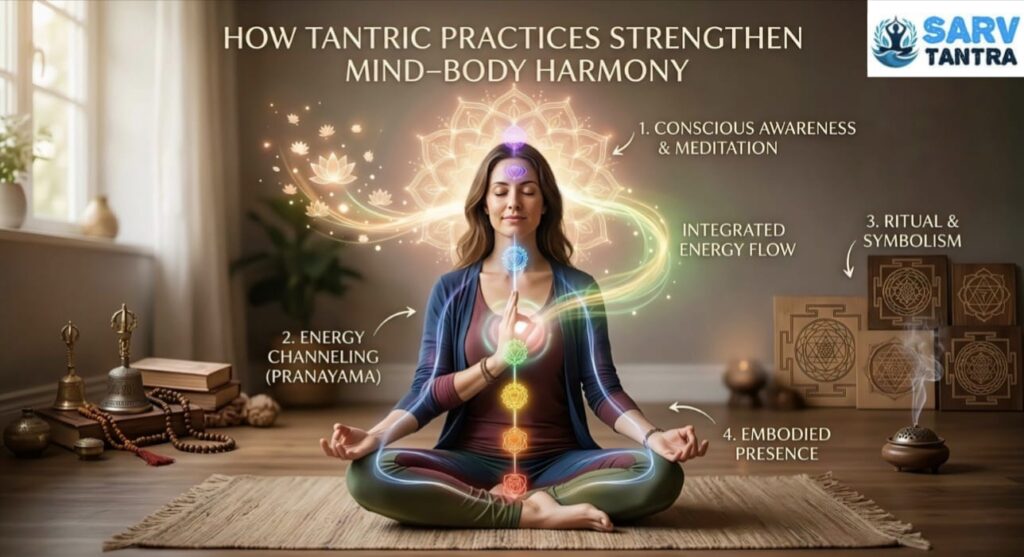
At its core, Tantra teaches that human beings are not just thinking minds but complex energetic systems composed of body, breath, emotion, and awareness. When these elements fall out of harmony, mental stress and emotional imbalance arise.
Tantric wisdom emphasizes three key principles for restoring balance:
Awareness
Tantra encourages deep self-awareness. By observing thoughts, emotions, and sensations without judgment, individuals gradually regain control over their mental landscape.
Presence
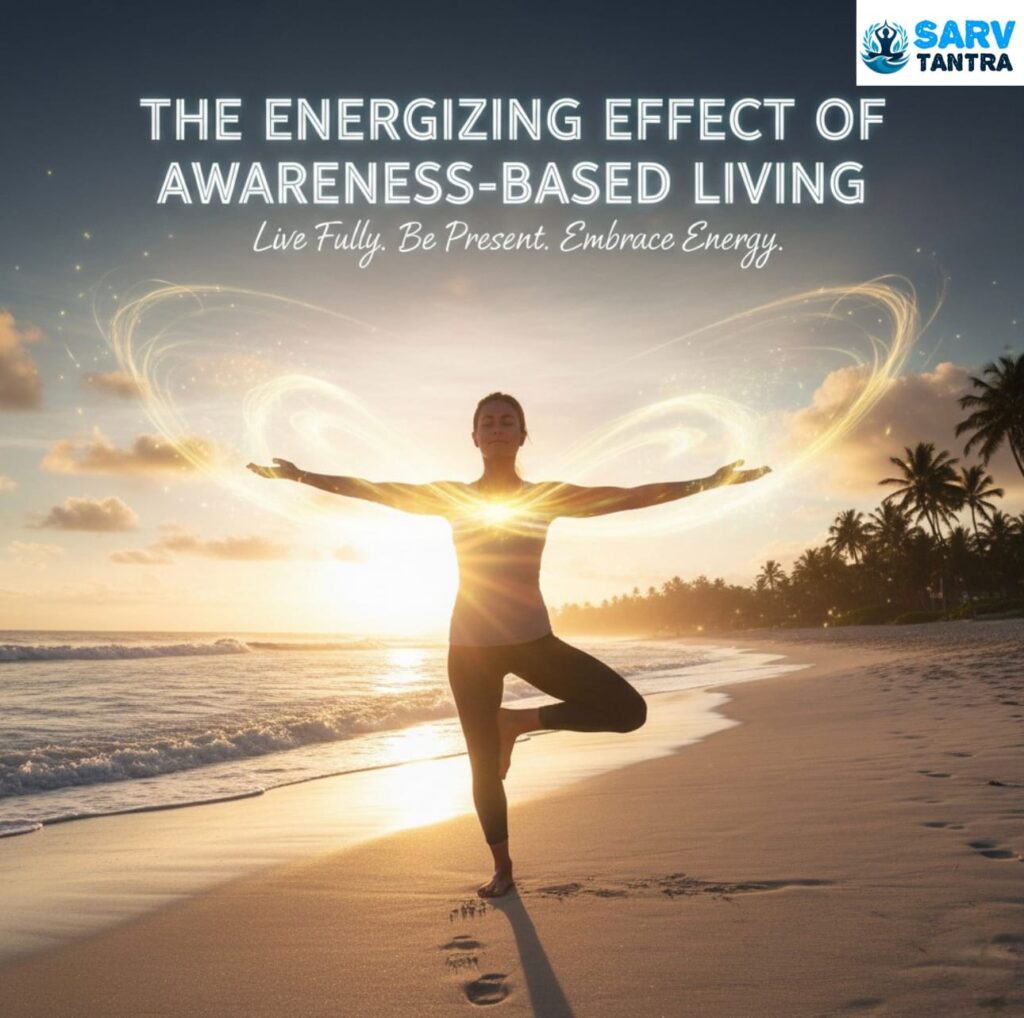
Instead of living in constant anticipation of the future or regret about the past, Tantra teaches the art of living fully in the present moment.
Energy Flow
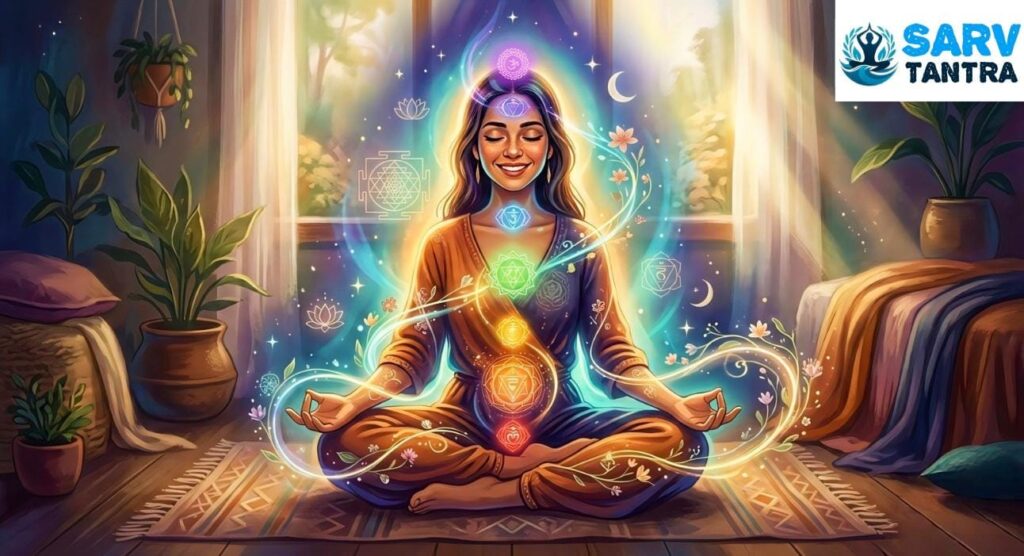
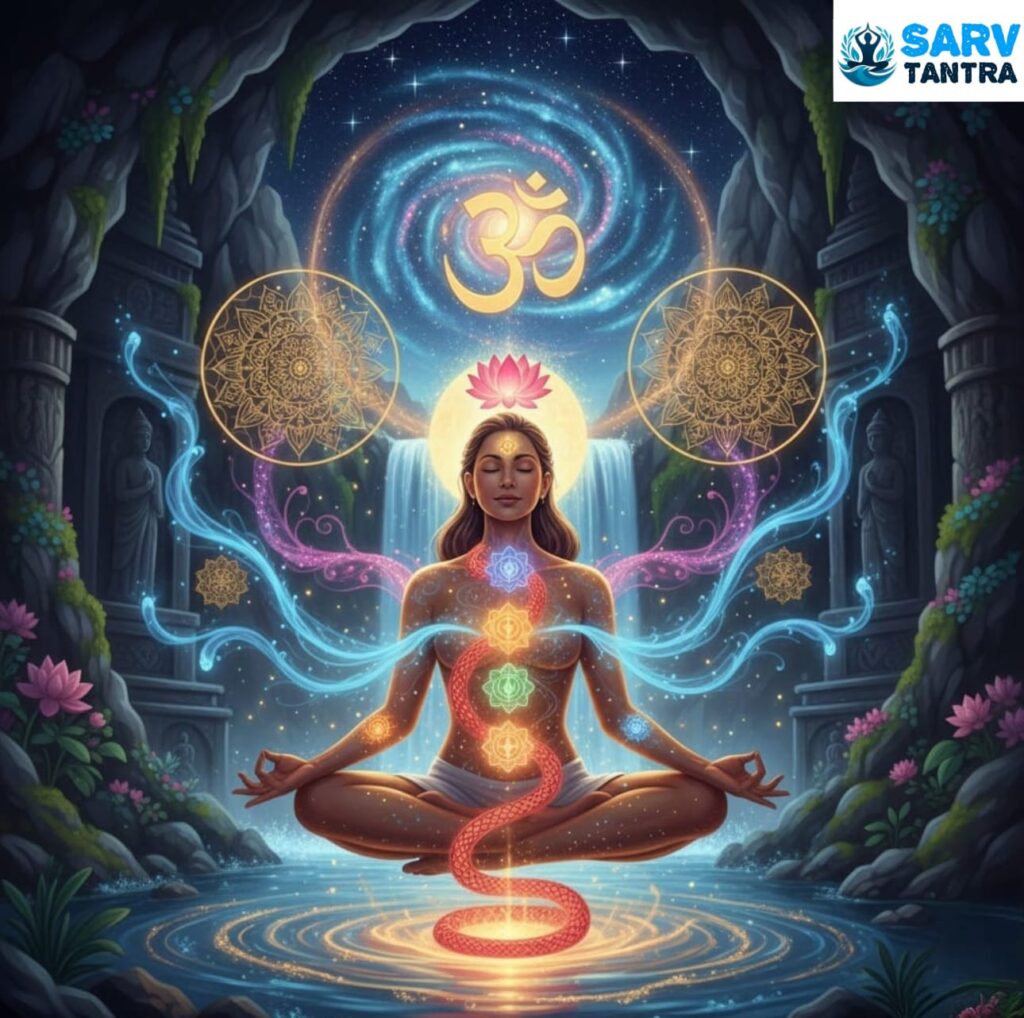
Tantric traditions believe that life energy flows through the body. When this energy becomes blocked due to stress or emotional tension, mental overload increases. Practices such as breathing techniques and meditation help restore healthy energy flow.
Through these principles, Tantra addresses the root causes of mental overwhelm rather than just the symptoms.
How Tantra Helps Reduce Mental Overload
1. Reconnecting the Mind and Body
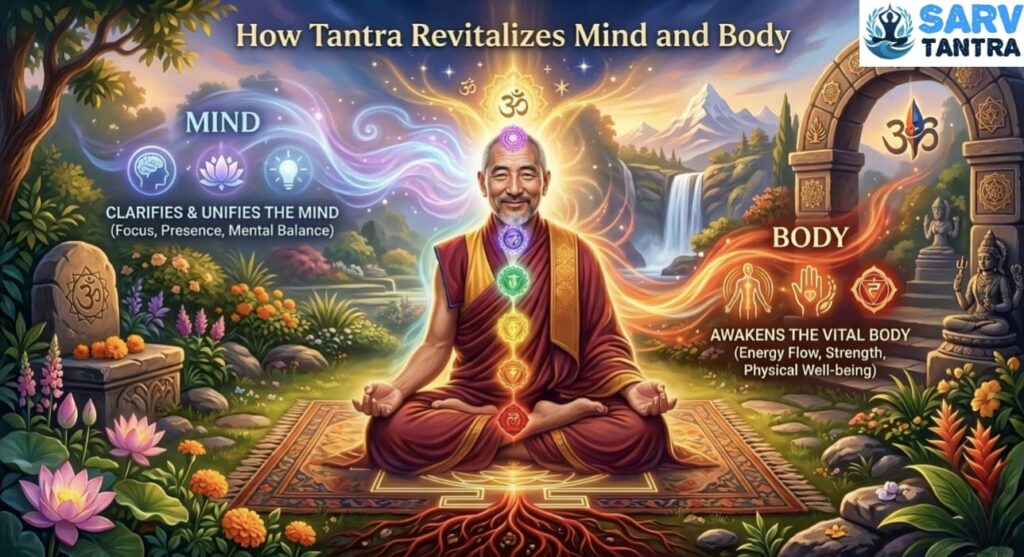
One of the main causes of mental overload is excessive identification with thoughts. People spend so much time in their heads that they lose connection with their bodies.
Tantric practices gently guide awareness back into the body through breathing exercises, movement, and meditation.
When awareness shifts from constant thinking to physical sensation, the nervous system naturally relaxes. The body releases tension, and the mind becomes quieter and clearer.
This mind–body reconnection creates a powerful sense of grounding and stability.
2. Conscious Breathing for Nervous System Regulation
Breath plays a central role in Tantric practice. The breath is considered a bridge between the body and the mind.
When people feel stressed or overwhelmed, their breathing often becomes shallow and rapid. This signals the nervous system to remain in a state of alertness.
Tantric breathing techniques encourage slow, deep, rhythmic breathing that activates the body’s relaxation response.
Benefits of conscious breathing include:
- Reduced anxiety
- Improved focus
- Balanced emotional state
- Lower stress hormones
- Enhanced mental clarity
Just a few minutes of intentional breathing can significantly calm an overstimulated mind.
3. Meditation for Mental Clarity
Meditation is a fundamental component of Tantra. Unlike rigid meditation techniques that demand strict concentration, Tantric meditation emphasizes relaxed awareness.
Instead of trying to suppress thoughts, practitioners simply observe them without attachment.
Over time, this practice helps people realize that thoughts are temporary mental events rather than absolute truths. This insight reduces mental reactivity and emotional overwhelm.
Regular meditation can help:
- Slow down racing thoughts
- Increase emotional resilience
- Improve cognitive clarity
- Strengthen inner calm
Through meditation, the mind gradually learns to rest rather than constantly react.
4. Sensory Awareness and Radical Presence
One of Tantra’s most transformative teachings is the cultivation of sensory awareness.
Modern life often disconnects people from direct experience. People eat while looking at screens, walk while checking phones, and listen while planning their next response.
Tantra invites individuals to fully experience each moment through the senses—touch, sound, breath, taste, and movement.
Practicing sensory awareness helps interrupt mental overthinking because attention becomes anchored in real-time experience rather than abstract thoughts.
This simple shift can dramatically reduce mental clutter.
5. Emotional Release and Acceptance
Mental overload is not only caused by excessive thinking but also by suppressed emotions.
When emotions are ignored or repressed, they accumulate as inner tension. Tantra encourages individuals to acknowledge and allow emotions to move through the body naturally.
Through breathwork, mindful awareness, and sometimes expressive movement, emotional energy can be safely released.
This emotional processing prevents the mind from becoming overwhelmed by unresolved feelings.
6. Slowing Down the Pace of Life
Tantric philosophy encourages a slower and more intentional way of living.
Instead of constantly chasing productivity and achievement, Tantra teaches that presence and awareness are more valuable than speed.
By slowing down daily activities—such as eating, walking, breathing, or even speaking—people can create moments of stillness throughout the day.
These micro-moments of mindfulness help reset the nervous system and reduce mental fatigue.
Simple Tantric Practices to Relieve Mental Overload
Here are a few beginner-friendly Tantric practices that can help restore calm and mental clarity.
1. Five-Minute Conscious Breathing
Sit comfortably and close your eyes.
Breathe slowly through your nose, allowing the breath to move deeply into your abdomen.
Focus your attention on the rise and fall of your breath.
If thoughts appear, gently return your attention to breathing.
Practicing this for five minutes can significantly calm the mind.
2. Body Awareness Scan
Lie down or sit comfortably.
Slowly move your awareness through your body—from your feet to your head.
Notice any areas of tension and allow them to soften with each breath.
This practice reconnects the mind with the body and reduces mental stress.
3. Mindful Sensory Observation
Choose a simple experience such as drinking tea, listening to music, or walking.
Bring full awareness to the sensory details—the taste, sound, texture, or movement.
Avoid multitasking.
This practice strengthens presence and reduces mental distraction.
4. Heart-Centered Awareness
Place your hand gently on your heart.
Breathe slowly and imagine warmth or light expanding from the center of your chest.
This practice can help soften emotional tension and create a feeling of inner safety.
The Long-Term Benefits of Tantric Practice
With regular practice, Tantra can bring profound improvements to mental well-being.
Greater Emotional Balance
Tantric awareness helps individuals respond to emotions with calmness instead of reactivity.
Improved Mental Focus
As mental clutter decreases, clarity and concentration naturally increase.
Reduced Stress and Anxiety
Breathwork and mindfulness practices help regulate the nervous system.
Stronger Mind–Body Connection
Tantra encourages deep listening to the body’s signals and needs.
Enhanced Inner Peace
Instead of constantly seeking external stimulation, individuals learn to find calm within themselves.
Tantra and Modern Mental Health
Interestingly, many Tantric principles align with modern psychological and neuroscience research.
Practices such as mindful breathing, meditation, and body awareness are now widely used in therapeutic approaches like mindfulness-based stress reduction and somatic therapy.
These techniques have been shown to:
- Lower cortisol levels
- Improve emotional regulation
- Strengthen neural pathways associated with focus and calmness
- Reduce symptoms of anxiety and depression
This growing scientific validation highlights the timeless wisdom embedded within Tantric traditions.
Integrating Tantra into Daily Life
The beauty of Tantra is that it does not require dramatic lifestyle changes or long hours of practice.
Instead, Tantra encourages mindful awareness within ordinary daily activities.
Some simple ways to integrate Tantric principles include:
- Taking slow, conscious breaths throughout the day
- Eating meals with full presence
- Pausing briefly between tasks
- Listening deeply during conversations
- Spending quiet time in nature
- Practicing short daily meditation sessions
Even small moments of awareness can gradually transform mental patterns and restore balance.
Overcoming Common Misconceptions About Tantra
Many people hesitate to explore Tantra because of widespread misunderstandings.
In reality, Tantra is a profound spiritual path focused on awareness, energy, and consciousness.
Its purpose is not indulgence but integration—bringing together the body, mind, and spirit into harmonious alignment.
By approaching Tantra with openness and respect, individuals can discover powerful tools for healing and personal growth.
Conclusion
Mental overload has become a defining challenge of modern life. Constant stimulation, digital distractions, and relentless productivity demands often leave people feeling mentally exhausted and emotionally disconnected.
Tantra offers a timeless and natural remedy for this condition. By reconnecting the mind with the body, calming the nervous system through breath, cultivating presence, and allowing emotional flow, Tantric practices help restore inner balance.
Rather than escaping life’s challenges, Tantra teaches individuals how to experience life more consciously and peacefully.
Through simple yet profound practices—breathing, meditation, sensory awareness, and mindful presence—people can gradually move from mental chaos to clarity, from stress to serenity, and from disconnection to deep inner harmony.
In a world that constantly pulls attention outward, Tantra gently guides us back to the quiet power of the present moment.