

The Mind-Body Connection: A Holistic Approach Through Tantra Therapy

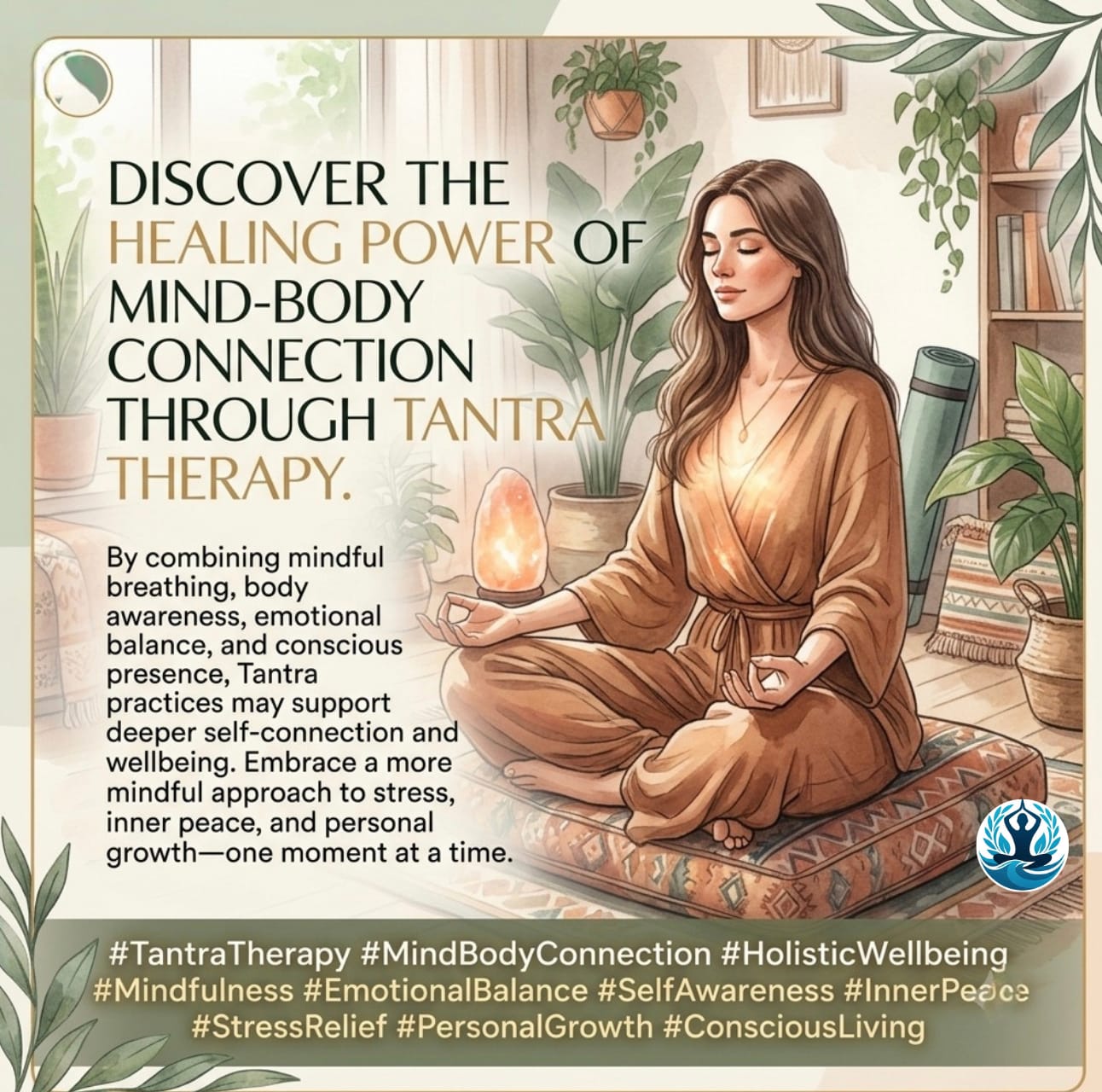
Modern life often encourages people to live mainly in their thoughts. Busy schedules, constant notifications, work demands, emotional pressure, and daily responsibilities can create a sense of disconnection from the body. A person may continue functioning while feeling mentally exhausted, physically tense, emotionally distant, or disconnected from their own needs.
The mind and body, however, are not separate systems. Thoughts can influence breathing, posture, muscle tension, energy, and emotional responses. In the same way, physical experiences can affect mood, attention, confidence, and mental wellbeing. When stress becomes ongoing, this connection may become more noticeable. A racing mind may be accompanied by shallow breathing, tight shoulders, fatigue, restlessness, or difficulty relaxing.
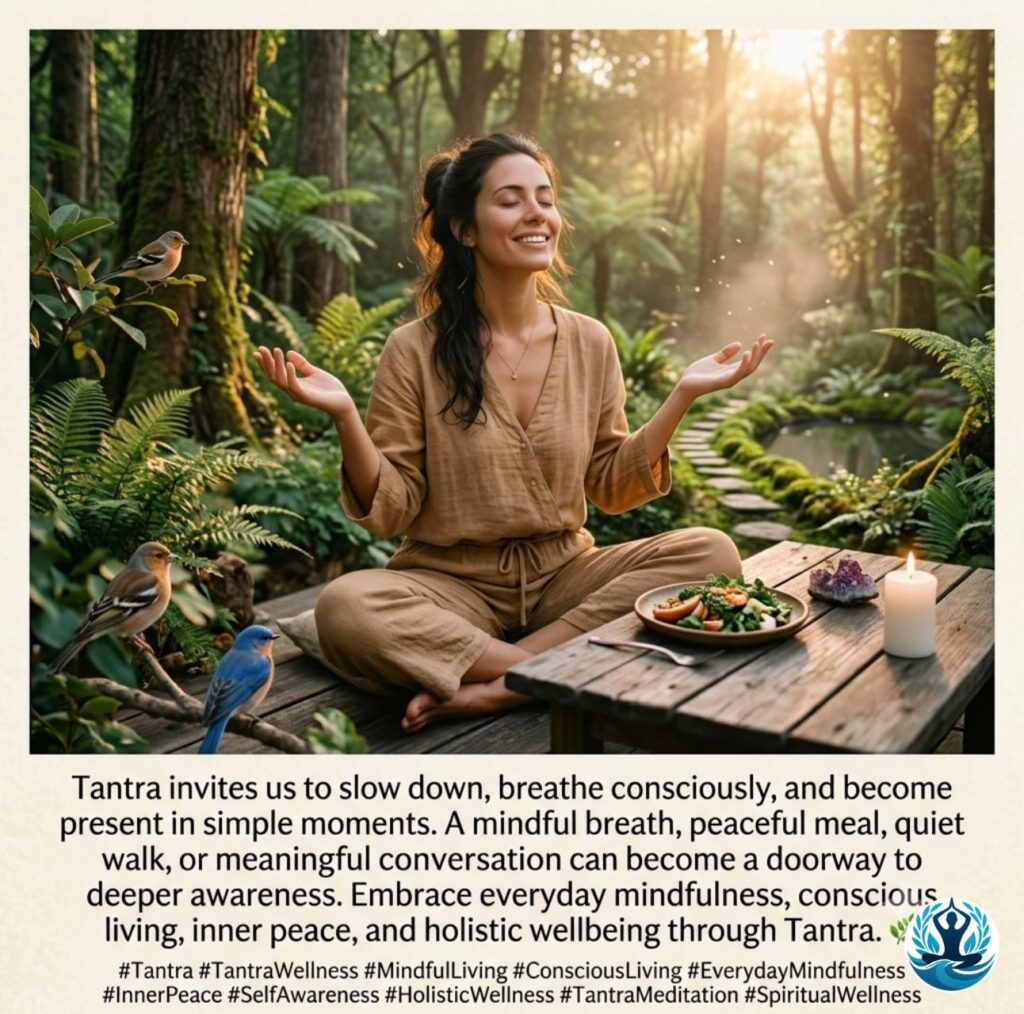
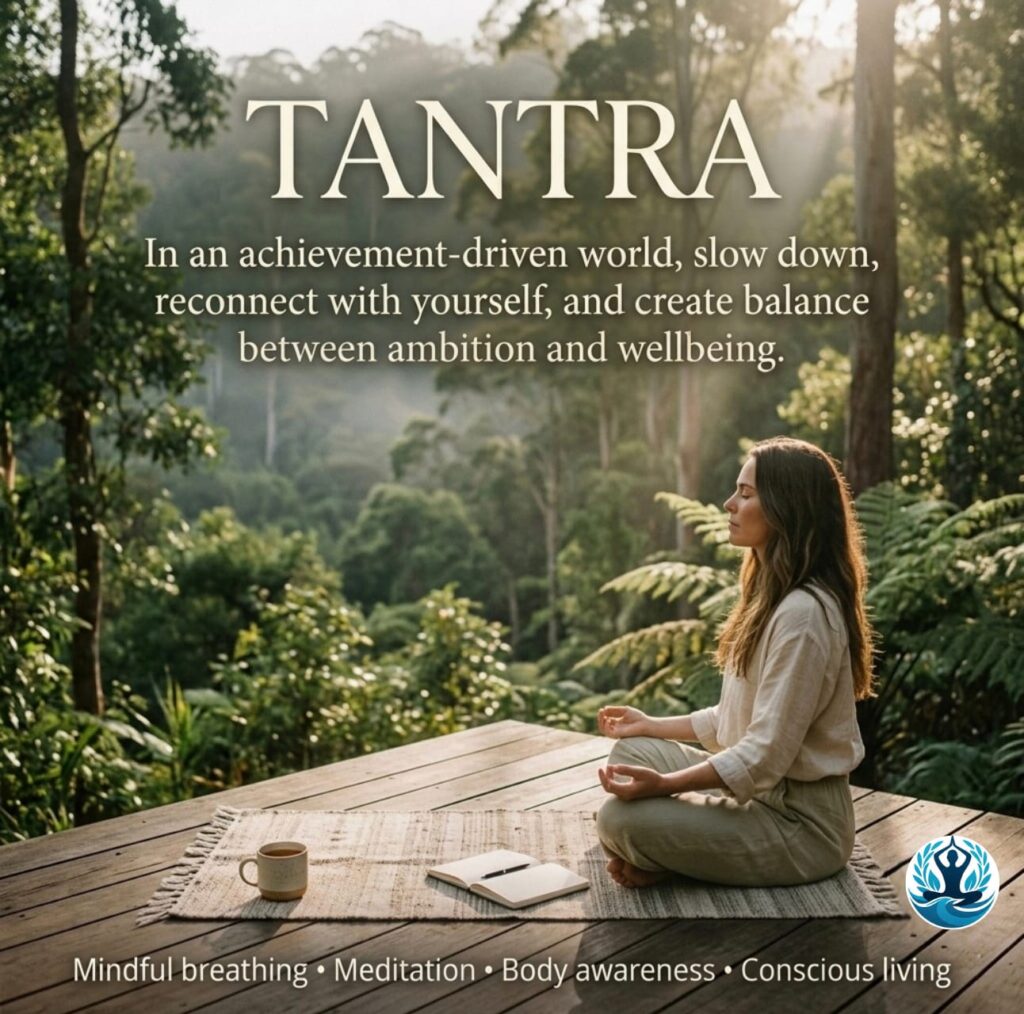
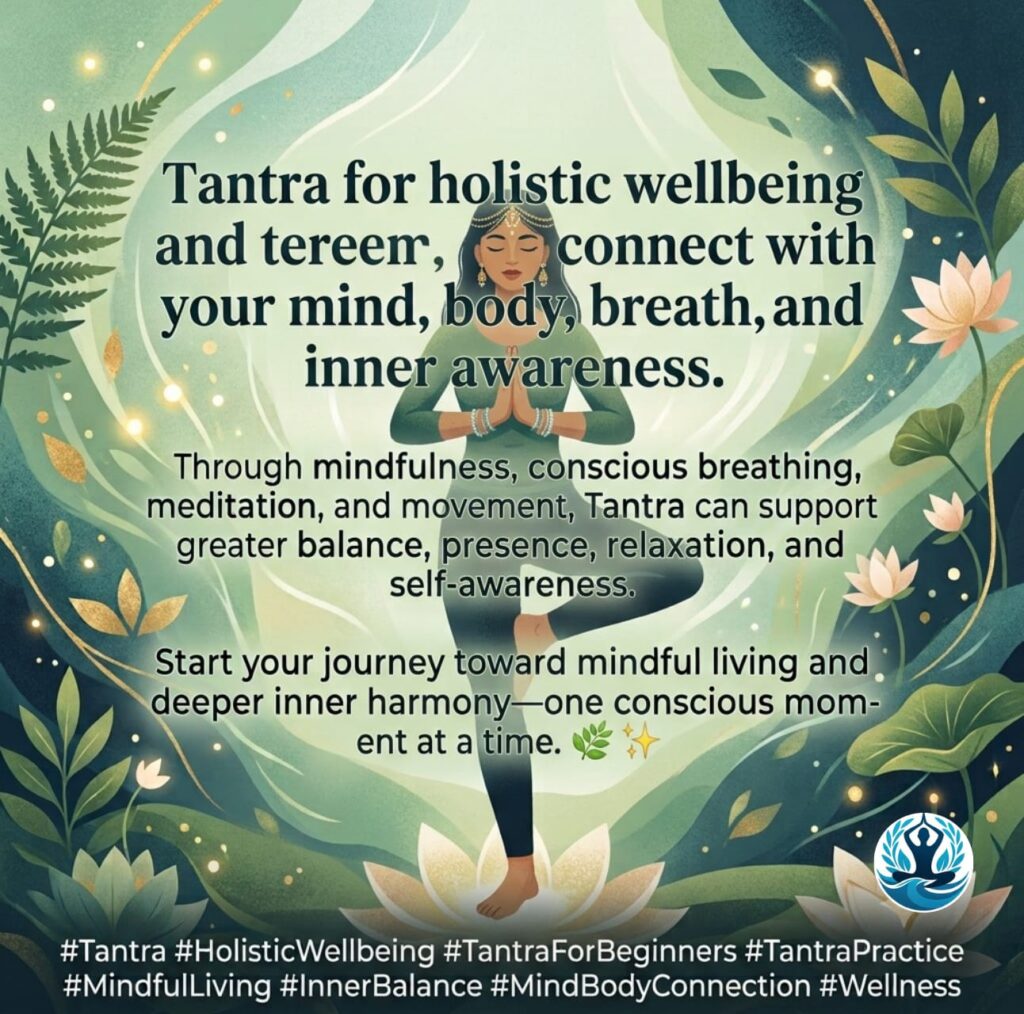
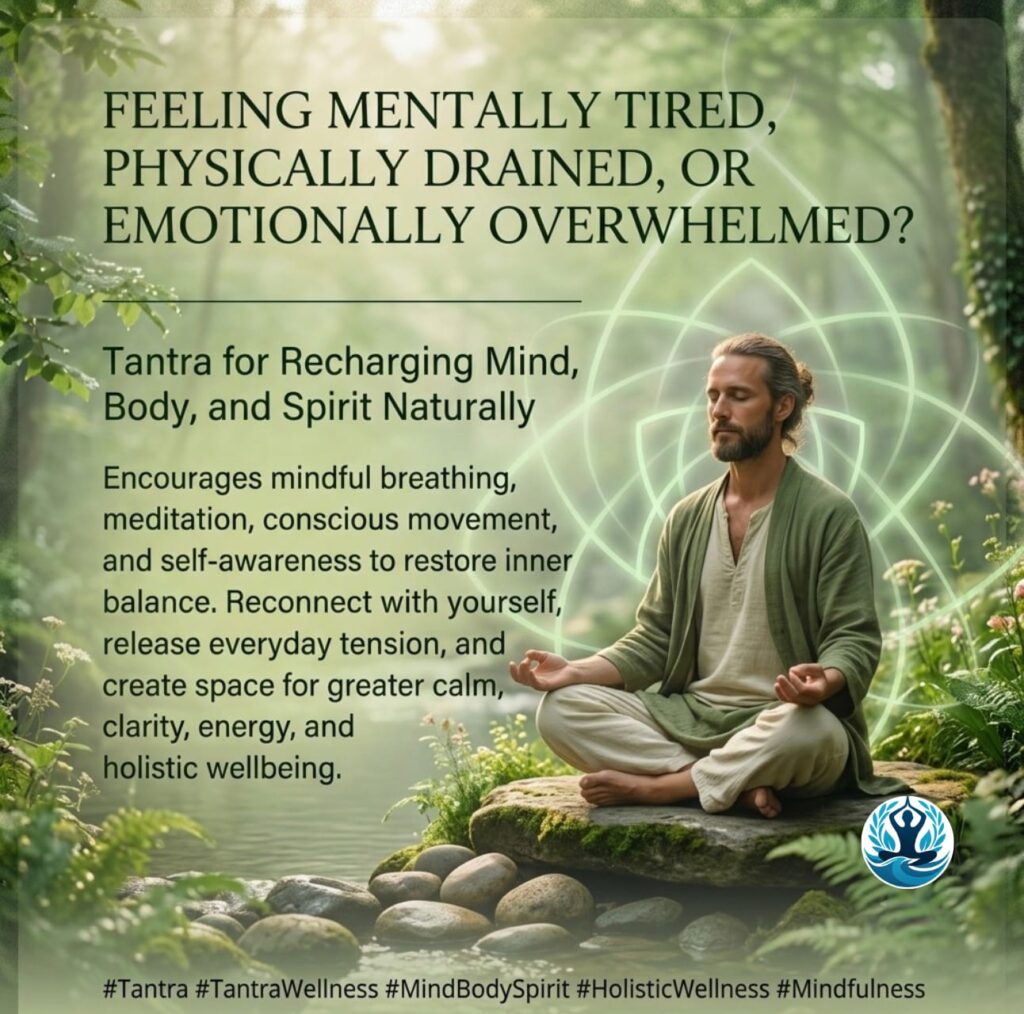
This is where a holistic approach can be valuable. Tantra therapy is often explored as a practice that brings greater awareness to the relationship between the mind, body, emotions, breath, energy, and present-moment experience. Rather than focusing only on changing thoughts or managing symptoms, Tantra-informed practices may encourage people to become more aware of what they are feeling and experiencing as a whole.
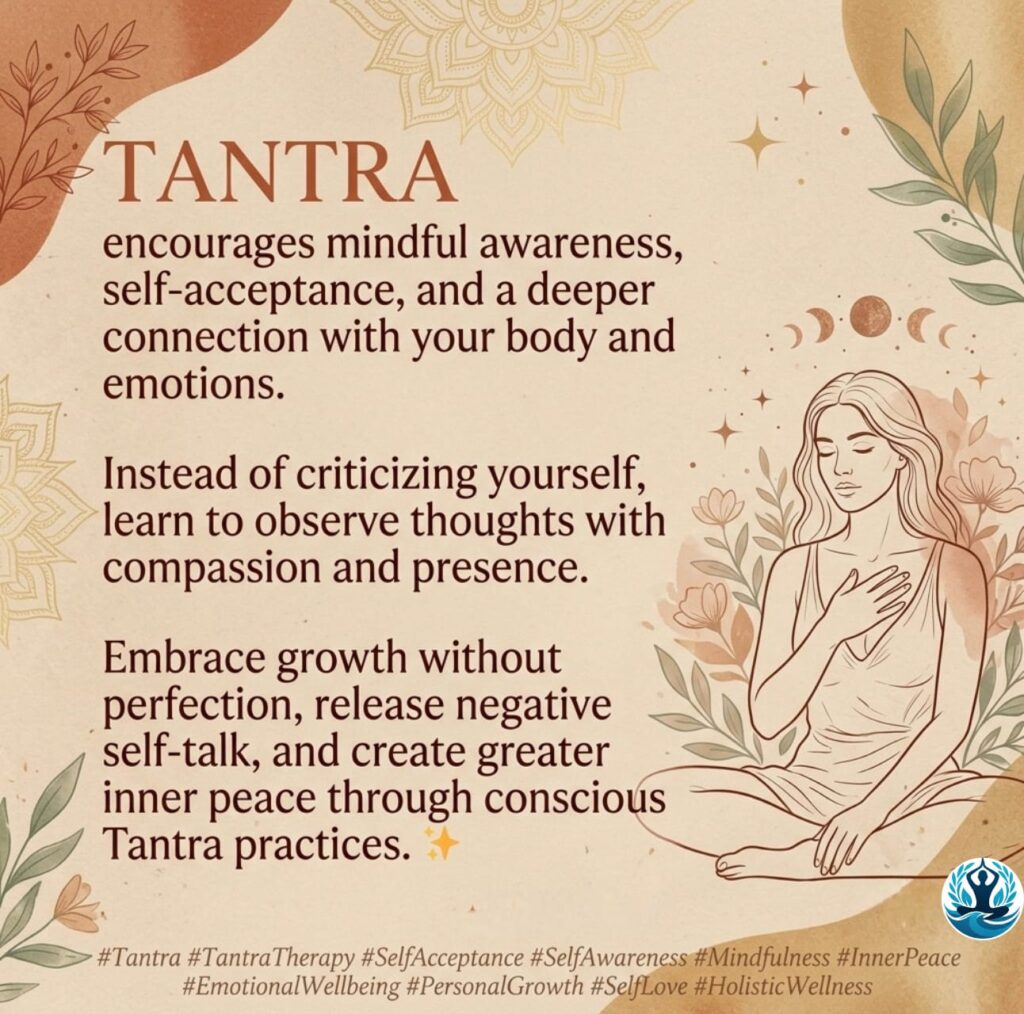
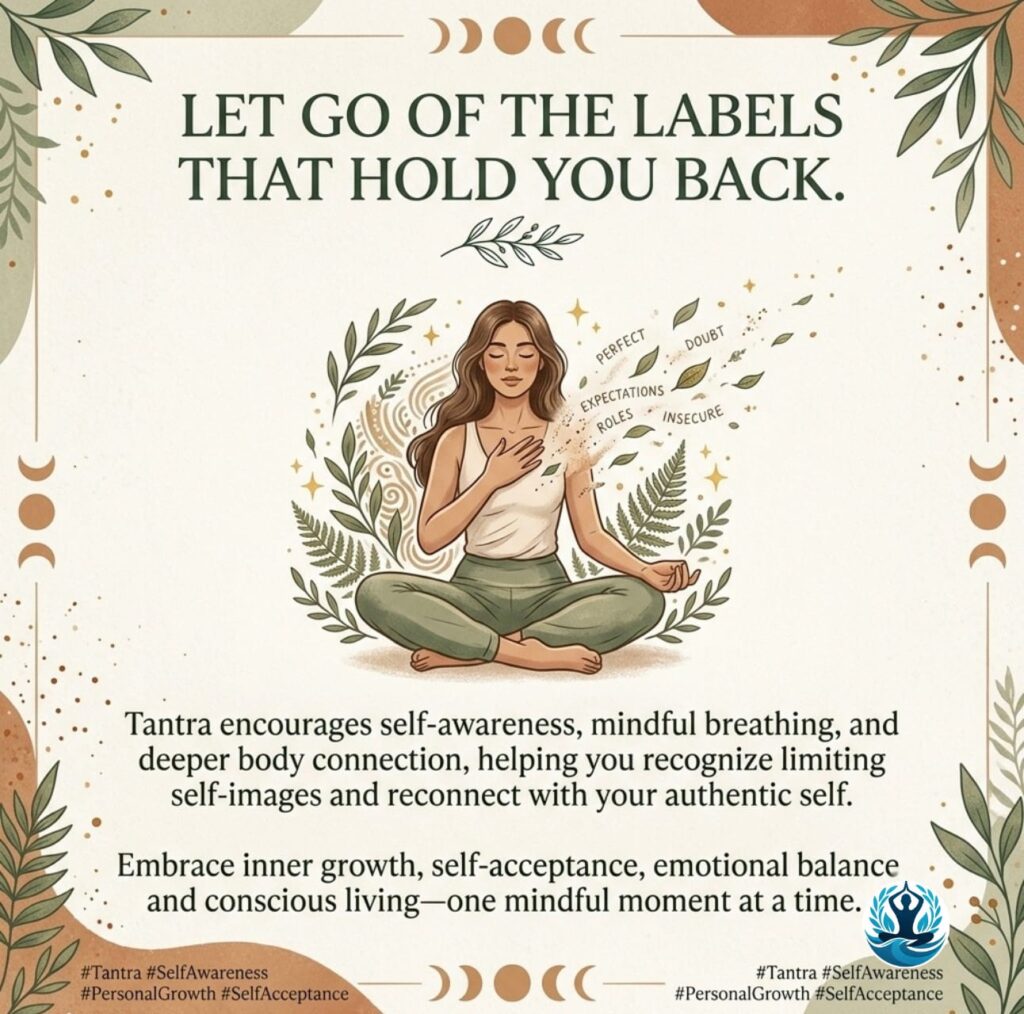
The goal is not to force the body to relax or to eliminate every difficult emotion. Instead, the practice may involve learning to listen more closely, respond with greater awareness, and develop a more compassionate relationship with oneself.
This article explores the mind-body connection through Tantra therapy, including its potential role in stress awareness, emotional balance, body connection, mindful breathing, self-awareness, and holistic wellbeing.
Important note: Tantra therapy is not a replacement for medical, psychological, or mental health care. People experiencing persistent distress, trauma-related symptoms, severe anxiety, depression, or other health concerns should seek support from a qualified healthcare or mental health professional.
Understanding the Mind-Body Connection
The mind-body connection describes the ongoing relationship between thoughts, emotions, physical sensations, behaviors, and overall wellbeing. Mental and emotional experiences are often reflected in the body, while bodily states can influence the way a person thinks and feels.
For example, stress may be experienced through:
- Tightness in the shoulders or jaw
- Shallow or rapid breathing
- Restlessness or physical agitation
- Low energy or fatigue
- Difficulty sleeping
- Changes in appetite
- A feeling of heaviness or tension
- Reduced concentration
These experiences do not mean that every physical symptom is caused by emotions. Physical symptoms should always be taken seriously and evaluated appropriately. However, the mind and body constantly communicate, and emotional pressure can influence how the body feels and responds.
A holistic approach recognizes that wellbeing may involve several connected areas, including:
- Mental clarity
- Emotional awareness
- Physical comfort
- Breath and nervous system regulation
- Relationships
- Personal values
- Self-awareness
- Rest and recovery
Tantra therapy may support this broader perspective by encouraging awareness of the whole person rather than focusing on only one aspect of experience.
What Is Tantra Therapy?
Tantra is a broad and diverse spiritual and philosophical tradition with many historical schools, practices, and interpretations. It cannot be reduced to a single technique or defined only through sexuality. Traditional Tantra may include meditation, breath awareness, mantra, ritual, movement, visualization, devotion, and practices related to consciousness and energy.
In modern wellness settings, the phrase Tantra therapy may refer to a range of approaches inspired by Tantra principles. These approaches can vary widely depending on the practitioner, training, cultural background, and purpose of the session.
A Tantra-informed approach may include practices such as:
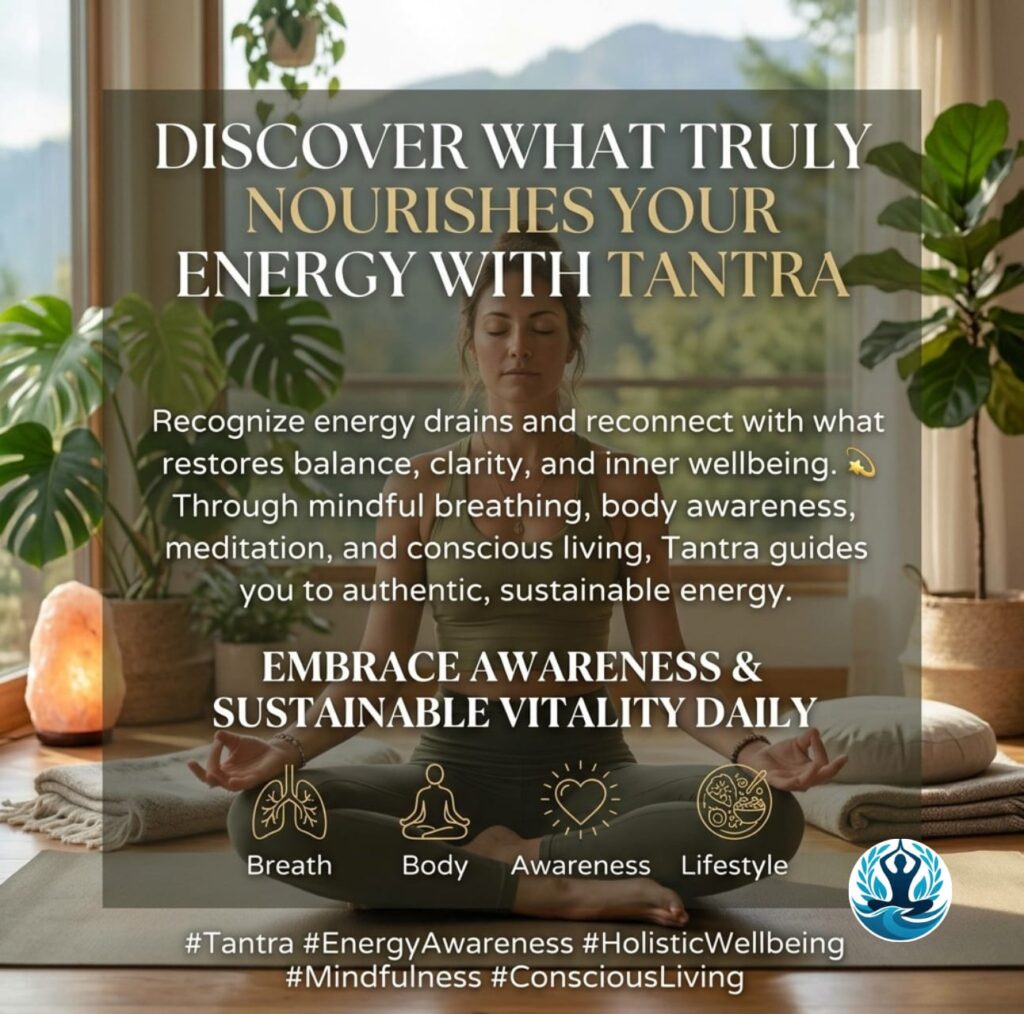
- Mindful breathing
- Meditation
- Body awareness
- Gentle movement
- Grounding exercises
- Conscious relaxation
- Emotional reflection
- Guided self-inquiry
- Mindful communication
- Awareness of personal boundaries
- Practices that encourage presence and self-connection
The central idea is often that greater awareness can support a healthier relationship with the mind and body. Instead of ignoring sensations or judging emotions, a person may learn to observe them with curiosity and care.
Because the term Tantra therapy is used differently by different practitioners, it is important to ask about a practitioner’s qualifications, methods, professional boundaries, consent practices, and the purpose of the work.
How Tantra Therapy Supports the Mind-Body Connection
Tantra-informed practices often encourage people to notice what is happening in the present moment. This may include observing thoughts, emotions, breathing patterns, physical sensations, and areas of tension without immediately trying to change them.
This process can create a greater sense of connection between internal experiences.
For example, someone may notice:
“When I feel pressured, I hold my breath.”
Or:
“When I become worried, my shoulders tighten.”
Or:
“When I slow down, I realize that I am more tired than I thought.”
These observations may seem simple, but awareness can create an opportunity to respond differently. A person may choose to rest, breathe more slowly, adjust their posture, communicate a need, or take a mindful break.
The practice is not about controlling every internal experience. It is about becoming more aware of the relationship between the mind and body and developing more intentional responses.
1. Breath Awareness and Emotional Balance
Breathing is closely connected to physical and emotional states. During moments of stress, breathing may become shallow, rapid, or irregular. During calm moments, breathing may naturally become slower and more relaxed.
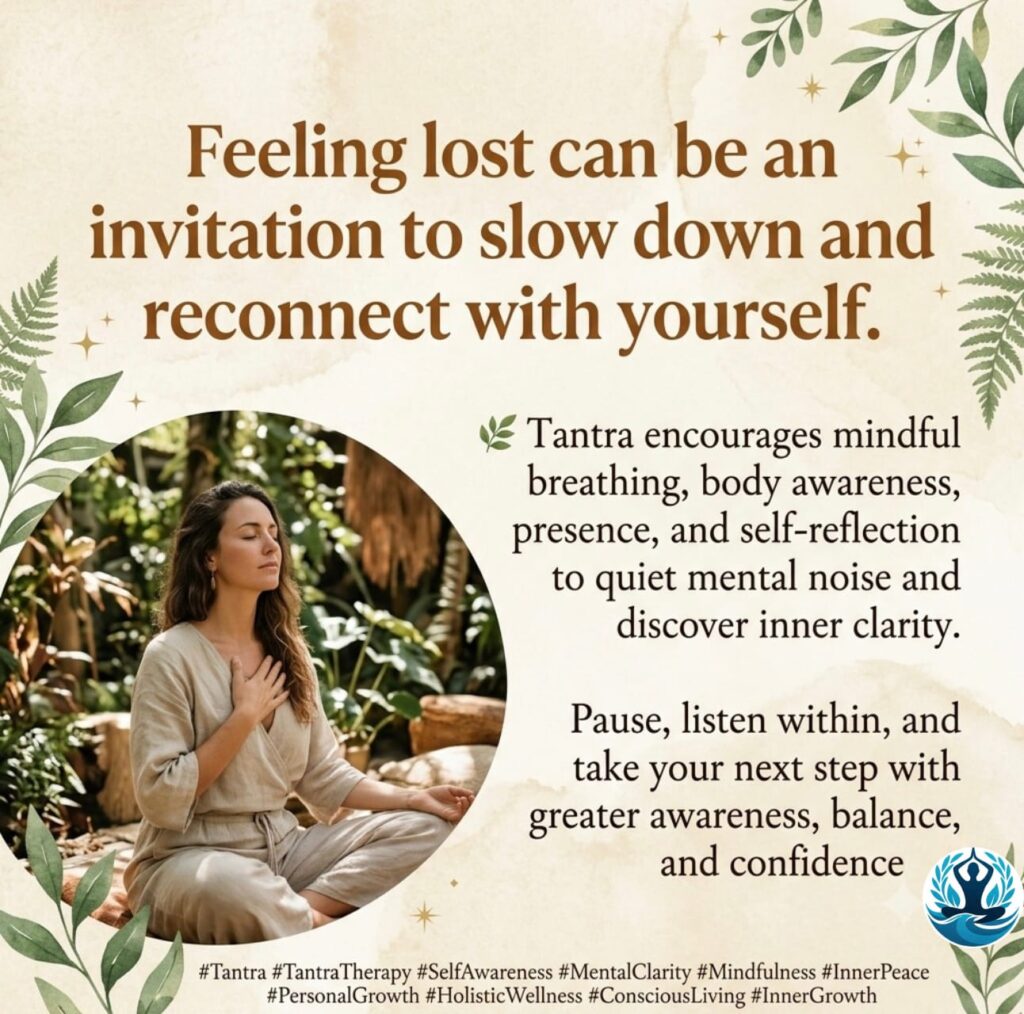
Tantra-inspired breath awareness may encourage people to observe their natural breathing before attempting to change it. This can help create a stronger sense of presence.
A simple practice may involve:
- Sitting comfortably.
- Noticing the natural rhythm of the breath.
- Observing where the breath is most noticeable.
- Allowing the shoulders and jaw to soften if comfortable.
- Returning attention to the breath when the mind wanders.
The purpose is not to achieve perfect breathing. The practice is to become more aware of the body and the present moment.
Mindful breathing may support:
- A greater sense of calm
- Improved awareness of stress
- More intentional pauses during busy days
- Emotional grounding
- Greater connection with physical sensations
People with respiratory conditions, panic symptoms, trauma histories, or other health concerns may benefit from guidance from an appropriately qualified professional before practicing intensive breathwork.
2. Body Awareness and Self-Connection
Many people spend much of the day focused on tasks, responsibilities, and external demands. As a result, physical needs may be overlooked until discomfort becomes intense.
Body awareness involves noticing sensations without immediately labeling them as good or bad. A person may observe warmth, heaviness, tightness, openness, fatigue, comfort, or movement.
A gentle body-awareness practice may involve scanning attention from the feet toward the head and asking:
- What sensations do I notice?
- Where am I holding tension?
- Does any area need rest or movement?
- How does my body feel at this moment?
- Can I observe this sensation without immediately judging it?
This approach may help people become more aware of personal needs and patterns. It may also encourage greater respect for the body rather than viewing it only as something that must remain productive.
3. Emotional Awareness Without Immediate Judgment
Emotions often have physical components. Anxiety may feel like restlessness or tightness. Sadness may feel heavy. Anger may be experienced as heat, tension, or increased energy. Joy may create a feeling of openness or lightness.
Tantra therapy may encourage emotional awareness without immediate suppression or judgment. Rather than asking, “How can I get rid of this feeling?” a person may begin with questions such as:
- What am I feeling right now?
- Where do I notice this emotion in my body?
- What thoughts are connected to it?
- What might I need at this moment?
- Can I allow the feeling to exist without reacting immediately?
This does not mean accepting harmful situations or remaining passive. It means creating enough awareness to respond thoughtfully rather than reacting automatically.
Over time, emotional awareness may support:
- Greater self-understanding
- More mindful communication
- Improved emotional vocabulary
- Better recognition of personal needs
- Greater emotional resilience
4. Mindfulness and Present-Moment Awareness
Mindfulness is the practice of bringing attention to present experience with openness and curiosity. Tantra-inspired mindfulness may include awareness of breath, movement, sensation, emotion, sound, or the surrounding environment.
Modern life can encourage constant mental activity. People may repeatedly think about past events, future responsibilities, or unfinished tasks. While planning and reflection are useful, continuous mental activity can make it difficult to feel grounded.
Present-moment awareness may help a person notice:
- What is happening now
- What the body is communicating
- Which thoughts are creating pressure
- Whether rest is needed
- What feels meaningful or important
A short mindfulness practice can be integrated into daily life. For example, while drinking tea, a person might notice the temperature, aroma, taste, and physical experience without checking a phone or rushing to the next task.
These small moments may help strengthen the connection between attention and embodied experience.
5. Movement and the Release of Everyday Tension
Gentle movement can be another way to explore the mind-body connection. Tantra-inspired movement is often approached with awareness rather than performance. The focus may be on how movement feels rather than how it looks.
Slow stretching, mindful walking, gentle yoga, or free movement may encourage people to notice:
- Areas of stiffness
- Changes in breathing
- Emotional responses
- Comfort and discomfort
- Personal physical limits
Movement should remain comfortable and respectful of individual abilities. Pain should not be ignored, and people with injuries or health conditions should seek appropriate professional guidance.
Mindful movement may support a greater sense of embodiment and help interrupt long periods of physical inactivity.
6. Tantra Therapy and Stress Awareness
Stress is a natural response to challenges. However, when stress becomes frequent or prolonged, it may affect sleep, mood, concentration, energy, and physical comfort.
Tantra therapy may support stress awareness by helping people recognize early signs of pressure. Instead of noticing stress only when exhaustion becomes severe, a person may become more aware of smaller signals, such as:
- Holding the breath
- Tightening the jaw
- Rushing through tasks
- Feeling disconnected
- Ignoring hunger or fatigue
- Becoming emotionally reactive
Recognizing these patterns may create opportunities for healthier responses.
A Tantra-inspired stress practice might include:
- Pausing for one minute.
- Feeling the feet on the floor.
- Noticing the breath without forcing it.
- Relaxing the shoulders if comfortable.
- Naming the current emotional state.
- Asking, “What would support me right now?”
This type of practice does not remove external problems. However, it may help create a more grounded response to them.
7. The Role of Self-Compassion
Many people respond to stress with self-criticism. They may believe they should work harder, feel less, or remain productive regardless of exhaustion.
A holistic approach may encourage self-compassion instead. Self-compassion is not avoidance or lack of responsibility. It involves responding to difficulty with understanding and care.
Tantra-informed self-awareness may encourage questions such as:
- Am I listening to my needs?
- Am I pushing beyond my limits?
- Can I respond to myself with more patience?
- What would a supportive response look like?
Self-compassion may help reduce the habit of treating the body as an obstacle. It can support a more respectful relationship with personal limits, emotions, and recovery.
8. Conscious Boundaries and Personal Wellbeing
Healthy boundaries are an important part of mind-body wellbeing. When people repeatedly ignore discomfort or agree to more than they can manage, emotional pressure may be reflected through tension, fatigue, frustration, or resentment.
Tantra-informed practices may encourage awareness of personal boundaries and consent. This can include recognizing:
- What feels comfortable
- What does not feel comfortable
- When rest is needed
- When to communicate a limit
- How to respect another person’s boundaries
A healthy mind-body connection includes the ability to notice internal signals and respond appropriately.
Boundaries can support:
- Emotional safety
- Healthier relationships
- Reduced resentment
- Greater self-respect
- Clearer communication
9. Tantra Therapy and Relationship Connection
The mind-body connection also influences relationships. Stress, emotional disconnection, and limited self-awareness can affect communication and intimacy.
Tantra-informed relationship practices may focus on:
- Mindful listening
- Emotional presence
- Respectful communication
- Mutual consent
- Awareness of personal boundaries
- Nonjudgmental connection
The goal is not to create a perfect relationship. It is to encourage greater presence and understanding.
For couples, practices may involve sitting together quietly, making comfortable eye contact, sharing feelings without interruption, or practicing attentive listening. Any shared practice should be voluntary and respectful.
10. Tantra Therapy and Holistic Wellbeing
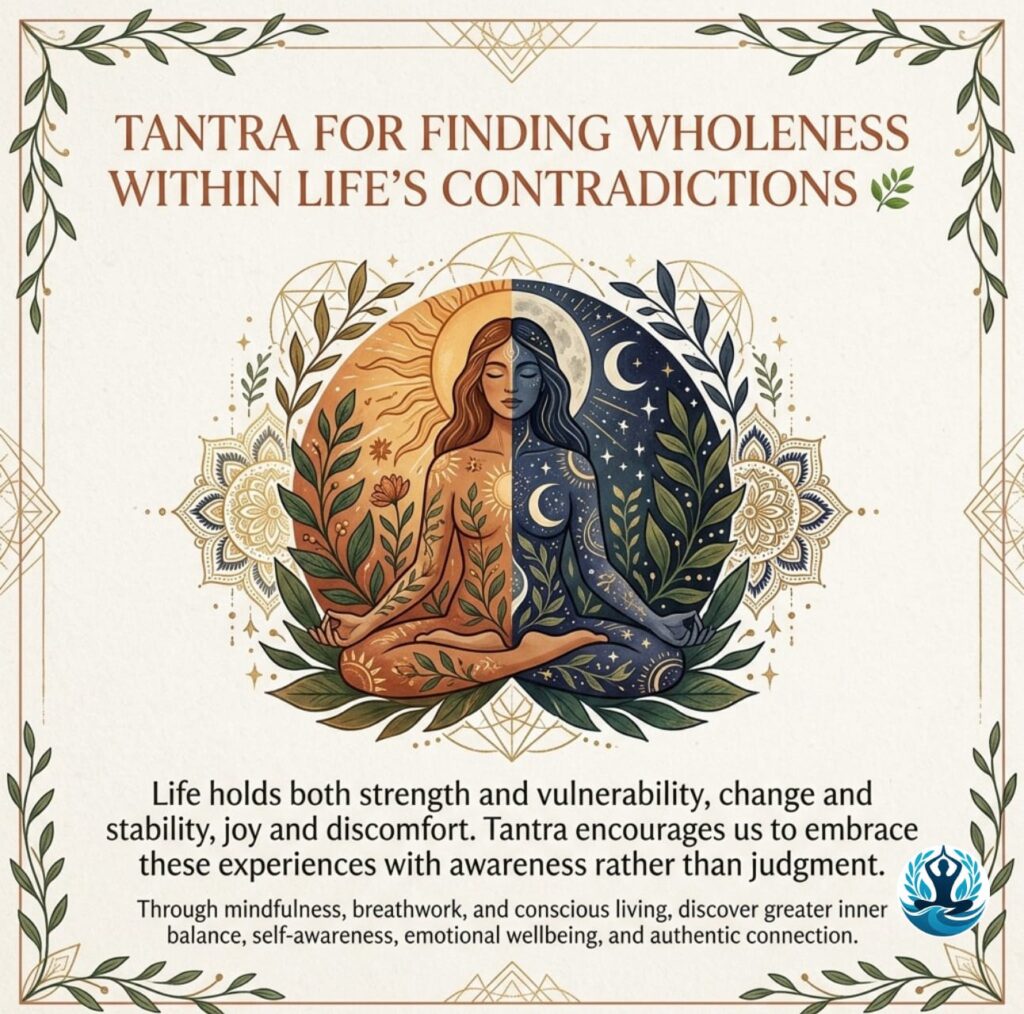
Holistic wellbeing recognizes that physical, emotional, mental, social, and spiritual experiences can influence one another.
A person may support wellbeing through a combination of:
- Quality sleep
- Balanced nutrition
- Regular movement
- Supportive relationships
- Stress management
- Mindfulness
- Meaningful activities
- Professional healthcare
- Emotional self-awareness
Tantra therapy may be one supportive part of a broader wellbeing approach. It is not a universal solution, and experiences may vary.
A holistic approach avoids the idea that one practice must solve every problem. Instead, it encourages people to consider multiple areas of life and choose supportive practices that are appropriate for their needs.
A Simple Daily Tantra-Inspired Mind-Body Practice
A short daily practice can help strengthen awareness without requiring a long routine.
Step 1: Create a Comfortable Space
Sit or stand in a comfortable position. Allow the body to be supported.
Step 2: Notice the Breath
Observe the natural breath for a few moments. Avoid forcing a particular rhythm.
Step 3: Feel Physical Sensations
Notice the contact between the body and the chair, floor, or bed. Observe areas of comfort or tension.
Step 4: Name Your Emotional State
Silently ask:
“What am I feeling right now?”
There is no need to change the answer.
Step 5: Observe Your Thoughts
Notice thoughts as mental activity. Allow them to come and go without trying to stop them.
Step 6: Ask What You Need
You might ask:
“Would rest, movement, water, quiet, connection, or a pause support me?”
Step 7: Return to Daily Life
Take one final moment to notice the breath and surroundings. Continue with the day while carrying some of that awareness forward.
Even five minutes of intentional attention may help create a stronger habit of self-observation.
Choosing a Tantra Therapist or Practitioner
Because Tantra therapy is not always defined or regulated in the same way across locations, choosing a practitioner carefully is important.
Consider asking:
- What training and qualifications do you have?
- What does a typical session involve?
- What is the purpose of the approach?
- How do you handle consent and boundaries?
- Are practices fully optional?
- How is privacy protected?
- Do you have experience working with my concerns?
- Do you collaborate with healthcare or mental health professionals when appropriate?
A professional practitioner should communicate clearly and respect personal boundaries. You should not feel pressured to participate in any activity that feels uncomfortable.
If a practitioner makes guaranteed healing claims, discourages necessary medical care, ignores consent, or creates pressure, consider seeking another provider.
Common Misunderstandings About Tantra Therapy
“Tantra Is Only About Sexuality”
Tantra is a broad tradition that includes many philosophical, spiritual, meditative, and embodied practices. Some modern Tantra approaches include sexuality, while many others focus on mindfulness, breath, energy, meditation, or self-awareness.
“Tantra Therapy Provides Instant Healing”
Personal growth and emotional wellbeing are often gradual. Tantra-inspired practices may support awareness and connection, but they do not guarantee immediate or permanent results.
“You Must Be Spiritual to Practice Tantra”
People may approach Tantra from spiritual, cultural, personal-development, or wellness perspectives. Individual experiences and beliefs vary.
“Strong Emotions Mean the Practice Is Working”
Emotional intensity is not automatically a sign of healing. A safe practice should respect individual limits and prioritize appropriate support.
“Tantra Can Replace Professional Healthcare”
Tantra therapy may complement other forms of support, but it should not replace medical or mental health care when professional treatment is needed.
Frequently Asked Questions
What is the mind-body connection in Tantra therapy?
The mind-body connection in Tantra therapy refers to the relationship between thoughts, emotions, breath, physical sensations, awareness, and behavior. Practices may encourage people to observe these experiences together rather than treating them as separate.
Can Tantra therapy help with stress?
Tantra-informed practices may support stress awareness through mindfulness, breathing, body awareness, relaxation, and self-reflection. Individual experiences vary, and the practice is not a replacement for professional care.
Is Tantra therapy the same as psychotherapy?
No. Tantra therapy and psychotherapy may use different methods, training standards, and professional frameworks. Some qualified mental health professionals may integrate embodied or Tantra-informed approaches into therapy, but the terms are not automatically interchangeable.
Does Tantra therapy involve physical touch?
Approaches vary. Some practitioners may use touch-based methods, while others do not. Any physical contact should be clearly explained, optional, consensual, and respectful of professional boundaries.
How often should I practice Tantra-inspired mindfulness?
A short, consistent practice may be more practical than an occasional long session. Even five to ten minutes of mindful breathing or body awareness may help develop a regular habit.
Conclusion
The mind-body connection through Tantra therapy offers a holistic perspective on wellbeing. By bringing awareness to breath, physical sensations, emotions, thoughts, movement, boundaries, and present-moment experience, Tantra-informed practices may help people develop a deeper relationship with themselves.
The purpose is not to achieve constant calm or eliminate every difficult emotion. It is to become more aware of internal experiences and respond with greater intention, compassion, and balance.
In a fast-moving world, practices that encourage presence may offer valuable opportunities to reconnect with the body and recognize personal needs. A mindful pause, a few moments of natural breathing, gentle movement, or honest emotional reflection can become part of a broader approach to wellbeing.
Tantra therapy is most helpful when approached with realistic expectations, informed consent, clear boundaries, and respect for individual needs. When combined with healthy lifestyle habits and appropriate professional support, Tantra-inspired practices may contribute to greater self-awareness, emotional balance, and a more connected experience of daily life.
The mind and body are constantly communicating. Learning to listen with curiosity and care may be an important step toward a more balanced and conscious life.