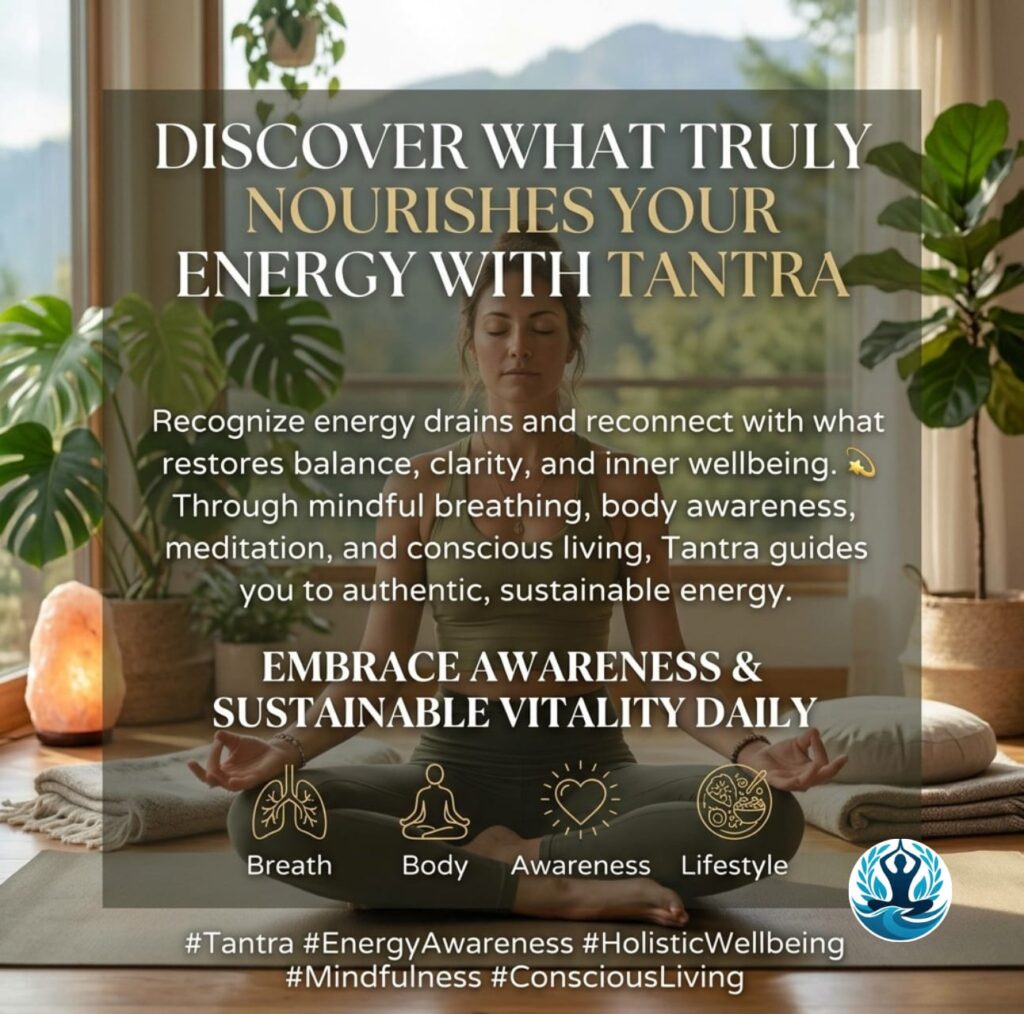


Tantra and the Path of Self-Acceptance


Introduction
Tantra, in its essence, is a journey into total acceptance—of life, of the body, of emotions, and ultimately of the self. The path of self-acceptance in Tantra is not about self-improvement or becoming someone else; it is about embracing what is already present within you. Tantra teaches that divinity is not separate from human experience but intertwined with every aspect of our being. Through this understanding, self-acceptance becomes a sacred act—a return to wholeness and authenticity.
The modern human condition is filled with self-rejection. From childhood, we are taught to suppress, compare, and judge ourselves. We live by ideals and standards that deny the natural flow of who we are. Tantra reverses this pattern. It invites us to celebrate our imperfections as unique expressions of the divine. In this way, Tantra becomes not just a spiritual practice but a revolution of being—a return to innocence and authenticity.
Understanding Self-Acceptance in Tantra
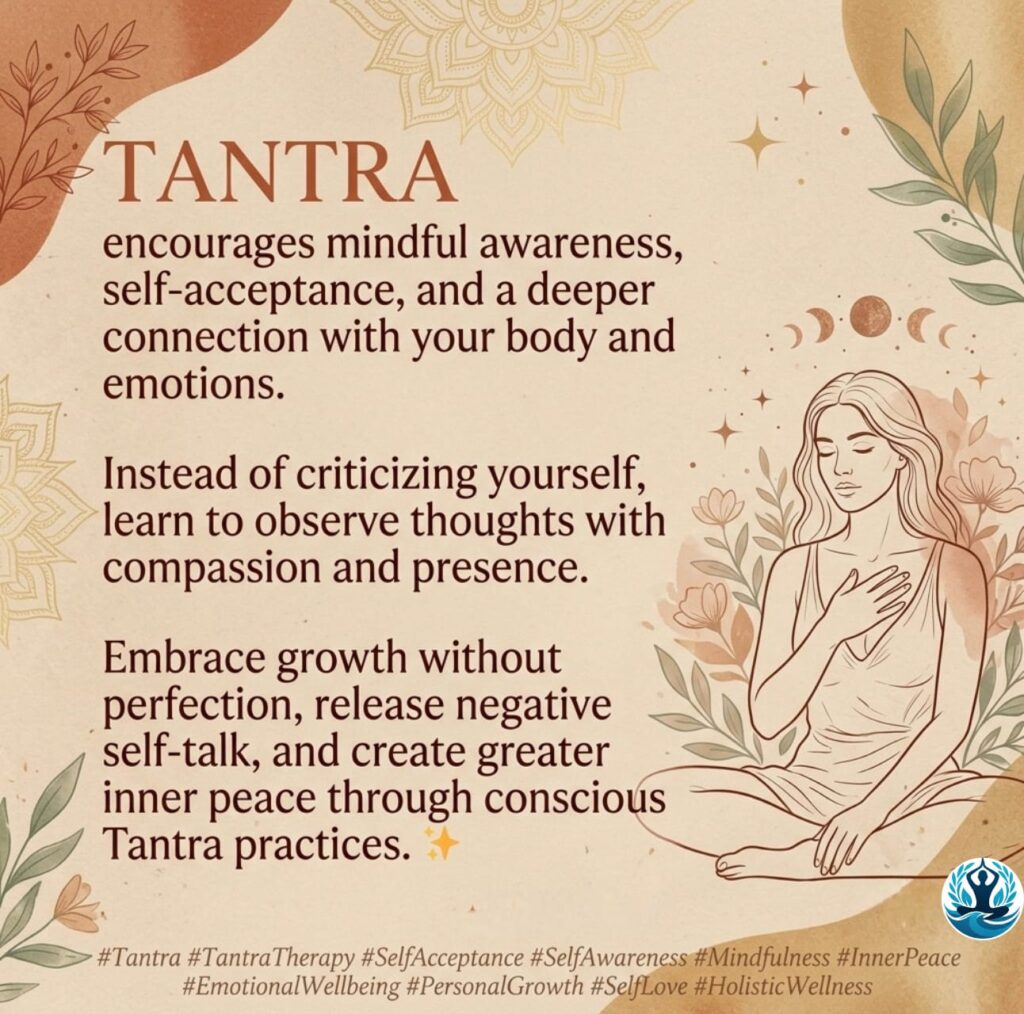
Self-acceptance in Tantra is not intellectual but experiential. It comes from the realization that you are already complete. In the Tantric view, the divine energy—Shakti—flows through every part of your being. To reject any part of yourself is to reject the divine itself. Tantra encourages you to meet yourself with compassion and to stop fighting against what you feel.
The Tantric journey begins with awareness. You start by observing your thoughts, emotions, and sensations without labeling them as good or bad. Through awareness, the separation between the observer and the observed dissolves. You begin to see that all aspects of yourself—light and dark, sacred and profane—are interconnected. This recognition is the foundation of self-acceptance.
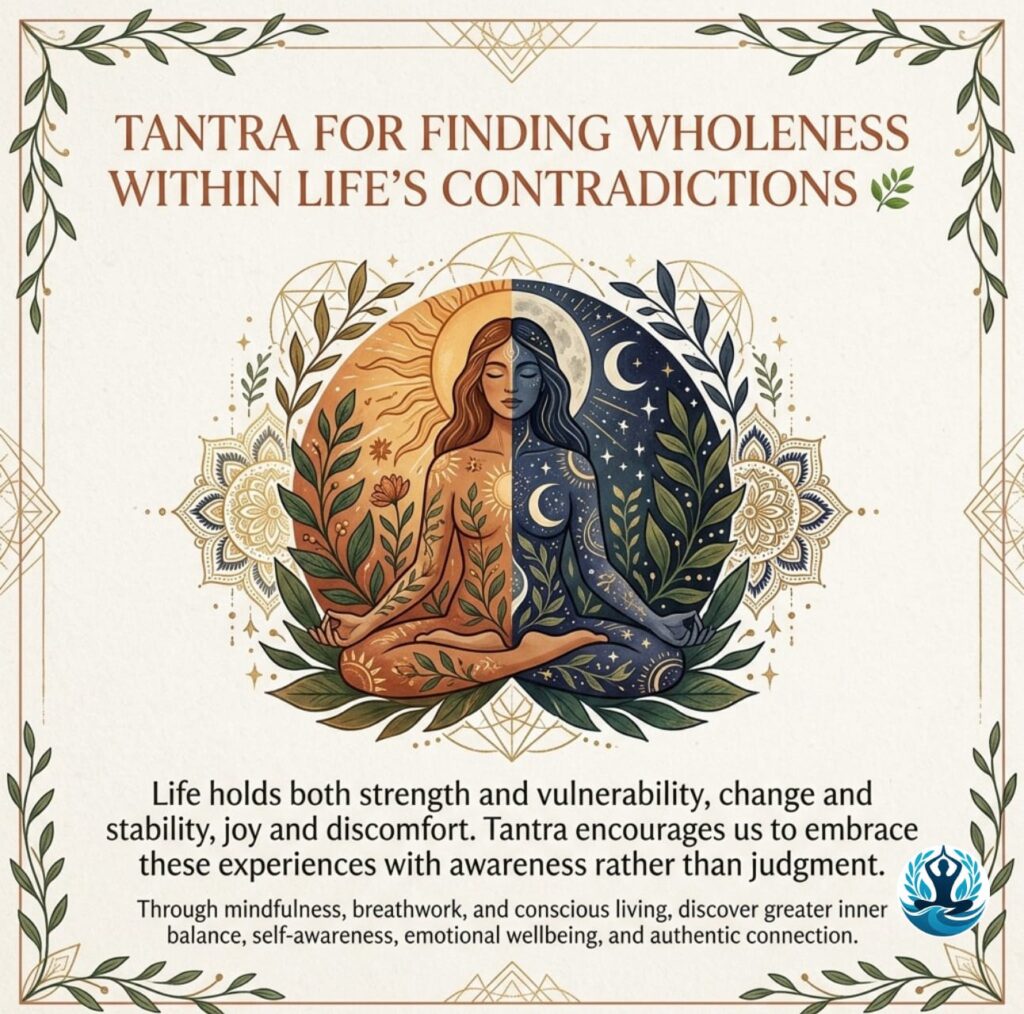
In Tantric philosophy, Shiva and Shakti symbolize the dual nature of existence: consciousness and energy. When we accept both within ourselves—the stillness and the movement, the rational and the emotional—we experience inner union. Self-acceptance is the merging of these forces within the psyche, leading to balance and peace.
The Roots of Self-Rejection
To walk the path of self-acceptance, we must first understand why we reject ourselves. Much of our inner conflict arises from conditioning. From an early age, society teaches us to strive for perfection. We are told how to look, act, and feel. Our spontaneous expressions of joy, anger, or desire are often suppressed or judged. This creates a deep inner split.
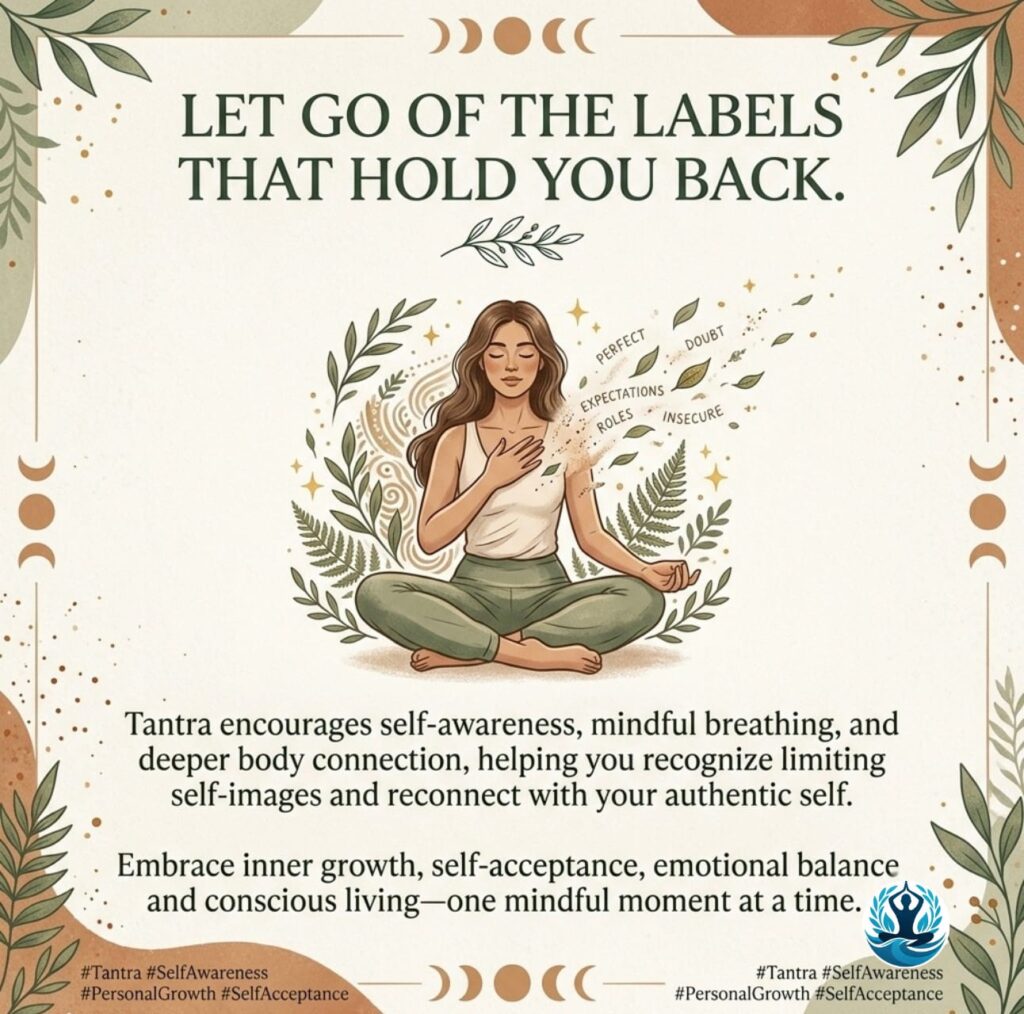
We develop an image of who we think we should be, and we begin to compare ourselves to that image. This constant striving for an ideal self distances us from our authentic being. Tantra identifies this as a form of spiritual amnesia—we forget who we truly are. The journey back to self-acceptance begins by unlearning these patterns.
In Tantra, there is no concept of sin or guilt in the traditional sense. Instead, it teaches that ignorance of one’s true nature is the only bondage. When we deny our emotions or desires, we push them into the unconscious, where they manifest as tension, fear, or shame. By bringing awareness to these hidden parts, we release their hold and allow energy to flow freely again.
Practices for Cultivating Self-Acceptance
Tantra offers many paths for integrating self-acceptance into daily life. These practices are not about discipline or renunciation but about awareness, embodiment, and compassion.
1. Self-Observation without Judgment
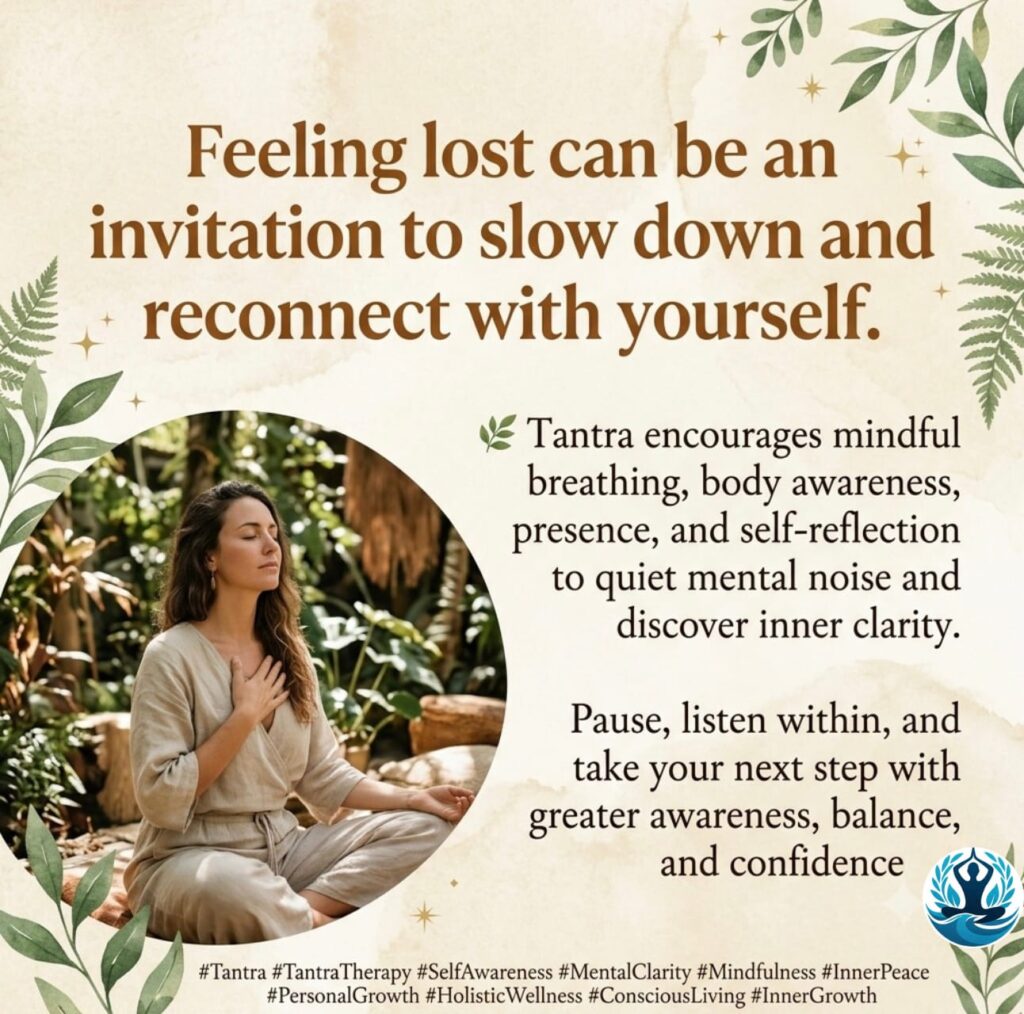
The first step is to observe yourself as you are. Sit quietly, breathe deeply, and watch your thoughts as they arise. Notice how the mind labels things—right, wrong, good, bad. In Tantra, you learn to let go of these labels. The moment you stop judging, you begin to see clearly. Self-acceptance grows in the soil of non-judgment.
2. Body Awareness and Sensual Presence
Tantra sees the body as a temple of divine energy. By reconnecting with your body through mindful movement, touch, or breath, you begin to dissolve shame and resistance. Sensual awareness allows you to experience the sacredness of embodiment. Whether through yoga, dance, or simply feeling the breath move within, you reclaim your physical existence as divine.
3. Emotional Integration
Instead of repressing emotions, Tantra teaches us to experience them fully. When anger arises, feel its heat; when sadness comes, allow its depth. Every emotion carries energy. By embracing emotions consciously, their energy transforms into awareness. Emotional acceptance becomes emotional liberation.
4. Shadow Work through Conscious Reflection
The shadow represents the parts of ourselves we deny or hide. Tantra encourages us to meet the shadow with love. Journaling, mirror work, or meditative inquiry can help in uncovering hidden fears or desires. The more light we bring into these areas, the less power they have over us.
5. Sacred Union Meditation
One of the profound Tantric practices is inner union—visualizing or feeling the masculine and feminine energies within. Through this meditation, you honor both aspects of yourself. Acceptance of both polarities leads to harmony and deep self-love.
6. Affirmation and Gratitude
Affirming your worth and expressing gratitude for your body, mind, and experiences helps to rewire subconscious patterns of rejection. Simple phrases like “I am enough,” or “I honor all that I am,” said with sincerity, can open the heart and align you with acceptance.
The Role of Awareness and Presence
Awareness is the heart of Tantra. Without awareness, self-acceptance cannot take root. Presence allows you to experience life without being entangled in stories or judgments. When you are fully present, even pain becomes sacred. Awareness transforms rejection into recognition.
Through presence, you begin to notice that self-acceptance is not something to achieve but something to uncover. It is your natural state. As the mind quiets and the heart opens, you realize that nothing needs to be fixed. Every moment is complete as it is.
Sexual Energy and Self-Acceptance
In Tantra, sexual energy is seen as a vital life force—not as something to be suppressed or misused. Many people carry guilt or shame around their sexuality, leading to self-rejection. Tantric teachings help heal this divide by honoring sexual energy as sacred.
When you accept your sexual nature, you integrate a powerful aspect of your being. Sexual energy can be transformed into creativity, vitality, and love. Through mindful intimacy—whether alone or with a partner—you learn to connect with your essence beyond physical pleasure. This integration leads to deeper self-acceptance and wholeness.
Healing the Inner Child
A core aspect of self-acceptance is healing the wounded inner child. The inner child represents innocence, spontaneity, and emotional truth. Over time, this part becomes buried under layers of conditioning and pain. Tantra invites you to reconnect with your inner child through compassion, play, and gentleness.
When you listen to your inner child’s needs—attention, love, safety—you create inner harmony. You no longer seek external validation. You become the loving parent your inner child always needed. This healing opens the heart to unconditional self-acceptance.
The Power of Forgiveness
Forgiveness in Tantra is not about condoning wrongs but about freeing oneself from resentment. Holding onto guilt or anger keeps energy trapped. When you forgive yourself and others, you release that energy back into flow. Forgiveness is one of the most powerful gateways to self-acceptance.
You learn to see mistakes as experiences of growth. You understand that every event in life has served your awakening. This shift in perception turns pain into wisdom.
Living Tantra: Self-Acceptance in Daily Life
Self-acceptance is not limited to meditation or ritual; it is a way of living. It means being authentic in relationships, speaking your truth, and honoring your needs. It means embracing both your strengths and vulnerabilities without shame.
In daily life, this might look like setting boundaries, expressing gratitude, or taking time for self-care. It might mean saying no when something does not align with your values. Each act of authenticity deepens your self-acceptance.
Tantra teaches that every experience—joy or sorrow—is a manifestation of divine energy. When you live from this awareness, you stop resisting life. Everything becomes an opportunity for growth and awakening.
Challenges on the Path
The path of self-acceptance is not always easy. You may face inner resistance, fear, or old patterns resurfacing. There may be moments of doubt or discomfort as hidden emotions arise. Tantra encourages patience and compassion through these challenges.
You are not expected to love yourself perfectly. Acceptance grows gradually through practice and awareness. The key is consistency and gentleness. Every time you choose awareness over judgment, you expand your consciousness.
The Transformation through Acceptance
As self-acceptance deepens, profound changes occur. You feel lighter, freer, and more connected. Relationships become more authentic because you no longer need approval or validation. Creativity flows effortlessly because there is no inner conflict.
You begin to experience life as a dance between the inner and outer worlds. Fear and guilt lose their grip. You move through life with grace, knowing that nothing is missing. Self-acceptance transforms not just how you see yourself, but how you see the world.
Conclusion
Tantra and self-acceptance are inseparable. To walk the Tantric path is to embrace yourself fully—with all your light and shadow, pleasure and pain. Self-acceptance is the essence of liberation. It frees you from the illusion of separation and brings you into alignment with your true nature.
When you stop fighting against yourself, you return to your natural state of harmony. You realize that you were never broken, never unworthy, never incomplete. The divine has always lived within you—waiting for your embrace.
In accepting yourself, you accept existence itself. This is the heart of Tantra: a celebration of wholeness, a return to love, and a homecoming to the divine that you already are.