

Finding Inner Stability When Life Feels Unpredictable: How Tantra Can Help You Navigate Change


Life rarely unfolds exactly as we expect. Plans change, relationships evolve, careers take unexpected turns,
and personal challenges can appear without warning. Even when everything seems fine on the surface, uncertainty about the future can create restlessness, emotional tension, and a feeling of losing control.
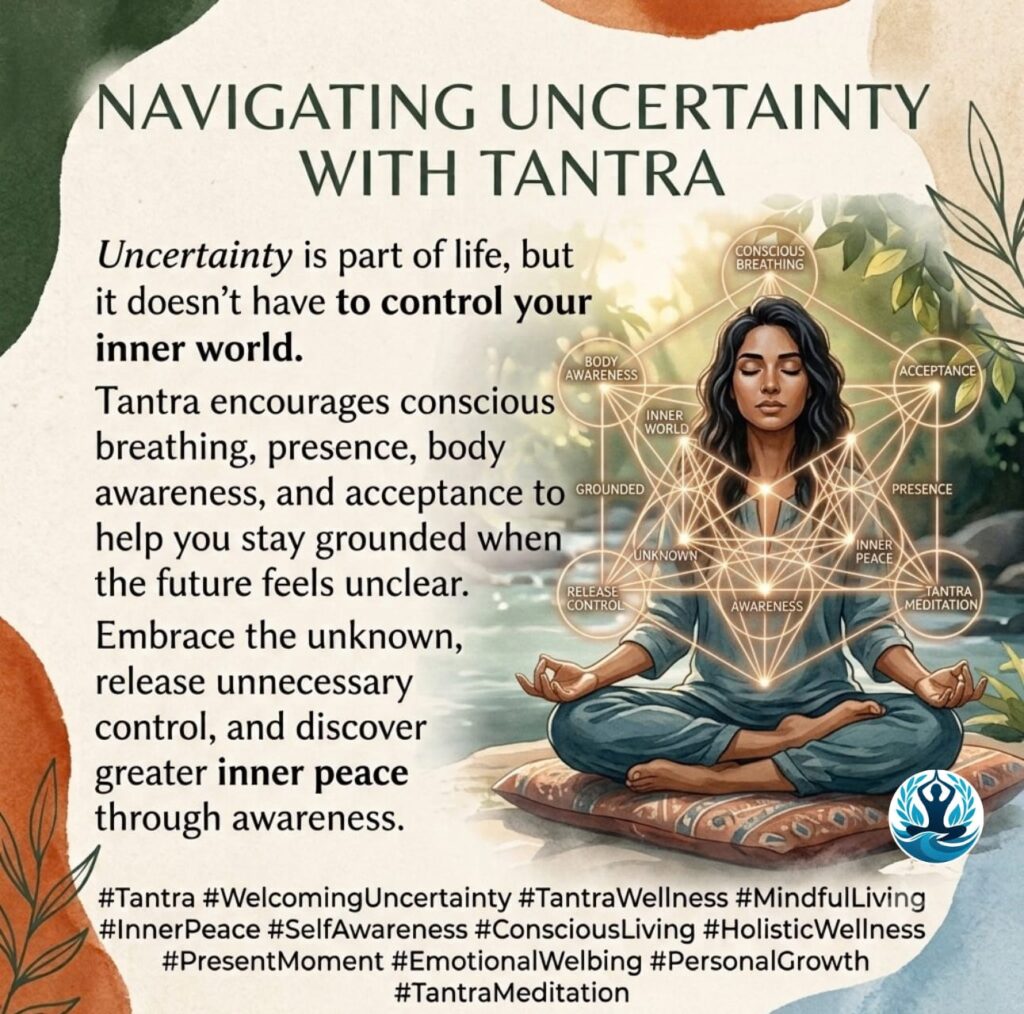
In these moments, finding inner stability becomes essential. Inner stability does not mean controlling every situation or avoiding difficult emotions. It means developing the ability to remain connected to yourself while navigating life’s uncertainties.
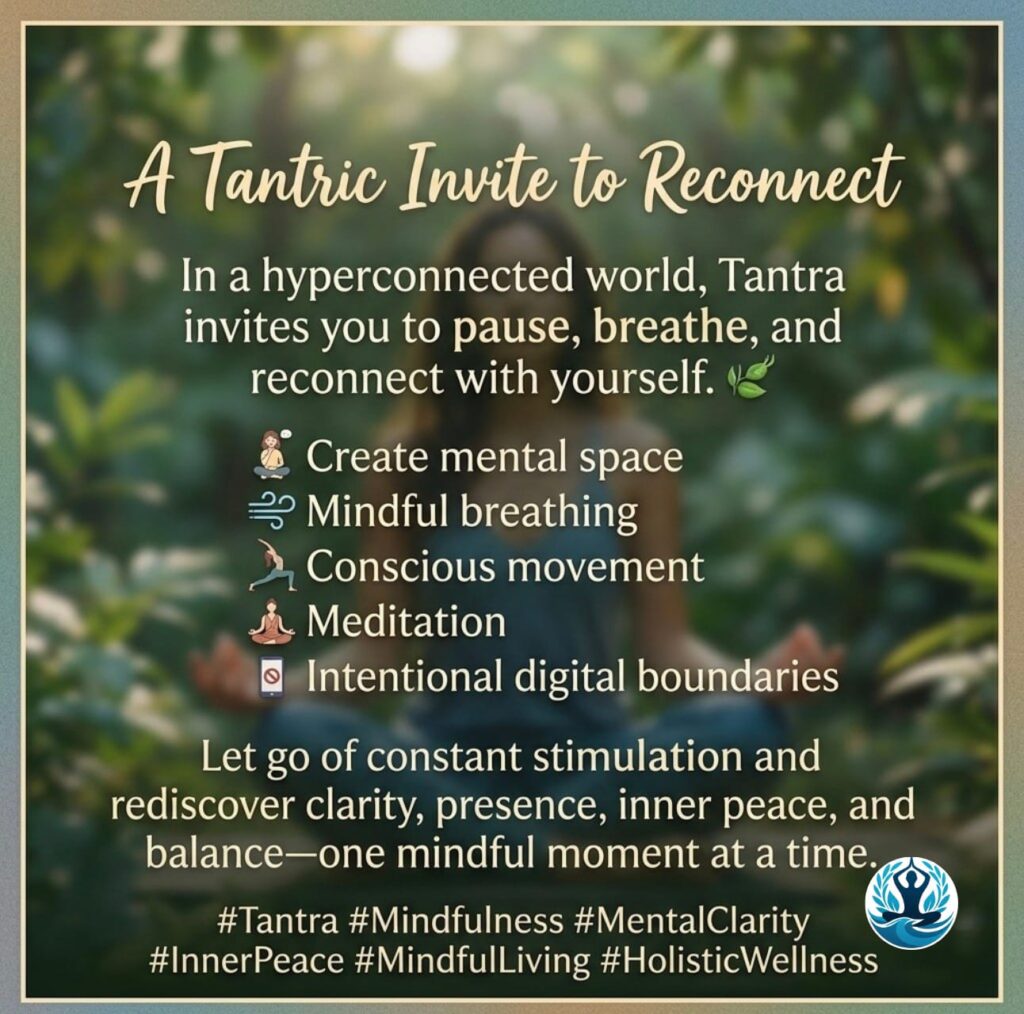
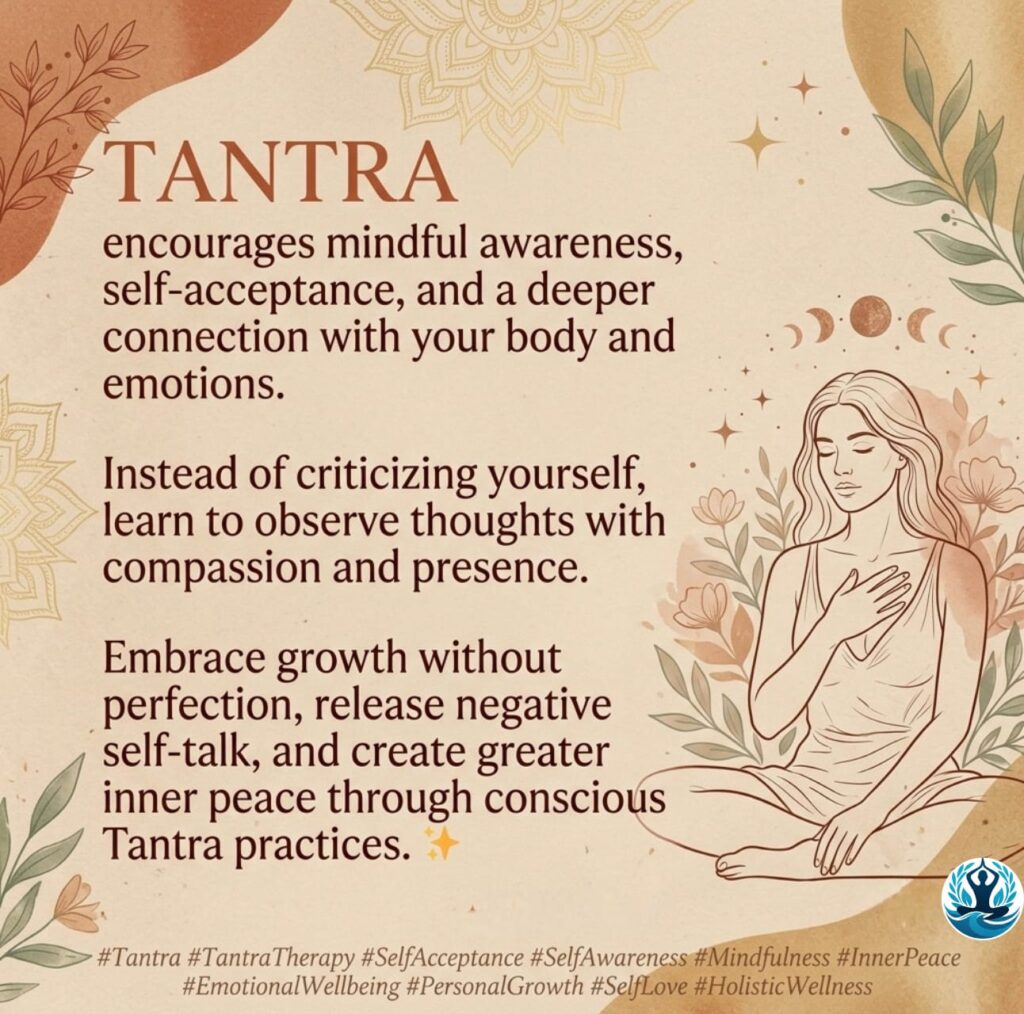
Tantra offers a perspective on conscious living that emphasizes awareness, presence, and a deeper relationship with the body, mind, breath, and present moment. Rather than encouraging us to escape life’s difficulties, a mindful approach inspired by Tantra invites us to meet our experiences with greater openness and understanding.
By practicing awareness, accepting change, and reconnecting with the present, we can begin to build a steadier relationship with ourselves—even when the world around us feels unpredictable.
Understanding Inner Stability in an Unpredictable World
Inner stability is the ability to maintain a sense of connection with yourself despite external changes. It allows you to experience uncertainty without automatically becoming overwhelmed by fear, worry, or self-doubt.
Many people associate stability with having a secure job, predictable relationships, financial comfort, or a clearly defined future. Although these things can contribute to a sense of security, they cannot guarantee that life will always unfold as planned.
A sudden change in circumstances can challenge even the most carefully organized life. When our sense of security depends entirely on external conditions, unexpected events may leave us feeling unsettled.
True inner stability develops when we learn to respond to changing circumstances without abandoning our values, awareness, and emotional needs.
This does not mean remaining calm all the time. It means recognizing that difficult feelings can arise without defining our entire experience. We can feel uncertain and still make thoughtful decisions. We can experience fear and still move forward carefully. We can acknowledge disappointment without losing sight of what matters to us.
A mindful approach to Tantra encourages this kind of self-awareness by bringing attention back to our direct experience rather than allowing every uncertain possibility to control our thoughts.
Why Does Life’s Uncertainty Affect Us So Deeply?
The human mind naturally looks for patterns, predictability, and explanations. Knowing what to expect can help us prepare, make decisions, and feel secure.
When circumstances become uncertain, the mind may attempt to regain control by imagining different outcomes. We might repeatedly analyze a conversation, worry about an upcoming decision, or imagine problems that have not yet occurred.
Although planning can be useful, excessive thinking can create a cycle in which the desire for certainty produces more anxiety instead of relief.
Several common experiences can intensify this pattern.
1. Fear of the Unknown
Not knowing what will happen can create discomfort. Questions about relationships, health, finances, work, or personal identity may remain unanswered for days or months.
The mind may interpret this lack of clarity as a threat, even when there is no immediate danger.
Learning to tolerate uncertainty involves acknowledging that some questions cannot be answered immediately. Instead of demanding complete certainty, we can focus on the information available and the next practical step.
2. Attachment to Expectations
We often create mental pictures of how life should unfold. We may expect a particular career path, a certain relationship outcome, or a specific timeline for personal success.
When reality differs from these expectations, disappointment can become mixed with resistance.
Tantra-inspired awareness encourages us to observe our expectations without treating them as unchangeable rules. We can have goals while remaining open to the possibility that our journey may take a different direction.
3. Overthinking and Mental Exhaustion
Repeatedly analyzing uncertain situations can drain attention and make ordinary responsibilities feel more difficult.
Overthinking often creates the illusion that if we think long enough, we will eventually eliminate every risk. In reality, many situations require a balance between reflection and action.
Mindfulness helps us notice when thinking has stopped being productive. We can then redirect attention toward the present task, our breathing, or a practical decision.
4. Disconnection From the Body
During stressful periods, people may focus so intensely on their thoughts that they overlook physical signals such as shallow breathing, tense shoulders, a clenched jaw, or fatigue.
Reconnecting with bodily sensations can help us recognize stress earlier and respond more thoughtfully.
The purpose is not to force the body to feel relaxed. It is to notice what is happening with curiosity and care.
How Tantra Supports Inner Stability
Tantra is a diverse spiritual tradition with historical roots in South Asian religious and philosophical practices. It should not be reduced to relaxation techniques or modern wellness exercises alone. Different Tantric traditions have their own teachings, rituals, and approaches to awareness.
For a contemporary wellness context, selected principles associated with conscious presence, embodied awareness, and meditation can provide a useful framework for exploring how we relate to uncertainty.
The goal is not to eliminate life’s unpredictability. It is to develop a more conscious relationship with our experiences.
1. Returning to the Present Moment
When life feels uncertain, attention often moves toward the future. We imagine possible difficulties, rehearse conversations, and try to anticipate every outcome.
Although future planning is necessary, constantly living in imagined scenarios can prevent us from noticing what is actually happening now.
Present-moment awareness helps bring attention back to immediate experience. You might notice your feet touching the floor, the movement of your breath, the sounds around you, or the simple sensation of sitting in a chair.
These observations may seem ordinary, but they offer a way to interrupt automatic mental habits.
For example, imagine waiting for an important professional decision. Instead of checking your phone repeatedly and imagining every possible outcome, you can acknowledge the uncertainty, take a few comfortable breaths, and return to the task in front of you.
The outcome may remain unknown, but your attention becomes less dominated by it.
Over time, this practice can help you distinguish between what is happening now and what your mind predicts might happen later.
2. Accepting Change Without Losing Yourself
Change is an unavoidable part of human experience. Relationships evolve, priorities shift, opportunities appear, and circumstances sometimes move in directions we never anticipated.
Resistance to change often comes from the belief that life must remain familiar for us to feel safe.
A Tantra-inspired approach to awareness invites us to observe change as part of our lived experience. Rather than immediately labeling every unexpected development as a failure, we can pause and explore what it means.
Acceptance does not mean approving of every situation or refusing to improve difficult circumstances. It means recognizing reality clearly enough to respond effectively.
If a plan fails, acceptance allows you to acknowledge the disappointment without spending all your energy wishing the situation were different.
You can then ask yourself:
-
What has actually changed?
-
What remains within my control?
-
What do I need at this moment?
-
What is the next step I can take?
These questions move attention away from endless resistance and toward practical awareness.
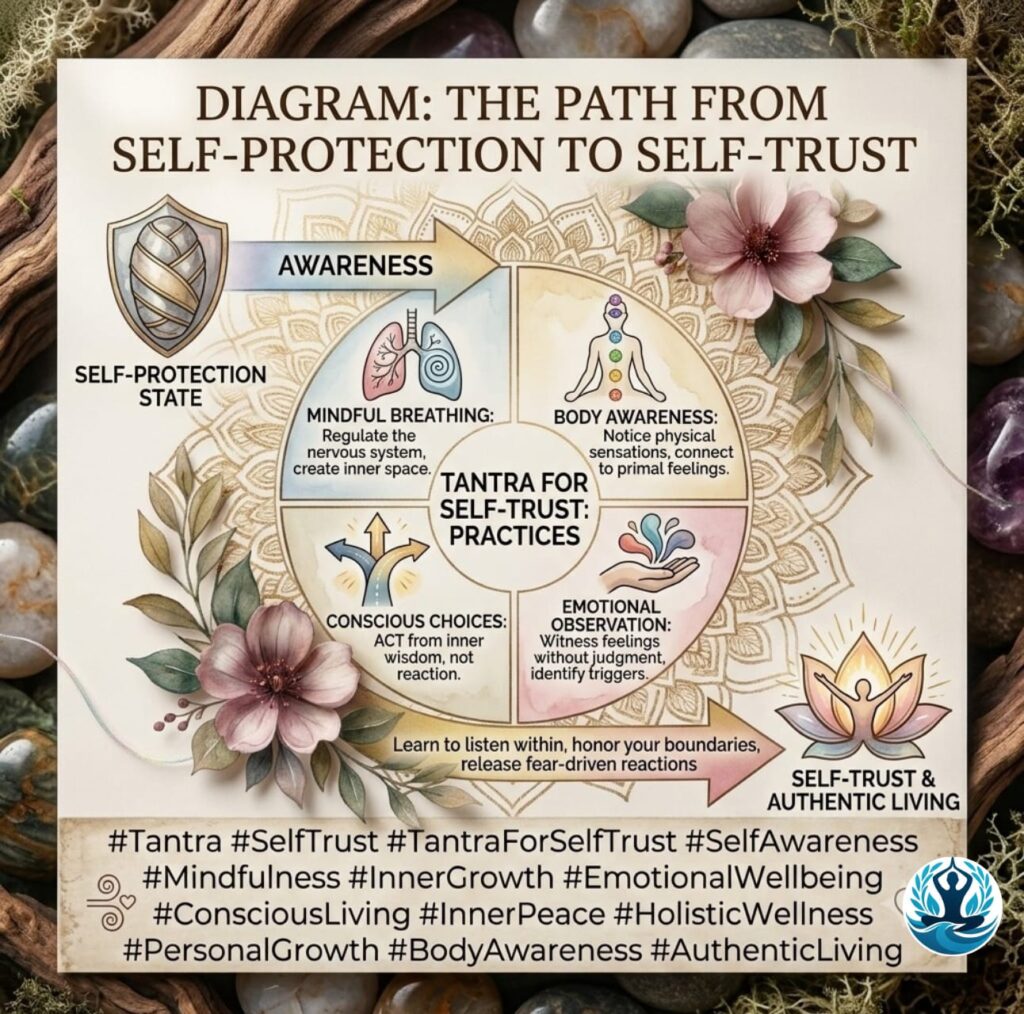
3. Developing a Healthier Relationship With Emotions
Unpredictable circumstances can bring up fear, frustration, sadness, anger, or confusion. Many people respond by suppressing these feelings because they believe emotional strength means remaining unaffected.
However, avoiding emotions does not necessarily resolve them. It may simply make them harder to recognize and understand.
Conscious awareness encourages us to notice emotions without immediately judging them.
Instead of saying, “I should not feel anxious,” you might acknowledge, “I am feeling anxious because this situation matters to me.”
This small change creates room between the experience and the judgment attached to it.
You do not have to act on every emotion. You can feel frustrated without speaking harshly, experience fear without abandoning every opportunity, or feel disappointed without deciding that your future is hopeless.
Emotional awareness supports more deliberate responses, especially when circumstances are difficult.
4. Reconnecting With the Body Through Breath
Breathing provides a simple point of attention when thoughts become overwhelming.
During stress, breathing may become faster or shallower. Paying gentle attention to the breath can help you notice your physical state and create a moment to pause before reacting.
Try sitting comfortably, allowing your shoulders to soften, and observing several natural breaths. If it feels comfortable, let the exhalation become slightly slower without forcing or holding your breath.
If focusing on breathing causes discomfort, return to an external anchor, such as noticing your feet on the ground or looking around the room.
The purpose is not to achieve a perfect breathing pattern. It is to develop awareness of your body and give yourself an opportunity to respond rather than react automatically.
With regular practice, these brief pauses may become useful during challenging conversations, busy workdays, or moments of uncertainty.
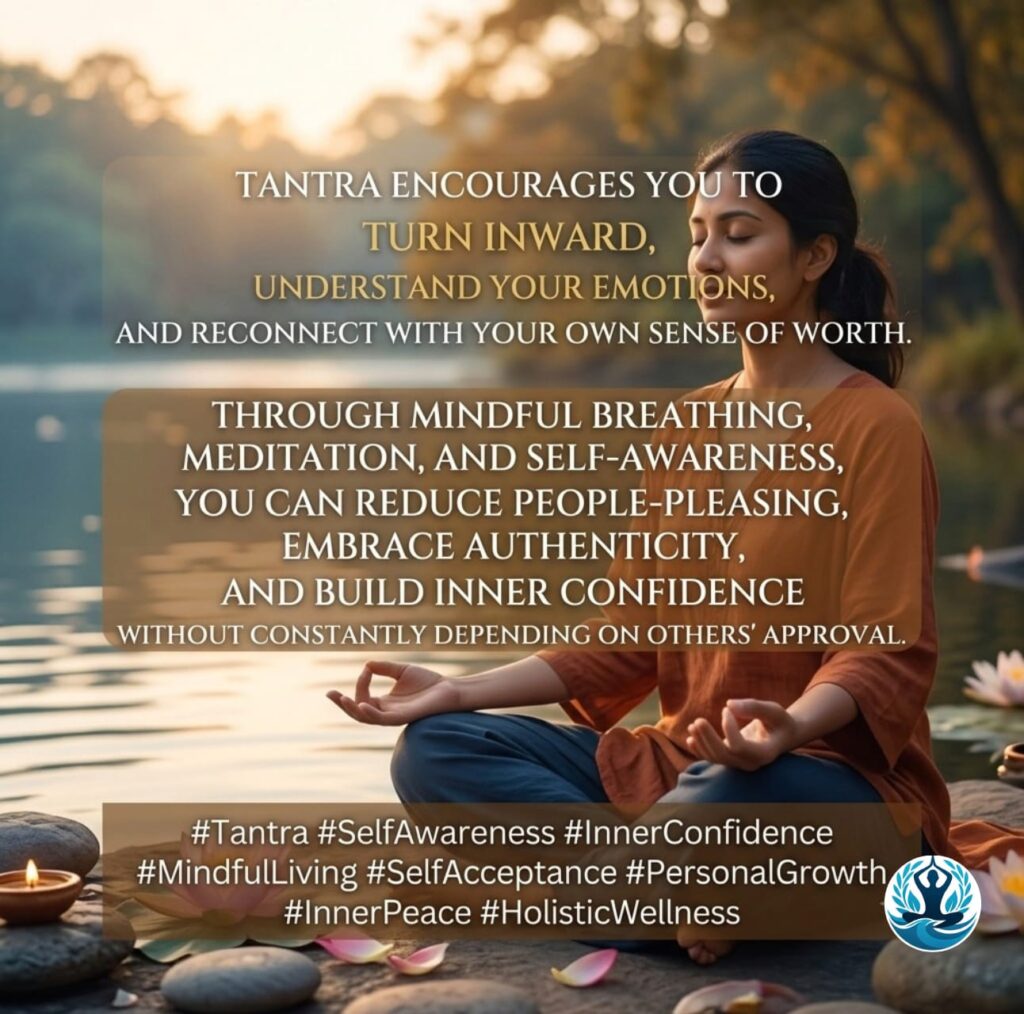
5. Finding Stability Beyond External Validation
Another source of instability is depending too heavily on other people’s opinions.
We may feel secure when others approve of our choices and uncertain when they disagree. As a result, decisions become influenced by the desire to avoid criticism rather than by our own values.
Inner stability grows when we understand what matters to us independently of constant approval.
Reflect on the qualities you want to bring into your life. Perhaps you value honesty, compassion, creativity, learning, or meaningful relationships.
These values can provide direction when external circumstances change.
You may not control how others respond to your decisions, but you can choose how carefully you consider those decisions and how responsibly you act.
A stronger relationship with your values helps create continuity even when circumstances are unfamiliar.
Practical Tantra-Inspired Practices for Building Inner Stability
Understanding inner stability is helpful, but regular practice is what makes the concept relevant to everyday life. The following exercises draw on mindfulness, embodied awareness, and reflective self-observation. They are contemporary wellness practices inspired by these principles, not a substitute for the full range of traditional Tantric teachings.

Practice 1: The Five-Minute Presence Pause
Sit comfortably and bring attention to your immediate surroundings. Notice three things you can see, two sensations in your body, and the natural movement of your breath.
When thoughts about the future arise, acknowledge them and gently return to the present.
Benefit: Encourages present-moment awareness and interrupts automatic worry patterns.

Practice 2: Body Awareness Check-In
Pause during the day and notice your jaw, shoulders, hands, stomach, and breathing. Identify any tension without forcing it to disappear.
Ask yourself whether you need movement, rest, water, a break, or a clearer boundary.
Benefit: Helps you recognize physical signs of stress and respond to your needs more consciously.

Practice 3: The Control and Acceptance Journal
Divide a page into two sections: “Within My Control” and “Outside My Control.” Write down what is troubling you and place each concern in the appropriate section.
Choose one realistic action from the first section. Practice acknowledging the second without repeatedly trying to solve what cannot yet be resolved.
Benefit: Encourages practical decision-making and a clearer relationship with uncertainty.

Practice 4: Mindful Walking
Walk at a comfortable pace and notice the movement of your legs, the contact of your feet with the ground, and the sounds around you.
Whenever your attention moves toward worries, gently return it to the experience of walking.
Benefit: Combines gentle movement with sensory awareness and offers a practical break from repetitive thinking.

Practice 5: An Evening Reflection Ritual
At the end of the day, reflect on one situation that felt uncertain, one thing you handled thoughtfully, and one lesson you learned.
Finish by identifying something you can release for the evening, even if the situation itself remains unresolved.
Benefit: Supports self-reflection and helps separate the day’s challenges from your entire sense of identity.
Consistency matters more than duration. Beginning with five minutes of awareness each day is often more realistic than creating an elaborate routine that becomes difficult to maintain.
Tantra and the Art of Letting Go of Control
One of the most challenging aspects of uncertainty is the desire to control outcomes.
We may attempt to control how others perceive us, when opportunities arrive, how quickly we achieve our goals, or whether difficult situations ever occur.
Some planning is necessary and useful. The problem arises when we expect planning to remove every possibility of disappointment.
This expectation can create exhaustion because life involves many factors beyond individual control.
A conscious approach encourages us to distinguish between responsible action and excessive control.
Responsible action includes preparing for a meeting, communicating honestly, managing finances carefully, or seeking help when needed. Excessive control involves repeatedly rehearsing situations that have already been considered or trying to guarantee another person’s response.
Letting go does not mean becoming passive. It means investing effort where it can make a difference while acknowledging the limits of your influence.
For example, if you are facing a career transition, you can update your skills, explore opportunities, and seek advice. You cannot guarantee precisely when the right opportunity will arrive.
Recognizing this distinction allows you to remain committed without making your emotional wellbeing entirely dependent on an immediate result.
Building Self-Trust During Difficult Times
Inner stability is closely connected with self-trust.
When circumstances become uncertain, we may doubt our judgment and search constantly for reassurance. We might revisit decisions repeatedly, compare ourselves with others, or assume that one mistake means we cannot trust ourselves.
Self-trust develops through experience. It grows when we listen to our needs, make thoughtful choices, learn from outcomes, and acknowledge our ability to adapt.
Learn to Make Decisions Without Perfect Certainty
Not every decision comes with complete information. Sometimes, you must choose the most reasonable option available and remain willing to adjust as circumstances change.
Rather than asking, “How can I guarantee that nothing goes wrong?” try asking, “What decision best reflects my current knowledge and values?”
This approach makes room for both responsibility and flexibility.
Treat Mistakes as Information
An unexpected outcome does not automatically mean you made a poor decision. Sometimes a reasonable choice produces an outcome you could not have predicted.
Reflect on what you can learn without turning the experience into a judgment about your worth.
Self-trust becomes stronger when you know you can acknowledge mistakes and make changes without attacking yourself.
Keep Small Promises to Yourself
Inner confidence can develop through ordinary actions: taking a break when needed, following through on a manageable task, expressing a boundary, or making time for reflection.
These small commitments reinforce the idea that your needs and values deserve attention.
Over time, self-trust can provide a more dependable source of stability than the temporary reassurance of having everything planned.
The Role of Mindfulness in Navigating Uncertainty
Mindfulness is the practice of paying attention to present experience with openness and without unnecessary judgment. It can help us recognize thoughts and emotions before they automatically shape our behavior.
When life feels unpredictable, mindfulness offers a way to observe our reactions without immediately becoming absorbed in them.
For instance, suppose a friend has not replied to your message. Your mind may begin creating explanations: perhaps they are upset, perhaps you made a mistake, or perhaps something has changed in the relationship.
Mindfulness allows you to notice these interpretations as thoughts rather than established facts.
You can acknowledge your concern without treating every possibility as reality. You might decide to wait, focus on your responsibilities, or communicate directly if the situation requires it.
This distinction is valuable because uncertainty often becomes more distressing when imagined outcomes are mistaken for confirmed events.
Mindfulness Is Not About Stopping Every Thought
A common misconception is that meditation should make the mind completely silent.
Thoughts will naturally arise, particularly when something important remains unresolved. The goal is not to eliminate thinking but to develop a more flexible relationship with it.
When a thought appears, you can notice it, consider whether it requires action, and return to what deserves your attention.
Some thoughts provide useful information. Others are repetitions of concerns that cannot be resolved in the present moment.
Learning to recognize the difference can help preserve attention and emotional energy.
How to Maintain Inner Stability During Major Life Changes
Everyday uncertainty can be uncomfortable, but major transitions may challenge our identity and sense of security more deeply.
Changing jobs, ending a relationship, moving to a new place, becoming a parent, or reconsidering long-held beliefs can make familiar routines feel unfamiliar.
During such periods, inner stability does not necessarily come from maintaining the same lifestyle. It may come from identifying what remains meaningful while allowing other aspects of life to evolve.
1. Create Simple Daily Anchors
When the future feels unclear, predictable routines can provide structure.
You might begin the morning with a few quiet minutes, eat meals regularly, take a walk, or spend time reflecting before bed.
These routines do not need to be complicated. Their purpose is to create small, dependable points of connection within a changing environment.
2. Maintain Meaningful Connections
Self-awareness is important, but inner stability does not require handling everything alone.
Talking with trusted friends, family members, mentors, or qualified professionals can offer perspective and emotional support.
Healthy relationships remind us that uncertainty is part of the shared human experience. We can receive support without giving up responsibility for our own decisions.
3. Give Yourself Permission to Adapt
Major transitions often involve periods of confusion. You may not immediately know what you want, how you feel, or what direction to take next.
Instead of interpreting this uncertainty as personal failure, recognize that adaptation takes time.
You can experiment with new routines, reconsider your priorities, and make gradual decisions as your understanding develops.
4. Protect Your Attention
Constant exposure to news, social media, and other people’s opinions can intensify feelings of uncertainty.
Consider setting boundaries around information consumption. Check reliable sources when necessary, but avoid repeatedly searching for reassurance when no new information is available.
Creating quiet periods throughout the day can help you hear your own thoughts and distinguish your priorities from external noise.
5. Focus on the Next Meaningful Step
When the future feels overwhelming, trying to solve everything at once may make it harder to act.
Break larger challenges into manageable steps. One phone call, one conversation, one application, or one practical decision may be enough for today.
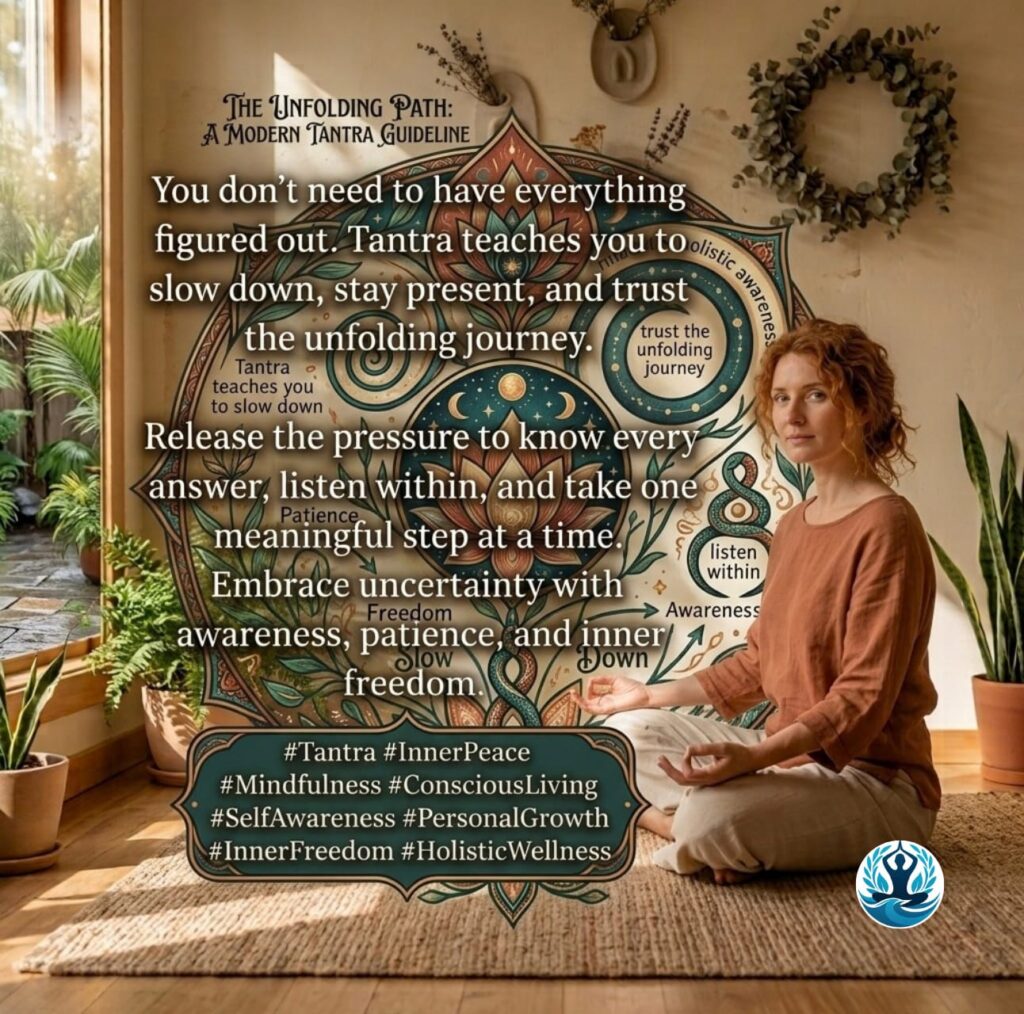
You do not need a complete map of the future to take a thoughtful next step.
Common Habits That Undermine Inner Stability
Developing inner stability also involves recognizing habits that can make uncertainty more difficult to manage.
Constantly comparing your journey with others: Other people’s lives may appear predictable or successful from the outside, but you rarely see the full picture. Comparison can create unnecessary pressure to meet timelines that do not reflect your own circumstances.
Seeking reassurance repeatedly: Asking for advice can be helpful. However, repeatedly seeking confirmation for the same concern may keep you dependent on external reassurance rather than developing confidence in your own judgment.
Ignoring emotional and physical needs: Working continuously, sacrificing rest, and dismissing feelings can leave you with fewer resources to manage challenges. Caring for your body is a practical part of maintaining resilience.
Expecting permanent calm: Inner stability does not mean you will never feel anxious, disappointed, or uncertain. Expecting uninterrupted peace can create another standard against which to judge yourself.
Treating every setback as a personal failure: Difficult outcomes may reflect circumstances, timing, incomplete information, or factors outside your control. Learning from an experience is more constructive than turning it into a fixed judgment about your identity.
Recognizing these habits is not a reason to criticize yourself. It is an opportunity to choose more supportive responses.
Creating a Daily Routine for Inner Stability
A simple daily routine can help integrate conscious awareness into ordinary activities. The following schedule is a flexible example rather than a strict requirement.
Morning
Begin without rushing
Spend five minutes noticing your breath and setting a realistic intention for the day. Choose a quality you want to practice, such as patience, honesty, or attentiveness.
Midday
Pause and reconnect
Take a short break from screens. Notice your posture, physical tension, and immediate priorities. Identify one task that deserves your attention next.
Evening
Release the pressure of the day
Walk mindfully, stretch gently, or spend a few minutes journaling. Acknowledge what remains unfinished without demanding that every problem be solved before you rest.
Night
Reflect with kindness
Ask yourself what you learned, what supported you, and what you can approach differently tomorrow. Let reflection be an opportunity for understanding rather than self-criticism.
The most effective routine is one that fits your actual life. If a practice becomes another source of pressure, simplify it. Even brief moments of awareness can help you reconnect with the present.
Understanding the Difference Between Inner Stability and Emotional Suppression
It is important to distinguish inner stability from the attempt to avoid uncomfortable emotions.
Emotional suppression involves pushing feelings away, pretending nothing is wrong, or believing that difficult emotions should never appear. Although this may seem like strength in the short term, it can make it harder to understand your needs and respond appropriately.
Inner stability allows emotions to exist without letting them determine every decision.
You can acknowledge grief while continuing to care for yourself. You can experience uncertainty while gathering information. You can feel anger while choosing a respectful way to communicate.
This approach creates space for emotional honesty and responsible action.
It also recognizes that some situations genuinely require change. If a relationship is harmful, a workplace is unsafe, or a situation is placing unreasonable demands on you, acceptance should not become an excuse to tolerate harm.
Sometimes the most stable response is to establish a boundary, seek help, or leave an unhealthy situation.
Conscious awareness is valuable not because it makes every situation acceptable, but because it can help you see your circumstances more clearly.
How Inner Stability Supports Personal Growth
When you become less dependent on perfect circumstances, you may find it easier to explore new opportunities and make meaningful decisions.
Inner stability can support personal growth in several ways.
Greater Emotional Awareness
Recognizing emotions and physical stress signals can help you identify what matters to you, where your boundaries lie, and when you need support.
More Thoughtful Decision-Making
Pausing before reacting creates an opportunity to consider consequences, clarify priorities, and choose responses aligned with your values.
Healthier Relationships
When your sense of self is less dependent on constant approval, it may become easier to communicate honestly, tolerate differences, and establish appropriate boundaries.
Increased Flexibility
Accepting that plans may change allows you to adjust your approach without automatically interpreting every unexpected development as failure.
A More Meaningful Relationship With the Present
Instead of postponing your wellbeing until every problem is resolved, you can begin noticing ordinary moments of connection, rest, learning, and appreciation now.
These outcomes are not guaranteed, and mindfulness alone cannot remove external pressures. However, consistent self-awareness can become one useful part of a broader approach to wellbeing.
Frequently Asked Questions About Tantra and Inner Stability
1. What is inner stability in Tantra?
In this contemporary wellness context, inner stability refers to developing awareness of your thoughts, emotions, bodily sensations, and values while navigating changing circumstances. Tantra encompasses diverse traditions, and approaches to inner stability vary across them.
2. Can Tantra help when life feels unpredictable?
Tantra-inspired mindfulness and embodied awareness practices may help you notice stress, pause before reacting, and respond more thoughtfully to difficult situations. They cannot eliminate uncertainty, but they can support a more conscious relationship with it.
3. How can I practice Tantra for emotional balance at home?
Begin with a few minutes of comfortable breathing, body awareness, or quiet reflection. Notice your feelings without judging them, and identify one practical step you can take. Start gently and choose practices that feel comfortable for you.
4. How long does it take to develop inner stability?
There is no universal timeline. Some people notice useful changes in awareness after brief practices, while developing consistent habits of self-reflection and emotional regulation may take longer. Progress often involves gradually learning to respond differently to challenging situations.
5. Is inner stability the same as always being calm?
No. Inner stability does not mean never feeling worried, sad, angry, or confused. It means developing the ability to recognize these experiences, care for yourself, and make thoughtful decisions even when emotions are present.
6. Can mindfulness help reduce overthinking?
Mindfulness may help you recognize repetitive thought patterns and redirect attention toward the present. It does not require eliminating thoughts. Instead, it encourages you to distinguish useful reflection from repeated worry that is no longer helping you.
7. What if uncertainty is affecting my daily life?
Start by identifying the specific concerns you can address and the support you may need. Maintain manageable routines, stay connected with trusted people, and seek guidance from a qualified mental health professional if persistent worry significantly affects your sleep, relationships, work, or daily functioning.
Conclusion: Finding Your Ground Within
Life will always contain elements we cannot predict. Plans may change, relationships may evolve, and opportunities may appear in unexpected forms. Although we cannot control every external circumstance, we can gradually develop a more conscious relationship with our experiences.
Tantra offers a rich tradition of exploring awareness and our relationship with life. When approached through suitable contemporary practices such as mindful attention, body awareness, and self-reflection, these principles can encourage us to meet uncertainty with greater openness.
Finding inner stability does not mean having every answer. It means learning to stay connected with yourself while the answers unfold.
Begin with a single breath, an honest acknowledgment of your feelings, or one thoughtful decision. Allow yourself to adapt without demanding perfection. Recognize what you can influence, accept what remains unknown, and continue taking meaningful steps forward.
You do not need life to become completely predictable to cultivate a steadier relationship with yourself. Sometimes, inner stability begins when you stop waiting for certainty and start meeting the present moment with awareness.