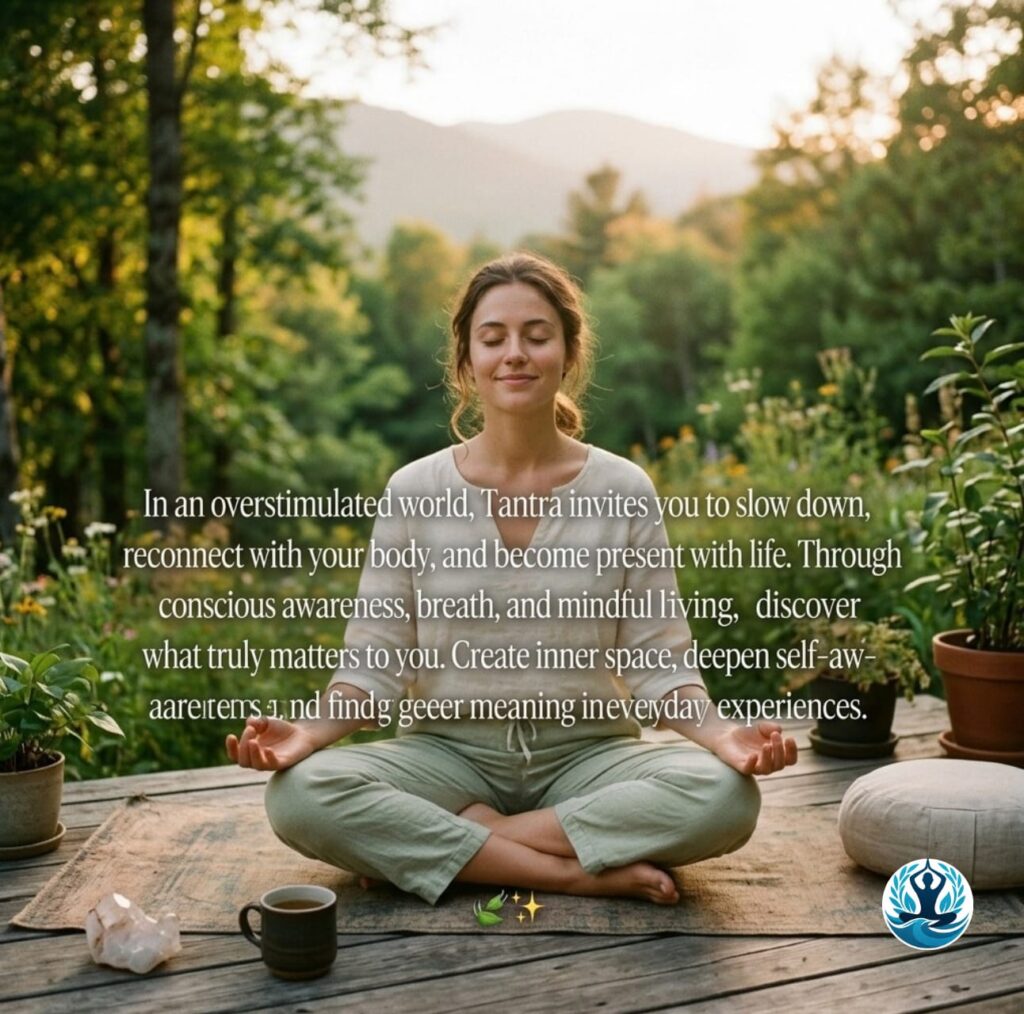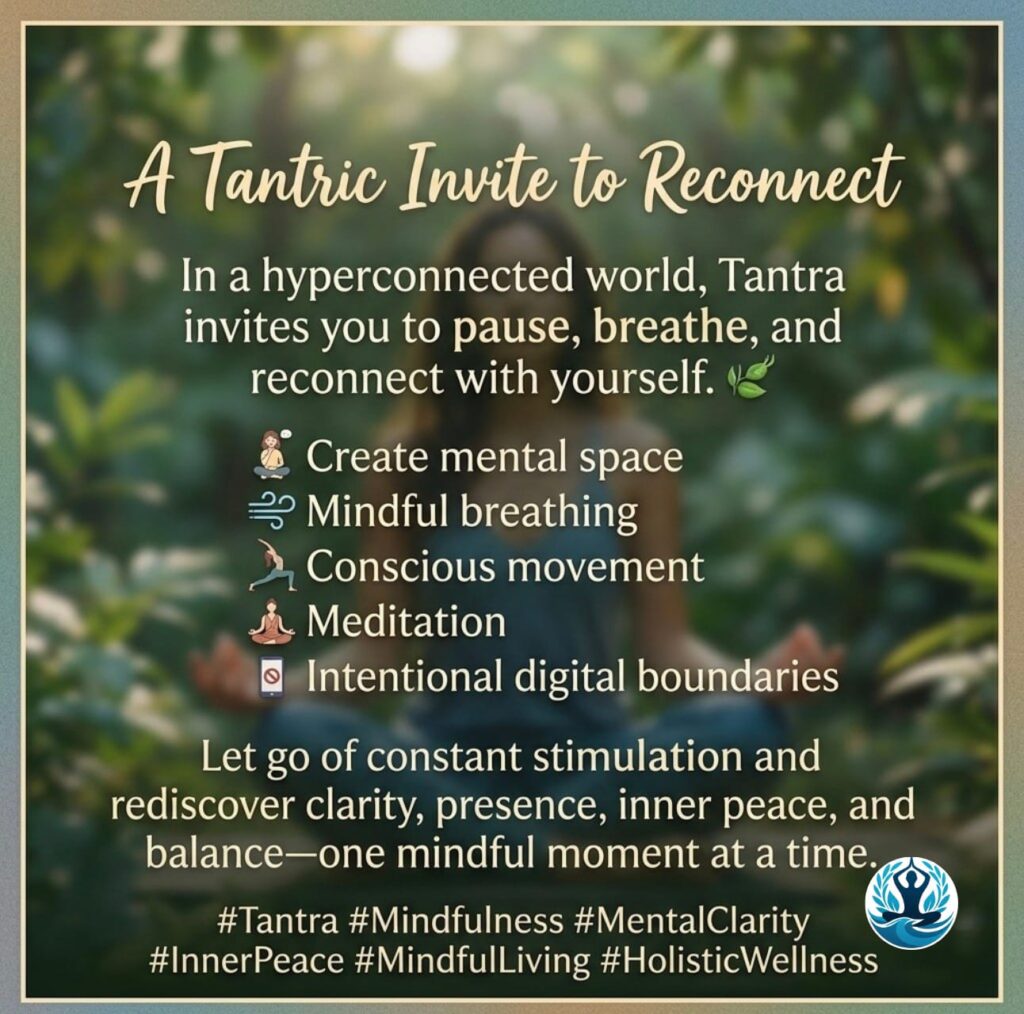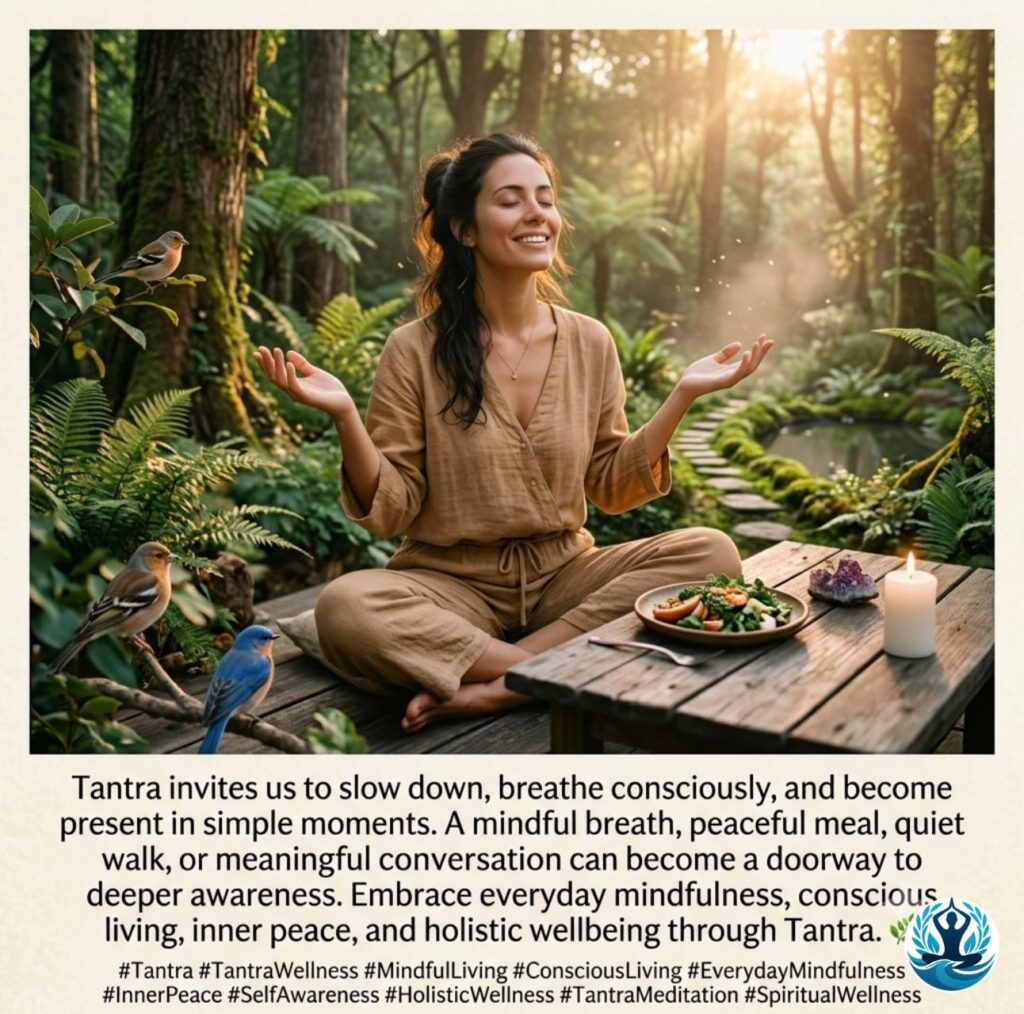


Tantra for Finding Stillness in a World That Never Stops: A Guide to Mindful Living

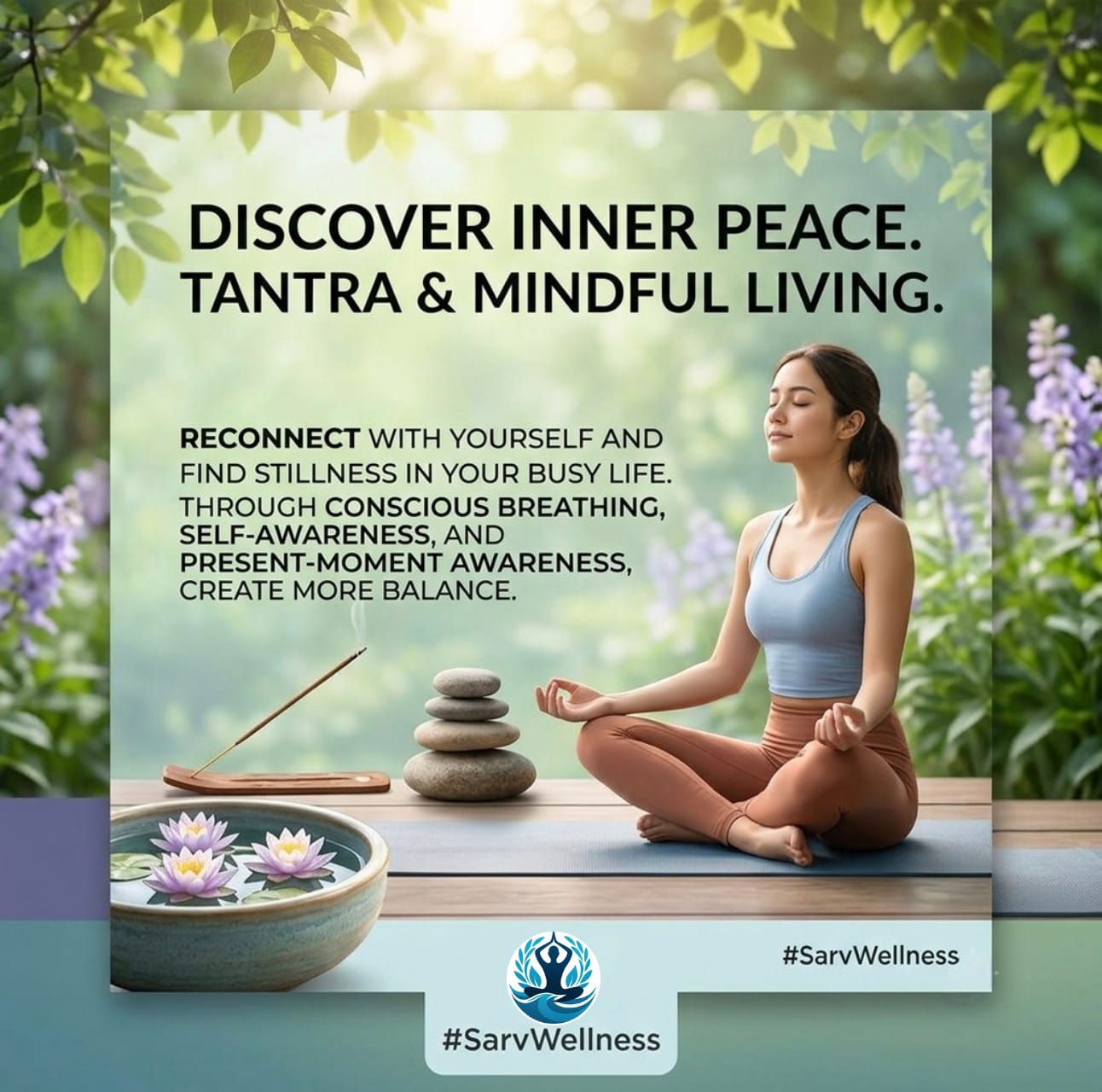
Modern life moves at an extraordinary pace. From professional responsibilities and family commitments to digital notifications and constant social expectations, many people feel as though they are always doing something but rarely have the opportunity to simply be. Even during moments of rest, the mind may continue to replay conversations, plan future tasks, and worry about unfinished responsibilities.
In this fast-paced environment, finding stillness has become an essential part of maintaining a balanced and meaningful life. Stillness does not mean withdrawing from responsibilities or avoiding challenges. Instead, it means developing the ability to remain connected with yourself, even when the world around you feels overwhelming.
Tantra for finding stillness in a world that never stops offers a perspective on mindful living that emphasizes awareness, presence, and a deeper connection with the body, breath, and everyday experiences. Rather than treating life as a series of tasks to complete, Tantra encourages a more conscious relationship with each moment.
Traditional Tantra encompasses diverse spiritual philosophies and practices, and it is much broader than modern ideas of relaxation or stress management. Depending on the tradition, it may include meditation, mantra, breath awareness, ritual, contemplation, and other practices intended to deepen awareness.
When approached thoughtfully, selected Tantric practices can complement a modern wellness routine by encouraging people to slow down, observe their experiences, and respond to daily challenges with greater awareness.
This guide explores how Tantra can inspire a more peaceful lifestyle, why stillness matters, and how simple daily practices can help cultivate greater presence in a constantly moving world.
Understanding Stillness in Modern Life
Stillness is often misunderstood as complete silence, physical inactivity, or the absence of problems. In reality, meaningful stillness is an inner quality that can exist even when life remains busy.
A person can experience stillness while working, walking, preparing a meal, or communicating with others. The essential difference lies in how consciously that person participates in the experience.
When attention is constantly divided between past events, future worries, and present responsibilities, even ordinary activities can become mentally exhausting. People may finish an entire day without feeling fully present in any part of it.
Modern technology can intensify this pattern. Messages, emails, social media updates, and news alerts repeatedly invite attention away from the current moment. Over time, constant stimulation may make quiet moments feel unfamiliar or uncomfortable.
Tantra offers a way to explore a different relationship with everyday experience. Instead of believing that peace can exist only after every responsibility has been completed, practitioners can learn to bring awareness into life as it is happening.
Finding stillness does not require creating a perfect environment. It begins with noticing what is happening within you, without immediately trying to change or escape it.
What Is Tantra, and How Does It Relate to Stillness?
Tantra is a broad family of spiritual traditions that developed across South Asian religious and philosophical contexts. Different Tantric traditions have their own teachings, rituals, meditation methods, and understandings of consciousness.
Although Tantra is sometimes presented primarily as a physical or sensual practice in contemporary wellness settings, its historical scope is considerably wider. Many traditions explore the relationship between awareness, the body, energy, ritual, and the experience of everyday life.
In the context of mindful living, Tantra can inspire a shift from unconscious activity toward conscious participation.
Rather than separating spiritual awareness from ordinary responsibilities, some Tantric approaches recognize the potential for awareness within everyday experiences. Breathing, listening, walking, eating, and interacting with others can become opportunities to observe the present moment more carefully.
This does not mean every relaxation exercise is a traditional Tantric practice. Simple breath awareness and mindful pauses are better understood as contemporary wellness techniques that may be compatible with broader contemplative principles.
The central idea is to cultivate a more attentive relationship with life instead of constantly moving through it on autopilot.
Why Do We Struggle to Find Stillness?
Before developing a sustainable practice, it helps to understand the patterns that make stillness difficult.
1. Constant Mental Activity
Many people continue thinking long after their immediate responsibilities have ended. They mentally revisit past conversations, anticipate future problems, or create endless lists of things they need to accomplish.
This habit can make the mind feel crowded, even during quiet moments.
Mindful practices encourage people to recognize thoughts as mental events rather than automatically following every thought. The goal is not to eliminate thinking but to develop more choice about where attention goes.
2. The Pressure to Stay Productive
Modern culture frequently rewards busyness. A packed schedule can be mistaken for success, while rest may create feelings of guilt.
When productivity becomes the main measure of personal worth, people may struggle to relax without feeling that they should be doing something useful.
A more conscious approach recognizes that rest, reflection, relationships, and personal wellbeing also contribute to a meaningful life.
3. Digital Overstimulation
Digital devices make information constantly available. Although technology provides many benefits, repeated interruptions can fragment attention and make uninterrupted reflection more difficult.
Checking notifications during meals, conversations, and breaks can prevent people from fully experiencing those moments.
Creating intentional periods without digital distractions can help restore a sense of presence.
4. Emotional Avoidance
Some people fill every available moment with activity because silence creates space for uncomfortable emotions to surface.
Sadness, uncertainty, frustration, disappointment, or loneliness may feel easier to avoid when the schedule remains full.
Stillness can provide an opportunity to acknowledge these feelings with greater compassion. It does not require forcing emotional experiences away or resolving everything immediately.
5. Living According to External Expectations
Social expectations can encourage people to pursue goals that do not reflect their personal values. Constantly trying to satisfy others may create a sense of internal pressure.
Developing awareness can help individuals notice when their choices arise from genuine priorities and when they are driven mainly by fear, comparison, or the desire for approval.
This distinction can support a more authentic and balanced way of living.
The Connection Between Tantra and Mindful Living
Mindful living involves paying attention to present experiences with openness and curiosity. Many contemplative traditions, including some Tantric traditions, emphasize forms of awareness that can deepen one’s relationship with the present moment.
In everyday wellness practice, this connection can be explored through several principles.
Awareness of the Body
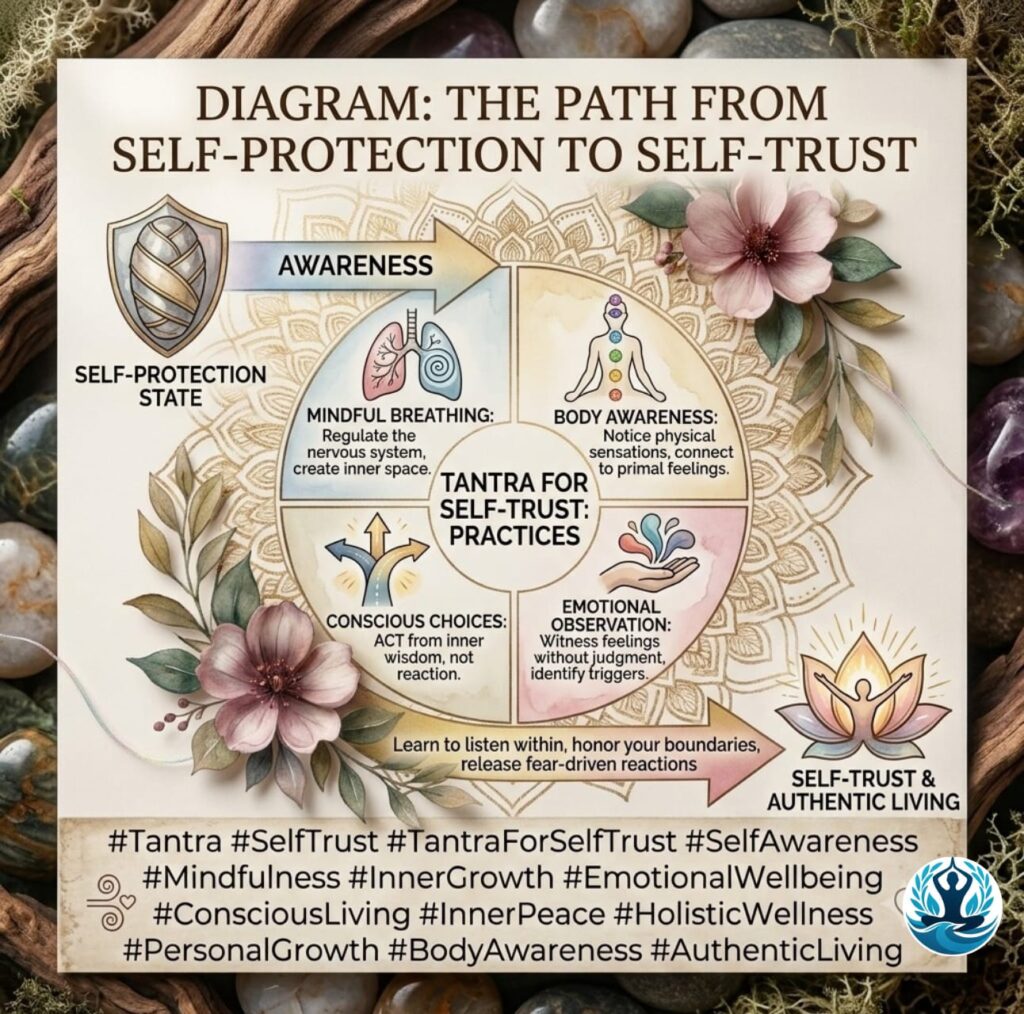
The body often provides information about our current experience before we consciously recognize it. Tight shoulders, a clenched jaw, shallow breathing, or physical restlessness may indicate tension or fatigue.
Gentle body awareness allows people to notice these signals without immediately judging them.
For example, pausing during a busy afternoon to notice your posture and breathing can interrupt automatic patterns and create an opportunity to respond more thoughtfully.
Conscious Breathing
Breathing offers a practical point of connection with the present moment. Unlike many external circumstances, the breath can often be observed without special equipment or a particular setting.
Taking a few comfortable, unforced breaths can create a brief pause between one activity and the next.
Breathing exercises should remain gentle. Anyone who experiences dizziness, discomfort, or increased anxiety should return to normal breathing and discontinue the exercise.
Acceptance of the Present Moment
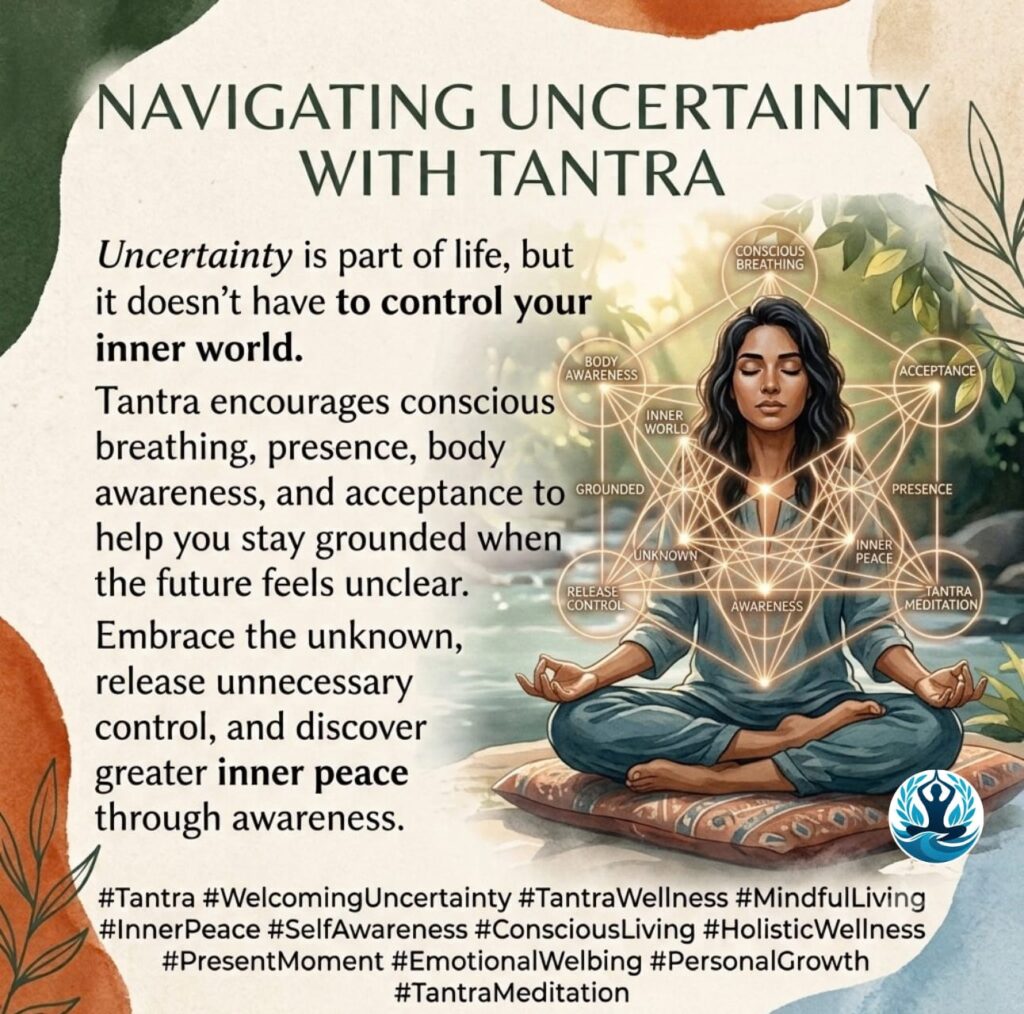
Finding stillness does not mean approving of every situation. It means recognizing the reality of the present moment before deciding how to respond.
For example, acknowledging that you feel overwhelmed can be more useful than criticizing yourself for being overwhelmed.
Acceptance creates space for clearer decisions because less energy is spent denying the experience itself.
Conscious Participation
A mindful approach invites people to give greater attention to ordinary activities.
Instead of eating while scrolling through a phone, a person might notice the taste, texture, and aroma of food. Instead of rushing through a conversation, they might listen without preparing their response in advance.
These small changes can make everyday life feel less fragmented.
Practical Tantric-Inspired Practices for Finding Stillness
You do not need to reorganize your entire life to begin exploring stillness. Small, repeatable practices can help make awareness part of your daily routine.
The following suggestions are contemporary mindfulness exercises inspired by themes of presence and embodied awareness. They are not intended to represent every Tantric lineage or replace instruction from a qualified teacher.
1. Begin the Day With Conscious Awareness
The first moments after waking can influence how you approach the day.
Instead of immediately reaching for your phone, spend one or two minutes noticing your breathing, physical sensations, and surroundings.
Ask yourself:
- How does my body feel this morning?
- What is occupying my attention?
- What deserves my attention today?
- How would I like to approach the day?
You do not need to produce perfect answers. The purpose is to begin with awareness rather than immediately reacting to external demands.
Over time, this simple routine can become a reminder that your attention is valuable and deserves intentional direction.
2. Practise a Short Breathing Pause
Choose a comfortable position and allow your breathing to remain natural.
Notice the air entering and leaving your body. Observe the movement of your chest or abdomen without forcing deeper breaths.
When thoughts arise, acknowledge them and gently return your attention to breathing.
Start with one minute and gradually extend the practice if it feels comfortable.
The aim is not to stop thoughts or achieve a special state. It is to practise returning to the present moment without unnecessary self-criticism.
3. Explore a Body-Awareness Practice
Find a quiet place where you can sit or lie down comfortably.
Bring attention gradually to different parts of the body, such as the feet, legs, abdomen, shoulders, hands, and face.
Notice sensations without immediately labelling them as good or bad. You may observe warmth, pressure, movement, tension, or no particularly noticeable sensation.
If a sensation feels uncomfortable, you can shift position, open your eyes, or stop the exercise.
This practice can help you become more familiar with your physical experience and recognize when you need movement, rest, or a change in activity.
4. Turn an Ordinary Activity Into a Mindful Ritual
Stillness does not need to be limited to formal meditation.
Choose one familiar activity, such as drinking tea, washing your hands, walking, or preparing a meal.
For a few moments, give that activity your full attention. Notice the sensations, sounds, movements, and details involved.
When the mind moves toward another task, gently return to what you are doing.
This practice helps bring awareness into daily life rather than treating mindfulness as something that happens only during dedicated sessions.
5. Create Moments of Digital Silence
Choose a specific period when unnecessary notifications and digital interruptions are reduced.
You might keep your phone away during meals, silence nonessential alerts for a short period, or avoid checking messages during the first few minutes after waking.
Use this time to rest, stretch, walk, or simply notice your surroundings.
The intention is not to reject technology. It is to develop a healthier relationship with it by deciding when and how you engage.
6. Practise Listening Without Rushing to Respond
Conversations often become another place where attention is divided. People may prepare their answers, check their phones, or focus on how they are being perceived.
During one conversation each day, practise listening with your full attention.
Notice the other person’s words and tone. Allow a brief pause before responding. If you disagree, take time to understand what has been said before explaining your perspective.
Conscious listening can strengthen communication and reduce the pressure to react immediately.
7. End the Day With Gentle Reflection
Before sleeping, take a few minutes to reflect on the day.
Consider the following questions:
- When did I feel most present today?
- Which situations created unnecessary tension?
- Did I make space for my own needs?
- What can I approach differently tomorrow?
Try to observe your experiences without turning the reflection into another performance evaluation.
You do not need to solve every problem before sleeping. Sometimes, recognizing what happened is enough for the moment.
How Stillness Can Support Emotional Awareness
A constantly busy mind may leave little room to understand emotional experiences. People can move quickly from one responsibility to another without noticing the feelings that accompany their decisions.
Practising stillness can create opportunities to observe emotional patterns more clearly.
For instance, you might notice that a particular interaction creates frustration, that repeated commitments leave you feeling depleted, or that uncertainty encourages you to seek reassurance.
These observations do not automatically resolve emotional difficulties, but they can help you understand what is happening and identify possible next steps.
Responding Instead of Reacting
A reaction often happens quickly and automatically. A response allows more room for reflection.
Imagine receiving a message that feels critical. An immediate reaction might involve sending an angry reply. A more conscious response might begin by noticing the emotional impact, taking a pause, and considering what the message actually communicates.
This pause does not guarantee a perfect response. It simply creates an opportunity to act with greater intention.
Developing Self-Compassion
Stillness can also reveal how frequently people judge themselves.
Thoughts such as “I should be doing more,” “I am falling behind,” or “I should not feel this way” can add another layer of pressure to an already difficult situation.
Instead of treating every uncomfortable feeling as a personal failure, try acknowledging it with a more compassionate inner voice.
Self-compassion does not mean avoiding responsibility. It means recognizing your difficulties without adding unnecessary shame.
Finding Stillness Without Escaping Responsibility
One common misunderstanding about spiritual and contemplative practices is that inner peace requires withdrawing from ordinary life.
However, stillness can be practised while managing work, raising a family, maintaining relationships, and making important decisions.
The challenge is to distinguish between being actively engaged and being mentally overwhelmed by every demand.
You may not be able to change your workload immediately, but you can sometimes change how you approach individual tasks.
For example, you might complete one task before opening another application, take a brief pause between meetings, or establish a clear stopping time for work.
You can also review which commitments genuinely require your involvement and which may be postponed, delegated, or declined.
These practical adjustments help turn the idea of inner stillness into a more sustainable lifestyle.
The Role of Boundaries in a Peaceful Life
Finding stillness often requires protecting the time and attention needed for rest.
Without boundaries, even the most helpful mindfulness practice can become difficult to maintain.
Boundaries may involve limiting work-related messages after hours, communicating your availability clearly, reducing unnecessary commitments, or reserving time for activities that support your wellbeing.
It can feel uncomfortable to establish these limits, particularly if you are accustomed to meeting everyone’s expectations.
Start with small, realistic changes. You might delay responding to a nonurgent message or set aside fifteen minutes for uninterrupted rest.
Remember that a boundary is not necessarily a rejection of another person. It can be a way to make your participation in relationships and responsibilities more thoughtful and sustainable.
Tantra and the Relationship Between Energy and Attention
In wellness discussions, people often describe themselves as mentally or emotionally drained. This experience may be connected to several factors, including insufficient rest, ongoing stress, competing demands, and difficulty disengaging from work.
In some spiritual traditions, the language of energy is used to describe vitality, attention, or subtle dimensions of experience. These interpretations vary and should not automatically be treated as scientific explanations.
From a practical perspective, observing where your attention goes can help you identify patterns that contribute to exhaustion.
Consider keeping a simple daily record of activities that leave you feeling focused, satisfied, tense, or depleted.
You may discover that constant multitasking creates more fatigue than expected, that certain commitments exceed your available capacity, or that a short walk helps you feel more settled.
Use these observations to make realistic adjustments.
Stillness should complement ordinary foundations of wellbeing, including adequate sleep, balanced nutrition, physical activity, supportive relationships, and appropriate professional care when needed.
Common Obstacles on the Journey Toward Stillness
Developing a more peaceful relationship with life is rarely a perfectly smooth process. Several challenges may arise.
Expecting Immediate Results
People sometimes begin meditation or mindfulness expecting instant calm.
When thoughts continue or discomfort appears, they may assume the practice is not working.
However, awareness is not measured by how quickly the mind becomes quiet. Noticing distraction and returning to the present is itself part of the practice.
Treating Stillness as Another Achievement
It is possible to turn wellness into another demanding goal.
A person may worry about meditating for the correct amount of time, following every instruction, or achieving a particular emotional state.
This approach can recreate the same pressure that the practice was intended to soften.
Keep the routine simple, flexible, and appropriate for your circumstances.
Avoiding Difficult Emotions
Stillness sometimes brings attention to experiences that have been ignored or suppressed.
You do not need to force yourself to remain with overwhelming emotions. Open your eyes, move around, speak with someone you trust, or choose a grounding activity if needed.
If contemplative practices consistently intensify distress, consider pausing and seeking guidance from a qualified mental health professional.
Being Inconsistent
Busy schedules and changing responsibilities can interrupt routines.
Instead of abandoning the practice after missing a day, return to it when practical.
A single mindful breath, a short walk without your phone, or a quiet minute between tasks can serve as a useful starting point.
Consistency is often easier when the practice is small enough to fit into real life.
A Simple Seven-Day Plan for Cultivating Stillness
You can begin exploring mindful living through a gradual seven-day routine.
Day 1: Notice your breathing. Spend two minutes observing your natural breath without trying to control it.
Day 2: Reduce one distraction. Choose a meal, walk, or short break to experience without checking your phone.
Day 3: Listen to your body. Pause briefly and notice areas of tension, comfort, or fatigue.
Day 4: Slow down one activity. Choose an ordinary task and complete it with deliberate attention.
Day 5: Practise a thoughtful pause. Before responding to a frustrating situation, take a moment to identify what you are feeling and what response would be constructive.
Day 6: Establish one boundary. Identify a small change that protects your time, attention, or rest.
Day 7: Reflect without judgment. Consider which practices felt natural, which were difficult, and which you would like to continue.
After seven days, keep the practices that genuinely support your routine. There is no need to follow a rigid schedule or turn the process into a test of discipline.
The purpose is to create a more conscious relationship with daily life, one small moment at a time.
How Sarv Wellness Can Support a Holistic Approach to Wellbeing
Sarv Wellness can present Tantra as part of a broader conversation about conscious living, self-awareness, and holistic wellbeing.
Educational content can help readers understand the distinction between traditional Tantric philosophies and contemporary wellness techniques. It can also encourage people to explore practices that suit their personal needs, cultural understanding, and comfort levels.
A responsible approach emphasizes informed choice, appropriate guidance, and realistic expectations. Tantra should not be presented as a guaranteed treatment for anxiety, depression, insomnia, or other health conditions.
For individuals who want to explore Tantra more deeply, learning from knowledgeable and ethical practitioners can provide context about specific practices, their cultural backgrounds, and how they may be approached safely.
Wellness is not about forcing yourself to remain calm under every circumstance. It involves understanding your needs, recognizing your limitations, and developing supportive habits that can evolve as life changes.
Through thoughtful education and practical guidance, Sarv Wellness can encourage people to explore a more present, balanced, and intentional way of living.
Conclusion: Finding Stillness in a World That Never Stops
The world may continue to demand attention, effort, and adaptation, but your relationship with those demands can change.
Tantra offers a broad contemplative perspective in which awareness and conscious participation can become meaningful parts of everyday experience. When combined with practical mindfulness habits, this perspective can encourage a slower, more attentive approach to life.
Finding stillness does not require eliminating responsibilities, controlling every thought, or waiting for the perfect moment. It can begin with a conscious breath, a pause before responding, an attentive conversation, or a decision to put your phone aside for a few minutes.
These small moments create opportunities to reconnect with yourself and recognize what matters most.
You may not always feel peaceful, and difficult days will still occur. The aim is not to achieve permanent calm but to develop greater awareness of your experiences and more flexibility in how you respond.
Ultimately, Tantra for finding stillness in a world that never stops is an invitation to participate in life without being constantly consumed by its pace.
You do not need to stop the world to discover stillness. You can begin by meeting the moment in front of you with greater attention, patience, and openness.