

Benefits of Attending a Tantra Session: A Complete Guide to Mind-Body Wellness

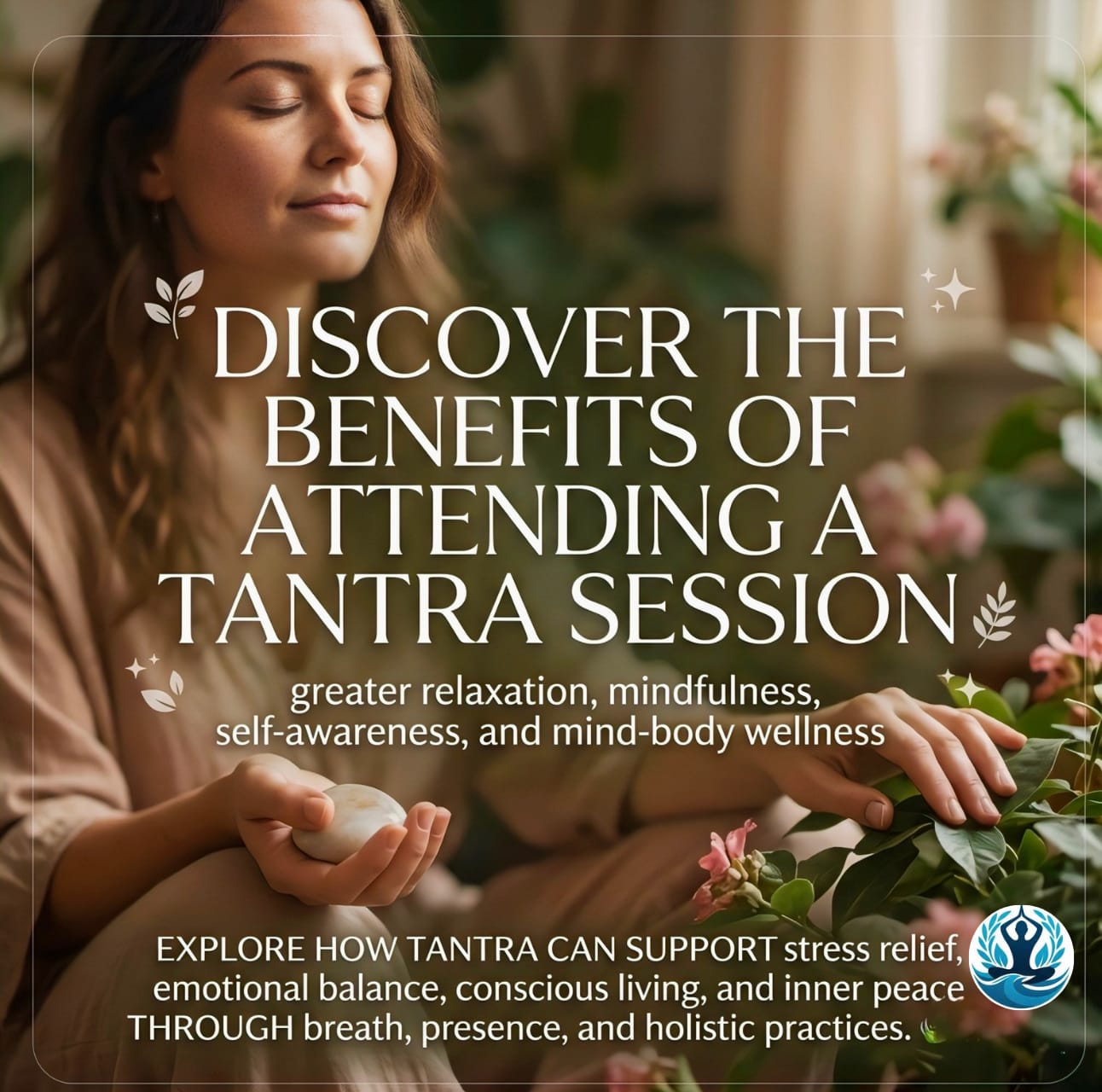
In today’s fast-paced world, many people are searching for natural ways to reduce stress, improve emotional wellbeing, reconnect with themselves, and create greater balance in everyday life. A Tantra session can offer a mindful wellness experience that focuses on presence, breath awareness, body awareness, relaxation, and conscious connection.
Tantra is a broad spiritual and philosophical tradition with roots in ancient Indian traditions. Modern wellness settings may use selected Tantric-inspired practices such as meditation, breathwork, mindful movement, grounding, and awareness exercises. A professional session can provide an opportunity to slow down, step away from daily distractions, and become more aware of the connection between the body, mind, emotions, and inner energy.
The benefits of attending a Tantra session can vary from person to person. Some people may experience a greater sense of relaxation, while others may value improved self-awareness, emotional balance, mindfulness, or a deeper sense of personal connection.
This guide explores the potential benefits of Tantra sessions, what participants may experience, and how Tantra can become part of a holistic wellness routine.
What Is a Tantra Session?
A Tantra session is generally designed around awareness, presence, conscious breathing, meditation, relaxation, and connection with the body and mind. The exact format can differ depending on the practitioner, tradition, and wellness center.
A session may include:
- Breath-awareness exercises
- Meditation
- Mindful movement
- Body-awareness practices
- Relaxation techniques
- Grounding exercises
- Guided visualization
- Mindfulness practices
- Energy-awareness exercises
- Reflective or contemplative practices
A responsible Tantra session should emphasize consent, personal boundaries, comfort, professionalism, and clear communication.
Rather than treating Tantra as a quick solution to every wellness concern, it is more helpful to view it as a practice that may support relaxation, self-awareness, mindful living, and personal development.
1. Helps Promote Deep Relaxation
One of the most commonly valued benefits of attending a Tantra session is relaxation.
Modern lifestyles often involve constant notifications, work responsibilities, social commitments, and information overload. These demands can make it difficult to pause and genuinely rest.
A guided Tantra session can create dedicated time to slow down. Conscious breathing and mindfulness may encourage participants to shift their attention away from external distractions and toward the present moment.
This can create a peaceful environment in which people can become more aware of physical sensations, breathing patterns, thoughts, and emotions.
Regular relaxation practices may become particularly valuable for people who feel that they are constantly busy or mentally occupied.
2. Supports Stress Management
Stress is a normal part of life, but ongoing stress can affect overall wellbeing. Developing healthy ways to manage everyday pressure is therefore an important part of holistic wellness.
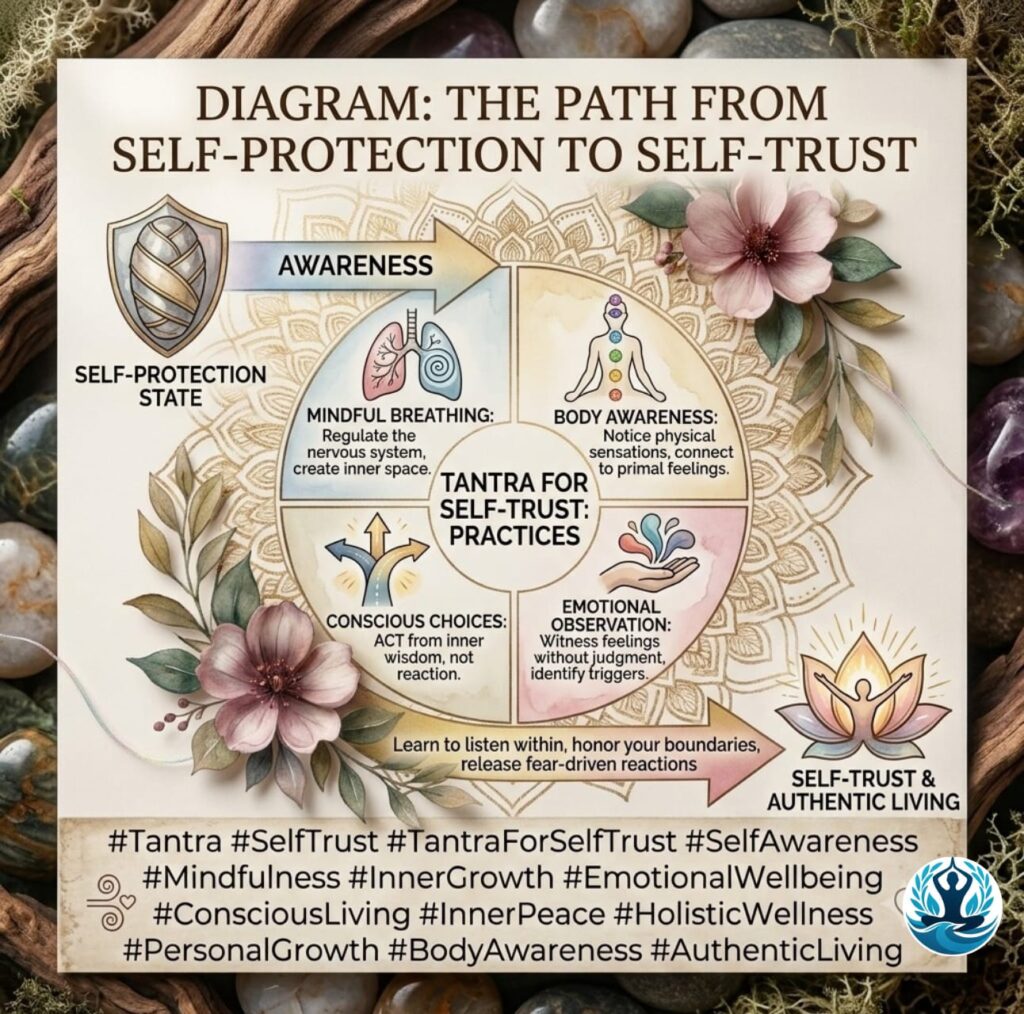
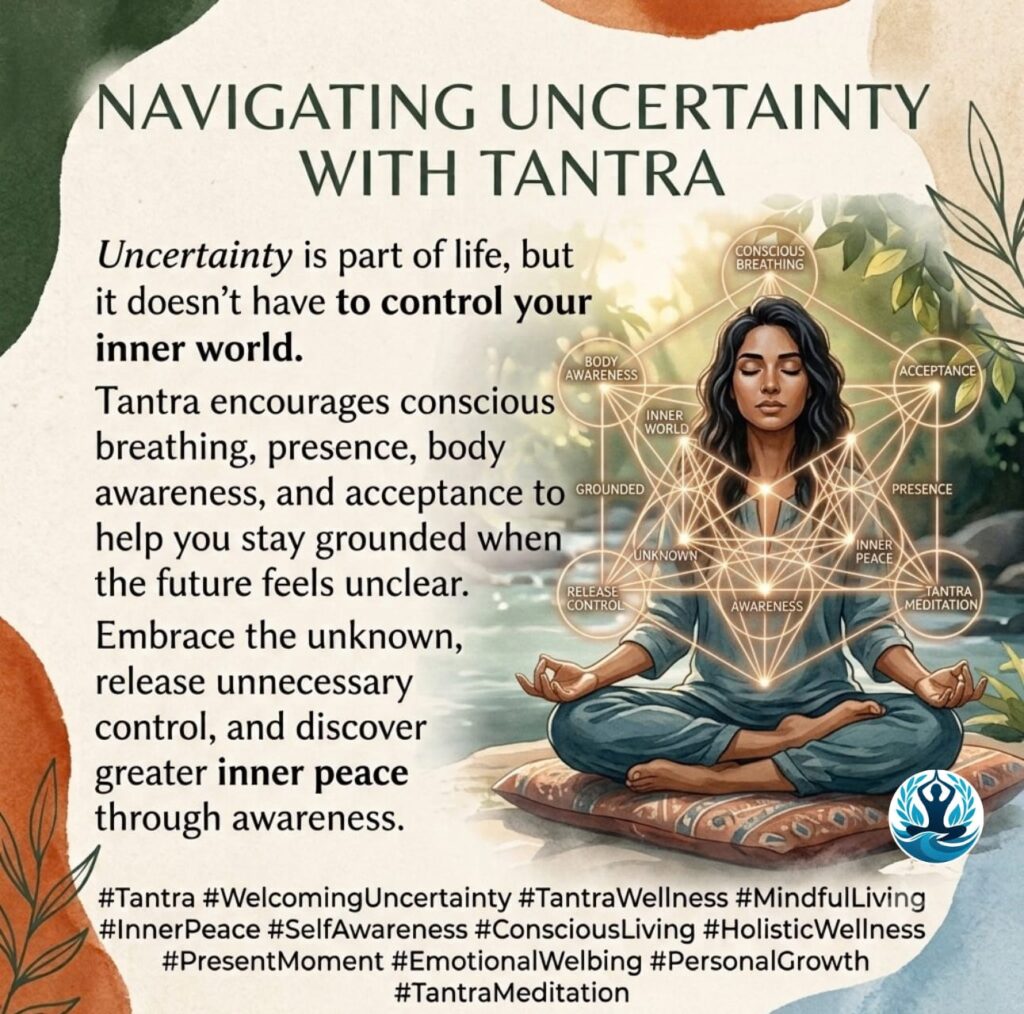
Tantra-inspired practices often emphasize slowing down and becoming aware of the present moment. Breathwork, meditation, grounding, and mindful body awareness can be incorporated into a personal stress-management routine.
Attending a Tantra session may give individuals practical tools that they can later incorporate into everyday life.
For example, someone might learn to pause for a few conscious breaths before responding to a stressful situation. Over time, these small moments of awareness may encourage a calmer approach to daily challenges.
3. Encourages Mindfulness
Mindfulness involves paying attention to the present moment with greater awareness.
Many Tantra practices place importance on being fully present rather than becoming lost in worries about the past or future.
During a session, participants may be guided to notice:
- Their breathing
- Physical sensations
- Emotional responses
- Thoughts
- Surrounding sounds
- Patterns of tension
- Feelings of calm or discomfort
This increased awareness can help people recognize how they experience everyday situations.
With consistent practice, mindfulness may become more than something experienced during a wellness session. It can become part of daily activities such as eating, walking, working, resting, or communicating.
4. Improves Body Awareness
Many people spend much of their day focused on screens, work, or mental tasks and may pay little attention to physical sensations.
Tantra sessions can encourage people to reconnect with their bodies through mindful attention.
Participants may become more aware of areas of tension, changes in breathing, posture, movement, and physical comfort.
Developing body awareness can help individuals recognize when they need rest, movement, hydration, or a break from prolonged activity.
This does not mean that every physical sensation has a deeper meaning. Instead, the practice encourages curiosity and awareness without immediately judging what is experienced.
5. Encourages Emotional Awareness
Emotional wellbeing is another important aspect of holistic wellness.
People sometimes become disconnected from their emotions because of busy schedules, social expectations, or the habit of staying constantly occupied.
A mindful Tantra session can provide quiet space for self-reflection.
Through meditation, breathing, and awareness practices, participants may become more conscious of emotions such as frustration, sadness, tension, gratitude, or calmness.
The goal is not necessarily to eliminate uncomfortable emotions. Instead, developing awareness may help individuals understand their emotional experiences with greater clarity.
6. Supports Self-Awareness
Self-awareness means understanding your thoughts, feelings, behaviors, habits, values, and reactions.
Tantra encourages conscious observation rather than automatic reactions.
During a session, participants may have an opportunity to ask themselves questions such as:
- How am I feeling right now?
- Where am I holding tension?
- What thoughts repeatedly occupy my mind?
- What helps me feel grounded?
- What boundaries are important to me?
- What activities genuinely support my wellbeing?
These reflections can contribute to personal growth.
Greater self-awareness may also help individuals identify habits that no longer serve their wellbeing and consider healthier alternatives.
7. Can Help Reduce Mental Overload
Constant thinking can be exhausting.
Work deadlines, financial concerns, relationships, responsibilities, and digital information can create a sense of mental overload.
A Tantra session may offer a structured opportunity to step away from constant mental activity.
Meditation and breath awareness can encourage attention to shift from repetitive thinking toward immediate experience.
Even a short period of mindful attention can create a valuable pause in the day.
With consistent practice, individuals may become more aware of when they are caught in repetitive thought patterns and learn to redirect their attention.
8. Encourages Better Breathing Awareness
Breathing is central to many contemplative traditions.
Tantra-inspired wellness sessions may include conscious breathing exercises designed to encourage relaxation and present-moment awareness.
People often breathe differently when they are stressed compared with when they are relaxed. Becoming aware of breathing patterns can therefore become a useful mindfulness practice.
Learning to pause and observe the breath may provide a simple tool for returning attention to the present.
Breathing exercises should always be practiced comfortably and appropriately, especially by people with health concerns.
9. Promotes Inner Calm
Inner calm does not mean that life becomes completely free from challenges.
Instead, it can mean developing greater capacity to pause, observe, and respond rather than immediately reacting.
Tantra practices that emphasize meditation, breathing, grounding, and awareness may support this quality of calm.
For many people, a session can become a peaceful space away from the demands of everyday life.
That sense of calm may encourage individuals to create more intentional periods of rest and reflection in their regular routines.
10. Supports Personal Growth
Personal growth is an ongoing process.
Tantra can be approached as a practice of greater awareness and conscious living rather than simply a one-time wellness experience.
A session may encourage participants to reflect on their habits, priorities, relationships, boundaries, and sense of purpose.
When combined with consistent mindfulness practices, these reflections may contribute to long-term personal development.
The most meaningful benefits often come from integrating useful practices into everyday life rather than relying solely on occasional sessions.
11. Encourages Healthy Boundaries
Healthy boundaries are an important part of emotional wellbeing and respectful relationships.
A professional Tantra session should maintain clear boundaries and encourage participants to communicate their comfort levels openly.
This can reinforce the importance of recognizing personal limits and respecting the boundaries of others.
Learning to communicate clearly about comfort, preferences, and personal space can be valuable beyond the session itself.
12. Supports Conscious Connection
Connection is an important part of human wellbeing.
Tantra traditions often explore conscious connection through awareness and presence. In modern wellness settings, this can involve practices focused on respectful communication, listening, mindfulness, and emotional awareness.
Conscious connection does not require physical intimacy. It can simply mean being fully present when interacting with another person.
This approach may help individuals become more attentive listeners and more aware of how they communicate.
13. May Support Better Sleep Habits
Relaxation and stress management can be relevant to healthy sleep routines.
A calming evening practice involving breathing, meditation, or gentle mindfulness may help create a transition between daytime activity and nighttime rest.
A Tantra session itself should not be presented as a treatment for insomnia. However, learning relaxation and mindfulness techniques may complement a healthy sleep routine.
People can incorporate simple practices such as slow breathing, body awareness, and quiet meditation before bedtime.
14. Encourages a More Balanced Lifestyle
Wellness involves more than one aspect of life.
A balanced lifestyle can include:
- Physical activity
- Rest
- Healthy nutrition
- Emotional awareness
- Meaningful relationships
- Mindfulness
- Personal reflection
- Recreation
- Adequate sleep
Tantra can complement these areas by encouraging people to slow down and become more conscious of their daily choices.
Rather than adding another demanding task to an already busy schedule, the practice can encourage a more intentional relationship with time and energy.
15. Helps Reconnect With Yourself
Many people become disconnected from their own needs while focusing on work, family, responsibilities, or social expectations.
A Tantra session can provide intentional time for self-connection.
Quiet reflection and body awareness may help participants recognize what they need emotionally and physically.
This can be especially valuable for individuals who rarely give themselves time to pause.
Self-connection does not mean withdrawing from others. Instead, it can create a stronger foundation for making thoughtful decisions and maintaining healthy relationships.
16. Encourages Energy Awareness
Tantric traditions often use the concept of energy in spiritual and philosophical contexts.
In a modern wellness setting, energy awareness can also be approached as noticing how activities, environments, thoughts, and relationships influence one’s sense of vitality.
Participants may reflect on questions such as:
- What activities leave me feeling refreshed?
- What situations frequently drain my attention?
- When do I feel most focused?
- How can I create more time for restoration?
This perspective can encourage more conscious management of time and personal resources.
17. Can Encourage Greater Presence in Daily Life
Presence is one of the central ideas that can be carried from a Tantra session into everyday life.
Instead of automatically moving from one task to another, individuals can practice being more attentive to what they are doing.
For example, someone might practice presence while:
- Drinking tea
- Walking
- Eating
- Exercising
- Speaking with a friend
- Listening to music
- Spending time outdoors
These simple activities can become opportunities for mindfulness.
18. Creates Dedicated Time for Wellness
One practical benefit of attending a professional session is simply making time for yourself.
When wellness remains an abstract intention, it can easily be postponed.
Scheduling a session creates a dedicated period for relaxation, reflection, and mindful practice.
This can encourage people to recognize self-care as an important part of a sustainable lifestyle rather than an occasional luxury.
19. Can Complement Other Wellness Practices
Tantra does not have to exist independently.
Depending on individual preferences, people may combine mindfulness-based Tantra practices with:
- Yoga
- Meditation
- Breathwork
- Walking
- Journaling
- Stretching
- Nature activities
- Healthy sleep routines
- Relaxation practices
The key is to create a balanced wellness routine that feels sustainable.
20. Encourages Intentional Living
Intentional living involves becoming more conscious about how you use your time, attention, and energy.
Tantra can encourage people to move away from constant autopilot behavior.
Instead of automatically reacting to every situation, individuals can develop a habit of pausing and choosing how they want to respond.
This can contribute to a more meaningful and balanced approach to everyday life.
What Can You Expect During a Tantra Session?
Every session is different, but a professional wellness session may begin with a conversation about your goals, comfort level, and boundaries.
The practitioner may then introduce practices such as meditation, breathing, grounding, mindful movement, or body-awareness exercises.
A session may involve periods of quiet observation as well as guided practices.
The experience should be respectful, professional, consensual, and aligned with clearly communicated boundaries.
If a practice feels uncomfortable, participants should feel able to communicate this and pause or stop.
How to Prepare for a Tantra Session
Preparation can help you get more from the experience.
Set an Intention
Think about what you want from the session.
Your intention might be:
- Relaxation
- Stress management
- Self-awareness
- Mindfulness
- Emotional reflection
- Personal growth
An intention does not need to be complicated.
Wear Comfortable Clothing
Choose clothing that allows comfortable movement and relaxation.
Arrive With an Open Mind
You do not need to have a particular expectation about what you will experience.
Approach the session with curiosity rather than pressure.
Communicate Clearly
Let the practitioner know about your comfort levels and boundaries.
Clear communication is an essential part of a professional wellness experience.
How Often Should You Attend a Tantra Session?
There is no universal schedule that works for everyone.
Some people may attend occasionally when they want dedicated time for relaxation or reflection. Others may prefer regular sessions as part of a broader wellness routine.
The value of Tantra is not necessarily determined by frequency alone. Consistency, appropriate expectations, and applying useful practices in everyday life may be more important.
Even between sessions, individuals can practice simple techniques such as conscious breathing, meditation, grounding, and mindful observation.
Choosing a Professional Tantra Practitioner
Choosing the right practitioner is important.
Look for someone who:
- Clearly explains the session
- Respects personal boundaries
- Communicates professionally
- Obtains informed consent
- Allows questions
- Does not pressure participants
- Maintains appropriate confidentiality
- Explains what practices will be included
- Encourages participants to stop if uncomfortable
A trustworthy practitioner should make the experience feel safe, respectful, and transparent.
Common Misconceptions About Tantra
Tantra is often misunderstood because the word is sometimes associated only with sexuality.
Historically and philosophically, Tantra encompasses diverse spiritual and contemplative traditions. Modern wellness practices inspired by Tantra may focus on meditation, awareness, breath, energy concepts, ritual, and conscious connection.
Therefore, it is useful to ask a practitioner exactly what they mean by a “Tantra session” and what the session involves.
A professional wellness approach should never rely on misleading promises or pressure.
Tantra Session Benefits for Modern Wellness
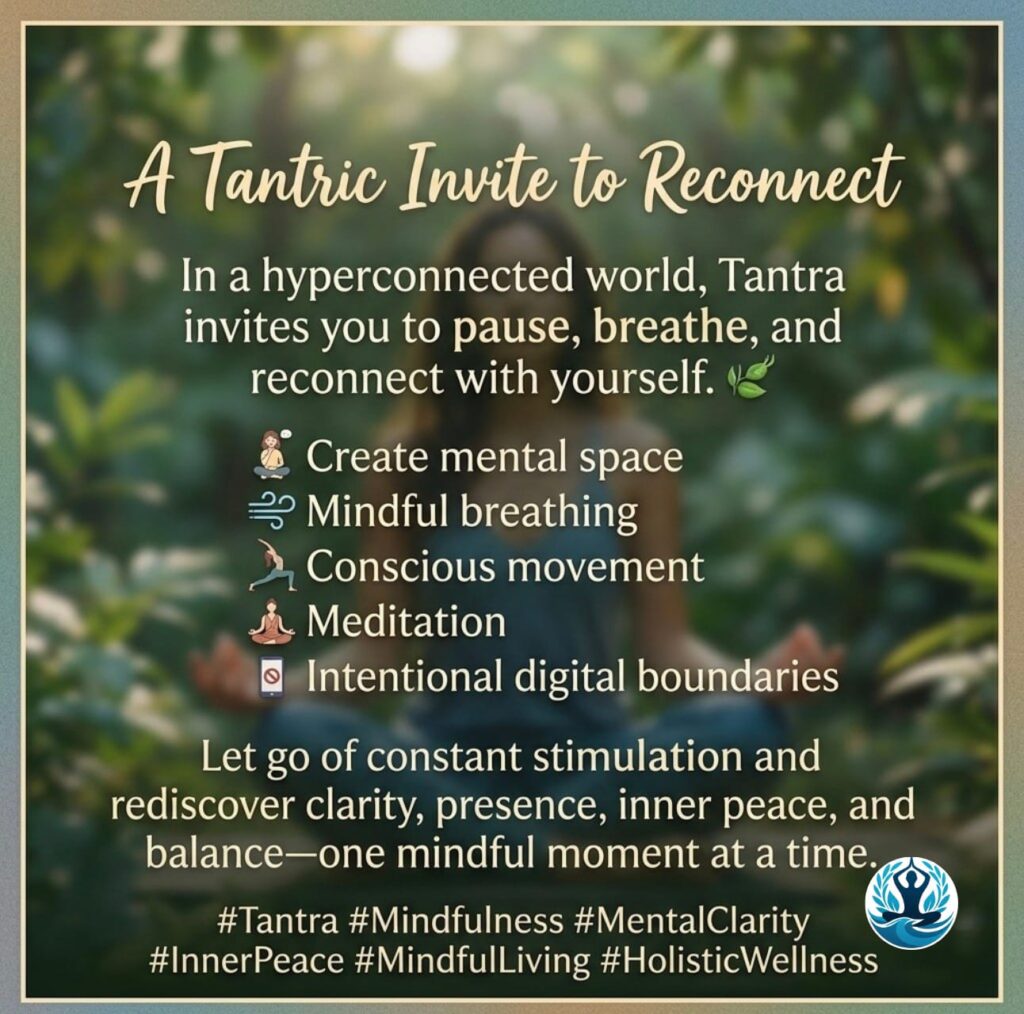
The modern lifestyle often rewards constant productivity.
People may feel that they should always be working, responding, achieving, or staying connected digitally.
This can make slowing down feel surprisingly difficult.
A Tantra session can offer a structured opportunity to practice the opposite: pause, observe, breathe, and reconnect.
The potential benefits can include greater relaxation, mindfulness, body awareness, emotional awareness, self-reflection, and conscious living.
These benefits are best understood as supportive wellness experiences rather than guaranteed medical outcomes.
Building a Daily Tantra-Inspired Wellness Routine
You do not necessarily need a long session every day to develop greater awareness.
A simple routine could include:
Morning: Spend five minutes observing your breathing.
During the day: Pause for a few conscious breaths between activities.
Evening: Practice a short body-awareness meditation.
Before sleep: Reduce digital distractions and spend a few quiet minutes reflecting on the day.
Small practices can gradually become habits.
Frequently Asked Questions
What are the main benefits of attending a Tantra session?
Potential benefits include relaxation, stress management, mindfulness, body awareness, emotional awareness, self-reflection, and greater presence.
Is Tantra only about intimacy?
No. Tantra is a broad group of spiritual and philosophical traditions. Depending on the teacher and setting, Tantra-inspired wellness practices may focus on meditation, breath, awareness, energy concepts, ritual, or conscious connection.
Can Tantra help with stress?
Tantra-inspired practices such as mindfulness, breathing, meditation, and relaxation may support healthy stress-management habits.
Can beginners attend a Tantra session?
Yes. Many wellness practices can be adapted for beginners. It is helpful to choose a qualified practitioner who clearly explains the session beforehand.
How long does a Tantra session last?
Session length varies depending on the practitioner and type of session. Ask the wellness provider about the expected duration before booking.
Can Tantra improve mindfulness?
Tantra practices that emphasize present-moment awareness can help individuals develop mindfulness as part of their broader wellness routine.
Is one Tantra session enough?
A single session can provide an introduction to the practice, but long-term changes generally depend on consistent habits and individual circumstances.
Conclusion
Attending a Tantra session can provide an opportunity to slow down, reconnect with yourself, and explore mindful approaches to everyday wellbeing. Potential benefits include relaxation, stress management, greater body awareness, emotional awareness, mindfulness, conscious connection, and personal reflection.
The most valuable aspect of Tantra may be the invitation to become more present. Instead of constantly moving from one responsibility to another, you can learn to pause, breathe, observe, and reconnect with your experience.
For people interested in holistic wellness, a professionally guided Tantra session can become one component of a broader self-care routine. When combined with healthy lifestyle habits, regular relaxation, mindful breathing, adequate rest, and meaningful connections, these practices can support a more intentional approach to wellbeing.
Ultimately, Tantra is not about chasing a particular experience. It is about cultivating awareness and learning to approach the body, mind, emotions, and everyday life with greater presence.