Introduction
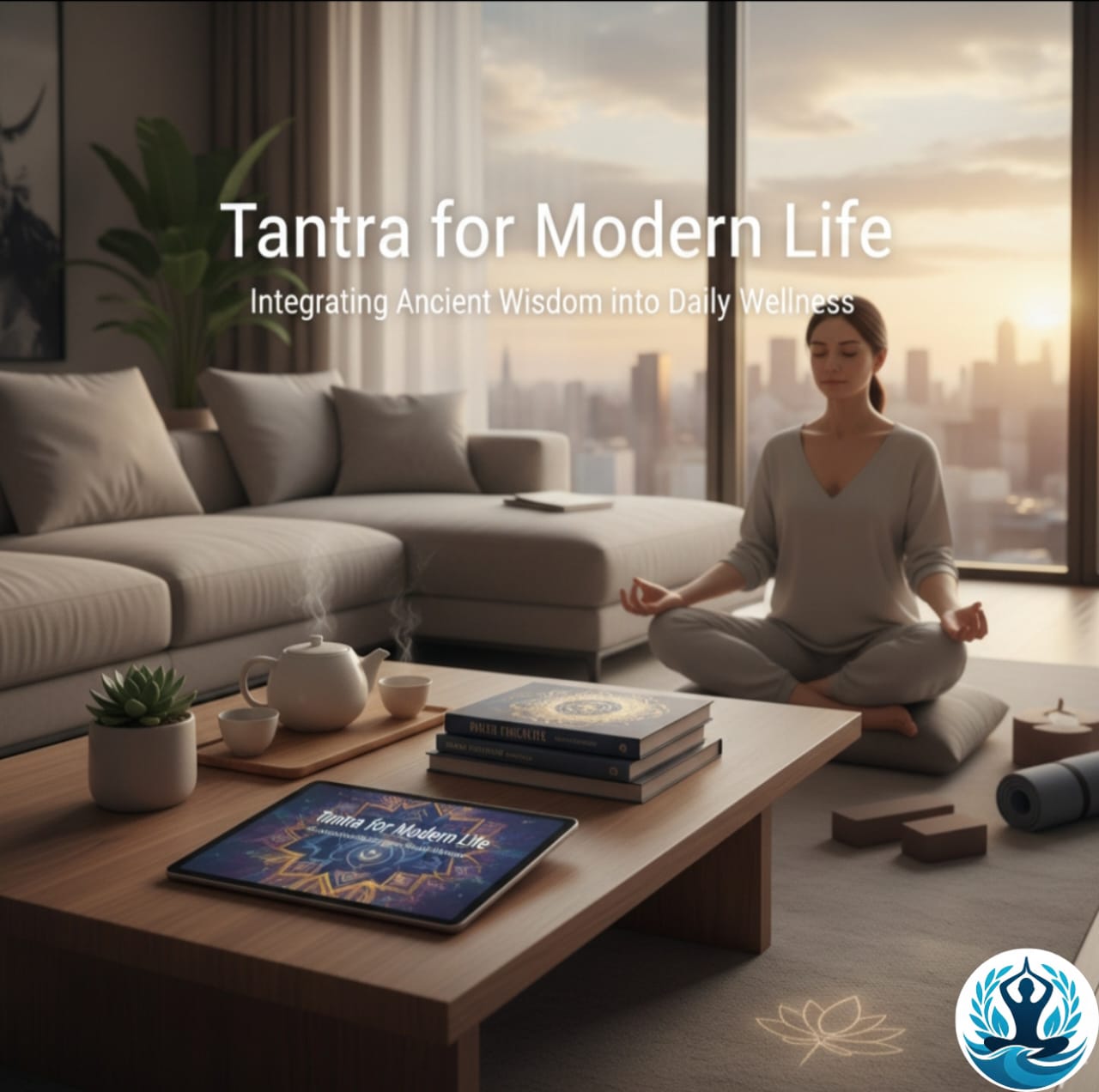
Tantra is often misunderstood as merely a set of esoteric or sexual practices. Its true essence, however, lies in spiritual transformation, self-awareness, and mastery over life energy. Rooted in ancient Indian wisdom, Tantra provides a holistic approach to harmonizing the body, mind, and spirit. In today’s fast-paced world, people often feel disconnected, stressed, and overwhelmed. Modern life challenges such as digital overload, lack of mindfulness, and emotional imbalance make the practical application of Tantra more relevant than ever.
By integrating Tantra into daily life, individuals can achieve a deeper understanding of themselves, regulate their emotions, enhance energy flow, and cultivate spiritual growth. This guide explores how ancient Tantra principles can be seamlessly applied in the context of modern routines, work-life challenges, relationships, and personal wellness.The Philosophy of Tantra in Daily Life
Tantra is not merely a ritualistic practice; it is a philosophy of conscious living. At its core, Tantra emphasizes the awareness of energy, intentions, and the interconnectedness of all aspects of life. Every thought, word, and action carries vibrational energy that shapes experiences. Incorporating Tantra into daily life starts with mindfulness. This could mean starting the day with a few moments of silent reflection, observing thoughts without judgment, or approaching tasks with complete attention. Simple practices, such as mindful eating, walking consciously, or meditating for a few minutes, help cultivate awareness. Over time, these small actions build a foundation for living in alignment with one’s inner self. The principle of balance is central to Tantra. Modern life often pulls individuals toward extremes: overworking, constant digital engagement, or neglecting emotional needs. Tantra teaches that awareness of energy and conscious action restores equilibrium. By practicing self-reflection and observing one’s habits, one can align daily activities with personal growth and well-being.Understanding Human Energy and Chakras
A fundamental aspect of Tantra is understanding the human energy system, particularly the chakras—energy centers within the body that regulate physical, emotional, and spiritual health. There are seven main chakras, each corresponding to different aspects of human experience, from survival and emotional stability to intuition and spiritual consciousness.- Root Chakra (Muladhara): Stability, security, grounding.
- Sacral Chakra (Svadhisthana): Creativity, sensuality, emotional flow.
- Solar Plexus Chakra (Manipura): Personal power, confidence, will.
- Heart Chakra (Anahata): Love, compassion, emotional balance.
- Throat Chakra (Vishuddha): Communication, expression, truth.
- Third Eye Chakra (Ajna): Intuition, insight, mental clarity.
- Crown Chakra (Sahasrara): Spiritual connection, higher consciousness.
Breathwork and Meditation Practices
Breath is a cornerstone of Tantra, serving as a bridge between mind, body, and spirit. Pranayama, or controlled breathing techniques, helps regulate energy flow, calm the mind, and improve focus. Modern practitioners can adopt simple techniques suitable for daily life:- Alternate Nostril Breathing (Nadi Shodhana): Balances left and right energy channels.
- Deep Diaphragmatic Breathing: Reduces stress and anchors awareness in the present moment.
- Ocean Breath (Ujjayi): Enhances energy circulation and mental clarity.
Tantra Rituals and Daily Habits
Integrating Tantra into modern routines does not require elaborate ceremonies. Small daily practices can create a sacred and transformative experience:- Morning Rituals: Begin the day with gratitude, a short mantra, or mindful movement.
- Mindful Eating: Eat slowly, savor flavors, and focus on nourishment.
- Energy Cleansing: Use visualization, light incense, or gentle stretching to release stagnant energy.
- Evening Reflection: Journaling or meditative reflection to review the day’s actions, emotions, and intentions.
Relationships and Conscious Connection
Tantra emphasizes conscious relationships—the awareness of self and others in emotional, energetic, and physical exchanges. It teaches that sexual energy, when understood correctly, is sacred and transformative. Modern Tantra encourages cultivating deeper connections through:- Observing energy exchanges in interactions.
- Honoring personal boundaries and mutual respect.
- Practicing mindful communication, empathy, and emotional presence.
- Viewing intimacy as both emotional and spiritual connection, not merely physical.
Tantra for Mental and Emotional Well-Being
Tantra serves as a tool for mental clarity and emotional healing. Techniques such as energy release exercises, meditation, and body awareness practices help release trauma, negative thought patterns, and emotional blockages. Grounding practices stabilize an overactive mind, while mindfulness cultivates resilience. Practicing Tantra enhances self-love, confidence, and emotional stability. Over time, individuals develop the ability to navigate stress, conflicts, and personal challenges with composure. This holistic approach ensures a balance of mind, body, and spirit.Modern Tools Inspired by Tantra
Modern adaptations of Tantra make it accessible to contemporary lifestyles. Examples include:- Journaling and reflection: Tracking energy, emotions, and spiritual growth.
- Yoga and mindful movement: Physical exercises aligned with chakra energy.
- Sound therapy and mantra practice: Using vibration to harmonize energy.
- Technology-assisted meditation: Apps, guided audio sessions, and online workshops.