

The Long-Term Benefits of Alambana Therapy for Holistic Wellbeing

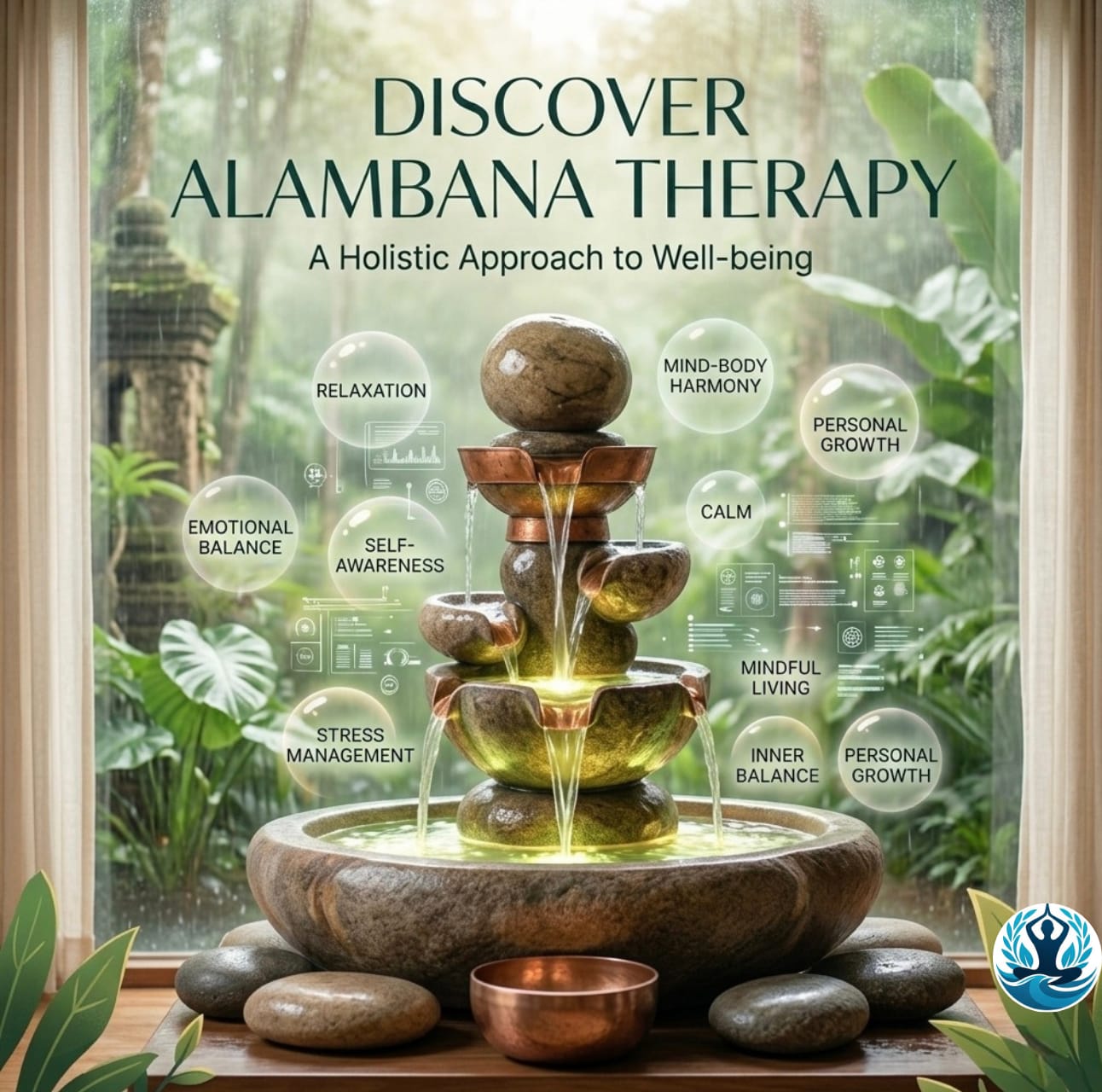
Modern life often demands constant attention, productivity, and emotional energy. Busy schedules, digital distractions, work pressure, and everyday responsibilities can make it difficult to slow down and reconnect with ourselves. Over time, this ongoing pressure may affect relaxation, emotional balance, mental clarity, and our overall sense of wellbeing.
This is where holistic wellness approaches can become valuable. Rather than focusing on only one aspect of wellbeing, holistic practices encourage greater awareness of the relationship between the body, mind, emotions, and daily lifestyle.
Alambana Therapy can be explored within this broader wellness perspective as a practice centered on support, awareness, relaxation, and a deeper connection with oneself. When approached consistently and responsibly, it may become part of a long-term self-care routine designed to encourage greater calm, presence, and balance.
The long-term benefits of Alambana Therapy are not necessarily about achieving an immediate transformation. Instead, consistent practice can encourage gradual changes in how a person responds to stress, experiences emotions, pays attention to the body, and approaches everyday life.
In this guide, we explore the potential role of Alambana Therapy in holistic wellbeing, its possible long-term benefits, and practical ways to incorporate mindful wellness principles into everyday routines.
What Is Alambana Therapy?
The term Alambana is associated with the idea of a support, foundation, or point of focus. In a wellness context, Alambana Therapy can be understood as an approach that encourages individuals to develop greater awareness and connection with their inner experience.
Because terminology and methods can differ between practitioners, it is important to understand the specific techniques, training, and scope of any Alambana Therapy service before beginning.
From a holistic wellness perspective, practices involving mindful attention, relaxation, body awareness, breath awareness, and emotional presence may help individuals create a more intentional relationship with their wellbeing.
Rather than treating wellbeing as something that exists separately from everyday life, a holistic approach recognizes that physical relaxation, emotional experiences, mental habits, relationships, lifestyle, and self-awareness can influence one another.
Why Long-Term Wellness Practices Matter
Many people approach wellness with short-term goals. They may want to relax after a stressful week, improve their daily routine, or find a few moments of peace.
While short-term relaxation can be useful, long-term wellbeing often depends on consistency.
A regular wellness practice can help transform occasional moments of relaxation into sustainable habits. Instead of waiting until stress becomes overwhelming, individuals can learn to create regular opportunities for slowing down and checking in with themselves.
This is one reason practices such as Alambana Therapy may be considered as part of a broader holistic wellness routine.
The goal is not perfection. It is developing greater awareness and creating healthy patterns that can be maintained over time.
1. Supports Stress Management
One of the most important potential benefits of consistent Alambana Therapy is its role in supporting stress management.
Stress is a normal part of life, but ongoing stress can make it difficult to relax and remain mentally present. A structured relaxation practice can provide dedicated time to pause, breathe, and become aware of the body’s signals.
With regular practice, individuals may become better at recognizing when they are becoming overwhelmed.
Instead of automatically reacting to stressful situations, they may learn to create a moment of awareness before responding.
This does not mean that Alambana Therapy eliminates stress. Rather, it can become one component of a broader strategy for managing everyday pressure.
Healthy sleep, physical activity, balanced nutrition, social connection, appropriate professional support, and practical stress-management strategies should also be considered.
2. Encourages Emotional Awareness
Emotional wellbeing is an important part of holistic health.
People often become so busy that they ignore emotions until they become difficult to manage. Consistent self-awareness practices can encourage individuals to notice what they are feeling rather than immediately suppressing or avoiding those experiences.
Alambana Therapy may provide an intentional space for reflection and emotional awareness.
Over time, this can encourage a healthier relationship with emotions.
For example, instead of thinking, “I should not feel stressed,” a person may begin to recognize, “I am experiencing stress right now, and I can pause and understand what I need.”
This shift from judgment to awareness can support emotional resilience.
However, therapeutic wellness practices should not be viewed as a replacement for professional mental health care when someone is experiencing significant emotional distress.
3. Promotes Mind-Body Awareness
The mind and body are closely connected in everyday experience.
When people are under pressure, they may notice physical signs such as muscle tension, shallow breathing, restlessness, tiredness, or difficulty relaxing.
Developing greater body awareness can help individuals recognize these signals earlier.
Alambana Therapy, when practiced through appropriate mindful and relaxation techniques, may encourage people to pay closer attention to physical sensations and internal states.
This awareness can make it easier to identify when the body needs rest, movement, relaxation, or a change in routine.
Over time, better mind-body awareness may contribute to more conscious lifestyle choices.
4. Helps Create a Regular Relaxation Routine
One of the challenges of modern wellness is finding time to stop.
Many people say they will relax “when everything is finished.” Unfortunately, everyday responsibilities rarely disappear completely.
A long-term wellness routine encourages relaxation to become a planned part of life rather than an occasional reward.
Alambana Therapy can potentially become one element of such a routine.
A consistent practice might involve setting aside dedicated time for quiet reflection, mindful breathing, body awareness, or other practitioner-guided techniques.
The specific structure should depend on the individual’s needs and the qualified practitioner’s approach.
5. May Support Mental Clarity
Constant multitasking can make it difficult to focus.
Notifications, work responsibilities, social media, and personal concerns can keep the mind occupied throughout the day.
Practices that encourage slowing down and focusing attention may help create periods of mental quiet.
Alambana Therapy can be approached as an opportunity to step away from constant stimulation and reconnect with the present moment.
Over time, this intentional pause may help individuals become more aware of distracting thought patterns.
The purpose is not to stop thinking completely. Instead, it is to develop a healthier relationship with thoughts.
6. Encourages Mindful Living
Mindfulness is not limited to meditation.
It can be practiced while eating, walking, working, communicating, exercising, or completing everyday tasks.
A holistic wellness practice such as Alambana Therapy may encourage people to bring more awareness into ordinary experiences.
For example, instead of rushing through a meal while looking at a phone, a person might notice the food, sensations, environment, and pace of eating.
Instead of automatically reacting during a difficult conversation, they might pause and listen more consciously.
These small changes can gradually influence everyday habits.
7. Supports Self-Awareness
Long-term wellbeing begins with understanding yourself.
Self-awareness involves noticing patterns in thoughts, emotions, behaviors, relationships, and lifestyle choices.
Alambana Therapy may provide an opportunity to create regular moments of self-reflection.
Questions such as these can be useful:
- What situations increase my stress?
- When do I feel most relaxed?
- How does my body respond to pressure?
- What habits support my wellbeing?
- What activities leave me feeling mentally refreshed?
- Where do I need better boundaries?
- What does balance mean for me?
Regular reflection can help individuals make more intentional decisions.
8. May Improve the Quality of Everyday Self-Care
Self-care is sometimes associated with occasional treats or relaxing activities.
However, meaningful self-care is broader than that.
It can include adequate rest, healthy boundaries, movement, nourishing food, social connection, emotional awareness, enjoyable activities, and time for reflection.
Alambana Therapy may complement these practices by creating a dedicated space for personal wellbeing.
The long-term value comes from integration.
Rather than relying on one therapy or technique, individuals can build a personalized wellness routine that supports multiple areas of life.
9. Encourages a Greater Sense of Inner Balance
Balance does not mean feeling calm every moment.
Life naturally includes excitement, sadness, uncertainty, pressure, joy, and change.
Holistic wellbeing is therefore less about eliminating uncomfortable experiences and more about developing the awareness and flexibility to move through them.
Consistent Alambana Therapy may support this process by encouraging individuals to slow down and observe their internal experiences.
With time, greater awareness may help a person recognize when they are becoming disconnected from their needs.
10. Can Complement Other Holistic Wellness Practices
Alambana Therapy does not have to exist in isolation.
A holistic wellness routine may include several complementary practices, depending on individual preferences and professional guidance.
These may include:
- Mindfulness
- Meditation
- Breath awareness
- Gentle movement
- Yoga
- Relaxation exercises
- Journaling
- Nature walks
- Healthy sleep routines
- Creative activities
- Time away from digital devices
- Meaningful social connection
The goal is to create a balanced lifestyle rather than becoming dependent on a single practice.
11. Encourages Healthier Responses to Daily Challenges
Everyone experiences difficult days.
The long-term goal of wellness is not to avoid challenges but to develop healthier ways of responding to them.
Regular mindfulness and relaxation practices can encourage a pause between an experience and a reaction.
For example, when someone receives stressful news, they may immediately react emotionally. With greater self-awareness, they may instead pause, breathe, identify what they are feeling, and consider the most constructive next step.
This type of awareness can be valuable in personal relationships, professional environments, and everyday situations.
12. Supports Personal Growth
Wellbeing and personal development often overlap.
When people become more aware of their thoughts, emotions, habits, and values, they may begin to identify areas where they want to grow.
Alambana Therapy can potentially become part of this reflective process.
A long-term practice may encourage questions about priorities, boundaries, relationships, lifestyle choices, and personal goals.
This can transform wellness from something passive into an active process of self-discovery.
13. May Help Develop a More Present Lifestyle
Many people spend much of their time thinking about the past or anticipating the future.
Reflection on the past can be useful, and planning for the future is important. However, constantly moving between past and future can make it difficult to experience the present moment.
Practices that encourage present-moment awareness may help individuals reconnect with what is happening now.
This can be as simple as noticing breathing, physical sensations, sounds, surroundings, or current emotions.
With repetition, present-moment awareness can become a more familiar habit.
14. Can Support a Sustainable Approach to Wellness
One of the biggest advantages of a long-term wellness practice is sustainability.
Extreme routines are often difficult to maintain.
A sustainable approach focuses on realistic practices that fit naturally into everyday life.
For some individuals, this may mean a short daily practice. For others, it may involve practitioner-guided sessions combined with independent relaxation and mindfulness exercises.
The best routine is one that is safe, realistic, consistent, and appropriate for the individual.
How to Incorporate Alambana Therapy Into a Wellness Routine
If you are interested in exploring Alambana Therapy, consider starting gradually.
1. Understand the Practice
Before beginning, learn about the approach, techniques, goals, and qualifications of the practitioner.
Ask questions about what a session involves and what outcomes are realistically expected.
2. Choose a Qualified Practitioner
Professional standards can vary depending on the therapy and location. Look for appropriate training, experience, clear communication, and professional boundaries.
3. Start With Realistic Expectations
Avoid expecting one session to solve every wellness concern.
Long-term wellbeing usually develops through consistent lifestyle habits rather than instant results.
4. Create a Regular Schedule
Consistency can be more useful than intensity.
A manageable schedule can make it easier to maintain the practice over time.
5. Pay Attention to Your Experience
Notice how you feel before and after sessions.
You might keep a simple wellness journal and record observations about relaxation, mood, energy, focus, and everyday stress.
6. Combine the Practice With Healthy Habits
Support your wellness routine with adequate sleep, physical movement, nourishing meals, social connection, and time for recreation.
7. Seek Professional Help When Necessary
If you are experiencing persistent physical or psychological symptoms, consult an appropriate healthcare professional.
Holistic therapies can complement healthcare but should not replace necessary diagnosis or treatment.
Alambana Therapy and Holistic Wellbeing
The central idea behind holistic wellbeing is that health involves more than one dimension.
Physical wellbeing, emotional balance, mental clarity, relationships, lifestyle, and personal meaning can all contribute to how people experience their lives.
Alambana Therapy may be explored as one component of this broader approach.
Its potential long-term value lies in encouraging regular moments of awareness, relaxation, reflection, and connection.
Rather than promising instant solutions, a responsible wellness approach focuses on gradual development.
Over time, small changes in awareness can influence everyday choices.
A person who becomes more aware of stress may begin taking breaks earlier. Someone who recognizes emotional tension may communicate their needs more clearly. Someone who notices physical fatigue may prioritize rest rather than continually pushing through exhaustion.
These small adjustments can contribute to a more balanced lifestyle.
Who May Consider Alambana Therapy?
People interested in holistic wellness, relaxation, mindfulness, self-awareness, and personal growth may wish to explore Alambana Therapy with a suitably qualified practitioner.
It may be particularly appealing to individuals who want to create more intentional pauses in their routines.
However, suitability depends on the specific form of therapy and the individual’s circumstances.
Anyone with a medical or mental health concern should seek appropriate professional guidance rather than relying solely on a complementary wellness practice.
Common Questions About Alambana Therapy
Is Alambana Therapy suitable for long-term wellness?
It may be used as part of a long-term wellness routine when the practice is appropriate for the individual and guided responsibly.
How often should Alambana Therapy be practiced?
There is no universal schedule. Frequency should depend on the specific method, practitioner recommendations, individual goals, and personal circumstances.
Can Alambana Therapy replace medical treatment?
No. Complementary wellness practices should not replace appropriate medical or mental healthcare.
What are the main benefits of Alambana Therapy?
Potential benefits may include greater relaxation, self-awareness, mindful attention, emotional awareness, and a stronger sense of mind-body connection. Individual experiences vary.
How long does it take to notice benefits?
Experiences differ from person to person. Some people may notice relaxation during or shortly after a session, while broader lifestyle changes generally require consistency and time.
Building Long-Term Wellbeing Through Consistency
The most meaningful wellness changes often come from small practices repeated over time.
Think of wellbeing as a long-term journey rather than a quick destination.
Alambana Therapy can potentially serve as one part of that journey by creating space for awareness and reflection.
The practice becomes more valuable when it is integrated into everyday life.
A person might combine practitioner-guided sessions with daily breathing exercises, mindful walking, regular sleep, healthy movement, journaling, and intentional periods without digital distractions.
Together, these habits can create a more comprehensive approach to wellbeing.
Final Thoughts
The long-term benefits of Alambana Therapy for holistic wellbeing can be viewed through the broader principles of consistency, awareness, relaxation, and self-care.
Rather than focusing only on immediate relief, a long-term approach encourages individuals to understand themselves more deeply and develop healthier responses to everyday experiences.
Alambana Therapy may complement a holistic wellness lifestyle by encouraging moments of stillness, self-awareness, emotional reflection, and mind-body connection.
Its potential value is not necessarily found in dramatic overnight changes. Instead, it may lie in the gradual development of habits that encourage people to pause, listen to themselves, and make more conscious choices.
For the best results, Alambana Therapy should be approached with realistic expectations and, where appropriate, professional guidance. It can be combined with healthy lifestyle practices and conventional healthcare when needed.
Ultimately, holistic wellbeing is built through ongoing attention to the whole person. By making space for relaxation, awareness, meaningful connection, healthy habits, and personal growth, individuals can create a more balanced and intentional approach to everyday life.