

Why Choose Fusion Therapy for a Complete Wellness Experience?

Modern life can make it difficult to maintain balance. Busy schedules, digital distractions, work pressure, emotional demands, and insufficient rest can gradually affect how we feel physically and mentally. While people often focus on one aspect of wellbeing at a time, true wellness involves looking at the whole person.
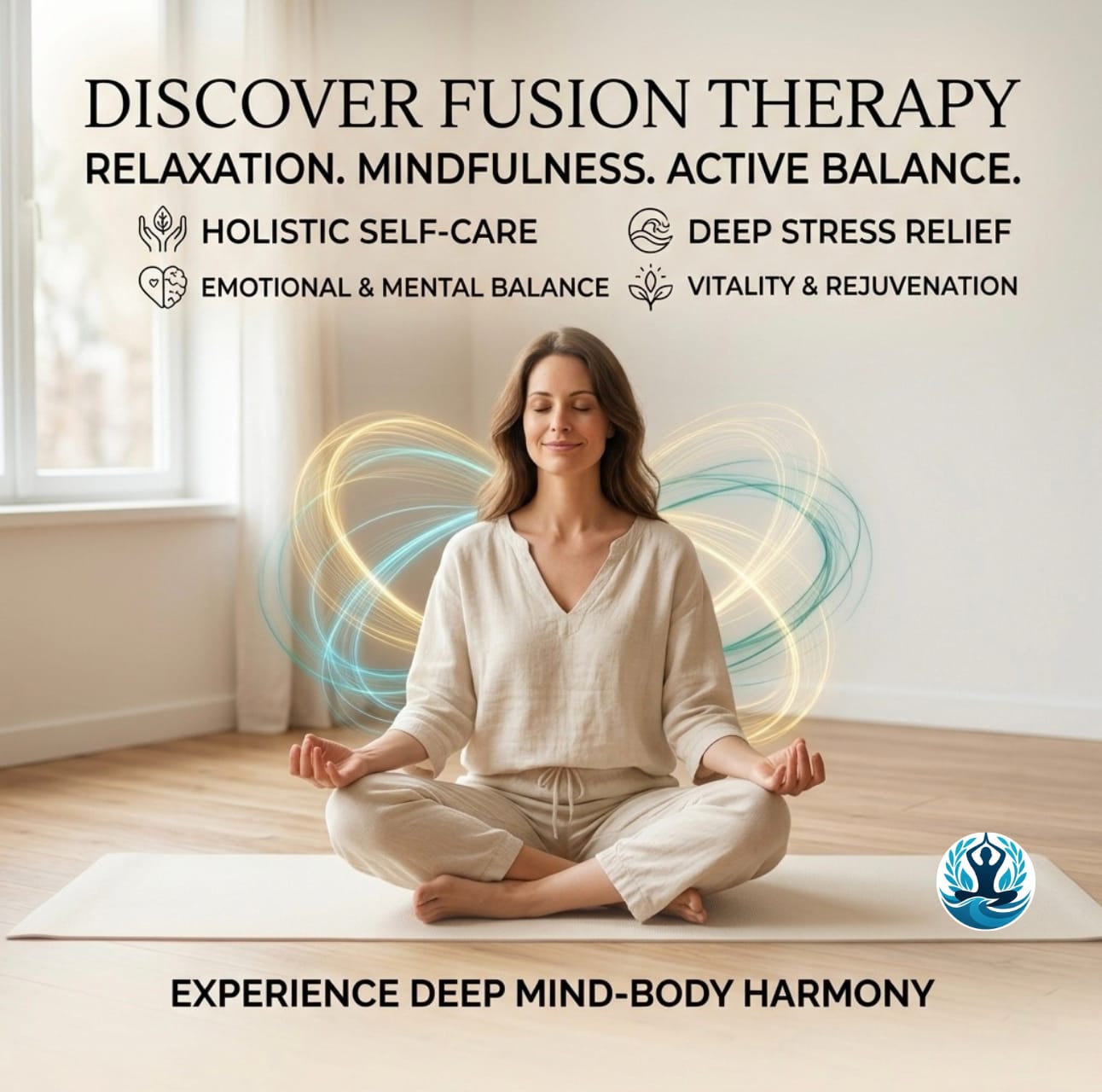
This is where Fusion Therapy can offer a holistic approach. Rather than concentrating on only one area of wellbeing, Fusion Therapy brings together complementary wellness techniques and therapeutic approaches to create a more personalized experience. Depending on the practitioner and wellness center, a Fusion Therapy session may combine elements such as relaxation techniques, mindful practices, bodywork, breath awareness, energy-based practices, or other holistic methods.
The goal is not simply to provide temporary relaxation. A complete wellness experience can encourage greater self-awareness, support healthy relaxation, promote a sense of balance, and help individuals reconnect with their body and mind.
In this article, we explore what Fusion Therapy means, why people may choose it, its potential wellness benefits, and how it can become part of a balanced self-care routine.
What Is Fusion Therapy?
Fusion Therapy is a holistic wellness approach that combines different therapeutic or complementary techniques within one wellness experience. The specific methods used can vary according to the practitioner, individual’s needs, and philosophy of the wellness center.
The word “fusion” reflects the idea of bringing different approaches together rather than relying on a single technique. For example, a wellness session may combine calming bodywork with breath awareness, meditation, relaxation practices, or other complementary methods.
This integrated approach recognizes that physical relaxation, emotional wellbeing, mental clarity, and personal awareness can influence one another.
Instead of asking, “How can I address one problem?” Fusion Therapy encourages a broader question:
“What can help me feel more balanced as a whole person?”
That perspective makes Fusion Therapy particularly appealing to people who are interested in holistic wellness and personalized self-care.
Why Is a Complete Wellness Experience Important?
Wellness is more than the absence of discomfort. It can include how effectively a person manages everyday stress, rests, connects with themselves, maintains healthy routines, and creates time for recovery.
A complete wellness experience considers multiple dimensions of wellbeing, including:
- Physical relaxation
- Mental calmness
- Emotional awareness
- Mind-body connection
- Mindfulness
- Rest and rejuvenation
- Personal self-care
- Healthy lifestyle habits
These areas are interconnected. When someone experiences prolonged stress, for example, they may find it harder to relax, sleep comfortably, concentrate, or maintain positive daily habits.
A holistic wellness approach does not necessarily solve every concern through one session. Instead, it can provide an opportunity to slow down, become more aware, and develop healthier ways of supporting overall wellbeing.
1. Fusion Therapy Takes a Holistic Approach
One of the main reasons to choose Fusion Therapy is its holistic perspective.
Many wellness approaches focus on a specific area. One method may emphasize relaxation, another may focus on movement, while another may encourage mindfulness or body awareness.
Fusion Therapy can bring complementary practices together.
This broader approach may help create a wellness experience that considers both the body and mind. Rather than treating relaxation and mental wellbeing as completely separate, Fusion Therapy recognizes that they can work together.
For people looking for a more comprehensive wellness session, this integrated approach can feel more meaningful and personalized.
2. It Can Encourage Deep Relaxation
Relaxation is an essential part of maintaining wellbeing. However, many people find it difficult to genuinely switch off during everyday life.
Work notifications, social media, responsibilities, and constant mental stimulation can keep the mind active even when the body has stopped working.
Fusion Therapy can create dedicated time for relaxation.
Depending on the techniques used, a session may encourage slower breathing, mindful awareness, gentle body relaxation, or a calmer environment.
This intentional pause can help individuals move away from constant activity and toward a more restful state.
Regular relaxation practices may also encourage people to recognize when they are carrying unnecessary tension and learn to make recovery a greater priority.
3. Fusion Therapy Supports the Mind-Body Connection
The mind and body are closely connected. Thoughts and emotions can influence physical sensations, while physical states can influence mood and mental clarity.
Yet modern lifestyles often encourage people to live primarily “in their heads.”
Fusion Therapy can encourage greater awareness of physical sensations, breathing patterns, posture, movement, and emotional states.
This mind-body awareness may help individuals notice signs of stress earlier.
For example, someone may realize that they hold tension in their shoulders whenever they feel overwhelmed. Becoming aware of that pattern can encourage them to pause, breathe, stretch, rest, or make other healthy adjustments.
The purpose is not simply to notice the body but to develop a stronger relationship with it.
4. It Can Promote Emotional Wellbeing
Emotional wellbeing is an important part of holistic health.
People experience many emotions throughout daily life, but busy routines can leave little time to acknowledge them. Suppressed stress, constant pressure, or emotional overload can make it difficult to feel balanced.
Fusion Therapy may provide a quiet environment in which individuals can slow down and become more aware of their emotional state.
Mindful breathing, relaxation, body awareness, and reflective practices may help create space for emotional awareness.
It is important to understand that wellness therapies should not be considered a replacement for professional mental health care when someone is experiencing significant emotional or psychological difficulties. Instead, Fusion Therapy can complement healthy self-care and professional support when appropriate.
5. Fusion Therapy May Help Reduce Everyday Stress
Stress is a normal part of life, but continuous stress without sufficient recovery can affect overall wellbeing.
Fusion Therapy may support healthy stress management by providing dedicated time to relax and reconnect with the present moment.
A wellness session can act as a pause between periods of activity.
During this time, individuals may focus on:
- Slowing the breath
- Relaxing the body
- Becoming aware of sensations
- Reducing external distractions
- Practicing mindfulness
- Creating a sense of calm
These practices can become valuable tools for managing everyday stress.
The most meaningful results often come when relaxation is not limited to occasional sessions but becomes part of a broader lifestyle that includes sufficient rest, movement, nutrition, social connection, and healthy boundaries.
6. It Offers a Personalized Wellness Experience
Everyone has different wellness needs.
One person may be looking for relaxation after a demanding week. Another may want greater body awareness. Someone else may be interested in mindfulness, energy, or emotional balance.
Because Fusion Therapy can combine different complementary techniques, it may offer greater flexibility than a single-method approach.
A qualified practitioner can discuss the individual’s goals and determine which techniques are appropriate within the scope of their practice.
This personalized element can make the experience feel more relevant.
Instead of following exactly the same approach for everyone, the focus can be placed on what supports the individual’s current wellness goals.
7. Fusion Therapy Can Support a Sense of Rejuvenation
Modern lifestyles can leave people feeling mentally and physically drained.
Rejuvenation does not necessarily mean doing something complicated. Sometimes it begins with creating space to rest.
Fusion Therapy can provide an intentional wellness experience designed around relaxation and restoration.
After taking time away from everyday responsibilities, individuals may feel more refreshed and ready to return to their routines with greater awareness.
The experience of rejuvenation can also encourage people to recognize the importance of regular recovery rather than waiting until they feel completely exhausted.
8. It Can Encourage Mindfulness
Mindfulness means paying attention to the present moment with greater awareness.
Many Fusion Therapy practices may naturally encourage mindfulness because participants are guided to focus on breathing, bodily sensations, movement, sounds, or internal experiences.
This can be valuable because people often spend much of their day thinking about the past or planning the future.
A mindful wellness session creates an opportunity to simply pause.
With consistent practice, mindfulness can become part of everyday life. Simple activities such as eating, walking, breathing, stretching, or resting can become opportunities to reconnect with the present moment.
9. Fusion Therapy Can Complement a Healthy Lifestyle
Fusion Therapy works best when viewed as part of a broader wellness lifestyle.
No single therapy should be expected to create complete wellbeing on its own.
A balanced lifestyle may include:
- Regular physical activity
- Nutritious food
- Adequate sleep
- Hydration
- Meaningful relationships
- Time outdoors
- Stress-management practices
- Mindfulness
- Personal reflection
- Professional healthcare when needed
Fusion Therapy can complement these habits by providing structured time for relaxation and self-awareness.
The goal is to create a sustainable approach to wellbeing rather than searching for a quick solution.
10. It Can Support Better Self-Awareness
Self-awareness is an important part of personal wellness.
When people understand their physical and emotional responses, they may become better equipped to recognize what they need.
A Fusion Therapy session may encourage questions such as:
- How does my body feel today?
- Where am I holding tension?
- What situations make me feel overwhelmed?
- Am I giving myself enough time to rest?
- What helps me feel calm?
- Which wellness practices genuinely support me?
These questions can encourage a deeper relationship with personal wellbeing.
Over time, self-awareness can influence everyday decisions and encourage healthier routines.
11. Fusion Therapy May Support Energy and Vitality
Feeling energetic is not only about physical activity. Rest, relaxation, emotional balance, sleep, and mental wellbeing can all contribute to how energized a person feels.
Fusion Therapy may support a sense of vitality by helping individuals create time for recovery and relaxation.
When people constantly operate at maximum speed, they may overlook the importance of rest.
A holistic wellness session encourages the opposite approach: slow down, breathe, become aware, and allow the body and mind to recover.
This does not mean Fusion Therapy directly increases energy in a medical sense. Rather, it can support lifestyle practices associated with feeling more refreshed and balanced.
12. It Creates Space for Self-Care
Self-care is sometimes misunderstood as something optional or luxurious.
In reality, healthy self-care can involve simple practices that help maintain physical, emotional, and mental wellbeing.
Choosing a Fusion Therapy session can be one way to intentionally schedule time for yourself.
This is particularly valuable for people who spend most of their time taking care of work, family, or other responsibilities.
Making space for personal wellbeing can reinforce an important message:
Your wellbeing deserves regular attention.
13. Fusion Therapy Can Encourage a Slower Pace of Living
One of the most valuable aspects of holistic wellness is learning that productivity does not have to be constant.
A slower pace does not mean becoming inactive. It means becoming more intentional.
Fusion Therapy can encourage individuals to pause and pay attention instead of continuously moving from one task to another.
This can inspire healthier daily habits such as taking mindful breaks, breathing consciously, limiting unnecessary distractions, and creating boundaries around rest.
Over time, these small changes may contribute to a more balanced lifestyle.
14. It Can Be a Valuable Wellness Ritual
Wellness becomes more sustainable when it develops into a routine.
A single Fusion Therapy session can provide relaxation, but incorporating appropriate wellness practices into a regular routine may create a stronger sense of consistency.
For example, someone might combine professional Fusion Therapy sessions with:
- Daily breathing exercises
- Short meditation sessions
- Gentle stretching
- Nature walks
- Digital breaks
- Regular sleep routines
- Journaling
- Rest periods
The purpose is to build a personal wellness ecosystem.
15. Fusion Therapy Can Support Overall Quality of Life
Quality of life involves more than physical health.
It includes how people experience their days, how they manage stress, how connected they feel to themselves and others, and whether they have opportunities for rest and enjoyment.
Fusion Therapy may contribute to quality of life by encouraging relaxation, mindfulness, self-awareness, and holistic self-care.
It should be viewed as one component of a larger wellness strategy rather than a standalone solution.
What Can You Expect During a Fusion Therapy Session?
The exact experience varies because Fusion Therapy can involve different techniques.
A session may begin with a conversation about your wellness goals. The practitioner may then introduce selected complementary practices according to their training and the services offered.
Depending on the approach, the experience may include elements such as:
- Initial consultation – Discussing goals, preferences, and relevant considerations.
- Relaxation preparation – Creating a calm environment and helping you settle into the session.
- Integrated wellness techniques – Combining suitable practices.
- Mindful awareness – Encouraging attention to breathing, body sensations, and the present moment.
- Rest and reflection – Allowing time to notice how you feel after the session.
- Wellness guidance – Discussing appropriate self-care practices that can be continued at home.
Before beginning any session, it is useful to ask the practitioner what techniques will be used and whether the approach is appropriate for you.
Who May Consider Fusion Therapy?
Fusion Therapy may appeal to adults interested in holistic wellness, relaxation, mindfulness, and self-care.
It may be particularly attractive to people who:
- Experience everyday lifestyle stress
- Want more time for relaxation
- Are interested in holistic wellness
- Want to strengthen mind-body awareness
- Enjoy complementary wellness practices
- Want to establish healthier self-care routines
- Feel mentally overloaded by busy schedules
- Want a personalized wellness experience
However, individual needs differ. Anyone with a medical condition, significant psychological concern, injury, pregnancy, or other health consideration should discuss complementary therapies with an appropriate healthcare professional before participating.
How to Get the Most From Your Fusion Therapy Experience
Preparing for a wellness session can make the experience more meaningful.
Set a Clear Intention
Before your session, consider what you want from the experience.
Your intention might be relaxation, mindfulness, self-awareness, or simply taking time to pause.
Communicate With Your Practitioner
Share relevant preferences and concerns before the session begins. Good communication helps ensure the experience is comfortable and appropriate.
Avoid Expecting Instant Transformation
Wellness is a process.
One session may feel relaxing, but lasting wellbeing usually comes from consistent habits and balanced lifestyle choices.
Stay Present
Try to reduce distractions during the session. Focus on your breathing and bodily sensations rather than thinking about everything waiting for you afterward.
Reflect Afterwards
Give yourself a few quiet moments after the session. Notice how you feel physically, mentally, and emotionally.
Fusion Therapy and Holistic Wellness at Sarv Wellness
For wellness centers such as Sarv Wellness, Fusion Therapy can be positioned as part of a broader holistic approach to wellbeing.
The central idea is simple: wellness does not have to focus on just one dimension.
By bringing complementary practices together, Fusion Therapy can create an experience centered around relaxation, awareness, balance, and rejuvenation.
A holistic wellness environment can also encourage individuals to explore different approaches and discover which practices fit their personal lifestyle.
The emphasis should remain on responsible wellness, qualified practitioners, informed participation, and realistic expectations.
Frequently Asked Questions About Fusion Therapy
What is Fusion Therapy?
Fusion Therapy is a holistic wellness approach that combines multiple complementary techniques into an integrated experience. The exact methods vary depending on the practitioner and wellness center.
What are the benefits of Fusion Therapy?
Potential wellness benefits may include relaxation, greater body awareness, mindfulness, stress management, emotional self-awareness, and a greater sense of rejuvenation.
Is Fusion Therapy suitable for everyone?
Not necessarily. Suitability depends on the techniques involved and an individual’s circumstances. People with health concerns should consult an appropriate healthcare professional before participating.
How often should I experience Fusion Therapy?
There is no universal schedule. Frequency can depend on personal goals, preferences, practitioner recommendations, and the specific techniques involved.
Can Fusion Therapy replace medical treatment?
No. Complementary wellness therapies should not be considered substitutes for diagnosis, medical treatment, or mental health care when those services are needed.
Is Fusion Therapy only for people experiencing stress?
No. People may choose Fusion Therapy simply to support relaxation, mindfulness, self-awareness, rejuvenation, or general wellness.
What makes Fusion Therapy different from a single therapy?
Fusion Therapy combines multiple complementary approaches rather than relying on one technique. This can create a broader and more personalized wellness experience.
Conclusion
Choosing Fusion Therapy for a complete wellness experience can be an opportunity to look at wellbeing from a broader perspective.
Instead of focusing exclusively on one aspect of health, Fusion Therapy brings attention to the relationship between relaxation, body awareness, mindfulness, emotional wellbeing, energy, and self-care.
Its greatest value may come from creating intentional space to slow down and reconnect with yourself.
However, holistic wellness is not a quick fix. The most sustainable approach combines appropriate complementary therapies with healthy lifestyle habits, adequate rest, physical activity, balanced nutrition, meaningful relationships, and professional healthcare when necessary.
If you are looking for a wellness approach that emphasizes integration rather than isolation, Fusion Therapy may provide a valuable path toward greater relaxation, awareness, balance, and overall wellbeing.