

A Beginner’s Guide to Tantra for Holistic Wellbeing

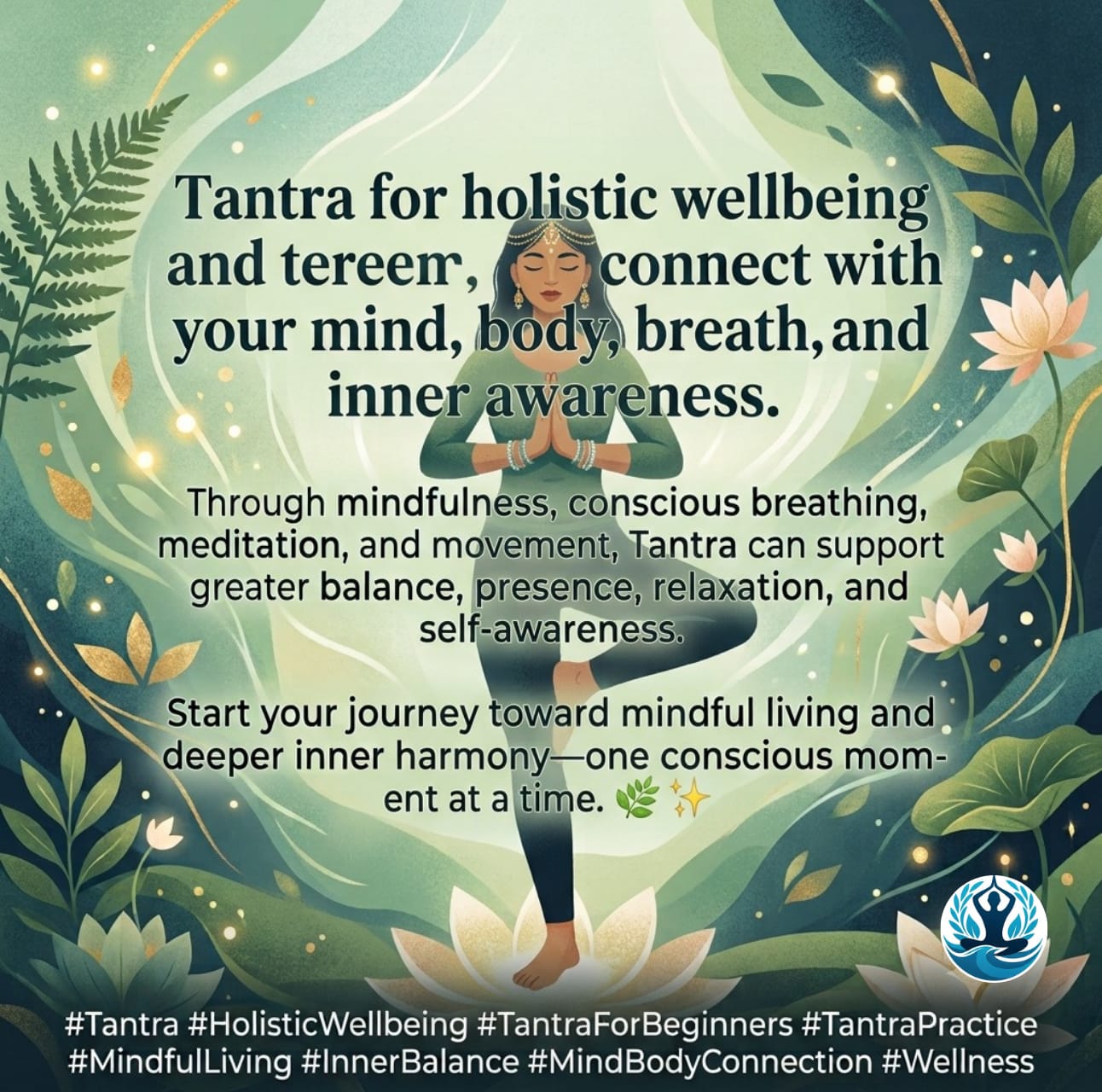
Modern life often encourages people to move quickly, stay productive, manage multiple responsibilities, and constantly respond to external demands. While this lifestyle can create opportunities for growth, it can also make it difficult to slow down, listen to the body, process emotions, and maintain a meaningful connection with oneself.
This is where Tantra for holistic wellbeing can offer a different perspective.
Tantra is a broad and diverse spiritual and philosophical tradition with roots in South Asia. It encompasses practices and teachings that encourage greater awareness of the body, mind, breath, emotions, senses, and consciousness. Rather than viewing wellbeing as something limited to physical health, Tantra can be understood as an approach that explores the relationship between different dimensions of human experience.
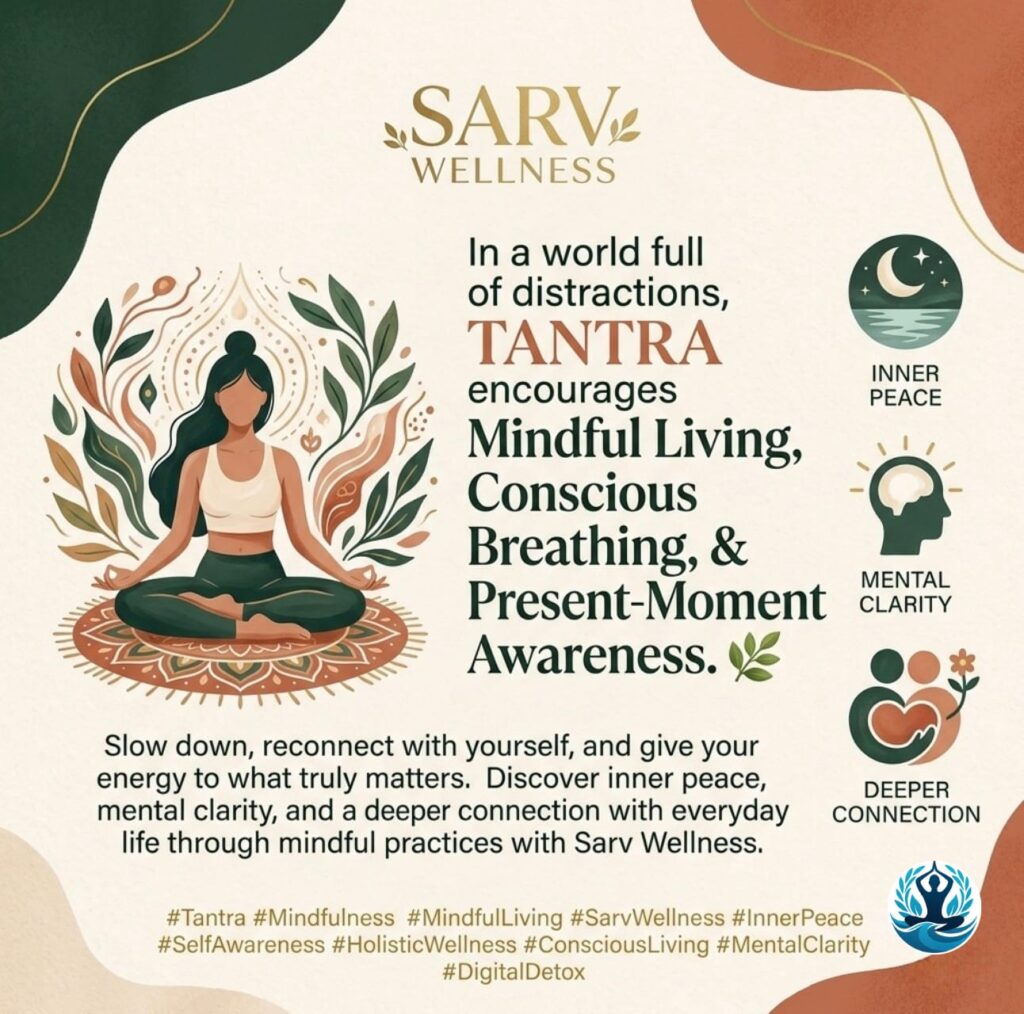
For beginners, Tantra does not have to mean complicated rituals or advanced spiritual practices. At its foundation, it can begin with something simple: becoming more conscious of the present moment.
Through practices such as meditation, mindful breathing, conscious movement, self-observation, and focused awareness, people can develop a deeper understanding of themselves.
This beginner’s guide explores what Tantra means in the context of holistic wellbeing, its potential benefits, practical techniques, common misconceptions, and ways to introduce mindful Tantric principles into everyday life.
What Is Tantra?
The word Tantra comes from ancient Sanskrit and is associated with ideas of expansion, continuity, weaving, or a framework for spiritual practice. Tantra encompasses numerous traditions and approaches rather than representing one single technique.
Different Tantric traditions may emphasize meditation, mantra, visualization, ritual, breath awareness, deity practices, subtle-energy concepts, or other methods of cultivating consciousness.
One important principle found across many Tantric approaches is the idea that ordinary experiences can become opportunities for awareness.
Instead of constantly trying to escape everyday life, Tantric philosophy can encourage a person to become more conscious within it.
Eating can become an opportunity to experience the senses.
Breathing can become an opportunity to observe the mind.
Movement can become an opportunity to feel the body.
Silence can become an opportunity to notice inner experience.
Relationships can become opportunities to practice presence and communication.
This perspective makes Tantra particularly interesting in discussions about holistic wellbeing.
What Does Holistic Wellbeing Mean?
Holistic wellbeing recognizes that human wellness has multiple interconnected dimensions.
These may include:
- Physical wellbeing
- Mental wellbeing
- Emotional wellbeing
- Social wellbeing
- Spiritual wellbeing
- Lifestyle balance
- Self-awareness
When one area becomes overwhelmed, other areas can sometimes be affected as well.
For example, prolonged mental stress may influence sleep, energy, concentration, mood, and physical tension. Similarly, emotional distress can affect how someone relates to their body and surroundings.
Tantra for holistic wellbeing takes an integrated perspective by encouraging awareness of the whole person rather than focusing exclusively on one dimension.
The goal is not necessarily to eliminate every difficult emotion or thought. Instead, the practice can involve learning to observe experiences with greater awareness and responding to them consciously.
How Tantra Can Support Holistic Wellbeing
Tantra can support wellbeing by encouraging a closer relationship with one’s internal experience.
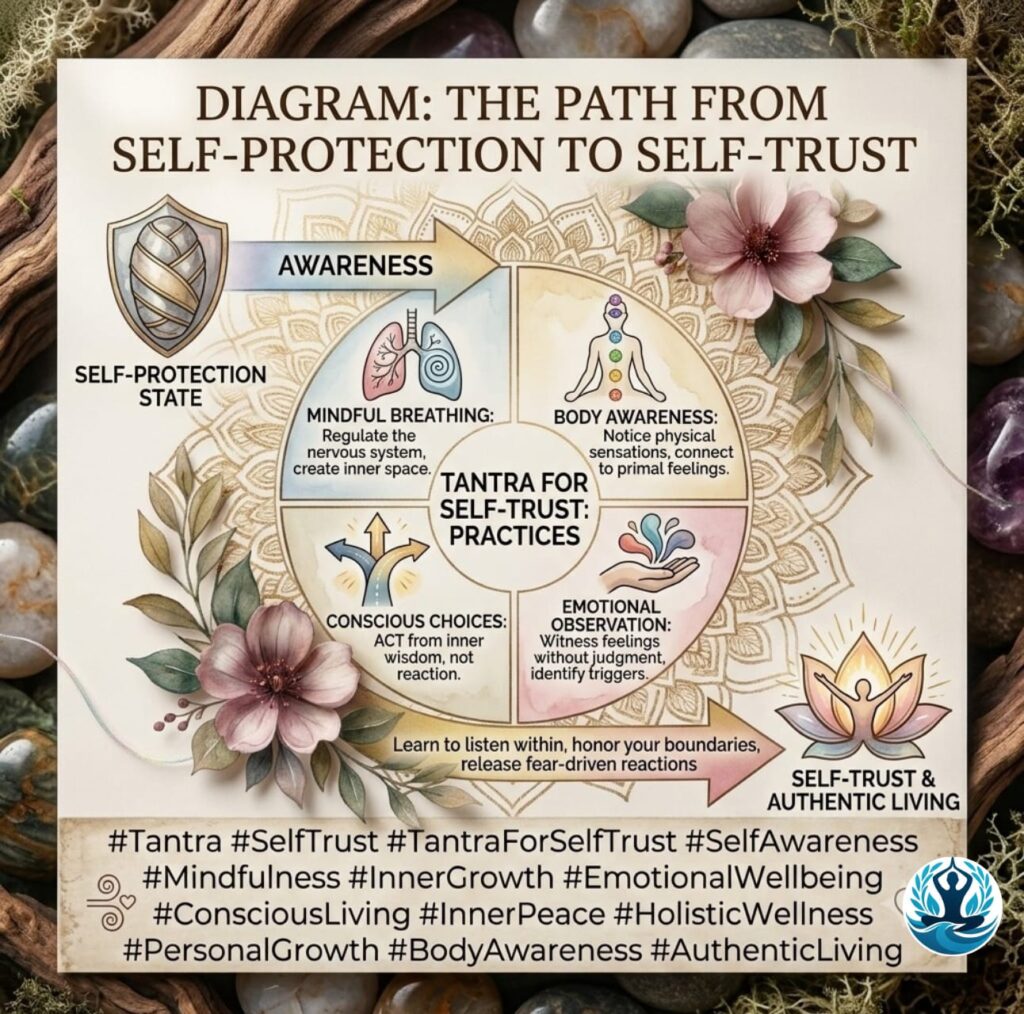
Instead of automatically reacting to thoughts, emotions, sensations, or external situations, practitioners learn to pause and observe.
This simple shift can influence everyday behavior.
For example:
Automatic reaction:
“I am stressed, so I need to immediately distract myself.”
Conscious awareness:
“I notice tension in my body and racing thoughts. Let me pause and breathe before deciding what I need.”
This movement from automatic reaction toward conscious observation is one of the most valuable concepts beginners can explore.
1. Tantra and Mindfulness
Mindfulness is closely connected with the principle of present-moment awareness.
Many people spend much of their day thinking about the past or anticipating the future. While planning and reflection are useful, constantly living in thought can make it difficult to experience the present.
Tantric practices can encourage practitioners to become aware of what is happening right now.
A beginner can practice by sitting quietly for five minutes and observing:
- Breathing
- Physical sensations
- Sounds
- Thoughts
- Emotions
- The environment
There is no need to force the mind to become completely empty.
Instead, the goal is to notice.
When a thought appears, recognize it.
When the body feels tense, notice it.
When an emotion arises, acknowledge it.
Then gently return attention to the present.
Over time, this type of awareness may help develop greater mental clarity and self-understanding.
2. Conscious Breathing in Tantra
Breathing is one of the simplest ways to develop awareness.
We breathe automatically throughout the day, but we rarely pay attention to the process.
Tantric traditions include various breath-related practices, although techniques differ between traditions and teachers.
For beginners, a simple approach is enough.
Basic conscious breathing practice
- Sit comfortably.
- Relax the shoulders.
- Close the eyes if comfortable.
- Notice the natural breath.
- Observe the movement of the abdomen or chest.
- Avoid trying to control the breath initially.
- Continue for three to five minutes.
The purpose is not to achieve a special experience.
It is simply to become aware of breathing.
This practice can create a pause between external stimulation and internal reaction.
3. Tantra and Body Awareness
Many people become disconnected from their physical sensations because of sedentary lifestyles, excessive screen use, stress, or constant mental activity.
Tantra places importance on experiencing the body consciously.
A simple body-awareness practice can involve slowly directing attention through different areas of the body.
Notice:
- Feet
- Legs
- Hips
- Abdomen
- Chest
- Shoulders
- Arms
- Neck
- Face
Ask yourself:
What am I experiencing here right now?
You may notice warmth, pressure, relaxation, tightness, movement, heaviness, or very little sensation.
There is no correct answer.
The practice is simply about learning to listen.
Developing body awareness can help people recognize physical tension earlier and become more conscious of how emotions and stress are experienced physically.
4. Conscious Movement
Tantra can incorporate movement as a way of developing awareness.
Conscious movement is different from exercising simply to achieve a physical result.
The focus is on experiencing movement.
Instead of thinking:
“I need to complete this exercise.”
The practitioner can focus on:
“How does my body feel as I move?”
Slow stretching, mindful walking, gentle yoga-inspired movement, or other comfortable forms of movement can be practiced with attention.
For beginners, even five minutes of slow, conscious movement can become a mindfulness practice.
The important factor is awareness rather than performance.
5. Tantra for Emotional Awareness
Emotions are a natural part of human experience.
However, people often respond to difficult emotions by suppressing them, avoiding them, or reacting impulsively.
Tantric approaches can encourage awareness rather than immediate resistance.
Suppose anger appears.
Instead of immediately acting on it, a person can pause and observe:
- Where is the emotion felt in the body?
- What thoughts accompany it?
- What triggered it?
- What does the emotion seem to be communicating?
- Can I respond rather than react?
This does not mean accepting harmful behavior.
It means creating enough awareness to make a conscious choice.
Emotional awareness can become an important part of holistic wellbeing because understanding emotions can influence relationships, decision-making, communication, and self-care.
6. Tantra and Stress Management
Stress is an unavoidable part of life, but constantly operating under pressure can make relaxation difficult.
Tantra-based mindfulness practices may encourage people to slow down and notice the signs of stress before becoming completely overwhelmed.
For example, someone might notice:
- Shallow breathing
- Jaw tension
- Tight shoulders
- Restlessness
- Racing thoughts
- Irritability
- Difficulty concentrating
Recognizing these signals creates an opportunity to pause.
A short breathing exercise, mindful walk, meditation session, or period of silence may provide a transition between intense activity and rest.
Tantra should not be viewed as a replacement for professional treatment for significant mental or physical health concerns. Instead, appropriate practices can be considered complementary tools for self-awareness and wellbeing.
7. Tantra and Self-Acceptance
Another important aspect of holistic wellbeing is the relationship a person has with themselves.
Many people constantly judge their appearance, achievements, emotions, relationships, or life progress.
This can create a cycle of dissatisfaction.
Tantric perspectives can encourage observing oneself without immediately labeling an experience as good or bad.
For example:
“I am feeling anxious.”
can become:
“I notice anxiety is present right now.”
This subtle change creates distance between the person and the experience.
The emotion is present, but it does not necessarily define the entire person.
With consistent self-observation, individuals may develop greater self-compassion and acceptance.
8. Tantra for Mental Clarity
A constantly stimulated mind can make it difficult to focus.
Notifications, social media, multitasking, work responsibilities, and continuous information consumption can keep attention moving from one thing to another.
Tantric mindfulness practices can provide moments of stillness.
Meditation, conscious breathing, silence, and sensory awareness can encourage people to reduce unnecessary mental stimulation.
A beginner does not need to meditate for an hour.
Even five to ten minutes of intentional quiet can become a meaningful daily ritual.
The objective is consistency rather than perfection.
9. Tantra and the Mind-Body Connection
One of the central themes in holistic wellness is the connection between mental and physical experiences.
Thoughts can influence physical sensations.
Physical sensations can influence emotions.
Emotions can influence behavior.
Behavior can influence relationships and lifestyle.
Tantra encourages people to become aware of these connections.
For example, someone may notice that stressful thoughts are accompanied by shoulder tension.
Rather than ignoring the tension, they can pause, breathe, relax the shoulders, and observe the thoughts.
This creates a feedback loop of awareness.
Over time, people may become more skilled at recognizing how internal experiences affect their daily lives.
10. Tantra and Conscious Relationships
Tantra is sometimes misunderstood as being exclusively about sexuality. This is a major misconception.
Although some Tantric traditions contain teachings concerning sexuality and intimate relationships, Tantra is much broader than that.
At a fundamental level, Tantric awareness can also be applied to communication and relationships.
Conscious relationships involve:
- Listening attentively
- Being present
- Communicating honestly
- Respecting boundaries
- Recognizing emotions
- Avoiding unnecessary assumptions
- Practicing empathy
Being fully present while another person is speaking can itself become a mindfulness practice.
Instead of preparing your response while someone talks, you can simply listen.
This can create more meaningful interpersonal connections.
Beginner-Friendly Tantra Practices
People new to Tantra can begin with simple practices rather than attempting advanced techniques.
Morning Awareness Practice
After waking up, spend two minutes sitting quietly.
Notice your breathing.
Notice your body.
Notice your thoughts.
Set an intention for the day:
“Today I will try to remain aware of my actions and reactions.”
Conscious Breathing Break
During the day, pause for three minutes.
Take comfortable breaths and observe them without forcing anything.
Use this practice between work sessions, before an important conversation, or whenever you need a moment of stillness.
Mindful Walking
While walking, bring attention to:
- Footsteps
- Breathing
- Body movement
- Sounds
- Surroundings
Try not to use your phone during this short period.
The objective is simply to walk consciously.
Evening Reflection
Before going to sleep, spend five minutes reflecting on the day.
Ask:
- What did I experience today?
- When was I most present?
- When did I react automatically?
- What emotions appeared?
- What did my body communicate?
- What can I learn from today?
This transforms ordinary reflection into a practice of self-awareness.
A Simple 7-Day Tantra Routine for Beginners
Day 1: Breath Awareness
Practice five minutes of natural breathing observation.
Day 2: Body Awareness
Spend five minutes noticing physical sensations.
Day 3: Conscious Movement
Practice five to ten minutes of slow, comfortable movement.
Day 4: Mindful Eating
Eat one meal without watching television or scrolling on your phone.
Day 5: Emotional Awareness
Pause whenever a strong emotion appears and observe it before reacting.
Day 6: Silence
Spend ten minutes without digital stimulation.
Day 7: Reflection
Review the previous six days and identify what you noticed about yourself.
This simple routine can provide a gentle introduction to Tantra for holistic wellbeing.
Common Misconceptions About Tantra
Myth 1: Tantra Is Only About Sexuality
This is perhaps the most common misconception.
Tantra includes numerous spiritual, philosophical, meditative, ritual, and contemplative traditions. Sexual practices represent only certain aspects of some Tantric traditions.
Reducing Tantra exclusively to sexuality overlooks its broader teachings.
Myth 2: Tantra Requires Advanced Spiritual Knowledge
Beginners do not need to understand every Tantric philosophy before practicing awareness.
Simple practices such as conscious breathing, meditation, and body awareness can provide an accessible starting point.
Myth 3: Tantra Produces Instant Transformation
Tantra should not be approached as a quick fix.
Like many mindfulness and contemplative practices, meaningful changes generally require patience and consistency.
Myth 4: You Must Completely Empty Your Mind
Meditation does not necessarily require eliminating every thought.
Instead, beginners can learn to notice thoughts without automatically following every thought.
Awareness is more important than mental perfection.
How to Start Practicing Tantra Safely
If you are completely new to Tantra, begin gradually.
Choose simple, comfortable practices and avoid forcing breath retention, intense energy practices, extreme fasting, or physically demanding techniques without appropriate instruction.
If you decide to study traditional Tantra more deeply, consider learning from a knowledgeable and reputable teacher who understands the specific Tantric tradition being taught.
It is also useful to remember that Tantra is not a substitute for medical or psychological care when professional support is needed.
Creating a Daily Tantric Wellness Ritual
A wellness ritual does not have to be complicated.
A simple 15-minute routine could include:
5 minutes — Breathing
Observe the natural breath.
5 minutes — Movement
Move slowly while paying attention to physical sensations.
5 minutes — Meditation
Sit quietly and observe thoughts and emotions.
The routine can be practiced in the morning or evening.
Consistency matters more than duration.
After several weeks, you may choose to gradually increase the time or explore additional practices under qualified guidance.
Benefits of Tantra for Holistic Wellbeing
A consistent and appropriate Tantra-inspired mindfulness routine may support:
- Greater self-awareness
- Improved body awareness
- More conscious breathing
- Better recognition of emotional patterns
- Greater presence
- Relaxation
- Mindful decision-making
- A deeper mind-body connection
- More intentional daily habits
- Greater appreciation of ordinary experiences
These benefits should not be presented as guaranteed medical outcomes. Individual experiences vary, and Tantra encompasses many different traditions and practices.
Tantra and Modern Wellness
The modern wellness industry often emphasizes productivity, optimization, fitness, nutrition, and external achievement.
While these areas can be valuable, holistic wellbeing also requires the ability to pause.
Tantra offers a perspective in which awareness itself becomes part of wellness.
You do not necessarily need to add dozens of activities to your schedule.
Instead, you can transform activities you already perform into opportunities for presence.
Drinking tea can become mindful.
Walking can become mindful.
Breathing can become mindful.
Listening can become mindful.
Resting can become mindful.
This approach can make wellness feel less like another task and more like a way of living.
How to Maintain a Consistent Tantra Practice
Many beginners start enthusiastically and then stop after a few days.
The best way to create consistency is to keep the practice simple.
Start small
Five minutes every day can be more sustainable than an hour once a week.
Choose a fixed time
Morning and evening are often convenient because they provide natural transitions.
Avoid perfectionism
Missing one day does not mean you have failed.
Simply return to the practice.
Track awareness, not achievement
Instead of asking, “Am I becoming spiritually advanced?” ask:
“Am I becoming more aware of how I think, feel, breathe, and respond?”
This keeps the practice grounded.
Frequently Asked Questions About Tantra for Holistic Wellbeing
Is Tantra suitable for beginners?
Yes. Beginners can start with basic awareness, meditation, breathing, and conscious movement practices.
Is Tantra a religion?
Tantra encompasses traditions connected with several South Asian religious and philosophical contexts. It is more accurate to understand it as a broad family of traditions rather than one single religion.
Can Tantra help with stress?
Mindfulness, meditation, conscious breathing, and relaxation practices associated with some Tantric approaches may support stress management and greater self-awareness. They should complement rather than replace appropriate professional care.
Does Tantra involve meditation?
Many Tantric traditions include meditation and contemplative practices, although methods vary considerably.
How long should beginners practice Tantra?
Start with five to ten minutes per day and gradually increase according to your comfort and interests.
Is Tantra only for couples?
No. Many Tantric practices are individual contemplative practices focused on awareness, meditation, breath, body awareness, and consciousness.
Conclusion
Tantra for holistic wellbeing offers a powerful invitation to become more conscious of the complete human experience.
Rather than separating the mind from the body or emotions from awareness, Tantra can encourage people to explore their interconnected nature.
For beginners, the journey does not need to be complicated.
Start with your breath.
Notice your body.
Observe your thoughts.
Acknowledge your emotions.
Move consciously.
Listen deeply.
Create moments of silence.
Practice being present.
With regular practice, these simple actions can become part of a more intentional lifestyle.
The deeper lesson of Tantra is not necessarily about escaping everyday life. It can be about experiencing everyday life with greater awareness.
In a world filled with constant stimulation and distraction, learning to pause, observe, and reconnect with yourself can become a meaningful foundation for holistic wellbeing.