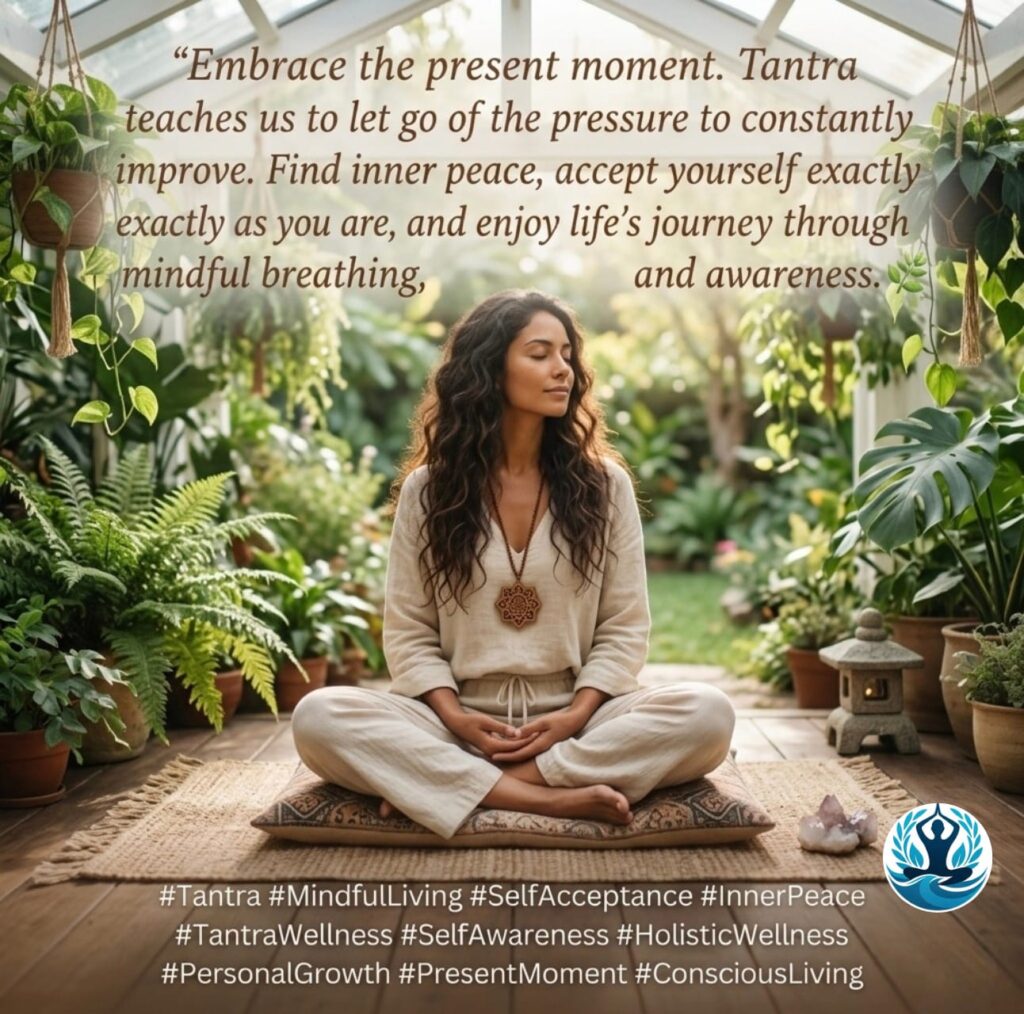


Rediscovering Your Sense of Wonder in Familiar Everyday Moments Through Tantra


Modern life often moves so quickly that we forget to notice the world around us. We wake up, prepare for work, complete our responsibilities, check our phones, interact with people, and move from one task to another. Days begin to feel similar, and familiar experiences gradually lose their sense of excitement. Even the simple pleasures that once made us happy can become ordinary parts of our routine.
Have you ever walked through a familiar street without noticing the trees, listened to someone without truly hearing them, or enjoyed a meal while thinking about your next responsibility? These experiences are common in a world filled with distractions, expectations, and constant demands on our attention.
Rediscovering your sense of wonder does not necessarily require travelling to a new destination, achieving a major goal, or changing your entire lifestyle. Sometimes, it begins with noticing what has always been present but has gone unnoticed.
Tantra offers a perspective that encourages greater awareness of the present moment, the body, the senses, and everyday experiences. Rather than treating ordinary life as something to rush through, a mindful approach invites us to experience it more fully.
Through conscious breathing, meditation, sensory awareness, and self-reflection, we can begin to appreciate familiar moments with renewed curiosity. A morning cup of tea, the warmth of sunlight, a meaningful conversation, or a quiet evening can become opportunities to reconnect with ourselves and the world.
In this blog, we will explore how Tantra-inspired mindfulness can help you rediscover wonder in everyday life, reduce automatic living, and develop a deeper appreciation for ordinary experiences.
Understanding the Loss of Wonder in Everyday Life
Wonder is the feeling of curiosity, appreciation, or quiet amazement that arises when we encounter something meaningful, beautiful, or unexpected. It can emerge from a spectacular natural landscape, but it can also appear in the smallest details of daily life.
As children, many people naturally explore their surroundings with curiosity. Ordinary objects, sounds, colours, and experiences can feel fascinating because they are approached with fresh attention.
As we grow older, responsibilities and repeated routines often influence how we experience the world. We become familiar with our surroundings and begin to assume that we already know what they have to offer.
A familiar sunrise becomes simply the beginning of another working day. A conversation becomes another item on a busy schedule. A peaceful moment becomes an opportunity to check notifications.
The problem is not familiarity itself. Familiarity can provide comfort, stability, and belonging. The difficulty arises when familiarity turns into inattention.
When we stop noticing our experiences, life can begin to feel repetitive even when meaningful moments continue to occur around us.
The Influence of Constant Busyness
A busy schedule can leave little room for reflection. When attention is always directed towards the next task, we may struggle to appreciate what is happening now.
Even during moments of rest, the mind can remain occupied with unfinished work, future plans, and past conversations. The body may be sitting quietly while the mind continues moving.
Over time, this habit can make everyday life feel like a series of responsibilities rather than a collection of experiences.
Mindfulness offers an opportunity to interrupt this pattern. By intentionally bringing attention to the present, we create space to notice what we might otherwise overlook.
How Repetition Changes Our Experience
Repeated experiences naturally become familiar. Our minds often rely on established patterns to process information efficiently, which can reduce the attention we give to predictable surroundings.
However, the same familiar experience can feel different when we approach it with curiosity.
The route you take every morning may contain changing light, different sounds, unfamiliar details, or subtle changes in the environment. The route has not necessarily become less interesting; your attention may simply have become accustomed to it.
Tantra-inspired awareness encourages us to meet familiar experiences without assuming that we have already noticed everything they contain.
What Is Tantra, and How Does It Relate to Everyday Wonder?
Tantra is a diverse collection of spiritual traditions with historical roots in South Asia. Its traditions vary considerably, and it should not be reduced to a single technique or modern wellness practice.
In contemporary wellness settings, selected Tantra-inspired practices may be used to encourage presence, body awareness, meditation, conscious breathing, and a more attentive relationship with everyday experience.
For this topic, the central idea is simple: ordinary life can become an opportunity for awareness when we engage with it consciously.
Instead of separating personal growth from daily activities, we can practise awareness while eating, walking, listening, resting, and interacting with others.
This approach does not require every moment to feel extraordinary. It invites us to experience ordinary moments more completely.
Moving Beyond Automatic Living
Automatic living occurs when we move through familiar activities without paying much attention to them.
We may eat while scrolling through our phones, walk while mentally rehearsing a conversation, or listen to someone while preparing our response.
Although these habits can seem harmless, they may reduce our connection with the experience itself.
Tantra-inspired mindfulness encourages us to return to what is happening now. We can notice our breathing, feel our feet touching the ground, listen to the sounds around us, or observe the emotions arising within us.
These small pauses help us recognise that life is not only about reaching the next destination. It is also about experiencing the journey.
Welcoming Experience Without Constant Judgement
Many people approach daily experiences by immediately deciding whether they are useful, productive, exciting, or worthwhile.
A quiet afternoon may feel unproductive. A routine task may seem boring. A moment of silence may appear unnecessary.
When every experience is evaluated according to what it produces, we can overlook its immediate value.
A more mindful approach allows an experience to exist without requiring it to become something else. A walk can simply be a walk. A cup of tea can be enjoyed without multitasking. A quiet moment does not need to produce a new insight.
This shift can create more room for appreciation and curiosity.
Why Rediscovering Wonder Matters for Wellbeing
Wonder is not simply about feeling amazed. It can also involve curiosity, gratitude, connection, and an increased awareness of the world around us.
Making space for these experiences may support a more balanced relationship with daily life.
1. Encourages Present-Moment Awareness
When we pay attention to ordinary experiences, we practise bringing our minds back from distractions.
Noticing the taste of food, the rhythm of our breathing, or the changing colours of the sky gives attention a clear and immediate focus.
Over time, regular mindfulness practice may help some people become more aware of when their attention has wandered and gently return to the present.
2. Helps Interrupt Repetitive Thinking
The mind often revisits the past or anticipates the future. We may replay conversations, imagine possible problems, or repeatedly consider decisions.
Although planning and reflection are useful, constant mental repetition can make it difficult to enjoy the present.
Observing everyday details offers another place for attention to rest. We can notice the sounds in a room, the sensation of our hands holding a cup, or the movement of air as we breathe.
This practice is not about suppressing thoughts. It is about recognising them without allowing every thought to take over our attention.
3. Supports Appreciation of Small Experiences
Happiness is often associated with major achievements, exciting events, or significant changes. These experiences can be meaningful, but they are not the only sources of fulfilment.
A friendly greeting, a comfortable chair, a favourite song, or a few peaceful minutes outdoors can also contribute to our sense of wellbeing.
Recognising these experiences may help us appreciate what is already available in our lives rather than continually waiting for something bigger to happen.
4. Deepens Connection With the Body
Wonder is not only something we experience through thought. It can also arise through physical sensations.
We may notice the warmth of sunlight on our skin, the refreshing sensation of water, the rhythm of walking, or the relaxing feeling that follows a gentle stretch.
Body awareness brings attention back to direct experience instead of keeping it entirely occupied with mental activity.
Tantra-inspired body awareness can encourage a more respectful and attentive relationship with physical sensations, while recognising that everyone’s comfort and experiences differ.
5. Encourages Curiosity and Openness
When we assume that we already know everything about a familiar experience, we may stop exploring it.
Curiosity creates a different possibility. We can ask ourselves what we have not noticed, what feels different today, or how our experience changes when we slow down.
This attitude can make familiar routines feel more engaging without requiring us to change them completely.
How Tantra-Inspired Mindfulness Helps You Experience Familiar Moments Differently
The value of mindfulness is not limited to formal meditation. It can be incorporated into the activities we already perform.
The following practices offer simple ways to bring greater awareness into everyday life.
1. Experience the Morning With Fresh Attention
Many people begin the day by immediately checking messages, reading notifications, or thinking about their responsibilities.
Instead, consider spending the first few minutes of the morning noticing your surroundings.
Feel the support of the bed or floor beneath you. Notice the natural rhythm of your breathing. Observe the quality of the light entering the room.
If you drink tea or coffee, notice its warmth, aroma, and taste before moving on to another task.
You do not need to create a perfect morning routine. The intention is simply to begin the day with a little more awareness.
2. Rediscover the Experience of Walking
Walking is often treated as a way to get from one place to another. Yet it can also become an opportunity to reconnect with the present moment.
During a short walk, notice how your feet meet the ground. Observe the movement of your body and the rhythm of your breathing.
Look at the colours around you. Listen to distant sounds, nearby conversations, or the movement of leaves in the wind.
Allow your attention to move naturally without forcing yourself to find something extraordinary.
If you are walking near traffic or crossing a road, prioritise your surroundings and safety.
3. Practise Mindful Eating
Meals can easily become another activity performed while working, watching videos, or answering messages.
Try choosing one meal or snack each day to experience more attentively.
Notice the appearance, aroma, texture, and flavour of the food. Observe how the taste changes as you chew. Take occasional pauses to recognise whether you are comfortable and satisfied.
Mindful eating does not require strict rules or perfect concentration. If your attention wanders, gently return it to the experience.
This practice can turn an ordinary meal into a more conscious moment of nourishment.
4. Notice the Beauty of Ordinary Objects
Choose a familiar object, such as a flower, a cup, a book, or a tree outside your window.
Spend a few moments observing it as if you were seeing it with fresh eyes.
Notice its shape, texture, colour, and small details. Consider how its appearance changes with the light or from different angles.
You do not need to assign the object a special meaning. Simply allowing yourself to look carefully can renew your interest in the world.
5. Listen to Others With Full Attention
Wonder can also emerge through relationships.
During a conversation, try listening without immediately preparing your reply. Notice the other person’s words, tone, pauses, and expressions.
Give yourself a moment to understand what they are communicating before responding.
This does not mean agreeing with everything someone says or ignoring your own needs. It means offering genuine attention while maintaining appropriate boundaries.
More attentive listening can help everyday interactions feel less mechanical and more meaningful.
The Role of Conscious Breathing in Rediscovering Wonder
Breathing is one of the most accessible ways to bring attention back to the present.
Although breathing usually happens automatically, noticing it can create a brief pause between mental activity and our immediate experience.
A simple conscious-breathing practice can be performed almost anywhere.
A Gentle Breathing Exercise
- Sit comfortably or stand in a relaxed position.
- Notice the natural movement of your breath without trying to change it.
- Feel the gentle expansion and release of your chest or abdomen, wherever the movement is most comfortable to notice.
- Listen to the sounds around you while remaining aware of your breathing.
- When thoughts arise, acknowledge them and gently return your attention to the breath.
- After a minute or two, look around and notice one detail you had not previously appreciated.
The purpose is not to force relaxation or achieve a special state. It is to practise paying attention to what is already happening.
Keep your breathing comfortable and natural. Stop the exercise if you feel dizzy or uncomfortable.
With regular practice, conscious breathing may become a useful reminder to pause before moving automatically into the next activity.
Rediscovering Wonder Through Your Five Senses
Our senses provide direct ways to engage with the present moment. However, familiar environments can become so routine that we stop noticing their details.
A sensory-awareness practice can help renew that attention.
Sight: Look Beyond the Obvious
Notice the changing sky, the shapes of buildings, the patterns of shadows, or the different shades of green in a garden.
Rather than searching for something beautiful, simply observe what is there.
Sound: Listen Without Immediately Labelling
Spend a moment noticing the sounds around you. You might hear a fan, distant traffic, birds, footsteps, or the sound of rain.
Instead of immediately judging each sound as pleasant or unpleasant, observe its rhythm, volume, and distance.
Touch: Feel the Present Moment
Notice the texture of your clothing, the surface beneath your hands, or the sensation of warm water while washing them.
Pay attention to physical sensations without forcing yourself to enjoy every one of them.
Smell: Notice Familiar Aromas
The smell of fresh food, flowers, rain, or a familiar room may bring attention to details that usually go unnoticed.
Pause briefly to notice the aroma and the experience it creates.
Taste: Slow Down Enough to Experience
During a meal, allow yourself to notice the different flavours and textures rather than treating eating as a task to finish quickly.
Together, these simple practices can make familiar surroundings feel more vivid and engaging.
Letting Go of the Need for Every Moment to Be Special
One obstacle to rediscovering wonder is the belief that life must always feel exciting.
When ordinary experiences seem less dramatic than holidays, celebrations, or major achievements, we may dismiss them as unimportant.
Yet everyday life cannot realistically provide constant excitement. Quietness, repetition, uncertainty, and routine are natural parts of being human.
The goal is not to transform every moment into a memorable experience. It is to become more available to whatever the moment contains.
Some mornings will feel peaceful. Others will feel rushed. Some conversations will be meaningful, while others will remain practical and ordinary.
Mindfulness allows us to meet these differences without demanding that every experience produce happiness.
When we stop chasing extraordinary feelings, we may become more capable of noticing the small moments that genuinely matter.
How to Break Free From Living on Autopilot
Living on autopilot can make days feel repetitive and disconnected. The following practical strategies can help bring awareness back into familiar routines.
Create Small Pauses Between Activities
Instead of moving immediately from one task to another, pause for a few seconds.
Take a comfortable breath, relax your shoulders if possible, and notice how you feel.
Ask yourself: What am I doing right now? What deserves my attention next?
These pauses can help make transitions more intentional.
Change One Familiar Habit
You do not need to redesign your whole day.
You might eat one meal without a screen, take a different safe walking route, sit in a different place, or spend a few minutes observing the outdoors.
A small change can encourage you to notice details that routine has made less visible.
Reduce Unnecessary Digital Distractions
Constant notifications can pull attention away from direct experiences.
Consider keeping your phone away during meals, short walks, or conversations when it is practical and safe to do so.
You do not need to disconnect from technology entirely. The aim is to make room for experiences that deserve your attention.
Ask Better Questions
Curiosity can help interrupt automatic thinking.
Try asking:
- What am I noticing that I usually overlook?
- What feels different about this moment?
- What can I appreciate without needing to change it?
- Am I truly present, or am I already thinking about what comes next?
These questions are invitations to observe, not tests you need to pass.
Tantra and the Relationship Between Stillness and Awareness
Stillness is often misunderstood as the absence of activity. In a mindful context, it can also mean developing a more attentive relationship with whatever is happening.
You can practise stillness while sitting quietly, but you can also experience moments of awareness while walking, cooking, gardening, or talking with someone.
Tantra-inspired mindfulness encourages a more integrated view of experience in which awareness is not restricted to a meditation session.
A few minutes of quiet observation may help you notice thoughts and sensations that are usually overshadowed by activity.
During these moments, there is no requirement to solve every problem or discover a profound truth. Sometimes, the useful experience is simply recognising how you feel.
You may notice restlessness, boredom, gratitude, sadness, or calmness. Each can become an opportunity for greater self-understanding.
The practice is to meet your experience with curiosity and respect rather than immediately labelling it as something that must be fixed.
Developing a Daily Ritual for Wonder
A daily ritual can help make mindfulness easier to practise consistently.
The ritual does not need to be elaborate, expensive, or time-consuming. It can be built around activities that already belong to your day.
Morning: Notice One New Detail
Before beginning your responsibilities, spend a minute noticing something around you.
It could be the colour of the sky, the sound of birds, or the sensation of fresh air.
Allow your attention to settle without demanding a particular emotional response.
Afternoon: Take a Conscious Pause
During a break, put aside unnecessary distractions for a moment.
Notice your posture, breathing, and immediate surroundings. Ask yourself whether you need movement, rest, water, or a change of focus.
Evening: Revisit an Ordinary Moment
At the end of the day, reflect on one experience you noticed more fully.
Perhaps you enjoyed a conversation, tasted a meal, observed a beautiful patch of sunlight, or felt grateful for a quiet moment.
The experience does not have to be impressive. Its value comes from having been present for it.
Before Sleep: Release the Pressure to Accomplish More
Spend a few minutes acknowledging that the day is ending.
You may notice what remains unfinished, but you do not need to resolve every thought before resting.
Allow yourself to recognise the experiences that occurred, the lessons you learned, and the moments that were simply part of living.
If reflection becomes stressful, return to a comfortable activity or let the practice go. Mindfulness should not become another source of pressure.
Common Obstacles to Rediscovering Everyday Wonder
Developing a more attentive relationship with daily life takes patience. Several challenges may arise along the way.
Expecting Immediate Results
You may begin mindfulness hoping to feel peaceful, inspired, or transformed immediately.
When nothing dramatic happens, it can be tempting to conclude that the practice is not working.
However, awareness is not a performance. A brief moment of noticing is valuable even when it does not produce a powerful feeling.
Comparing Your Experience With Others
Social media often presents extraordinary destinations, exciting experiences, and carefully selected highlights.
Comparing ordinary life with these images can make familiar experiences seem less meaningful.
Remember that your daily life does not need to resemble someone else’s experiences to contain value.
Treating Mindfulness as Another Achievement
It is easy to turn any wellness practice into another task to complete perfectly.
You might worry about meditating for long enough, paying attention consistently, or noticing something meaningful every day.
Try replacing perfection with gentle consistency. Even a few seconds of awareness can be a useful beginning.
Feeling Too Busy to Pause
When responsibilities are demanding, mindfulness may seem like an additional activity you cannot fit into your schedule.
Instead of creating a separate routine, attach awareness to an existing habit. Notice your breathing before opening an email or pay attention to your surroundings while waiting for water to boil.
Small practices can fit into real life without requiring an entirely different lifestyle.
Experiencing Difficult Emotions
Greater awareness can sometimes make uncomfortable feelings more noticeable.
You may recognise exhaustion, loneliness, frustration, or dissatisfaction that was previously hidden beneath constant activity.
You do not need to force yourself to remain with overwhelming emotions. You can pause, ground yourself in your surroundings, seek support, or use a different coping strategy when needed.
Mindfulness is not a replacement for professional mental health care when that support is appropriate.
How Rediscovering Wonder Can Change Your Relationship With Life
The effects of everyday awareness are often subtle rather than dramatic.
You may begin to notice when you are rushing unnecessarily. You might appreciate conversations more fully or become more aware of when digital distractions interrupt your attention.
You may also discover that meaningful experiences do not always require a major change in circumstances.
A More Appreciative Outlook
Noticing small positive experiences can encourage gratitude without requiring you to deny difficulties.
You can acknowledge a challenging day while still appreciating a kind interaction or a peaceful moment.
Greater Connection With Your Surroundings
When attention is less fragmented, familiar places may feel more engaging.
You may become more aware of nature, architecture, everyday sounds, and the people who share your environment.
A More Personal Understanding of Fulfilment
Wonder can help you recognise what genuinely matters to you.
Perhaps you value meaningful conversations, creative activities, time outdoors, or unhurried moments with loved ones.
These observations may help you make more conscious choices about how you spend your time and attention.
More Room for Meaning in Ordinary Life
A meaningful life does not consist only of major milestones. It also includes the small experiences, relationships, and daily choices that shape our sense of connection.
By paying closer attention, we can become more aware of how these experiences contribute to our lives.
These outcomes are not guaranteed, and mindfulness is not a solution to every difficulty. However, regular awareness practices can offer a practical way to engage more fully with the present.
A Simple Seven-Day Practice to Rediscover Wonder
You can begin with a short seven-day experiment. Spend approximately five minutes on the daily activity, adjusting the duration to suit your circumstances.
Day 1: Notice Your Morning
Observe the light, sounds, and sensations around you before checking your phone.
Day 2: Explore Your Senses
Choose one familiar object and spend a few moments noticing its details.
Day 3: Walk With Awareness
During a safe walk, pay attention to your steps, breathing, and surroundings.
Day 4: Eat Without Distraction
Choose one meal or snack and notice its aroma, taste, and texture.
Day 5: Listen More Fully
Give someone your attention during a conversation without immediately preparing your response.
Day 6: Appreciate an Ordinary Moment
Identify one everyday experience that you usually overlook and spend a little time with it.
Day 7: Reflect Without Judgement
Consider what you noticed during the week. Did your attention change? Which activities felt natural? Which ones were difficult?
There is no need to measure your success by how peaceful or inspired you felt. The purpose is to explore what happens when you give familiar experiences a little more attention.
You can repeat the activities that suit you and adapt them to your everyday routine.
How Sarv Wellness Can Support Your Mindful Living Journey
At Sarv Wellness, the journey towards greater awareness can begin with simple practices that encourage a more conscious relationship with yourself and everyday life.
Tantra-inspired wellness practices may include mindful breathing, meditation, self-awareness, and body-awareness exercises. These practices can create opportunities to slow down, observe your experiences, and recognise habitual patterns of attention.
Rather than treating wellness as another goal to achieve, you can approach it as an ongoing process of understanding yourself and making more intentional choices.
A mindful approach can encourage you to notice when you are rushing, recognise what supports your wellbeing, and make room for experiences that bring personal meaning.
Your journey does not need to begin with a dramatic transformation. It can start with a quiet moment, a conscious breath, or the decision to pay attention to something familiar.
Explore the wellness offerings at Sarv Wellness to learn more about incorporating awareness, meditation, and conscious living into your routine.
Conclusion: Finding Wonder in What Has Always Been There
Rediscovering your sense of wonder does not require you to escape your ordinary life. It invites you to experience that life with renewed attention.
The morning light, familiar surroundings, everyday conversations, and simple routines can offer opportunities to become more present. When we stop assuming that we have already noticed everything, ordinary experiences may reveal details that previously went unseen.
Tantra-inspired mindfulness encourages us to engage with life through conscious breathing, meditation, body awareness, and a willingness to observe the present moment.
The aim is not to make every experience extraordinary or to eliminate routine. It is to recognise that even familiar moments deserve our attention.
You can begin today by slowing down for a few seconds, noticing your breathing, listening to the sounds around you, or appreciating one small detail in your environment.
You do not need to wait for the perfect day, the next achievement, or a different version of yourself.
Sometimes, the beginning of a more meaningful experience is simply seeing what is already here.