

Tantra for Nervous System Regulation: Finding Calm From Within

Modern life often keeps the mind and body in a constant state of activity. Work pressure, digital stimulation, emotional responsibilities, lack of rest, and everyday stress can make it difficult to slow down. Even when the day is over, the mind may continue racing, the body may feel tense, and genuine relaxation can seem difficult to achieve.
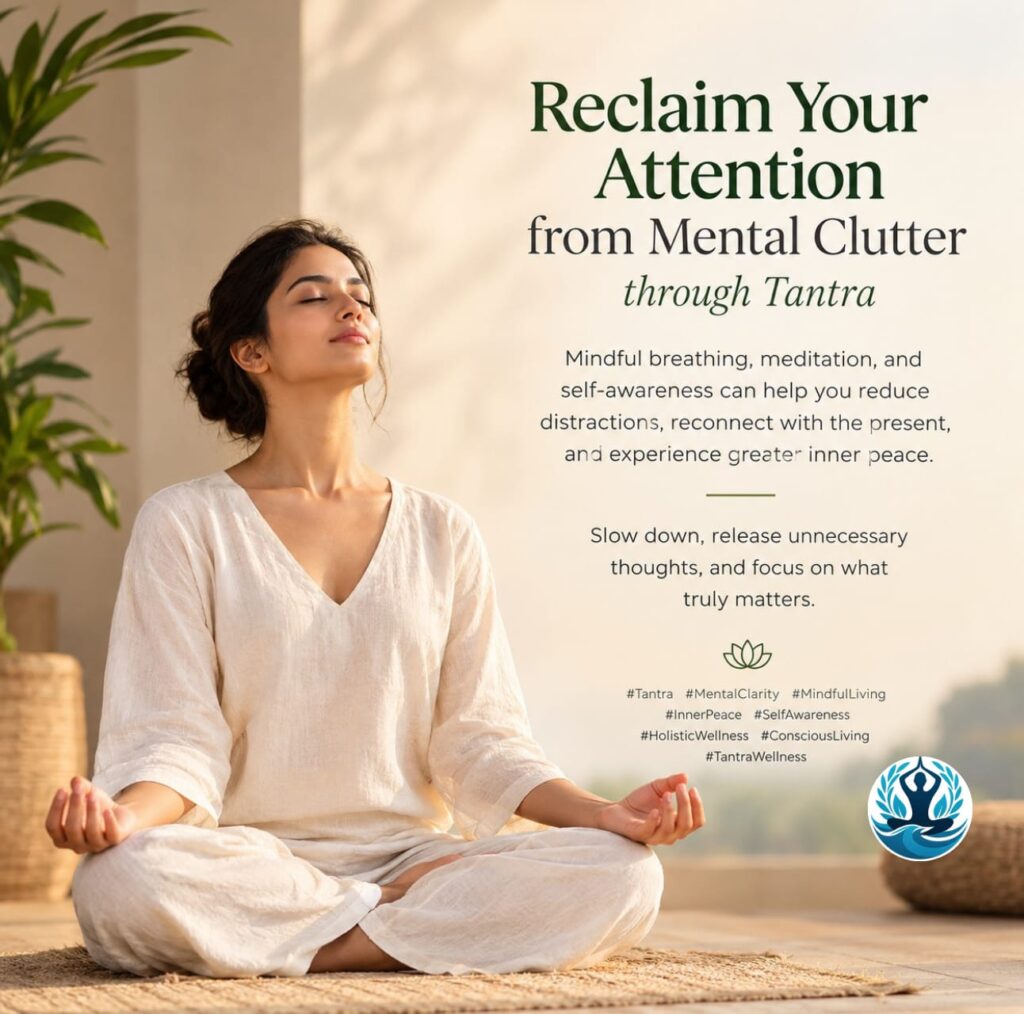
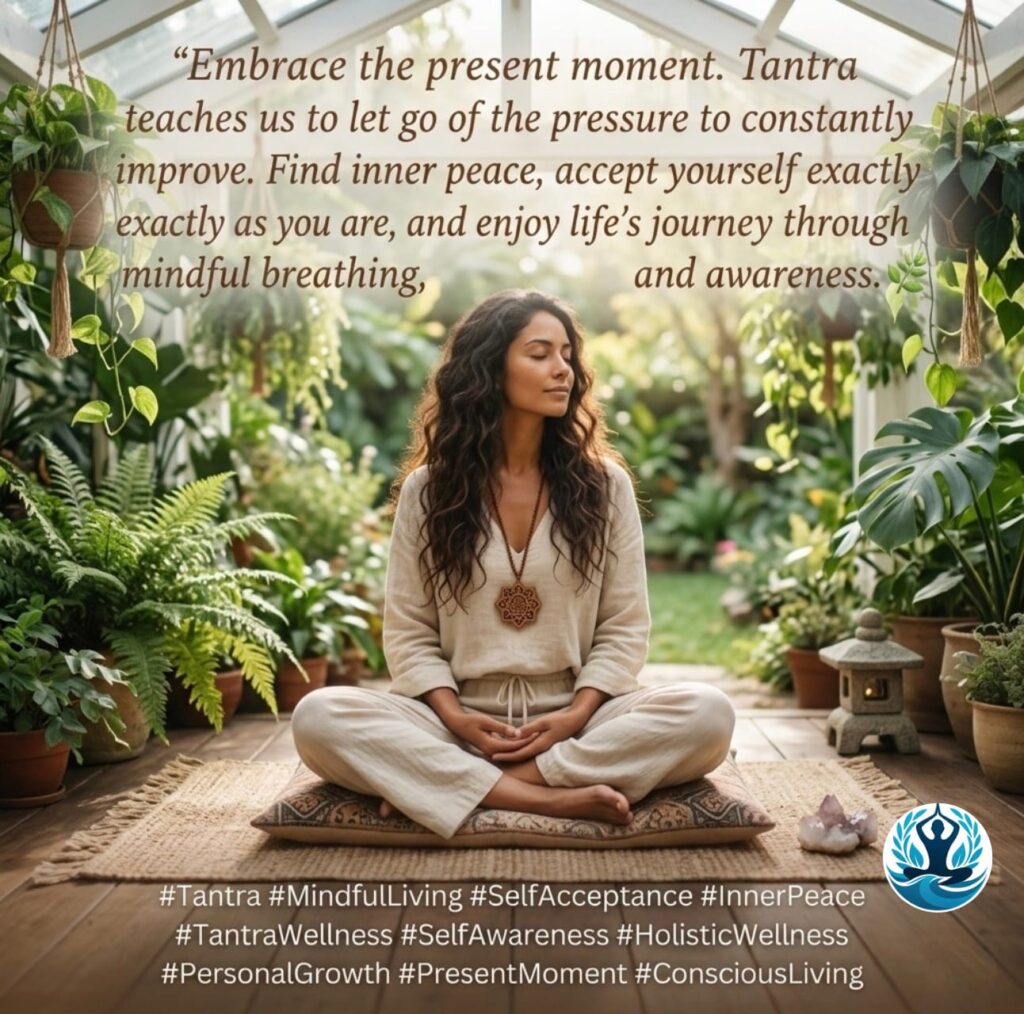
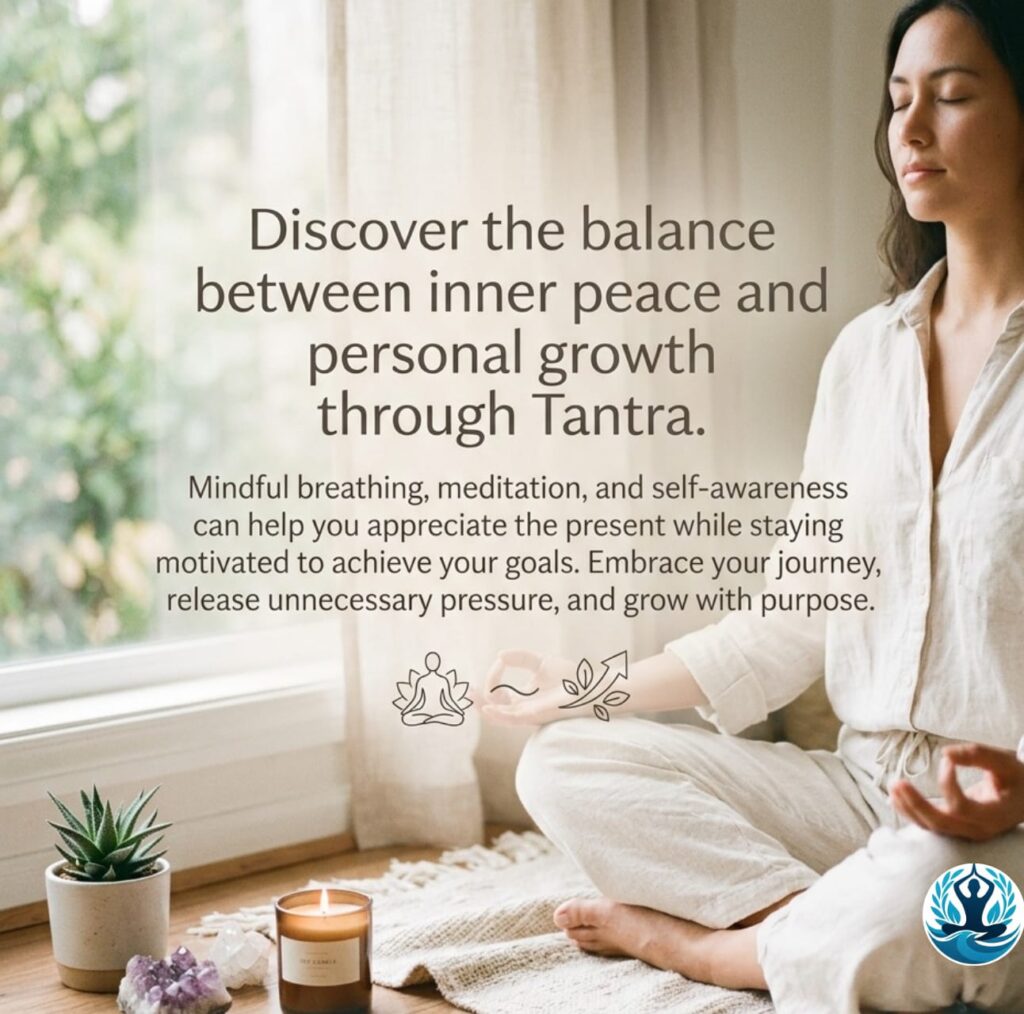
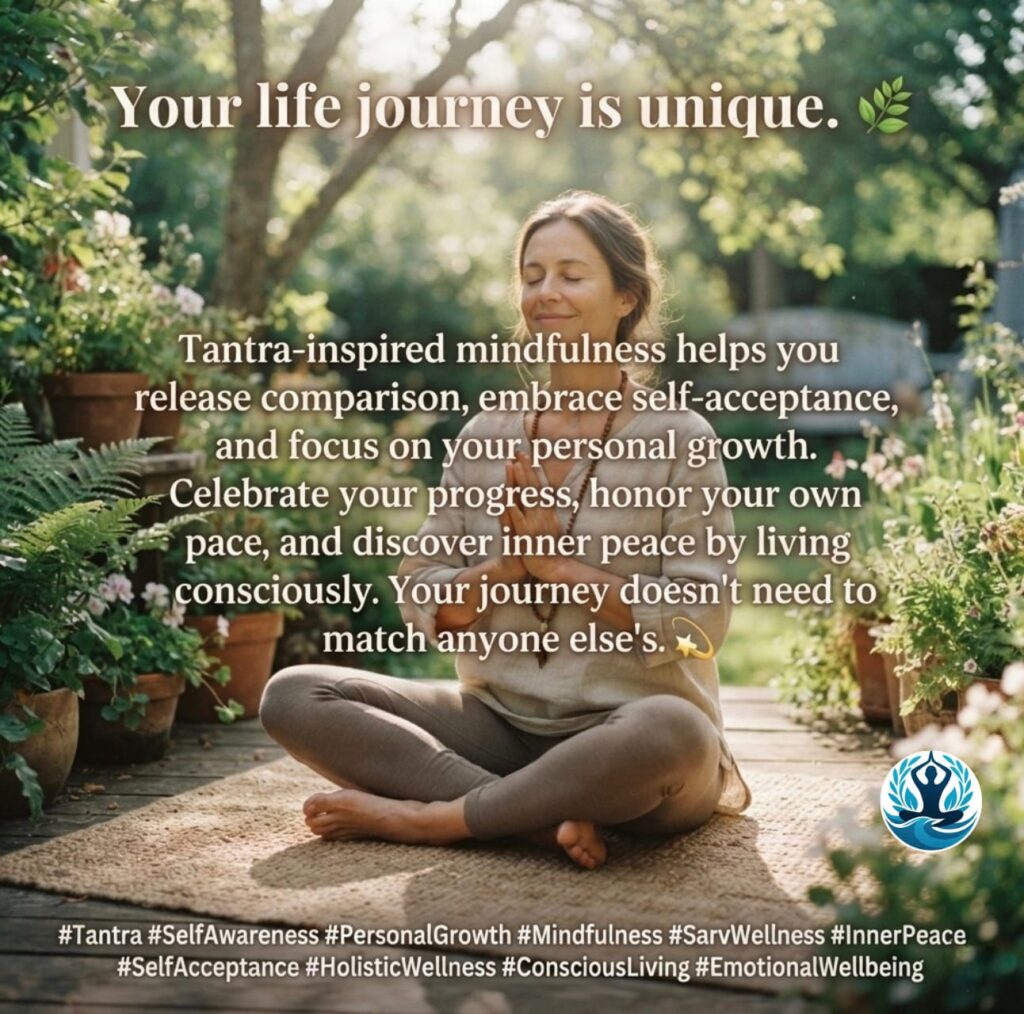
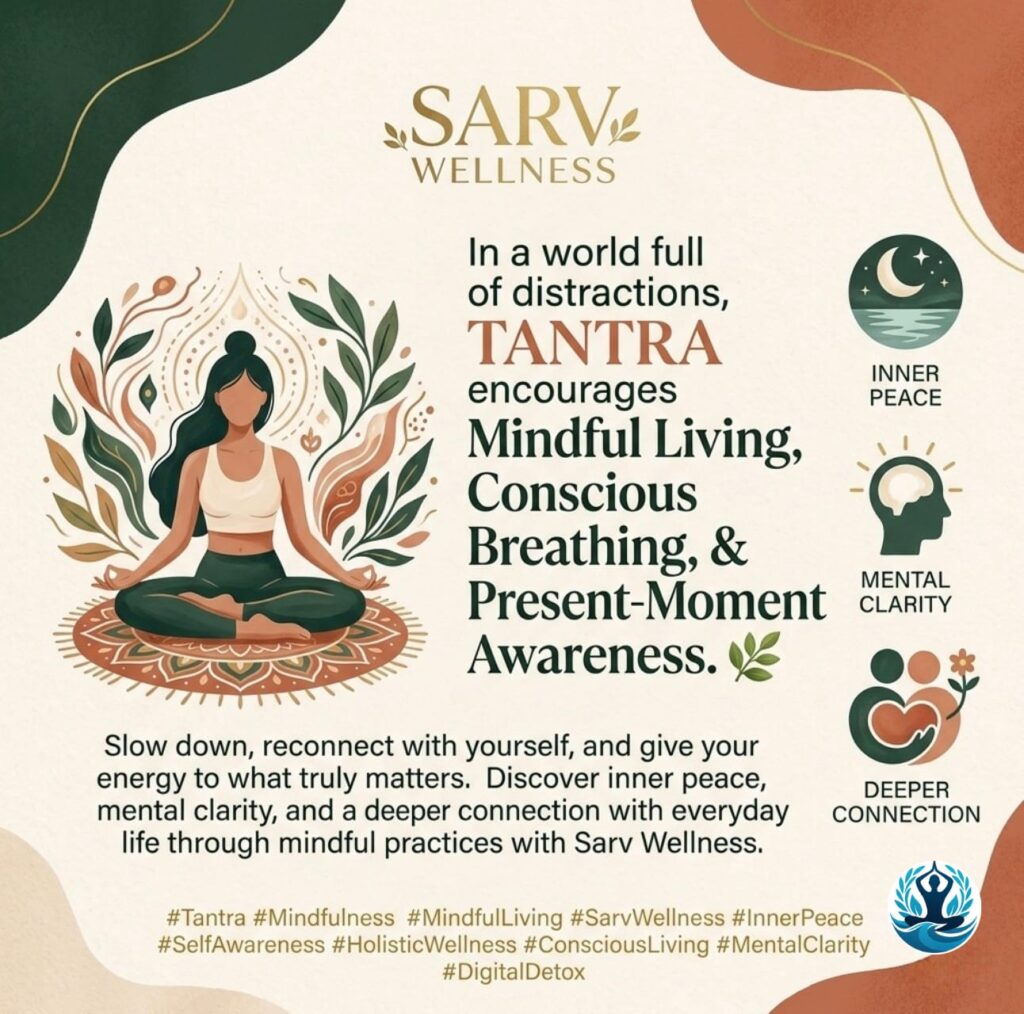
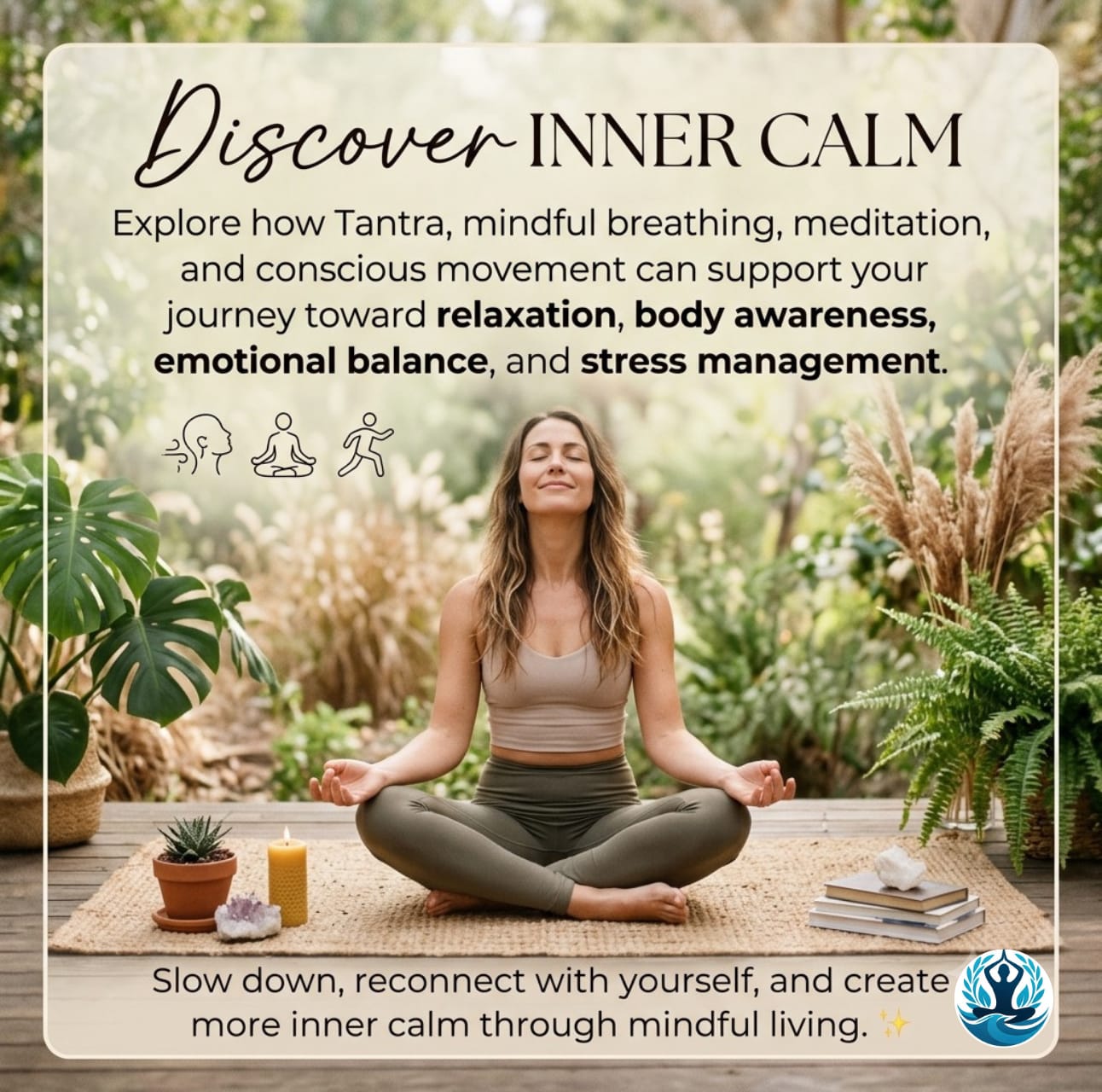
This is where practices centered on awareness, breathing, mindful movement, meditation, and relaxation can become valuable. Tantra for nervous system regulation is a holistic approach that emphasizes becoming more aware of the body, breath, emotions, thoughts, and present-moment experience.
Traditionally, Tantra is a broad spiritual and philosophical tradition rather than simply a relaxation technique or therapy. Different Tantra traditions use different practices and concepts. Modern wellness settings may use the word Tantra to describe approaches involving meditation, breath awareness, conscious movement, and embodied mindfulness.
Rather than promising to “fix” the nervous system, Tantra-inspired practices can be understood as tools for cultivating calm, self-awareness, relaxation, and a healthier relationship with stress.
What Is Nervous System Regulation?
The nervous system coordinates many functions throughout the body, including movement, sensation, attention, and responses to changing circumstances.
When we experience a stressful situation, the body can become more alert. Heart rate and breathing may change, muscles can become tense, and attention may become focused on potential problems. Once the stressful situation passes, healthy recovery involves gradually returning toward a more relaxed state.
Nervous system regulation is commonly used in wellness conversations to describe the ability to respond to stress and recover from it effectively.
It is important to remember that nervous system responses are normal biological processes. Feeling temporarily stressed, excited, alert, or tired does not necessarily indicate that something is wrong.
The goal is not to remain calm all the time. Instead, healthy self-regulation involves developing greater awareness of what is happening internally and learning appropriate ways to respond.
How Can Tantra Support Nervous System Regulation?
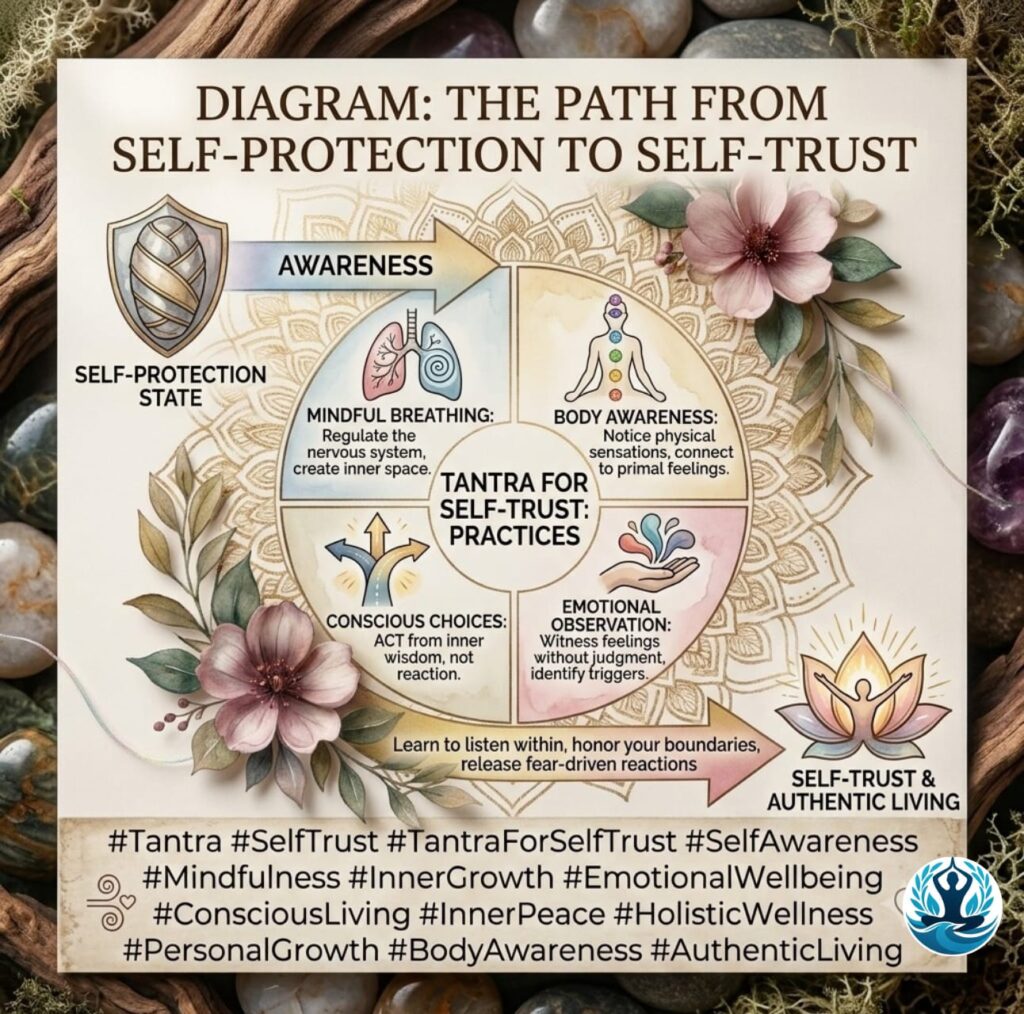
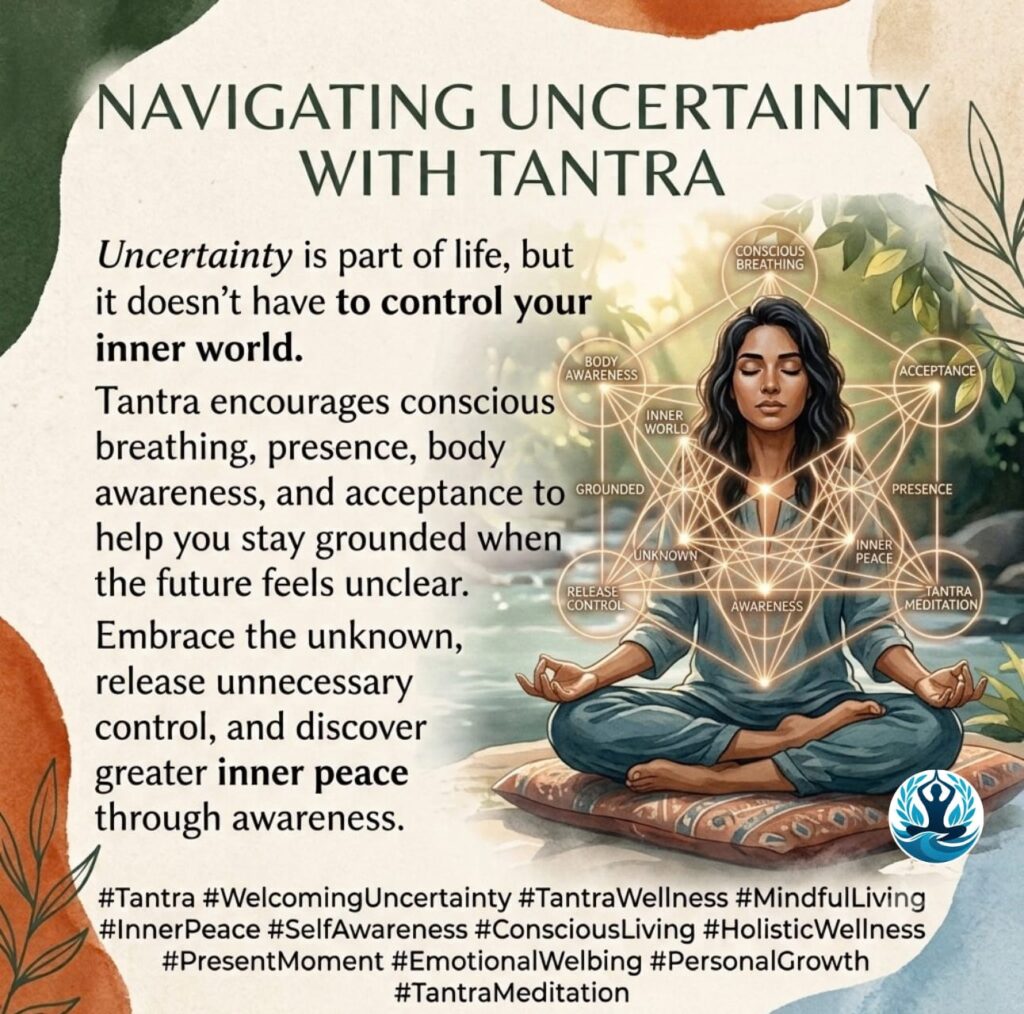
Tantra-inspired practices can encourage people to slow down and pay attention to experiences that are often overlooked.
Instead of automatically reacting to thoughts or emotions, practitioners may learn to observe them with greater awareness.
Several elements can contribute to this process:
- Conscious breathing
- Meditation
- Mindful movement
- Body awareness
- Present-moment attention
- Relaxation practices
- Emotional awareness
- Intentional pauses
- Self-reflection
- Greater connection between mind and body
These practices may help create conditions that support relaxation and emotional balance.
1. Conscious Breathing Encourages Relaxation
Breathing is one of the simplest ways to bring attention into the present moment.
During stressful situations, breathing may become faster or shallower. Bringing gentle awareness to the breath can interrupt automatic patterns and create an opportunity to slow down.
Tantra practices may incorporate different forms of breath awareness and breathwork. However, practices should always be approached gently and appropriately.
A simple exercise is to sit comfortably and notice:
“How am I breathing right now?”
There is no need to force the breath. Simply observing inhalation and exhalation can help shift attention away from constant mental activity and toward the body.
Over time, conscious breathing may become a useful part of a personal relaxation routine.
2. Tantra Encourages Body Awareness
Many people spend much of their day thinking rather than noticing physical sensations.
You may be working at a computer while unconsciously tightening your shoulders. You may be reading messages while holding tension in your jaw. You may be worried about tomorrow without noticing that your breathing has changed.
Tantra-inspired body awareness encourages you to notice these sensations.
You might ask:
- Where am I holding tension?
- Is my jaw relaxed?
- What does my breathing feel like?
- Do my shoulders feel heavy?
- Am I comfortable?
- What emotions are present?
- What does my body need right now?
This type of awareness does not require immediately changing anything.
The first step is simply noticing.
Greater body awareness can help you recognize stress earlier and make more conscious choices about rest, movement, breathing, or taking a break.
3. Mindfulness Can Help Create Mental Space
One of the challenges of modern life is continuous mental stimulation.
Notifications, social media, emails, work demands, and personal responsibilities can make the mind feel constantly occupied.
Tantra and mindfulness share an emphasis on awareness, although they come from different contexts and traditions.
A mindful approach encourages you to observe thoughts without automatically becoming involved with every thought.
For example, instead of thinking:
“Everything is going wrong.”
You may notice:
“I am experiencing a thought that everything is going wrong.”
That small shift can create psychological distance.
It does not mean ignoring genuine problems. Instead, it can provide space to respond rather than react.
4. Conscious Movement Can Release Physical Tension
The body and mind are closely connected.
When people experience stress, they may unconsciously change their posture, breathing, facial expression, and muscle tension.
Gentle conscious movement can encourage greater awareness of these physical patterns.
Tantra-inspired movement may involve slow stretching, mindful posture, coordinated breathing, or intentional movement.
The emphasis is generally not on performance.
Instead, the practice can focus on questions such as:
What do I feel while moving?
Where does my body feel restricted?
Can I move more slowly?
Can I remain aware of my breath?
This approach turns ordinary movement into an opportunity for mindfulness.
5. Tantra Can Encourage a Pause Between Stimulus and Response
One valuable aspect of mindfulness-based practices is learning to create a pause.
Imagine receiving an upsetting message.
The automatic response might be immediate anger, anxiety, or defensiveness.
A conscious pause could involve:
- Stop.
- Take a comfortable breath.
- Notice the body’s response.
- Identify the emotion.
- Give yourself time.
- Choose how to respond.
This does not eliminate emotions.
Instead, it encourages more conscious engagement with them.
Developing this type of awareness can be particularly useful in everyday relationships, work situations, and challenging conversations.
6. Emotional Awareness Becomes More Accessible
Emotions are not purely mental experiences. They can also have physical sensations.
Stress may feel like:
- Tightness in the chest
- Tension in the shoulders
- Restlessness
- Changes in breathing
- A feeling of heaviness
- Muscle tension
- Difficulty sitting still
Tantra-inspired awareness can encourage people to notice these experiences without immediately judging them.
Instead of suppressing an emotion, a person can learn to acknowledge:
“I am feeling frustrated.”
“I notice tension in my body.”
“I feel unsettled right now.”
Naming and observing emotions does not automatically resolve them, but it can make emotional experiences easier to recognize and understand.
7. Tantra Can Support a More Present Lifestyle
Many people experience stress because their attention constantly moves between the past and future.
They may replay yesterday’s conversation while worrying about tomorrow’s responsibilities.
Present-moment awareness offers another option.
Simple activities can become mindfulness practices:
- Drinking tea without using your phone
- Walking while noticing your surroundings
- Eating slowly
- Paying attention to your breathing
- Stretching consciously
- Sitting quietly for a few minutes
- Listening fully during a conversation
Tantra’s emphasis on awareness can inspire a more intentional relationship with ordinary experiences.
8. Relaxation Becomes a Conscious Practice
Relaxation is often treated as something that happens only after all responsibilities are finished.
But there is always another message, another task, or another obligation.
Creating intentional relaxation practices can help establish boundaries around constant activity.
A simple evening routine could include:
5 minutes: Sit quietly and observe your breathing.
5 minutes: Perform gentle stretching.
5 minutes: Practice a body scan.
5 minutes: Sit without screens and notice your surroundings.
This does not need to become complicated.
Consistency can be more useful than creating a demanding routine that is difficult to maintain.
9. Tantra and the Mind-Body Connection
One of the most important ideas behind holistic wellness is the recognition that mental and physical experiences influence one another.
When you are mentally stressed, your body may become tense.
When your body is exhausted, your emotional resilience may feel lower.
When you relax physically, you may find it easier to settle mentally.
Tantra-inspired practices work with this relationship by bringing awareness to the whole experience rather than focusing exclusively on thoughts.
This is why practices involving breath, movement, meditation, and body awareness can be incorporated into a broader wellbeing routine.
10. Tantra May Help Develop Self-Awareness
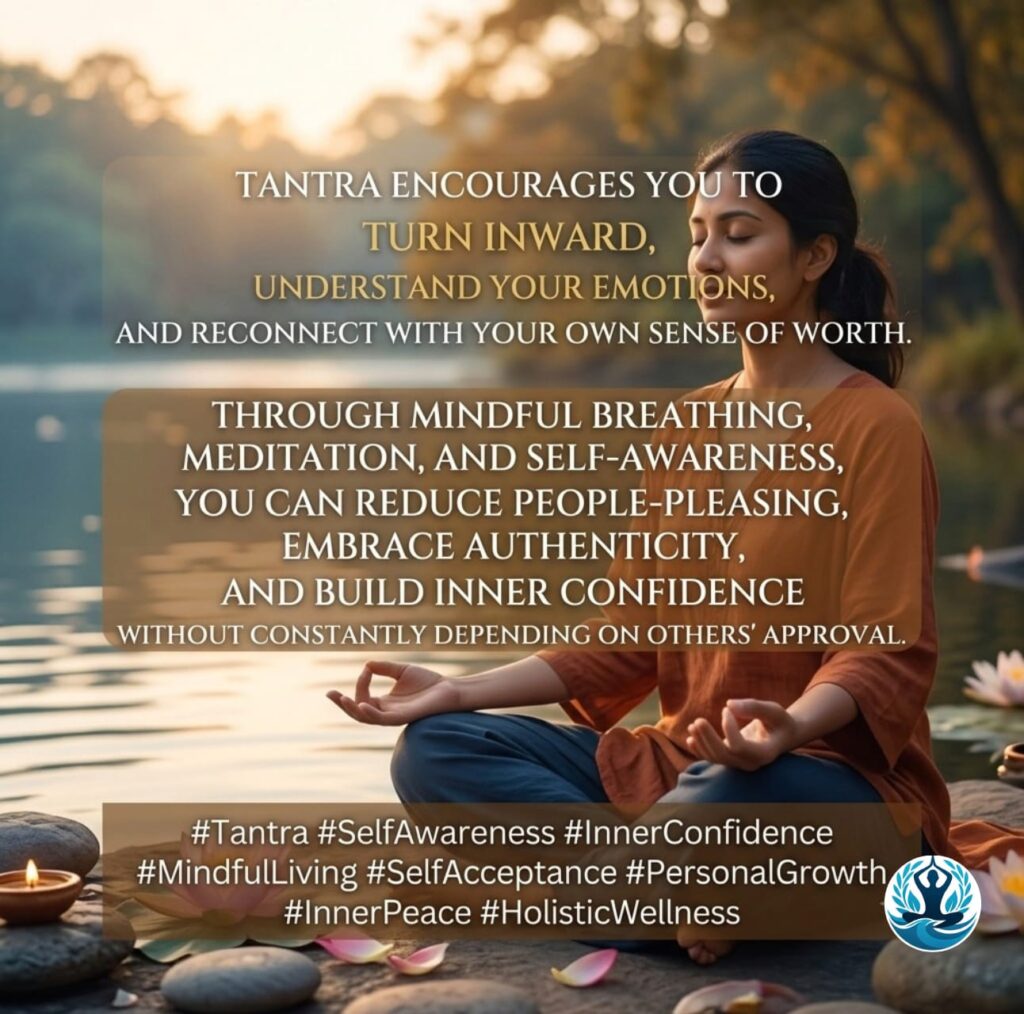
Self-awareness is an important foundation for personal growth.
Without awareness, it can be difficult to recognize:
- What causes stress
- When you need rest
- How your body responds to pressure
- Which habits increase tension
- Which practices help you relax
- How emotions influence behavior
Regular mindfulness practices can encourage observation without immediate judgment.
Over time, this can help you become more familiar with your personal patterns.
For example, you may discover that long periods without breaks leave you tense, while a short walk and several minutes of conscious breathing help you feel more settled.
That awareness can guide healthier choices.
A Simple Tantra-Inspired Nervous System Wellness Routine
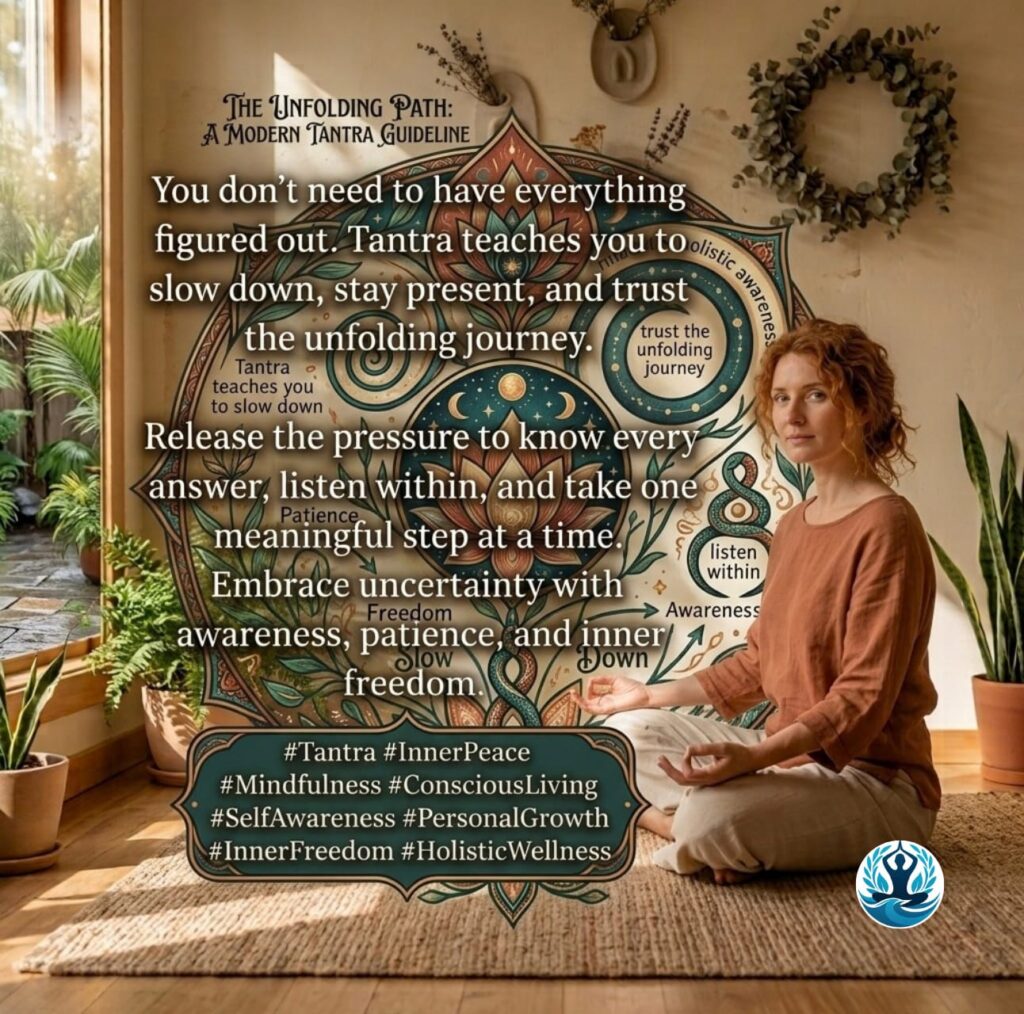
You do not need an elaborate practice to begin developing greater awareness.
Try this simple 15-minute routine.
Step 1: Create a Quiet Space
Sit somewhere comfortable where you are unlikely to be interrupted.
Put your phone aside if possible.
Step 2: Observe Your Breath
Spend two to three minutes noticing your natural breathing.
Do not force deep breaths.
Simply observe.
Step 3: Scan the Body
Bring attention gradually to:
- Feet
- Legs
- Abdomen
- Chest
- Shoulders
- Neck
- Face
Notice areas of comfort or tension.
Step 4: Practice Gentle Movement
Stretch or move slowly for several minutes.
Coordinate movement with comfortable breathing.
Step 5: Observe Your Thoughts
Allow thoughts to come and go without needing to solve every problem immediately.
Step 6: Finish With Stillness
Sit quietly for another two minutes.
Notice how your body feels compared with when you started.
The objective is not to achieve a particular sensation.
The objective is awareness.
Benefits of Tantra-Inspired Practices for Everyday Wellness
When practiced appropriately and consistently, mindfulness-oriented Tantra practices may contribute to several aspects of wellbeing.
Greater Relaxation
Slow breathing, stillness, and conscious movement can create opportunities to unwind.
Improved Body Awareness
You may become more aware of physical tension, posture, breathing, and other sensations.
Emotional Awareness
Mindful observation can help you recognize emotions before automatically reacting to them.
Better Stress Management
Awareness can help you identify stressful patterns and make intentional choices about how to respond.
Greater Presence
Practices that focus attention on the current moment may reduce habitual mental distraction.
Improved Self-Connection
Spending quiet time observing your internal experience can encourage greater self-understanding.
More Intentional Daily Habits
Mindfulness can extend beyond formal practice into eating, walking, working, communicating, and resting.
Tantra for Modern Stress
Modern stress is not limited to major life events.
Small pressures can accumulate throughout the day.
Emails, traffic, deadlines, financial concerns, social expectations, family responsibilities, and constant notifications can keep the mind occupied.
The challenge is often not one large stressful event but continuous stimulation without sufficient recovery.
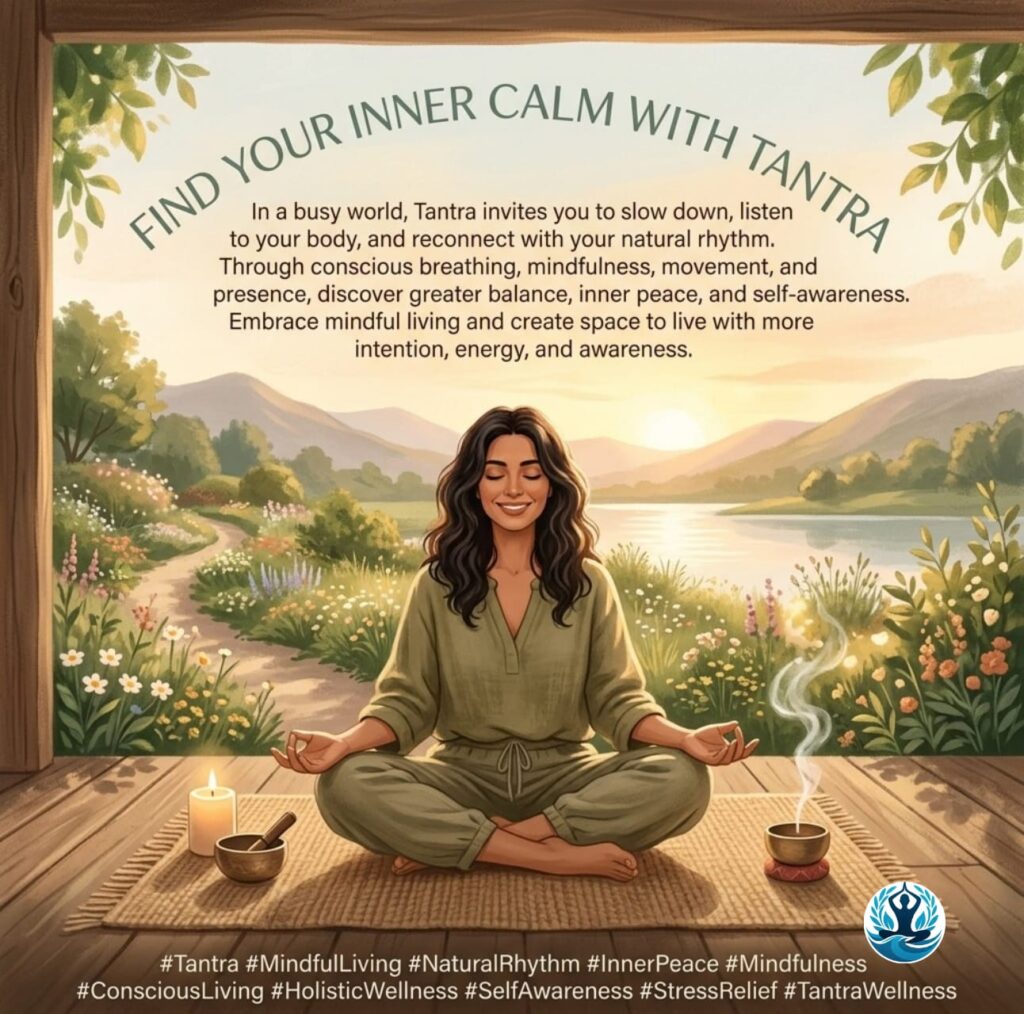
Tantra-inspired practices provide an opportunity to deliberately slow down.
Instead of adding another complicated task to your schedule, the practice can be integrated into activities you already perform.
For example:
Before work: Take two minutes to notice your breathing.
During work: Relax your shoulders and unclench your jaw.
During lunch: Eat without looking at your phone.
After work: Take a mindful walk.
Before sleep: Spend several minutes practicing quiet body awareness.
Small pauses can make a routine feel more intentional.
Tantra and Digital Overstimulation
Technology has made life more convenient, but constant digital engagement can make it difficult to disconnect.
Many people move directly from work emails to social media to entertainment without giving their attention an opportunity to settle.
Tantra’s emphasis on conscious awareness can inspire healthier digital boundaries.
Consider creating periods of:
- Screen-free meals
- Phone-free walks
- Quiet mornings
- Technology-free meditation
- Reduced notifications
- Screen-free time before bed
The goal is not necessarily to reject technology.
It is to become more conscious of how technology affects your attention and wellbeing.
Common Misunderstandings About Tantra
Tantra is often misunderstood because the word is frequently associated only with sexuality.
In reality, Tantra encompasses diverse philosophical and spiritual traditions, practices, texts, and lineages. Its history is complex and varies across Hindu and Buddhist traditions.
Modern wellness programs may use selected Tantra-inspired techniques, but these should not automatically be treated as representative of every traditional Tantra lineage.
Therefore, when exploring Tantra for wellness, it is useful to ask:
- What tradition does the practice come from?
- Who is teaching it?
- What training do they have?
- What exactly does the practice involve?
- Is the approach respectful of its traditional context?
- Are health claims being exaggerated?
Choosing qualified and ethical teachers is particularly important.
Is Tantra a Replacement for Medical or Mental Health Treatment?
No.
Tantra-inspired meditation, breathing, and mindfulness practices may complement a healthy lifestyle, but they should not automatically be considered treatments for medical or mental health conditions.
If someone experiences persistent anxiety, depression, trauma symptoms, severe sleep problems, panic, or other significant concerns, professional healthcare support may be appropriate.
Some intensive breathwork or meditation practices may also be unsuitable for certain individuals.
A qualified healthcare professional can help determine what is appropriate for your circumstances.
How to Build a Consistent Tantra Practice
Consistency is often more useful than intensity.
Instead of practicing for an hour once a month, consider beginning with 10–15 minutes several times a week.
Start Small
Choose one practice such as breath awareness or mindful movement.
Practice Regularly
Connect your practice to an existing habit, such as waking up or preparing for bed.
Avoid Perfectionism
Some days will feel calm; others will feel distracted.
Both experiences are normal.
Focus on Awareness
Do not measure success only by how relaxed you feel.
Learning to notice your current state is itself valuable.
Gradually Expand
Once a basic practice feels comfortable, you can explore meditation, mindful movement, or other practices with appropriate guidance.
Frequently Asked Questions
What is Tantra for nervous system regulation?
Tantra for nervous system regulation generally refers to Tantra-inspired practices involving awareness, breathing, meditation, conscious movement, and relaxation that may support stress management and mind-body awareness.
Can Tantra reduce stress?
Tantra-inspired mindfulness and relaxation practices may help some people manage everyday stress by encouraging slower breathing, present-moment awareness, relaxation, and recognition of physical and emotional tension.
Can Tantra help with anxiety?
Mindfulness and relaxation practices may support general emotional wellbeing, but Tantra should not be presented as a guaranteed treatment for anxiety disorders. Persistent or severe anxiety should be discussed with a qualified healthcare professional.
How often should I practice?
Beginners can consider starting with 5–15 minutes several times a week and gradually developing a sustainable routine.
Does Tantra involve meditation?
Many Tantra traditions include contemplative or meditative practices, although Tantra is a broad category with significant variation between traditions.
Is Tantra only about sexuality?
No. Tantra encompasses diverse spiritual and philosophical traditions. Sexuality is only one aspect associated with some modern interpretations and should not be used to define Tantra as a whole.
Conclusion
Tantra for nervous system regulation can be approached as a pathway toward greater awareness rather than a quick solution to stress.
Through conscious breathing, meditation, mindful movement, body awareness, emotional observation, and intentional pauses, Tantra-inspired practices can encourage a deeper connection between mind and body.
The central idea is simple: slow down enough to notice what is happening within you.
When you become more aware of your breathing, physical sensations, thoughts, emotions, and everyday habits, you may become better equipped to respond to stress consciously rather than automatically.
Tantra does not require constant calm or perfection. Instead, it can encourage presence, self-awareness, and a more balanced relationship with everyday experiences.
In a world that often rewards constant activity, learning to pause can be powerful. Finding calm from within begins with something simple—being present enough to notice yourself.