

Tantra for Personal Growth: Turning Awareness Into Positive Change

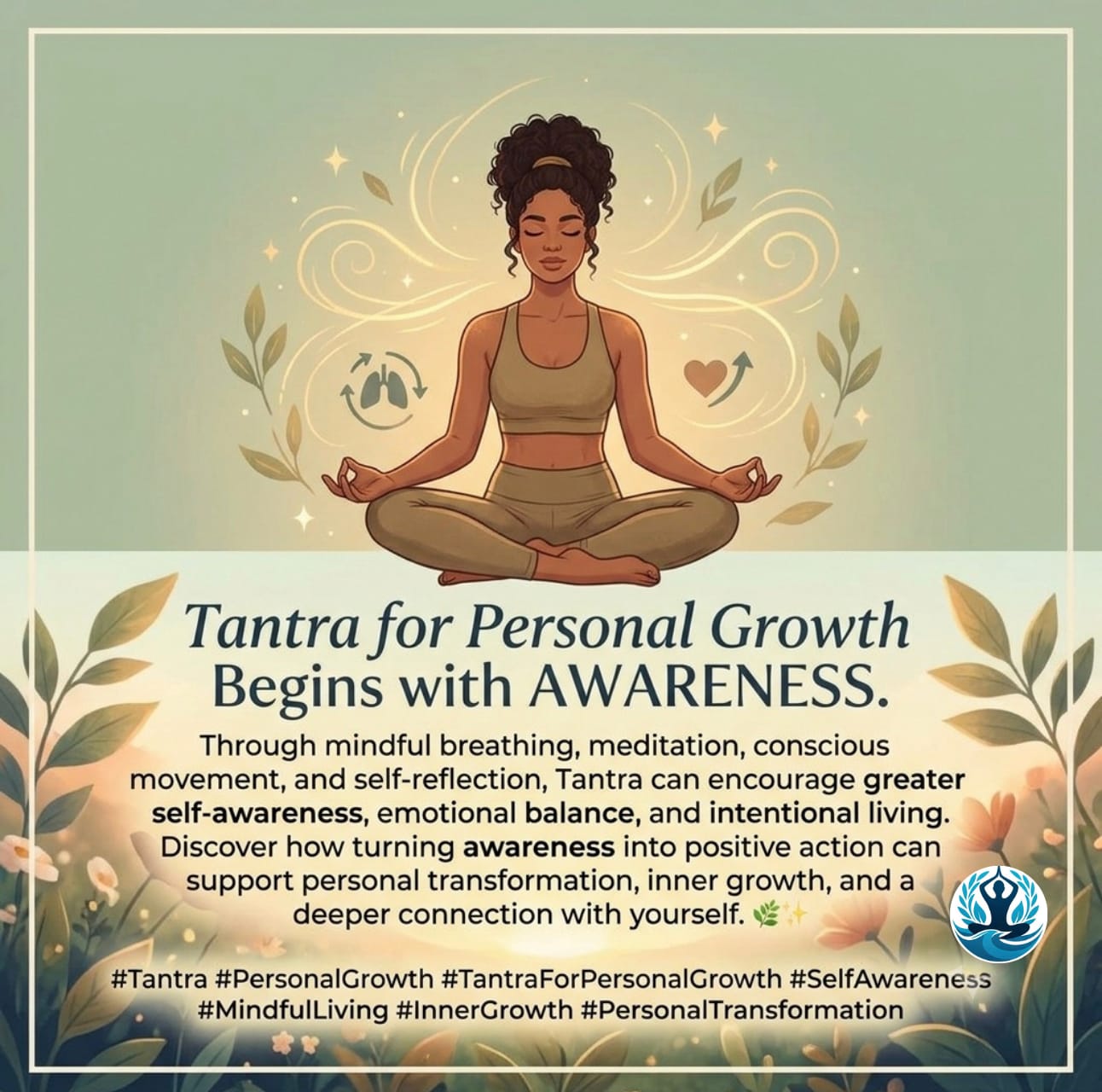
Personal growth is an ongoing journey of understanding yourself, recognizing your patterns, developing greater awareness, and making conscious choices that support a more meaningful life. In today’s fast-paced world, personal development is often associated with productivity, achievement, and constant self-improvement. However, genuine growth can also begin with something much quieter: awareness.
This is where Tantra for personal growth can offer a valuable holistic perspective.
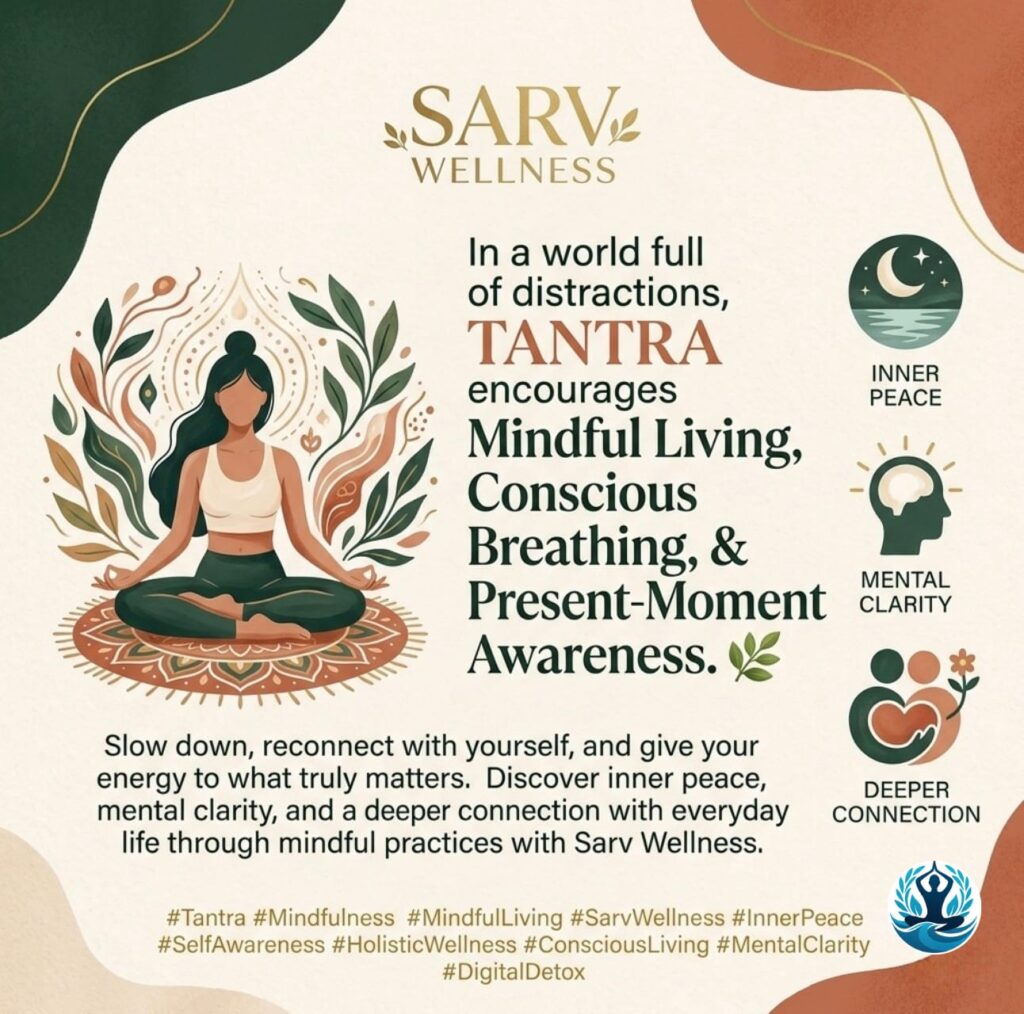
Tantra is a broad spiritual and philosophical tradition with diverse practices and interpretations. In modern wellness settings, Tantra may include practices involving meditation, breath awareness, conscious movement, contemplation, sensory awareness, and intentional living. Rather than focusing only on changing external circumstances, these approaches can encourage individuals to observe their thoughts, emotions, bodily sensations, habits, and reactions with greater awareness.
When awareness becomes stronger, positive change can become more intentional.
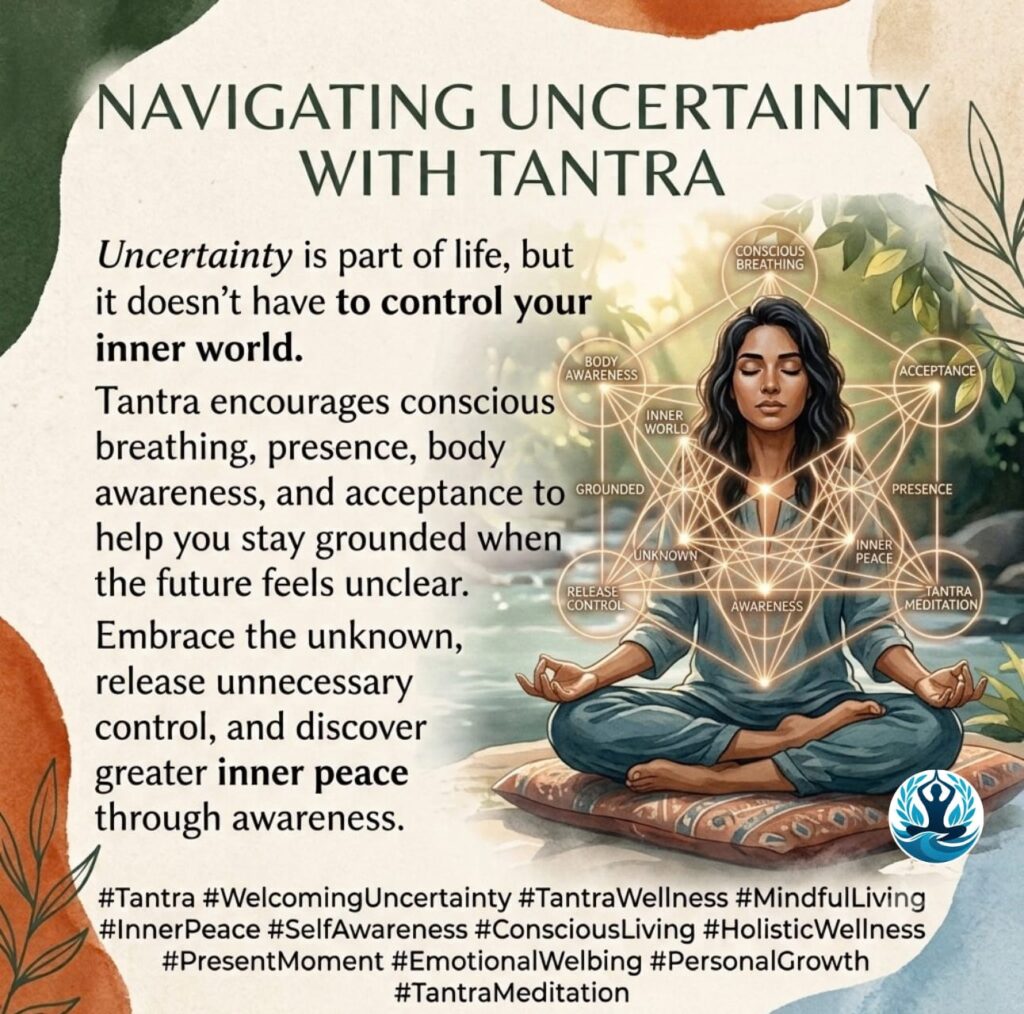
Instead of automatically reacting to stressful situations, a person may learn to pause. Instead of ignoring difficult emotions, they may become more comfortable observing and understanding them. Instead of constantly seeking external validation, they may begin developing greater self-acceptance.
This article explores how Tantra can be approached as a tool for personal growth and how awareness may become the starting point for meaningful, sustainable change.
What Is Tantra for Personal Growth?
Tantra for personal growth refers to using awareness-based Tantric principles and practices to explore the relationship between the mind, body, emotions, attention, and everyday experiences.
Traditional Tantra encompasses many spiritual and philosophical systems, so it is important not to reduce Tantra to a single technique or modern wellness practice. Contemporary approaches may borrow elements such as meditation, breathwork, mindful movement, and sensory awareness while presenting them in a personal-development context.
The central idea is simple:
Awareness creates the possibility of conscious choice.
When you become aware of how you think, feel, and respond, you can begin to recognize patterns that may no longer serve you.
For example:
- You may notice that you automatically become defensive during criticism.
- You may recognize that you avoid uncomfortable emotions.
- You may discover that you constantly seek approval from others.
- You may realize that you rarely pause during a busy day.
- You may notice physical tension before you consciously recognize stress.
- You may become more aware of habits that affect your energy and wellbeing.
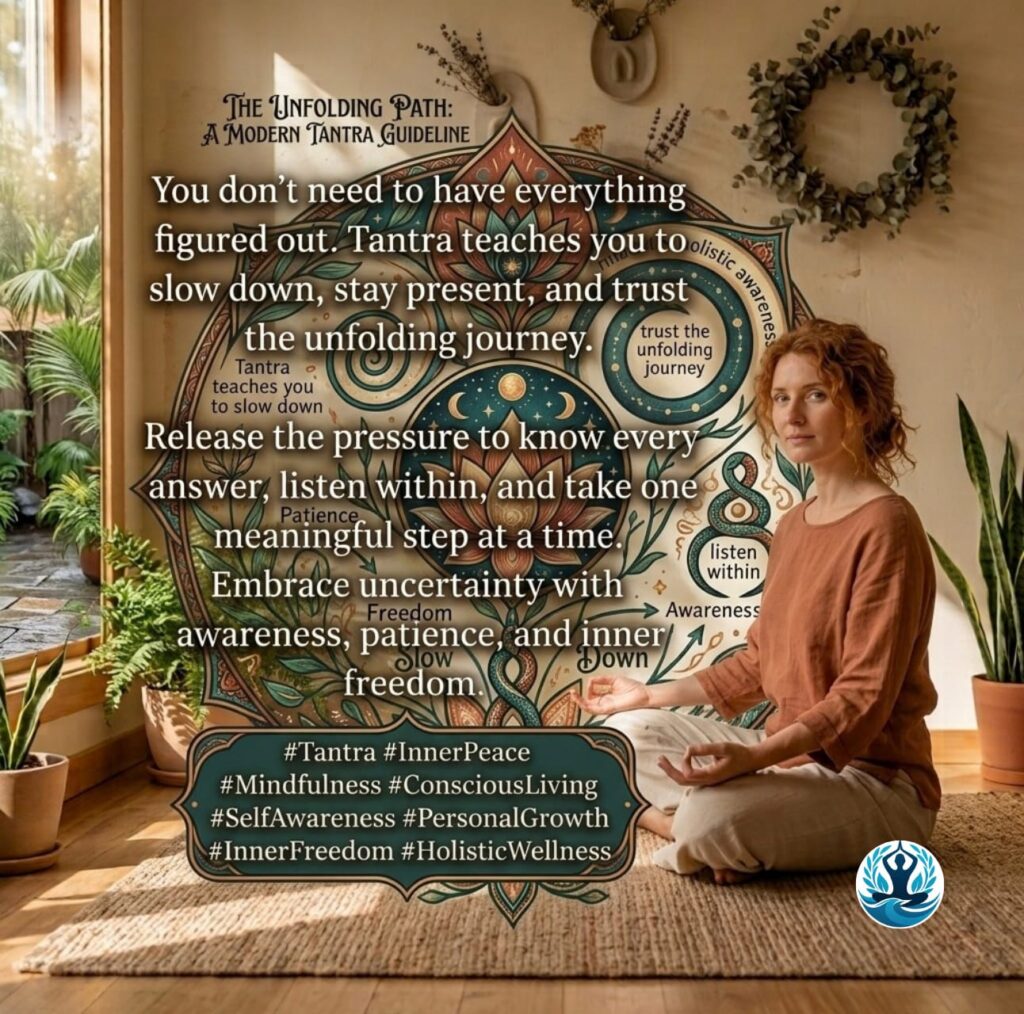
Awareness does not automatically solve these challenges, but it creates an opportunity to respond differently.
1. Tantra Encourages Deeper Self-Awareness
Self-awareness is one of the foundations of personal growth.
Without awareness, it is difficult to understand why you behave, think, or react in certain ways. You may repeat the same patterns without recognizing them.
Tantric-inspired mindfulness practices can encourage you to observe yourself without immediately judging what you discover.
This might involve noticing:
- Thoughts
- Emotions
- Physical sensations
- Breathing patterns
- Energy levels
- Behavioral reactions
- Relationship patterns
- Personal needs
- Habits and routines
For example, during a quiet meditation, you might notice that your mind becomes particularly active whenever you think about work. Rather than immediately trying to eliminate those thoughts, you can simply observe them.
Over time, this observation can provide useful information about your internal experience.
Awareness Before Change
Personal transformation often begins with recognition.
You cannot consciously change a pattern that you do not recognize.
Tantra can therefore be viewed as a practice of becoming more familiar with yourself.
2. Tantra Helps Create a Pause Between Reaction and Response
Modern life can encourage automatic reactions.
A stressful email arrives, and you immediately respond emotionally.
Someone criticizes you, and you become defensive.
A difficult situation appears, and your mind immediately predicts the worst.
Awareness-based practices can help create a small space between what happens and how you respond.
This pause is extremely valuable for personal growth.
Instead of:
Trigger → Automatic Reaction
you can gradually develop:
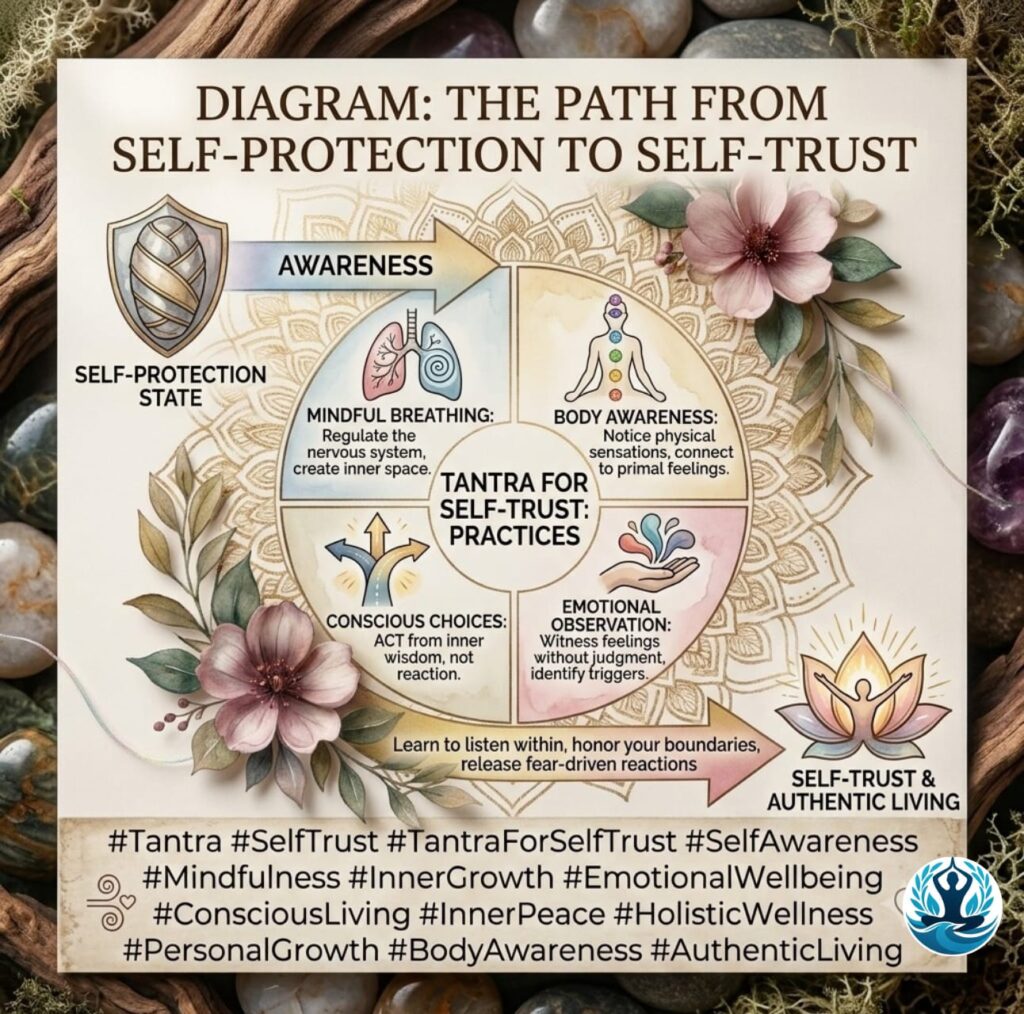
Trigger → Awareness → Choice → Response
This does not mean you will never experience difficult emotions. Rather, you may become better at recognizing them before allowing them to completely control your behavior.
That can support emotional maturity and conscious decision-making.
3. Tantra Supports Mindful Living
Mindfulness means paying attention to present experience with greater openness and awareness.
Tantric approaches may encourage people to become more conscious of ordinary experiences instead of moving through life automatically.
For example, eating can become an opportunity to notice taste, texture, smell, and physical sensations.
Walking can become an opportunity to notice breathing, movement, surroundings, and bodily sensations.
Breathing can become a reminder to slow down and reconnect with the present moment.
These simple practices can transform everyday activities into opportunities for awareness.
Why Does This Matter for Personal Growth?
When you become more present, you may notice experiences that previously passed unnoticed.
You may become more aware of what gives you energy and what drains you.
You may notice which environments support your wellbeing.
You may recognize when you need rest.
You may become more conscious of how you communicate with others.
Personal growth can therefore become part of everyday life rather than something reserved for occasional workshops or retreats.
4. Tantra Can Encourage Greater Emotional Awareness
Emotions are an important part of personal development.
However, many people learn to suppress, ignore, or avoid uncomfortable emotions.
Instead of acknowledging sadness, anger, disappointment, fear, or frustration, they may distract themselves or simply continue with their responsibilities.
Awareness-based Tantra practices can encourage a different approach: notice the emotion without immediately judging it.
This might involve asking:
- What am I feeling?
- Where do I notice this emotion in my body?
- What happened before this feeling appeared?
- What does this emotion seem to be communicating?
- Am I reacting automatically?
- What response would be more aligned with my values?
This kind of reflection can support emotional literacy.
The goal is not to eliminate emotions but to develop a healthier relationship with them.
5. Tantra Can Improve Body Awareness
Personal growth is not only a mental process.
The body can provide valuable information about your internal state.
You may notice:
- Tight shoulders when under pressure
- A tense jaw during frustration
- Shallow breathing during nervousness
- A relaxed body when you feel safe
- Restlessness when you are overwhelmed
- Fatigue when you have ignored your need for recovery
Conscious movement, breath awareness, and meditation can help you become more attentive to these signals.
Greater body awareness may make it easier to recognize when you need to pause, rest, move, breathe, or change your environment.
This can contribute to a more integrated understanding of yourself.
6. Tantra Encourages Self-Acceptance
Personal growth does not require constant criticism of yourself.
Sometimes the belief that you must become “better” can create another form of pressure.
A more balanced approach is to recognize where you are while remaining open to growth.
Self-awareness can reveal strengths as well as limitations.
You might discover:
- Your ability to remain calm
- Your creativity
- Your resilience
- Your communication strengths
- Your emotional sensitivities
- Your recurring challenges
- Your personal values
- Areas where you want to grow
Tantra-inspired awareness can encourage observation without immediately labeling experiences as good or bad.
This can support self-acceptance.
Self-Acceptance Does Not Mean Giving Up
Accepting yourself does not mean refusing to change.
It means starting from an honest understanding of where you are rather than fighting against yourself.
From that foundation, change can become more compassionate and sustainable.
7. Tantra Can Help Identify Limiting Patterns
One of the most useful aspects of self-awareness is recognizing repetitive patterns.
You may repeatedly:
- Procrastinate when something feels difficult
- Avoid uncomfortable conversations
- Seek approval
- Overthink decisions
- Ignore personal boundaries
- Become overly self-critical
- Suppress emotions
- Take on too many responsibilities
Awareness allows you to observe these patterns.
Once you recognize them, you can begin asking why they occur.
For example:
Pattern: Avoiding difficult conversations.
Awareness: “I notice that I become uncomfortable whenever conflict appears.”
Reflection: “Perhaps I am afraid of rejection.”
Choice: “I can communicate honestly while remaining respectful.”
This is how awareness can become positive change.
8. Tantra Supports Conscious Decision-Making
Personal growth involves making better decisions.
However, decisions are often influenced by fear, habit, social expectations, or emotional impulses.
Awareness can help you examine your motivations before acting.
Before making an important decision, you might ask:
- Is this genuinely important to me?
- Am I acting from fear?
- Am I trying to please someone?
- Does this decision reflect my values?
- What are the consequences?
- What does my body and mind seem to be telling me?
- Am I reacting or consciously choosing?
These questions encourage intentional living.
The objective is not to make perfect decisions but to make decisions with greater awareness.
9. Tantra Can Support Greater Inner Confidence
Confidence is not always about appearing strong or successful.
A deeper form of confidence can develop from knowing yourself.
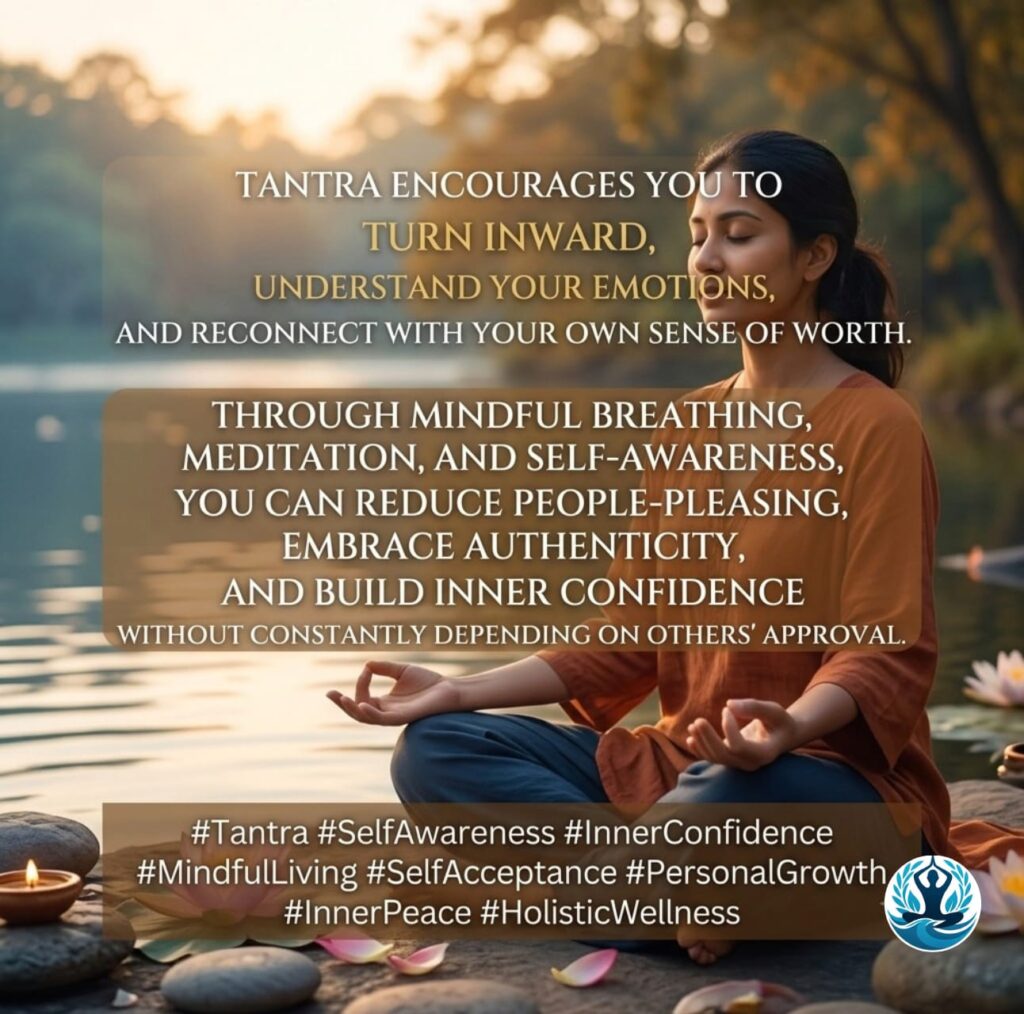
When you understand your emotions, values, strengths, boundaries, and needs, you may become less dependent on external approval.
Tantra for personal growth can encourage this internal connection.
Instead of constantly asking:
“What will others think of me?”
you may gradually begin asking:
“What feels authentic and aligned with my values?”
This shift can support self-trust.
10. Tantra and Conscious Relationships
Personal growth also affects relationships.
When you become more aware of your emotional patterns, you may begin to communicate differently.
You may notice when you are:
- Interrupting
- Becoming defensive
- Avoiding vulnerability
- Seeking validation
- Ignoring boundaries
- Making assumptions
- Reacting from past experiences
Greater awareness can help you pause and communicate more consciously.
For example, instead of immediately blaming someone, you may express your experience more clearly:
“I felt hurt when that happened, and I would like to understand what happened.”
This type of communication can encourage healthier relationships.
11. Tantra Can Encourage Healthy Boundaries
Personal growth includes learning when to say yes and when to say no.
Without healthy boundaries, people may constantly prioritize others while ignoring their own needs.
Awareness can help you recognize when you are uncomfortable, overwhelmed, resentful, or exhausted.
You may begin asking:
“Am I saying yes because I genuinely want to, or because I am afraid of disappointing someone?”
This simple question can be transformative.
Healthy boundaries are not about rejecting others.
They are about understanding your limits and communicating them respectfully.
12. Tantra and the Power of Breath
Breathing is one of the simplest ways to reconnect with the present moment.
Conscious breathing practices are commonly incorporated into contemporary mindfulness and Tantric wellness approaches.
When you intentionally observe your breath, attention moves away from constant mental activity and toward present bodily experience.
A simple practice might involve:
- Sit comfortably.
- Relax your shoulders.
- Notice your natural breathing.
- Feel the movement of the abdomen or chest.
- Avoid forcing the breath.
- When your attention wanders, gently return to breathing.
- Continue for several minutes.
The purpose is not to achieve a special state.
It is to practice awareness.
Over time, this can become a simple daily reminder to pause and reconnect with yourself.
13. Tantra and Conscious Movement
Movement can also become a practice of awareness.
Instead of exercising only to achieve an external goal, conscious movement focuses attention on how the body feels.
This might include:
- Gentle stretching
- Slow walking
- Yoga-inspired movement
- Mindful mobility
- Dance
- Body scanning
- Slow coordinated movements
The key is attention.
Ask yourself:
“What am I experiencing in my body right now?”
This can make movement more connected and intentional.
14. Tantra Can Encourage a More Intentional Lifestyle
Personal growth becomes more meaningful when awareness influences everyday choices.
You might become more intentional about:
- Sleep
- Nutrition
- Work
- Rest
- Relationships
- Digital consumption
- Exercise
- Personal time
- Communication
- Recreation
Rather than trying to change everything at once, you can begin with small adjustments.
For example, you might create a five-minute morning awareness practice.
Or you might spend the final five minutes of your day reflecting on:
What did I learn about myself today?
Small practices can become powerful when they are consistent.
15. Tantra and Personal Transformation
Transformation is often presented as a dramatic experience.
In reality, personal transformation can happen gradually.
It may look like:
- Becoming less reactive
- Listening more carefully
- Recognizing your emotions
- Taking better care of yourself
- Communicating more clearly
- Trusting yourself more
- Setting healthier boundaries
- Becoming more present
- Making decisions based on your values
These changes may seem small individually.
Together, they can significantly influence how you experience your life.
Tantra for personal growth is therefore less about becoming a completely different person and more about becoming more conscious of who you already are.
A Simple Tantra-Inspired Personal Growth Routine
You do not necessarily need a complicated routine to begin exploring awareness.
Morning: 5 Minutes of Awareness
Sit comfortably and observe your breathing.
Ask:
“How do I feel today?”
Do not try to change the answer.
Simply notice.
During the Day: Pause
Before responding to stressful situations, take a few conscious breaths.
Ask:
“What am I feeling, and how do I want to respond?”
Evening: Reflection
Spend five minutes reflecting on your day.
Consider:
- What did I notice about myself?
- When was I most present?
- What triggered me?
- What did I learn?
- What could I approach differently tomorrow?
This simple routine can turn awareness into a daily habit.
How to Turn Awareness Into Positive Change
Awareness is the beginning, but action creates change.
A useful process is:
Step 1: Notice
Recognize what is happening.
Step 2: Accept
Allow yourself to acknowledge the experience without unnecessary judgment.
Step 3: Understand
Explore why the pattern may be occurring.
Step 4: Choose
Decide how you want to respond.
Step 5: Practice
Repeat the new behavior.
Step 6: Reflect
Notice what changes over time.
This creates a cycle:
Awareness → Understanding → Choice → Action → Growth
Common Misconceptions About Tantra
Tantra is sometimes misunderstood because the word is used in many different ways in contemporary culture.
Traditional Tantric traditions are diverse and can involve sophisticated philosophical, ritual, meditative, and spiritual practices. Modern wellness programs may use the word Tantra to describe a narrower set of practices.
Therefore, it is useful to approach Tantra thoughtfully and distinguish traditional teachings from modern adaptations.
Tantra should also not be presented as a guaranteed cure for medical or psychological conditions.
If someone is experiencing significant mental or physical health concerns, professional healthcare support may be appropriate.
Who Can Explore Tantra for Personal Growth?
Awareness-based Tantric practices may appeal to people who want to explore:
- Self-awareness
- Mindfulness
- Personal development
- Emotional awareness
- Body awareness
- Conscious living
- Inner reflection
- More intentional relationships
- Greater connection with everyday experiences
You do not need to be an expert in meditation or spirituality to begin practicing basic awareness.
Starting slowly is often more sustainable than trying to make dramatic changes immediately.
Benefits of Tantra for Personal Growth
When practiced appropriately, awareness-oriented Tantra approaches may support several areas of personal development:
1. Greater Self-Awareness
You become more familiar with your thoughts, emotions, habits, and reactions.
2. Better Emotional Awareness
You may become more comfortable recognizing and understanding emotions.
3. Improved Mind–Body Connection
You learn to pay closer attention to physical sensations and internal signals.
4. More Conscious Choices
Awareness creates opportunities to respond rather than automatically react.
5. Greater Self-Acceptance
You can recognize yourself honestly without constantly criticizing yourself.
6. Healthier Boundaries
Understanding your needs can help you communicate limits more clearly.
7. Greater Presence
You become more engaged with your current experience.
8. Personal Resilience
Awareness may help you approach challenges with greater reflection and flexibility.
9. Deeper Relationships
Conscious communication and self-awareness can contribute to healthier interactions.
10. Intentional Living
You can begin making choices that better reflect your personal values.
Building a Long-Term Tantra Practice
Consistency is more important than intensity.
You do not have to spend hours practicing every day.
A sustainable practice might involve:
5–10 minutes: Breath awareness
5–10 minutes: Meditation
10 minutes: Conscious movement
5 minutes: Evening reflection
The exact routine can vary according to your needs and experience.
The most important element is maintaining awareness throughout the process.
Final Thoughts
Tantra for personal growth offers a perspective in which transformation begins with awareness.
Instead of constantly trying to change yourself from the outside, you can begin by observing your internal experience. Through practices such as meditation, conscious breathing, mindful movement, reflection, and intentional living, you may become more aware of your thoughts, emotions, body sensations, habits, and relationships.
That awareness can create space for conscious choices.
And conscious choices can gradually create positive change.
Personal growth is not about becoming perfect. It is about becoming more present, understanding yourself more deeply, recognizing patterns, and choosing actions that support the life you want to create.
Ultimately, the journey can be summarized simply:
Notice yourself. Understand yourself. Accept yourself. Choose consciously. Grow intentionally.
That is the deeper potential of approaching Tantra for personal growth as a practice of awareness and positive transformation.