

How Sarv Wellness Integrates Basic Tantra Into Holistic Healing

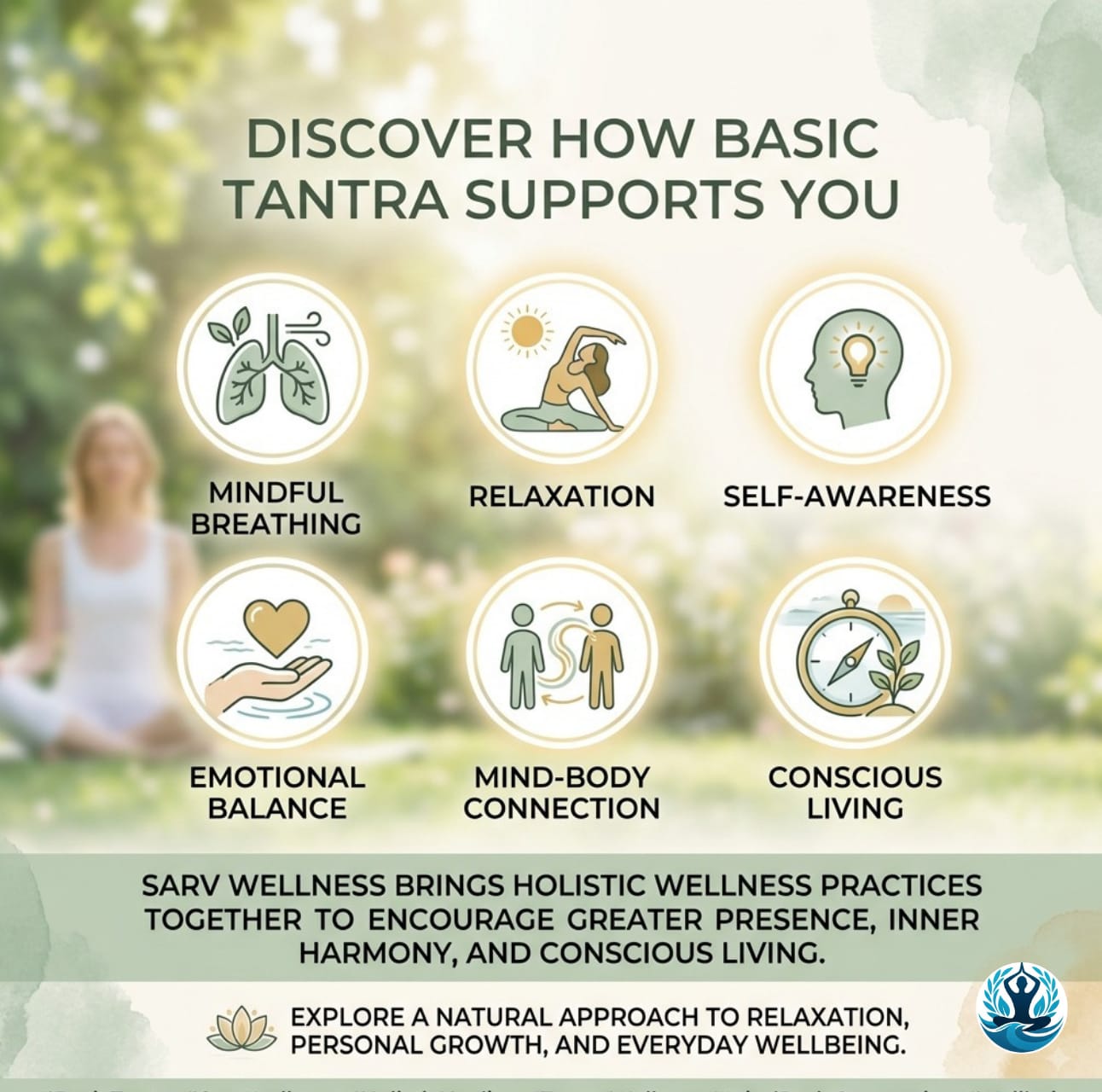
Modern life often moves at a pace that makes it difficult to pause, reconnect with ourselves, and recognize what our body and mind truly need. Continuous responsibilities, digital distractions, emotional pressure, and everyday stress can gradually affect relaxation, concentration, energy, and overall wellbeing. This is why many people are exploring holistic wellness approaches that look beyond a single aspect of health.
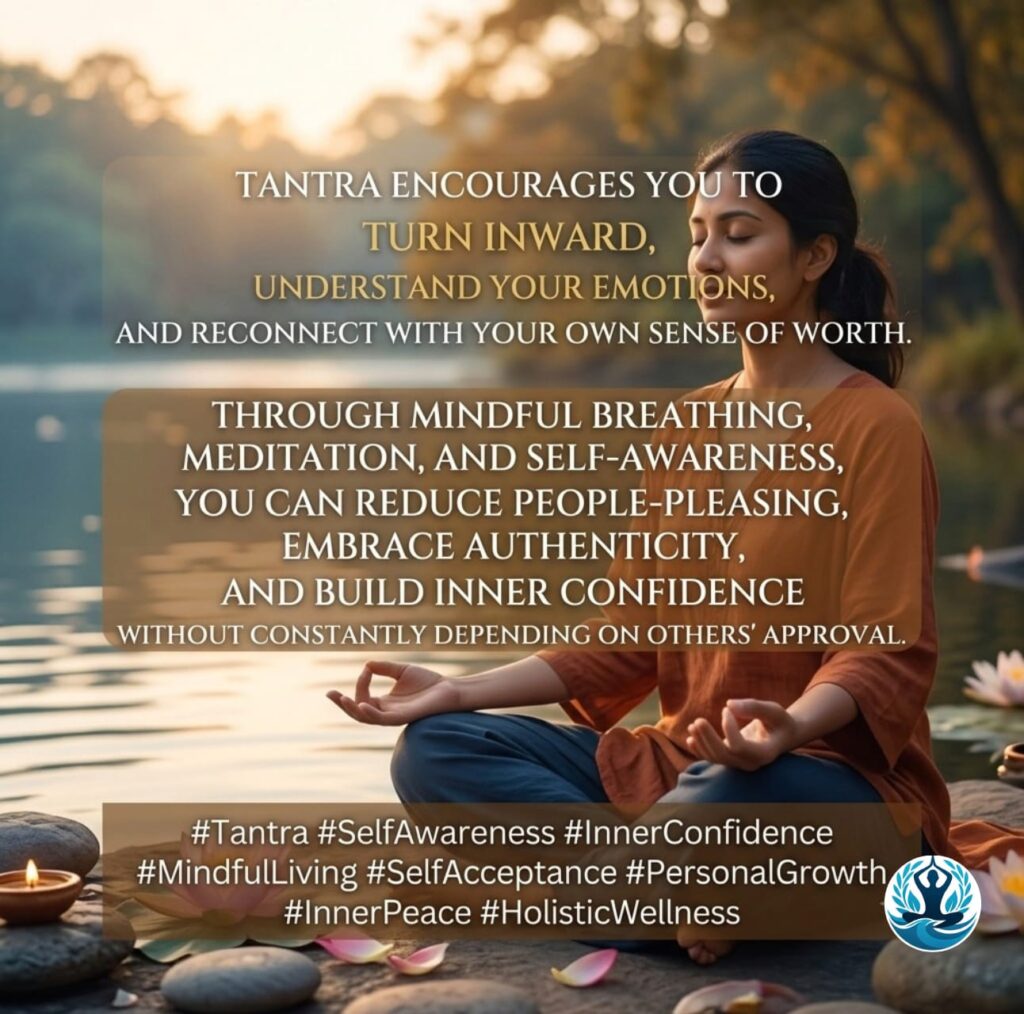
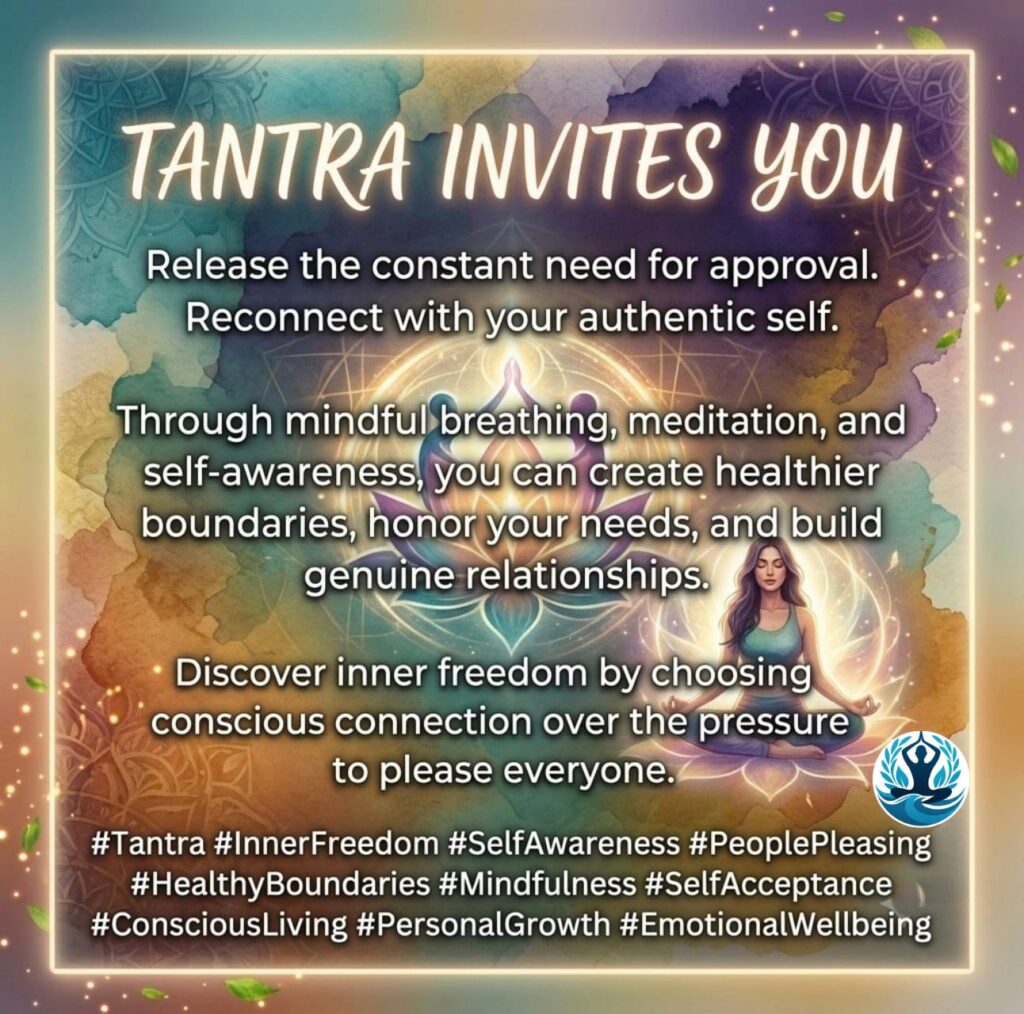
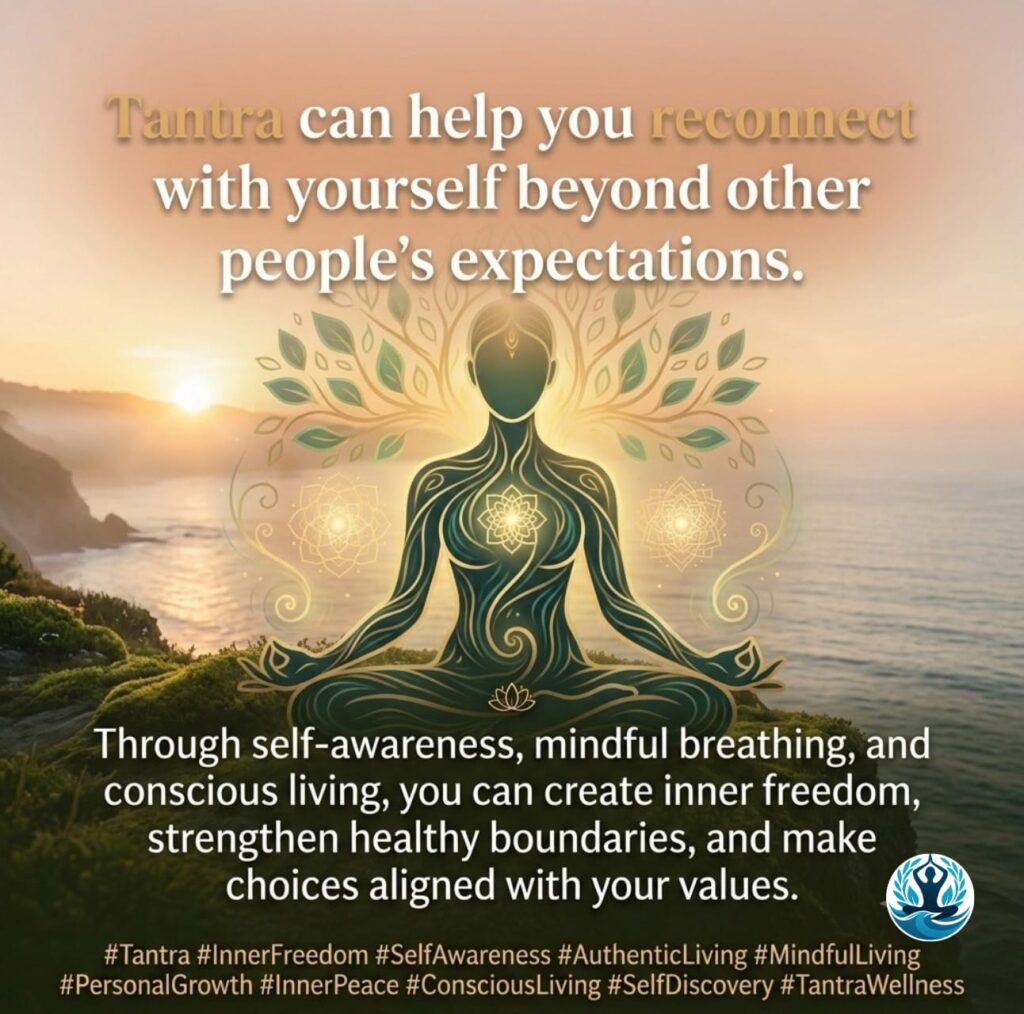
Basic Tantra can be understood as an awareness-centered approach that encourages people to become more conscious of the body, breath, emotions, thoughts, and present-moment experience. When introduced responsibly and appropriately, Tantra can become part of a broader holistic wellness journey focused on self-awareness, relaxation, mindful living, and inner balance.
At Sarv Wellness, Basic Tantra can be positioned within a holistic framework that recognizes the interconnected nature of mind and body. Rather than treating wellbeing as only physical or only mental, a holistic approach encourages greater awareness of how different dimensions of life influence one another.
The purpose of Basic Tantra in a wellness setting is not simply to perform techniques. It is about developing presence and learning to experience the body and mind with greater awareness. Practices involving conscious breathing, relaxation, meditation, body awareness, and mindful attention may help create a deeper sense of connection with oneself.
This article explores how Sarv Wellness integrates Basic Tantra into holistic healing, the principles behind the approach, its potential wellness benefits, and how beginners can understand Tantra as a mindful practice for everyday life.
What Is Basic Tantra?
Tantra is a broad and diverse spiritual and philosophical tradition with roots in South Asian traditions. It includes many different practices and interpretations, so it is important not to reduce Tantra to a single technique or definition.
In a modern wellness context, Basic Tantra can refer to introductory practices that emphasize awareness, presence, conscious breathing, meditation, body awareness, and a deeper connection between physical and mental experiences.
The word “Tantra” is sometimes misunderstood because of its association with sexuality in popular culture. However, traditional Tantric traditions are much broader than that. Depending on the tradition, they may include meditation, mantra, visualization, breath practices, ritual, philosophy, contemplation, and other methods of cultivating awareness.
For a wellness audience, the most useful starting point is often simple: become more present in your experience.
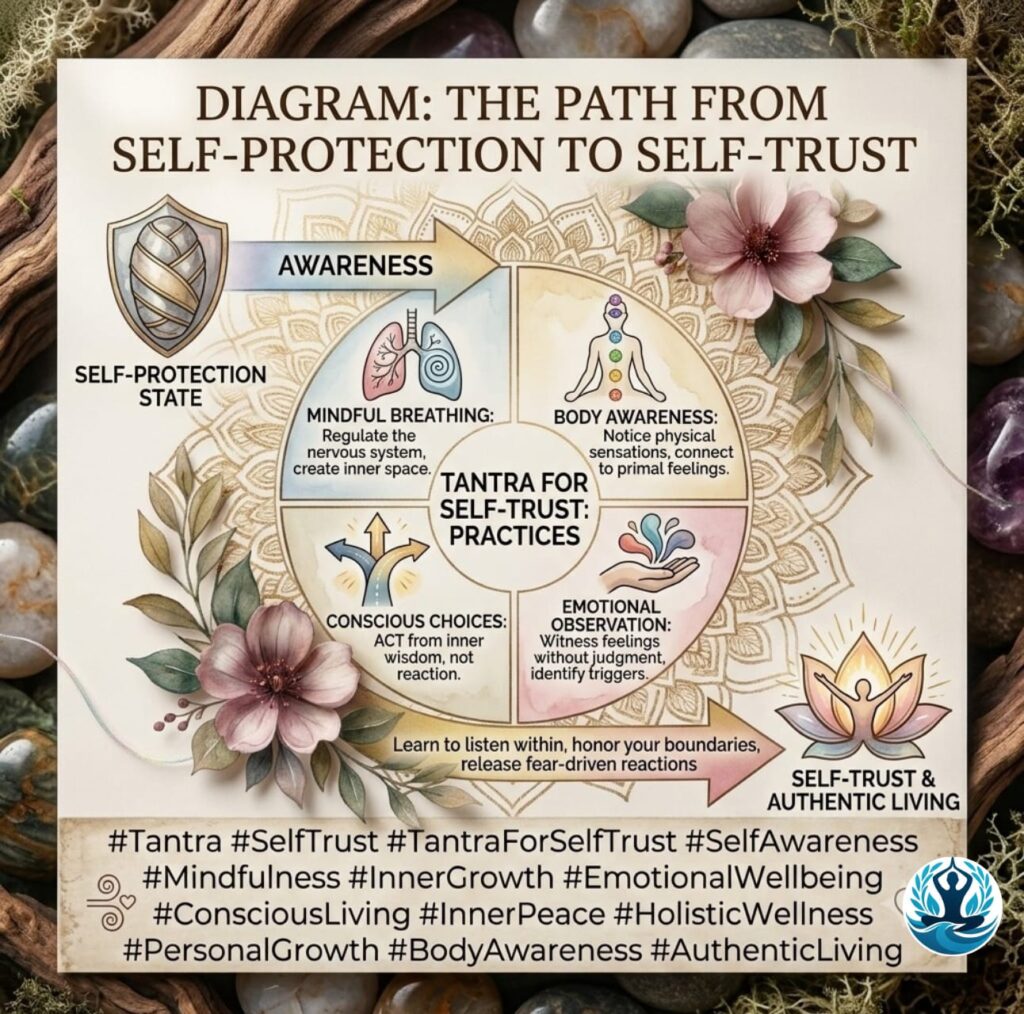
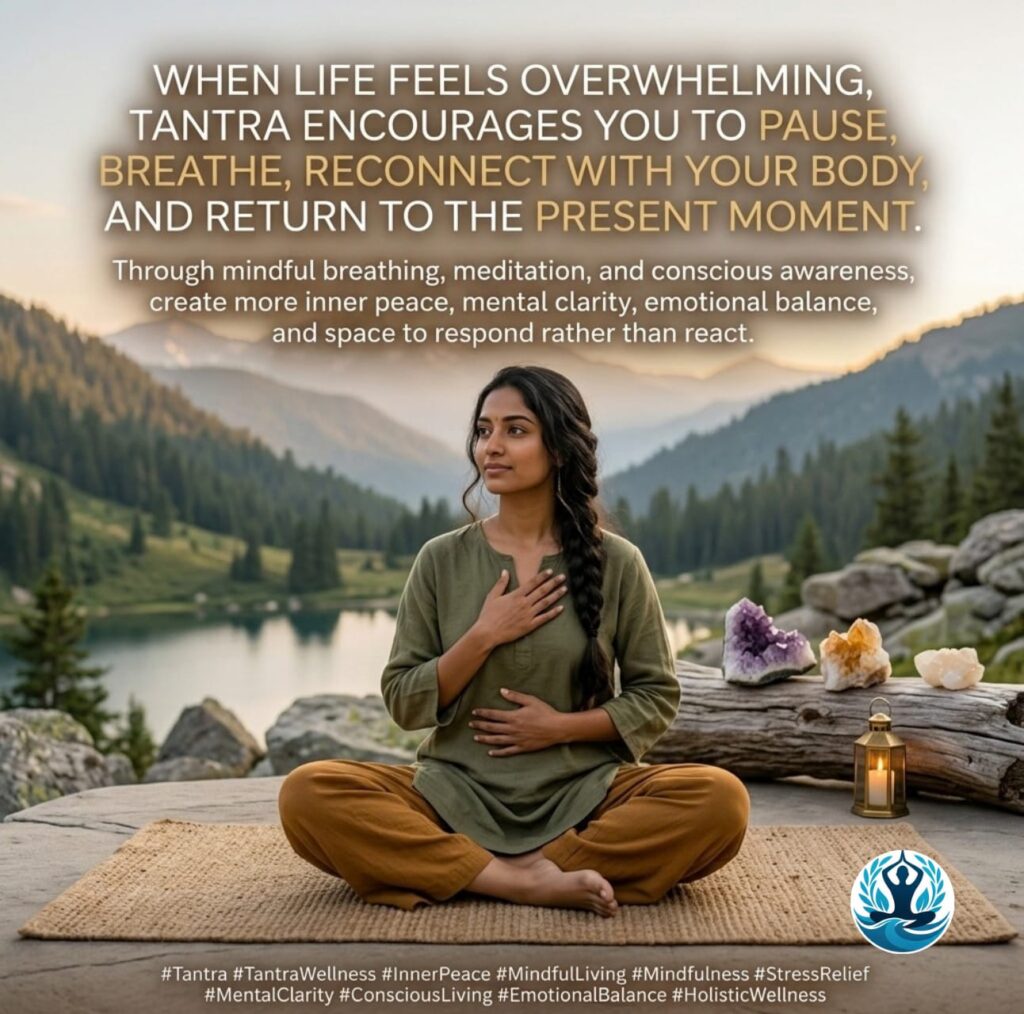
This can involve noticing your breathing, recognizing physical tension, observing emotions without immediately reacting to them, and creating space for relaxation.
Basic Tantra therefore does not need to be complicated. For beginners, it can be approached as a gradual practice of conscious awareness.
Sarv Wellness and the Holistic Healing Approach
Holistic wellness views a person as an interconnected whole. Physical experiences can influence emotional wellbeing, while mental stress can affect the way the body feels. Lifestyle, relationships, rest, environment, and personal habits can also contribute to an individual’s overall sense of balance.
An integrated wellness approach therefore considers more than one dimension of wellbeing.
At Sarv Wellness, Basic Tantra can be incorporated into this broader perspective by encouraging people to slow down and develop greater awareness of their internal experiences.
Instead of focusing exclusively on eliminating a particular symptom, the approach can emphasize questions such as:
- How does the body feel right now?
- What is the quality of the breath?
- Where is tension being held?
- What emotions are present?
- Is the mind constantly rushing toward the next task?
- Can there be a few moments of conscious relaxation?
- How can greater awareness be brought into everyday life?
These questions encourage individuals to participate actively in their own wellness journey.
Holistic healing does not necessarily mean replacing conventional healthcare. Rather, wellness practices can complement appropriate medical or mental-health care when needed. People experiencing persistent or serious physical or psychological symptoms should seek qualified healthcare professionals.
The Mind-Body Connection in Basic Tantra
One of the central ideas that makes Tantra relevant to holistic wellness is the relationship between mind and body.
People often experience stress mentally, but that stress can also be reflected physically. A person may notice tense shoulders, shallow breathing, restlessness, fatigue, or difficulty relaxing.
Similarly, physical discomfort can influence mood and concentration.
Basic Tantra encourages individuals to become more attentive to these connections. Instead of automatically ignoring physical or emotional signals, practitioners can learn to observe them.
For example, a simple breathing practice may invite someone to sit comfortably, notice the natural rhythm of breathing, and gradually become more aware of each inhalation and exhalation.
The objective is not necessarily to force the breath or achieve a particular state. It is to develop awareness.
Over time, this type of mindful attention may help people recognize when they are becoming tense or overwhelmed and encourage them to create moments of pause.
Basic Tantra for Stress Relief and Relaxation
Stress is a common part of modern life. Work demands, family responsibilities, financial concerns, social pressures, and constant connectivity can make it difficult to completely switch off.
Basic Tantra practices can provide structured opportunities to pause.
Breath awareness, meditation, slow movement, relaxation exercises, and mindful body awareness may be incorporated into a wellness routine to encourage a calmer experience.
A simple practice might involve sitting comfortably and spending several minutes observing the breath without judgment.
Another practice might involve slowly bringing attention through different parts of the body and noticing areas of tightness or comfort.
These practices do not promise to eliminate stress permanently. Instead, they can encourage greater awareness of how stress is experienced.
The more clearly a person recognizes tension, the easier it may become to introduce healthier pauses and relaxation habits into daily life.
Supporting Emotional Awareness
Emotional wellbeing is another important part of holistic healing.
People sometimes become disconnected from their emotions because of busy schedules, social expectations, or the habit of constantly staying productive. When emotions are ignored, individuals may find it difficult to understand what they need.
Basic Tantra can encourage a more observant relationship with emotions.
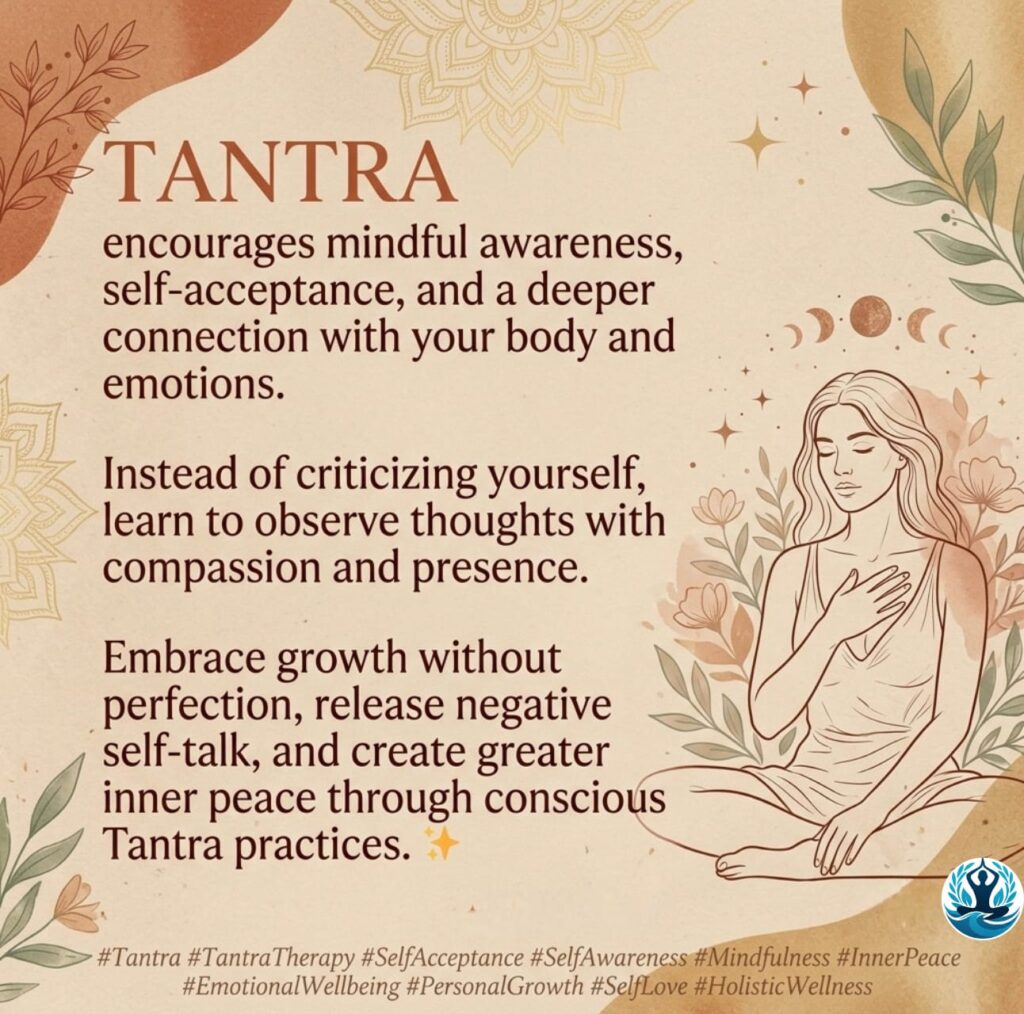
Instead of immediately labeling an emotion as good or bad, a person can practice noticing it.
For example:
“I feel frustrated.”
“I notice tension in my chest.”
“My thoughts feel particularly busy today.”
This kind of observation can create a small amount of space between an experience and an immediate reaction.
Emotional awareness does not mean suppressing emotions or allowing every emotion to control behavior. It means becoming more conscious of what is happening internally.
At Sarv Wellness, this principle can support a broader holistic approach in which emotional awareness becomes part of personal wellbeing and self-care.
Breath Awareness as a Foundation
Breathing is one of the simplest ways to bring attention into the present moment.
Because breathing happens continuously, it provides a natural anchor for awareness.
Basic Tantra practices may use conscious breathing to help individuals notice rhythm, pace, physical sensations, and moments of tension.
A beginner might simply sit comfortably and observe the breath for a few minutes.
There is no need to force a deep breath or achieve a particular experience. The practice can begin with simple observation.
With regular practice, conscious breathing can become a useful transition between a busy activity and a calmer state of attention.
For example, someone might spend two or three minutes practicing mindful breathing before beginning work, after finishing work, or before going to bed.
This illustrates how holistic wellness practices can become part of everyday life rather than remaining limited to a formal session.
Body Awareness and Presence
Many people spend much of their day thinking about the past or planning the future. Basic Tantra encourages a return to present-moment awareness.
Body awareness can be an accessible way to do this.
A practitioner might notice:
- The sensation of the feet touching the ground
- The movement of the breath
- The position of the shoulders
- Facial tension
- Temperature
- Muscle relaxation
- Overall physical comfort
The objective is not to judge these sensations but simply to notice them.
This can help create a stronger relationship with the body.
At Sarv Wellness, body awareness can complement other holistic practices by encouraging individuals to recognize their physical experiences rather than automatically moving through the day on autopilot.
Meditation and Mindful Attention
Meditation is another practice that can complement Basic Tantra.
Meditation does not always require long periods of sitting or complete silence. Beginners can start with a few minutes of focused awareness.
A simple practice may involve sitting comfortably, noticing the breath, and gently returning attention whenever the mind wanders.
The mind will naturally produce thoughts. The goal is not to eliminate thinking completely.
Instead, practitioners can learn to recognize when attention has wandered and calmly return to the chosen focus.
This process itself can strengthen awareness.
When combined with other holistic wellness practices, meditation can become part of a routine designed to encourage calm, presence, and self-reflection.
Creating a Safe and Respectful Wellness Environment
An important part of any Tantra-based wellness approach is creating an environment where individuals feel comfortable, respected, and informed.
Tantra should never be presented as something that requires a person to violate their boundaries or participate in activities they do not want.
Healthy wellness practice should be based on:
- Clear communication
- Personal boundaries
- Informed consent
- Respect
- Appropriate professional conduct
- Individual comfort
- Freedom to pause or stop a practice
This is particularly important because the word “Tantra” can carry different meanings for different people.
A responsible wellness approach should clearly explain what a session involves before beginning. Clients should understand the purpose of the practices and feel comfortable asking questions.
Basic Tantra and Self-Awareness
Self-awareness is one of the most valuable outcomes of a mindful wellness practice.
Self-awareness involves recognizing thoughts, emotions, physical sensations, habits, and behavioral patterns.
For example, someone may discover that they become tense whenever they are rushing. Another person may notice that they stop breathing naturally when concentrating. Someone else may recognize that they rarely give themselves time to rest.
These observations can become opportunities for positive lifestyle changes.
Basic Tantra does not have to provide all the answers. Instead, it can help people become more attentive to the questions.
What do I need?
Where am I holding tension?
What makes me feel grounded?
When do I feel most present?
What habits contribute to my wellbeing?
Such questions can support personal growth and conscious self-care.
Integrating Tantra Into Everyday Wellness
The value of a wellness practice often increases when its principles can be applied outside formal sessions.
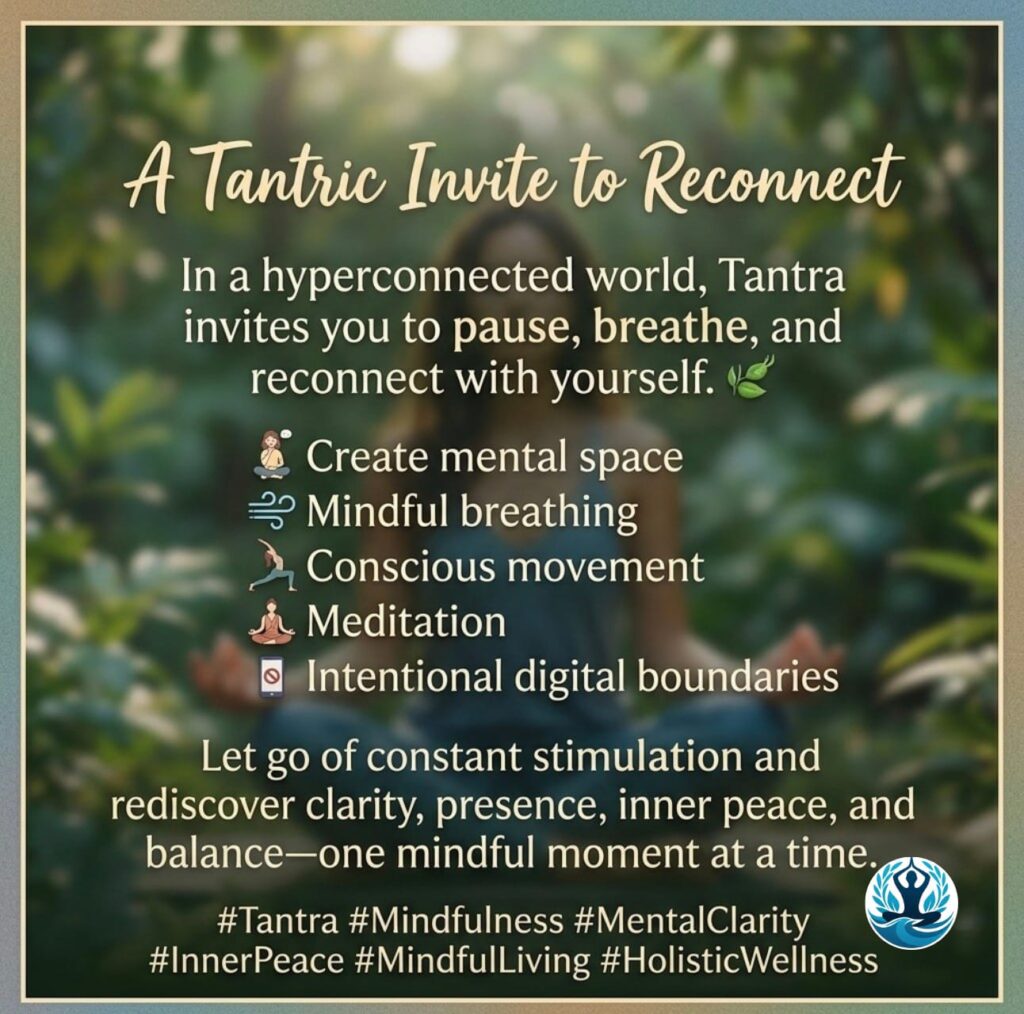
Basic Tantra can inspire simple habits throughout the day.
Morning Awareness
Start the morning with a few quiet minutes of breathing and body awareness rather than immediately reaching for a phone.
Mindful Transitions
Use transitions between activities as opportunities to pause. Take a few conscious breaths before moving from work to personal time.
Conscious Movement
Pay attention to how the body moves while walking, stretching, or performing everyday activities.
Evening Relaxation
Create a calming evening routine that encourages slower breathing, reduced stimulation, and present-moment awareness.
Mindful Eating
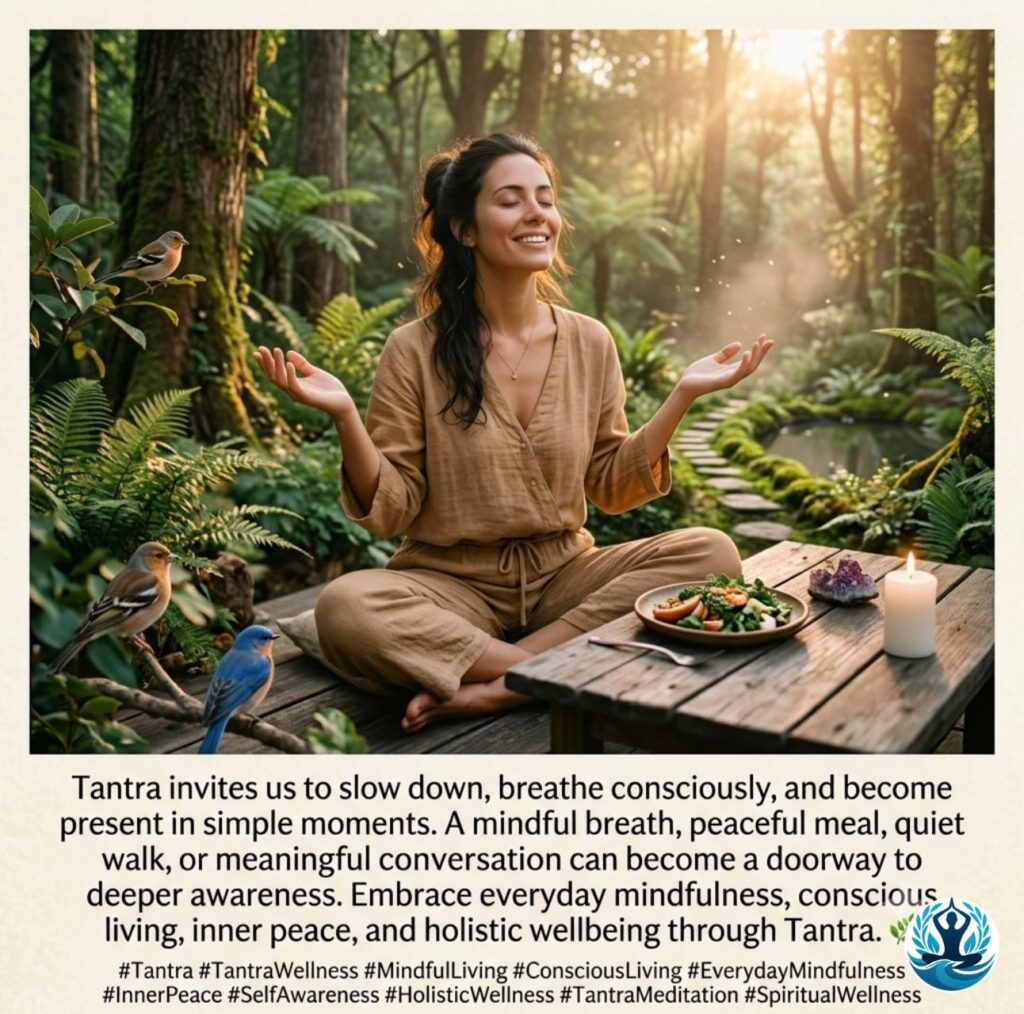
Eat without rushing whenever possible. Notice flavors, textures, aromas, and physical signals of hunger and fullness.
These simple practices demonstrate that Tantra-inspired awareness does not need to be separated from everyday living.
Benefits of a Basic Tantra Wellness Practice
People explore Basic Tantra for many different reasons. Potential wellness benefits may include:
1. Greater Relaxation
Mindful breathing and body awareness can create intentional periods of relaxation.
2. Improved Self-Awareness
Regular observation can help individuals recognize thoughts, emotions, and physical patterns.
3. Better Mind-Body Connection
Paying attention to bodily sensations may help people feel more connected with their physical experience.
4. Greater Present-Moment Awareness
Tantric mindfulness can encourage people to spend less time operating automatically and more time noticing the present.
5. Emotional Reflection
Mindful observation can provide space for recognizing and reflecting on emotions.
6. More Conscious Self-Care
Awareness can make it easier to recognize when rest, boundaries, movement, or relaxation may be needed.
7. Personal Growth
A consistent practice may encourage deeper reflection and greater understanding of personal habits.
These benefits can vary from person to person. Basic Tantra should be viewed as a wellness and self-awareness practice rather than a guaranteed treatment for medical or psychological conditions.
Who Can Explore Basic Tantra?
Basic Tantra can be suitable for adults who are interested in mindfulness, self-awareness, relaxation, holistic wellness, and personal growth.
Beginners do not need previous experience.
In fact, beginning with simple practices can be helpful because it allows individuals to understand the principles gradually.
People should always communicate relevant concerns and personal boundaries with a qualified practitioner before participating in any wellness session.
Those with significant medical or psychological concerns should consult an appropriate healthcare professional to determine what practices are suitable for them.
Why Consistency Matters
A single wellness session can provide an opportunity to pause, but long-term wellbeing often depends on consistent habits.
Basic Tantra can become more meaningful when practiced regularly and realistically.
Rather than attempting an intense routine, beginners can start with five or ten minutes of conscious breathing, meditation, or body awareness.
Consistency matters more than complexity.
A simple practice performed regularly can become a natural part of daily life.
Over time, people may become more familiar with their internal signals and more intentional about how they respond to stress, emotions, and everyday demands.
Basic Tantra as a Modern Holistic Wellness Practice
Although Tantra has ancient roots, its emphasis on awareness can be relevant to modern lifestyles.
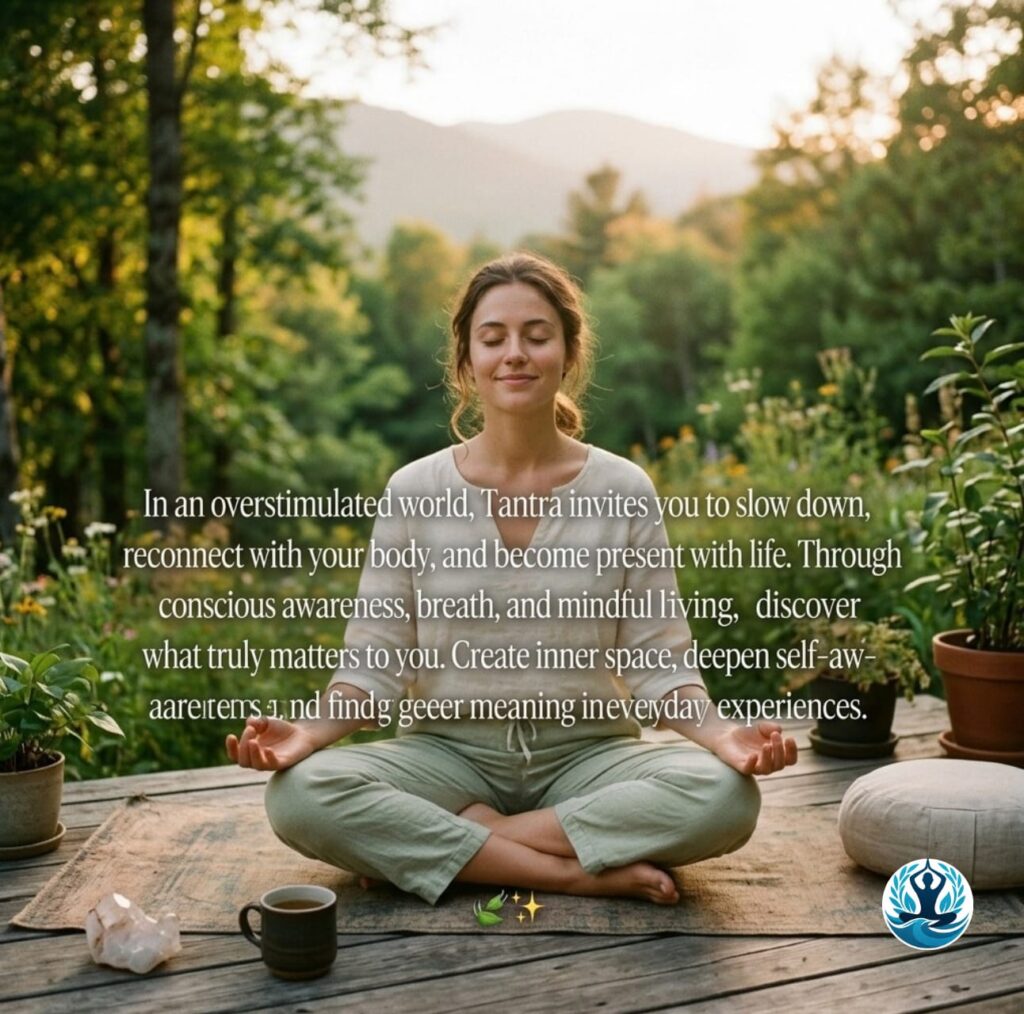
Today’s world is filled with notifications, multitasking, deadlines, and constant information. People may be physically present in one place while mentally somewhere else.
A mindfulness-oriented Tantra practice offers an opportunity to slow down.
The basic principle is simple:
Be present with your experience.
Whether that means noticing your breathing, relaxing the body, observing an emotion, or becoming aware of your surroundings, these small moments can encourage a more conscious way of living.
This makes Basic Tantra potentially valuable as part of a modern holistic wellness program.
How Sarv Wellness Can Support a Holistic Tantra Journey
A wellness center can play an important role by providing structure, guidance, and a supportive environment.
At Sarv Wellness, Basic Tantra can be presented as part of a broader journey toward awareness and wellbeing.
Rather than focusing on a single technique, an integrated approach can bring together principles such as:
- Mindful breathing
- Meditation
- Body awareness
- Relaxation
- Conscious movement
- Emotional awareness
- Self-reflection
- Mindful lifestyle habits
The exact structure of any wellness program should be based on the individual’s needs, comfort, experience, and goals.
This personalized approach can help make holistic wellness more practical and sustainable.
Common Misconceptions About Tantra
Myth 1: Tantra Is Only About Sexuality
This is one of the most common misunderstandings. Tantra encompasses diverse spiritual, philosophical, and contemplative traditions. Sexual practices represent only one part of some modern interpretations and should not define Tantra as a whole.
Myth 2: You Need Advanced Experience
Beginners can start with simple awareness, breathing, and meditation practices.
Myth 3: Tantra Requires Immediate Transformation
Wellness is generally a gradual process. Individuals may experience different results at different times.
Myth 4: Tantra Replaces Medical Care
A wellness practice should not be presented as a substitute for necessary medical or mental-health treatment.
Myth 5: More Intense Practice Is Always Better
Effective self-care does not have to be extreme. Sustainable, comfortable, and appropriate practices are often more practical for everyday life.
Building a Personal Holistic Wellness Routine
A basic routine inspired by Tantra can be simple.
Morning: Spend five minutes observing your breathing and physical sensations.
During the day: Take short mindful pauses between activities.
Afternoon: Notice whether the body is holding unnecessary tension.
Evening: Practice a few minutes of quiet reflection or meditation.
Before sleep: Reduce stimulation and allow yourself time to transition into rest.
The goal is not perfection. The goal is awareness.
If a person misses a day, they can simply begin again.
The Importance of Personal Boundaries
Holistic wellness should always respect individual boundaries.
A person should never feel pressured to participate in an exercise that makes them uncomfortable.
Clear consent and communication are essential, particularly in any practice involving physical interaction or sensitive personal experiences.
For this reason, a professional wellness environment should explain practices clearly, establish appropriate boundaries, and provide clients with the freedom to make informed choices.
A respectful approach helps create trust and supports a healthier wellness experience.
Choosing Basic Tantra as Part of Your Wellness Journey
For people interested in exploring Tantra, beginning with basic practices can be a practical approach.
Start with awareness.
Learn to observe breathing.
Notice physical sensations.
Practice relaxation.
Develop mindful attention.
Reflect on emotions.
Bring awareness into everyday activities.
These foundations can provide a meaningful starting point without making the practice unnecessarily complicated.
At Sarv Wellness, the integration of Basic Tantra into holistic wellness can help introduce individuals to these principles in a structured and supportive setting.
Conclusion
How Sarv Wellness integrates Basic Tantra into holistic healing can be understood through a simple but powerful idea: wellbeing involves the whole person.
Basic Tantra can encourage individuals to slow down, notice their breathing, connect with their body, observe emotions, and become more present in everyday life. When combined with meditation, relaxation, mindful movement, self-reflection, and conscious lifestyle habits, these principles can form part of a broader holistic wellness journey.
The potential value of Basic Tantra lies not in complicated techniques but in developing greater awareness.
At Sarv Wellness, this approach can help individuals explore the relationship between mind, body, emotions, and daily habits while encouraging a more balanced approach to self-care.
Whether someone is completely new to Tantra or already interested in holistic wellness, beginning with simple practices can make the journey approachable.
Ultimately, holistic healing is not about becoming a different person overnight. It is about developing a deeper awareness of the person you already are and learning to care for your wellbeing with greater intention.
Start with one breath. Notice one sensation. Take one mindful pause. Small moments of awareness can become meaningful steps toward a calmer, more conscious, and balanced way of living.