

What Positive Changes Occur in the Body From Undergoing Tantra Therapy?

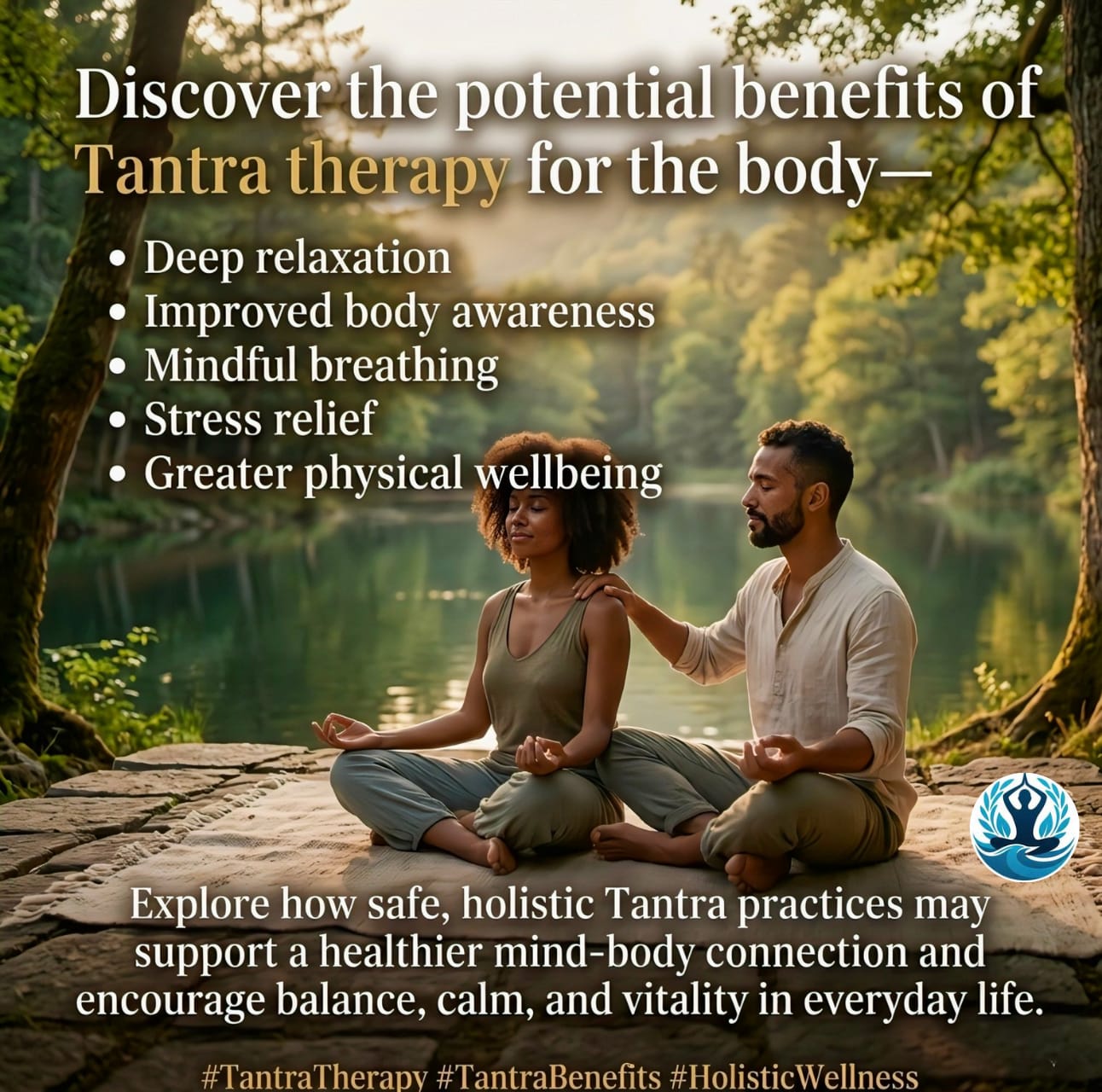
In today’s fast-paced world, constant stress, emotional pressure, sedentary habits, poor sleep, and mental overload can affect the way the body feels and functions. Many people are exploring holistic wellness approaches that encourage relaxation, body awareness, mindful breathing, emotional balance, and a deeper connection between the mind and body. Tantra therapy is one approach that may support these goals when practiced safely and appropriately.
Tantra is a broad spiritual and contemplative tradition with roots in South Asian traditions. Modern wellness practices described as “Tantra therapy” can vary considerably. Some emphasize meditation, breathwork, mindfulness, relaxation, movement, body awareness, or therapeutic touch. It is therefore important not to treat every Tantra session as the same or assume that all claimed benefits are medically proven.
The positive physical changes associated with a well-conducted, non-invasive Tantra wellness practice are generally connected to relaxation, mindful awareness, stress management, and improved body awareness. People may experience a calmer body, reduced muscle tension, more comfortable breathing, improved sleep habits, greater awareness of bodily sensations, and a stronger sense of physical wellbeing.
This article explores the potential benefits of Tantra therapy for the body, explains how these changes may occur, and discusses realistic expectations for people interested in holistic wellness.
What Is Tantra Therapy?
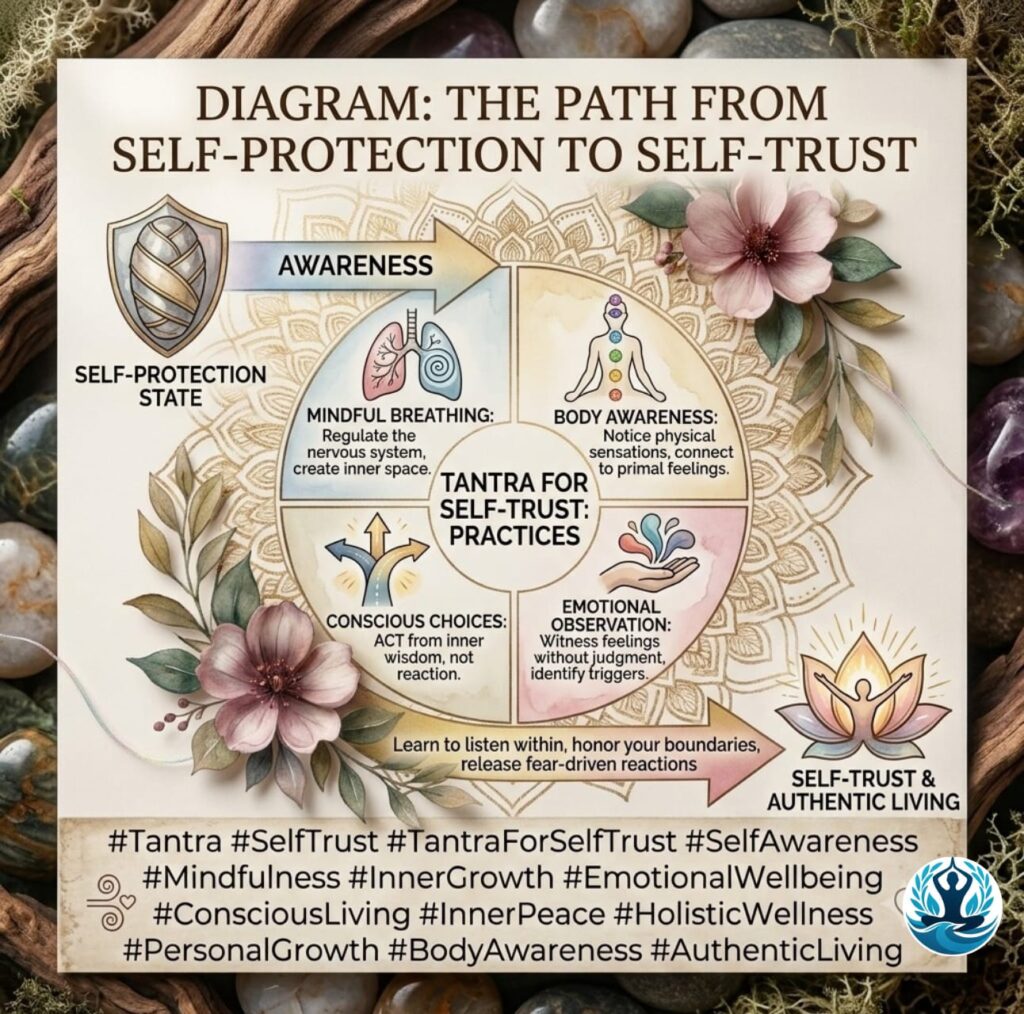
Tantra is traditionally associated with spiritual practices designed to cultivate awareness, consciousness, energy, and connection. Modern Tantra-based wellness sessions may incorporate techniques such as meditation, conscious breathing, relaxation exercises, gentle movement, mindfulness, visualization, and body-awareness practices.
Because the term “Tantra therapy” is used differently by different practitioners, the experience can range from a meditation-focused session to a broader mind-body wellness program.
A responsible practice should emphasize:
- Informed consent
- Personal boundaries
- Respect and communication
- Appropriate professional conduct
- Comfortable participation
- Safe and non-coercive practices
- Clear explanation of what a session involves
Tantra should complement, rather than replace, appropriate medical care. If someone has persistent pain, severe anxiety, sleep problems, or another health concern, they should consult a qualified healthcare professional.
1. Promotes Deep Relaxation
One of the most noticeable physical effects people may experience during a calming Tantra session is relaxation.
Modern life often keeps the body in a state of alertness. Work pressure, digital stimulation, relationship concerns, and everyday responsibilities can contribute to physical tension. Relaxation-focused Tantra practices may encourage the body to slow down.
Breathing exercises, meditation, gentle movement, and focused attention can help create a calmer environment. When a person deliberately slows their breathing and directs attention toward bodily sensations, they may become more aware of areas that are holding tension.
A relaxed state may be associated with:
- Looser muscles
- Slower, more comfortable breathing
- Reduced physical restlessness
- Greater sense of calm
- Improved awareness of bodily comfort
Regular relaxation practices can become part of a broader stress-management routine.
2. May Help Reduce Muscle Tension
Stress can manifest physically. Some people unconsciously tighten their shoulders, jaw, neck, hands, back, or other muscles when they are under pressure.
Tantra-based relaxation and body-awareness exercises may help individuals notice these patterns.
For example, a practitioner may guide someone to observe the difference between tension and relaxation. By paying attention to the body instead of automatically reacting to discomfort, a person may become better at identifying when they are physically stressed.
This does not mean Tantra therapy treats muscular or orthopedic conditions. However, relaxation and mindful body awareness may contribute to a greater feeling of physical ease.
3. Encourages Conscious Breathing
Breathing is an important component of many contemplative traditions, including various Tantra practices.
People often breathe differently when they are stressed. Their breathing may become faster, shallower, or less consciously controlled. Bringing attention to the breath can encourage a slower and more deliberate breathing pattern.
Conscious breathing may help people:
- Become more aware of their breathing habits
- Relax during stressful moments
- Develop a stronger mind-body connection
- Recognize early signs of physical tension
- Create a calming daily ritual
Breathing exercises should always be practiced comfortably. People should avoid forceful or prolonged breath-holding unless appropriately trained and medically cleared when necessary.
4. Supports Better Body Awareness
One of the central ideas behind many Tantra-inspired practices is developing awareness of physical sensations.
Instead of ignoring the body while concentrating on work, responsibilities, or digital devices, a person learns to notice sensations such as:
- Muscle tension
- Breathing patterns
- Temperature
- Posture
- Physical comfort
- Energy levels
- Signs of fatigue
- Feelings of relaxation
This increased body awareness can encourage people to respond to their physical needs more thoughtfully.
For example, someone may begin noticing that they become tense after sitting for long periods. That awareness could motivate them to stretch, move around, rest, or adjust their posture.
5. May Support More Restful Sleep
Relaxation and stress management are closely connected with healthy sleep habits.
People who spend the entire day mentally stimulated may find it difficult to transition into a restful nighttime routine. A calming Tantra practice involving meditation, breathing, gentle movement, or mindfulness may provide a transition between daytime activity and nighttime rest.
Some people may find that relaxation practices help them:
- Calm racing thoughts
- Release physical tension
- Establish a consistent bedtime routine
- Become more aware of tiredness
- Create a peaceful environment before sleep
Tantra should not be presented as a guaranteed treatment for insomnia or sleep disorders. Persistent sleep difficulties deserve evaluation by an appropriate healthcare professional.
6. Can Encourage Better Stress Management
Stress does not only affect the mind. It can also influence muscle tension, breathing, energy levels, sleep, appetite, and general physical comfort.
Tantra-based mindfulness may help people recognize the relationship between emotional stress and physical sensations.
For example, a person may learn to recognize:
Stress → muscle tension → shallow breathing → physical discomfort
By becoming aware of this cycle earlier, they may choose to pause, breathe, relax, stretch, or step away from a stressful situation.
Over time, this awareness can become a practical self-care skill.
7. May Improve the Feeling of Physical Energy
Many people describe feeling physically drained after prolonged periods of stress. While Tantra cannot guarantee increased energy or treat medical causes of fatigue, relaxation and mindful practices may help people feel less overwhelmed.
A person who sleeps better, manages stress more effectively, moves more mindfully, and takes regular restorative breaks may experience improved perceptions of vitality.
Tantra can therefore be viewed as one possible component of an overall wellness lifestyle that also includes:
- Adequate sleep
- Nutritious food
- Regular physical activity
- Hydration
- Social connection
- Medical care when necessary
- Time for relaxation
8. Encourages Mindful Movement
Some Tantra traditions incorporate movement, posture, stretching, or other physical practices.
When performed gently and appropriately, mindful movement can encourage people to pay attention to posture, breathing, balance, and physical sensations.
The goal is not necessarily intense exercise. Instead, the emphasis may be on moving with awareness.
This can help people develop a more conscious relationship with their bodies and potentially encourage them to become more attentive to movement in everyday life.
9. Supports a Healthier Mind-Body Connection
One of the most frequently discussed potential benefits of Tantra is the development of a stronger mind-body connection.
People sometimes separate physical and emotional experiences. However, emotions can influence bodily sensations, while physical states can influence mood and mental wellbeing.
For example, stress may produce:
- Tight shoulders
- Jaw tension
- Restlessness
- Changes in breathing
- Fatigue
Mindful practices can help individuals recognize these connections.
Rather than immediately ignoring physical signals, they can learn to pause and ask:
“What is my body telling me right now?”
That simple question can encourage healthier self-awareness.
10. May Help People Become More Aware of Physical Boundaries
Healthy boundaries are important in any body-based wellness practice.
A responsible Tantra session should encourage participants to communicate what feels comfortable and what does not. Developing this awareness can help individuals become more attentive to their own physical boundaries.
This is particularly important when a practice involves close interpersonal interaction or therapeutic touch.
Consent should always be explicit, informed, voluntary, and ongoing. No participant should feel pressured to perform an activity they do not want to do.
11. May Support Emotional Relaxation That Feels Physical
Emotional experiences can sometimes be accompanied by physical sensations. Anxiety may feel like tightness in the chest or stomach. Frustration may feel like muscular tension. Emotional exhaustion may feel like heaviness or fatigue.
Mindfulness and relaxation practices may help individuals notice these sensations without immediately reacting to them.
This does not mean Tantra “removes stored emotions from the body” in a medically established sense. Rather, greater awareness may help people recognize and respond to the physical side of emotional experiences.
12. Can Encourage Healthier Self-Care Habits
A single Tantra session is unlikely to transform someone’s physical wellbeing overnight. Long-term benefits are more realistically associated with consistent healthy habits.
A person who begins practicing mindfulness may become more conscious of:
- Sleep patterns
- Rest requirements
- Stress triggers
- Breathing
- Posture
- Movement
- Personal boundaries
- Recovery time
This awareness can encourage more intentional self-care.
For example, instead of continuing to work while exhausted, someone may recognize their body’s need for a break. Instead of ignoring persistent tension, they may seek appropriate professional help.
13. May Help Create a Calmer Physical State
The body’s response to stress and relaxation can feel very different.
During stressful periods, people may feel restless, tense, hurried, or physically uncomfortable. During relaxation, they may experience slower breathing, reduced tension, warmth, heaviness, or a greater feeling of ease.
Tantra-based relaxation practices may encourage people to spend more time in a calm state.
The important point is that these experiences vary between individuals. A person’s response can depend on their lifestyle, health, expectations, previous experience, and the type of practice being used.
14. Supports Greater Awareness of Posture
Modern lifestyles often involve long periods of sitting, computer use, and smartphone use.
Mindful body practices can encourage people to notice how they hold their bodies.
A person may become more aware of:
- Rounded shoulders
- Neck tension
- Uneven weight distribution
- Restricted movement
- Excessive muscle contraction
Greater awareness does not automatically correct posture, but it can make it easier to identify habits that may be contributing to physical discomfort.
15. May Encourage a More Balanced Daily Routine
Tantra emphasizes awareness and intentionality in many of its forms. This mindset can extend beyond formal sessions.
People may begin creating intentional periods for:
- Morning breathing
- Meditation
- Gentle movement
- Rest
- Digital breaks
- Mindful meals
- Evening relaxation
A balanced routine can support overall wellbeing and reduce the feeling of constantly rushing from one task to another.
Tantra Therapy and Physical Wellness: What Does the Evidence Mean?
It is important to distinguish between traditional claims, personal experiences, and scientifically established medical effects.
Some components commonly associated with Tantra therapy—such as mindfulness, relaxation, meditation, breathing practices, and gentle movement—overlap with approaches that have been studied for stress and wellbeing.
However, there is not enough high-quality evidence to conclude that Tantra therapy itself can reliably treat specific medical diseases or produce dramatic physiological changes.
Therefore, responsible SEO content about Tantra should avoid statements such as:
- “Tantra cures all diseases.”
- “Tantra permanently fixes hormones.”
- “Tantra removes toxins from the body.”
- “Tantra guarantees weight loss.”
- “Tantra cures anxiety or depression.”
- “Tantra can replace medical treatment.”
A more accurate approach is to describe Tantra as a complementary wellness practice that may support relaxation, self-awareness, stress management, and mind-body wellbeing.
What Can You Expect During a Tantra Wellness Session?
The exact experience depends on the practitioner and style of Tantra being offered.
A session may include:
- Initial conversation – discussing goals, comfort, boundaries, and expectations.
- Breathing exercises – gentle awareness of breathing.
- Meditation – focusing attention on the present moment.
- Body awareness – observing physical sensations.
- Relaxation – allowing the body to become more comfortable.
- Mindful movement – gentle movement where appropriate.
- Reflection – discussing experiences and identifying useful practices for daily life.
Any physical contact should be explained beforehand and performed only with informed consent.
Choosing a Responsible Tantra Practitioner
If you are considering Tantra therapy, practitioner quality matters.
Look for someone who:
- Clearly explains the session beforehand
- Respects personal boundaries
- Obtains informed consent
- Does not make unrealistic medical claims
- Maintains professional behavior
- Allows you to stop at any time
- Clearly explains fees and session structure
- Encourages appropriate medical care when needed
Be cautious of anyone who promises miraculous cures or pressures you into activities that make you uncomfortable.
How to Maximize the Wellness Benefits
If you choose to explore Tantra as part of your wellness routine, consistency and realistic expectations are important.
Practice Mindful Breathing
Spend a few minutes each day noticing your natural breathing without forcing it.
Create Time for Relaxation
Give your body periods without constant digital stimulation or work-related activity.
Pay Attention to Physical Signals
Notice tension, tiredness, hunger, thirst, and discomfort instead of automatically ignoring them.
Combine Tantra With Healthy Habits
Tantra works best as part of a broader lifestyle that includes nutritious eating, physical activity, adequate sleep, social connection, and appropriate healthcare.
Respect Your Limits
Wellness should never involve coercion. Stop any exercise or interaction that causes pain, distress, or discomfort.
Potential Positive Changes at a Glance
The potential physical and mind-body benefits of Tantra-based wellness practices can be summarized as follows:
| Potential Change | How It May Support Wellbeing |
|---|---|
| Relaxation | Helps create a calmer physical state |
| Reduced perceived tension | Encourages awareness and relaxation of tense muscles |
| Conscious breathing | Builds awareness of breathing patterns |
| Better body awareness | Helps recognize physical signals |
| Sleep support | Relaxation may complement healthy sleep routines |
| Greater physical ease | May reduce the feeling of everyday tension |
| Mindful movement | Encourages awareness of posture and movement |
| Stress management | Helps recognize physical signs of stress |
| Energy awareness | Encourages attention to rest and recovery |
| Body boundaries | Supports greater awareness of personal comfort |
Frequently Asked Questions
What positive changes can Tantra therapy bring to the body?
Tantra-based wellness practices may support relaxation, body awareness, conscious breathing, stress management, and a greater feeling of physical ease. Individual experiences vary.
Can Tantra therapy reduce physical stress?
It may help some people manage perceived stress through relaxation, breathing, meditation, and mindful body awareness. It should not be considered a replacement for medical treatment.
Can Tantra improve sleep?
Relaxation and mindfulness practices may support a healthier bedtime routine and help some people feel calmer before sleep. Persistent sleep problems should be discussed with a healthcare professional.
Does Tantra increase energy?
Some people report feeling more refreshed after relaxation and mindfulness practices. However, Tantra is not a proven treatment for unexplained fatigue or medical causes of low energy.
Is Tantra therapy suitable for everyone?
Not necessarily. The suitability of any body-based or contemplative practice depends on the individual and the specific technique. People with health concerns should discuss appropriate practices with a qualified healthcare professional.
Is Tantra therapy sexual?
Tantra is a broad spiritual tradition and is not synonymous with sexual activity. Some modern practices may discuss intimacy or sensual awareness, while others focus entirely on meditation, breathwork, spirituality, and mindfulness. Professional boundaries and informed consent are essential.
Conclusion
The potential positive changes associated with Tantra therapy are best understood through the lens of relaxation, mindfulness, body awareness, breathing, and stress management rather than as guaranteed medical effects.
A consistent, responsible Tantra-based wellness practice may help people become more aware of physical tension, develop calmer breathing habits, create space for relaxation, improve their relationship with their bodies, and build healthier self-care routines.
The greatest value may come from learning to slow down and listen to the body. In a world where people often spend long hours working, sitting, thinking, and using digital devices, developing greater awareness of physical and emotional signals can be a meaningful part of holistic wellbeing.
For anyone exploring Tantra therapy, the best approach is to choose qualified and ethical practitioners, maintain clear personal boundaries, use informed consent, and combine holistic practices with evidence-based healthcare when needed.
Ultimately, Tantra should not be viewed as a magical solution or a substitute for medical treatment. Instead, when practiced safely, it can be explored as one possible complementary approach to relaxation, self-awareness, mindful living, and overall mind-body wellness.