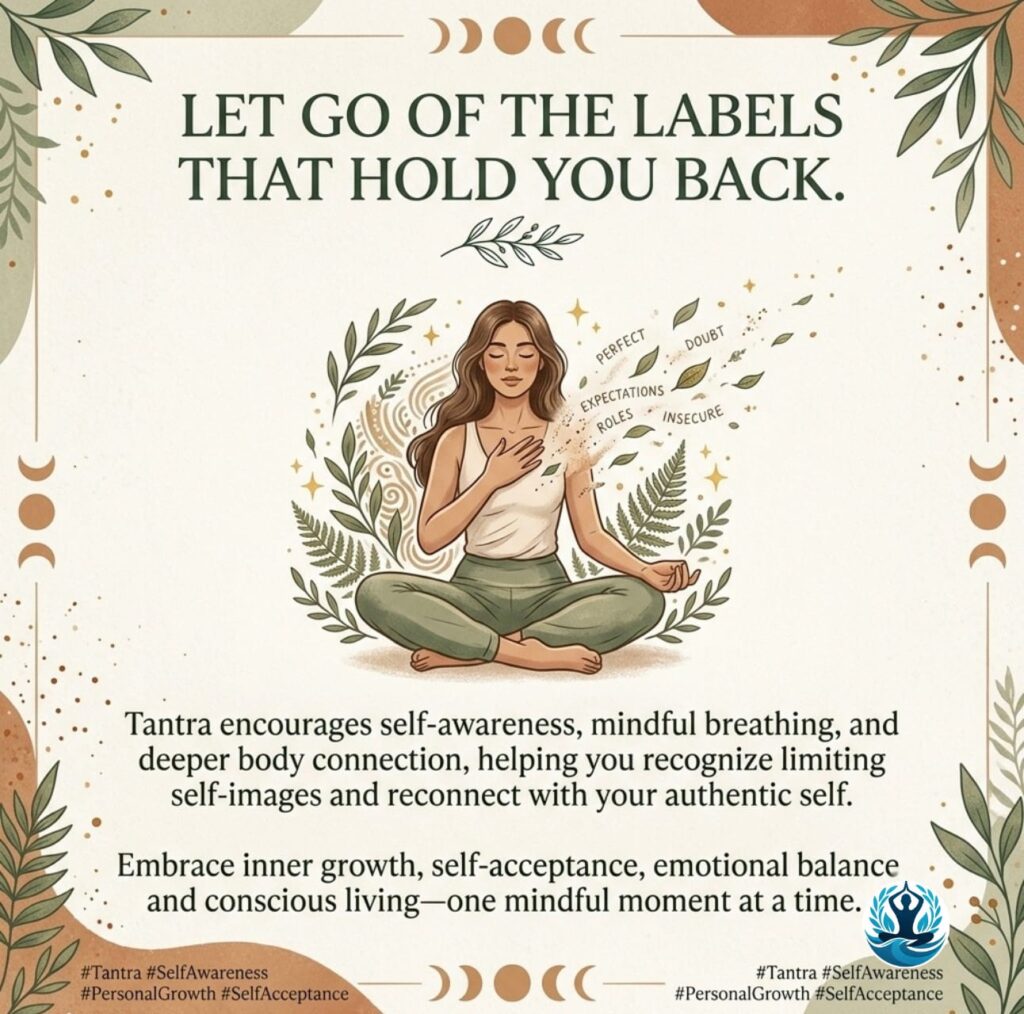


Tantra for Finding Freedom From the Need to Please Everyone

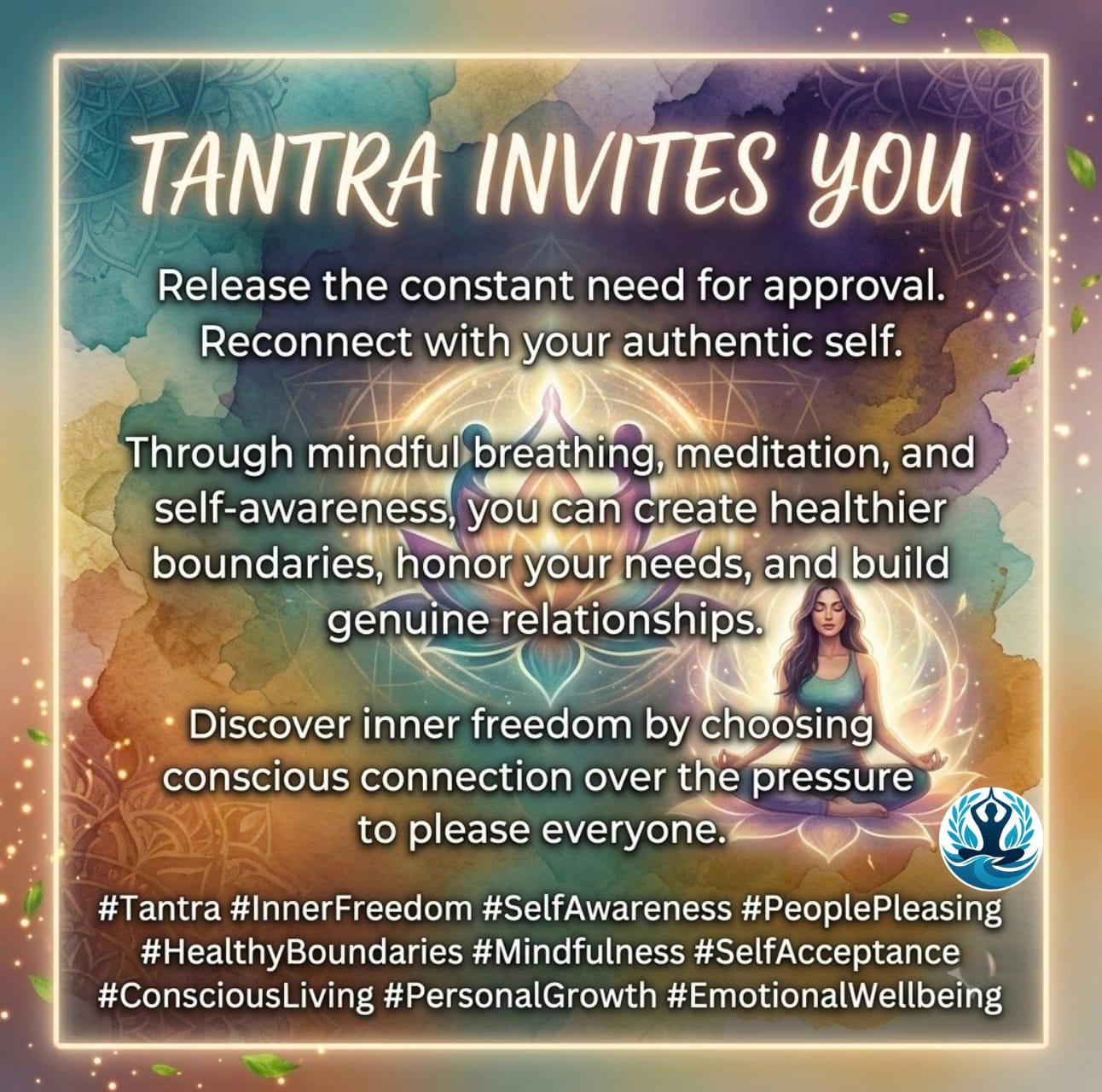
Many people spend a significant part of their lives trying to keep others happy. They say yes when they want to say no, hide their genuine feelings to avoid conflict, adjust their needs to meet expectations, and constantly wonder whether others approve of their choices.
Wanting to maintain healthy relationships is natural. However, when pleasing others becomes a constant need, it can become difficult to know what you genuinely want, feel, or value.
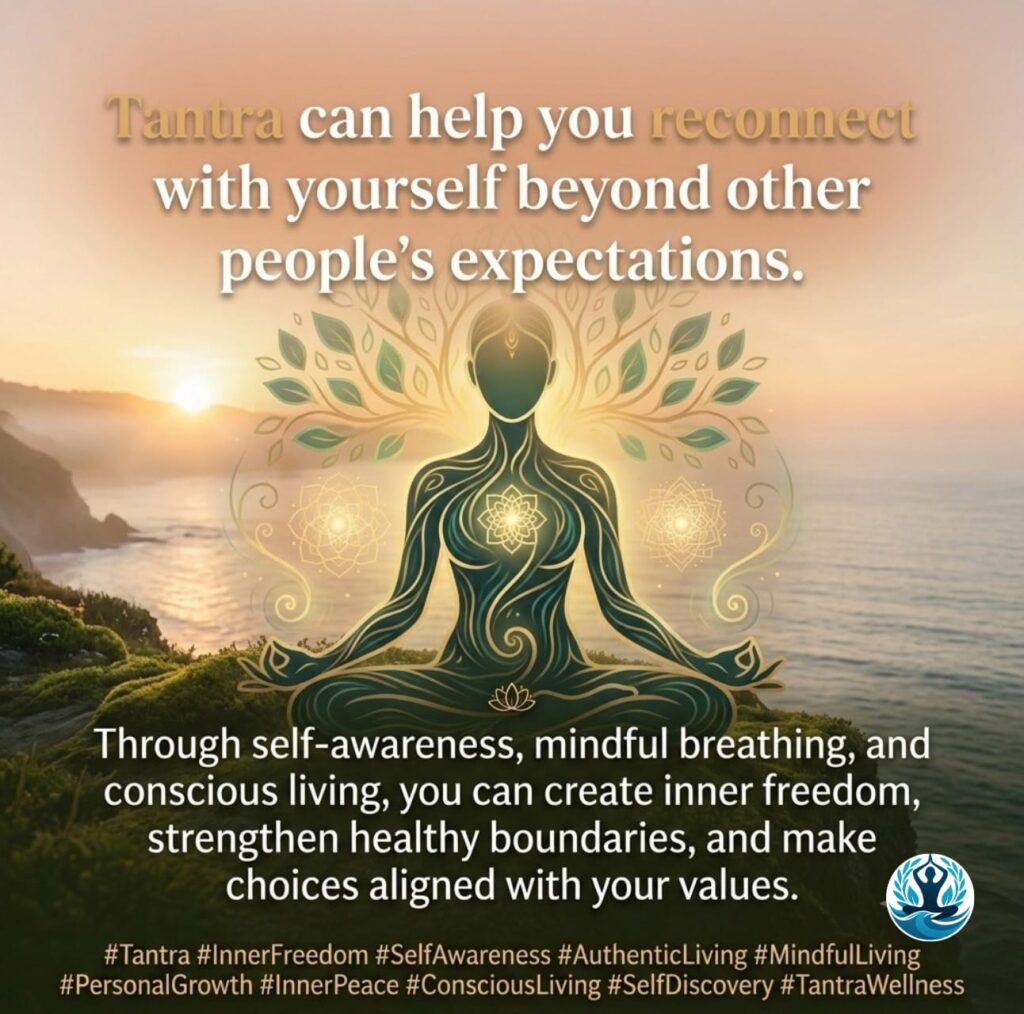
Tantra offers a different perspective. Rather than teaching us to become detached from relationships, Tantra encourages deeper awareness of ourselves within relationships and everyday life. Through conscious breathing, meditation, body awareness, mindful movement, and self-observation, Tantric practices can create space between an external expectation and our internal response.
This space can help us recognize when we are acting from genuine care and when we are acting from fear of rejection, criticism, conflict, or disappointment.
The goal is not to stop caring about people. Instead, it is to develop the freedom to care for others without abandoning yourself.
What Does It Mean to Please Everyone?
People pleasing generally refers to a pattern of prioritizing other people’s expectations, comfort, or approval over your own authentic needs and boundaries.
A person may frequently:
- Say yes despite feeling overwhelmed
- Avoid expressing disagreement
- Apologize unnecessarily
- Feel responsible for other people’s emotions
- Fear disappointing others
- Change opinions to gain acceptance
- Suppress uncomfortable feelings
- Overcommit to responsibilities
- Seek reassurance before making decisions
- Feel guilty when prioritizing personal needs
Occasionally accommodating another person’s needs is part of healthy relationships. The difficulty arises when accommodation becomes automatic.
Over time, constant people pleasing may create a disconnect between what you feel internally and how you behave externally.
Tantra can be explored as a practice of becoming aware of that disconnect.
How Tantra Approaches Authentic Living
Traditional Tantra encompasses diverse philosophical and spiritual traditions, and its historical practices are much broader than modern wellness interpretations sometimes suggest.
In contemporary holistic wellness settings, selected Tantric-inspired practices may emphasize awareness of the body, breath, emotions, attention, and present-moment experience.
One important principle is awareness rather than automatic reaction.
When someone asks you to do something, for example, you may immediately say:
“Of course, I’ll do it.”
But before answering, conscious awareness creates an opportunity to notice:
- What am I feeling?
- Do I actually have the energy for this?
- Am I agreeing because I genuinely want to?
- Am I afraid of disappointing this person?
- What happens in my body when I imagine saying no?
These questions can transform an automatic response into a conscious choice.
That is where Tantra and freedom from people pleasing can meaningfully intersect.
1. Tantra Encourages Self-Awareness
The foundation of changing people-pleasing patterns is noticing them.
You cannot consciously change a behavior that you rarely observe.
Tantric meditation and mindfulness practices can encourage you to observe thoughts, sensations, emotions, and impulses without immediately acting on them.
Suppose someone asks you to take on another responsibility.
Your first reaction may be:
“I should help. They might be upset if I refuse.”
Instead of immediately agreeing, pause.
Notice the thought.
Notice your breathing.
Notice whether your shoulders tighten or your stomach contracts.
Notice the emotional response.
This does not automatically tell you what decision to make. It simply gives you more information before responding.
With consistent practice, awareness can become a bridge between impulse and choice.
2. Tantra Helps You Listen to Your Body
People pleasing often happens mentally, but its effects may also be experienced physically.
You might notice:
- Tight shoulders
- Shallow breathing
- Jaw tension
- Restlessness
- Fatigue
- A heavy feeling in the chest
- Stomach discomfort
- Difficulty relaxing
Body awareness practices can help you recognize these signals.
For example, imagine being invited to an event you do not want to attend.
Your mind might immediately say:
“I should go. They will feel bad if I don’t.”
Your body might respond with tension.
Instead of ignoring that response, pause and observe it.
The purpose is not to assume that every uncomfortable sensation means “no.” Physical sensations have many possible causes.
Rather, body awareness gives you another source of information to consider alongside your thoughts, circumstances, responsibilities, and values.
3. Conscious Breathing Creates a Pause
One of the simplest practices associated with contemplative traditions is conscious breathing.
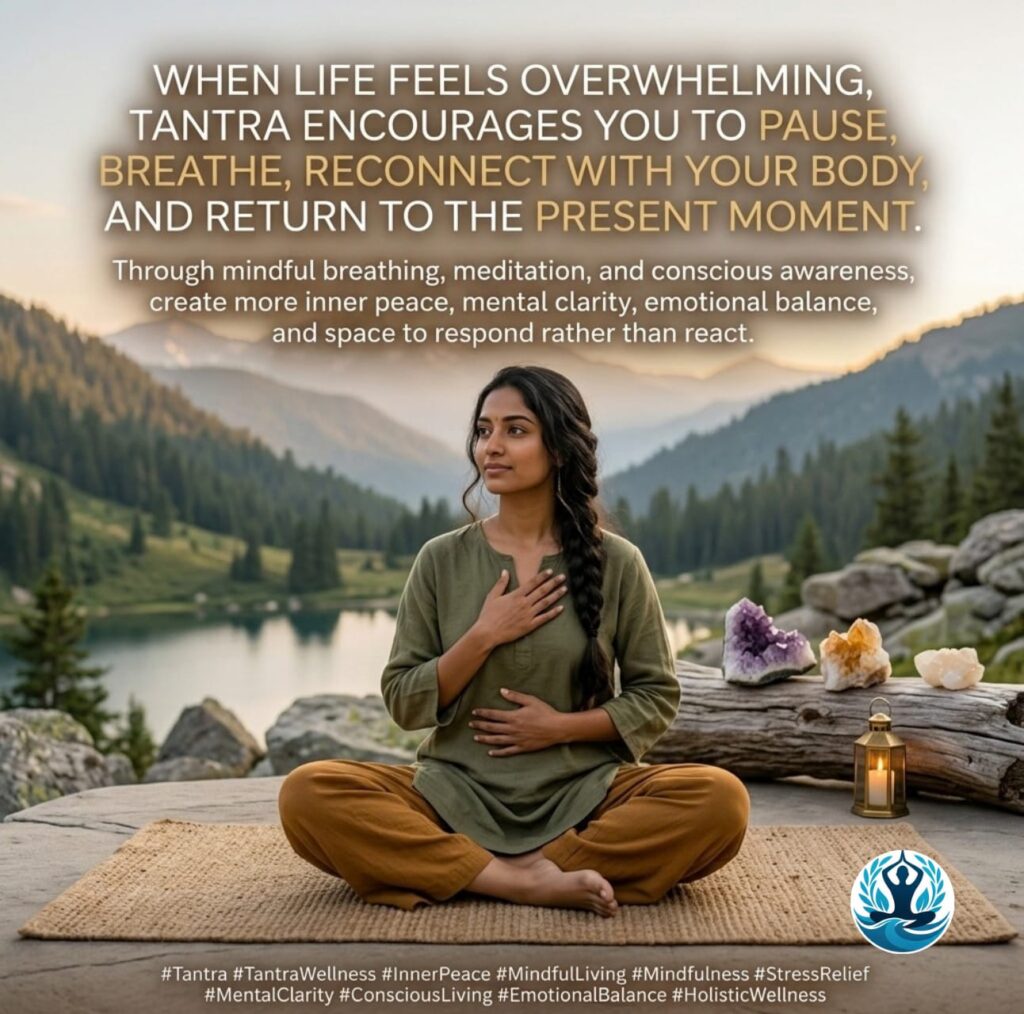
Breathing slowly and attentively for a few moments can create a pause before responding to an emotionally charged situation.
Try this simple practice:
- Stop for a moment.
- Relax your shoulders.
- Take a comfortable breath.
- Notice the sensation of breathing.
- Exhale slowly without forcing it.
- Ask yourself what you genuinely want to communicate.
- Respond rather than reacting automatically.
This does not require complicated techniques.
The important element is consciousness.
Instead of allowing fear of disappointing someone to make the decision, you give yourself a moment to respond intentionally.
4. Tantra and the Fear of Disapproval
For many people, people pleasing is connected to the fear of being disliked or rejected.
Thoughts may include:
“What will they think of me?”
“Will they be angry?”
“What if they stop respecting me?”
“What if they don’t understand?”
These thoughts can become powerful enough to override personal needs.
Tantric self-awareness encourages observing these thoughts rather than automatically believing every thought.
You can recognize:
“I am experiencing fear of disapproval.”
That is different from:
“I must do what this person wants.”
The first statement describes an internal experience.
The second turns that experience into an instruction.
Awareness creates room between the two.
5. Learning That Boundaries Are Not Rejection
One reason people struggle with boundaries is that they confuse boundaries with rejection.
A boundary does not necessarily mean:
“I don’t care about you.”
It can mean:
“I care about this relationship, and I also need to respect my own limits.”
For example:
Instead of automatically agreeing to extra work, you might say:
“I can’t take this on today, but I can look at it tomorrow.”
Instead of accepting every invitation:
“Thank you for inviting me. I need some quiet time tonight, so I’ll sit this one out.”
Instead of suppressing disagreement:
“I understand your perspective. I see it differently.”
These responses allow connection without complete self-abandonment.
6. Tantra Can Encourage Authentic Expression
Authenticity does not mean saying everything that comes into your mind.
It means developing greater alignment between your inner experience and your outward expression.
This can involve learning to communicate:
- What you need
- What you prefer
- What you feel
- What you can realistically offer
- What you cannot offer
- What matters to you
Conscious communication can be practiced slowly.
Before speaking, ask:
Is it true for me?
Is it necessary to communicate?
Can I express it respectfully?
This approach can help transform suppressed feelings into clearer communication.
7. Moving Beyond the Need for Constant Approval
External validation can feel reassuring.
A compliment may create happiness.
Acceptance can provide a sense of belonging.
Positive feedback can strengthen confidence.
The problem occurs when external approval becomes the primary source of self-worth.
Tantra encourages turning attention inward.
Instead of constantly asking:
“Do they approve of me?”
you can gradually explore:
“Do I respect the way I am living?”
This is a significant shift.
Your self-worth does not have to depend entirely on whether everyone agrees with you.
People will naturally have different opinions, expectations, and preferences.
Inner freedom involves learning that disagreement does not automatically mean something is wrong.
8. Tantra and Self-Acceptance
People pleasing often involves creating an ideal version of yourself.
You may try to become:
- The perfect friend
- The perfect partner
- The perfect employee
- The endlessly supportive family member
- The person who never says no
- The person who never causes inconvenience
But maintaining such an image can become exhausting.
Self-awareness invites a different question:
Can I accept myself even when I am not meeting everyone’s expectations?
Meditation can provide a space to observe yourself without constantly performing for others.
You can notice your strengths and limitations.
You can acknowledge difficult emotions.
You can recognize mistakes without defining yourself by them.
Self-acceptance makes it easier to stop seeking universal approval.
9. Releasing the Habit of Automatic “Yes”
One practical way to reduce people pleasing is to stop giving immediate answers.
You do not always have to respond instantly.
Instead of:
“Yes, definitely!”
try:
“Let me check and get back to you.”
This simple sentence creates breathing room.
During that pause, consider:
- Do I have time?
- Do I have the energy?
- Is this consistent with my priorities?
- Am I genuinely willing?
- Am I agreeing because I feel guilty?
- What would happen if I said no?
This practice can be especially useful for people who automatically agree before considering their own capacity.
10. Tantra and Emotional Awareness
People pleasing can sometimes involve avoiding uncomfortable emotions.
You may say yes because saying no creates guilt.
You may remain silent because disagreement creates anxiety.
You may overgive because refusing creates discomfort.
Instead of immediately escaping these feelings, mindfulness encourages observing them.
For example:
“I notice guilt because I said no.”
You can breathe and observe the sensation.
The goal is not necessarily to eliminate guilt immediately.
The goal is to discover that you can experience discomfort without automatically changing your decision.
That can be an important step toward emotional freedom.
11. Understanding the Difference Between Compassion and Self-Abandonment
Compassion is an important quality in healthy relationships.
But compassion does not require sacrificing yourself in every situation.
There is a difference between:
“I want to help because I genuinely care.”
and
“I must help because I am afraid of what will happen if I don’t.”
The external behavior may look similar.
The internal motivation is different.
Tantra’s emphasis on awareness can help you explore that motivation.
You can become more conscious of why you are giving, helping, listening, adjusting, or compromising.
This can make relationships more intentional.
12. Creating Inner Freedom Through Meditation
A simple meditation can be incorporated into a daily routine.
The “Pause and Notice” Practice
Sit comfortably for five to ten minutes.
Close your eyes if comfortable.
Bring attention to your breathing.
Notice your body without trying to change anything.
Then bring to mind a recent situation in which you agreed to something you did not genuinely want.
Observe:
- What thoughts arise?
- What emotions appear?
- Where do you feel tension?
- What were you afraid might happen?
- What did you actually need?
Do not criticize yourself.
Simply observe.
Finish by taking several comfortable breaths and reminding yourself:
“I can care for others while also respecting myself.”
The practice is not about producing a particular answer. It is about increasing awareness.
13. Tantra for Creating Healthier Relationships
Freedom from people pleasing does not mean becoming selfish.
In fact, healthier boundaries can support more honest relationships.
When you stop agreeing automatically, your yes can become more meaningful.
When you communicate honestly, others have a clearer understanding of you.
When you acknowledge your limitations, resentment may be less likely to build from repeatedly doing things you never wanted to do.
Authentic relationships allow people to know each other more realistically.
You do not have to perform a perfect version of yourself to maintain every relationship.
14. From People Pleasing to Conscious Choice
The deeper transformation is not simply learning to say “no.”
It is learning to choose consciously.
Sometimes your conscious choice will be yes.
Sometimes it will be no.
Sometimes it will be:
“Not today, but perhaps later.”
Sometimes it will be:
“I can help for thirty minutes, but I can’t take responsibility for the whole project.”
The important difference is that the response comes from awareness rather than automatic fear.
This is where Tantra can become a practical framework for everyday living.
15. Simple Tantric-Inspired Practices for Everyday Life
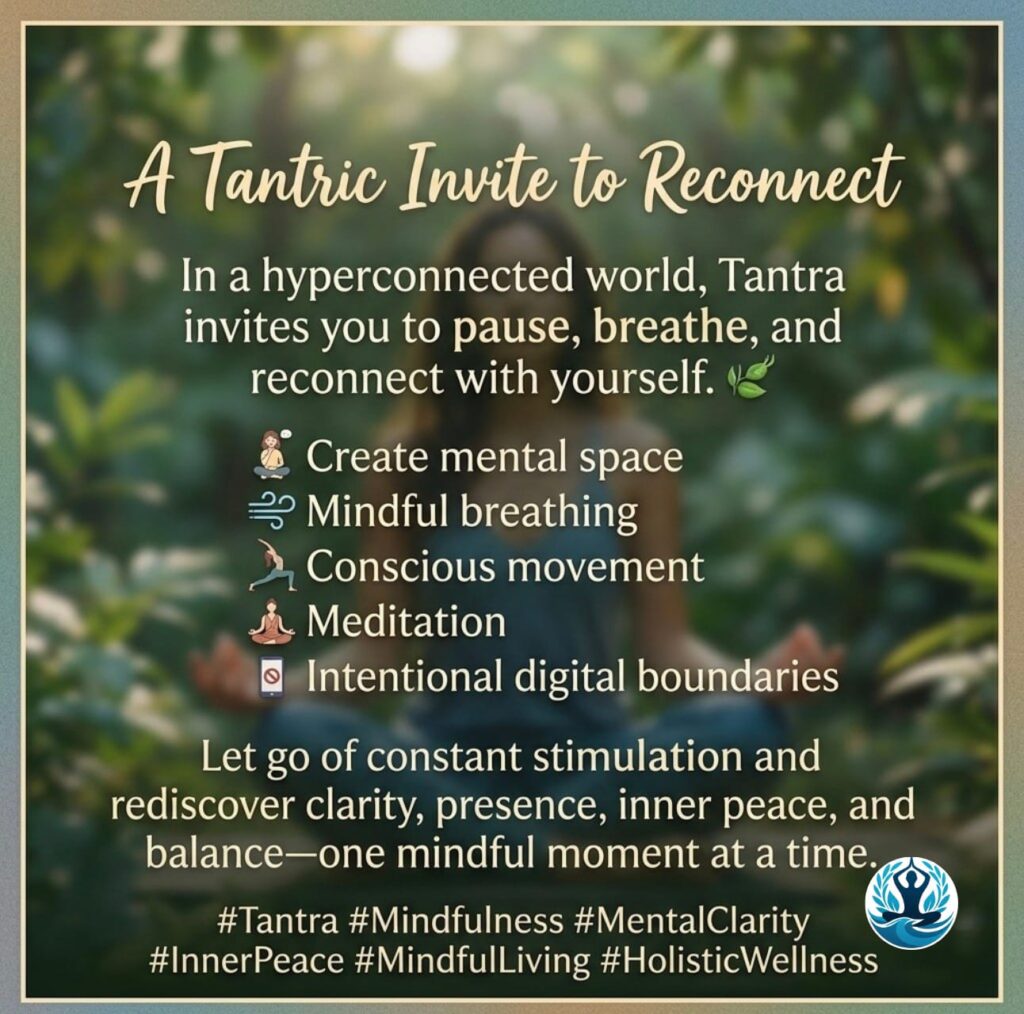
You can incorporate small awareness practices throughout your day.
Morning Awareness
Before checking your phone, take a few quiet breaths.
Ask:
“How do I want to move through today?”
Before Saying Yes
Pause for one breath.
Ask:
“Is this a genuine yes?”
During Conflict
Notice your breathing and physical sensations before responding.
Before Sleep
Reflect:
- Where did I honor myself today?
- Where did I ignore my needs?
- What did I learn?
During Meditation
Observe thoughts without automatically following them.
These small practices can gradually strengthen self-awareness.
Common Misunderstandings About Freedom From People Pleasing
“I must stop caring about everyone.”
No.
The goal is not emotional detachment.
The goal is caring without losing yourself.
“Setting boundaries means becoming selfish.”
No.
Boundaries communicate personal limits. They can coexist with kindness and consideration.
“I should never compromise.”
Healthy relationships require reasonable compromise.
The key question is whether compromise is conscious and mutual rather than one-sided and fear-driven.
“If someone dislikes my boundary, I have done something wrong.”
Not necessarily.
Other people’s reactions are influenced by their own expectations, experiences, and preferences.
A respectful boundary may still disappoint someone.
The Role of Patience in Personal Transformation
Changing a people-pleasing pattern usually does not happen overnight.
If you have spent years automatically prioritizing others, suddenly becoming assertive may feel uncomfortable.
Start gradually.
Practice saying no in low-pressure situations.
Delay automatic responses.
Express small preferences.
Take regular time alone.
Notice your emotions without judging them.
Celebrate moments when you recognize your genuine needs.
Over time, awareness can become more natural.
The objective is not to become a completely different person.
It is to become more conscious of the person you already are.
Tantra for Finding Your Own Definition of a Meaningful Life
When you constantly organize your life around other people’s expectations, it can become difficult to identify your own values.
You may ask:
“What does everyone else expect from me?”
instead of:
“What kind of life feels meaningful to me?”
Tantric self-inquiry can encourage deeper reflection around this question.
Consider:
- What brings me a sense of meaning?
- What relationships nourish me?
- What activities make me feel present?
- What values do I want to live by?
- What am I doing only because I fear disappointing others?
- Where do I want greater authenticity?
These questions can help redirect attention from external approval toward conscious living.
Conclusion
Tantra for finding freedom from the need to please everyone is ultimately about cultivating awareness, authenticity, and conscious choice.
People pleasing often develops through an automatic desire to maintain harmony, gain approval, avoid conflict, or protect relationships. While caring for others is valuable, continually ignoring your own needs can create emotional exhaustion and disconnection from yourself.
Tantric-inspired practices such as meditation, conscious breathing, body awareness, mindful movement, and self-inquiry can provide opportunities to notice these patterns before automatically acting on them.
The goal is not to stop caring.
It is not to reject relationships.
It is not to become indifferent to other people’s feelings.
Instead, the goal is to develop the inner space to say yes when you genuinely mean yes and no when no is appropriate.
True inner freedom can begin when your choices are guided not only by the question, “Will everyone be happy with me?” but also by a deeper question:
“Am I living in a way that is honest, conscious, and respectful of myself and others?”
When awareness becomes stronger, approval no longer has to control every decision. You can listen more deeply, communicate more honestly, create healthier boundaries, and participate in relationships without constantly abandoning your own needs.
That is one of the most meaningful ways Tantra can be explored in modern life: not as an escape from relationships, but as a path toward greater awareness within them.