

Tantra for Breaking the Habit of Seeking External Validation

In a world shaped by social media, comparison, opinions, and constant feedback, it can be easy to measure your worth through the eyes of others. A compliment can make you feel confident, while criticism can suddenly make you question yourself. A social media reaction can create temporary excitement, while silence may leave you wondering whether you are good enough.
The desire to be appreciated is a natural human experience. However, when your sense of worth increasingly depends on approval from other people, it can become difficult to feel secure within yourself.
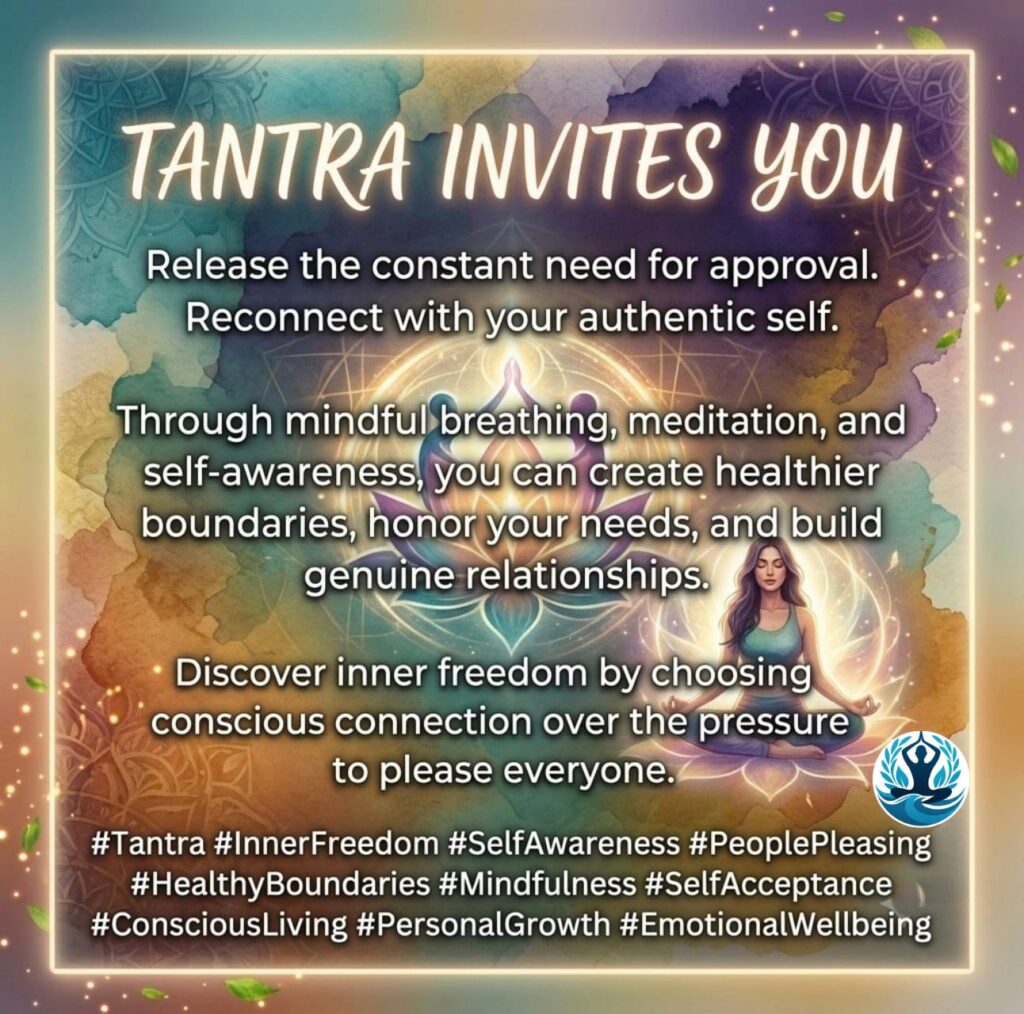
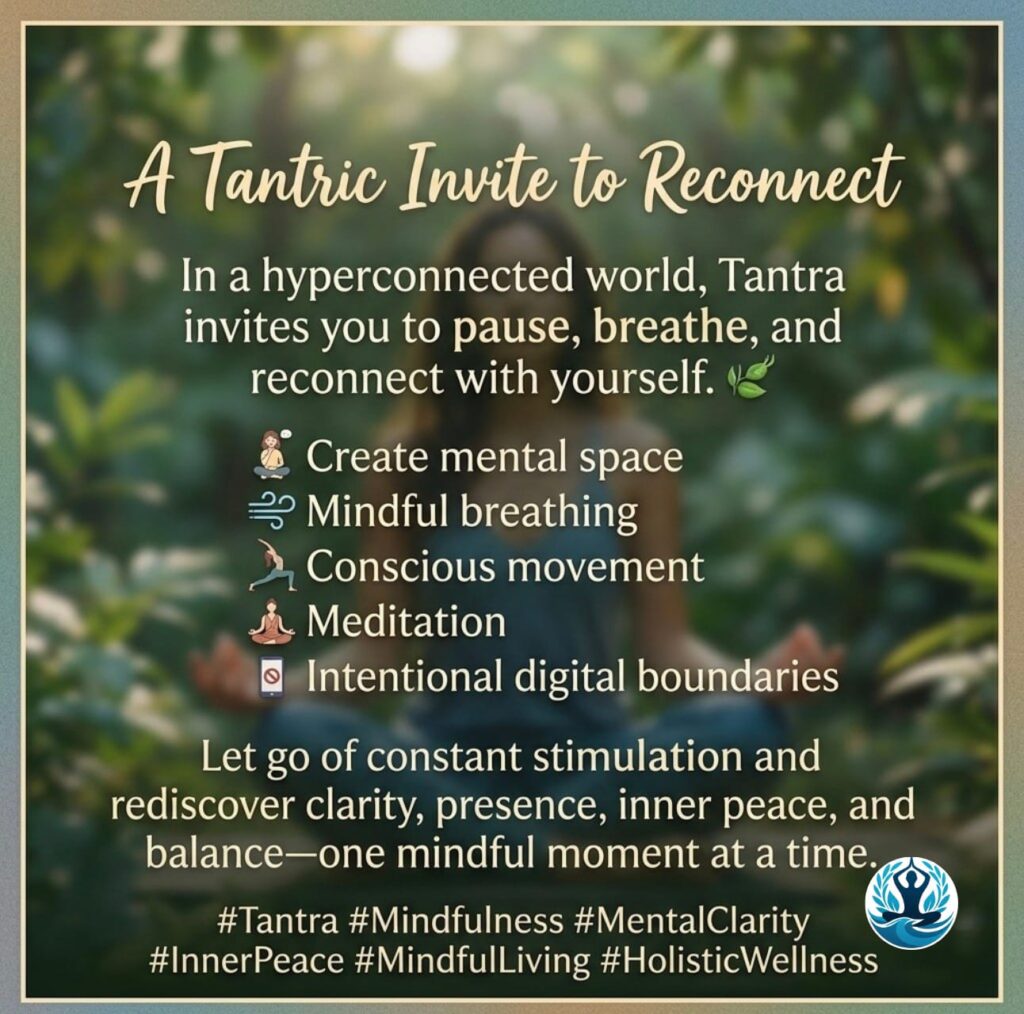
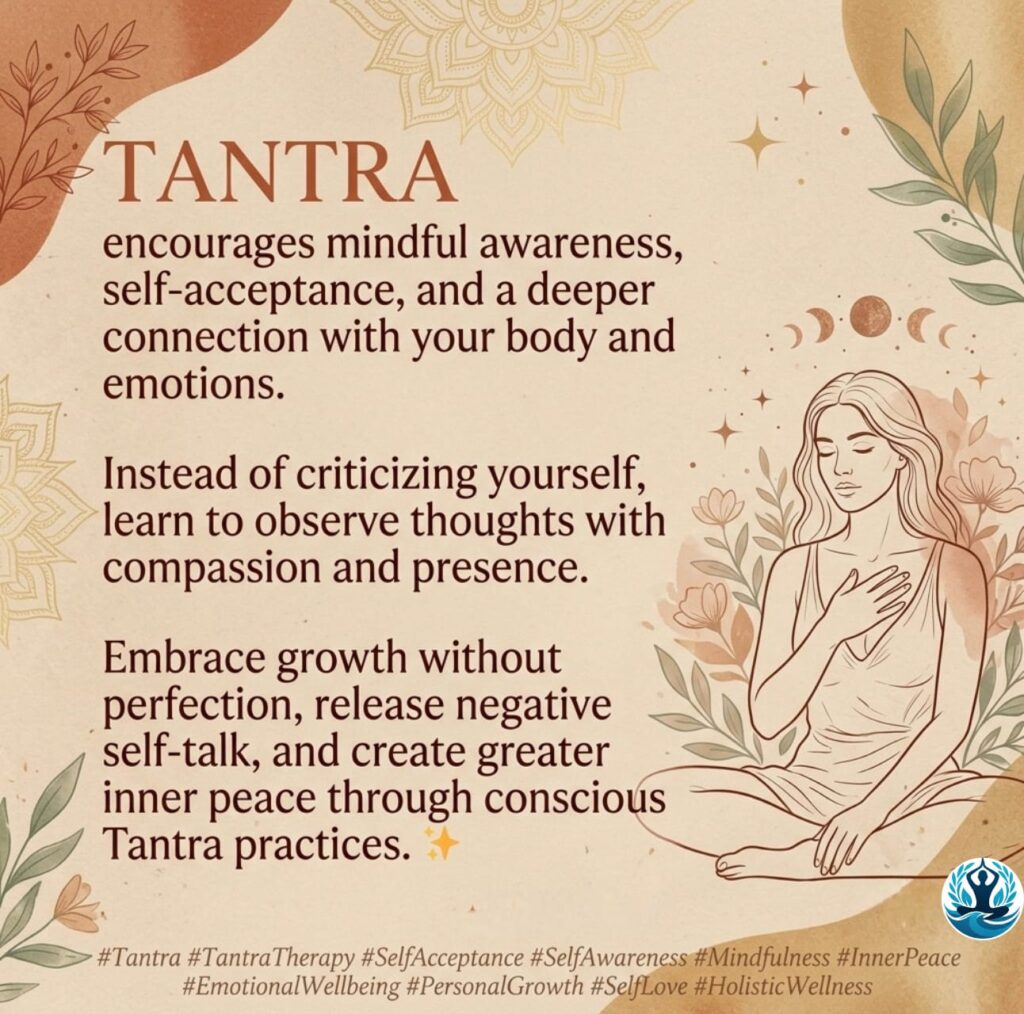
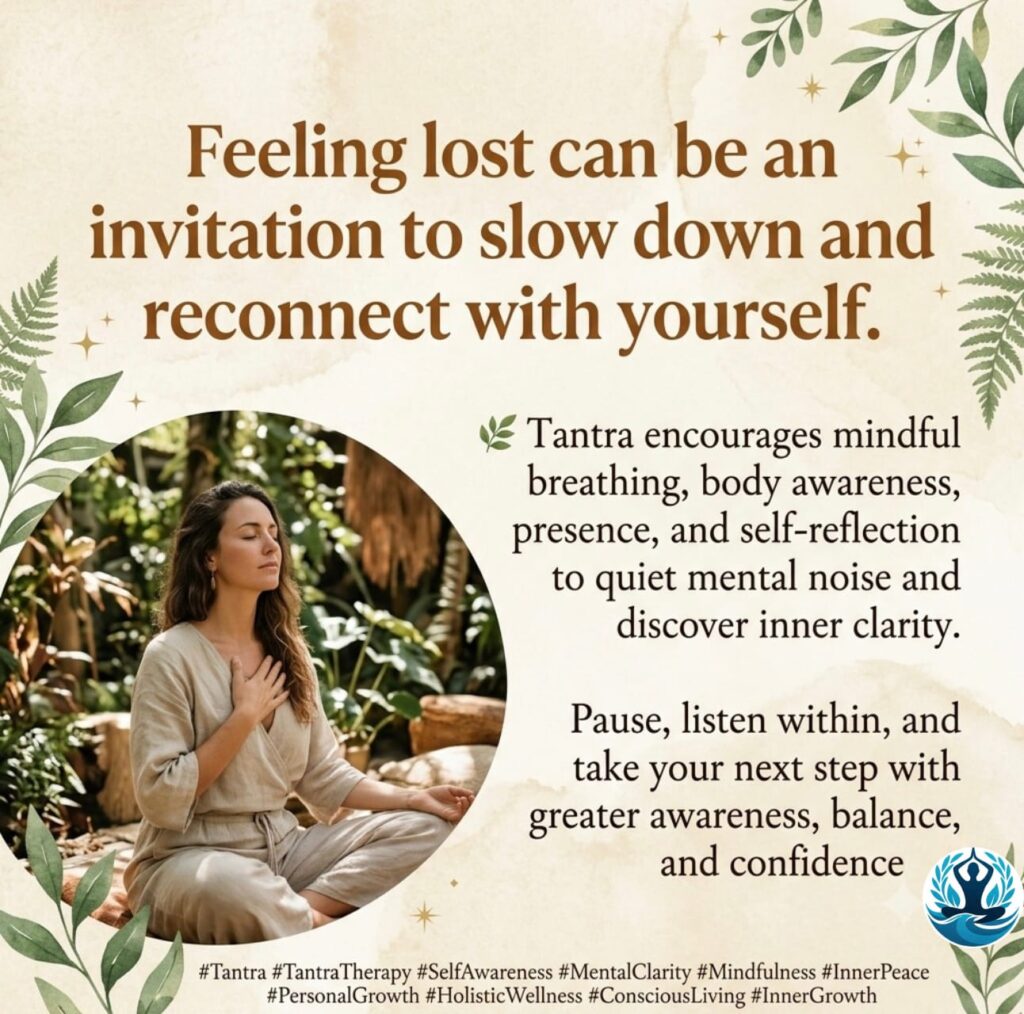
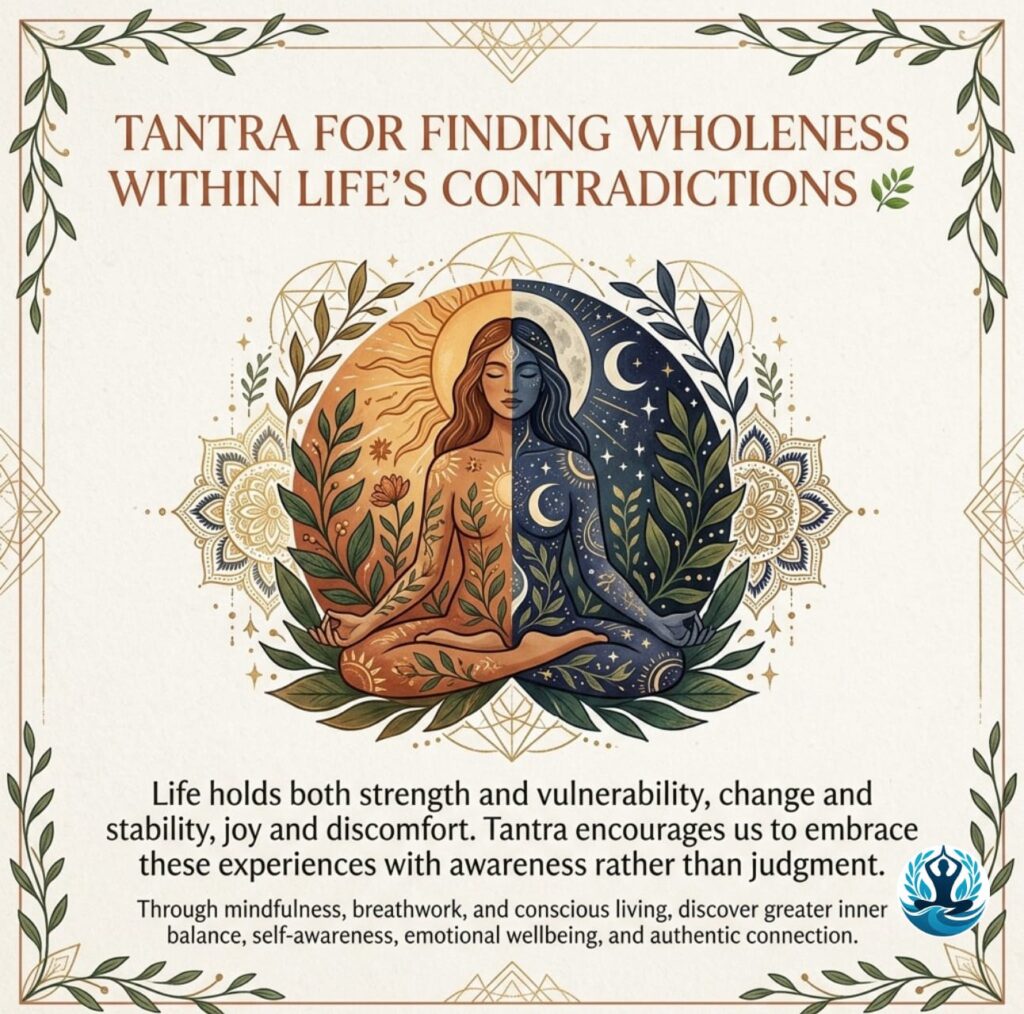
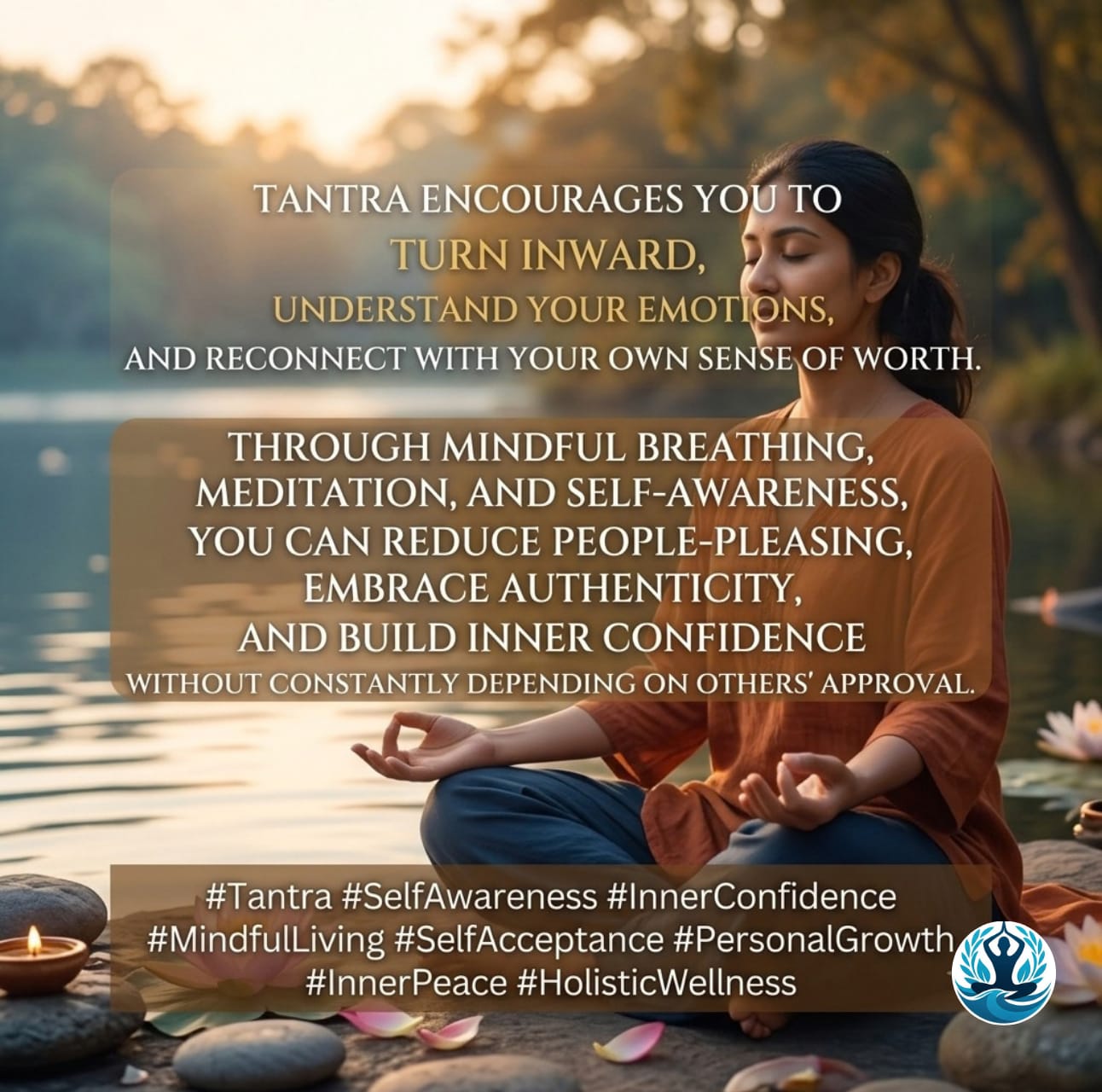
Tantra for breaking the habit of seeking external validation offers a different perspective. Rather than constantly looking outside yourself for reassurance, Tantric practices can encourage greater awareness of your thoughts, emotions, body sensations, desires, and personal values.
Tantra, understood as a broad tradition of consciousness and self-awareness, emphasizes experiencing life with greater presence rather than rejecting ordinary experiences. In a modern wellness context, selected practices associated with Tantra—such as meditation, breath awareness, conscious movement, sensory awareness, and reflective practices—can be used to explore patterns of self-judgment and approval-seeking.
The goal is not to stop caring about other people. Instead, it is to develop a healthier relationship with feedback so that appreciation from others becomes meaningful without becoming the foundation of your self-worth.
What Is External Validation?
External validation refers to relying on other people, circumstances, achievements, or social feedback to confirm that you are valuable, successful, attractive, capable, or worthy.
For example, someone may think:
- “I feel successful when people recognize my work.”
- “I need others to approve of my decisions.”
- “If people disagree with me, I must be doing something wrong.”
- “I feel attractive only when someone compliments me.”
- “I need social media engagement to feel that my content matters.”
- “If someone is disappointed in me, I feel guilty immediately.”
External validation is not inherently negative. Healthy relationships naturally involve appreciation, encouragement, recognition, and constructive feedback.
The difficulty arises when external approval becomes the primary source of emotional security.
When this happens, your inner experience can become dependent on changing circumstances.
Someone praises you—you feel valuable.
Someone criticizes you—you feel inadequate.
Someone ignores you—you feel rejected.
Someone approves of you—you feel safe.
This emotional dependence can create a continuous search for reassurance.
Tantra provides an opportunity to observe this pattern rather than automatically following it.
Why Do We Seek External Validation?
The need for approval can develop for many different reasons.
Some people grow up receiving strong messages about achievement, appearance, behavior, or social acceptance. Others may become accustomed to comparing themselves with peers. Modern digital platforms can also intensify comparison because people are continuously exposed to carefully selected versions of other people’s lives.
External validation may become particularly attractive when there is uncertainty within.
If you are unsure about your identity, values, decisions, or abilities, another person’s approval can temporarily reduce that uncertainty.
But temporary reassurance does not necessarily create lasting confidence.
This can produce a cycle:
Self-doubt → seek approval → receive reassurance → temporary confidence → doubt returns → seek approval again.
Breaking this cycle requires more than positive affirmations. It requires developing awareness of the internal process behind the behavior.
This is where Tantra-inspired self-awareness practices may become useful.
How Tantra Can Help You Develop Inner Awareness
A central idea in many Tantric approaches is conscious awareness.
Instead of immediately reacting to an experience, you learn to observe it.
Suppose someone criticizes you.
The immediate reaction might be:
“I am not good enough.”
A more conscious approach is:
“I notice that criticism has created tension in my body and fear in my mind.”
That small shift is important.
You are no longer completely identified with the thought.
You are observing it.
This creates psychological space between the experience and your response.
With consistent practice, you can begin recognizing patterns such as:
- seeking reassurance after making decisions
- checking whether others approve of you
- comparing yourself with others
- changing your personality to fit expectations
- avoiding disagreement
- feeling guilty when saying no
- becoming overly dependent on compliments
- interpreting criticism as personal rejection
Awareness does not immediately eliminate these behaviors.
Instead, awareness gives you the opportunity to choose how you respond.
Tantra and the Journey From Approval to Awareness
External validation asks:
“What do others think about me?”
Inner awareness asks:
“What am I experiencing right now?”
This shift is subtle but powerful.
Rather than constantly monitoring other people’s reactions, you begin paying attention to your own internal experience.
You might notice:
“I am nervous because I want everyone to approve of my decision.”
“I am changing my opinion because I am afraid of being judged.”
“I am posting this because I genuinely want to share something, but part of me is also looking for recognition.”
This type of observation can create greater honesty.
Tantra encourages conscious engagement with life rather than automatic rejection of difficult emotions. Instead of judging your need for approval, you can become curious about it.
Ask:
What am I really seeking when I seek approval?
Perhaps it is safety.
Perhaps it is belonging.
Perhaps it is recognition.
Perhaps it is reassurance.
Perhaps it is connection.
Understanding the deeper need can help you respond to yourself more compassionately.
1. Practice Witnessing Your Thoughts
One practical way to begin is through meditation.
Sit comfortably and allow your breathing to become natural.
Instead of trying to empty your mind, simply observe your thoughts.
If a thought appears such as:
“Will they like me?”
observe it.
If another appears:
“What will people think?”
observe that too.
You do not need to fight the thought.
You do not need to believe it.
Simply notice it.
This practice develops the ability to witness thoughts without automatically acting on them.
Over time, you may recognize that a thought is an experience—not necessarily a fact.
2. Use Breath Awareness Before Seeking Reassurance
Approval-seeking often happens quickly.
You send a message and immediately wonder why someone has not replied.
You make a decision and immediately ask several people whether it was correct.
You publish something and repeatedly check reactions.
Before acting on the impulse, pause.
Take several slow, comfortable breaths.
Notice:
- your breathing
- your shoulders
- your jaw
- your chest
- your stomach
- your overall level of tension
Then ask:
“What am I feeling right now?”
This simple pause can interrupt automatic behavior.
Breath awareness does not guarantee that anxiety or uncertainty will disappear. Instead, it creates a moment in which you can respond more consciously.
3. Develop Body Awareness
External validation is not only a mental pattern.
It can also appear physically.
You may notice:
- tightness in your chest
- a tense stomach
- shallow breathing
- restless movement
- facial tension
- difficulty sitting still
Tantra-inspired body awareness encourages you to notice these sensations without immediately trying to suppress them.
For example, if someone criticizes you, notice what happens in your body.
Does your chest tighten?
Does your stomach contract?
Does your breathing change?
Does your body want to defend itself?
Observing these sensations can help you recognize emotional patterns earlier.
4. Separate Feedback From Self-Worth
One of the most important steps in reducing dependence on external validation is learning that feedback and identity are different.
Someone may dislike your work.
That does not automatically mean you are incapable.
Someone may disagree with your opinion.
That does not automatically mean you are wrong.
Someone may reject an invitation.
That does not automatically mean you are unwanted.
Feedback can contain useful information without becoming a definition of your identity.
A conscious approach is:
Listen → reflect → learn → decide.
You do not have to automatically accept or reject every opinion.
5. Practice Making Small Decisions Independently
If you regularly seek approval, start with small decisions.
Choose what to wear without asking for opinions.
Select a meal without checking what everyone else wants.
Choose how you want to spend an hour of free time.
Express a genuine preference.
Notice the discomfort that may arise.
You might initially think:
“What if they don’t like my choice?”
Instead of immediately changing your decision, breathe and observe.
The objective is not stubborn independence.
The objective is learning that you can tolerate the possibility of disagreement.
6. Explore Your Personal Values
External validation becomes less dominant when you have a clearer understanding of what matters to you.
Ask yourself:
- What kind of person do I want to be?
- What qualities do I respect?
- What relationships matter to me?
- What activities make me feel genuinely engaged?
- What principles guide my decisions?
- What does a meaningful life mean to me?
These questions move your attention from social approval toward personal alignment.
When your decisions are connected to your values, other people’s opinions can become information rather than instructions.
7. Stop Comparing Your Inner Life With Other People’s Outer Image
Comparison is one of the strongest sources of external validation in the digital age.
Social media often presents selected moments rather than complete lives.
You may see someone’s success without seeing their uncertainty.
You may see someone’s appearance without seeing their insecurities.
You may see someone’s achievement without knowing their struggles.
Constant comparison can create unrealistic expectations.
Tantra-inspired awareness encourages you to return to your direct experience.
Instead of asking:
“Why am I not like them?”
ask:
“What is happening in my life right now?”
This brings attention back to the present.
8. Create Conscious Digital Habits
Digital platforms can encourage repeated checking for likes, comments, messages, and reactions.
Rather than automatically reaching for your phone, create moments of conscious pause.
For example:
- Take a few breaths before checking notifications.
- Avoid repeatedly refreshing social media.
- Notice your emotional state after scrolling.
- Take regular periods away from digital platforms.
- Share content because it expresses something meaningful to you, not only because you expect approval.
The purpose is not to reject technology.
It is to develop a more conscious relationship with it.
9. Learn to Say No Without Constant Guilt
People-pleasing and external validation are often closely connected.
You may say yes because you are afraid someone will become disappointed.
You may accept responsibilities that exhaust you because you want to appear helpful.
You may suppress your preferences to avoid conflict.
Conscious boundary-setting begins with recognizing that another person’s disappointment does not automatically mean you have done something wrong.
A respectful “no” can coexist with care.
Before agreeing to something, pause and ask:
“Do I genuinely want to do this, or am I afraid of how the other person will react?”
That question can reveal a great deal.
10. Practice Self-Acceptance
Self-acceptance does not mean believing that everything you do is perfect.
It means allowing yourself to be human while continuing to grow.
You can make mistakes without becoming a mistake.
You can receive criticism without becoming criticism.
You can experience insecurity without defining yourself as insecure.
You can have weaknesses while still recognizing your strengths.
Tantra’s emphasis on awareness can support this process by encouraging you to experience yourself more completely rather than constantly dividing yourself into acceptable and unacceptable parts.
Tantra and Emotional Freedom
Emotional freedom does not mean becoming unaffected by other people.
Human beings naturally care about relationships and social connection.
The goal is greater flexibility.
You can appreciate praise without needing it.
You can hear criticism without collapsing under it.
You can accept disagreement without immediately defending yourself.
You can receive encouragement without becoming dependent on it.
You can care about people’s opinions while maintaining your own center.
This is a healthier form of emotional independence.
A Simple Tantra-Inspired Daily Practice
You can create a simple daily routine to explore your relationship with external validation.
Morning: Five Minutes of Awareness
Sit quietly.
Notice your breathing.
Observe your body.
Ask:
“How do I want to show up today?”
Choose one quality such as:
- presence
- patience
- honesty
- compassion
- courage
- awareness
During the Day: Pause Before Seeking Approval
Whenever you notice yourself looking for reassurance, pause.
Take three comfortable breaths.
Ask:
“What am I hoping someone else will give me right now?”
Do not judge your answer.
Simply notice it.
Evening: Reflect
At the end of the day, ask:
- When did I seek approval today?
- What triggered it?
- What did I feel physically?
- Did I act according to my values?
- Where did I trust myself?
- What can I practice tomorrow?
This creates a continuous awareness loop.
Common Signs That You May Be Relying Too Much on External Validation
Everyone seeks approval sometimes. However, it may be useful to examine the pattern if you frequently:
- worry about what others think
- change your opinions to fit a group
- need frequent reassurance
- struggle to make decisions independently
- feel uncomfortable receiving criticism
- compare yourself constantly
- depend heavily on compliments
- feel guilty when setting boundaries
- avoid expressing disagreement
- measure your value through achievements
- repeatedly check social media reactions
- feel rejected when someone is unavailable
Recognizing these patterns is not a reason for self-criticism.
It is an invitation to become more aware.
What Tantra Does Not Mean
It is important to approach Tantra thoughtfully.
Tantra is a diverse set of traditions with historical, philosophical, meditative, ritual, and spiritual dimensions. Modern wellness uses of the term may differ considerably from traditional Tantric systems.
Therefore, practices presented as “Tantra” should not automatically be treated as universal solutions for mental or emotional difficulties.
Meditation, breath awareness, body awareness, and reflective practices may support general wellbeing, but they are not substitutes for professional mental-health care when someone is experiencing significant distress.
A responsible approach to Tantra focuses on informed practice, consent, personal boundaries, and respect for the tradition.
The Deeper Shift: From “Do They Like Me?” to “Am I Living Consciously?”
One of the most meaningful changes can happen when your central question changes.
Instead of constantly asking:
“Do they like me?”
you begin asking:
“Am I living according to what matters to me?”
Instead of:
“Do they approve?”
you ask:
“Is this aligned with my values?”
Instead of:
“What will they think?”
you ask:
“What am I experiencing?”
Instead of:
“Am I good enough?”
you ask:
“Can I meet myself with awareness and compassion?”
These questions do not eliminate uncertainty.
They change your relationship with uncertainty.
Benefits of Breaking the Habit of External Validation
Developing greater inner awareness may support several aspects of everyday wellbeing.
Greater Self-Awareness
You become more familiar with your thoughts, emotions, habits, and triggers.
More Authentic Expression
You may feel more comfortable expressing genuine preferences rather than constantly adapting to expectations.
Healthier Boundaries
You can learn to recognize when a “yes” is motivated by genuine willingness versus fear of rejection.
Greater Emotional Stability
Other people’s reactions may become less powerful determinants of your emotional state.
Better Decision-Making
You can combine external information with your own values and judgment.
Reduced Comparison
You become more focused on your own experience and development.
Deeper Self-Connection
Body awareness, meditation, and reflection can create opportunities to reconnect with yourself.
Final Thoughts
Tantra for breaking the habit of seeking external validation is ultimately about turning attention inward—not to isolate yourself from others, but to develop a stronger relationship with your own awareness.
Approval can feel good.
Recognition can be meaningful.
Feedback can help us grow.
Connection matters.
But your entire sense of worth does not have to depend on them.
Through conscious breathing, meditation, body awareness, reflection, values-based living, and compassionate observation, you can begin noticing the moments when you automatically seek reassurance.
The journey is not about becoming completely independent of other people’s opinions.
It is about developing enough inner awareness to listen to others without losing yourself.
When you become more connected to your own experience, external validation can move from being a necessity to simply being one part of your human experience.
True inner freedom begins when you can appreciate being seen by others while also learning to see yourself clearly.