

Tantra and Conscious Self-Care: A Modern Wellness Approach

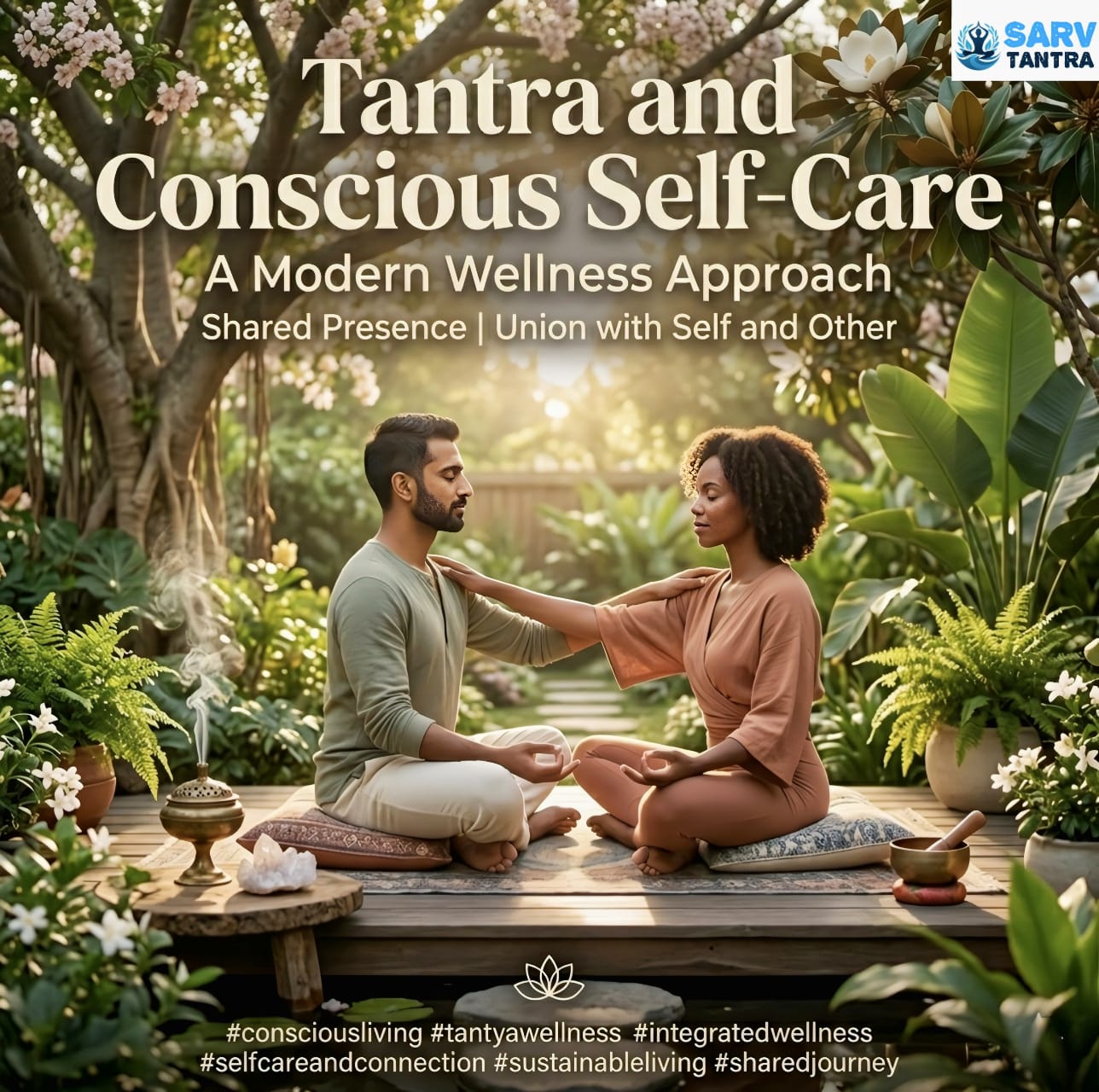
In today’s fast-moving world, self-care has become more important than ever. Many people are searching for meaningful ways to reduce stress, improve emotional wellbeing, and reconnect with themselves. While traditional self-care practices such as exercise, meditation, and healthy eating remain valuable, more individuals are exploring holistic approaches that nurture the mind, body, and spirit together.
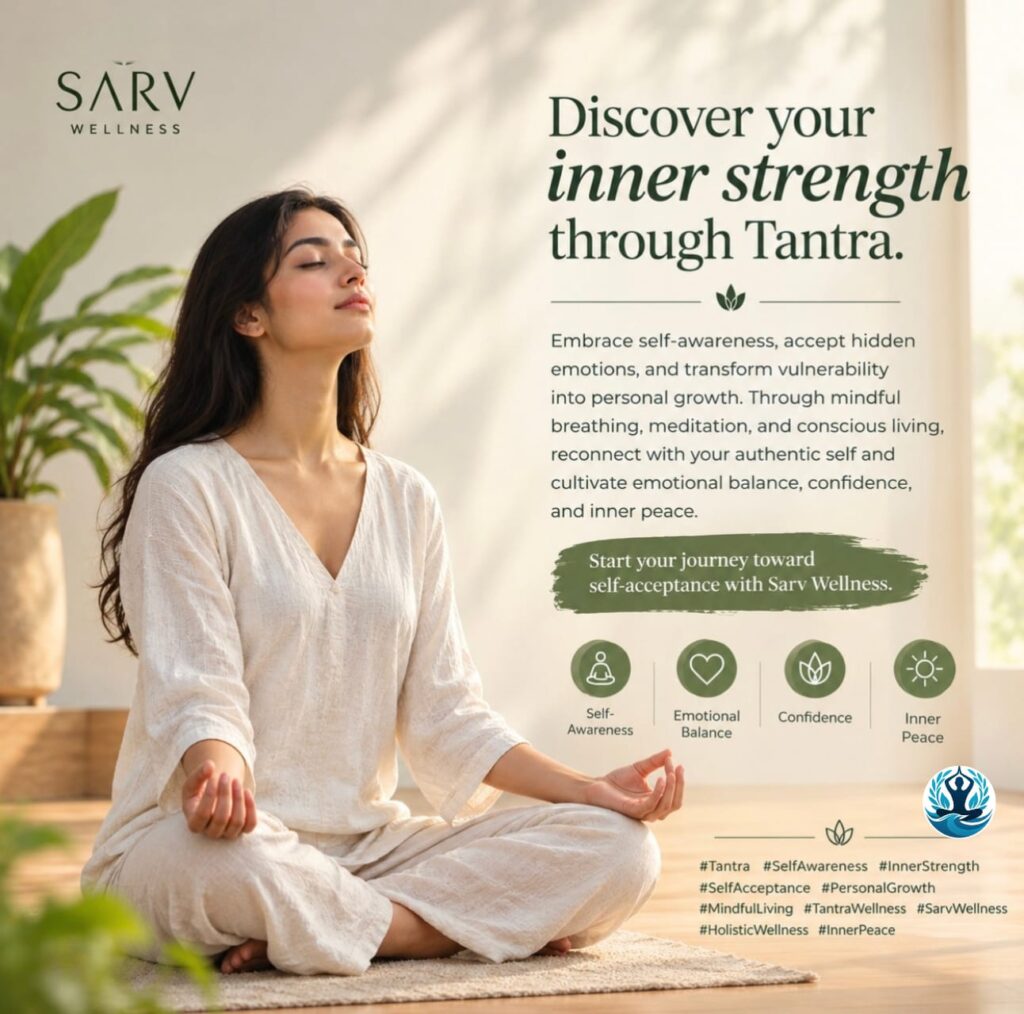
One such approach is Tantra, an ancient practice that emphasizes awareness, presence, connection, and conscious living. Contrary to common misconceptions, Tantra is not solely about intimacy. It is a comprehensive philosophy that encourages individuals to experience life more fully, cultivate self-awareness, and develop a deeper relationship with themselves and the world around them.
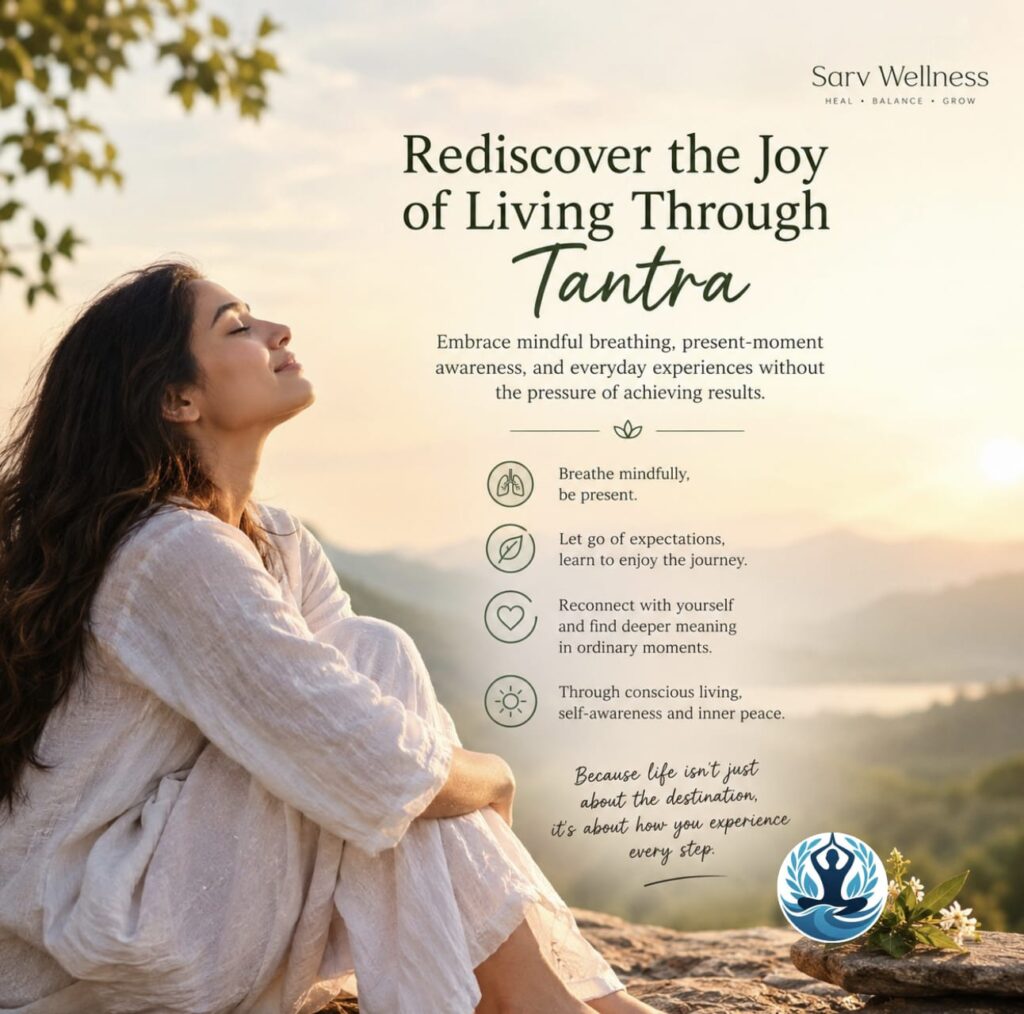
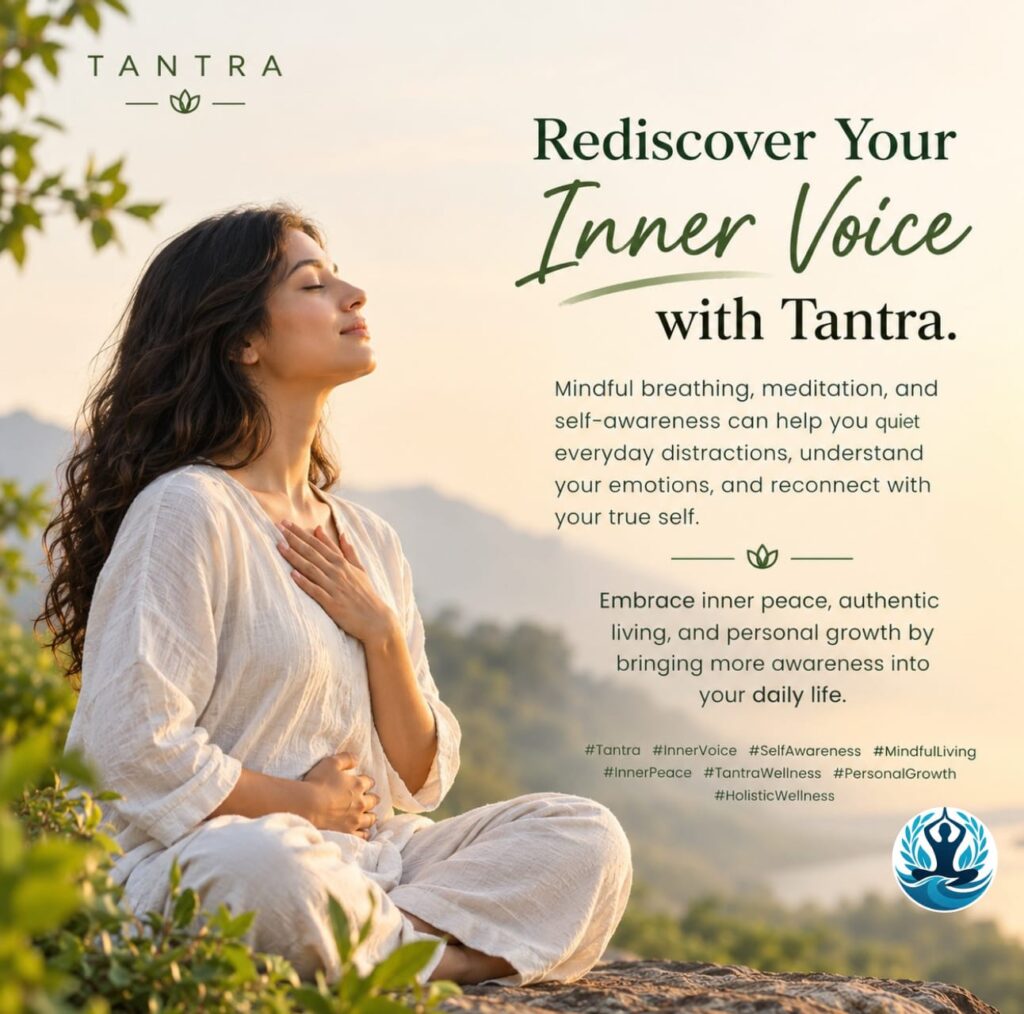
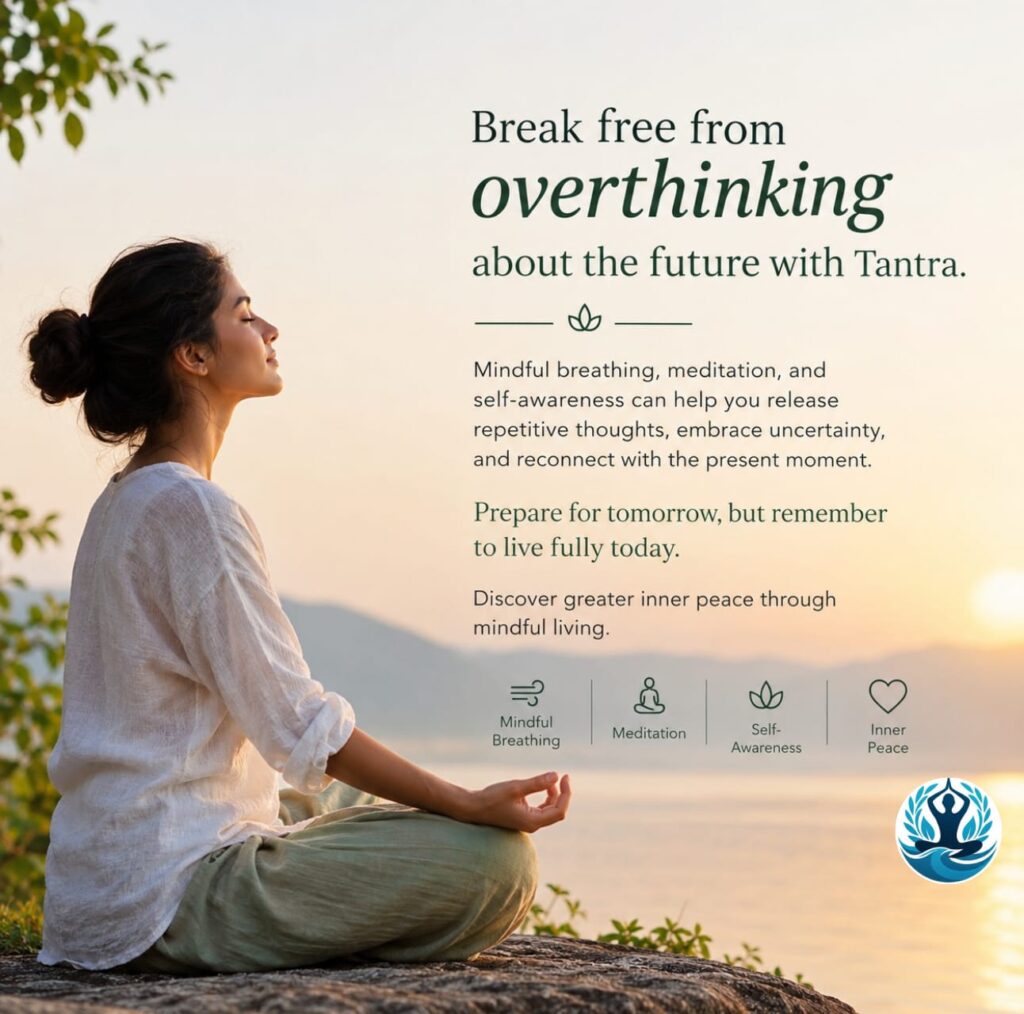
When combined with conscious self-care, Tantra offers a powerful framework for personal wellbeing. It encourages slowing down, listening to the body, managing stress effectively, and embracing life with greater mindfulness.
This article explores the connection between Tantra and conscious self-care, the benefits of integrating Tantra into modern wellness routines, and practical ways to begin your journey.
Understanding Conscious Self-Care
Self-care is often associated with activities like taking a bath, enjoying a massage, or spending time on hobbies. While these practices can be beneficial, conscious self-care goes much deeper.
Conscious self-care involves intentionally caring for your physical, emotional, mental, and spiritual wellbeing. It requires awareness of your needs and a commitment to nurturing yourself regularly rather than only responding when stress becomes overwhelming.
Conscious self-care includes:
- Managing stress mindfully
- Creating healthy boundaries
- Practicing emotional awareness
- Supporting physical wellbeing
- Cultivating mindfulness
- Prioritizing rest and recovery
- Developing self-compassion
Rather than being another item on a to-do list, conscious self-care becomes a way of living that promotes long-term balance and wellbeing.
What Is Tantra?
Tantra is an ancient spiritual and philosophical tradition that originated thousands of years ago. While it has evolved in different forms throughout history, its core principles remain centered on awareness, connection, presence, and personal transformation.
Tantra teaches that every aspect of life can be approached with mindfulness and intention. Instead of separating spiritual growth from daily experiences, Tantra encourages individuals to bring awareness into everything they do.
Key principles of Tantra include:
- Presence in the moment
- Conscious breathing
- Mind-body awareness
- Emotional acceptance
- Energy awareness
- Compassion and connection
- Mindful living
These principles naturally align with modern self-care practices, making Tantra a valuable tool for holistic wellness.
Why Modern Life Makes Conscious Self-Care Essential
Many people today experience:
- Constant digital stimulation
- High work demands
- Emotional exhaustion
- Burnout
- Anxiety
- Sleep disturbances
- Lack of meaningful connection
The pressure to remain productive often causes individuals to disconnect from their bodies and emotions. Over time, this can contribute to chronic stress and reduced wellbeing.
Tantra offers an alternative approach by encouraging individuals to slow down and reconnect with themselves. Instead of constantly seeking external validation or achievement, Tantra emphasizes inner awareness and balance.
This shift can be particularly beneficial in today’s wellness landscape.
How Tantra Supports Conscious Self-Care
1. Encourages Mindful Awareness
One of Tantra’s foundational teachings is awareness.
Many people move through life on autopilot, rushing from one task to another without fully experiencing the present moment. This can increase stress and reduce overall satisfaction.
Tantric practices encourage individuals to:
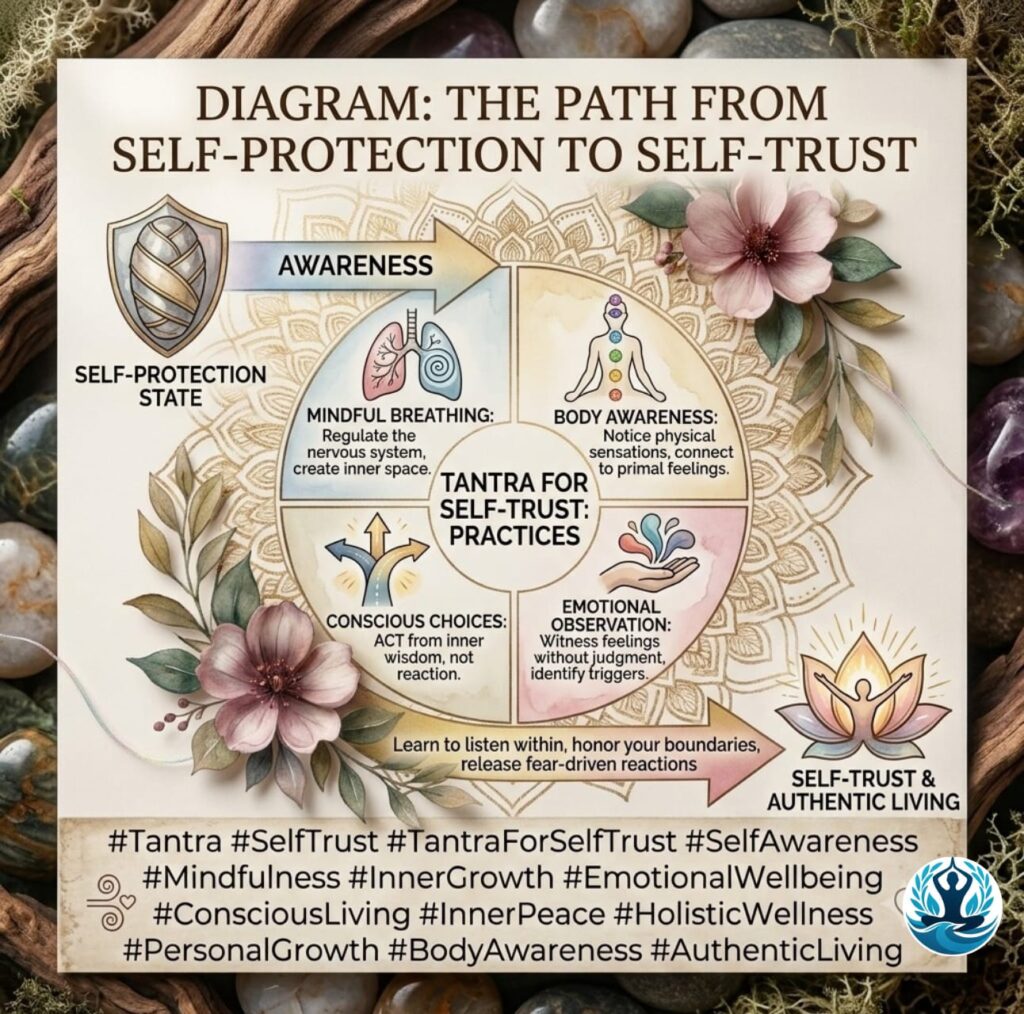
- Notice thoughts without judgment
- Observe emotional patterns
- Become aware of bodily sensations
- Stay present during daily activities
This heightened awareness supports conscious self-care because it helps individuals recognize their needs before reaching a state of burnout.
2. Promotes Stress Reduction
Chronic stress has become one of the most common wellness challenges worldwide.
Tantra incorporates breathing exercises, meditation, and mindfulness practices that activate the body’s relaxation response.
Benefits may include:
- Reduced mental tension
- Lower stress levels
- Improved emotional regulation
- Greater feelings of calm
When practiced consistently, Tantra can become an effective tool for managing everyday stress.
3. Deepens the Mind-Body Connection
Modern lifestyles often encourage people to live primarily in their minds while ignoring physical signals from the body.
Tantra emphasizes developing awareness of bodily sensations and experiences.
This stronger mind-body connection can help individuals:
- Recognize signs of fatigue
- Understand emotional triggers
- Improve self-awareness
- Support healthier lifestyle choices
When people become more connected to their bodies, self-care decisions often become more intuitive and effective.
4. Supports Emotional Wellbeing
Emotional health is a critical aspect of conscious self-care.
Many people suppress difficult emotions because they feel uncomfortable or overwhelming. However, avoiding emotions often causes them to accumulate over time.
Tantra encourages emotional awareness and acceptance.
Instead of resisting emotions, practitioners learn to:
- Observe feelings without judgment
- Process emotions mindfully
- Cultivate self-compassion
- Build emotional resilience
This approach supports healthier emotional wellbeing and personal growth.
5. Improves Presence and Focus
Modern distractions make it difficult to stay present.
Social media, constant notifications, and multitasking can fragment attention and contribute to mental fatigue.
Tantric mindfulness practices help strengthen concentration and presence.
Potential benefits include:
- Improved focus
- Greater productivity
- Reduced overwhelm
- Enhanced mental clarity
Being fully present can transform everyday experiences into opportunities for self-care and personal fulfillment.
Tantra and Breathwork: A Powerful Self-Care Practice
Breath plays a central role in Tantra.
Conscious breathing helps regulate the nervous system and create a sense of calm.
Simple breathwork practices may include:
Deep Belly Breathing
- Inhale slowly through the nose
- Expand the abdomen
- Exhale gently
- Repeat for several minutes
Mindful Breathing
Focus attention on each breath without attempting to change it.
Rhythmic Breathing
Maintain a consistent breathing pattern to support relaxation and emotional balance.
Breathwork can be integrated into daily routines and serves as a practical form of conscious self-care.
The Role of Meditation in Tantric Self-Care
Meditation is another important component of Tantra.
Rather than trying to eliminate thoughts, Tantric meditation focuses on cultivating awareness and acceptance.
Regular meditation may support:
- Reduced stress
- Emotional balance
- Increased self-awareness
- Better sleep quality
- Improved concentration
Even five to ten minutes of daily meditation can contribute to overall wellbeing.
Tantra and Self-Compassion
Many individuals are highly critical of themselves.
They may hold unrealistic expectations, constantly compare themselves to others, or focus excessively on perceived shortcomings.
Tantra encourages a compassionate relationship with oneself.
Self-compassion involves:
- Accepting imperfections
- Practicing kindness toward yourself
- Recognizing your inherent worth
- Letting go of excessive self-judgment
This mindset creates a healthier foundation for long-term self-care.
Creating Rituals for Conscious Self-Care
Tantra emphasizes the importance of intention.
Daily rituals can transform ordinary activities into meaningful self-care practices.
Examples include:
Morning Awareness Practice
Begin the day with:
- Deep breathing
- Gratitude reflection
- Gentle stretching
Mindful Eating
Eat slowly and pay attention to flavors, textures, and sensations.
Evening Reflection
Spend a few minutes reviewing the day with awareness and gratitude.
These simple rituals encourage greater presence and wellbeing.
Tantra and Energy Awareness
Many Tantric traditions discuss the concept of life energy.
While interpretations vary, energy awareness often involves paying attention to how different experiences affect physical and emotional states.
Questions to explore include:
- What activities energize you?
- What situations drain you?
- When do you feel most alive?
- How can you create more balance?
Understanding personal energy patterns can improve self-care choices and overall wellness.
Benefits of Tantra for Modern Wellness
People who integrate Tantra into conscious self-care routines often report benefits such as:
Greater Self-Awareness
A deeper understanding of thoughts, emotions, and behaviors.
Reduced Stress
Improved ability to manage daily pressures.
Emotional Balance
Better emotional regulation and resilience.
Improved Sleep
Relaxation techniques may support healthier sleep habits.
Enhanced Mindfulness
Greater appreciation for everyday experiences.
Increased Presence
Less distraction and more engagement with life.
Stronger Mind-Body Connection
Improved awareness of physical and emotional needs.
Personal Growth
Opportunities for transformation and self-discovery.
How to Begin a Tantra-Based Self-Care Practice
Starting does not require extensive knowledge or experience.
Consider the following steps:
Step 1: Slow Down
Dedicate a few minutes each day to being fully present.
Step 2: Focus on Breath
Practice conscious breathing regularly.
Step 3: Develop Awareness
Observe thoughts, emotions, and bodily sensations.
Step 4: Create Rituals
Introduce mindful moments into daily routines.
Step 5: Practice Self-Compassion
Treat yourself with patience and kindness.
Step 6: Stay Consistent
Small daily practices often create lasting results over time.
Common Misconceptions About Tantra
Myth 1: Tantra Is Only About Intimacy
In reality, Tantra is a comprehensive system focused on awareness, presence, and personal growth.
Myth 2: Tantra Is Complicated
Many Tantric practices are simple and accessible to beginners.
Myth 3: Tantra Requires Special Beliefs
People from diverse backgrounds can benefit from Tantric principles.
Myth 4: Tantra Is Only for Spiritual Practitioners
Tantra can support anyone seeking greater wellbeing and self-awareness.
The Future of Self-Care and Holistic Wellness
As wellness continues to evolve, more people are moving beyond quick fixes and seeking deeper approaches to wellbeing.
Conscious self-care reflects a growing understanding that true wellness involves:
- Mental health
- Emotional wellbeing
- Physical vitality
- Spiritual connection
- Mindful living
Tantra offers practical tools that support these goals while encouraging a more balanced and intentional way of life.
Conclusion
Tantra and conscious self-care provide a powerful modern wellness approach for individuals seeking greater balance, awareness, and wellbeing. By emphasizing mindfulness, breathwork, emotional awareness, and self-compassion, Tantra helps people reconnect with themselves in meaningful ways.
In a world filled with constant distractions and demands, these practices offer an opportunity to slow down, cultivate presence, and care for the whole self. Whether through conscious breathing, meditation, mindful rituals, or deeper self-awareness, Tantra can become an effective and sustainable part of a holistic self-care routine.
By embracing Tantra as a path of conscious self-care, individuals can create a healthier relationship with themselves, reduce stress, improve emotional wellbeing, and experience life with greater clarity, connection, and purpose.