

How Tantra Helps You Manage Modern-Day Stress: A Holistic Path to Calm and Balance

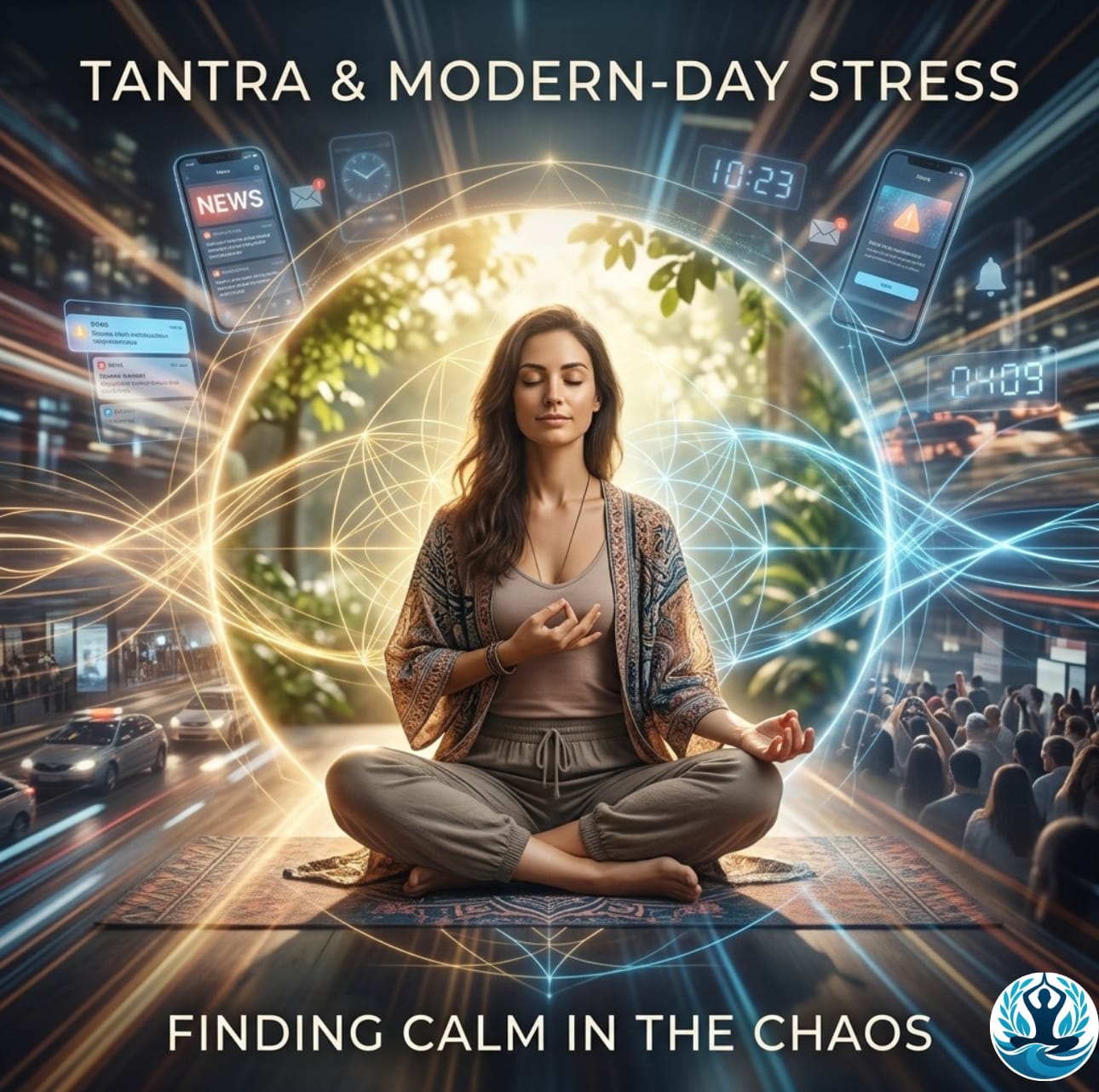
Stress has become one of the most common challenges of modern life. Constant notifications, demanding work schedules, financial pressures, relationship concerns, and information overload can leave people feeling overwhelmed and disconnected from themselves. While many individuals seek temporary relief through distractions, Tantra offers a deeper and more sustainable approach to stress management.
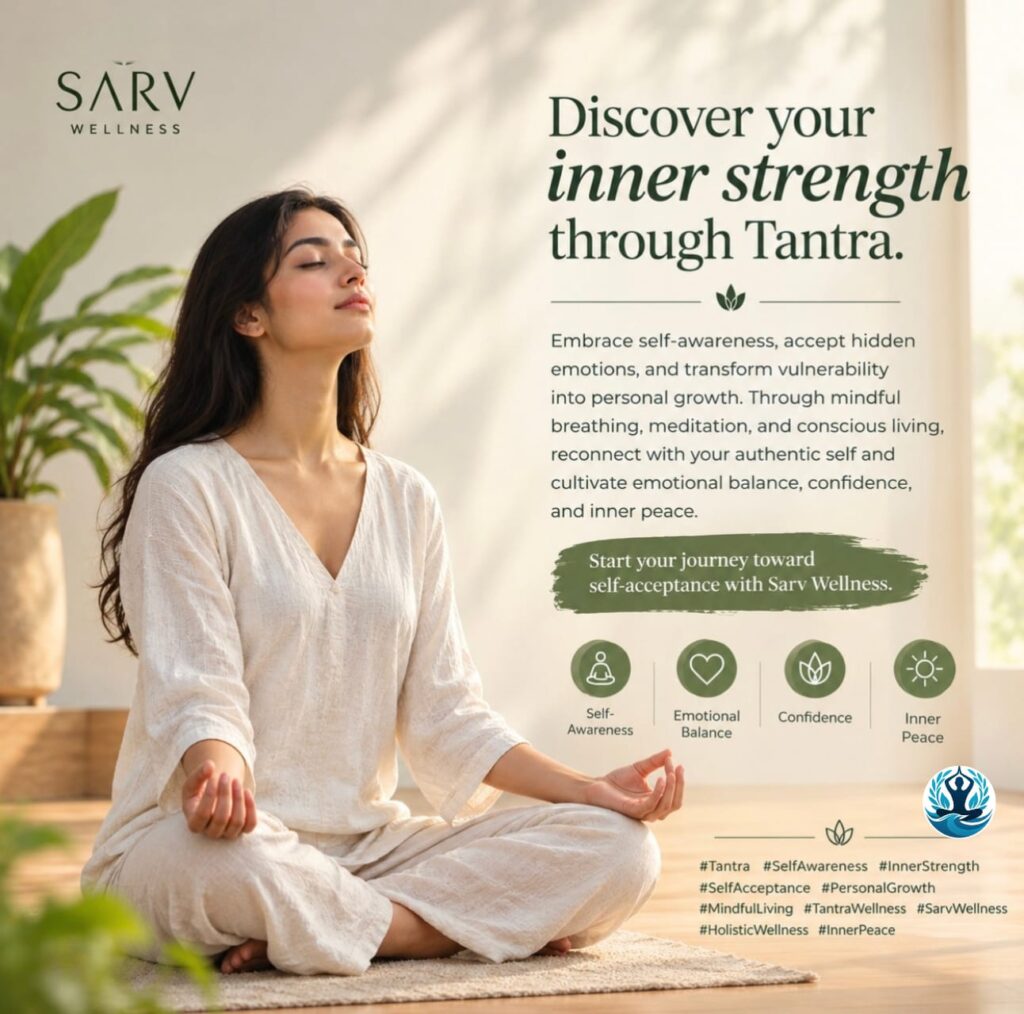
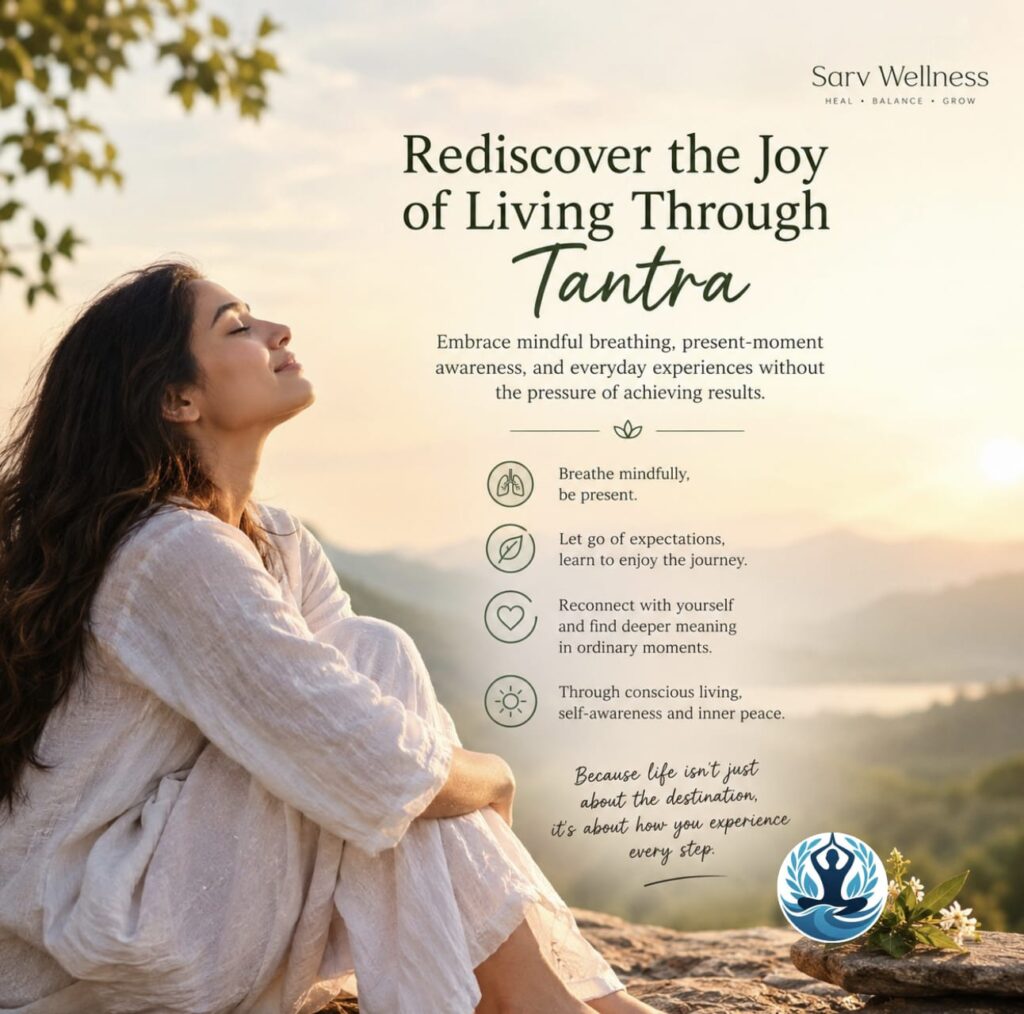
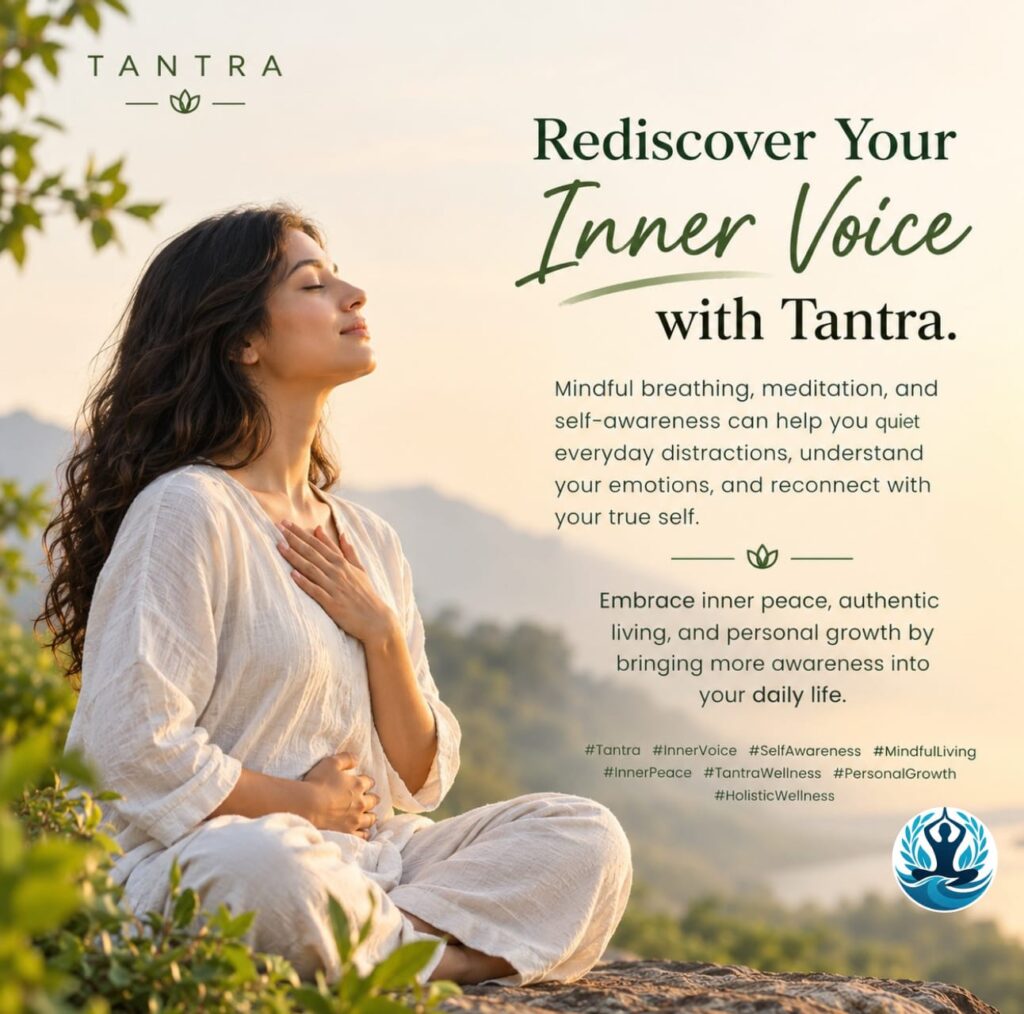
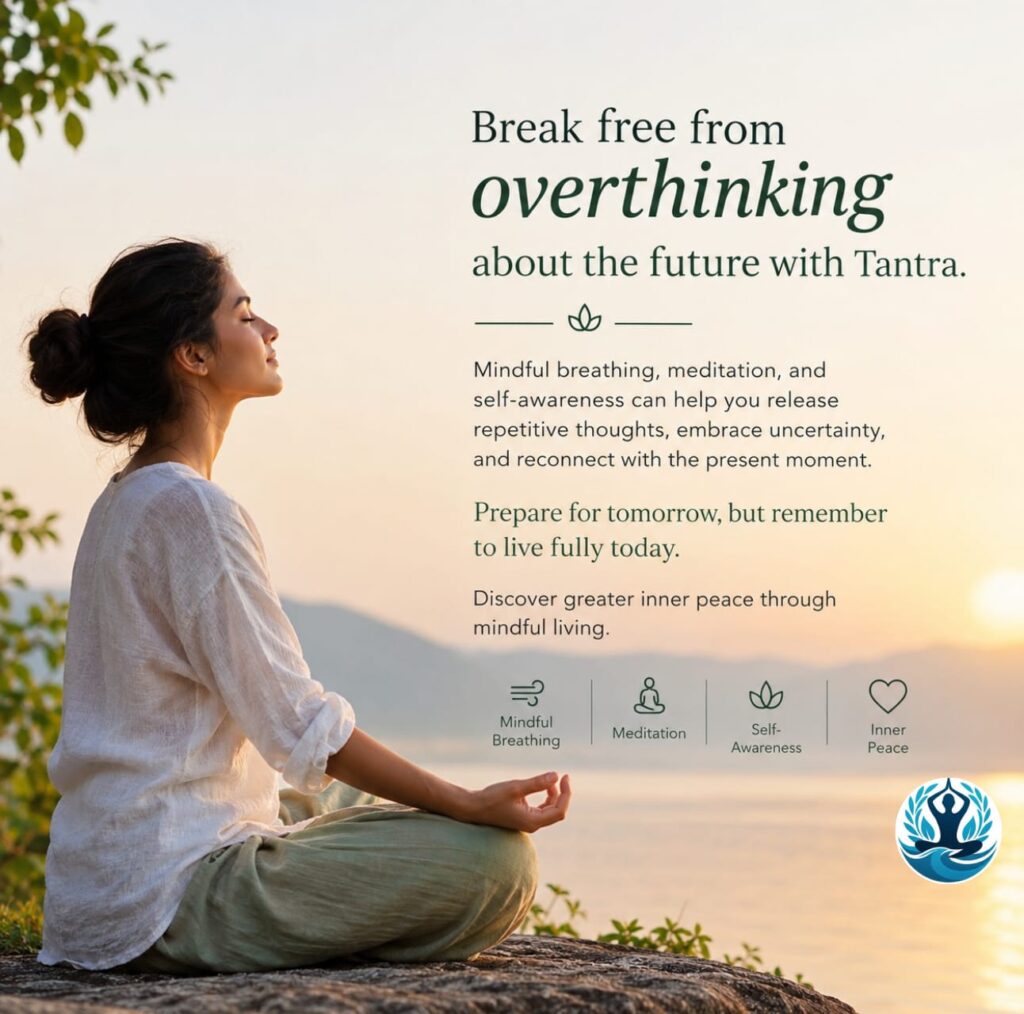
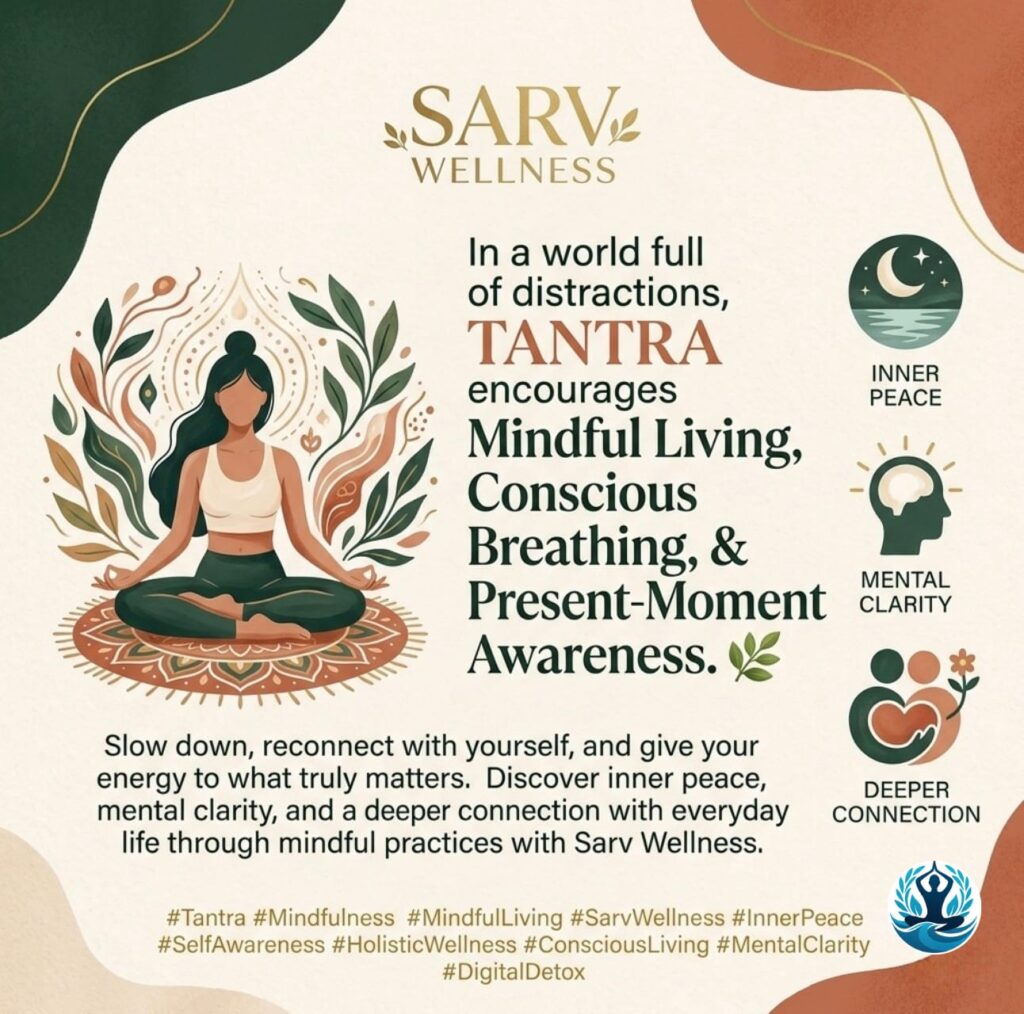
Contrary to common misconceptions, Tantra is not solely focused on intimacy. It is a holistic spiritual and wellness practice that encourages mindfulness, presence, self-awareness, and a deeper connection between mind and body. Through conscious breathing, meditation, movement, and awareness practices, Tantra can help individuals navigate stress more effectively and cultivate greater emotional resilience.
In this article, we will explore how Tantra helps manage modern-day stress, the science behind its benefits, and practical ways to incorporate Tantric principles into daily life.
Understanding Modern-Day Stress
Stress is the body’s natural response to challenges or perceived threats. While short-term stress can be beneficial in certain situations, chronic stress can negatively affect both physical and mental health.
Common sources of modern stress include:
- Work-related pressure
- Financial concerns
- Family responsibilities
- Social media overload
- Lack of work-life balance
- Sleep deprivation
- Information fatigue
- Relationship challenges
When stress becomes chronic, it may contribute to:
- Anxiety
- Irritability
- Fatigue
- Poor concentration
- Sleep problems
- Weakened immunity
- Emotional burnout
Many traditional wellness practices, including Tantra, focus on addressing the root causes of stress rather than merely managing symptoms.
What Is Tantra?
Tantra is an ancient spiritual tradition that emphasizes awareness, presence, and the integration of body, mind, and spirit. At its core, Tantra teaches individuals to fully experience life in the present moment.
The central principles of Tantra include:
- Mindful awareness
- Conscious breathing
- Energy cultivation
- Emotional acceptance
- Deep presence
- Compassionate connection
These principles naturally support stress reduction by helping individuals shift from constant mental activity into a state of greater calm and awareness.
Why Tantra Is Effective for Stress Management
Modern stress often stems from living in a state of constant mental stimulation. The mind becomes occupied with future worries, past regrets, and endless responsibilities.
Tantra encourages a different approach.
Instead of resisting or avoiding experiences, Tantra teaches people to become fully present with what they are feeling. This shift can reduce mental overwhelm and promote emotional balance.
The benefits include:
- Reduced mental chatter
- Improved emotional regulation
- Better nervous system balance
- Enhanced self-awareness
- Greater relaxation
- Improved resilience during challenges
Tantra and the Nervous System
One of the primary reasons Tantra helps reduce stress is its positive influence on the nervous system.
The human nervous system consists of:
Sympathetic Nervous System
This is commonly known as the “fight-or-flight” response.
When activated, it causes:
- Increased heart rate
- Muscle tension
- Elevated stress hormones
- Heightened alertness
Parasympathetic Nervous System
This is known as the “rest-and-digest” response.
It promotes:
- Relaxation
- Healing
- Digestion
- Emotional regulation
- Better sleep
Many Tantric practices activate the parasympathetic nervous system, helping the body move from stress mode into relaxation mode.
Conscious Breathing: A Core Tantric Tool
Breathing is central to Tantra.
When people experience stress, breathing often becomes shallow and rapid. This reinforces feelings of anxiety and tension.
Tantric breathing techniques encourage:
- Slower breathing
- Deeper oxygen intake
- Relaxation
- Improved focus
Simple Tantric Breathing Practice
- Sit comfortably.
- Close your eyes.
- Inhale slowly through the nose.
- Exhale gently through the mouth.
- Focus entirely on your breath.
Practicing for five to ten minutes daily can help reduce stress levels and increase mental clarity.
Tantra Encourages Mindfulness
Mindfulness is one of the most effective tools for stress reduction.
Tantra naturally incorporates mindfulness by encouraging full awareness of:
- Thoughts
- Emotions
- Physical sensations
- Breathing
- Daily experiences
Instead of constantly rushing through life, Tantra invites individuals to slow down and experience each moment fully.
This mindful approach can reduce anxiety about the future and rumination about the past.
Emotional Awareness and Stress Reduction
Many people suppress difficult emotions.
Over time, unresolved emotions may contribute to stress, anxiety, and emotional exhaustion.
Tantra teaches emotional awareness rather than emotional avoidance.
Through Tantric practices, individuals learn to:
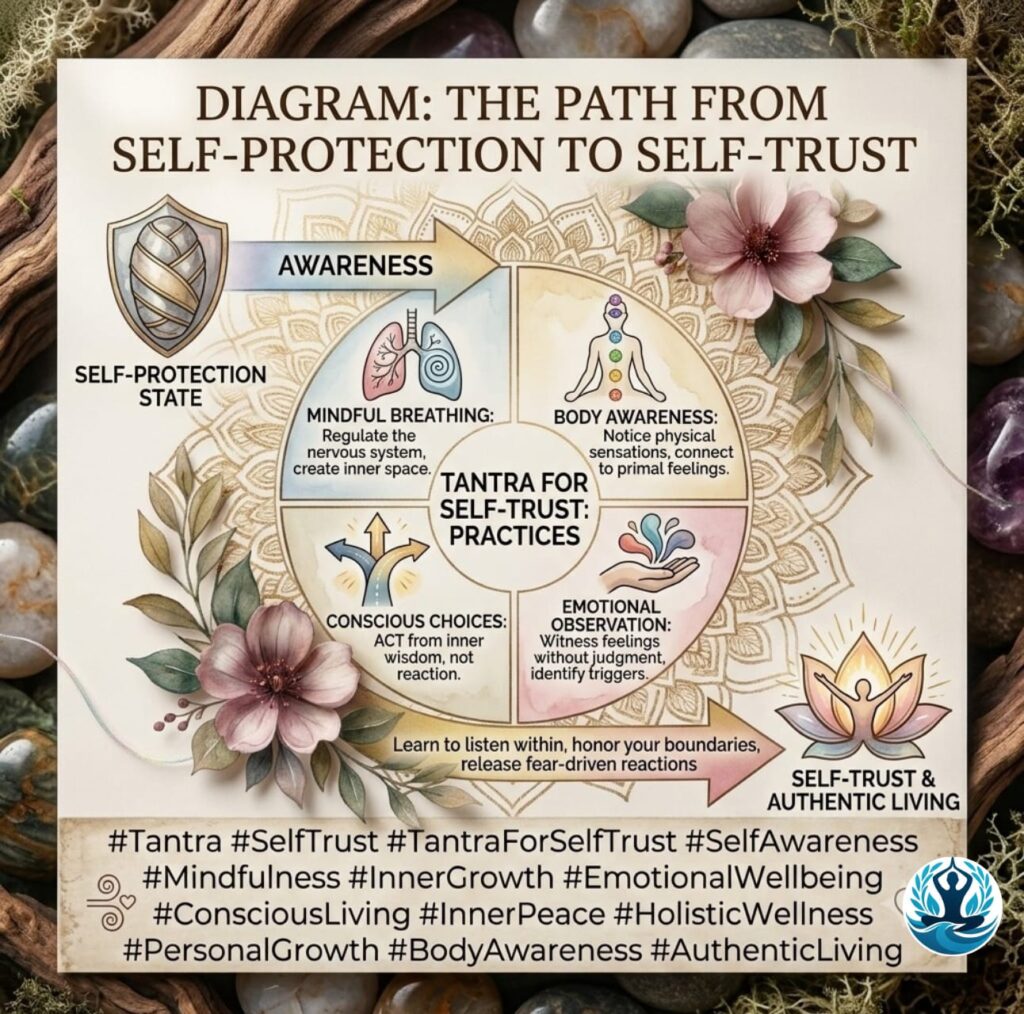
- Observe emotions without judgment
- Accept difficult feelings
- Release emotional tension
- Develop self-compassion
This emotional openness often creates greater psychological resilience.
Tantra and Body Awareness
Stress is not only experienced mentally—it also affects the body.
Common physical symptoms of stress include:
- Tight shoulders
- Jaw tension
- Headaches
- Muscle stiffness
- Fatigue
Tantra encourages deeper body awareness.
By paying attention to physical sensations, individuals can identify stress patterns early and respond with self-care practices before tension becomes overwhelming.
The Role of Meditation in Tantra
Meditation is a powerful component of Tantra.
Regular meditation may help:
- Calm the mind
- Improve concentration
- Reduce anxiety
- Enhance emotional stability
- Support relaxation
Tantric meditation often combines:
- Breath awareness
- Visualization
- Sensory awareness
- Present-moment focus
Even a few minutes of meditation each day can make a noticeable difference in stress levels.
Tantra Helps Create Healthy Boundaries
Many people experience stress because they overcommit themselves.
Tantra promotes self-awareness, helping individuals recognize:
- Personal limits
- Energy levels
- Emotional needs
This awareness makes it easier to establish healthy boundaries and protect mental wellbeing.
Healthy boundaries can reduce:
- Burnout
- Emotional exhaustion
- Relationship stress
- Workplace overwhelm
Better Sleep Through Tantric Practices
Stress and sleep problems often go hand in hand.
When the mind remains active at night, quality sleep becomes difficult.
Tantric relaxation techniques can help prepare the body and mind for restful sleep by:
- Slowing breathing
- Relaxing muscles
- Calming mental activity
- Reducing nervous system activation
Improved sleep often leads to:
- Better mood
- Greater energy
- Enhanced concentration
- Reduced stress sensitivity
Tantra and Self-Compassion
Modern culture often encourages constant productivity and achievement.
This can create self-criticism and chronic pressure.
Tantra emphasizes self-acceptance and compassion.
Through Tantric practice, individuals learn to:
- Treat themselves kindly
- Accept imperfections
- Release unrealistic expectations
- Honor personal needs
Self-compassion can significantly reduce stress and improve emotional wellbeing.
Strengthening Relationships Through Tantra
Relationships can either reduce stress or contribute to it.
Tantra encourages:
- Honest communication
- Deep listening
- Emotional presence
- Compassionate connection
These qualities often improve relationship satisfaction and reduce interpersonal conflict.
Healthy relationships provide emotional support during stressful periods.
Tantra as a Daily Stress Management Practice
One of Tantra’s greatest strengths is that it can be integrated into everyday life.
Simple daily practices include:
Morning Breathing Ritual
Spend five minutes focusing on conscious breathing before starting the day.
Mindful Eating
Eat meals slowly and with full awareness.
Body Check-In
Pause periodically to notice physical sensations and tension.
Gratitude Practice
Reflect on positive experiences and moments of appreciation.
Evening Relaxation
Practice gentle breathing or meditation before bed.
These small habits can create lasting improvements in stress management.
The Long-Term Benefits of Tantra for Stress Relief
Consistent Tantric practice may lead to:
Greater Emotional Resilience
Individuals become better equipped to handle life’s challenges.
Improved Mental Clarity
A calmer mind often supports better decision-making.
Enhanced Physical Wellbeing
Reduced stress may positively influence overall health.
Better Relationships
Greater awareness and communication improve connections with others.
Increased Life Satisfaction
Many practitioners report feeling more present, balanced, and fulfilled.
Common Misconceptions About Tantra
Myth 1: Tantra Is Only About Intimacy
In reality, Tantra is a comprehensive spiritual and wellness system focused on awareness and personal growth.
Myth 2: Tantra Is Complicated
Many Tantric practices are simple and accessible to beginners.
Myth 3: Tantra Requires Special Training
While guidance can be helpful, basic breathing and mindfulness practices can be started by almost anyone.
Getting Started with Tantra for Stress Management
If you are new to Tantra, consider these simple steps:
- Practice conscious breathing daily.
- Develop a mindfulness routine.
- Spend time observing your emotions.
- Engage in regular meditation.
- Cultivate self-compassion.
- Slow down daily activities and become more present.
Consistency is more important than perfection.
Small daily practices often create meaningful long-term results.
Conclusion
Modern life presents countless sources of stress, but Tantra offers a powerful and holistic approach to managing these challenges. By combining mindfulness, conscious breathing, meditation, emotional awareness, and body-centered practices, Tantra helps individuals cultivate greater calm, resilience, and balance.
Rather than simply escaping stress, Tantra teaches us how to transform our relationship with it. Through presence, awareness, and self-compassion, we can navigate life’s demands with greater ease and reconnect with a deeper sense of wellbeing.
If you are looking for a natural and sustainable way to reduce stress, improve emotional health, and create more balance in your life, Tantra may provide the mindful path you have been seeking.